 INNO glasvezel temperatuursensoren ,temperatuurbewakingssystemen.
- Glasvezeltemperatuurbewaking biedt superieure elektrische isolatie en EMI-immuniteit voor droge transformatoren
- Fluorescerende glasvezelsensoren meten de temperatuur van -40°C tot 260°C met een nauwkeurigheid van ±1°C en een responstijd van minder dan een seconde
- Ondersteuning voor meerkanaalssystemen 1-64 monitoringpunten per zender voor uitgebreide transformatorbeveiliging
- Kritische bewakingslocaties zijn onder meer hoogspanningswikkelingen, laagspanningswikkelingen, kern gewrichten, en kabelverbindingen
- Voldoet aan de IEC- en GB-normen voor transformatortemperatuurbewaking en veiligheidseisen
- Van toepassing op gelijkrichtertransformatoren, tractietransformatoren, stroomtransformatoren, en diverse typen industriële transformatoren
- SCADA- en BMS-integratie maakt gecentraliseerde monitoring en voorspellend onderhoud mogelijk
Inhoudsopgave
- Wat is glasvezeltemperatuurbewaking voor droge transformatoren?
- Waarom droge transformatoren realtime temperatuurbewakingssystemen nodig hebben
- Veelvoorkomende oorzaken van hotspot-storingen in transformatorwikkelingen van het droge type
- Kritieke temperatuurbewakingspunten in droge transformatoren
- Hoe fluorescerende glasvezelsensoren werken voor het meten van de temperatuur van transformatoren
- Glasvezel versus traditionele temperatuursensoren: Wat beter is voor Transformers?
- Bovenkant 5 Voordelen van glasvezeltemperatuurbewaking in hoogspanningstransformatoren
- Technische specificaties: Fluorescerende glasvezeltemperatuursensoren voor transformatoren
- Meerpuntstemperatuurbewakingssystemen voor grote droge transformatoren
- Installatieoverwegingen voor glasvezeltemperatuursensoren in transformatorwikkelingen
- IEC- en GB-normen voor transformatortemperatuurbewakingssystemen
- Hoe u oververhitting van een transformator kunt voorkomen met continue temperatuurbewaking
- Fiber Optic Temperature Monitoring for Different Transformer Types
- How to Select the Right Fiber Optic Temperature Monitoring System for Your Transformer
- Integration of Fiber Optic Temperature Monitoring with SCADA and BMS Systems
- Global Applications and Customer Cases
- Leading Manufacturer of Fiber Optic Temperature Monitoring Systems
- Veelgestelde vragen: Fiber Optic Temperature Monitoring for Transformers
1. What Is Glasvezeltemperatuurbewaking for Dry-Type Transformers?

Temperatuurbewaking via glasvezel is an advanced measurement technology specifically designed to monitor critical temperature points in droge transformatoren. Unlike traditional resistance temperature detectors or thermocouples, this system uses optical fibers to transmit temperature data from high-voltage environments without electrical conductivity concerns.
De technologie maakt gebruik van fluorescerende glasvezelsensoren direct ingebed transformatorwikkelingen, kernstructuren, en aansluitpunten. Deze sensoren detecteren temperatuurveranderingen via fluorescentievervalprincipes, het omzetten van thermische informatie in optische signalen die door de vezel naar een bewakingszender gaan.
Droge transformatoren vertrouw op lucht- of gasisolatie in plaats van oliekoeling, waardoor ze gevoeliger zijn voor plaatselijke hotspots. A glasvezel temperatuurbewakingssysteem biedt realtime bewaking van deze kritieke zones, waardoor operators thermische afwijkingen kunnen identificeren voordat deze escaleren in apparatuurstoringen.
Het systeem bestaat uit drie hoofdcomponenten: fluorescerende temperatuursensoren geïnstalleerd op meetpunten, optische vezeltransmissiekabels die sensoren verbinden met de bewakingsapparatuur, en een meerkanaals temperatuurzender dat optische signalen verwerkt en digitale temperatuurmetingen uitvoert.
2. Waarom droge transformatoren realtime temperatuurbewakingssystemen nodig hebben

Droge transformatoren werken in omgevingen waar temperatuurbeheer een directe invloed heeft op de levensduur van apparatuur en de operationele veiligheid. Zonder continue monitoring, thermische spanning stapelt zich onopgemerkt op, isolatiematerialen aantasten en de structurele integriteit in gevaar brengen.
De afwezigheid van oliekoeling in droge ontwerpen betekent dat de warmteafvoer volledig afhankelijk is van de circulatie van omgevingslucht en convectie. Wanneer de ventilatie beperkt wordt of de omgevingstemperatuur stijgt, transformatorwikkelingen ervaren versnelde temperatuurstijgingen die binnen enkele minuten de ontwerpdrempels kunnen overschrijden.
Realtime temperatuurbewakingssystemen deze thermische excursies onmiddellijk detecteren, het activeren van alarmen voordat de isolatie kapot gaat. Deze proactieve aanpak voorkomt catastrofale storingen die resulteren in langere downtime, kostbare reparaties, en mogelijke veiligheidsrisico's.
Wettelijke vereisten in veel rechtsgebieden vereisen continue temperatuurbewaking voor transformatoren die boven een specifiek spannings- of vermogen werken. A glasvezel temperatuurbewakingssysteem voldoet aan deze complianceverplichtingen en levert tegelijkertijd bruikbare gegevens voor voorspellende onderhoudsprogramma's.
Uitdagingen op het gebied van thermisch beheer bij droge transformatoren
Gegoten epoxyharstransformatoren genereren warmteconcentraties bij wikkelingslagen waar de stroomdichtheid piekt. Deze interne hotspots blijven onzichtbaar voor externe temperatuursensoren, het creëren van blinde vlekken in conventionele monitoringbenaderingen.
Belastingvariaties introduceren thermische cycli die isolatiematerialen na verloop van tijd vermoeien. A continue temperatuurbewaking het systeem volgt deze cycli, waardoor onderhoudsteams interventies kunnen plannen op basis van daadwerkelijke thermische belasting in plaats van willekeurige tijdsintervallen.
3. Veelvoorkomende oorzaken van hotspot-storingen in transformatorwikkelingen van het droge type
Hotspot-storingen in transformatorwikkelingen zijn doorgaans afkomstig van drie primaire mechanismen: degradatie van de isolatie, huidige onevenwichtigheden, en mechanische defecten. Elk mechanisme genereert gelokaliseerde temperatuurverhogingen die de voortgang van storingen versnellen.
Isolatiematerialen binnen droge transformatoren ondergaan thermische veroudering wanneer ze worden blootgesteld aan aanhoudende temperaturen die hun nominale klasse overschrijden. Klasse F-isolatie, Bijvoorbeeld, breekt snel af boven 155°C, het creëren van resistieve paden die extra warmte genereren in een zichzelf versterkende cyclus.
Huidige onevenwichtigheden tussen fasen creëren asymmetrische verwarmingspatronen transformatorwikkelingen. Wanneer een fase een onevenredige belasting draagt als gevolg van netonevenwichtigheden of defecten aan componenten, dat de wikkeling hotspots ontwikkelt terwijl aangrenzende fasen binnen het normale werkingsbereik blijven.
Isolatiestoring en thermische runaway
Gedeeltelijke ontladingsactiviteit binnen de wikkelingsisolatie creëert microscopisch kleine verkoolde paden die de lokale weerstand verhogen. Deze zones met hoge weerstand genereren warmte wanneer er stroom vloeit, het beschadigde gebied uit te breiden en uiteindelijk een thermische runaway te veroorzaken.
Het binnendringen van vocht in de isolatie van epoxyhars vermindert de diëlektrische sterkte en verhoogt de elektrische verliezen. Het geabsorbeerde water wordt onder thermische belasting omgezet in stoom, het creëren van holtes die elektrische velden concentreren en verdere degradatie initiëren.
Mechanische spanning en schade aan de geleider
Losse geleiderverbindingen ontwikkelen contactweerstand die elektrische energie omzet in warmte. Deze verbindingen bestaan op kabelafsluitingen, tik-wisselaars, en interne wikkelverbindingen waar mechanische spanning of trillingen de contactkwaliteit verslechteren.
Kortsluitkrachten tijdens foutomstandigheden kunnen wikkelingsgeleiders vervormen, het creëren van zones waar de afstand tussen de geleiders kleiner wordt en de isolatie samengedrukt raakt. Deze mechanisch belaste gebieden vertonen verhoogde bedrijfstemperaturen tijdens normale belastingsomstandigheden.
4. Kritieke temperatuurbewakingspunten in droge transformatoren
Effectief temperatuurbewaking vereist strategische sensorplaatsing op locaties waar thermische stress zich concentreert. Fluorescerende glasvezelsensoren moet worden gepositioneerd om zowel de gemiddelde wikkelingstemperaturen als plaatselijke hotspots vast te leggen.
Hoogspanningswikkelingen vertegenwoordigen de primaire monitoringprioriteit vanwege hun directe blootstelling aan elektrische stress en warmteontwikkeling. Sensoren ingebed tussen wikkellagen detecteren interne temperatuurstijgingen die externe metingen niet kunnen onthullen.
Bewakingslocaties voor hoogspanningswikkelingen
De binnenste lagen van hoogspanningswikkelingen ondervinden een beperkte luchtstroom en opgehoopte warmte van omringende geleiders. Installeren glasvezel temperatuursensoren op deze binnenradiusposities zorgt dit voor een vroegtijdige waarschuwing voor thermische opbouw voordat deze zich naar buiten voortplant.
Fase-naar-fase-knooppunten in driefasige transformatoren ontwikkelen verhoogde temperaturen als gevolg van magnetische veldinteracties. Het monitoren van deze kruispunten identificeert onevenwichtigheden in de belasting en fasespecifieke thermische problemen.
Laagspanningswikkeling en kernbewaking
Laagspanningswikkelingen voeren hogere stromen bij lagere spanningen, aanzienlijke weerstandsverwarming genereren. Temperatuursensoren die op stroomvoerende geleidersecties zijn geplaatst, volgen de thermische belasting en identificeren bochten met overmatige weerstand.
Kernlamineringsverbindingen creëren magnetische fluxconcentratiezones die wervelstroomverwarming genereren. Temperatuurbewaking bij deze verbindingen wordt oververhitting van de kern gedetecteerd, veroorzaakt door aantasting van de isolatie tussen de lamellen.
Kabelaansluiting en doorvoerbewaking
Kabelverbindingen en businterfaces vertegenwoordigen veelvoorkomende faalpunten waar contactweerstand zich in de loop van de tijd ontwikkelt. Sensoren die op deze aansluitpunten zijn geïnstalleerd, identificeren zich ontwikkelende problemen voordat de verbinding mislukt.
Neutrale verbindingen in Y-geconfigureerde transformatoren voeren ongebalanceerde stromen en harmonischen die onverwachte verwarming genereren. Het bewaken van neutrale verbindingstemperaturen voorkomt storingen in deze vaak over het hoofd geziene componenten.
5. Hoe fluorescerende glasvezelsensoren werken voor het meten van de temperatuur van transformatoren

Fluorescerende glasvezelsensoren maken gebruik van zeldzame aardfosformaterialen die fluorescerend licht uitstralen wanneer ze worden geëxciteerd door specifieke golflengten. De fluorescentievervaltijd varieert voorspelbaar met de temperatuur, waardoor een betrouwbaar meetmechanisme ontstaat, onafhankelijk van de lichtintensiteit.
De sensorsonde bevat een fosforkristal dat op de vezelpunt is geplaatst. Wanneer ultraviolet of blauw LED-licht door de optische vezel naar de sonde gaat, het wekt de fosfor op, die fluorescerend licht uitstraalt in het rode spectrum.
Fluorescerende vervaltijdmeting
Na de excitatie eindigt de lichtpuls, de fluorescentie-emissie vervalt exponentieel met een tijdconstante die afneemt naarmate de temperatuur stijgt. De monitoringzender meet deze vervaltijd met een precisie van microseconden, het omzetten in temperatuur via gekalibreerde algoritmen.
Dit punttemperatuurmeting aanpak biedt absolute temperatuurmetingen die niet worden beïnvloed door vezelbuigverliezen, connectorvariaties, of optische vermogensschommelingen. De meting is alleen afhankelijk van de vervaltijdconstante, die uitsluitend op de sondetemperatuur reageert.
Optische signaaloverdracht en -verwerking
Dezelfde optische vezel die excitatielicht aan de sensor levert, zendt ook de fluorescentie-emissie terug naar de sensor temperatuur zender. Golflengteselectieve filters scheiden het terugkerende fluorescentiesignaal van resterend excitatielicht.
Hogesnelheidsfotodetectoren zetten het optische signaal om in elektrische pulsen die digitale verwerkingscircuits analyseren. Het systeem berekent de vervaltijd door het interval tussen pulsinitiatie en verval te meten tot een vooraf bepaald drempelniveau.
6. Glasvezel versus traditionele temperatuursensoren: Wat beter is voor Transformers?

Glasvezel temperatuursensoren bieden fundamentele voordelen ten opzichte van weerstandstemperatuurdetectoren (RTD's) en thermokoppels in hoogspanningstransformatortoepassingen. De volledige afwezigheid van metalen geleiders elimineert zorgen over de elektrische veiligheid en de gevoeligheid voor elektromagnetische interferentie.
PT100 RTD's vereisen geïsoleerde draadverbindingen die capacitieve koppeling introduceren met hoogspanningswikkelingen. Deze koppeling veroorzaakt meetfouten en veiligheidsrisico's bij installatie in bekrachtigde transformatoren die boven 10 kV werken.
Elektrische isolatie en veiligheid
Optische glasvezels bieden een oneindige elektrische weerstand, toestaan fluorescerende glasvezelsensoren om veilig te kunnen werken in direct contact met hoogspanningsgeleiders. Er bestaat geen elektrisch pad tussen het meetpunt en de bewakingsapparatuur, het garanderen van de veiligheid van het personeel en de meetnauwkeurigheid.
Traditionele RTD's vereisen speciale instrumenttransformatoren of geïsoleerde voedingen bij het meten van temperaturen in hoogspanningsomgevingen. Deze ondersteunende systemen voegen complexiteit toe en introduceren extra faalwijzen.
Elektromagnetische immuniteit
Transformatorbewaking omgevingen bevatten intense elektromagnetische velden van belastingsstromen en schakeltransiënten. Metalen sensorkabels fungeren als antennes die deze velden in meetcircuits koppelen, waardoor ruis en valse metingen ontstaan.
Optische vezels verzenden gegevens als lichtpulsen die immuun zijn voor elektromagnetische interferentie. Glasvezel temperatuurbewakingssystemen handhaaf de meetnauwkeurigheid in omgevingen waar de magnetische fluxdichtheid groter is 100 gauss.
Meetnauwkeurigheid en betrouwbaarheid
Fluorescerende glasvezelsensoren behouden een nauwkeurigheid van ±1°C over het gehele werkingsbereik zonder dat periodieke herkalibratie nodig is. Het fluorescerende vervalprincipe zorgt voor inherente stabiliteit die niet wordt beïnvloed door optische vermogensvariaties of vezeldegradatie.
De RTD-nauwkeurigheid neemt af als de weerstand van de geleidingsdraden verandert met de temperatuur of als er contactweerstand ontstaat bij aansluitingen. Deze foutenbronnen vereisen compensatienetwerken die de complexiteit vergroten zonder de nauwkeurigheid op de lange termijn te garanderen.
7. Bovenkant 5 Voordelen van glasvezeltemperatuurbewaking in hoogspanningstransformatoren
1. Intrinsieke veiligheid in hoogspanningsomgevingen
Glasvezel temperatuursensoren bevatten geen geleidende materialen, het elimineren van vlambooggevaren en risico's op elektrische schokken tijdens installatie of onderhoud. Technici kunnen veilig omgaan met sensorkabels en aansluitingen, zelfs als de transformatoren onder spanning blijven staan.
De diëlektrische sterkte van optische vezels overschrijdt 100 kV/mm, waardoor sensoren betrouwbaar kunnen werken in direct contact met hoogspanningsgeleiders. Deze mogelijkheid maakt het mogelijk bewaking van de temperatuur van de wikkelingen at locations inaccessible to conventional sensors.
2. Complete EMI and RFI Immunity
Hoogspanningstransformatoren generate electromagnetic fields that interfere with electronic measurement systems. Optical measurement principles remain unaffected by these fields, ensuring accurate readings regardless of load conditions or switching events.
Radio frequency interference from nearby communications equipment or corona discharge cannot corrupt optical signals. This immunity eliminates the shielding requirements and filtering networks that traditional sensors demand.
3. Long-Distance Signal Transmission
Optical signals travel through fiber over distances exceeding 80 meters without degradation or signal conditioning. This transmission capability allows centralized monitoring equipment to serve multiple transformers from a single control room location.
Electrical signals from RTDs require amplification and conditioning every 20-30 meters to maintain accuracy. These repeater circuits add cost and introduce reliability concerns in distributed monitoring applications.
4. Multi-Point Monitoring Capability
Een enkele glasvezel temperatuurzender supports up to 64 independent fluorescerende sensoren through channel multiplexing. This scalability enables comprehensive monitoring of large transformers with minimal equipment investment.
Elk sensorkanaal werkt onafhankelijk met speciale meetcircuits. Het falen van één sensor heeft geen invloed op aangrenzende kanalen, het garanderen van de systeembetrouwbaarheid in kritische toepassingen.
5. Minimale afmetingen en installatieflexibiliteit
Glasvezelsensoren met aanpasbare sondediameters tot 2 mm, waardoor installatie in beperkte wikkelruimten mogelijk is zonder het transformatorontwerp te verstoren. De flexibele glasvezelkabels lopen gemakkelijk door nauwe doorgangen en rond scherpe bochten.
Kleine sensorafmetingen minimaliseren de thermische massa, responstijden mogelijk maken onder 1 seconde. Deze snelle reactie detecteert voorbijgaande temperatuurpieken die langzamere sensoren missen, biedt superieure bescherming tegen thermische schade.
8. Technische specificaties: Fluorescerende glasvezeltemperatuursensoren voor Transformers
Fluorescerende glasvezelsensoren ontworpen voor transformatortoepassingen en leveren nauwkeurige punttemperatuurmetingen over een breed werkingsbereik. The following specifications define performance characteristics for typical installations.

| Parameter | Specificatie |
|---|---|
| Metingstype | Point Temperature Measurement |
| Meetnauwkeurigheid | ±1°C |
| Temperatuurbereik | -40°C tot +260°C |
| Vezellengte | 0 naar 80 meter |
| Reactietijd | < 1 seconde |
| Sondediameter | Aanpasbaar (typically 2-5mm) |
| Kanaalcapaciteit | 1-64 kanalen per zender |
| Maatwerk | All parameters customizable |
The ±1°C accuracy specification applies across the entire -40°C to +260°C operating range, voor consistente prestaties vanaf een koude start tot en met de maximale nominale temperaturen. Dit nauwkeurigheidsniveau voldoet aan de vereisten voor zowel het genereren van alarmen als het rapporteren over naleving van de regelgeving.
Vezellengte en installatieflexibiliteit
De maximale vezellengte van 80 meter is geschikt voor installaties waarbij monitoringapparatuur op afstand van transformatorlocaties moet worden geplaatst. Langere glasvezeltrajecten zijn beschikbaar via op maat gemaakte engineering voor speciale toepassingen die langere transmissieafstanden vereisen.
Vezellengtes kunnen in elke gewenste stap worden opgegeven 0.5 meter naar boven, waardoor nauwkeurige afstemming op specifieke transformatorgeometrieën mogelijk is. Vooraf aangesloten vezels met in de fabriek gekalibreerde sondes zorgen voor meetnauwkeurigheid zonder kalibratievereisten in het veld.
Reactietijd en dynamische monitoring
Reactietijden van minder dan een seconde maken detectie mogelijk van snelle temperatuurveranderingen tijdens foutcondities of belastingschakelgebeurtenissen. Deze snelle reactie biedt bescherming tegen tijdelijke oververhittingscondities die langzamere sensoren niet kunnen detecteren.
De fluorescerend meetprincipe levert inherent een snelle respons op zonder de thermische vertraging die gepaard gaat met RTD's ingebed in beschermende putten. Directe blootstelling van het fosforkristal aan gemeten omgevingen elimineert tussenliggende thermische barrières.
9. Meerpuntstemperatuurbewakingssystemen voor grote droge transformatoren
Grote droge transformatoren vereisen uitgebreide thermische bewaking op meerdere kritieke locaties. Meerkanaals glasvezeltemperatuurbewakingssystemen zorgen voor gelijktijdige meting van maximaal 64 onafhankelijke punten via een enkele zendereenheid.
Elk monitoringkanaal is verbonden met een individu fluorescerende glasvezelsensor geïnstalleerd bij strategische kronkeling, kern, of verbindingslocaties. De zender doorloopt alle kanalen, het bijwerken van elke temperatuurmeting met tussenpozen van 1-2 seconden afhankelijk van het aantal kanalen.
Systeemarchitectuur en kanaalconfiguratie
Meerpuntsbewakingssystemen gebruik optische multiplexing om gemeenschappelijke LED-bronnen en detectiecircuits over alle kanalen te delen. Individuele vezels lopen van elke sensorlocatie naar speciale ingangspoorten op het voorpaneel van de zender.
Kanaalconfiguraties variëren doorgaans van 6 naar 12 punten voor standaard distributietransformatoren, terwijl grote stroomtransformatoren dit misschien nodig hebben 24 naar 48 kanalen. De modulaire architectuur maakt systeemuitbreiding mogelijk door zendereenheden toe te voegen naarmate de monitoringvereisten toenemen.
Gecentraliseerde gegevensverwerking en alarmbeheer
De zender voor temperatuurbewaking verwerkt alle kanaalingangen via een centrale microprocessor die kalibratie-algoritmen toepast en alarmsignalen genereert wanneer vooraf ingestelde drempels worden overschreden. Meerdere alarmniveaus maken gefaseerde reacties op zich ontwikkelende thermische problemen mogelijk.
Digitale uitgangen communiceren met transformatorbesturingssystemen om koelapparatuur te initiëren, verminder de belasting, of schakel stroomonderbrekers uit wanneer de temperatuur een kritiek niveau bereikt. Deze integratie maakt geautomatiseerde bescherming mogelijk zonder tussenkomst van een operator.
10. Installatieoverwegingen voor glasvezeltemperatuursensoren in transformatorwikkelingen
Installeren glasvezel temperatuursensoren in transformatorwikkelingen vereist een zorgvuldige planning om de overleving van de sensor tijdens productieprocessen en langdurig gebruik te garanderen. Sensoren moeten bestand zijn tegen epoxygieten, vacuüm impregnatie, en thermische cycli zonder degradatie.
Sensorpositioneringsstrategie
Sensoren ingebed hoogspanningswikkelingen zijn gepositioneerd tussen wikkellagen op radiale locaties waar maximale temperatuur optreedt. Meerdere sensoren op verschillende verticale posities registreren temperatuurgradiënten langs de wikkelhoogte.
Laagspanningswikkelingen ontvangen doorgaans sensoren op stroomvoerende geleideroppervlakken waar resistieve verwarming zich concentreert. Deze installaties monitoren de temperatuur van de geleider rechtstreeks in plaats van deze af te leiden uit de omliggende isolatie.
Vezelroutering en mechanische bescherming
Optische vezelkabels lopen van ingebedde sensoren via aangewezen uitgangspunten in de kronkelende structuur. Beschermende slangen beschermen de vezels tegen slijtage tijdens het hanteren en beschermen tegen het binnendringen van vocht tijdens gebruik.
Vezeluitgangspunten moeten de integriteit van de isolatie behouden en tegelijkertijd kabeldoorgang toestaan. Speciale doorvoertules of ingegoten doorvoerconstructies dichten deze doorvoeringen af tegen vocht en zorgen voor trekontlasting voor optische kabels.
11. IEC- en GB-normen voor transformatortemperatuurbewakingssystemen
Transformatortemperatuurbewakingssystemen moeten voldoen aan internationale en nationale normen voor meetnauwkeurigheid, veiligheid, en betrouwbaarheid. Deze normen zorgen voor consistente prestaties bij verschillende fabrikanten en toepassingen.
IEC 60076 Transformatornormen
IEC 60076-2 specificeert temperatuurstijgingslimieten voor vermogenstransformatoren, het definiëren van de maximaal toegestane wikkelings- en kerntemperaturen onder nominale belastingsomstandigheden. Temperatuurbewakingssystemen moet voldoende nauwkeurigheid bieden om de naleving van deze limieten te verifiëren.
IEC 60076-7 behandelt laadrichtlijnen voor in olie ondergedompelde transformatoren, maar geeft principes die van toepassing zijn op het thermisch beheer van droge transformatoren. De standaard definieert hotspot-berekeningsmethoden die de strategieën voor sensorplaatsing begeleiden.
GB/T Chinese Nationale Normen
GB/T 1094.11 stelt specificaties voor droge transformatoren vast, inclusief vereisten voor temperatuurstijging en kenmerken van het monitoringsysteem. De norm schrijft continue monitoring van de wikkelingstemperatuur voor voor transformatoren boven specifieke vermogens.
GB/T 22071 definieert de algemene specificaties van glasvezelsensoren, het vaststellen van minimale prestatie-eisen voor industriële meettoepassingen. Naleving van deze norm garandeert de betrouwbaarheid van de sensor in ruwe omgevingen.
Vereisten voor temperatuurklassen
Isolatiematerialen worden geclassificeerd volgens temperatuurklassen: Klasse B (130°C), Klasse F (155°C), en klasse H (180°C). Temperatuurbewakingssystemen moeten alarmdrempels bieden die zijn afgestemd op deze classificaties om verslechtering van de isolatie te voorkomen.
Normen specificeren dat hotspottemperaturen onder geen enkele bedrijfsomstandigheden de isolatieklassewaarden met meer dan 10-15 °C mogen overschrijden. Deze vereiste bepaalt de nauwkeurigheid van de sensor en de plaatsingsspecificaties.
12. Hoe u oververhitting van een transformator kunt voorkomen met continue temperatuurbewaking
Continue temperatuurbewaking maakt proactieve thermische beheerstrategieën mogelijk die oververhitting voorkomen voordat schade aan apparatuur optreedt. Realtime gegevens ondersteunen zowel geautomatiseerde controleacties als weloverwogen beslissingen van operators.
Geautomatiseerd laadbeheer
Temperatuurbewakingssystemen interface met transformatorbedieningen om dynamisch belastingbeheer te implementeren op basis van werkelijke thermische omstandigheden. Wanneer de wikkelingstemperaturen de alarmdrempels naderen, het systeem kan automatisch de belasting verminderen of aanvullende koeling activeren.
Deze geautomatiseerde reactie voorkomt thermische overstromingscondities waarbij temperatuurstijgingen weerstandsverhogingen veroorzaken die extra warmte genereren. Door deze feedbacklus vroegtijdig te doorbreken, blijft de werking van de transformator binnen veilige grenzen.
Toepassingen voor voorspellend onderhoud
Historische temperatuurgegevens onthullen degradatietrends die wijzen op het ontwikkelen van problemen voordat er storingen optreden. Geleidelijke temperatuurstijgingen onder constante belastingsomstandigheden duiden op verslechtering van de isolatie, verslechtering van het koelsysteem, of elektrische contactproblemen.
Vezeloptische monitoringsystemen Registreer temperatuurprofielen die onderhoudsteams analyseren om interventies tijdens geplande storingen te plannen in plaats van te reageren op noodstoringen. Deze voorspellende aanpak minimaliseert de stilstandtijd en verlaagt de reparatiekosten.
Thermische modellering en capaciteitsplanning
Nauwkeurige temperatuurmetingen valideren thermische modellen die worden gebruikt voor transformatorontwerp en belastingsberekeningen. Gemeten hotspottemperaturen bevestigen dat de werkelijke bedrijfsomstandigheden overeenkomen met de ontwerpaannames of discrepanties aan het licht brengen die onderzoek vereisen.
Deze validatiegegevens ondersteunen beslissingen over capaciteitsplanning door de daadwerkelijke thermische marges aan te tonen die beschikbaar zijn voor belastingsgroei. Operators kunnen met vertrouwen de belasting verhogen als uit de monitoring blijkt dat er voldoende thermische capaciteit is.
13. Fiber Optic Temperature Monitoring for Different Transformer Types
Temperatuurbewaking via glasvezel past zich aan verschillende transformatorconfiguraties en toepassingen aan die verder gaan dan standaard droge vermogenstransformatoren. Elk transformatortype heeft unieke thermische eigenschappen die aangepaste monitoringbenaderingen vereisen.
Gelijkrichtertransformatoren
Gelijkrichtertransformatoren leveren gelijkstroom voor industriële processen, tractiesystemen, en elektrochemische toepassingen. Deze units ervaren hoge harmonische stromen die extra verwarming genereren die verder gaat dan de fundamentele frequentieverliezen.
Harmonische verwarmingsconcentraten in wikkelgeleiders en kernstaal, het creëren van hotspots die conventionele berekeningen kunnen onderschatten. Meerpuntstemperatuurbewaking identificeert deze afwijkingen en maakt belastingvermindering mogelijk om schade te voorkomen.
Tractietransformatoren
Tractietransformatoren elektrische spoorwegen en metrosystemen aandrijven, werkend onder zeer variabele belastingsomstandigheden met frequente starts, stopt, and regenerative braking cycles. This duty cycle creates thermal stress through rapid temperature changes.
Glasvezelsensoren with sub-second response times track these temperature transients, ensuring that thermal limits are never exceeded even during peak demand periods. The monitoring data supports maintenance scheduling based on actual thermal cycling exposure.
Stroomtransformatoren
Large stroomtransformatoren in utility substations and industrial facilities represent critical infrastructure requiring maximum reliability. Comprehensive temperature monitoring across all three phases and neutral connections provides early warning of developing problems.
These installations typically employ 12 naar 24 monitoring channels covering high-voltage windings, laagspanningswikkelingen, neutral connections, and core structures. The extensive monitoring justifies the investment through extended equipment life and reduced failure risk.
Transformatoren voor speciale toepassingen
Bij industriële processen worden gespecialiseerde transformatoren gebruikt, waaronder oventransformatoren, faseverschuivende transformatoren, en aardingstransformatoren. Elke toepassing creëert unieke thermische profielen die aangepaste sensorplaatsingsstrategieën vereisen.
Oventransformatoren ervaren extreme belastingvariaties tijdens de cyclus van industriële processen. Continue monitoring zorgt ervoor dat deze units gedurende hun hele werkcyclus binnen de thermische limieten blijven werken, het voorkomen van cumulatieve schade door herhaalde oververhittingsexcursies.
14. How to Select the Right Fiber Optic Temperature Monitoring System for Your Transformer
Het selecteren van een geschikt glasvezel temperatuurbewakingssysteem vereist het evalueren van de transformatorkarakteristieken, bedrijfsomstandigheden, en monitoringdoelstellingen. De volgende factoren zijn bepalend voor de systeemspecificatie en -configuratie.
Transformatorgrootte en spanningswaarde
Grotere transformatoren met hogere vermogens genereren meer warmte en vereisen een uitgebreidere dekking van het meetpunt. A 10 MVA-transformatoren hebben dit doorgaans nodig 8-12 kanalen monitoren, terwijl eenheden erboven 50 MVA kan dit vereisen 24 of meer kanalen.
Spanningswaarden hierboven 35 kV verplicht glasvezelsensoren vanwege elektrische isolatievereisten. Transformatoren met een lagere spanning kunnen glasvezel- of conventionele sensoren gebruiken, maar glasvezelsystemen bieden superieure betrouwbaarheid en toekomstbestendige installaties.
Hoeveelheid en locatie van meetpunten
Kritieke transformatoren vereisen sensoren op alle risicovolle locaties, inclusief de hoogspannings- en laagspanningswikkelingen van elke fase, neutral connections, and core structures. Standaardpraktijk plaatst minimaal twee sensoren per fasewikkeling op verschillende hoogtes.
Kabelverbindingen en bushing-interfaces worden gemonitord wanneer er twijfels zijn over de betrouwbaarheid van de verbinding of wanneer historische foutgegevens deze locaties als een hoog risico identificeren. Door deze punten toe te voegen, worden de vereisten voor het aantal systeemkanalen verhoogd.
Nauwkeurigheid en responstijdvereisten
Toepassingen die rapportage over naleving van de regelgeving of garantievalidatie vereisen, vereisen een nauwkeurigheid van ±1 °C om verdedigbare gegevens te garanderen. Minder kritische toepassingen kunnen een nauwkeurigheid van ±2°C accepteren, met bijbehorende apparatuurbesparingen.
Reactietijden onder 1 ten tweede worden tijdelijke oververhittingsomstandigheden gedetecteerd tijdens het verhelpen van fouten of het schakelen van belastingen. Applicaties met een stabiele belasting kunnen langzamere responstijden accepteren 5-10 seconden.
Integratie- en communicatievereisten
Moderne installaties vereisen SCADA-systeemintegratie via standaardprotocollen, waaronder Modbus RTU, Modbus-TCP, of IEC 61850. Controleer of geselecteerde bewakingsapparatuur de communicatieprotocollen ondersteunt die in bestaande besturingssystemen worden gebruikt.
Voor zelfstandige installaties zijn mogelijk alleen lokale displays en alarmuitgangen nodig. Deze vereenvoudigde systemen verminderen de complexiteit, maar verliezen gecentraliseerde monitoring- en datalogging-mogelijkheden.
15. Integration of Fiber Optic Temperature Monitoring with SCADA and BMS Systems
SCADA-integratie strekt zich uit glasvezel temperatuurbewaking mogelijkheden die verder gaan dan lokale alarmering tot uitgebreide bewaking en controle in de hele faciliteit. Gestandaardiseerde communicatieprotocollen maken een naadloze gegevensuitwisseling met de bestaande infrastructuur mogelijk.
Communicatieprotocolopties
Modbus RTU biedt betrouwbare seriële communicatie via RS-485-netwerken, ondersteunt multi-drop-configuraties waarbij één master meerdere temperatuurzenders ondervraagt. Dit volwassen protocol biedt brede compatibiliteit met oudere systemen.
Modbus-TCP levert dezelfde functionaliteit via Ethernet-netwerken, waardoor hogere datasnelheden en integratie met moderne netwerkinfrastructuur mogelijk zijn. TCP-connectiviteit ondersteunt bewaking op afstand vanaf elke op het netwerk aangesloten locatie.
IEC 61850 richt zich specifiek op de automatisering van onderstations, het leveren van objectgeoriënteerde datamodellen die zijn ontworpen voor apparatuur van energiesystemen. Dit protocol maakt geavanceerde beveiligings- en controleschema's mogelijk op basis van temperatuurgegevens.
Datamapping en alarmconfiguratie
Elk temperatuurkanaal is toegewezen aan specifieke registers of data-objecten die toegankelijk zijn via het gekozen protocol. SCADA-systemen bevraag deze registers met gedefinieerde intervallen, typisch 1-10 seconden, het bijwerken van operatordisplays en het activeren van geconfigureerde alarmen.
Alarmdrempels worden zowel in de temperatuur zender voor lokale respons en in het SCADA-systeem voor meldingen op afstand. Deze redundantie zorgt ervoor dat er alarmen worden gegenereerd, zelfs als de communicatieverbindingen uitvallen.
BMS-integratie voor Facility Management
Gebouwbeheersystemen coördineer de bewaking van de transformatortemperatuur met HVAC-regelingen, ventilatiesystemen, en elektriciteitsdistributiebeheer. Temperatuurgegevens vormen de basis voor beslissingen over de werking van het koelsysteem en de verdeling van de elektrische belasting.
Trendingmogelijkheden binnen BMS-platforms identificeren seizoenspatronen en degradatietrends op de lange termijn. Deze inzichten ondersteunen onderhoudsplanning en kapitaalplanning voor transformatorvervanging of capaciteitsuitbreiding.
16. Global Applications and Customer Cases
Glasvezel temperatuurbewakingssystemen bescherm kritische transformatorinfrastructuur in diverse industrieën en geografische regio's over de hele wereld. Deze installaties demonstreren de betrouwbaarheid en het aanpassingsvermogen van de technologie.
Hernieuwbare energiefaciliteiten maken gebruik van bewaking van de temperatuur van de transformator om het gebruik van apparatuur te maximaliseren en tegelijkertijd de betrouwbaarheid te garanderen. Zonne- en windparken gebruiken transformatoren die de maximale capaciteit bereiken om de energieopvang te optimaliseren, vereist een nauwkeurig thermisch beheer.
Datacenters zijn afhankelijk van ononderbroken stroom om de serveractiviteiten te kunnen uitvoeren. Droge transformatoren in deze faciliteiten wordt uitgebreid toezicht gehouden om zich ontwikkelende problemen op te sporen voordat deze de kritieke IT-infrastructuur onderbreken.
Industriële fabrieken gebruiken meerkanaals monitoringsystemen ter bescherming van transformatoren die essentiële productieapparatuur bedienen. Temperatuurgegevens kunnen worden geïntegreerd met fabriekscontrolesystemen om ongeplande stilstanden te voorkomen die de productieschema's verstoren.
Transportinfrastructuur inclusief metrosystemen, elektrificatie van het spoor, en luchthavenfaciliteiten implementeren glasvezel monitoring voor tractietransformatoren en stroomdistributieapparatuur. Deze toepassingen vereisen maximale betrouwbaarheid om de openbaarvervoerdiensten in stand te houden.
Commerciële gebouwen, ziekenhuizen, en onderwijsinstellingen installeren monitoringsystemen om de elektrische infrastructuur te beschermen en de veiligheid van de inzittenden te garanderen. Deze toepassingen geven prioriteit aan levensveiligheid naast apparatuurbescherming.
17. Leading Manufacturer of Fiber Optic Temperature Monitoring Systems
🏆 #1 Fabrikant wereldwijd
📞 Contactgegevens
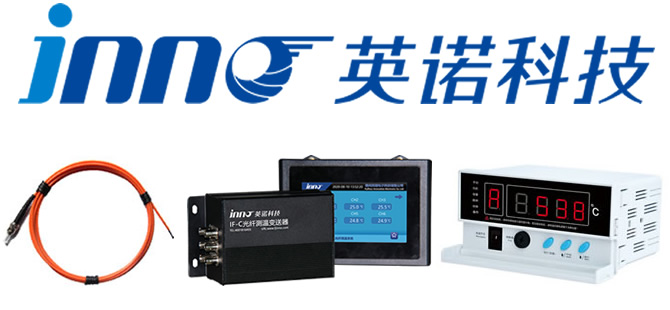
Leiderschap van de industrie: As the world’s premier manufacturer of glasvezel temperatuurbewakingssystemen, Fuzhou Innovation Electronic delivers cutting-edge solutions for transformer protection across all industries and applications.
Fuzhou Innovation Electronic specializes in fluorescerende glasvezeltemperatuursensoren engineered specifically for high-voltage transformer applications. The company’s product portfolio includes complete monitoring systems ranging from single-channel solutions to complex 64-channel installations.
Manufacturing facilities employ advanced calibration equipment ensuring every sensor meets published accuracy specifications. Kwaliteitsmanagementsystemen gecertificeerd volgens ISO 9001 standards govern all production processes from component procurement through final system testing.
Technische ondersteuningsteams bieden technische ondersteuning bij toepassingen op maat voor installaties die gespecialiseerde sensorconfiguraties of integratie met unieke besturingssystemen vereisen. Deze expertise zorgt voor optimale systeemprestaties, ongeacht de complexiteit van de applicatie.
18. Veelgestelde vragen: Fiber Optic Temperature Monitoring for Transformers
Wat is de typische levensduur van fluorescerende glasvezeltemperatuursensoren?
Fluorescerende glasvezelsensoren doorgaans betrouwbaar werken 20-25 jaar wanneer correct geïnstalleerd en beschermd tegen mechanische schade. De fluorescerende fosfor vertoont gedurende dit tijdsbestek een verwaarloosbare degradatie, het behoud van de nauwkeurigheid gedurende de hele levensduur van de sensor.
Optische vezel zelf verslechtert niet in typische transformatorbedrijfsomgevingen. De primaire faalwijze betreft mechanische schade aan vezels tijdens onderhoudswerkzaamheden, die de juiste installatiepraktijken kunnen voorkomen.
Hoe worden glasvezeltemperatuursensoren gekalibreerd??
Sensoren worden tijdens de productie in de fabriek gekalibreerd met behulp van nauwkeurige temperatuurkamers die herleidbaar zijn naar nationale normen. Kalibratiegegevens worden in de geprogrammeerd zender voor temperatuurbewaking, het elimineren van veldkalibratievereisten.
Het fluorescentievervalmeetprincipe zorgt voor inherente stabiliteit die niet in de loop van de tijd verandert. Periodieke verificatie kan worden uitgevoerd met behulp van draagbare kalibratiebaden, maar routinematige herkalibratie is niet nodig in tegenstelling tot op RTD gebaseerde systemen.
Wat gebeurt er als een optische vezel breekt??
Vezelbreuken genereren onmiddellijke alarmsituaties wanneer de zender verlies van optisch signaal van het getroffen kanaal detecteert. Het monitoringsysteem identificeert het specifieke defecte kanaal terwijl de normale werking op alle resterende kanalen wordt voortgezet.
Meerkanaalssystemen provide redundancy through strategic sensor placement, ensuring critical monitoring continues even if individual sensors fail. Broken fibers can be replaced during scheduled maintenance without affecting transformer operation.
Which communication protocols do these systems support?
Modern glasvezel temperatuurzenders support multiple protocols including Modbus RTU (RS-485), Modbus-TCP (Ethernet), en IEC 61850 voor onderstationautomatisering. Most units provide simultaneous operation of multiple protocols through dedicated communication ports.
Custom protocol implementations are available for special applications requiring integration with proprietary control systems. The modular firmware architecture facilitates protocol additions without hardware modifications.
Can fiber optic sensors affect transformer performance?
Properly installed glasvezel sensoren have negligible impact on transformer electrical or thermal performance. The small sensor dimensions and non-conductive materials do not create electrical stress concentrations or alter winding capacitance.
Thermal mass of sensor probes is minimal, avoiding heat sink effects that could distort temperature measurements. Fiber cables route through designated paths that do not interfere with cooling airflow or electrical clearances.
Are these systems suitable for outdoor transformer installations?
Glasvezel temperatuurbewakingssystemen operate reliably in outdoor environments when transmitter enclosures carry appropriate environmental ratings (NEMA 4X or IP65). Optical fibers withstand temperature extremes, UV exposure, and moisture without degradation.
Outdoor installations require sealed cable entry points and condensation management within transmitter enclosures. Deze standaard weerbestendigheidspraktijken garanderen betrouwbaarheid op lange termijn in alle klimaten.
Welke aanpassingsmogelijkheden zijn er beschikbaar?
Vrijwel alle systeemparameters kunnen worden aangepast, inclusief het temperatuurbereik, vezel lengte, diameter van de sonde, aantal kanalen, en alarmdrempels. Aangepaste sensorconfiguraties komen tegemoet aan unieke installatiebeperkingen of monitoringvereisten.
Communicatieprotocollen, uitgangssignalen, en weergaveformaten kunnen worden gespecificeerd om te voldoen aan de bestaande faciliteitsnormen. Deze flexibiliteit zorgt voor een naadloze integratie met elke transformatorinstallatie of besturingssysteemarchitectuur.
—
Vrijwaring
De informatie in dit artikel is bedoeld als algemene richtlijn glasvezel temperatuurbewakingssystemen voor droge transformatoren. Hoewel er inspanningen zijn gedaan om de nauwkeurigheid te garanderen, specificaties en vereisten kunnen variëren op basis van specifieke toepassingen, regionale normen, en evoluerende technologie.
Lezers moeten gekwalificeerde elektrotechnici en transformatorfabrikanten raadplegen voordat ze temperatuurbewakingssystemen specificeren of installeren. Werkelijke productspecificaties, prestatiekenmerken, en nalevingsvereisten moeten worden geverifieerd bij leveranciers van apparatuur en regelgevende instanties.
De installatie van bewakingssystemen in hoogspanningsomgevingen brengt inherente risico's met zich mee en mag alleen worden uitgevoerd door opgeleid personeel volgens de juiste veiligheidsprocedures en lockout/tagout-protocollen. De auteurs en uitgevers aanvaarden geen aansprakelijkheid voor schade aan apparatuur, persoonlijk letsel, of operationele verstoringen die voortvloeien uit de toepassing van de hierin opgenomen informatie.
De normen en voorschriften waarnaar in dit document wordt verwezen, vertegenwoordigen de normen en voorschriften die van kracht waren op het moment van publicatie. Gebruikers moeten de huidige vereisten verifiëren bij relevante standaardisatieorganisaties en regelgevende instanties voor hun specifieke rechtsgebied en toepassing.

Glasvezel temperatuursensor, Intelligent monitoringsysteem, Gedistribueerde glasvezelfabrikant in China
 |
 |
 |