 INNO glasvezel temperatuursensoren ,temperatuurbewakingssystemen.
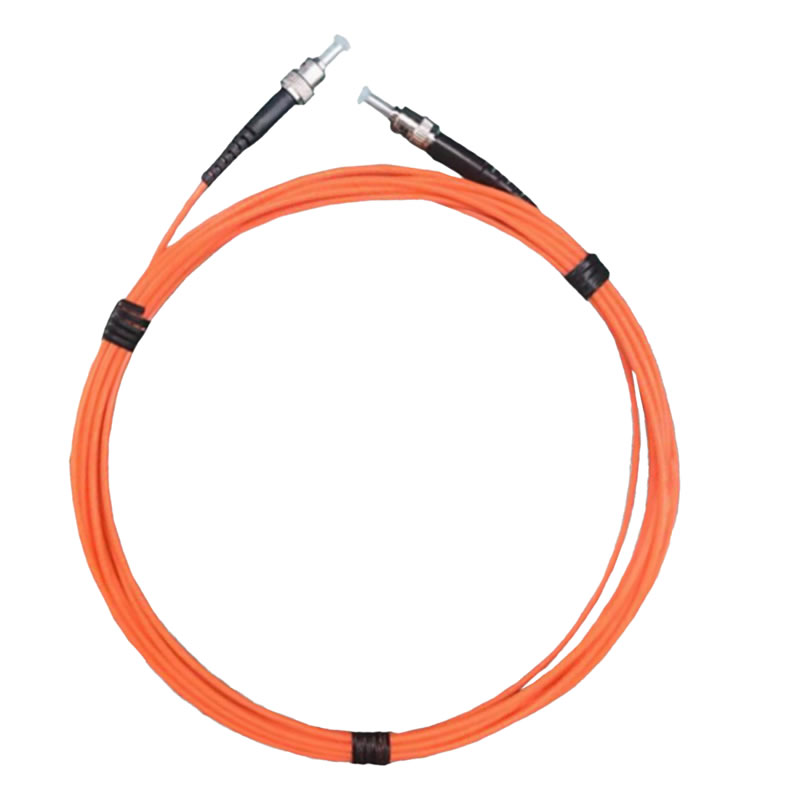
- Fiber optic feedthroughs enable fiber optic cables to safely penetrate barriers such as transformer tanks, vacuum chambers, or high-pressure vessels, while maintaining a hermetic seal and system integrity.
- They are essential for deploying fiber optic sensors and communication links in harsh environments, providing electrical isolation, bescherming van het milieu, en betrouwbaarheid op lange termijn.
- These components are widely used in power transformers, hoogspanningsschakelapparatuur, industrial process control, scientific laboratories, and medical equipment.
- Choosing the right fiber optic feedthrough involves considering application environment, fiber type, sealing technology, connector options, and certifications.
- The latest technologies, such as glass-to-metal seals and advanced epoxy compounds, offer robust solutions for demanding conditions and long service life.
- Major manufacturers include FJINNO, Neoptix, Zijn deel, en anderen, each providing unique features and support for integration into different systems.
- This guide answers the most common questions about what fiber optic feedthroughs are, how they work, their applications, and how to select the right one for your needs.
What is a fiber optic feedthrough?
- A fiber optic feedthrough is a specialized component designed to allow one or more optical fibers to pass through a sealed barrier, such as the wall of a vacuum chamber, transformator tank, or high-pressure vessel.
- The main function is to maintain a hermetic seal while enabling uninterrupted optical signal transmission across physically and environmentally separated spaces.
- Feedthroughs are engineered to ensure that no gas, vloeistof, or contaminant can cross the barrier, thereby protecting both the internal environment and the integrity of the optical fiber.
- They are critical in systems where environmental isolation, betrouwbaarheid, and safety are essential, such as in power system monitoring, scientific experiments, en industriële automatisering.
- These devices come in various configurations to support single-mode, multimode, or specialty optical fibers, and may include integrated connectors or bare fiber terminations depending on the application requirements.
- Modern fiber optic feedthroughs are manufactured using a variety of materials and sealing technologies, including metal, glas, keramiek, or advanced polymers, to ensure compatibility with a wide range of environments, from deep vacuum to high pressure and extreme temperature.
How does a fiber optic feedthrough work?
- The basic principle of a fiber optic feedthrough is to create a secure, leak-tight seal around the optical fiber as it passes through a barrier, while preserving the optical properties necessary for high-quality signal transmission.
- Most designs involve a feedthrough body, typically made of stainless steel or other robust material, with a precisely engineered channel for the fiber.
- The sealing mechanism can be based on epoxy resin, glass-to-metal sealing, compression fittings, or ceramic materials, selected according to the environmental and performance requirements.
- The feedthrough is usually installed into a port or flange, where it is tightened or welded in place to become part of the system wall or enclosure.
- The optical fiber is either pre-installed or drawn through during assembly, and special care is taken to minimize optical losses, prevent microbending, and avoid physical damage.
- In high-voltage or high-pressure applications, the feedthrough also provides electrical isolation and mechanical strength, preventing dielectric breakdown and protecting both the fiber and the equipment.
Why use a fiber optic feedthrough?
- Fiber optic feedthroughs are chosen because they enable the use of fiber optic technology in environments that require strict separation between internal and external conditions.
- They ensure that sensitive or hazardous environments, such as transformer oil tanks or vacuum chambers, remain sealed and uncontaminated while still allowing critical data transmission via optical fibers.
- By maintaining a hermetic seal, they prevent leaks, binnendringen van vocht, and the migration of gases or fluids, which could compromise both the equipment and safety.
- They provide essential electrical isolation for systems operating at high voltage or where electromagnetic interference must be minimized, as optical fibers do not conduct electricity and are immune to EMI.
- Compared to traditional electrical feedthroughs, fiber optic feedthroughs allow for the deployment of advanced sensing solutions—such as distributed temperature, deformatie, or pressure monitoring—without the risks associated with electrical wiring.
- These feedthroughs are also highly reliable over long service periods and can withstand harsh physical and chemical environments, making them ideal for mission-critical applications.
What are the main applications of fiber optic feedthroughs?
- Power transformers and electrical switchgear:
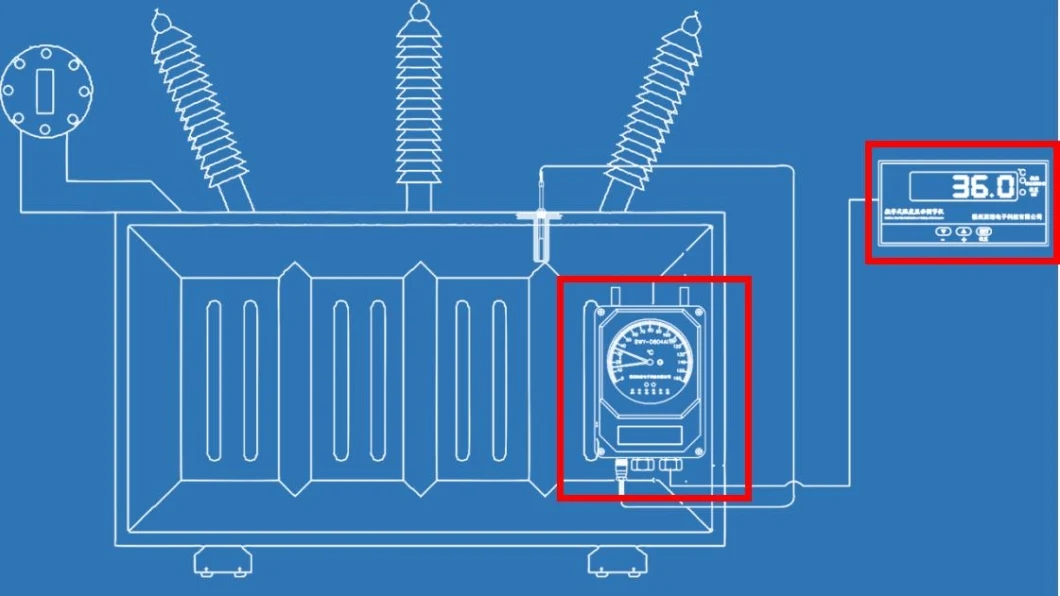
- Fiber optic feedthroughs are widely used to route temperature sensor fibers into transformer tanks for hot spot monitoring, enabling real-time thermal management and predictive maintenance.
- In high-voltage switchgear, they provide a safe path for fibers to enter sealed compartments for continuous monitoring or control.
- Scientific research and laboratory equipment:
- Feedthroughs allow precision optical measurements inside vacuum chambers, cryostats, or pressure vessels, supporting experiments in physics, scheikunde, and materials science.
- They are essential in setups where contamination control and signal fidelity are paramount.
- Industrial process control:
- These devices enable fiber optic sensors to be used in chemical reactors, pijpleidingen, raffinaderijen, and manufacturing lines, where harsh environments or safety regulations prohibit direct electrical connections.
- They support real-time process monitoring for temperature, druk, en chemische samenstelling.
- Medical and pharmaceutical equipment:
- Feedthroughs are used to bring optical fibers into sterile or isolated environments for medical sensing, laser delivery, or imaging.
- Their hermetic sealing ensures compliance with strict safety and hygiene standards.
- Oil and gas, and subsea monitoring:
- Fiber optic feedthroughs make it possible to use distributed sensing along pipelines and underwater installations, where pressure, corrosie, and temperature extremes demand robust sealing solutions.
What are the advantages of fiber optic feedthroughs?
- Exceptional environmental sealing:
- Ensures that no liquids, gassen, or contaminants can pass through the barrier, protecting sensitive equipment and processes.
- Maintains high system integrity even under extreme vacuum, druk, or temperature conditions.
- Superior electrical isolation:
- Optical fibers are inherently non-conductive, so feedthroughs prevent electrical shorts, bogen, or interference, which is especially important in high-voltage and high-EMI settings.
- High reliability and longevity:
- Robust construction and advanced sealing techniques allow for years of maintenance-free service, minimizing the risk of leaks or failures.
- Suitable for mission-critical and safety-related installations.
- Minimal optical loss:
- Designed to preserve the quality of the optical signal, minimizing attenuation and reflection at the transition point.
- Versatility and customization:
- Feedthroughs can be tailored to accept various fiber types, core sizes, connector formats, and mounting requirements, supporting a wide range of industries and applications.
What types of fiber optic feedthroughs are there?
- Based on fiber type:
- Single-mode feedthroughs are optimized for transmitting light over long distances with minimal loss, suitable for precise sensing and communication.
- Multimode feedthroughs are designed for higher bandwidth over shorter distances and are often used in industrial and laboratory settings.
- Specialty fiber feedthroughs accommodate polarization-maintaining, large core, or custom-jacketed fibers for unique applications.
- Based on sealing mechanism:
- Epoxy-sealed feedthroughs use advanced adhesives to securely bond the fiber to the housing, providing robust sealing for many standard applications.
- Glass-to-metal sealed feedthroughs offer superior hermeticity and chemical resistance, widely used in vacuum, high-pressure, or high-temperature environments.
- Compression-sealed feedthroughs use mechanical fittings to form a gas-tight seal, allowing for re-entry or replacement of the fiber.
- Based on connection interface:
- Some feedthroughs are supplied with bare fiber, while others come terminated with standard connectors such as FC, SC, or ST for plug-and-play integration.
- Multi-channel feedthroughs allow several fibers to pass through a single port, reducing installation complexity in systems requiring multiple sensors or communication links.
What sealing technologies are used in fiber optic feedthroughs?
- Epoxy resin sealing:
- Utilizes high-performance adhesives to form a durable and leak-proof bond between the fiber and the feedthrough body.
- Offers good resistance to moisture, chemicaliën, and moderate temperature changes, and is suitable for most commercial and industrial uses.
- Glass-to-metal sealing:
- Involves melting and fusing glass around the fiber and a metal housing, creating a hermetic seal that withstands extreme pressures, vacuums, and thermal cycling.
- Preferred for demanding applications, such as scientific research or deep-sea and aerospace environments, where absolute reliability is crucial.
- Compression and mechanical sealing:
- Uses mechanical force to compress a gasket or ferrule around the fiber, forming a tight seal that can be adjusted or replaced as needed.
- Offers flexibility for field installations or systems where frequent maintenance or fiber changes are expected.
How to select the right fiber optic feedthrough?
- Define your application environment:
- Consider factors such as pressure, temperatuur, vochtigheid, chemical exposure, and required level of hermeticity.
- Applications in vacuum, hoge spanning, or hazardous areas may require special sealing technologies and materials.
- Specify fiber and connector requirements:
- Match the feedthrough to your fiber type, core/cladding size, number of fibers, and desired connectors for compatibility and ease of installation.
- Verify that the feedthrough’s insertion loss and return loss meet your optical performance needs.
- Review certifications and standards:
- Ensure the feedthrough complies with relevant safety, kwaliteit, and environmental standards, especially for regulated industries such as power, medisch, or chemical sectors.
- Look for certifications like IP ratings, ISO, or specific industry approvals.
- Evaluate vendor support and customization:
- Choose manufacturers who offer technical support, aanpassingsmogelijkheden, and proven track records for your specific application.
- Request documentation, testrapporten, or customer references to confirm quality and reliability.
How to install a fiber optic feedthrough?
- Preparation stage:
- Begin by reviewing the installation manual and ensuring compatibility between the feedthrough, fiber type, and system port or flange.
- Inspect the feedthrough for physical damage and clean all surfaces to prevent contamination of the sealing area.
- Mechanical mounting:
- Insert the feedthrough into the designated hole or fitting on the chamber wall, transformator tank, or equipment enclosure.
- Tighten or weld the feedthrough as specified, using gaskets or O-rings if required for additional sealing.
- Fiber handling and routing:
- Carefully route the fiber through the feedthrough, avoiding sharp bends or excessive pulling to prevent microbending and signal loss.
- If the feedthrough comes pre-terminated with connectors, ensure proper mating with the system’s optical ports; for bare fiber, splice or terminate as needed.
- Final checks:
- Perform leak and pressure tests to confirm the integrity of the seal.
- Verify optical continuity and measure insertion loss to ensure high-quality signal transmission.
- Document the installation for future maintenance and compliance records.
How to maintain fiber optic feedthroughs?
- Routine inspection:
- Regularly inspect the feedthrough for signs of physical damage, corrosie, or leaks, especially in harsh or high-stress environments.
- Check for changes in optical performance, such as increased attenuation, which may indicate contamination or degradation.
- Cleaning and protection:
- Clean optical connectors and exposed fiber ends using approved fiber cleaning solutions and lint-free wipes to maintain signal quality.
- Protect the feedthrough from mechanical shocks, vibrations, and chemical exposure, which can compromise sealing integrity.
- Leak testing:
- Periodically conduct leak or pressure tests according to the manufacturer’s recommendations, especially after maintenance or extreme events.
- Replacement and repair:
- If a feedthrough fails or shows signs of degradation, follow the manufacturer’s procedure for replacement.
- Avoid field repairs unless specifically designed for user-servicing; most feedthroughs are factory-sealed for reliability.
How to evaluate the performance of a feedthrough?
- Optical performance:
- Measure insertion loss and return loss using an optical power meter or OTDR to ensure the feedthrough does not introduce excessive attenuation or reflection.
- Verify that the feedthrough maintains required optical signal quality under operational conditions, including temperature and pressure extremes.
- Hermeticity and sealing:
- Test for leaks by applying vacuum or pressure and monitoring for changes; use helium leak detectors for high-sensitivity applications.
- Confirm that the sealing material and method are compatible with the application’s environmental challenges.
- Mechanical and electrical isolation:
- Assess the feedthrough’s ability to withstand mechanical stress, trillingen, and thermal cycling, as well as electrical insulation where high voltage is present.
What is flange mounting in fiber optic feedthroughs?
- Flange mounting refers to the use of a circular plate—called a flange or flange ring—on the feedthrough body, which allows secure bolted installation onto a flat surface or port of a chamber, transformator tank, or vessel.
- The flange provides a large, stable sealing surface, making it ideal for high-pressure or vacuum systems where leak prevention and mechanical strength are critical.
- Gaskets or O-rings are often used between the flange and the equipment wall to enhance hermetic sealing and prevent gas or liquid leakage.
- Flange-mounted feedthroughs are commonly used in power transformers, oil-filled tanks, and laboratory vacuum systems, where they simplify installation, inspectie, and replacement.
- The flange design can be standardized (such as KF, CF, or ISO flanges in vacuum technology) or custom-made to fit specific equipment requirements.
- When selecting a fiber optic feedthrough for flange mounting, it is important to ensure compatibility with the existing port dimensions, bolt pattern, and sealing requirements of the system.
How to troubleshoot common problems with fiber optic feedthroughs?
- Leak detection issues:
- If you notice pressure instability or vacuum loss after installation, check the flange or flange ring area for gasket misalignment, bolt torque inconsistency, or surface contamination that could compromise sealing.
- Inspect the O-ring or gasket seated between the feedthrough flange and the chamber wall. Replacing worn or damaged seals can restore hermeticity.
- In multi-bolt flanged installations, ensure all bolts are tightened evenly in a cross pattern for a uniform seal—uneven torque may cause micro-leaks or flange warping.
- High optical loss or signal attenuation:
- Excessive insertion loss may result from fiber misalignment, connector contamination, or microbending near the flange junction. Carefully clean connector end-faces and verify correct fiber routing through the flange interface.
- If the feedthrough is flange-mounted in a high-vibration environment, consider additional strain relief or fiber supports to prevent movement-induced damage.
- Mechanical or structural damage:
- Physical impacts on the flange, such as tool slips or accidental bumps during maintenance, can deform the flange surface or misalign the feedthrough, leading to leaks or fiber breakage.
- Inspect flange bolts and mating surfaces regularly for corrosion, especially in outdoor or chemically aggressive environments. Replace corroded bolts or recondition the flange surface as needed.
- Installation and replacement difficulties:
- If a flange-mounted feedthrough is difficult to remove, check for bonding due to gasket aging or thermal cycling. Use recommended disassembly tools and avoid prying directly on the fiber.
- When reinstalling, always use new gaskets or O-rings and clean both the flange and equipment port to ensure a reliable seal.
What safety considerations are there for fiber optic feedthroughs?
- Pressure and containment safety:
- Flange-mounted feedthroughs must be properly installed with the correct torque and sealing materials to prevent catastrophic leaks in high-pressure or vacuum systems.
- Always verify that the flange and bolts are rated for the expected operating pressure and temperature; onder- or over-tightening may lead to flange failure.
- Elektrische isolatie:
- In power transformer and high-voltage applications, ensure that the feedthrough and any metallic flange components maintain required electrical isolation from energized parts.
- Use insulating gaskets or flange rings if needed to prevent stray currents or potential grounding issues.
- Optical safety:
- Never look directly into the fiber exiting the feedthrough, especially during testing or maintenance, as invisible laser radiation may be present.
- Secure all fibers during flange installation to avoid accidental breakage or eye exposure.
- Chemical and environmental hazards:
- Select flange and gasket materials compatible with the chemicals and temperatures in your application to avoid rapid degradation and leaks.
- For outdoor or corrosive environments, use stainless steel or coated flange hardware to extend service life and prevent structural weakening.
What standards and certifications are relevant for fiber optic feedthroughs?
- International and industry standards:
- Fiber optic feedthroughs, especially those with flange or flange ring mounting, should comply with international standards such as IEC 61754 (fiber optic connector interfaces) en IEC 61300 (basic test and measurement procedures).
- For vacuum or pressure vessel applications, compliance with ISO flange standards (bijv., ISO-KF, ISO-CF) ensures compatibility and safety in laboratory and industrial environments.
- In power transformer and electrical switchgear installations, IEEE and IEC standards relating to high-voltage insulation, sealing, and safety are also critical.
- Environmental and safety certifications:
- Products may require IP (Bescherming tegen binnendringing) ratings for dust and water resistance, especially when flange-mounted in outdoor or wet environments.
- For hazardous locations, ATEX or UL certifications may be necessary to verify explosion-proof and flame-retardant properties—including the materials used in flanges and seals.
- Manufacturers should provide leak-test certificates and pressure/vacuum test results, especially for custom flange feedthrough assemblies.
- Quality management:
- ISO 9001 certification demonstrates that the manufacturer follows globally recognized quality control processes throughout the production of fiber optic feedthroughs and flanges.
- Traceability of flange materials and gaskets can be important for regulated industries (stroom, medisch, chemisch) to meet audit and compliance requirements.
Bovenkant 10 fiber optic feedthrough manufacturers (adaptive table)
| Rang | Fabrikant | Flange/Flange Ring Options | Main Features | Industry Focus | Region |
|---|---|---|---|---|---|
| 1 | FJINNO | Multiple standard and custom flange sizes, high-pressure and vacuum rated, ISO/CF compliant | Exceptional hermeticity, low optical loss, wide temperature range | Stroom, Vacuum, Olie & Gas, Wetenschappelijk | Global |
| 2 | Neoptix | Custom flange and bolt pattern options for transformer and lab use | Integrated temperature sensor feedthroughs, robust sealing | Stroom, Industrieel | Canada |
| 3 | Zijn deel | Standard and compact flange rings, easy field mounting | High-voltage insulation, multi-channel options | Stroom, Schakelapparatuur | Canada |
| 4 | Robuuste bewaking | Pressure-rated flanges, corrosion-resistant choices | Turnkey transformer hot spot monitoring solutions | Stroom, Utilities | Canada |
| 5 | FISO-technologieën | Diverse flange mount options for scientific and medical | Multipurpose fiber optic sensor integration | Medisch, Wetenschappelijk | Canada |
| 6 | MPF Products | ISO and custom flanges, glass-to-metal seals | High vacuum, UHV, and pressure compatibility | Vacuum, Laboratory | VS |
| 7 | Vacuum Feedthroughs Inc. | Range of ISO, KF, CF flange sizes | Specialized in high vacuum and cryogenic feedthroughs | Wetenschappelijk, Industrieel | VS |
| 8 | Agiltron | Custom flange, multi-fiber options | Low optical loss, rapid prototyping | OEM, Communicatie | VS |
| 9 | Thorlabs | Standard lab flanges, gemakkelijke integratie | Research-focused, modular solutions | Wetenschappelijk, Academic | VS |
| 10 | OFS Optics | Specialty flange assemblies for oil & gas and subsea | Extreme environment durability | Olie & Gas, Subsea | VS |
What is the future of fiber optic feedthrough technology?
- Advanced sealing technologies:
- Future fiber optic feedthroughs will adopt new composite materials and nanostructured coatings for even greater hermeticity and chemical resistance—especially at the flange and flange ring interfaces.
- The development of re-sealable and self-healing gasket materials will simplify flange maintenance and extend service life in critical systems.
- Integration with smart monitoring:
- Next-generation feedthroughs will feature integrated sensors for real-time leak detection and mechanical stress monitoring at the flange connection points.
- Digital interfaces and wireless diagnostics will enable predictive maintenance, reducing downtime for systems such as transformers, vacuum chambers, and industrial reactors.
- Modular and adaptive designs:
- Modular flange-mount feedthroughs with standardized bolt patterns will allow quick upgrades and field replacements without special tools, catering to diverse application needs.
- Adaptive flange rings that accommodate multiple fiber types or channel counts in a single interface will improve installation flexibility and reduce total cost of ownership.
- Greater industry adoption:
- As fiber optic sensing expands in power, olie & gas, scientific, and smart manufacturing sectors, flange-mount feedthroughs will become standard for safety, betrouwbaarheid, and ease of maintenance.
- Tight integration with digital asset management platforms will make flange and feedthrough health data part of the overall infrastructure lifecycle management.
Frequently asked questions about fiber optic feedthroughs
- Can I retrofit a fiber optic feedthrough with a flange onto existing transformer tanks or vacuum chambers?
- Ja, many manufacturers offer flange and flange ring feedthroughs with industry-standard bolt patterns or custom solutions for legacy equipment, making upgrades straightforward.
- Always verify that the flange size, material, and gasket selection are compatible with your tank or chamber to guarantee a durable seal and proper mechanical fit.
- Consult with the feedthrough supplier to obtain dimensioned drawings and installation guidelines for smooth retrofitting.
- How do I choose between epoxy, glass-to-metal, or compression flange feedthroughs?
- Epoxy-sealed flange feedthroughs are cost-effective and suitable for most standard industrial and laboratory uses with moderate temperature and pressure.
- Glass-to-metal flange feedthroughs provide ultimate hermeticity and are preferred for high-vacuum, cryogenic, or high-pressure environments.
- Compression flange feedthroughs allow for easy re-entry and field fiber replacement, ideal for systems with frequent maintenance or upgrades.
- What are best practices for installing flange-mounted fiber optic feedthroughs?
- Clean all flange and gasket surfaces before assembly, use new O-rings or gaskets, and torque bolts in a cross pattern for even sealing.
- Avoid over-tightening, which can deform the flange or crush the fiber; follow the manufacturer’s torque recommendations.
- After installation, perform leak and optical continuity tests to confirm both mechanical and signal integrity.
- Are there flange standards I should follow for my specific application?
- Ja, vacuum systems often use ISO-KF or ISO-CF flanges, while power transformers may employ custom flange designs based on IEC or IEEE guidelines.
- Always match the flange type and size to your system’s port specifications and environmental requirements.
How do fiber optic feedthroughs compare with other sealing solutions?
- Compared to traditional electrical or metal cable feedthroughs, fiber optic feedthroughs offer superior electrical isolation, no EMI susceptibility, and are safer for high-voltage and sensitive measurement environments.
- Flange-mounted optical feedthroughs provide easier inspection, vervanging, and standardized sealing compared to welded or glued alternatives, especially in applications requiring periodic maintenance or upgrades.
- In terms of sealing reliability, glass-to-metal and flange-based solutions outperform most epoxy or compression-only designs, particularly in extreme pressure or vacuum situations.
- For multi-fiber and high-density installations, modular flange systems simplify routing, labeling, en documentatie, reducing installation errors and total lifecycle cost.
Can you provide a real-world case study?
- Fiber optic feedthrough with flange in transformer temperature monitoring:
- A major electric utility upgraded their aging power transformers to incorporate real-time hot spot temperature monitoring using fiber optic sensors. The project required feedthroughs that could reliably pass optical fibers through the transformer tank wall while withstanding oil immersion, hoge spanning, and thermal cycling.
- The utility selected custom flange-mounted fiber optic feedthroughs with stainless steel flanges and EPDM gaskets, ensuring mechanical strength and long-term leak prevention. Flange design followed IEC and utility-specific standards for bolt pattern and pressure rating.
- Tijdens de installatie, the flange feedthroughs were torqued to specification and leak-tested prior to oil filling. Engineers noted that the modular flange design allowed for future fiber additions or sensor maintenance without draining the tank.
- After commissioning, the fiber optic sensors provided continuous, high-accuracy winding temperature data, enabling predictive maintenance and early detection of abnormal conditions—improving transformer reliability and reducing risk of unplanned outages.
- Vacuum chamber application for scientific research:
- In a national laboratory, researchers needed to bring multiple fiber optic lines into an ultra-high vacuum chamber for laser diagnostics and temperature sensing.
- They chose a multi-channel CF flange feedthrough with glass-to-metal sealing, compatible with the chamber’s standard port and able to withstand bake-out temperatures above 200°C.
- The flange was installed with copper gaskets and torqued according to vacuum best practices, achieving leak rates below 1 x 10⁻⁹ mbar·L/s.
- The solution allowed for flexible fiber routing, high optical performance, and reliable long-term operation in a demanding scientific environment.
Where to find more resources?
- Manufacturer technical documentation:
- Download specification sheets, installation guides, and flange compatibility charts from leading manufacturers such as FJINNO, Neoptix, Zijn deel, en anderen.
- Many offer detailed white papers on flange sealing methods, materiaal selectie, and application case studies.
- Industry standards and best practices:
- Refer to IEC, ISO, and IEEE standards for flange dimensions, sealing protocols, and fiber optic connector interfaces.
- Organizations such as CIGRÉ and ASTM provide guidelines on transformer monitoring and flange integration in high-voltage systems.
- Professional forums and knowledge bases:
- Participate in communities like IEEE Xplore, ResearchGate, and specialized LinkedIn groups focused on fiber optics, flange technology, and power engineering.
- Online courses and webinars by universities or standards bodies often cover flange installation and troubleshooting techniques.
- On-site training and consulting:
- Many manufacturers and engineering consultants provide on-site flange installation training, maintenance workshops, and system audits tailored to your application.

Glasvezel temperatuursensor, Intelligent monitoringsysteem, Gedistribueerde glasvezelfabrikant in China
 |
 |
 |