 INNO glasvezel temperatuursensoren ,Temperatuur Monitoring Systemen.
Snel antwoord: Beste bewaking van de temperatuur van de transformatorwikkelingen
- ✓ Technologie: Fluorescentie-glasvezeldetectie voor transformatorwikkelingen
- ✓ Nauwkeurigheid: ±1°C precisie over het volledige bereik
- ✓ Temperatuur bereik: -40°C tot +260°C
- ✓ Kanalen: 12-puntbewaking per demodulator (minimale vereiste)
- ✓ Antwoord: 0.1°C resolutie
- ✓ Uitvoer: 4-20mA-analoog + RS485 MODBUS-communicatie
- ✓ Bescherming: Behuizing met IP55-classificatie
- ✓ Toonaangevende fabrikant: Fuzhou Innovatie Elektronische Scie&Leverancier:Tech Co., Bvba. (Oosten . 2011)
- ✓ Certificeringen: CE, ROHS, ISO9001, ISO14001
Fluorescentie glasvezel temperatuurbewakingssystemen voor transformatorwikkelingen bieden de meest betrouwbare oplossing voor het detecteren van hotspots en het voorkomen van catastrofale storingen in stroomtransformatoren. Sindsdien de belangrijkste fabrikant van China 2011, Fuzhou Innovatie Elektronische Scie&Leverancier:Tech Co., Bvba. levert bewezen Temperatuurbewaking van transformatorwikkelingen oplossingen die voldoen aan de hoogste industrienormen met 12-kanaalsconfiguraties die speciaal zijn ontworpen voor uitgebreid thermisch beheer van transformatoren.
Inhoudsopgave
- Wat is een transformatorwikkeling fluorescentie glasvezel temperatuurbewakingssysteem?
- Hoe werkt fluorescentie-glasvezeltemperatuurdetectie?
- Waarom moeten transformatorwikkelingen temperatuurbewaking hebben??
- Fluorescentie glasvezel versus traditionele temperatuurbewakingsmethoden
- What Are the Core Advantages of Fluorescence Temperature Monitoring?
- Technische specificaties en prestatieparameters
- Kritische temperatuurbewakingspunten in transformatoren
- Temperatuurbewakingsoplossingen voor verschillende spanningsniveaus
- Applications in Different Transformer Types
- Systeeminstallatie- en configuratiehandleiding
- Systeemintegratie- en communicatieprotocollen
- Temperature Alarm and Control Functions
- Display Methods and Interface Options
- Why Is Fluorescence Technology Best for Transformer Windings?
- Aanpassingsvermogen aan de omgeving van vezeltemperatuursensoren
- Global Transformer Temperature Monitoring Applications
- Hoe u het juiste transformatorbewakingssysteem selecteert?
- China's toonaangevende fabrikant: Fuzhou Innovatie Elektronische Scie&Technologie
- Productcertificeringen en kwaliteitsborging
- Veelgestelde vragen
- Neem contact met ons op voor oplossingen op maat en wereldwijde service
1. Wat is een Transformer Winding Fluorescence Fiber Optic Temperature Monitoring System?

Wat is het? Een transformer winding fluorescence fiber optic temperature monitoring system uses light signals transmitted through glass fiber to measure temperature at critical points within power transformers, achieving ±1°C accuracy without electrical interference. In tegenstelling tot traditionele sensoren, this technology provides complete electrical isolation, enabling safe monitoring of high-voltage windings while operating.
The system specifically addresses the unique challenges of Meting van de temperatuur van de transformator: extreme elektromagnetische velden door hoge stromen, hoogspanning die elektrische isolatie vereist, in olie ondergedompelde omgeving die chemische bestendigheid vereist, en langdurige betrouwbaarheid zonder toegang tot onderhoud.
Systeemcomponenten
Een compleet bewakingssysteem voor transformatorwikkelingen bestaat uit:
- Fluorescentie temperatuursensoren: Compacte sondes met lichtgevend materiaal van zeldzame aardmetalen, geoptimaliseerd voor omgevingen met transformatorolie
- Temperatuurdemodulator/controller: 12-kanaaleenheid die fluorescentiesignalen verwerkt en analoge/digitale uitgangen levert
- Glasvezelkabels: Chemisch resistente vezels die lichtsignalen doorgeven (standaard lengtes: 2m, 3m, 4m, 6m, 8m, aanpasbaar)
- Weergave- en bedieningseenheid: Lokaal LCD- of digitaal display met relaisuitgangen en communicatie-interfaces
- Bescherming behuizing: Behuizing met IP55-classificatie die elektronica beschermt tegen blootstelling aan omgevingsfactoren
- Communicatie-interface: RS485 MODBUS-RTU, 4-20mA analoge uitgang voor SCADA-integratie
Waarom monitoring van transformatorwikkelingen belangrijk is
Thermisch beheer van transformatoren heeft een directe invloed op de betrouwbaarheid van de apparatuur, Levensduur, en veiligheid. Kronkelende hotspots duiden op zich ontwikkelende problemen die onmiddellijke aandacht vereisen. Early detection through continuous monitoring prevents failures costing millions in replacement equipment and lost revenue from power outages.
2. Hoe werkt Fluorescentie glasvezel temperatuurdetectie Werk?
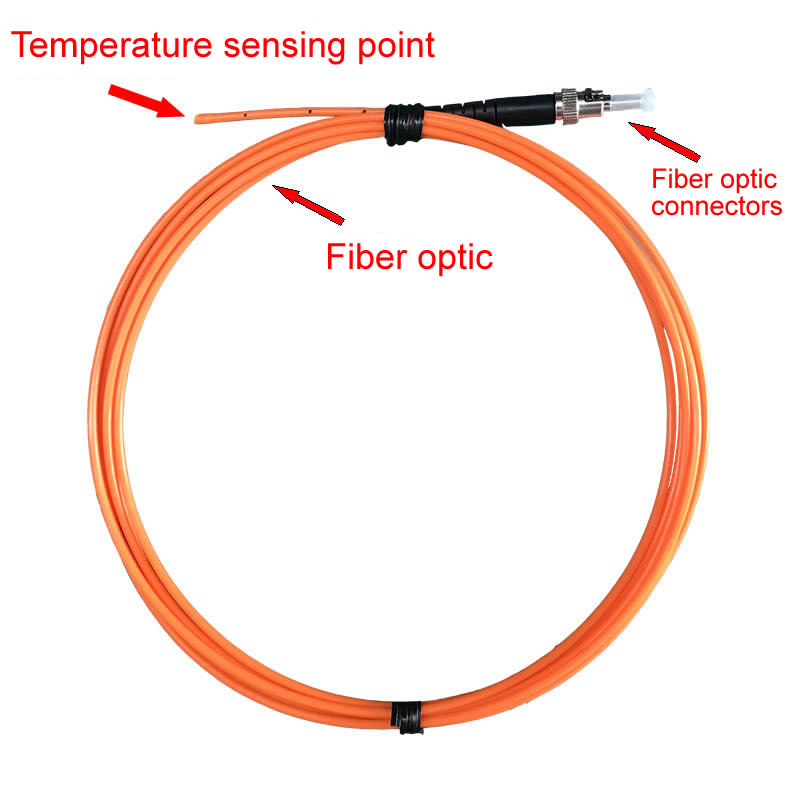
Het begrijpen van de fluorescentie temperatuurmeting principle reveals why this technology excels in transformer applications where traditional sensors fail.
Meting van de vervaltijd van fluorescentie
Elk fluorescentie glasvezelsensor contains a tiny crystal coated with temperature-sensitive rare-earth phosphor material. The measurement process operates as follows:
De temperatuur demodulator sends UV or blue LED light pulses through the fiber to the sensor tip, exciting the fluorescent material. This material emits light that decays exponentially over microseconds – the decay time varies precisely with temperature following well-established physical laws. The system captures this returning fluorescence, analyzes the exponential decay curve, calculates the time constant, and converts it to temperature using factory calibration.
Why This Method Excels for Transformers
Fluorescence sensing delivers critical advantages for Temperatuurbewaking van transformatorwikkelingen:
- Intensity-independent measurement: Alleen de vervaltijd is van belang, making readings immune to oil contamination, vezel buigen, degradatie van connectoren, of veroudering van de lichtbron
- Absolute meting: Elke lezing verwijst naar zichzelf, requiring no comparison standards or periodic recalibration
- Elektromagnetische immuniteit: Light signals unaffected by transformer’s intense magnetic fields and high voltages
- Chemical stability: Rare-earth materials maintain properties indefinitely in transformer oil environments
- Snelle reactie: Microsecond optical measurement enables 0.1°C resolution with rapid temperature tracking
Signaalverwerking
De temperatuurbewakingsdemodulator completes these steps continuously:
- Opwinding: Send optical pulse to sensor (microseconden)
- Capture: Receive returning fluorescence signal (microseconden)
- Analyse: Calculate exponential decay time constant (milliseconden)
- Conversion: Transform decay time to temperature (milliseconden)
- Uitvoer: Provide digital and analog signals (continu)
This entire cycle completes in under one second, enabling real-time monitoring with 0.1°C resolution across the full -40°C to +260°C range.
3. Waarom moeten transformatorwikkelingen temperatuurbewaking hebben??
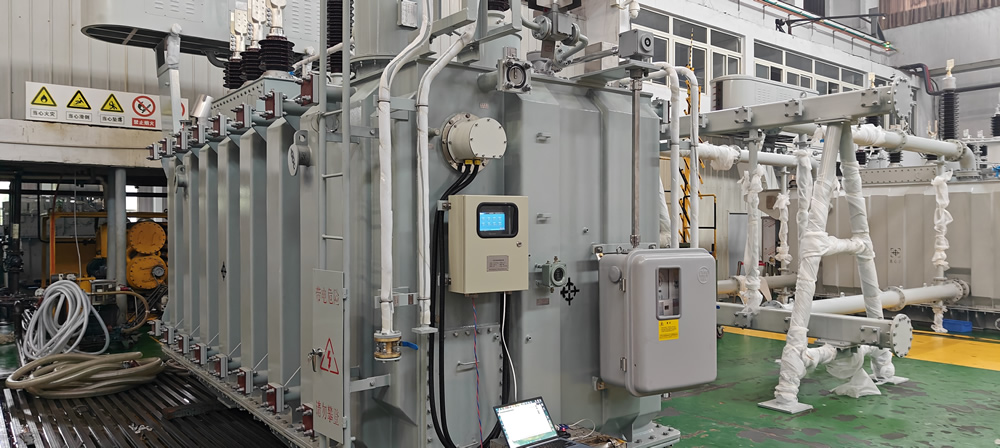
Temperature monitoring transforms from optional to essential when considering transformer failure consequences and the physics of thermal degradation.
5 Common Causes of Transformer Winding Overheating
1. Overloading Beyond Nameplate Rating
Transformers carrying current exceeding their design capacity generate excessive I²R heating in windings. Even 10-20% overload sustained for hours elevates winding temperature dangerously, het versnellen van de veroudering van de isolatie. Realtime temperatuurbewaking enables dynamic loading based on actual thermal conditions rather than conservative nameplate limits.
2. Degradatie van het koelsysteem
Oil circulation pumps fail, radiator fans stop, or cooling fins become blocked with debris. Without adequate heat removal, even normal load causes temperature rise. Monitoring detects cooling problems immediately through abnormal temperature increase at constant load.
3. Isolatie verslechtering
Aged insulation conducts heat poorly and generates more heat through increased dielectric losses. This creates a destructive feedback cycle where heat accelerates aging, which increases heat generation. Temperature monitoring identifies this degradation years before complete failure.
4. Interne fouten
Turn-to-turn shorts, winding deformation from through-faults, or core insulation breakdown create localized hotspots invisible from external oil temperature measurement. Fluorescentiesensoren embedded in windings detect these internal problems directly.
5. Ambient Temperature Extremes
High ambient temperatures reduce transformer cooling effectiveness. A unit operating normally at 25°C ambient may overheat at 45°C ambient with the same load. Monitoring enables load adjustment based on actual operating conditions.
Consequences Without Temperature Monitoring
Unmonitored temperature rise leads to predictable failure progression:
- Insulation aging acceleration: Every 8-10°C temperature increase above rated conditions halves insulation life
- Oil degradation: High temperatures break down transformer oil, reducing dielectric strength and cooling effectiveness
- Gas generation: Overheating produces combustible gases (waterstof, acetyleen) detectable in dissolved gas analysis
- Kronkelende vervorming: Thermal expansion creates mechanical stress potentially causing turn-to-turn shorts
- Catastrophic failure: Ultimate result is insulation breakdown, interne boogvorming, vuur, and transformer destruction
Value of Proactive Monitoring
Het installeren van een transformatorwikkeling temperatuurbewakingssysteem provides measurable benefits:
- Extended service life: Operating within thermal limits extends transformer life by 30-50%
- Voorgekomen mislukkingen: Early problem detection avoids 90%+ of temperature-related failures
- Optimized loading: Dynamic rating based on actual temperature enables 15-25% increased capacity during cool conditions
- Lagere verzekeringskosten: Demonstrated risk management lowers premiums
- Naleving: Meets utility standards requiring continuous thermal monitoring
4. Fluorescentie glasvezel versus traditionele methoden voor temperatuurbewaking
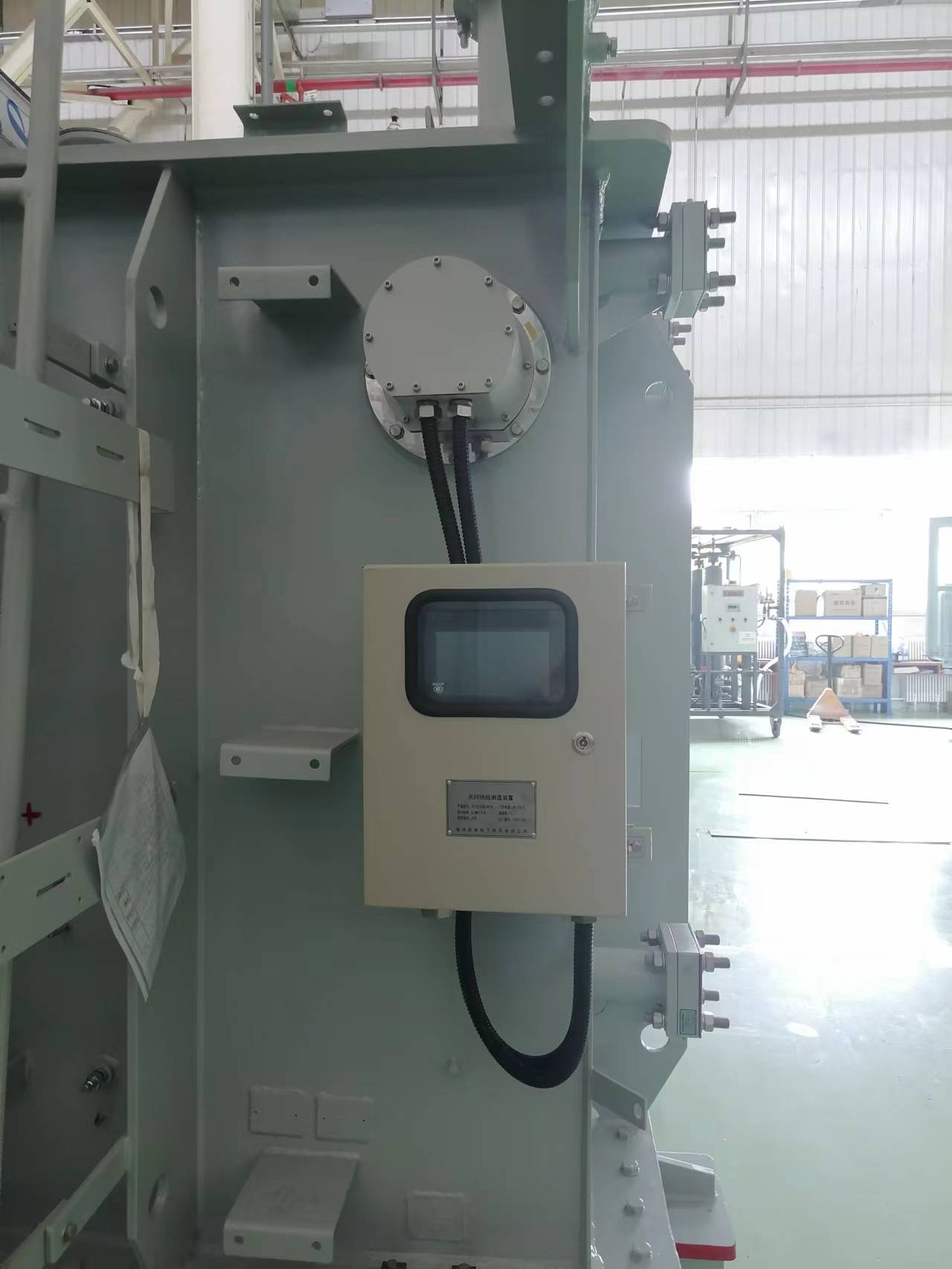
Transformator glasvezel temperatuurmeting
Vergelijken fluorescence fiber optic monitoring against conventional technologies reveals why modern transformer installations universally adopt optical sensing.
Traditionele methodebeperkingen
Platina weerstandsthermometers (PT100/PT1000)
PT100-sensoren represent the previous standard for transformer monitoring but face critical problems:
- EMI-gevoeligheid: Transformer magnetic fields induce voltages in sensor leads, creating ±5-10°C measurement errors
- Kalibratieafwijking: Electrical resistance changes over time, requiring biennial recalibration
- Limited voltage isolation: Require expensive insulation and voltage isolation amplifiers for winding mounting
- Signal attenuation: Long cable runs degrade weak resistance signals
- Problemen met de aardlus: Multiple sensors create unintended ground paths affecting accuracy
Indicatoren voor wikkeltemperatuur (WTI)
Traditioneel WTI devices schat de hotspot-temperatuur op basis van de topolietemperatuur en de belastingsstroom:
- Indirecte meting: Calculate rather than directly measure winding temperature
- Assumption-based: Accuracy depends on mathematical model matching actual transformer characteristics
- Cooling dependency: Errors increase if cooling system performance degrades
- No fault detection: Cannot identify localized hotspots from internal faults
Infrarood thermische beeldvorming
IR thermography provides periodic inspection but cannot replace continuous monitoring:
- Tank barriers: Cannot see through transformer tank to measure winding temperature
- Intermittent data: Provides snapshots during inspections, missing transient conditions
- Arbeidsintensief: Requires trained thermographers for periodic surveys
- No automated alarms: Cannot trigger immediate response to dangerous conditions
Fluorescentie glasvezelvoordelen
| Kenmerkend | PT100 RTD | WTI (Indirect) | Infrarood | Fluorescentie glasvezel |
|---|---|---|---|---|
| Directe wikkelingsmeting | Ja (with isolation) | Nee (berekend) | Nee (alleen oppervlak) | Ja (ingebed) |
| EMI-immuniteit | Arm | Eerlijk | Goed | Compleet |
| Veiligheid bij hoogspanning | Vereist isolatie | Indirecte meting | Contactloos | Inherent (diëlektricum) |
| Nauwkeurigheid | ±1-2°C (als er geen EMI is) | ±5-10°C (afhankelijk van model) | ±2-3°C (oppervlak) | ±1°C |
| Resolutie | 0.1°C | 1°C | 0.1°C | 0.1°C |
| Reactietijd | 10-30 Seconden | Notulen (thermische vertraging) | Direct (plek) | <1 tweede |
| Continue monitoring | Ja | Ja | Nee (periodiek) | Ja |
| Kalibratie vereist | Elk 2 jaren | Nee | Equipment calibration | Nooit (lifetime stable) |
| Onderhoud | Gematigd | Laag | Equipment service | Geen |
| Mogelijkheid tot meerdere punten | One per channel | One per transformer | Survey multiple points | 12 per demodulator |
| Installatiecomplexiteit | Matig tot hoog | Eenvoudig | N.v.t | Eenvoudig |
| Typische levensduur | 5-10 jaren | 15-20 jaren | Equipment dependent | 20+ jaren |
| Internal Fault Detection | Ja | Beperkt | Nee | Ja |
5. What Are the Core Advantages of Fluorescence Temperature Monitoring?

Fluorescentie glasvezel temperatuurbewakingssystemen leveren 8 critical advantages making them the optimal choice for transformer winding surveillance.
1. Volledige immuniteit tegen elektromagnetische interferentie
Transformers generate extreme electromagnetic fields – thousands of amperes creating intense magnetic flux, plus high voltages producing strong electric fields. Fluorescentiesensoren achieve absolute EMI immunity because glass optical fiber carries only light with no electrical current. The measurement remains perfectly accurate whether the transformer carries 10% of 200% nominale stroom, during normal operation or fault conditions.
2. Isolatieprestaties bij hoogspanning
Dielectric optical fiber provides inherent electrical isolation enabling safe monitoring at any voltage level. Sensors mount directly in high-voltage windings (10kV tot 110 kV+) without voltage isolation amplifiers or barriers. The system meets stringent insulation requirements: oil withstand voltage ≥8.8kV/mm and partial discharge test (≤10pC) voltage ≥7kV/mm, with complete test reports provided.
3. Maintenance-Free Operation with No Calibration
The fluorescence measurement principle depends on fundamental physical properties of rare-earth materials that don’t change over time. Factory calibration remains accurate for 20+ jaar zonder drift, adjustment, or verification. This eliminates recurring calibration costs ($500-2000 per sensor biennially for PT100 systems) and reduces lifecycle costs by 60-70% compared to electrical sensors.
4. Hoge precisie snelle respons
System performance specifications include:
- Nauwkeurigheid: ±1°C across full -40°C to +260°C range
- Resolutie: 0.1°C enabling detection of subtle temperature changes
- Reactietijd: Sub-second measurement tracking rapid thermal transients
- Bemonsteringssnelheid: Continuous monitoring with immediate alarm response
5. Gelijktijdige meting op meerdere punten
A single 12-channel temperatuur demodulator monitors all critical transformer points simultaneously: 3 high-voltage winding sensors (één per fase), 3 low-voltage winding sensors (één per fase), 1 iron core sensor, 2 sensoren voor olietemperatuur, plus 3 spare channels for additional monitoring. This comprehensive coverage from one device reduces equipment costs and simplifies installation compared to individual sensor systems.
6. Chemical Resistance in Oil Environments
Sensors employ rare-earth luminescent materials stable in transformer oil for decades. Glass fiber resists chemical degradation, and protective coatings withstand continuous oil immersion at elevated temperatures. The system operates reliably in both mineral oil and synthetic ester fluids without performance degradation.
7. Small Compact Design
Fluorescence probes feature compact dimensions enabling installation in tight winding spaces:
- Small probe diameter fitting between winding conductors
- Flexible fiber routing through complex transformer geometry
- Customizable probe configurations for specific mounting requirements
- Standaard vezellengtes (2m, 3m, 4m, 6m, 8m) or custom lengths up to 80m
8. Verlengde levensduur
Kwaliteit Glasvezel temperatuursensoren match transformer service life expectations – 25-30 jarenlange betrouwbare werking. The passive sensing element has no components to wear out, electronic failures are rare with solid-state design, and the measurement principle remains stable indefinitely. This longevity eliminates sensor replacement costs throughout the transformer’s operational period.
6. Technische specificaties en prestatieparameters
Understanding detailed specifications ensures proper transformator temperatuurbewakingssysteem selection and application.
Temperature Demodulator/Controller Technical Parameters
De fluorescence temperature monitoring demodulator serves as the system’s central processing and control unit:
| Technische parameter | Specificatie |
|---|---|
| Measurement Temperature Range | -40°C tot +260°C |
| Meetnauwkeurigheid | ≤±1°C |
| Temperatuur Resolutie | 0.1°C |
| Aantal kanalen | 12 Kanalen (minimum standard configuration) |
| Analoge uitgang | 4-20mA (configurable per channel) |
| Digitale communicatie | RS-485 interface / MODBUS-RTU-protocol |
| Communication Parameters | 8 databits, 1 stop stukje, 1 beetje beginnen, geen pariteit |
| Baud Rate | 19200bps (naar behoefte configureerbaar) |
| Display Function | Local display module showing 12-channel temperature data |
| Internal Memory | ≥1GB for data logging (facultatief 2-6 relaisuitgangen) |
| Temperatuurregeling | Onsite display, module control capability |
| Bedrijfstemperatuur | -40°C tot +75°C |
| Bedrijfsvochtigheid | 10% naar 95% RH, niet-condenserend |
| Beschermingsgraad | IP55 minimum (behuizing) |
| Installatiemethode | DIN-railmontage of wandmontage |
| Vezel connector | ST connector interface |
Fluorescence Fiber Optic Temperature Probe Specificaties
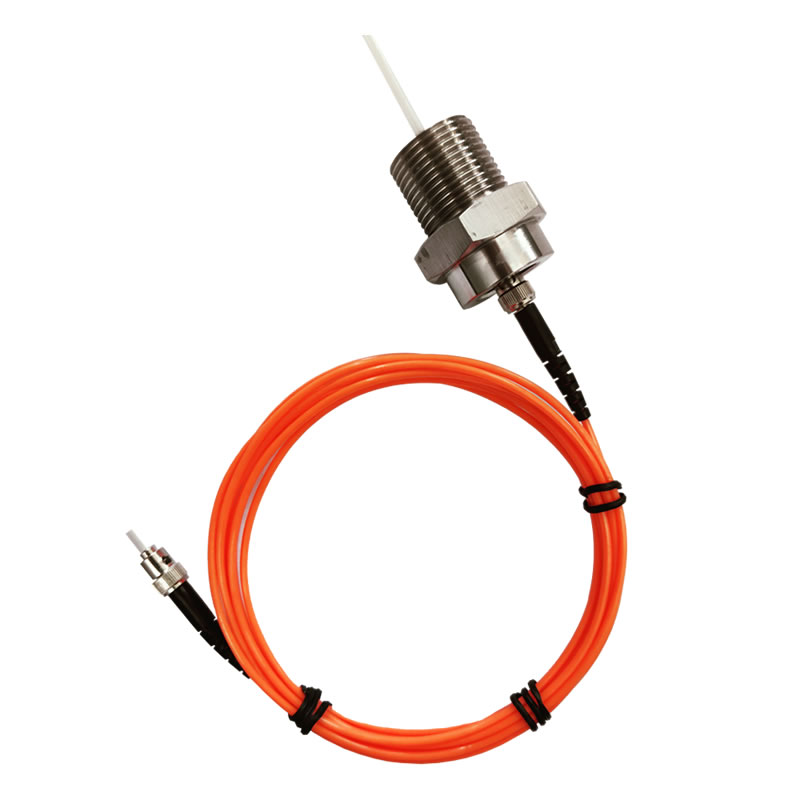
De fluorescentie-temperatuursensorsonde provides the sensing element responding to temperature changes:
| Technische parameter | Specificatie |
|---|---|
| Meetbereik | -40°C tot +260°C |
| Meetnauwkeurigheid | ≤±1°C |
| Sensing Material | Stable rare-earth luminescent material |
| Isolatieprestaties | Oil withstand voltage ≥8.8kV/mm |
| Partial Discharge Test | ≥7kV/mm (at ≤10pC) |
| Test Report | Complete insulation and PD test reports provided |
| Vezel connector | ST connector interface |
| Standaard vezellengtes | 2m, 3m, 4m, 6m, 8m |
| Aangepaste vezellengtes | Available based on transformer requirements |
| Sondemateriaal | Oil-resistant polymer or stainless steel (aanpasbaar) |
| Chemische compatibiliteit | Minerale olie, synthetic ester fluids |
Aanpassingsopties
Fuzhou Innovatie Elektronische Scie&Leverancier:Tech Co., Bvba. offers extensive customization for transformer-specific requirements:
- Kanaaltelling: 4, 8, 12, 16, 32, of 64 channels for various transformer sizes
- Vezel lengtes: Elke lengte van 0,5 m tot 80 m per kanaal
- Probe configurations: Custom dimensions and materials for specific winding designs
- Communicatieprotocollen: MODBUS-TCP, IEC 61850, DNP3, or custom protocols
- Uitgangssignalen: Additional relay contacts, analoge uitgangen, of digitale signalen
- Weergaveopties: LCD-scherm, digitale buis, aanraakscherm, or remote-only configurations
- Montagemateriaal: Custom brackets for specific transformer installations
7. Kritische temperatuurbewakingspunten in transformatoren
Effectief Temperatuurbewaking van transformatorwikkelingen requires strategic sensor placement at locations most vulnerable to thermal stress.
Minimum Required Monitoring Points
Industry standards and utility requirements specify minimum sensor configurations for comprehensive transformer thermal surveillance:
Standaard 12-punts configuratie
Each transformer requires minimum 12 temperatuurbewakingspunten distributed as follows:
| Locatie | Aantal sensoren | Doel |
|---|---|---|
| Hoogspanningswikkelingen | 3 sensoren (1 per fase) | Detect HV winding hotspots from overloading or cooling failure |
| Laagspanningswikkelingen | 3 sensoren (1 per fase) | Monitor LV winding temperature and detect imbalanced loading |
| Ijzeren kern | 1 sensor | Identify core overheating from magnetic saturation or eddy currents |
| Transformator olie | 2 sensoren | Track top and bottom oil temperature for thermal gradient analysis |
| Reserve kanalen | 3 sensoren | Additional critical points or future expansion |
High Voltage Winding Sensor Placement
HV winding monitoring focuses on highest temperature locations:
- Phase A HV winding: Sensor embedded near center of winding where maximum temperature typically occurs
- Phase B HV winding: Corresponding location in second phase winding
- Phase C HV winding: Matching position in third phase winding
- Optimal depth: Sensors positioned 1/3 naar 1/2 distance from winding inside diameter to outside diameter
- Vertical position: Upper third of winding height where hottest oil accumulates
Low Voltage Winding Sensor Placement
LV winding monitoring covers high-current conductors:
- Phase A LV winding: Sensor near winding hotspot (typically center or top section)
- Phase B LV winding: Corresponding location maintaining symmetry
- Phase C LV winding: Matching position for balanced monitoring
- Special consideration: LV windings carry higher current but have better cooling due to position
Iron Core and Oil Monitoring
Additional monitoring points complete thermal surveillance:
- Core sensor: Attached to core lamination stack detecting abnormal core heating from flux density issues
- Top oil sensor: Measures highest temperature oil near top of tank
- Bottom oil sensor: Tracks incoming cool oil temperature for gradient calculation
Vereisten voor sensorinstallatie
Proper sensor installation ensures accurate measurement and long-term reliability:
- Insulation compliance: Sensors meet transformer insulation requirements with oil withstand voltage ≥8.8kV/mm
- Partial discharge limits: Sensors pass PD testing at ≥7kV/mm with discharge ≤10pC
- Material compatibility: Rare-earth luminescent material stable in transformer oil at operating temperatures
- Mechanical security: Sensors firmly attached to prevent movement during transport or operation
- Vezelbescherming: Fiber routing avoids sharp edges and provides strain relief
8. Temperatuurbewakingsoplossingen voor verschillende spanningsniveaus
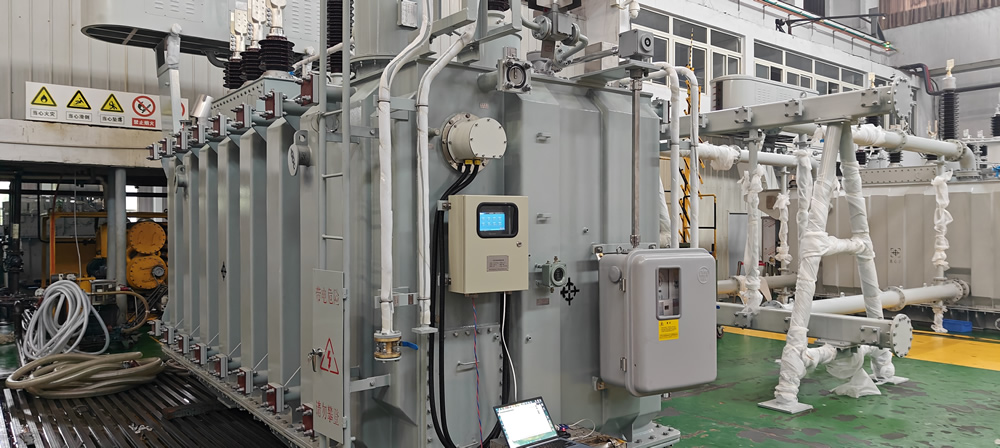
Transformatortemperatuurbewakingssystemen adapt to various voltage classifications with appropriate configurations and installation methods.
10kV Distribution Transformer Monitoring
10kV class transformers represent the most common medium voltage equipment requiring thermal surveillance:
Typische configuratie
- Transformer capacity: 500kVA to 2500kVA typical range
- Aantal sensoren: 12-point standard configuration
- Winding arrangement: 3 HV sensors + 3 LV sensors + 1 kern + 2 olie + 3 spare
- Vezelroutering: Through tank bushings or dedicated penetrations
- Demodulator location: Control cabinet or exterior mounting on transformer tank
In olie ondergedompelde distributietransformatoren (≤110kV)
Oil-immersed designs require sensors rated for continuous oil exposure:
- Sensor material: Oil-resistant fluorescence probes with sealed construction
- Installatietijdstip: Sensors embedded during transformer manufacturing or retrofit during maintenance
- Temperature and control: Winding temperature measurement plus temperature control relay outputs
- Communicatie: 4-20mA analog output to existing SCADA plus RS485 digital backup
35kV Medium Voltage Transformer Monitoring
35kV transformer monitoring demands enhanced reliability due to higher fault consequences:
Configuratievereisten
- Aantal sensoren: 12-15 points for comprehensive coverage
- Additional monitoring: May include neutral point temperature, tik-wisselaar, en koelsysteem
- Communicatie: Redundant protocols (RS485 primary, Ethernet backup)
- Alarmuitgangen: Multiple relay stages for warning, alarm, and emergency trip
- Gegevensregistratie: Enhanced memory (≥1GB) for long-term trend analysis
110kV and Above High Voltage Transformers
110kV transformer temperature monitoring represents critical infrastructure protection:
Speciale overwegingen
- Higher insulation requirements: Sensors tested to higher voltage levels
- Ontslag: Dual monitoring systems for maximum reliability
- Integratie: Comprehensive connection to substation automation via IEC 61850
- Naleving van regelgeving: Meeting national grid standards for critical equipment monitoring
Vergelijking van spanningsniveaus
| Spanningsniveau | Typische capaciteit | Sensortelling | Belangrijkste vereisten |
|---|---|---|---|
| 10kV-distributie | 500-2500kVA | 12 punten | Compatibiliteit met olie, kosteneffectief |
| 35kV Medium Voltage | 5-50MVA | 12-15 punten | Verbeterde betrouwbaarheid, dataregistratie |
| 110kV High Voltage | 30-120MVA | 12-18 punten | Ontslag, IEC 61850, kritische bescherming |
9. Applications in Different Transformer Types
Fluorescentie glasvezel temperatuursensoren adapt to all transformer configurations with specific installation considerations for each type.
Oil-Immersed Transformer Winding Monitoring (≤110kV)
Oil-filled transformers represent the largest application segment for bewaking van de temperatuur van de wikkelingen:
Installation Characteristics
- Sensor environment: Continuous immersion in transformer oil at 60-90°C normal operation
- Chemische blootstelling: Long-term contact with mineral oil or synthetic ester fluids
- Insulation requirements: Oil withstand voltage ≥8.8kV/mm, partial discharge ≤10pC at ≥7kV/mm
- Vezelroutering: Through bushings or dedicated tank penetrations maintaining oil seal
Configuration for Distribution Transformers
Standaard oil-immersed distribution transformer monitoring omvat:
- 12-channel fluorescence demodulator with 4-20mA outputs and RS485 communication
- 3 HV winding sensors + 3 LV winding sensors embedded during manufacturing
- 1 core sensor + 2 oil sensors (top and bottom)
- Local display showing all channel temperatures
- Relay outputs for alarm and cooling fan control
- IP55 protection enclosure mounted externally
Temperatuurbewaking van droge transformatoren
Droge transformatoren operate without oil cooling, relying on air convection:
- Sensorplaatsing: Embedded in winding resin encapsulation or surface-mounted
- Higher operating temperatures: Sensors must handle up to 180°C continuous operation
- No oil seal concerns: Simplified fiber routing through open air spaces
- Controle ventilator: Temperature-based automatic cooling fan activation
Rectifier Transformer Applications
Rectifier transformers for industrial DC power supplies face unique thermal challenges:
- Harmonic heating: Non-sinusoidal currents create additional heating requiring monitoring
- DC winding monitoring: Both AC and DC side windings require temperature surveillance
- Higher thermal stress: Continuous high-load operation demands precise monitoring
Special Transformer Applications
Fluorescence monitoring serves specialized transformer types:
- Phase-shifting transformers: Complex winding arrangements requiring custom sensor configurations
- Transformatoren van ovens: Extreme loading cycles demanding rapid thermal response
- Auto-transformers: Common winding requiring strategic sensor placement
- Grounding transformers: Specialized monitoring for fault condition detection
10. Systeeminstallatie- en configuratiehandleiding
Correcte installatie van transformatortemperatuurbewakingssystemen garandeert nauwkeurige metingen en langdurige betrouwbaarheid.
Sensor Installation During Transformer Manufacturing
Optimal sensor installation occurs during transformer production:
Planning vóór installatie
- Sensor location specification: Define exact coordinates for each monitoring point
- Fiber length determination: Measure routing paths from sensors to tank penetration
- Penetration design: Engineer sealed bushings or glands for fiber exit
- Material preparation: Verify sensor compatibility with transformer materials
Winding Installation Process
- Sensor positioning: Plaats fluorescentie sensoren at specified winding locations during assembly
- Attachment method: Secure sensors using high-temperature adhesive or mechanical retention
- Vezelroutering: Route fibers along winding structure to designated exit point
- Bescherming: Protect fibers from mechanical damage during subsequent assembly
- Testen: Verify optical continuity and initial temperature readings before oil fill
Retrofit Installation on Operating Transformers
Existing transformers can be equipped during scheduled maintenance outages:
Retrofit Procedure
- Ontspanning: Transformer must be de-energized and oil drained for internal access
- Tank opening: Remove covers providing access to windings
- Installatie van sensoren: Attach sensors to accessible winding surfaces or core
- Vezelroutering: Install fibers through existing bushings or new penetrations
- Afdichting: Ensure oil-tight seals at all penetration points
- Opnieuw in bedrijf stellen: Olie bijvullen, verify sensors, and restore service
Installatie van temperatuurdemodulator
Mounting Location Selection
De temperatuurbewakingsdemodulator requires protected mounting:
- Control cabinet mounting: DIN rail installation in existing control enclosure (de voorkeur)
- External enclosure: Weatherproof IP55 box mounted on transformer tank or nearby structure
- Environmental protection: Location sheltered from direct sun, regen, en extreme temperaturen
- Toegankelijkheid: Position allowing easy viewing of display and maintenance access
Fiber Connection
Verbinden fluorescentie sensoren to the demodulator:
- Fiber preparation: Clean ST connector ferrules with lint-free wipes and optical alcohol
- Visuele inspectie: Verify connector faces are scratch-free and clean
- Aansluiting: Insert ST connectors into demodulator ports and rotate bayonet locks
- Etikettering: Mark each fiber with corresponding channel number and sensor location
- Verificatie: Confirm temperature readings appear for all connected sensors
Electrical Wiring
Complete system installation requires proper electrical connections:
- Voeding: Sluit aan op de juiste spanning (doorgaans 85-265VAC of 24VDC)
- RS485-communicatie: Wire A(+) en B(-) terminals to SCADA or control system
- Analoge uitgangen: Connect 4-20mA signals to existing temperature recorders or controllers
- Relaisuitgangen: Wire alarm and control relay contacts to transformer protection system
- Aarding: Establish proper chassis ground for electrical safety
11. Systeemintegratie- en communicatieprotocollen

Transformatortemperatuurbewakingssystemen integrate seamlessly with substation automation through industry-standard protocols.
RS485 MODBUS-RTU Communication
MODBUS-RTU provides reliable serial communication for transformer monitoring:
Protocol Characteristics
- Physical interface: RS485 differential signaling (two-wire)
- Network topology: Multi-drop bus ondersteunt tot 247 apparaten
- Communication parameters: 19200bps, 8 databits, 1 stop stukje, geen pariteit (configureerbaar)
- Device addressing: Each demodulator assigned unique slave address (1-247)
- Function codes: Standard MODBUS functions for reading temperature data and writing configuration
Data Register Mapping
Typisch MODBUS register structure for 12-channel system:
| Register Range | Data Type | Beschrijving |
|---|---|---|
| 40001-40012 | Holding Registers | Kanaal 1-12 temperatuur waarden (0.1°C resolutie) |
| 40013-40024 | Holding Registers | Kanaal 1-12 alarmstatus (bitfield) |
| 40025-40036 | Holding Registers | Kanaal 1-12 high alarm thresholds (°C) |
| 40037-40048 | Holding Registers | Kanaal 1-12 low alarm thresholds (°C) |
| 40049-40060 | Holding Registers | Kanaal 1-12 maximum recorded temperatures |
| 40061-40072 | Holding Registers | Kanaal 1-12 minimum recorded temperatures |
4-20mA Analog Output Integration
Analog current outputs provide compatibility with traditional control systems:
- Signal type: Industry-standard 4-20mA current loop
- Scaling: Configurable temperature range mapped to current output
- Typical scaling: 0-200°C → 4-20mA (aanpasbaar)
- Loop power: Demodulator provides loop power or accepts external power
- Isolatie: Outputs electrically isolated from system ground
- Toepassingen: Connection to chart recorders, PLC's, existing temperature indicators
Advanced Communication Protocols
Modern installations support enhanced protocols:
MODBUS-TCP/IP
- Ethernet interface: RJ45 connector with 10/100 Mbps automatische onderhandeling
- Protocol: MODBUS protocol encapsulated in TCP/IP packets
- Addressing: Standard IP addressing with configurable port (typisch 502)
- Voordelen: Hogere snelheid, langere afstand, easier troubleshooting than serial
IEC 61850 Automatisering van onderstations
- Logical nodes: Temperature data modeled using standardized STMP nodes
- MMS messaging: Client-server communication for data access
- GOOSE-berichten: Fast peer-to-peer communication for critical alarms
- SCL configuration: Self-description capability for plug-and-play integration
Integration with Transformer Online Monitoring System
According to industry requirements, transformer comprehensive online monitoring includes multiple subsystems unified under single platform:
- High voltage bushing monitoring: Capacitance and power factor measurement
- Bewaking van gedeeltelijke ontlading: PD detection system for insulation assessment
- Bewaking van de temperatuur van de wikkelingen: Fluorescence fiber optic system (this system)
- Analyse van opgelost gas: Oil DGA monitoring for fault gases and moisture
- Unified backend: Single software platform integrating all monitoring data
- Quality products: Selection of premium components for reliable operation
12. Temperature Alarm and Control Functions
Effectief alarmbeheer transformeert temperatuurbewakingsgegevens into protective action preventing transformer failures.
Multi-Level Temperature Alarm Configuration
Temperatuur alarmsystemen implement multiple threshold stages for graduated response:
Four-Stage Alarm Structure
- Waarschuwing vooraf (Adviserend):
- Drempelwaarde: +15-20°C above normal operating temperature
- Actie: Verhoog de monitoringfrequentie, log event
- Antwoord: Schedule inspection during next maintenance window
- Alarm voor hoge temperaturen:
- Drempelwaarde: +25-30°C above normal or approaching design limits
- Actie: Alarm annunciation, notification to operators
- Antwoord: Reduce loading if possible, investigate cooling system
- Kritiek temperatuuralarm:
- Drempelwaarde: +35-40°C above normal or near insulation temperature limits
- Actie: Urgent alarm, automatic cooling system activation
- Antwoord: Immediate load reduction, prepare for emergency shutdown
- Noodreis:
- Drempelwaarde: Approaching maximum insulation temperature (typically 140-160°C winding)
- Actie: Automatic transformer trip to prevent damage
- Antwoord: Immediate de-energization, investigation before restart
Relay Output Configuration
De temperatuur demodulator provides configurable relay contacts (facultatief 2-6 relaisuitgangen):
- Relais 1: Alarm voor hoge temperaturen (normally open contact)
- Relais 2: Critical temperature alarm (normally open contact)
- Relais 3: Nooduitschakelsignaal (normally open contact)
- Relais 4: Cooling fan control (normally open contact)
- Relais 5: System fault indication (sensorstoring, communication loss)
- Relais 6: Auxiliary function (pomp controle, second fan stage)
Lokale audio- en visuele alarmen
Onsite alarm indication geeft onmiddellijke melding:
- LED-indicatoren: Color-coded status lights on demodulator panel (green=normal, geel=waarschuwing, rood=alarm)
- Ingebouwde zoemer: Hoorbaar alarm bij hoge temperaturen
- Markering weergeven: LCD- of digitaal display knippert temperatuurwaarden in alarmstatus
- Alarmbevestiging: Handmatige knop om het hoorbare alarm uit te zetten terwijl de toestand aanhoudt
Alarmcommunicatie op afstand
Melding op afstand verzekert 24/7 bewustzijn buiten de lokale site:
- SCADA-integratie: Alarmstatus verzonden via MODBUS of IEC 61850 naar controlecentrum
- E-mailwaarschuwingen: Automatische berichten naar onderhoudsdistributielijsten (wanneer netwerk beschikbaar is)
- SMS-meldingen: Sms-waarschuwingen naar mobiele telefoons van oproeppersoneel (vereist GSM-gateway)
- Alarmprioriteit: Verschillende meldingsmethoden voor waarschuwing vs. kritische alarmen
Automatische besturingsfuncties
Op temperatuur gebaseerde regeling maakt automatische beschermende acties mogelijk:
Koelsysteemregeling
- Activering van de ventilator: Start de koelventilatoren automatisch wanneer de wikkelingstemperatuur het instelpunt overschrijdt
- Meertrapskoeling: Activeer extra ventilatoren of pompen bij hogere temperatuurdrempels
- Optimal efficiency: Cooling operates only when needed, reducing energy consumption
Laadbeheer
- Load shedding signals: Output to distribution automation for automatic load reduction
- Dynamische beoordeling: Calculate safe loading based on actual winding temperature
- Overload prevention: Block transformer energization if temperatures exceed limits
Historical Data Recording
The system’s ≥1GB internal memory enables comprehensive data logging:
- Continue opname: Store all 12 channel temperatures with timestamps
- Logboek voor alarmgebeurtenissen: Record every alarm occurrence with duration and peak temperature
- Statistische analyse: Maximum, minimum, and average temperatures per configurable period
- Gegevens exporteren: Download logged data via communication interface for analysis
- Retention period: Typisch 1-2 years of minute-by-minute data storage
13. Display Methods and Interface Options
Temperatuurbewakingssystemen offer multiple interface options for local and remote data access.
Local Display Module
De onsite display provides immediate temperature visibility:
Digitale buisweergave
- LED seven-segment displays: Bright red digits visible in direct sunlight
- Presentatie via meerdere kanalen: Automatic cycling through all 12 Kanalen
- Channel identification: Display shows channel number and temperature value
- Updatesnelheid: Real-time refresh showing current temperatures
- Alarmindicatie: Flashing display or color change for alarm conditions
LCD Display Panel
- Liquid crystal display: Backlit screen showing multiple channels simultaneously
- Information density: Display all 12 temperatures plus alarm status on single screen
- Menunavigatie: Access configuration parameters and diagnostic information
- Graphical elements: Icons indicating alarm states and system status
- Taalopties: Multi-language support for international installations
Configuratie van inhoud weergeven
Customizable display settings suit different operational preferences:
- Rotatiemodus: Automatically cycle through channels with adjustable dwell time
- Vaste weergave: Toon continu specifieke kritische kanalen
- Alarmprioriteit: Display channels in alarm before normal channels
- Temperatuur eenheden: Keuze uit Celsius of Fahrenheit
- Brightness control: Adjustable display intensity for day/night conditions
Mogelijkheden voor bewaking op afstand
Modern systems enable comprehensive remote access:
SCADA Integration Display
- Realtime gegevens: All channel temperatures transmitted to control center
- Transformer mimic: Graphical representation showing sensor locations and values
- Trendgrafieken: Historical temperature plotting for pattern analysis
- Alarmbeheer: Centralized alarm handling with acknowledgment and logging
- Multi-transformer view: Monitor entire substation from single operator interface
Web-Based Monitoring
- Browser access: View temperatures from any computer with network access
- Mobile responsive: Interfaces optimized for smartphones and tablets
- Secure login: Password protection and user access levels
- Gegevens exporteren: Download temperature logs in CSV or Excel format
- Het genereren van rapporten: Automated daily/weekly/monthly temperature summaries
Belangrijkste afhaalrestaurants: Temperatuurbewaking van transformatorwikkelingen
- ✓ Minimum 12 monitoring points required: 3 HV windings + 3 LV windings + 1 kern + 2 olie + 3 spare channels
- ✓ Fluorescence technology advantages: Nauwkeurigheid ±1°C, no calibration, 20+ jaar leven, volledige EMI-immuniteit
- ✓ Insulation performance verified: Oil withstand ≥8.8kV/mm, partial discharge ≤10pC at ≥7kV/mm
- ✓ Multiple communication options: 4-20mA-analoog, RS485-MODBUS, IEC 61850 protocollen
- ✓ Comprehensive alarm functions: Drempels op meerdere niveaus, relaisuitgangen, meldingen op afstand
- ✓ Proven manufacturer: Fuzhou-innovatie – 13+ years specializing in fiber optic temperature monitoring
14. Why Is Fluorescence Technology Best for Transformer Windings?
Among fiber optic sensing technologies, op fluorescentie gebaseerde systemen deliver optimal performance for transformer winding applications.
Fluorescentie versus gedistribueerde temperatuurdetectie (DTS)
Terwijl DTS-systemen excel for pipeline monitoring, they prove less suitable for transformer windings:
| Factor | Fluorescentiepuntdetectie | Raman DTS | Best for Transformers |
|---|---|---|---|
| Metingstype | Discrete punten (12 locaties) | Continu langs vezel | Fluorescentie (specific winding points) |
| Nauwkeurigheid | ±1°C | ±2-3°C | Fluorescentie (better precision) |
| Reactietijd | Sub-second | 10-60 Seconden | Fluorescentie (faster protection) |
| Winding Coverage | Strategic hotspot locations | Entire fiber length | Fluorescentie (targeted monitoring) |
| Systeemkosten | Gematigd | Low for long distances | Fluorescentie (12-point application) |
| Installatie | Simple discrete sensors | Continue glasvezelroutering | Fluorescentie (easier in windings) |
| Kalibratie | Niet vereist | Niet vereist | Gelijkwaardig |
DTS monitors kilometers of continuous fiber—unnecessary for a transformer requiring 12 specific measurement points.
Fluorescentie versus Fiber Bragg-rooster (FBG)
FBG-sensoren offer excellent accuracy but have limitations for transformer applications:
| Kenmerkend | Fluorescentie | FBG | Voordeel |
|---|---|---|---|
| Nauwkeurigheid | ±1°C | ±0,1-1°C | Vergelijkbaar (±1°C voldoende) |
| Oil Environment | Proven long-term stability | Requires protective coating | Fluorescentie (volwassen technologie) |
| Installatieflexibiliteit | Flexibele vezels, compacte sonde | Fragile bare fiber | Fluorescentie (easier handling) |
| Temperatuur bereik | -40°C tot +260°C | -40°C tot +300°C | Gelijkwaardig (both exceed transformer needs) |
| Industry Track Record | 20+ years transformer use | Emerging in transformers | Fluorescentie (bewezen betrouwbaarheid) |
| Kosten per punt | Gematigd | Hoger | Fluorescentie (better value) |
Fluorescence vs PT100 Resistance Thermometers
Vergelijken fluorescentie against traditional electrical sensors:
| Prestatiefactor | Fluorescentie glasvezel | PT100 RTD |
|---|---|---|
| EMI-immuniteit | Compleet (immune to transformer fields) | Arm (significant measurement errors from EMI) |
| Hoogspanningsisolatie | Inherent (diëlektrische vezel) | Requires expensive isolation amplifiers |
| Accuracy in Transformer | ±1°C (stable regardless of EMI) | ±1-2°C without EMI, ±5-10°C with EMI |
| Kalibratie vereist | Nooit (lifetime stable) | Elk 2 jaren (drijven in de tijd) |
| Onderhoud | Geen | Periodic testing and recalibration |
| Levensduur | 20+ jaren | 5-10 jaren typisch |
| Installatiecomplexiteit | Eenvoudig (no voltage isolation needed) | Complex (isolation barriers required) |
| Levenscycluskosten | Lager (no calibration or replacement) | Hoger (recurring calibration costs) |
Unique Fluorescence Advantages for Transformer Windings
Fluorescentie glasvezelsensoren deliver specific benefits for winding monitoring:
- Rare-earth material stability: Sensing element maintains calibration indefinitely in transformer oil at operating temperatures
- Intensity-independent measurement: Decay time measurement immune to oil discoloration, fiber contamination, of verslechtering van de connector
- Compact sondeontwerp: Small sensors install in tight winding spaces without affecting transformer design
- Proven insulation performance: Tested and certified for transformer voltage levels with documented oil withstand and PD test results
- Fast thermal response: Sub-second response tracks rapid temperature changes during load variations or cooling failures
- 12-kanaal capaciteit: Single demodulator monitors all critical transformer points economically
- Ervaring in de sector: Two decades of successful transformer deployments worldwide validate technology maturity
15. Aanpassingsvermogen aan de omgeving van vezeltemperatuursensoren
Fluorescentie glasvezel temperatuursensoren demonstrate exceptional reliability across transformer operating environments.
Temperature Range Performance
The system operates reliably across extreme temperature conditions:
Sensortemperatuurcapaciteit
- Meetbereik: -40°C to +260°C covers all transformer operating and fault conditions
- Normale werking: 60-90°C typical winding temperatures
- Overbelastingsomstandigheden: 100-120°C during temporary overloads
- Emergency limits: 140-160°C maximum insulation temperatures
- No degradation: Accuracy maintained throughout full range
Demodulator-gebruiksomgeving
- Operating range: -40°C to +75°C accommodates outdoor installations
- Storage range: -50°C to +85°C for shipping and long-term storage
- Thermisch fietsen: Withstands daily temperature variations without failure
Transformer Oil Environment
Oil immersion presents unique challenges addressed by fluorescence technology:
Chemische compatibiliteit
- Minerale olie: Proven compatibility with standard transformer mineral oil
- Synthetic esters: Stable operation in natural and synthetic ester fluids
- Aged oil: Performance unaffected by oil oxidation or contamination
- Long-term exposure: Sensors maintain stability through 20+ years of continuous oil contact
Insulation Performance Verification
Sensors meet stringent transformer insulation requirements:
- Oil withstand voltage: ≥8.8kV/mm tested and certified
- Partial discharge limits: ≤10pC at ≥7kV/mm test voltage
- Test documentation: Complete insulation and PD test reports provided with each system
- Quality materials: Rare-earth luminescent materials selected for insulation compatibility
Electromagnetic Field Immunity
Transformers generate intense electromagnetic environments:
EMI Sources
- Magnetic fields: Hundreds to thousands of amperes creating strong magnetic flux
- Electric fields: High voltages producing intense electric fields
- Transiënten schakelen: Rapid voltage and current changes during operations
- Storingsomstandigheden: Extreme fields during short circuits (10-20× normal current)
Fluorescence Immunity
Glasvezel sensoren volledig onaangetast blijven:
- No conductive path: Glass fiber carries only light, no electrical signals
- Zero EMI sensitivity: Measurement accuracy identical at 0% en 200% nominale stroom
- Stable during faults: Accurate readings maintained during short circuit conditions
- No shielding required: Fibers route directly along high-current conductors without interference
Mechanical Stress Tolerance
Transformers experience mechanical forces requiring sensor durability:
- Winding expansion: Thermal cycling causes dimensional changes—flexible sensors accommodate movement
- Electromagnetic forces: High currents create mechanical stress on windings—secure sensor mounting prevents damage
- Transportation shock: Transformers undergo shipping and handling—robust fiber construction survives transport
- Seismische activiteit: Earthquake-prone regions require vibration tolerance—solid-state measurement elements have no moving parts to fail
Humidity and Moisture Resistance
While transformer interiors remain dry, external components face environmental exposure:
- Demodulator humidity range: 10-95% RH non-condensing operation
- IP55 protection: Enclosure prevents moisture ingress into electronics
- Fiber moisture immunity: Glass fiber performance unaffected by humidity
- Connectorbescherming: Sealed ST connectors prevent moisture contamination
16. Globaal Transformatortemperatuurbewaking Toepassingen
Fluorescentie glasvezel temperatuurbewakingssystemen protect critical transformer assets across diverse industries and regions worldwide.
Toepassingen op het gebied van energiesystemen
Electrical utilities represent the largest deployment of bewaking van transformatorwikkelingen:
China Power Grid
- State Grid Corporation: Thousands of transformers equipped with fluorescence monitoring across 27 provincial networks
- China Zuidelijk elektriciteitsnet: Comprehensive deployment in high temperature, high humidity southern provinces
- Urban distribution: 10kV distribution transformers monitored in major cities
- Transmissie onderstations: 35kV, 110kV, and higher voltage transformers with advanced monitoring
Regio Azië-Pacific
- Southeast Asia utilities: Rapid infrastructure expansion incorporating temperature monitoring from design phase
- Indian power sector: Large-scale deployment in expanding distribution networks
- Australian networks: Mining and utility transformers with remote monitoring capabilities
Middle East Power Infrastructure
- Gulf countries: Transformers operating in extreme heat (50°C+ ambient) with enhanced monitoring
- Oil and gas facilities: Critical transformers supporting petroleum production and processing
- Desalination plants: High-reliability transformers requiring continuous thermal surveillance
Industriële toepassingen
Bewaking van de temperatuur van de transformator protects industrial production:
Manufacturing Facilities
- Staalfabrieken: Large rectifier transformers and furnace transformers with intensive loading cycles
- Chemische fabrieken: Critical power transformers in continuous process operations
- Automotive production: Distribution transformers supporting automated manufacturing lines
- Semiconductor fabs: High-reliability transformers with comprehensive monitoring systems
Mijnbouwactiviteiten
- Underground mining: Mobile substation transformers with portable monitoring systems
- Ore processing: Large transformers powering crushers, molens, and flotation circuits
- Afgelegen locaties: Off-grid transformers with solar-powered monitoring and satellite communication
Transportinfrastructuur
Transit systems depend on reliable transformer operation:
- Railway traction: Substation transformers converting utility power to traction voltages
- Metro-systemen: Distribution transformers throughout underground stations with comprehensive monitoring
- Luchthavens: Critical transformers ensuring uninterrupted power to control systems and terminals
- Seaports: Container handling equipment transformers with harsh marine environment exposure
Data Center Applications
High-reliability requirements drive comprehensive monitoring:
- Utility transformers: Primary power distribution with redundant monitoring systems
- UPS transformers: Isolation and step-up transformers within uninterruptible power systems
- Opvoergenerator: Transformers connecting backup generators to facility distribution
- 24/7 toezicht houden: Continuous surveillance integrated with data center infrastructure management
17. Hoe u het juiste transformatorbewakingssysteem selecteert?
Systematische evaluatie zorgt voor optimaal Temperatuur Monitoring Systeem selection for specific transformer applications.
Stap 1: Bepaal de specificaties van de transformator
Document key transformer parameters:
- Voltage rating: 10kV, 35kV, 110kV, or other voltage class
- Power capacity: kVA or MVA rating
- Type transformator: Met olie bedwingen, droog type, gelijkrichter, or special application
- Winding configuration: Two-winding, three-winding, or auto-transformer
- Cooling method: ONAN, AAN UIT, OFAF, or forced air (droog type)
Stap 2: Identify Required Monitoring Points
Calculate necessary sensor locations:
Standaardconfiguratie (Minimum 12 Punten)
| Transformer Component | Sensortelling | Doel |
|---|---|---|
| Hoogspanningswikkelingen | 3 (1 per fase) | HV winding hotspot detection |
| Laagspanningswikkelingen | 3 (1 per fase) | Bewaking van de temperatuur van de LV-wikkelingen |
| Ijzeren kern | 1 | Detectie van kernoververhitting |
| Transformator olie | 2 (top and bottom) | Oil temperature and gradient |
| Additional Points | 3 | Spare capacity or special requirements |
Enhanced Configuration (15-18 Punten)
Larger or critical transformers may require additional monitoring:
- Multiple sensors per winding for comprehensive coverage
- Neutral point temperature monitoring
- Tap changer contact temperature (indien van toepassing)
- Bewaking van het koelsysteem (pompen, ventilatoren, radiatoren)
Stap 3: Select Communication Interface
Choose protocols matching existing control systems:
| Protocol | Interface | Beste applicatie |
|---|---|---|
| 4-20mA Analog | Current loop | Oudere systemen, kaartrecorders, existing controllers |
| RS485 MODBUS-RTU | Serial | PLC integration, lokale netwerken, kosteneffectief |
| MODBUS-TCP | Ethernet | Moderne faciliteiten, bewaking op afstand, higher speed |
| IEC 61850 | Ethernet | Digitale onderstations, nutsnormen, toekomstbestendig |
Stap 4: Consider Installation Method
Evaluate sensor installation approach:
New Transformer (OEM Installation)
- Optimal approach: Sensors embedded during manufacturing for best thermal contact
- Voordelen: Precise placement, protected routing, fabriek testen
- Coordination: Work with transformer manufacturer during design phase
Existing Transformer (Retrofit)
- Installatietijdstip: During scheduled maintenance outage when transformer is drained
- Toegankelijkheid: Sensors attached to accessible winding surfaces and core
- Beperkingen: Cannot reach deeply embedded winding locations without major disassembly
Stap 5: Specify Display and Alarm Requirements
Define operator interface needs:
- Lokale weergave: Digital tube or LCD panel for onsite viewing
- Alarmuitgangen: Number of relay contacts needed (2-6 typisch)
- Bewaking op afstand: SCADA-integratievereisten
- Gegevensregistratie: Internal memory capacity for historical storage
- Reporting: Automatic report generation if required
Stap 6: Verify Environmental Compatibility
Confirm system ratings match installation environment:
- Demodulator location: Indoor controlled environment or outdoor weatherproof enclosure
- Beschermingsgraad: IP55 minimum for outdoor installations
- Bedrijfstemperatuur: Verify -40°C to +75°C range sufficient for location
- Humidity tolerance: Non-condensing 10-95% RH adequate for site
Selectiebeslissingsmatrix
| Transformatorgrootte | Recommended System | Belangrijkste kenmerken |
|---|---|---|
| 500-2500kVA (10kV) | 12-channel standard | Basismonitoring, 4-20mA + RS485, lokale weergave |
| 5-50MVA (35kV) | 12-15 channel enhanced | Gegevensregistratie, multiple alarms, Ethernet option |
| 30-120MVA (110kV+) | 12-18 channel premium | Ontslag, IEC 61850, comprehensive integration |
18. China's toonaangevende fabrikant: Fuzhou Innovatie Elektronische Scie&Leverancier:Tech Co., Bvba.
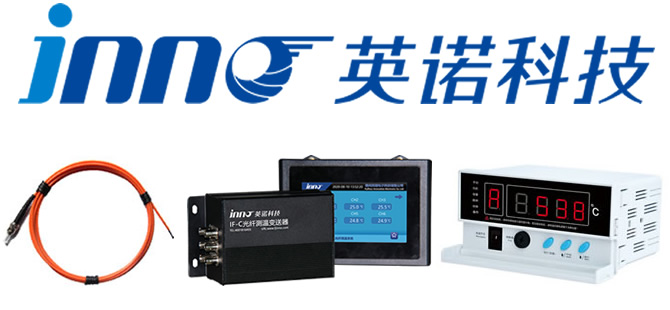
Fuzhou Innovatie Elektronische Scie&Leverancier:Tech Co., Bvba. staat als China’s belangrijkste fabrikant van fluorescentie glasvezel temperatuurbewakingssystemen voor transformatoren, levert sindsdien bewezen oplossingen 2011.
Company Overview and History
Gevestigd in 2011, Fuzhou-innovatie has dedicated 13+ years exclusively to advancing glasvezel temperatuursensortechnologie for power industry applications. Gelegen in Fuzhou, Provincie Fujian, the company operates from modern facilities in the Liandong U Grain Networking Industrial Park.
Uitstekende productie
Production Facilities
- Fabriekslocatie: Liandong U Grain Networking Industriepark, Xingye West Road nr. 12, Fuzhou, Fujian, China
- Productiecapaciteit: Thousands of monitoring systems annually serving domestic and international markets
- Quality control: ISO 9001 gecertificeerde productieprocessen
- Testing laboratories: Complete facilities for optical, elektrisch, and environmental testing
- Clean assembly: Controlled environment for sensor fabrication and calibration
Kwaliteitsborgingssystemen
- Incoming inspection: All components verified before production
- In-process testing: Critical parameters checked at each manufacturing stage
- Calibration traceability: All calibrations traceable to national standards
- 100% functionele testen: Every system tested before shipment
- Burn-in testing: Extended operation at elevated temperature reveals early failures
- Isolatie testen: Oil withstand voltage and partial discharge verification per transformer standards
Technische expertise
Onderzoek en ontwikkeling capabilities drive continuous improvement:
- Engineering team: Ervaren optisch, elektronisch, and power system engineers
- Applicatie kennis: Deep understanding of transformer thermal management requirements
- Maatwerk oplossingen: Ability to develop tailored systems for unique transformer configurations
- Field experience: 13+ years of installation and service feedback informing product enhancements
- Standards compliance: Products designed to meet utility and industry specifications
Product Range for Transformers
Uitgebreid oplossingen voor temperatuurbewaking for all transformer types:
- Standaardsystemen: 12-channel configurations for typical distribution transformers
- Enhanced systems: 15-18 channel versions for larger transformers
- High-channel systems: 32 of 64 channel units for multiple transformer monitoring
- Communicatie opties:4-20mA-analoog, RS485-MODBUS, Ethernet-MODBUS-TCP, IEC 61850
- Keuzes weergeven: Digital tube, LCD-scherm, aanraakscherm, of headless configuraties
- Maatwerk: Extensive modification capability for special requirements
Bewezen trackrecord
Successful deployments validate system reliability:
- Installatie basis: Thousands of systems protecting transformers across China and internationally
- Utility customers: Major power companies including State Grid Corporation and China Southern Power Grid
- Industriële toepassingen: Productie, mijnbouw, vervoer, datacentra
- Spanningsbereik: 10kV distribution through 110kV transmission transformers
- Service record: Systems operating reliably for 10+ years validate design robustness
Wereldwijd servicenetwerk
Worldwide support for international transformer owners:
- Consultatie vóór verkoop: Application engineering support for system selection
- Aangepaste techniek: Tailored solutions for unique transformer requirements
- Wereldwijde verzending: Reliable logistics to all international destinations
- Ondersteuning bij installatie: Remote assistance or on-site commissioning available
- Trainingsprogramma's: Customer personnel training on operation and maintenance
- Dienst na verkoop: Responsive technical support throughout product lifecycle
- Beschikbaarheid van reserveonderdelen: Long-term component availability guaranteed
19. Productcertificeringen en kwaliteitsborging
Fuzhou Innovatie Elektronische Scie&Leverancier:Tech Co., Bvba. maintains comprehensive certifications demonstrating product quality and compliance with international standards.
Internationale certificeringen
Products carry essential certifications for global markets:
- CE-certificering: European conformity marking indicating compliance with EU safety, gezondheid, en milieueisen
- ROHS-naleving: Restriction of Hazardous Substances directive compliance ensuring environmental safety
- ISO 9001: Quality management system certification demonstrating consistent product quality processes
- ISO 14001: Environmental management system certification showing commitment to sustainable manufacturing
Power Industry Standards Compliance
Transformatortemperatuurbewakingssystemen meet utility specifications:
- State Grid acceptance: Products tested and approved for State Grid Corporation installations
- China Zuidelijk elektriciteitsnet: Qualified supplier meeting CSG technical requirements
- Insulation standards: Oil withstand voltage ≥8.8kV/mm, partial discharge ≤10pC at ≥7kV/mm with complete test reports
- Communicatieprotocollen: MODBUS-RTU/TCP and IEC 61850 implementations verified for interoperability
Additional Certifications Available
Custom certification support for specific market requirements:
- ATEX/IECEx: Explosive atmosphere certifications for hazardous location installations
- UL-lijst: North American safety certification for US and Canadian markets
- Customer-specific testing: Accommodate special testing requirements per transformer manufacturer or utility specifications
Factory Inspection and Testing
Every system undergoes rigorous verification:
- Optical testing: Fluorescence signal strength and decay time verification
- Nauwkeurigheid van de temperatuur: Calibration verification using precision temperature references
- Isolatie testen: High voltage testing of sensors per transformer standards
- Communicatieverificatie: Protocol compliance testing with standard master devices
- Milieutesten: Temperature cycling and humidity exposure (sample basis)
- Burn-in operation: Extended testing period identifying infant mortality failures
- Documentatie: Complete test records provided with each shipment
20. Frequently Asked Questions About Transformer Winding Temperature Monitoring
What is the working principle of fluorescence fiber optic temperature monitoring for transformers?
Fluorescence fiber optic temperature monitoring measures transformer winding temperature by analyzing the decay time of fluorescent light from rare-earth phosphor material at the sensor tip. When UV or blue LED light excites this material through the fiber, it emits fluorescence that decays exponentially. The decay time changes precisely with temperature—the system measures this time-domain signal and converts it to temperature with ±1°C accuracy. This measurement is immune to light intensity variations, vezel buigen, of connectorverliezen, providing stable maintenance-free operation for 20+ jaar zonder kalibratie.
Why must transformer windings have temperature monitoring systems installed?
Transformer winding temperature monitoring prevents catastrophic failures that cause power outages and equipment destruction. Windings develop hotspots from overloading, storingen in het koelsysteem, of isolatiedegradatie. Zonder continue monitoring, temperaturen kunnen de veilige limieten overschrijden, causing insulation breakdown, reduced transformer life, of volledige mislukking. The monitoring system detects abnormal temperature rise weeks before failure, waardoor gepland onderhoud tijdens geplande storingen mogelijk wordt. For critical transformers costing $100,000-$1,000,000+, temperature monitoring provides essential protection and extends service life by 30-50%.
How many temperature sensors does a transformer require?
Een standaardtransformator vereist minimum 12 temperatuurbewakingspunten: 1 sensor per high-voltage winding phase (3 totaal), 1 sensor per low-voltage winding phase (3 totaal), 1 sensor op ijzeren kern, en 2 sensors for oil temperature measurement. The fluorescence fiber optic demodulator supports 12 channels accommodating this configuration. Grotere transformatoren kunnen dit vereisen 15-18 points for comprehensive coverage.
Welke nauwkeurigheid kunnen glasvezeltemperatuursensoren bereiken??
Fluorescentie glasvezel temperatuursensoren achieve ±1°C accuracy across their full -40°C to +260°C measurement range. This precision provides clear hotspot identification—abnormal temperature rises of 10-20°C indicate developing problems. The accuracy remains stable throughout the sensor’s life because the measurement principle depends on fluorescence decay time—a fundamental physical property unaffected by aging. Temperature resolution of 0.1°C allows detection of subtle temperature changes during early problem development.
Hoeveel sensoren kan één temperatuurdemodulator aansluiten??
Een standaard fluorescentietemperatuurdemodulator ondersteunt 12 onafhankelijke sensorkanalen, perfectly matching typical transformer monitoring requirements. Elk kanaal werkt onafhankelijk, measuring temperature at its specific location. For a typical transformer, 12 channels provide comprehensive coverage of all critical winding, kern, and oil monitoring points. Voor installaties die meer dan 12 punten, multiple demodulators network together via RS485 or Ethernet communication.
Wat is de maximaal haalbare glasvezellengte?
Fluorescentie glasvezelsensoren ondersteuning vezellengtes van 0.5 meter tot 80 meter per kanaal zonder signaalverslechtering of nauwkeurigheidsverlies. Standaard beschikbare lengtes zijn 2 meter, 3m, 4m, 6m, en 8 meter voor de meeste transformatorinstallaties. Voor speciale toepassingen die langere afstanden vereisen, custom fiber lengths up to 80m enable remote mounting of the demodulator away from the transformer tank. In tegenstelling tot elektrische sensoren waarbij lange kabels signaalverzwakking en ruisopname veroorzaken, glasvezel zendt lichtsignalen uit zonder degradatie over deze afstanden.
Hoe snel is de responstijd van het systeem?
De fluorescentietemperatuurmeetsysteem achieves sub-second response time with 0.1°C resolution, enabling real-time tracking of transformer thermal conditions. This fast response captures temperature changes during load variations, omstandigheden van overbelasting, of koelsysteemstoringen. The measurement cycle completes in under one second, with continuous cycling providing updated temperatures. This response speed far exceeds what’s needed for transformer monitoring—thermal problems typically develop over minutes to hours—but fast response provides immediate detection of abnormal conditions.
Do fiber optic temperature monitoring systems require maintenance and calibration?
Nee, fluorescence fiber optic temperature monitoring systems require absolutely no maintenance or calibration gedurende hun 20+ jaar levensduur. The fluorescence measurement principle depends on fundamental physical properties of the sensing material that don’t change over time—factory calibration remains accurate indefinitely. Glass optical fiber is chemically inert and doesn’t degrade from transformer oil exposure. Elektronische componenten in vaste toestand hebben geen bewegende delen die kunnen verslijten. Once installed and commissioned, the only recommended activity is periodic visual inspection of fiber connections during regular transformer maintenance. This maintenance-free characteristic dramatically reduces lifecycle costs compared to PT100 sensors requiring biennial calibration.
Can sensors be installed on energized transformers?
Installeren fluorescentie glasvezelsensoren on energized transformers poses electrical safety concerns. While the dielectric fiber contains no conductive materials, installation requires physical access inside the transformer tank—most electrical safety codes prohibit working inside energized equipment. Voor nieuwe transformatoren, sensors install during manufacturing. Voor bestaande transformatoren, installation occurs during scheduled maintenance outages when the transformer is de-energized and oil is drained. Eenmaal geïnstalleerd, sensors monitor continuously on energized equipment at any voltage level with complete safety due to electrical isolation provided by optical fiber.
Hoe integreert het systeem met bestaande automatiseringssystemen??
Glasvezeltemperatuurdemodulatoren naadloos te integreren met alle standaard besturingssystemen via industrieprotocollen. 4-20mA analoge uitgangen Maak verbinding met bestaande temperatuurrecorders en controllers. RS485 MODBUS-RTU biedt eenvoudig, betrouwbare integratie met PLC's en lokale SCADA-systemen. Ethernet-MODBUS-TCP maakt snellere communicatie mogelijk met moderne IP-gebaseerde netwerken. IEC 61850 protocol provides standardized integration with digital substations. Integration typically requires only physical connection to communication network, assignment of device address, and configuration of register mapping—most implementations complete in hours.
Welke communicatieprotocollen ondersteunt het systeem?
Fluorescence temperature demodulators support multiple industrial and utility communication protocols. RS485 MODBUS-RTU provides serial communication (19200bps typisch) supporting multidrop networks. MODBUS-TCP biedt Ethernet-connectiviteit (10/100 Mbps) for higher speed communication. IEC 61850 delivers standardized substation automation integration with MMS for client-server communication and GOOSE for fast peer-to-peer messaging. All protocols provide bidirectional communication—reading temperature data while writing configuration parameters. De protocolselectie is afhankelijk van de systeemintegratievereisten.
What parameters can be customized?
Fuzhou Innovatie Elektronische Scie&Leverancier:Tech Co., Bvba. offers extensive customization for glasvezel temperatuurbewakingssystemen. Hardware customization omvat: vezel lengte (any length from 0.5m to 80m), probe dimensions and materials, aantal kanalen (4, 8, 12, 16, 32, 64 Kanalen), soorten connectoren, demodulator enclosure options, and display types. Software customization omvat: communicatie protocollen, alarm thresholds preset to customer specifications, alarm output configurations, weergaveformaten, data logging capacity, en rapportagefuncties. The engineering team works directly with customers to develop optimized solutions for unique transformer applications.
How to select appropriate channel count for a transformer?
Select channel count by identifying all critical temperature monitoring points: count high-voltage winding sensors (typisch 3 for three-phase), low-voltage winding sensors (3 for three-phase), iron core sensor (1), transformer oil sensors (2 for top and bottom oil), and any special points like tap changers or cooling equipment. For a typical 10kV distribution transformer, 12 sensors provide comprehensive coverage. For 35kV transformers, 12-15 sensors cover all critical points. For 110kV transformers, 12-18 sensors depending on size and importance. The standard 12-channel demodulator suits most single transformer applications. Best practice is to plan coverage during design phase, identifying all points where problems could occur, then adding 10-20% reservecapaciteit.
Does the system affect transformer oil?
Nee, fluorescentie glasvezelsensoren have no negative impact on transformer oil. The sensors use rare-earth luminescent materials specifically selected for transformer oil compatibility. Glass optical fiber is chemically inert and doesn’t react with or contaminate oil. Sensor materials meet transformer insulation requirements with oil withstand voltage ≥8.8kV/mm and pass partial discharge testing at ≤10pC. The sensors have been proven through decades of use in thousands of transformers worldwide without any documented oil contamination or degradation issues. Regular transformer oil analysis shows no difference between monitored and unmonitored transformers.
21. Neem contact met ons op voor oplossingen op maat en wereldwijde service

Effectief implementeren Temperatuurbewaking van transformatorwikkelingen requires expertise in both fiber optic sensing technology and power system applications. Fuzhou Innovatie Elektronische Scie&Leverancier:Tech Co., Bvba. provides comprehensive support from initial consultation through long-term service.
Core Advantages of Fuzhou Innovation
Choosing Fuzhou-innovatie as your Temperatuur Monitoring Systeem supplier provides multiple benefits:
- Gespecialiseerde expertise: 13+ years focused exclusively on fiber optic temperature sensing for power applications
- Bewezen technologie: Thousands of successful transformer installations validating product reliability
- Uitgebreide productlijn: Complete range of channel counts, configuraties, and customization options
- Kwaliteitscertificeringen: CE, ROHS, ISO 9001, ISO 14001 gecertificeerde productie
- Applicatie kennis: Deep understanding of transformer thermal management requirements
- Technische ondersteuning: Experienced engineers providing consultation and troubleshooting
- Aanpassingsmogelijkheden: Flexible manufacturing adapting to unique transformer requirements
- Concurrerende prijzen: Direct manufacturer pricing without distributor markups
- Betrouwbare levering: Gevestigde productie die een tijdige verzending garandeert
- Partnerschap op lange termijn: Company stability guaranteeing ongoing support and spare parts
Wereldwijde verzendservice
Wereldwijd logistiek netwerk garandeert een betrouwbare levering:
- Internationale verzending: Ervaren expediteurs die exportdocumentatie verzorgen
- Meerdere vervoerders: Luchtvracht, zeevracht, or express courier based on urgency and cost
- Beschermende verpakking: Industriële verpakking die schade tijdens het transport voorkomt
- Douane ondersteuning: Complete documentation facilitating smooth customs clearance
- Shipment tracking: Visibility from factory to customer site
- Vrachtverzekering: Protection against loss or damage during transportation
- Leveringsbevestiging: Signature required ensuring proper receipt
Technische ondersteuning en training
Uitgebreide ondersteuning zorgt voor een succesvolle implementatie:
- Consultatie vóór verkoop: Technical discussion of transformer requirements and optimal solutions
- Systeemconfiguratie: Assistance selecting appropriate components, kanaal telt, en communicatieprotocollen
- Installatie begeleiding: Detailed manuals and remote support during installation
- Ondersteuning bij inbedrijfstelling: On-site or remote assistance for system startup and verification
- Opleiding van operators: Instruction in system operation, alarmbeheer, and basic troubleshooting
- Onderhoudstraining: Guidance on inspection procedures (though systems require no maintenance)
- Technische hotline: Responsive support for questions and issues throughout product lifecycle
- Software-updates: Firmware enhancements as available for protocol updates or new features
Serviceverplichting na verkoop
Ondersteuning op lange termijn gaat verder dan de initiële installatie:
- Garantiedekking: Comprehensive warranty on all products and components
- Technische ondersteuning: Ongoing assistance throughout 20+ year product lifecycle
- Beschikbaarheid van reserveonderdelen: Sensoren, vezels, and components available for years ensuring long-term serviceability
- Reparatieservice: Factory repair of failed components with rapid turnaround
- Systeemupgrades: Capability expansion, protocol additions, or channel increases
- Application assistance: Support for system modifications when transformer requirements change
- Documentation updates: Latest manuals and technical information provided as systems evolve
Get in Touch Today
Contact Fuzhou Innovatie Elektronische Scie&Leverancier:Tech Co., Bvba. to discuss your Temperatuurbewaking van transformatorwikkelingen vereisten:
Fuzhou Innovatie Elektronische Scie&Leverancier:Tech Co., Bvba.
Gevestigd: 2011
Adres: Liandong U Grain Networking Industriepark, Xingye West Road nr. 12, Fuzhou, Fujian, China
E-mail: web@fjinno.net
WhatsApp (Engelstalig): +86 135 9907 0393
WeChat (China): +86 135 9907 0393
QQ: 3408968340
Telefoon: +86 135 9907 0393
Our technical team responds to inquiries within 24 uren. Whether you need monitoring for a single distribution transformer or comprehensive solutions for multiple transmission substations, we’re ready to help you implement reliable, nauwkeurig, and cost-effective temperature monitoring protecting your critical transformer assets.
Vrijwaring
De informatie in dit artikel is uitsluitend bedoeld voor algemene informatiedoeleinden. Terwijl we ernaar streven om nauwkeurigheid en betrouwbaarheid te garanderen, Fuzhou Innovatie Elektronische Scie&Leverancier:Tech Co., Bvba. geeft geen garanties of verklaringen met betrekking tot de volledigheid, nauwkeurigheid, of betrouwbaarheid van de hierin opgenomen informatie.
Technische specificaties, prestatiekenmerken, and application suitability should be verified for your specific transformer requirements. Productspecificaties kunnen zonder voorafgaande kennisgeving worden gewijzigd, omdat we onze producten voortdurend verbeteren fluorescentie glasvezel temperatuurbewakingssystemen.
Dit artikel vormt geen professioneel technisch advies. For critical transformer applications, consult with qualified power engineers and conduct proper system design, testen, en validatie. Installation should be performed by trained personnel following applicable electrical codes, nutsnormen, en veiligheidsvoorschriften.
Verwijzingen naar normen, certificeringen, en voorschriften zijn bedoeld als algemene richtlijn. Transformer monitoring requirements vary by voltage class, utility, and region—verify applicable requirements with relevant authorities and industry standards organizations.
Terwijl fluorescentie glasvezel temperatuursensoren offer significant advantages over traditional technologies, het juiste systeemontwerp, plaatsing van de sensor, and integration are essential for reliable transformer protection. Neem contact op met ons technisch team voor toepassingsspecifieke begeleiding en oplossingen op maat.
Third-party trademarks and company names mentioned are property of their respective owners and are referenced for informational purposes only.
© 2025 Fuzhou Innovatie Elektronische Scie&Leverancier:Tech Co., Bvba. Alle rechten voorbehouden.

Glasvezel temperatuursensor, Intelligent bewakingssysteem, Gedistribueerde fabrikant van glasvezel in China
 |
 |
 |