 Penderia suhu gentian optik INNO ,sistem pemantauan suhu.
- A sistem pemantauan kelembapan suhu pengubah ialah penyelesaian penderiaan berterusan yang menjejaki haba belitan secara serentak, suhu persekitaran, dan kelembapan relatif di dalam kepungan pengubah — dalam masa nyata, tanpa gangguan.
- Suhu dan kelembapan mesti dipantau bersama kerana kesan gabungannya pada penebat transformer mempercepatkan penuaan jauh lebih cepat daripada mana-mana faktor sahaja.
- Penderia gentian optik pendarfluor ialah teknologi sedia ada untuk pengukuran titik panas penggulungan terus di dalam transformer voltan tinggi hidup — dielektrik sepenuhnya, kebal terhadap gangguan elektromagnet, dan selamat pada voltan melebihi 100 kV.
- Suhu ambien dan kelembapan relatif di dalam bilik pengubah diukur dengan khusus penderia kelembapan suhu dengan ketepatan gred industri dan penilaian perlindungan.
- Ambang penggera, interlock sistem penyejukan, dan pengaktifan dehumidifier semuanya diuruskan secara automatik oleh sistem pemantauan, mengurangkan keperluan untuk pusingan pemeriksaan manual.
- Sistem berkomunikasi melalui RS485 / Modbus RTU dan sepadukan dengan SCADA, DCS, dan platform automasi pencawang tanpa perkakasan tersuai.
- Dikilangkan oleh Sains Elektronik Inovasi Fuzhou&Tech Co., Ltd., dengan lebih sedekad pengalaman penderiaan gentian optik yang terbukti di lapangan sejak itu 2011.
1. Apakah Sistem Pemantauan Suhu Kelembapan Transformer?
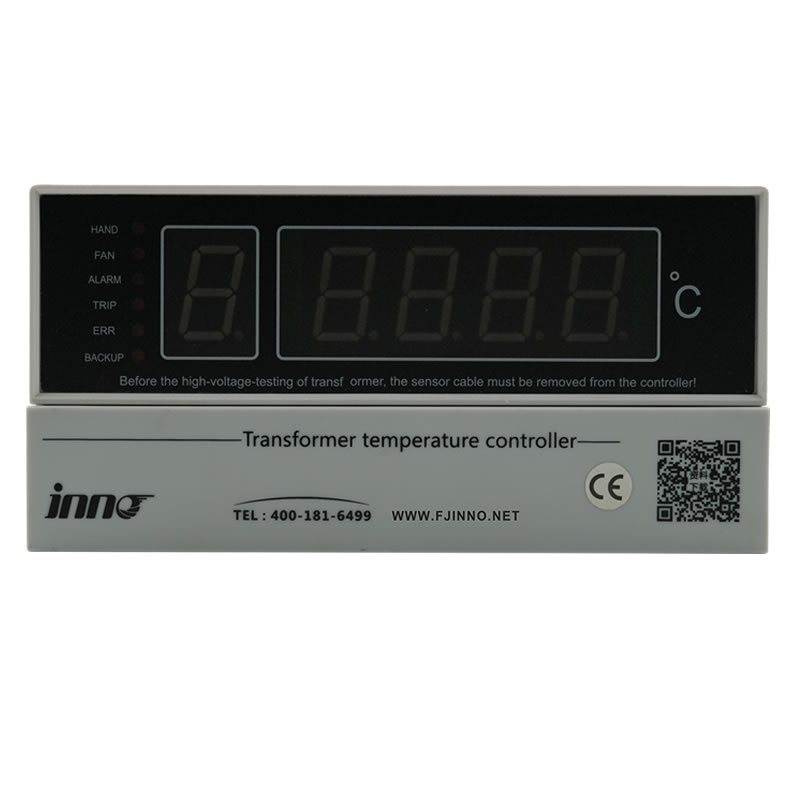
A sistem pemantauan kelembapan suhu pengubah adalah berterusan, penyelesaian instrumentasi masa nyata yang mengukur keadaan terma dan kelembapan secara serentak di dalam dan di sekeliling pengubah kuasa. Ia menjejaki penggulungan suhu titik panas, suhu atas minyak, suhu persekitaran bilik pengubah, dan kelembapan relatif — memasukkan semua bacaan ke dalam unit pemantauan pusat yang mencatat data, mencetuskan penggera, dan mengaktifkan tindak balas perlindungan secara automatik.
Ciri yang menentukan sistem jenis ini ialah fokus dwinya. Suhu dan kelembapan bukanlah pembolehubah bebas dalam persekitaran pengubah — ia berinteraksi secara langsung pada tahap penebat. Transformer yang beroperasi pada suhu tinggi dalam persekitaran lembap merendahkan penebat selulosanya pada kadar yang tidak dapat diramalkan daripada pengukuran sahaja. Memantau kedua-duanya serentak, pada setiap masa, adalah satu-satunya cara untuk menilai dengan tepat keadaan penebat dalam perkhidmatan.
A lengkap sistem pemantauan keadaan transformer biasanya terdiri daripada empat lapisan: elemen penderiaan pada transformer dan dalam persekitaran sekeliling, unit pemerolehan data tempatan, pautan komunikasi ke sistem kawalan tapak atau platform awan, dan perisian penyeliaan yang membentangkan data, trend, dan penggera kepada pengendali. Setiap lapisan ditentukan kepada persekitaran elektrik pemasangan — pencawang voltan tinggi, bilik pengedaran industri, atau pengubah pelekap pad luar — dengan penarafan penebat yang sesuai, kelas perlindungan, dan protokol komunikasi.
2. Mengapa Transformer Memerlukan Pengawasan Terma dan Kelembapan Serentak
Hayat operasi pengubah kuasa ditentukan terutamanya oleh keadaan penebat kertas selulosanya. Penebat itu merosot melalui dua mekanisme yang berfungsi secara berterusan semasa operasi biasa: penuaan haba dan penyerapan lembapan. Memahami bagaimana kedua-dua mekanisme ini berinteraksi menerangkan mengapa a pendekatan pemantauan suhu dan kelembapan gabungan adalah lebih berkesan daripada menjejak mana-mana parameter secara berasingan.
Kesan Suhu terhadap Hayat Penebat Transformer
Penuaan penebat pengubah mengikut hubungan eksponen dengan suhu — prinsip yang dikodkan dalam piawaian pemuatan antarabangsa. Untuk setiap kenaikan 6–8°C melebihi suhu titik panas yang dinilai, kadar degradasi selulosa lebih kurang dua kali ganda. Ini bermakna pengubah yang beroperasi secara berterusan pada 10°C di atas suhu titik panas reka bentuknya kehilangan hayat penebat pada kadar yang dijangkakan empat kali ganda. Langsung, berterusan pemantauan suhu titik panas berliku adalah satu-satunya cara untuk mengesan keadaan ini dalam masa nyata sebelum ia menyebabkan kerosakan penebat yang tidak dapat dipulihkan.
Kesan Kelembapan terhadap Integriti Penebat dan Kekuatan Dielektrik
Kelembapan memasuki penebat transformer melalui penuaan sistem kertas minyak, melalui degradasi pernafasan, dan melalui kitaran pemeluwapan semasa turun naik beban pengubah. Apabila kandungan lembapan dalam penebat kertas meningkat, kekuatan dielektriknya jatuh — meningkatkan risiko nyahcas separa, mempercepatkan lagi penguraian selulosa, dan mengurangkan rintangan penebat terhadap lonjakan voltan. A sensor kelembapan bilik pengubah yang mengesan kelembapan relatif yang meningkat sebelum lembapan berhijrah ke dalam sistem kertas minyak menyediakan tetingkap amaran awal yang tidak dapat ditawarkan oleh pemantauan suhu sahaja.
Kesan Degradasi Gabungan
Apabila suhu tinggi dan kelembapan tinggi hadir secara serentak, kesan gabungan mereka pada penuaan penebat adalah berganda, bukan aditif. panas, keadaan lembap memacu kelembapan lebih dalam ke dalam penebat kertas, mempercepatkan pembentukan asid dalam minyak, dan meningkatkan kadar kehilangan tahap pempolimeran dalam selulosa. A sistem pemantauan suhu dan kelembapan pengubah menangkap interaksi ini dengan menyediakan berterusan, rekod berkorelasi kedua-dua parameter — membolehkan model hayat penebat, keputusan pengurusan beban, dan penjadualan penyelenggaraan ramalan yang tidak boleh disokong oleh sistem pemantauan parameter tunggal.
Akibat Lawatan Terma dan Kelembapan yang Tidak Dipantau
Transformer yang beroperasi tanpa pemantauan haba dan kelembapan yang berterusan terdedah kepada peristiwa penuaan penebat yang tidak dapat dikesan yang nyata hanya apabila kegagalan sudah hampir berlaku.. Akibatnya berkisar daripada gangguan yang tidak dirancang dan penurunan terpaksa kepada kerosakan penebat, kebakaran minyak, dan kegagalan sesendal bencana. Dalam persekitaran pencawang di mana kegagalan transformer mencetuskan gangguan bekalan melata, perniagaan dan kes keselamatan untuk berterusan pemantauan keadaan transformer masa nyata adalah jelas.
3. Apa Yang Diukur Sebenarnya Pemantau Terma dan Kelembapan Transformer
A ditentukan sepenuhnya sistem pemantauan kelembapan suhu pengubah memperoleh bacaan merentasi beberapa titik ukuran yang berbeza, setiap satu menyasarkan aspek berbeza keadaan terma dan lembapan pengubah:
- Suhu titik panas berliku — suhu tertinggi dalam belitan aktif, diukur secara terus dengan probe gentian optik yang tertanam dalam gegelung semasa pembuatan atau dimasukkan melalui port akses
- Suhu atas minyak — suhu minyak pengubah di bahagian atas tangki, menunjukkan prestasi sistem pemuatan haba dan penyejukan keseluruhan
- Suhu persekitaran bilik pengubah — suhu udara mentol kering di dalam kepungan pengubah atau bilik suis, yang menjejaskan kecekapan penyejukan dan risiko pemeluwapan
- Kelembapan relatif di dalam bilik pengubah — kandungan lembapan udara di sekeliling pengubah, kritikal untuk menilai risiko pemeluwapan dan prestasi sistem pernafasan
- Kandungan lembapan dalam minyak (pilihan) — kepekatan air terlarut dalam minyak pengubah, menyediakan ukuran langsung migrasi lembapan penebat
- Suhu teras (pilihan) — suhu teras besi untuk pengubah kuasa besar di mana kehilangan teras adalah sumber haba yang ketara
Gabungan titik panas berliku, suhu minyak, suhu persekitaran, dan kelembapan relatif memberikan operator gambaran terma dan lembapan lengkap pengubah pada setiap masa — bukan gambar yang diambil semasa lawatan penyelenggaraan, tetapi rekod yang dikemas kini secara berterusan bagi setiap waktu operasi.
4. Teknologi Sensing: Cara Pengukuran Suhu dan Kelembapan Penggulungan
Penderia Gentian Optik Pendarfluor untuk Pengesanan Titik Panas Berliku
Pengukuran suhu penggulungan terus di dalam pengubah voltan tinggi hidup memberikan cabaran asas: sensor mesti beroperasi bersentuhan dengan belitan yang mungkin bertenaga pada puluhan atau ratusan kilovolt, di dalam tangki yang diisi dengan minyak dielektrik, dalam medan magnet berselang-seli yang kuat. Tiada penderia elektronik konvensional boleh memenuhi ketiga-tiga keperluan secara serentak.
The sensor suhu gentian optik pendarfluor menyelesaikan masalah ini sepenuhnya. Probe penderiaan adalah dielektrik sepenuhnya — tiada konduktor logam berjalan dari belitan voltan tinggi ke instrumen pemantauan. Prinsip pengukuran adalah optik: hujung fosfor pada hujung probe bertindak balas kepada suhu melalui perubahan dalam masa pereputan pendarfluor, dan isyarat bergerak kembali ke instrumen sebagai cahaya melalui gentian kaca. Probe tidak terjejas oleh medan magnet pengubah, tidak menjana gangguan elektrik dalam tangki, dan boleh dipasang terus pada konduktor penggulungan pada mana-mana aras voltan tanpa perkakasan pengasingan tambahan.
Kerana probe suhu penggulungan gentian optik mengukur lokasi titik panas sebenar — bukan anggaran suhu minyak tidak langsung — ia menyediakan input paling tepat dan paling langsung berguna untuk pengiraan hayat penebat dan keputusan pemuatan haba dinamik.
Penderia Kelembapan Suhu Bersepadu untuk Pemantauan Ambien
Keadaan persekitaran bilik pengubah dipantau oleh gabungan sensor suhu dan kelembapan yang menggunakan unsur kelembapan polimer kapasitif yang dipasangkan dengan termistor NTC ketepatan atau pengesan suhu rintangan PT100. Penderia ini ditempatkan dalam kepungan terlindung sinaran dengan pengudaraan yang ditapis untuk mengelakkan pencemaran sambil memastikan bacaan mencerminkan keadaan ambien sebenar dan bukannya haba setempat dari permukaan pengubah..
Untuk pemasangan pengubah luar dan unit pelekap pad, penderia ditentukan dengan penarafan perlindungan IP65 atau IP67 dan perumah kalis UV untuk menahan luluhawa langsung sepanjang tempoh penggunaan berbilang tahun tanpa penentukuran semula.
Penderia Kelembapan dalam Minyak untuk Penilaian Kelembapan Penebat
Di mana ukuran yang lebih langsung bagi keadaan kelembapan penebat diperlukan, an sensor kelembapan minyak boleh ditambah ke dalam sistem pemantauan. Peranti ini mengukur aktiviti air atau kepekatan air terlarut dalam minyak pengubah — parameter yang menyeimbangkan dengan kandungan lembapan penebat kertas dan oleh itu memberikan ukuran tidak langsung tetapi berterusan bagi tahap kelembapan penebat tanpa memerlukan pensampelan minyak atau analisis makmal.
5. Perbandingan Teknologi Penderia untuk Pemantauan Keadaan Transformer

| Parameter | Probe Gentian Optik Pendarfluor | Kelembapan Kapasitif + Penderia NTC/PT100 | Penderia Lembapan Minyak |
|---|---|---|---|
| Sasaran pengukuran | Titik panas berliku / suhu minyak | Suhu persekitaran bilik dan kelembapan relatif | Air terlarut dalam minyak transformer |
| Prinsip penderiaan | Pereputan seumur hidup pendarfluor | Polimer kapasitif (RH) + rintangan (T) | Keseimbangan aktiviti air |
| Julat suhu | -40°C hingga +260°C | Biasanya -40°C hingga +85°C | 0°C hingga +100°C (suhu minyak) |
| Julat kelembapan | T/A | 0–100% RH | 0–100% aktiviti air |
| Penebat elektrik | Dielektrik sepenuhnya - >100 dinilai kV | Pengasingan industri standard | Pengasingan industri standard |
| Kekebalan EMI | Lengkap — tiada laluan penderiaan logam | Baik dengan kabel terlindung | Baik dengan kabel terlindung |
| Lokasi pemasangan | Terus pada penggulungan / dalam tangki minyak | Dinding bilik pengubah / kandang | Selaras dengan litar minyak atau injap pensampelan |
| Kaedah pemasangan | Dibenamkan semasa penggulungan atau dimasukkan melalui port akses | Lekap di dinding dengan perisai sinaran | Pelabuhan sebaris bebibir atau pelabuhan pensampelan |
| Penilaian perlindungan | IP67 (siasat); IP54+ (instrumen) | IP65 / IP67 (luar) | IP65 / IP67 |
| Komunikasi | RS485 (melalui pemancar) | RS485 / 4–20 mA | RS485 / 4–20 mA |
| Keperluan penyelenggaraan | Tiada dalam keadaan biasa | Pembersihan penapis berkala; penggantian sensor pada akhir hayat yang dinilai | Pengesahan tahunan disyorkan |
| Paling sesuai untuk | Penggulungan terus dan pemantauan haba minyak dalam pengubah HV | Penjejakan keadaan ambien yang berterusan dalam bilik pengubah | Penilaian keadaan kelembapan penebat |
6. Seni Bina Sistem, Komunikasi, dan Integrasi Kawalan
Pemerolehan Data Setempat dan Kondisi Isyarat
Semua sensor dalam a sistem pemantauan transformer suapan ke dalam unit pemerolehan tempatan — DIN-rel atau modul pemasangan panel yang menyelaraskan isyarat analog, tinjauan sensor digital, dan membentangkan aliran data bersatu ke lapisan komunikasi. Untuk probe gentian optik pendarfluor, unit pemerolehan berfungsi sebagai penyiasat optik: ia menjana nadi cahaya pengujaan, mengukur masa pereputan pendarfluor, dan menukar hasilnya kepada nilai suhu yang ditentukur sebelum menghantarnya melalui rangkaian.
Unit pemerolehan tempatan ditentukan dengan kelas perlindungan dan julat suhu operasi persekitaran pemasangan. Unit yang ditujukan untuk pemasangan kiosk luar atau bilik suis bawah tanah dinilai pada suhu dan kelembapan yang lebih luas daripada yang dipasang di bangunan kawalan iklim.
Pilihan Komunikasi Berwayar dan Tanpa Wayar
Antara muka komunikasi standard untuk penghantaran data suhu dan kelembapan pengubah ialah RS485 dengan Modbus RTU — terbukti, protokol kebal bunyi yang beroperasi dengan pasti dalam persekitaran pencawang yang memerlukan elektrik. Untuk pemasangan di mana penghalaan kabel tidak praktikal — stesen pengubah luar bandar, transformer pengagihan talian atas, atau penempatan pemantauan sementara — komunikasi tanpa wayar melalui 4G LTE, LoRaWAN, atau NB-IoT menyediakan alternatif yang sama mampu tanpa kos dan gangguan infrastruktur kabel.
SCADA, DCS, dan Integrasi Automasi Pencawang
A sistem pemantauan keadaan transformer tidak beroperasi secara berasingan — nilainya berganda apabila datanya dimasukkan ke dalam infrastruktur penyeliaan tapak yang sedia ada. Output Modbus RTU standard membuat penyepaduan dengan platform SCADA, sistem pengurusan pengedaran, dan sistem automasi pencawang yang mematuhi IEC 61850 dengan mudah. Operator melihat status terma dan kelembapan pengubah pada skrin paparan yang sama seperti geganti perlindungan, kedudukan pemutus litar, dan ukuran beban — tanpa terminal pemantauan khusus atau sistem paparan selari.
Mod Penerapan Berasaskan Awan dan Setempat
Untuk pemilik aset yang menguruskan berbilang tapak pengubah merentasi kawasan geografi yang luas, berasaskan awan pemantauan haba pengubah jauh menyediakan keterlihatan peringkat armada dari satu portal web. Trend sejarah, rekod penggera, dan anggaran penggunaan hayat penebat boleh diakses dari mana-mana lokasi dengan sambungan internet. Untuk tapak dengan keperluan keselamatan data yang ketat, kefungsian yang sama tersedia dalam penggunaan yang dihoskan secara tempatan tanpa pergantungan rangkaian luaran.
7. Logik Penggera, Jalinan Pelindung, dan Kawalan Penyejukan Automatik
Ambang Penggera Suhu Berperingkat
Dikonfigurasikan dengan baik sistem pemantauan suhu penggulungan pengubah melaksanakan sekurang-kurangnya dua peringkat penggera untuk setiap titik pengukuran suhu. Peringkat pertama — penggera amaran — memberi amaran kepada operator tentang keadaan terma yang memerlukan perhatian tetapi belum memerlukan pengurangan beban segera. Peringkat kedua — penggera tinggi atau ambang perjalanan — mencetuskan tindak balas perlindungan automatik. Menetapkan ambang ini memerlukan pengetahuan tentang suhu titik panas yang dinilai pengubah, kelas penebat, dan kapasiti sistem penyejukan; sistem pemantauan menyediakan data untuk mengesahkan dan memperhalusi tetapan ini dari semasa ke semasa berdasarkan sejarah operasi sebenar.
Penggera Kelembapan dan Pemantauan Titik Embun
Penggera kelembapan relatif dalam bilik pengubah biasanya ditetapkan pada 70–80% RH sebagai tahap amaran dan 90% RH sebagai tahap kritikal, walaupun ambang yang sesuai bergantung pada suhu ambien dan reka bentuk sistem pernafasan pengubah. Lebih tepat lagi, pemantauan titik embun — dikira daripada pengukuran suhu dan kelembapan serentak — mengenal pasti keadaan khusus di mana pemeluwapan akan terbentuk pada permukaan pengubah dan sesendal. Penggera titik embun memberikan amaran lebih awal dan lebih bermakna secara fizikal daripada ambang kelembapan relatif sahaja.
Interlock Penyejukan dan Penyahlembapan Automatik
Output penggera a sistem pemantauan kelembapan suhu pengubah boleh disambungkan terus ke penyentuh sistem penyejukan dan kawalan dehumidifier. Apabila suhu penggulungan melebihi ambang amaran, sistem secara automatik boleh menukar pengubah daripada penyejukan semula jadi (ONAN) kepada penyejukan udara paksa (HIDUP MATI) tanpa campur tangan pengendali — mengurangkan suhu titik panas puncak dan memanjangkan hayat penebat. Apabila kelembapan relatif atau takat embun melebihi ambangnya, sistem mengaktifkan dehumidifier bilik atau pemanas kepungan untuk mengelakkan pemeluwapan sebelum ia mencapai permukaan pengubah.
Pengelogan Data dan Penjejakan Hayat Penebat
Setiap bacaan suhu dan kelembapan dicap masa dan disimpan dalam memori tidak meruap sistem dan dimajukan ke platform penyeliaan. Rekod sejarah berterusan ini menyokong IEC 60076-7 pengiraan penuaan haba, menyediakan angka penggunaan hayat penebat terkumpul yang boleh digunakan oleh pengurus aset untuk memaklumkan penjadualan penyelenggaraan, memuatkan keputusan, dan perancangan akhir hayat bagi setiap pengubah individu di bawah pemantauan berterusan.
8. Pemasangan, Penempatan Probe, dan Garis Panduan Penerapan Lapangan
Kedudukan Probe Gentian Optik dalam Belitan Transformer
Ketepatan dan kaitan pengukuran titik panas penggulungan bergantung secara langsung pada peletakan probe. Untuk transformer baru, probe suhu gentian optik tertanam dalam belitan semasa pembuatan — diletakkan pada lokasi suhu maksimum yang diramalkan berdasarkan analisis unsur terhingga terma bagi reka bentuk khusus. Untuk transformer dalam perkhidmatan, probe boleh diperkenalkan melalui injap isi minyak atau port akses khusus, dan diletakkan pada konduktor penggulungan menggunakan pemasangan panduan kuar fleksibel yang direka untuk pemasangan pengubahsuaian tanpa penyaliran tangki.
Berbilang probe biasanya digunakan — satu setiap belitan dalam pengubah tiga belitan, tambah satu dalam minyak atas — untuk memastikan titik terpanas dalam setiap belitan ditangkap tanpa mengira pengagihan beban antara fasa dan belitan.
Lokasi Penderia Kelembapan dan Perisai Sinaran
Ambien penderia kelembapan bilik pengubah mesti diletakkan untuk mengukur keadaan udara yang mewakili dan bukannya persekitaran mikro setempat berhampiran sumber haba atau dinding sejuk. Peletakan yang disyorkan adalah pada ketinggian pertengahan pada dinding dalaman, jauh dari lubang bekalan udara terus, permukaan penyejuk pengubah, dan dinding luar tertakluk kepada keuntungan suria. Perisai sinaran — perumah aspirasi berbilang plat — menghalang penderia daripada bertindak balas kepada haba sinaran daripada badan pengubah sambil membenarkan peredaran udara bebas merentasi elemen penderiaan.
Kelas Perlindungan dan Pertimbangan Kawasan Berbahaya
Pemasangan pengubah di loji petrokimia, tapak perlombongan, dan platform luar pesisir memerlukan peralatan pemantauan yang dinilai untuk klasifikasi zon kawasan berbahaya yang berkenaan. Semua komponen penderiaan dan pemerolehan yang digunakan dalam persekitaran ini mesti membawa ATEX yang sesuai, IECEx, atau pensijilan setaraf kebangsaan. Sifat pasif sepenuhnya probe gentian optik pendarfluor — tanpa tenaga elektrik pada titik penderiaan — menjadikannya serasi dengan Zon 1 dan Zon 2 pemasangan kawasan berbahaya untuk siasatan itu sendiri; unit pemerolehan yang terletak di luar kawasan berbahaya memerlukan penarafan kepungan industri standard.
9. Aplikasi Industri dan Jenis Transformer Dilindungi
Pencawang Grid dan Transformer Penghantaran
Transformer penghantaran voltan tinggi - 110 kV, 220 kV, 500 kV — mewakili nilai modal tertinggi dan aset kebolehpercayaan paling kritikal dalam grid kuasa. Berterusan pemantauan suhu dan kelembapan pengubah penghantaran menyediakan data yang diperlukan untuk mengendalikan aset ini pada pemuatan maksimum yang dibenarkan tanpa melebihi had hayat penebat, dan untuk mengesan kerosakan haba yang sedang berkembang sebelum ia merambat kepada kegagalan.
Transformer Pengagihan Industri dan Bilik Kuasa Kilang
Kemudahan industri dengan muatan motor yang besar, pemacu frekuensi berubah-ubah, atau relau arka tertakluk kepada pengubah pengedaran mereka kepada kitaran haba yang sangat berubah-ubah dan sering menuntut. A sistem pemantauan haba masa nyata untuk pengubah industri mengukur tegasan terma sebenar yang dialami oleh setiap unit di bawah keadaan pengeluaran, membolehkan pasukan penyelenggaraan menjadualkan selang waktu pemeriksaan berdasarkan keadaan penebat yang diukur dan bukannya masa kalendar.
Transformer Bertingkat Tenaga Boleh Diperbaharui
Transformer turbin angin dan transformer step-up ladang suria beroperasi dalam persekitaran luar dengan perubahan suhu harian dan bermusim yang luas, selalunya di lokasi pantai yang lembap atau lokasi altitud tinggi. Pengawasan suhu dan kelembapan berterusan untuk aset ini amat berharga kerana akses fizikal untuk pemeriksaan manual adalah sukar, masa henti adalah kos komersial, dan persekitaran terma lebih berubah-ubah berbanding pencawang grid konvensional.
Traction Transformers dalam Sistem Rel dan Metro
Transformer daya tarikan di pencawang kereta api dan rolling stock onboard beroperasi di bawah muatan kitaran berat yang disegerakkan dengan corak ketibaan kereta api. Berterusan pemantauan haba pengubah daya tarikan menyokong pengurusan beban dinamik — menahan suhu penggulungan puncak dalam had selamat semasa puncak pemuatan waktu sibuk sambil membenarkan daya pemprosesan yang lebih tinggi semasa tempoh di luar puncak.
Pusat Data dan UPS Transformers
Transformer dalam rantai pengedaran kuasa pusat data mesti mengekalkan ketersediaan berterusan. A sistem pemantauan kelembapan suhu disepadukan ke dalam infrastruktur pengurusan bangunan pusat data menyediakan keterlihatan terma dan kelembapan berterusan yang sama seperti dalam mana-mana pemasangan industri, dengan faedah tambahan penyepaduan yang lancar ke dalam matriks penggera BMS dan alat perancangan kapasiti yang telah digunakan oleh pasukan operasi kemudahan.
10. Cara Menentukan Sistem Pemantauan Transformer yang Betul
Tentukan Mata Pengukuran dan Jenis Sensor yang Diperlukan
Mulakan daripada reka bentuk pengubah dan persekitaran operasi. Transformer kuasa penuh minyak baharu dengan probe penggulungan yang dipasang di kilang memerlukan spesifikasi yang berbeza daripada pemasangan pemantauan pengubahsuaian pada pengubah pengedaran jenis kering sedia ada dalam bilik suis industri. Senaraikan setiap titik pengukuran — fasa penggulungan, suhu minyak, suhu persekitaran, relative humidity — and confirm the physical access and installation method available for each.
Match Sensing Technology to the Electrical Environment
For any measurement point inside or in close proximity to a live high-voltage winding, specify a sensor suhu gentian optik with a verified dielectric rating appropriate to the system voltage. For ambient room measurements, standard industrial temperature and humidity sensors with appropriate protection class for the enclosure type are suitable. Do not use metallic thermocouple or RTD probes in locations where they create a conductive path between high-voltage components and the monitoring instrument enclosure.
Select the Communication Architecture
Where cable infrastructure to a substation control building already exists, RS485 dengan Modbus RTU menyediakan laluan penyepaduan yang paling mudah dan boleh dipercayai. Di mana pemasangan kabel tidak praktikal atau tapak tersebut tanpa pemandu dan terletak jauh, tentukan get laluan wayarles 4G atau LoRaWAN. Sahkan bahawa platform penyeliaan di bahagian penerima — SCADA, BMS, atau DMS — menyokong protokol yang dipilih secara asli atau melalui pemacu komunikasi yang tersedia.
Sahkan Pensijilan dan Pematuhan Standard
Nyatakan keperluan pensijilan awal. Pemasangan kawasan berbahaya memerlukan penandaan ATEX atau IECEx pada komponen yang dipasang di medan. Pemasangan pencawang bersambung grid mungkin memerlukan pematuhan dengan IEC 60076 (pengubah kuasa), IEC 61850 (komunikasi pencawang), atau piawaian pengendali grid nasional. Minta dokumentasi pensijilan daripada pengilang sebelum perolehan untuk mengelakkan kelewatan semasa pentauliahan dan pemeriksaan.
Penggunaan Sistem Gabungan untuk Bank Transformer Besar
Untuk bank pengubah dengan berbilang unit — biasa dalam pencawang grid besar dan stesen janakuasa industri — rangkaian pemerolehan tunggal boleh memberi perkhidmatan kepada semua transformer secara serentak. Setiap probe gentian optik pengubah dan penderia bilik bersambung ke bas RS485 yang dikongsi, dan platform penyeliaan memaparkan data pemuatan terma dan kelembapan perbandingan merentas semua unit dalam satu paparan. Seni bina ini meminimumkan kos perkakasan dan memudahkan latihan pengendali sambil menyediakan liputan berterusan yang lengkap bagi keseluruhan pemasangan transformer.
11. Soalan Lazim
S1: Mengapa penting untuk memantau kedua-dua suhu dan kelembapan dalam pemasangan pengubah?
Suhu dan kelembapan bertindak bersama-sama pada penebat pengubah. Suhu yang tinggi mempercepatkan penuaan selulosa; kelembapan tinggi mengurangkan kekuatan dielektrik dan mempercepatkan pemindahan lembapan ke dalam penebat kertas. Apabila kedua-duanya hadir serentak, kemerosotan penebat adalah berganda. A gabungan sistem pemantauan suhu dan kelembapan pengubah menangkap interaksi ini, menyediakan data yang diperlukan untuk penilaian hayat penebat yang tepat dan tindakan perlindungan yang tepat pada masanya — yang tidak dapat disampaikan oleh kedua-dua parameter yang dipantau secara berasingan.
S2: Bolehkah penderia suhu gentian optik dipasang pada pengubah yang sudah dalam perkhidmatan?
ya. Retrofit probe suhu gentian optik pemasangan dijalankan melalui port isi minyak sedia ada atau kelengkapan akses khusus tanpa memerlukan saliran minyak penuh atau kemasukan tangki dalam kebanyakan reka bentuk pengubah. Sistem panduan probe fleksibel membolehkan hujung penderiaan diletakkan pada konduktor penggulungan dari luar tangki. Proses pengubahsuaian biasanya selesai semasa tetingkap gangguan yang dirancang tanpa memerlukan pengubah dikeluarkan daripada perkhidmatan untuk tempoh yang panjang.
S3: Apakah perbezaan antara pemantauan suhu atas minyak dan pemantauan titik panas penggulungan terus?
Suhu minyak atas ialah ukuran pukal minyak di bahagian atas tangki pengubah — ia bertindak balas perlahan kepada perubahan dalam pemuatan belitan dan boleh meremehkan suhu titik panas sebenar sebanyak 20–30°C dalam keadaan peningkatan beban yang cepat. Langsung pemantauan suhu titik panas berliku dengan probe gentian optik mengukur suhu sebenar pada titik paling panas dalam belitan, menyediakan lebih cepat, isyarat yang lebih tepat untuk perlindungan haba dan pengiraan hayat penebat. IEC 60076-7 secara eksplisit mengesyorkan pengukuran titik panas terus ke atas anggaran suhu minyak untuk model penuaan penebat yang tepat.
S4: Apakah tahap kelembapan relatif yang harus mencetuskan penggera dalam bilik pengubah?
Konfigurasi biasa menetapkan penggera amaran pada kelembapan relatif 70–75% dan penggera kritikal pada 85–90% RH. Namun begitu, ambang yang paling bermakna secara fizikal ialah suhu titik embun — dikira daripada suhu mentol kering serentak dan ukuran kelembapan relatif — kerana pemeluwapan terbentuk apabila suhu permukaan komponen pengubah jatuh di bawah takat embun, tanpa mengira nilai RH mutlak. Sistem pemantauan yang mengira dan penggera pada titik embun memberikan amaran lebih awal dan lebih boleh diambil tindakan daripada ambang RH sahaja.
S5: Bagaimanakah sistem pemantauan mengaktifkan kipas penyejuk atau penyahlembap secara automatik?
The unit pemantauan kelembapan suhu pengubah termasuk output penggera geganti atau transistor yang disambungkan terus ke litar kawalan kipas penyejuk, pam minyak, dan dehumidifier. Apabila ukuran suhu atau kelembapan melepasi ambang yang dikonfigurasikan, output yang sepadan diaktifkan dalam beberapa saat — memulakan penyejukan paksa atau penyahlembapan tanpa memerlukan campur tangan operator. Peristiwa pengaktifan dan penyahaktifan direkodkan dengan cap masa untuk rekod penyelenggaraan.
S6: Adakah probe gentian optik pendarfluor dipengaruhi oleh medan magnet pengubah?
Tidak. The probe suhu gentian optik pendarfluor beroperasi sepenuhnya pada prinsip optik — cahaya masuk, lampu padam. Tiada unsur magnet atau konduktif elektrik dalam laluan penderiaan, jadi medan magnet berselang-seli di dalam pengubah kuasa tidak mempunyai kesan ke atas ketepatan pengukuran. Ini adalah kelebihan asas penderiaan optik berbanding mana-mana termokopel logam atau probe RTD, kedua-duanya terdedah kepada ralat voltan teraruh magnet dalam persekitaran pengubah.
S7: Bolehkah sistem pemantauan berkomunikasi dengan platform SCADA pencawang sedia ada?
ya. RS485 standard / Modbus RTU keluaran unit pemerolehan pemantauan transformer disokong secara asli oleh hampir semua SCADA, DCS, dan platform automasi pencawang dalam penggunaan semasa. Untuk pencawang yang mematuhi IEC 61850, gerbang protokol menukar Modbus RTU kepada IEC 61850 GOOSE atau MMS tanpa mengubah suai perkakasan pemantauan. Penyepaduan hanya memerlukan peta daftar Modbus — dibekalkan bersama produk — dan kerja konfigurasi SCADA standard.
S8: Berapa banyak transformer boleh dilindungi oleh satu sistem pemantauan secara serentak?
Rangkaian RS485 tunggal boleh menangani sehingga 247 Peranti hamba Modbus — mencukupi untuk menutup keseluruhan pencawang pengubah dengan probe penggulungan, penderia suhu minyak, dan penderia kelembapan bilik pada berbilang unit pengubah daripada unit pemerolehan induk tunggal. Untuk pemasangan yang sangat besar, berbilang segmen RS485 boleh diagregatkan pada peringkat perisian penyeliaan, menyediakan pandangan pemantauan bersatu merentas sebarang bilangan transformer tanpa had atas praktikal.
S9: Apakah penyelenggaraan yang diperlukan oleh sistem pemantauan kelembapan suhu pengubah?
Probe gentian optik pendarfluor tidak memerlukan penyelenggaraan berjadual di bawah keadaan operasi biasa — jangka hayat terkadarnya melebihi 25 tahun. Bilik sensor suhu dan kelembapan mendapat manfaat daripada pemeriksaan dan pembersihan penapis berkala, dan elemen penderia harus diganti mengikut selang penentukuran yang dinyatakan pengeluar - biasanya setiap dua hingga lima tahun bergantung pada tahap pencemaran persekitaran pemasangan. Unit pemerolehan dan perkakasan komunikasi tidak memerlukan penyelenggaraan rutin selain daripada kemas kini perisian tegar dan pengesahan fungsi berkala terhadap instrumen rujukan.
S10: Adakah mungkin untuk menambah pemantauan kelembapan dalam minyak pada pemasangan pemantauan suhu dan kelembapan sedia ada?
ya. Sensor kelembapan minyak tersedia sebagai modul tambahan yang menyambung ke rangkaian RS485 sedia ada dan melaporkan kepekatan air terlarut atau aktiviti air dalam minyak pengubah melalui platform penyeliaan yang sama yang telah digunakan untuk data suhu dan kelembapan. Pemasangan memerlukan akses kepada litar minyak pengubah melalui injap pensampelan atau pemasangan sebaris — pengubahsuaian medan mudah yang boleh dilakukan semasa gangguan penyelenggaraan rutin.
12. Terokai Penyelesaian Pemantauan Transformer Kami
Sains Elektronik Inovasi Fuzhou&Tech Co., Ltd. telah mereka bentuk dan menghasilkan sistem pemantauan suhu gentian optik dan penyelesaian pemantauan keadaan transformer sejak 2011. Rangkaian produk kami meliputi probe suhu penggulungan gentian optik pendarfluor, pemancar suhu gentian optik berbilang saluran, penderia suhu dan kelembapan industri, dan lengkap sistem pemantauan kelembapan suhu pengubah untuk utiliti kuasa, kemudahan industri, tenaga boleh diperbaharui, dan aplikasi infrastruktur rel di seluruh dunia.
Hubungi pasukan kejuruteraan kami untuk meminta lembaran data produk, membincangkan spesifikasi khusus tapak, atau mengatur perundingan permohonan:
- laman web: www.fjinno.net
- E-mel: web@fjinno.net
- WhatsApp / WeChat (China) / telefon: +86 135 9907 0393
- QQ: 3408968340
- Alamat: Liandong U Grain Networking Industrial Park, No.12 Xingye West Road, Fuzhou, Fujian, China
Penafian: Maklumat teknikal dan spesifikasi yang dinyatakan dalam artikel ini disediakan untuk tujuan maklumat umum sahaja dan mencerminkan parameter produk standard pada masa penerbitan. Prestasi sistem sebenar mungkin berbeza bergantung pada keadaan pemasangan, reka bentuk transformer, faktor persekitaran, dan keperluan permohonan. Semua spesifikasi tertakluk kepada perubahan tanpa notis. Kandungan ini tidak membentuk jaminan, komitmen teknikal yang mengikat, atau cadangan reka bentuk kejuruteraan untuk sebarang pemasangan tertentu. Sentiasa berunding dengan jurutera yang berkelayakan dan rujuk kepada piawaian dan dokumentasi pengilang yang berkenaan untuk reka bentuk dan keputusan keselamatan khusus projek.

Sensor suhu gentian optik, Sistem pemantauan pintar, Pengeluar gentian optik yang diedarkan di China
 |
 |
 |