 INNO 광섬유 온도 센서 ,온도 모니터링 시스템.
오일 온도 표시기 개요
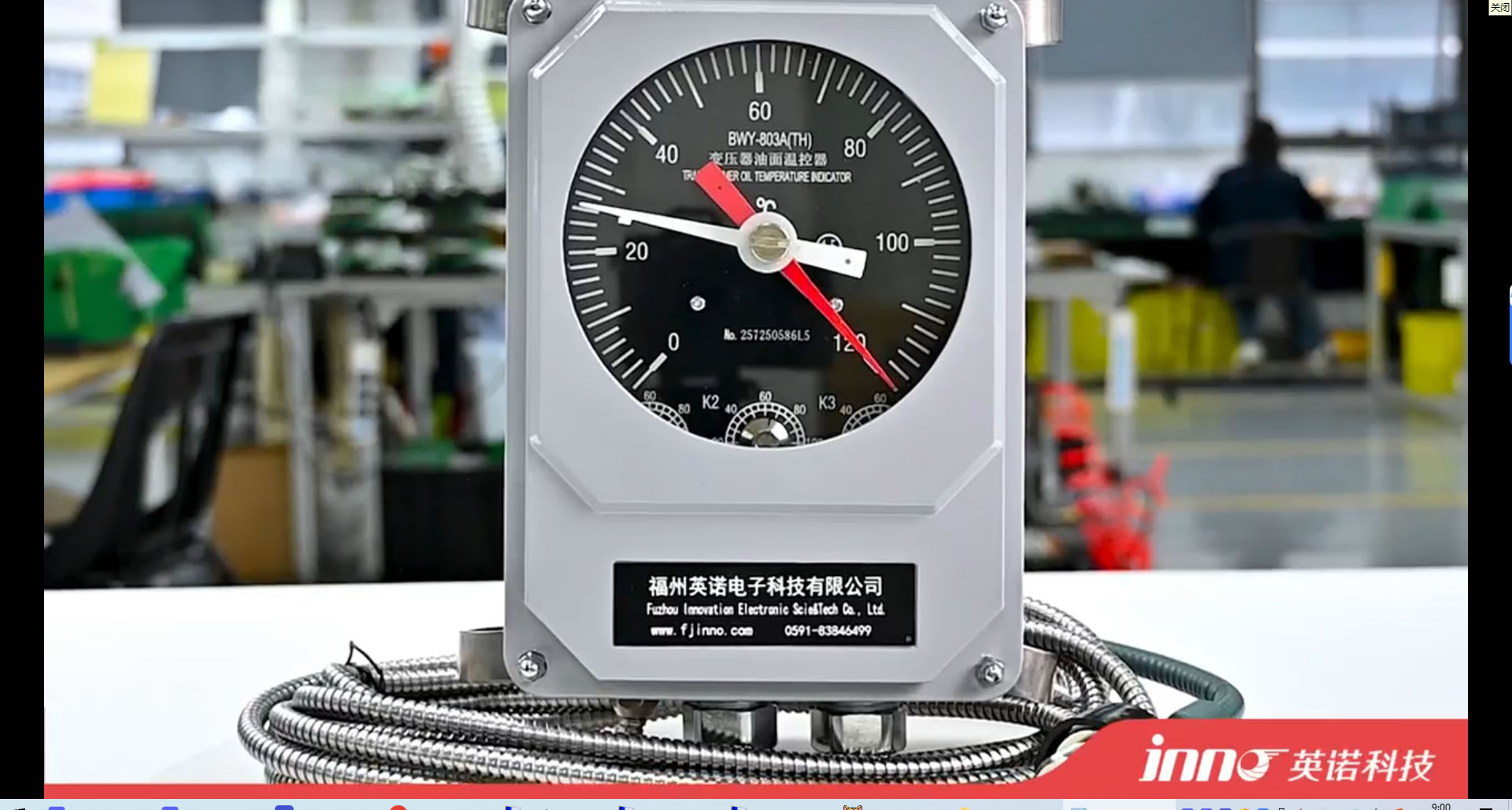
오일 침지 변압기 권선 온도 컨트롤러 오일 온도 센서
 이메일: web@fjinno.net
왓츠앱: +8613599070393
위챗(중국): +8613599070393
- 오일 온도 표시기 (완료) 모니터링하도록 설계된 특수 장치입니다., 표시하다, 변압기의 절연유 온도를 제어하는 경우가 많습니다., 엔진, 그리고 각종 중장비 기계들.
- 전력 변압기에서, OTI는 중요한 안전 및 진단 도구 역할을 합니다., 실시간 온도 판독값을 제공하고 필요한 경우 경보 또는 트립을 활성화하여 변압기 과열로부터 보호.
- OTI는 자동차 시스템에서도 흔히 발견됩니다., 최적의 윤활을 보장하고 기계적 고장을 방지하기 위해 엔진 또는 변속기 오일 온도를 추적합니다..
- 최신 오일 온도 표시기에는 아날로그 다이얼이 포함될 수 있습니다., 디지털 디스플레이, 또는 원격 통신 기능, 애플리케이션 요구 사항 및 통합 요구 사항에 따라 다름.
- 고품질 OTI는 고가의 장비를 보호할 뿐만 아니라 효과적인 예방 유지보수도 지원합니다., 데이터 로깅, 및 운영 의사결정.
목차
- 오일 온도 표시기의 기능은 무엇입니까?
- 오일 온도는 무엇을 나타냅니까??
- AT 오일 온도 표시기란 무엇입니까??
- 변압기의 온도 표시기는 무엇입니까?
- 변압기 오일 온도 표시기
- 자동차 오일 온도 표시기
- 권선 온도 표시기
- 권선 온도 표시기 작동 원리
- Qualitrol 와인딩 온도 게이지
- Qualitrol 와인딩 온도 게이지 매뉴얼
- 변압기의 권선 온도 표시기
- Qualitrol 온도 게이지 배선 다이어그램
- 오일 온도 표시기의 설치 및 교정
- 오일 온도 표시기의 유지 관리 및 문제 해결
- 오일 온도 측정 기술의 미래 동향
오일 온도 표시기의 기능은 무엇입니까?
- 지속적인 모니터링:
오일 온도 표시기의 주요 기능은 지속적인, 변압기나 엔진과 같은 중요 장비 내 오일 온도의 실시간 모니터링. 오일의 열 상태를 직접 판독함으로써, OTI를 통해 운영자는 장비가 안전 설계 한계 내에서 작동하는지 여부를 평가할 수 있습니다.. 이 모니터링은 정상 작동과 부하 또는 스트레스가 증가하는 기간 모두에 필수적입니다., 기름 온도가 급격하게 상승할 수 있는 곳. - 보호 메커니즘:
OTI에는 오일 온도가 미리 결정된 임계값을 초과할 때 경보 또는 트립 회로를 활성화하도록 설정된 내장 스위치 또는 릴레이가 통합되어 있는 경우가 많습니다.. 이 보호 기능은 과열로 인한 치명적인 장비 고장을 방지하는 데 필수적입니다.. 예를 들어, 전력 변압기에서, 오일 온도가 위험할 정도로 높아지면 OTI는 냉각 팬을 작동시키거나 네트워크에서 변압기를 분리할 수도 있습니다.. - 진단용 데이터 소스:
즉각적인 보호를 넘어서, OTI는 유지 관리 팀과 자산 관리자에게 귀중한 데이터 소스 역할을 합니다.. 표시기에서 수집된 과거 온도 데이터를 통해 절연 성능 저하를 나타내는 추세를 확인할 수 있습니다., 냉각 부족, 또는 비정상적인 로딩 패턴. 이 정보는 상태 기반 유지 관리를 지원하고 자산 수명과 성능을 최적화하는 데 도움이 됩니다.. - 운영 효율성:
장비가 최적의 온도 범위 내에서 작동하도록 보장함으로써, 오일 온도 표시기는 에너지 효율성에 기여하고 예상치 못한 가동 중단 발생률을 줄입니다.. 신뢰성이 가장 중요한 산업에 적합, 발전, 중공업 등, efficient OTI operation is a key factor in minimizing operational costs and maximizing uptime.
오일 온도는 무엇을 나타냅니까??
- Heat Dissipation Status:
Oil temperature is a direct indicator of how effectively heat generated within the equipment is being dissipated. 변압기에서, 예를 들어, the oil absorbs and transports heat away from the windings and core, 절연 파괴 방지. If the oil temperature is within the expected range, it suggests that the cooling system is functioning properly and that the transformer is not under excessive thermal stress. - Load Conditions:
Fluctuations in oil temperature often correlate with changes in electrical load. A sudden rise in temperature may indicate a period of heavy loading, while a gradual increase over time could signal issues such as increased losses, 내부 결함, or declining cooling efficiency. By monitoring oil temperature, operators gain insight into the actual stress being placed on the equipment in real time. - Early Warning of Faults:
Abnormal oil temperature readings can serve as an early warning of internal faults or operational anomalies. 예를 들어, a rapid temperature spike may be the first sign of a short circuit, winding defect, or blocked coolant flow. Early detection enables maintenance teams to investigate and resolve issues before they escalate into failures. - Indicator of Equipment Health:
Long-term analysis of oil temperature trends helps determine the overall health and remaining life of the equipment. Consistently high oil temperatures accelerate insulation aging and can shorten equipment lifespan. Regularly reviewing temperature data is therefore a crucial part of asset management and reliability engineering.
AT 오일 온도 표시기란 무엇입니까??
- Automotive Transmission Monitoring:
The AT oil temp indicator is a specialized warning light or gauge found in vehicles equipped with automatic transmissions. “AT” stands for “Automatic Transmission.” Its primary function is to alert the driver when the transmission fluid temperature exceeds safe operational limits, which can occur during heavy towing, high-speed driving, or in hot weather conditions. - Significance for Vehicle Health:
Monitoring the temperature of automatic transmission oil is vital because excessive heat can degrade the fluid, leading to poor lubrication, increased wear, 그리고 궁극적으로, transmission failure. The AT oil temp indicator provides the driver with an early warning, allowing preventive action—such as stopping to let the transmission cool—before permanent damage occurs. - 시스템 운영:
The AT oil temp indicator is connected to a temperature sensor placed within the transmission fluid circuit. When the sensor detects a temperature above the preset threshold, it signals the indicator on the dashboard to illuminate or display a warning message, ensuring immediate driver awareness. - 유지 관리 및 문제 해결:
Frequent AT oil temp warnings may indicate underlying issues such as low fluid levels, restricted fluid flow, or a failing transmission cooler. Routine checks of fluid condition and adherence to manufacturer service schedules are essential for long-term transmission reliability and performance.
변압기의 온도 표시기는 무엇입니까?
- Definition and Purpose:
The temperature indicator in a transformer is an instrument dedicated to displaying the temperature of critical components, most commonly the transformer oil and winding hot-spot. This indicator is fundamental for transformer operations, as it helps operators monitor thermal performance and remain within prescribed safety margins. - Types of Indicators:
There are typically two main types of temperature indicators in transformers: the oil temperature indicator (완료) and the winding temperature indicator (WTI). The OTI directly measures oil temperature, while the WTI either simulates or directly measures the winding hot-spot temperature. - Alarm and Trip Integration:
Both types of indicators are usually equipped with electrical contacts for alarm and trip purposes. When the monitored temperature exceeds predefined limits, the indicator can activate cooling systems, trigger alarms, or initiate transformer shutdown procedures to prevent thermal damage. - Data Utilization:
The information provided by the temperature indicators is used not only for immediate operational decisions but also for long-term asset health analysis, 추세, and regulatory reporting. Modern indicators often support remote monitoring through SCADA or data acquisition systems.
변압기 오일 온도 표시기
- Operational Principle:
The transformer oil temperature indicator (완료) is designed specifically to measure the temperature of the insulating oil at the hottest point, typically near the top of the main tank. It uses a bulb or sensor immersed in the oil, which may be connected via capillary tubing to an external dial gauge or, in digital models, to electronic readouts. This direct measurement ensures an accurate reflection of the transformer’s thermal condition, which is crucial for safe operation. - Protection and Control:
Most OTIs incorporate electrical contacts that can be set to trigger alarms, start cooling fans, or initiate transformer trips at preset temperature thresholds. These contacts ensure the transformer operates within safe temperature limits and provide a line of defense against overheating, which could otherwise result in insulation breakdown or catastrophic failure. - 시스템 통합:
Modern OTIs often feature communication ports for integration with SCADA or remote monitoring systems. This allows for real-time data transmission, centralized alarm management, and logging of temperature excursions for later analysis. Remote access to oil temperature data supports predictive maintenance and rapid response to emerging issues. - Calibration and Maintenance:
Regular calibration is essential to maintain OTI accuracy. Most manufacturers provide procedures for field or laboratory calibration, and some offer self-diagnostics in digital models. Maintenance includes checking sensor placement, ensuring capillary integrity, and verifying the function of alarm/trip contacts to prevent false readings or missed warnings.
자동차 오일 온도 표시기
- Purpose and Placement:
In automotive applications, the oil temperature indicator is typically found on the dashboard and is responsible for displaying the temperature of the engine oil or, in some models, the transmission or differential oil. The indicator provides drivers with real-time information about the lubrication system’s health and the engine’s thermal load. - 센서 기술:
Automotive OTIs use temperature sensors—often thermistors or thermocouples—installed in the oil sump, transmission pan, or near the oil filter. These sensors convert the oil’s heat into electrical signals that are interpreted by the vehicle’s engine control unit (ECU) and displayed on the dashboard. - Significance for Reliability:
Monitoring oil temperature is crucial for vehicle reliability, especially during high-performance driving, towing, or in extreme climates. Elevated oil temperatures may indicate insufficient lubrication, impending engine damage, or cooling system failure. Prompt response to high readings can prevent engine seizures or excessive wear. - Advanced Features:
Some modern vehicles integrate oil temperature data into digital dashboards and onboard diagnostics (OBD), enabling customizable warnings and maintenance reminders. This integration supports proactive driving habits and prolongs engine life.
권선 온도 표시기
- Role in Transformers:
The winding temperature indicator (WTI) is a critical device in power transformers, used to display the estimated or directly measured temperature of the transformer winding hot-spot. This information is essential because winding insulation is the most vulnerable component to thermal aging and failure. - Measurement Techniques:
Traditional WTIs estimate winding temperature using a combination of top oil temperature and a simulated temperature rise based on transformer load current. Advanced WTIs, especially those using fiber optic sensors, provide direct, real-time hot-spot measurement, improving accuracy and enabling tighter protection settings. - Alarm and Trip Functions:
Like the OTI, the WTI is equipped with contacts for alarm and trip activation. These contacts are programmed to operate at temperatures just below the insulation’s maximum safe operating limit, ensuring that overload events or cooling failures are swiftly addressed. - 자산관리:
WTI data is vital for transformer health assessment, life expectancy modeling, and informing maintenance schedules. Consistently elevated winding temperatures may prompt load reduction, cooling system upgrades, or accelerated insulation testing.
권선 온도 표시기 작동 원리
- Indirect Measurement:
The traditional WTI operates on the principle of simulating winding temperature by combining the measured top oil temperature with an additional heating element. This heater is powered proportionally to the transformer’s load current, mimicking the increase in winding temperature caused by electrical losses. The sum of the oil temperature and simulated rise is displayed as the hot-spot temperature. - 직접 측정:
Advanced WTIs use fiber optic sensors embedded directly within the transformer windings. These sensors are immune to electromagnetic interference and provide a direct, real-time measurement of the actual hot-spot temperature. This method eliminates the estimation errors of indirect systems and enables more precise transformer protection. - 신호 처리:
For both types, the temperature signal is processed and used to actuate alarm or trip contacts if the hot-spot exceeds programmed thresholds. The output may also be transmitted to remote monitoring systems for real-time supervision and archiving. - 장점:
The working principles of both indirect and direct WTIs ensure that transformer operation remains within safe thermal limits, supporting longer asset life and reducing risk of insulation failure.
FJINNO Winding Temperature Gauge
- Brand Overview:
FJINNO is a leading manufacturer of transformer monitoring equipment, including winding temperature gauges. Their WTIs are widely used in the power industry for reliable, 정밀한, and robust temperature measurement and protection. - 제품특징:
FJINNO WTIs are available in both analog and digital configurations. They offer direct or simulated hot-spot measurement, multiple alarm and trip contacts, and options for local and remote display. Some models support communication protocols for SCADA integration. - Installation and Compatibility:
FJINNO winding temperature gauges are designed for easy installation on a variety of transformer types and sizes. Their modular design allows for field upgrades, 구경 측정, and integration with other Qualitrol monitoring solutions. - 업계 채택:
Utilities and industrial operators worldwide rely on Qualitrol WTIs for transformer protection, 유지 관리 계획, 규제 준수, due to their proven performance and strong technical support.
FJINNO 권선 온도 게이지 매뉴얼
- 목적과 범위:
FJINNO 권선 온도 게이지 매뉴얼은 엔지니어에게 필수적인 리소스입니다., 기술자, 및 설치를 담당하는 유지보수 직원, 구경 측정, 그리고 게이지의 작동. 여기에는 단계별 지침이 포함되어 있습니다., 안전 지침, 및 문제 해결 팁. - 설치 절차:
설명서에는 게이지의 올바른 장착이 자세히 설명되어 있습니다., 경보/트립 접점 배선, 센서 입력 연결. 센서 케이블 배선에 특별한 주의를 기울였습니다., 환경 보호, 전자기 간섭 방지. - 교정 및 테스트:
게이지가 정확한 판독값을 제공할 수 있도록 포괄적인 교정 절차가 제공됩니다.. 설명서에는 변압기를 사용하기 전에 경보 및 트립 기능을 테스트하는 방법도 설명되어 있습니다.. - 문제 해결 및 유지 관리:
Users are guided through common troubleshooting scenarios, such as erratic readings or contact failures. Maintenance intervals, cleaning recommendations, and spare parts lists are included for long-term reliability.
변압기의 권선 온도 표시기
- Critical Monitoring Point:
전력 변압기에서, the winding temperature indicator is positioned as one of the most vital protective devices. It is specifically tasked with measuring or simulating the hottest spot within the winding, which is where insulation aging occurs most rapidly. By providing an accurate readout of this temperature, the WTI acts as a direct safeguard against thermal overstress and premature transformer failure. - Integration with Protection Systems:
The WTI is typically integrated with the transformer’s protection relay system. If the winding temperature exceeds the pre-set alarm or trip values, it triggers warnings, starts forced cooling, or even disconnects the transformer from service. This integration ensures that abnormal thermal conditions are immediately addressed, reducing the risk of major faults or fire. - Dual Role—Display and Data Source:
Besides its protective function, the WTI provides valuable operational data. Its display allows operators to monitor transformer loading and cooling effectiveness in real time. 그 동안에, modern WTIs with digital output can transmit temperature data to SCADA or asset management systems, supporting trend analysis and predictive maintenance strategies. - Calibration and Reliability:
Precise calibration is essential for WTI reliability. Manufacturers supply calibration procedures and recommend regular checks to ensure the indicator remains within specification. Proper maintenance of the indicator, 센서, and associated wiring is also crucial for long-term transformer safety.
FJINNO Temperature Gauge Wiring Diagram
- Basic Wiring Components:
The FJINNO temperature gauge wiring diagram details the connections between the sensor (often an RTD or thermistor), the gauge itself, and associated alarm or trip contacts. It illustrates how to link the sensor’s output to the gauge’s input terminals, ensuring accurate temperature measurement. - Alarm and Trip Connections:
The diagram also shows the wiring for the electrical contacts used to activate alarms or initiate protective trips. These contacts are typically connected to control relays, SCADA 시스템, or cooling fan starters. The correct configuration allows for staged responses as temperature thresholds are crossed. - Power Supply and Grounding:
Proper power supply wiring is critical for reliable operation. The diagram specifies voltage requirements, fuse ratings, and grounding points to avoid electrical noise and ensure safety. Incorrect wiring can lead to false alarms, missed trips, or gauge failure. - 모범 사례:
The manual recommends using shielded cables, 보안 연결, and appropriate conduit for all wiring. It also highlights the importance of verifying wiring integrity during installation and as part of routine maintenance.
오일 온도 표시기의 설치 및 교정
- Site Preparation:
Prior to installation, the mounting location for the oil temperature indicator must be assessed for accessibility, minimal vibration, and proximity to the hottest point in the oil (usually the top of the transformer tank or engine sump). Environmental factors such as moisture, 먼지, and electromagnetic fields should be considered to protect the indicator and wiring. - Physical Installation:
The sensor bulb or probe is carefully immersed in the oil at the designated location. For capillary-based indicators, the capillary tube is routed securely to the external dial or digital display, avoiding sharp bends and mechanical stress. For electronic sensors, wiring is run through protective conduit to the indicator module. - Wiring and Connections:
전원공급장치, sensor input, and alarm/trip outputs are all connected according to the manufacturer’s wiring diagram. All terminal connections are double-checked for tightness, 격리, and correct polarity. Shielded cables are used when necessary to prevent electrical interference. - 교정 절차:
Calibration is performed using a reference temperature source, such as a calibrated thermometer or temperature bath. The indicator is adjusted to match the reference reading at several points across its range. For digital indicators, software calibration may be available. Calibration data is documented for quality assurance and future audits.
오일 온도 표시기의 유지 관리 및 문제 해결
- 정기점검:
Periodic inspection is essential to ensure reliable OTI performance. This includes visual checks for physical damage, oil leaks at sensor entry points, and integrity of wiring or capillary tubes. The indicator’s display and alarm functionality are also verified regularly. - Functional Testing:
Alarm and trip contacts are tested by simulating high oil temperatures, either with a heat gun or by adjusting the setpoint temporarily. This confirms that protective functions will operate correctly in an emergency. - Common Issues and Solutions:
Typical problems include erratic readings caused by sensor degradation, false alarms due to wiring faults, or stuck pointers in analog gauges. Troubleshooting involves isolating the faulty component—sensor, 배선, or indicator—and replacing or recalibrating as needed. - Documentation and Record Keeping:
All maintenance and calibration activities are logged, including test results and any parts replaced. This documentation supports compliance with operational standards and helps identify recurring issues for long-term improvement.
오일 온도 측정 기술의 미래 동향
- Digitalization and Connectivity:
The future of oil temperature indicators lies in digitalization, with increasing adoption of smart sensors and networked indicators. These devices support remote monitoring, 자동화된 데이터 로깅, and integration with advanced asset management systems. 운영자는 어디서나 실시간 온도 데이터에 액세스할 수 있습니다., 응답 시간 및 운영 투명성 개선. - 고급 감지 기술:
광섬유 온도 감지와 같은 혁신, 적외선 측정, 무선 센서 네트워크로 정확성과 신뢰성 향상. 이러한 기술은 기존 센서가 어려움을 겪을 수 있는 고전압 또는 높은 EMI 환경에서 특히 유용합니다.. - 예측 분석:
온도 데이터와 AI 기반 분석의 통합으로 예측 유지 관리가 가능합니다., 이상 탐지, 변압기 및 엔진의 잔여 수명 예측. 이러한 변화를 통해 운영자는 사후 대응적 유지 관리 전략에서 사전 예방적 유지 관리 전략으로 전환할 수 있습니다., 비용 절감 및 신뢰성 향상. - 향상된 사용자 경험:
미래의 지표는 보다 직관적인 인터페이스를 제공할 것입니다, 맞춤형 알람, 그리고 자가진단 기능. 터치스크린 디스플레이, 무선 경고, and automated calibration routines will make temperature monitoring easier and more accurate for both field and remote personnel.

광섬유 온도 센서, 지능형 모니터링 시스템, 중국의 분산광섬유 제조업체
 |
 |
 |