 INNO 光ファイバー温度センサー ,温度監視システム.
- ✓ MRI の完全な安全性: 非磁性, RF加熱のリスクなし, 画像アーティファクトゼロ
- ✓ 電磁妨害耐性: RF アブレーションおよび高磁場 MRI 環境に最適
- ✓ リアルタイムの精度: ±0.5~1℃の精度、1秒未満の応答時間
- ✓ 多地点監視: 1-64 包括的な温度マッピングのためのチャネル
- ✓ 生体適合性材料: 患者と接触しても安全な医療グレードのファイバー
- ✓ 広い温度範囲: 冷凍アブレーションから (-40℃) レーザーアブレーションに (260℃)
- ✓ 柔軟なプローブ設計: 最小侵襲処置のためのカスタマイズ可能な直径と長さ
- ✓ 滅菌可能: ETOと互換性があります, オートクレーブ, およびプラズマ滅菌方法
- ✓ 臨床応用: MRIガイド下手術, 腫瘍切除, 心臓処置, 脳神経外科
- ✓ 実証済みの結果: 世界の病院で治療成績が向上し、合併症が減少
📋 目次
- MRI 対応医療機器に光ファイバー温度センサーが不可欠な理由?
- What Happens When Metal Temperature Sensors Are Used in MRI Environments?
- How Do Fiber Optic Sensors Prevent RF-Induced Heating During MRI Scans?
- Why Is Real-Time Temperature Feedback Critical for Laser Ablation Success?
- How Do Fiber Optic Temperature Sensors Enable Precise HIFU Tumor Treatment?
- What Role Do Non-Metallic Temperature Sensors Play in Cardiac RF Ablation?
- How Does MRI-Guided Interventional Therapy Rely on Fiber Optic Temperature Monitoring?
- Why Are Fiber Optic Sensors Preferred for Brain and Spine Surgery Temperature Monitoring?
- How Do Fiber Optic Temperature Probes Improve Tumor Ablation Outcomes?
- Can Fiber Optic Temperature Sensors Work in Cryoablation Procedures?
- How Many Temperature Points Can Be Monitored Simultaneously During Surgery?
- What Temperature Accuracy and Response Time Are Needed for Medical Procedures?
- What Materials Make Fiber Optic Temperature Sensors Safe for Patient Contact?
- How Can Medical Fiber Optic Temperature Probes Be Sterilized for Surgical Use?
- What Clinical Results Have Been Achieved with Fiber Optic Temperature Monitoring?
- Who Are the Leading Manufacturers of Medical Fiber Optic Temperature Sensors?
1. MRI 対応医療機器に光ファイバー温度センサーが不可欠な理由?

磁気共鳴画像法 (MRI) has revolutionized medical diagnostics and interventional procedures, but it creates one of the most challenging environments for temperature monitoring equipment. The combination of powerful static magnetic fields (1.5T, 3T, or 7T), rapidly switching gradient fields, and radiofrequency (RF) pulses makes traditional electronic temperature sensors not just ineffective, but potentially dangerous.
光ファイバー温度センサーは、MRI システム内およびその周囲の温度監視のための、真に安全で正確な唯一のソリューションです。. 電気信号に依存する従来のセンサーとは異なります。, 光ファイバーセンサーはガラスファイバーを介した光伝送を使用します, 電磁干渉や磁場の影響を完全に受けないようにする.
1.1 温度センサーが MRI に対応する理由?
温度センサーが MRI と互換性があるとみなされるには, いくつかの重要な要件を満たさなければなりません:
- 非強磁性材料: 磁場によって引き付けられたり移動したりする可能性のあるコンポーネントはありません
- 導電性なし: 発熱や火傷につながる電流を発生させない
- RF干渉なし: MRI 画像を歪めたり、誤った信号を受信したりしてはなりません
- 正確な測定: 強力な磁場でも性能は安定していなければなりません
- 患者の安全: 加熱リスクゼロ, 動き, または感電
1.2 比較: 光ファイバー vs. 従来の温度センサー
| 比較係数 | 光ファイバー温度センサー | 従来の金属センサー |
|---|---|---|
| MRI の互換性 | ✅ 完全な互換性 | ❌ 禁止 |
| 磁気吸引力 | ✅ リスクゼロ | ❌ 致命的な発射物のリスク |
| 高周波加熱 | ✅ 暖房なし | ❌ 重度の火傷の危険性 |
| 電磁妨害 | ✅ 完全な免疫力 | ❌ ひどい歪み |
| 画像アーティファクト | ✅ 干渉なし | ❌ 重大なアーティファクト |
| 患者の安全 | ✅ 最大限の安全性 | ❌ 複数の危険 |
| MRIの測定精度 | ✅ 安定 & 正確な | ❌ 信頼できない/不可能 |
2. What Happens When Metal Temperature Sensors Are Used in MRI Environments?

MRI 環境で金属ベースの温度センサーを使用すると、機器の誤動作から生命を脅かす患者の怪我に至るまで、さまざまな影響が生じます。. これらのリスクを理解すると、光ファイバーセンサーが単に好まれるだけではない理由が浮き彫りになります。, しかし、MRI アプリケーションには不可欠です.
2.1 The Magnetic Projectile Effect
MRI scanners generate magnetic fields thousands of times stronger than Earth’s magnetic field. あ 3 Tesla MRI, 例えば, produces a field 60,000 times stronger than the planet’s natural magnetism. When ferromagnetic materials enter this field:
- Sudden acceleration: Metal objects can be pulled toward the scanner at speeds exceeding 40 mph
- Uncontrollable force: Even small metal components become dangerous projectiles
- Catastrophic impact: Documented cases of injuries and fatalities from metal objects
- 機器の損傷: Sensors can be ripped from their mounting points
2.2 RF-Induced Heating and Patient Burns
During MRI scans, radiofrequency pulses are used to excite hydrogen atoms in the body. Metal wires and sensors act as antennas, concentrating RF energy and causing:
- Localized heating: 数秒で 10 ~ 20°C 以上の温度上昇
- 第1度および第2度の熱傷: センサーやワイヤーとの直接接触点
- 内部組織の損傷: 周囲の組織に熱が伝わる
- 遅れた怪我: 火傷は処置中にすぐには分からない場合があります
2.3 現実世界の医療事件 (匿名化された)
医学文献には、MRI 環境における金属センサーに関連した多数の事件が記録されています。:
- 金属部品を備えた患者監視ケーブルが皮膚移植を必要とするIII度の熱傷を引き起こした
- 実験用セットアップの温度センサー ワイヤーにより深刻な画像アーティファクトが発生しました, 診断スキャンを役に立たなくする
- 不適切に選別された監視装置が穴に引き込まれた, 患者と技師を殴る
- 研究プロトコルで使用される金属製温度プローブは、RF 干渉により 5 ~ 10 °C 変動する誤った測定値を示しました
2.4 Why Only Fiber Optics Can Solve These Problems
Fiber optic temperature sensors eliminate all MRI-related risks because they:
- Contain no metal: Made entirely from glass (シリカ) and polymer materials
- Are non-conductive: Cannot create electrical currents or heating loops
- Use light signals: Completely unaffected by magnetic or RF fields
- Generate no artifacts: Transparent to MRI imaging sequences
- Maintain accuracy: Performance is identical inside and outside the magnetic field
3. How Do Fiber Optic Sensors Prevent RF-Induced Heating During MRI Scans?

Radiofrequency-induced heating is one of the most serious safety concerns in MRI-guided procedures. While fiber optic sensors inherently avoid this problem, understanding the mechanism helps appreciate their critical safety advantage.
3.1 The Physics of RF Heating in MRI
MRI scanners use RF pulses at frequencies of 64-300 MHz (depending on field strength). これらのパルスが導電性物質に遭遇すると:
- アンテナ効果: 金属線は受信アンテナとして機能します
- 電流誘導: RF エネルギーは導体に交流を生成します
- 抵抗加熱: 抵抗を介して電流が流れると熱が発生します (I²R加熱)
- 定在波: 共振長により特定の点での加熱が増幅される
- 温度上昇: 集中加熱は数秒で危険レベルに達する可能性があります
3.2 光ファイバーの非導電性の利点
光ファイバー温度センサーは、蛍光物質またはその他の光学現象を使用して温度を測定します. 信号経路全体が非導電性です:
- グラスファイバーコア: 石英ガラス (SiO₂) 優れた電気絶縁体です
- 光透過率: 光信号にエンコードされた温度情報
- 金属部品不使用: コネクタでもセラミックまたはポリマー材料が使用されています
- ゼロ電流の流れ: RF 誘導電流の電気経路がない
- No heat generation: Light transmission produces negligible heat
3.3 Safety Comparison Table
| Safety Factor | 光ファイバーセンサー | 熱電対 | RTD Sensor |
|---|---|---|---|
| RF Heating Risk (1.5T) | 0°C increase | +10-15℃ | +8-12℃ |
| RF Heating Risk (3T) | 0°C increase | +15-25℃ | +12-20℃ |
| Burn Risk to Patient | なし | 高い | 高い |
| Image Artifact Severity | Minimal/None | 厳しい | 厳しい |
| Regulatory Status | Approved | Contraindicated | Contraindicated |
4. Why Is Real-Time Temperature Feedback Critical for Laser Ablation Success?
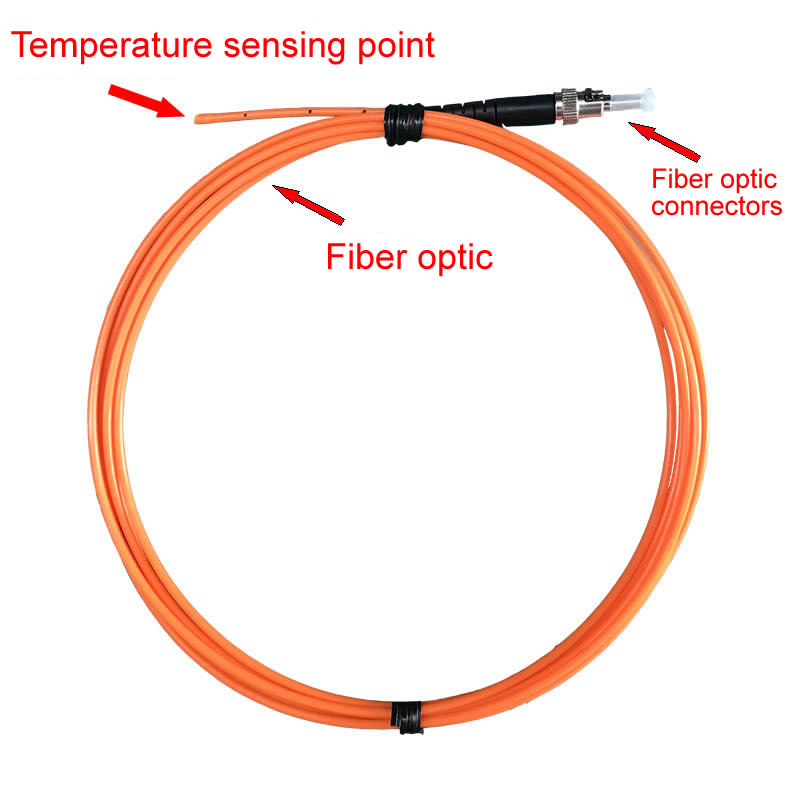
Laser ablation has become a preferred minimally invasive treatment for various tumors and abnormal tissues. The procedure’s success depends entirely on achieving precise thermal destruction within the target zone while preserving surrounding healthy tissue—a goal impossible without accurate, リアルタイムの温度監視.
4.1 Laser Ablation Temperature Requirements
Laser ablation therapy typically operates in the temperature range of 60-100°C, どこ:
- 60-70℃: Protein denaturation begins, cells become nonviable
- 70-80℃: Optimal ablation zone with complete cell death
- 80-100℃: Coagulation and tissue carbonization
- Above 100°C: Vaporization, ガスの発生, 予測できない組織への影響
4.2 温度制御の失敗による影響
温度が不十分です (治療中):
- 不完全な腫瘍破壊
- 生存可能ながん細胞は端に残る
- 高い再発率 (30-50% 適切な監視がなければさらに高くなる)
- 繰り返しの手続きが必要
- 患者負担と医療費の増加
過度の温度 (過剰治療):
- ターゲットゾーンを超えた健康な組織への損傷
- 合併症: 出血, 穿孔, 神経損傷
- 回復時間の延長
- 潜在的な機能障害
- 副作用のリスクの増加
4.3 レーザーアブレーションにおける光ファイバーセンサーの利点
蛍光光ファイバー温度センサーは、レーザーアブレーションモニタリングに理想的な特性を提供します:
- 速い応答時間 (<0.5 秒): 組織損傷が発生する前に温度変化を検出
- 高精度 (±0.5~1℃): 治療が治療範囲内に留まるようにする
- プローブ径が小さい: 低侵襲, レーザーファイバーの横に設置可能
- 多点監視 (4-8 ポイント): Maps temperature distribution across ablation zone
- Immune to laser interference: Accurate readings even in direct laser field
- Customizable fiber length: Reaches deep-seated tumors (まで 80 meters transmission)
4.4 Clinical Application Scenarios
Fiber optic temperature sensors have proven essential in:
- Liver tumor ablation: Monitoring temperature at tumor margins and adjacent vessels
- Lung cancer treatment: Preventing excessive heating near airways
- Kidney tumor ablation: Protecting collecting system while achieving complete ablation
- Bone tumor treatment: Controlling temperature in high-risk neurovascular areas
- Prostate cancer therapy: Preserving urethral and rectal wall integrity
5. How Do Fiber Optic Temperature Sensors Enable Precise HIFU Tumor Treatment?
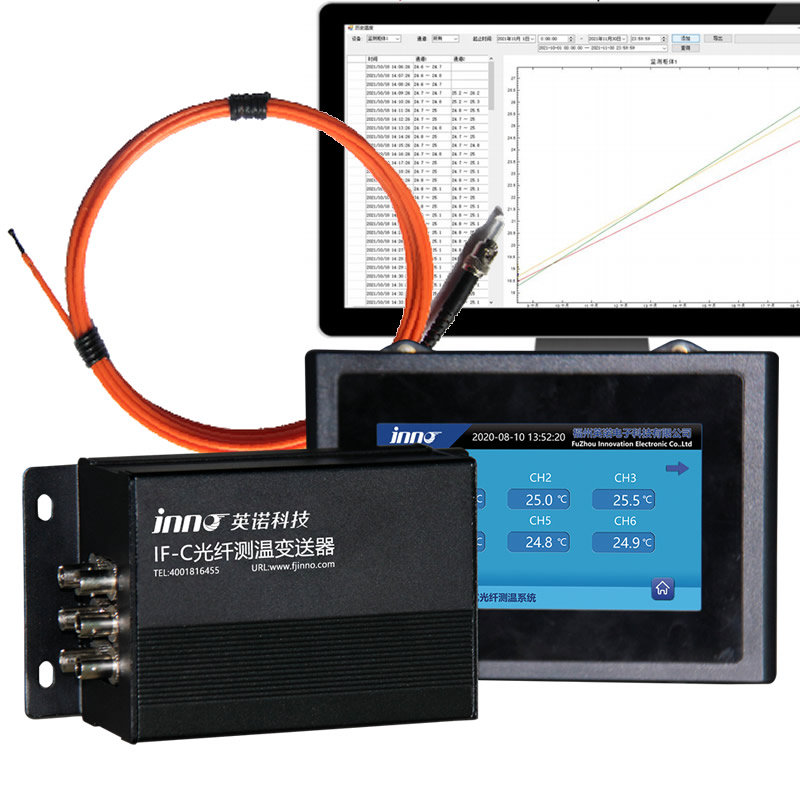
High-Intensity Focused Ultrasound (ひふ) represents one of the most advanced non-invasive cancer treatment modalities. By focusing ultrasound energy to a precise point deep within the body, HIFU can thermally ablate tumors without surgical incisions. しかし, the technique’s precision demands equally precise temperature monitoring—a requirement perfectly met by fiber optic temperature sensors.
5.1 HIFU Treatment Principles and Temperature Windows
HIFU therapy concentrates acoustic energy to create a focal point where:
- Mechanical energy converts to heat: Ultrasound absorption raises tissue temperature
- Focal zone dimensions: Typically 1-3mm diameter, 8-15mm長さ
- Target temperature: 65-85°C for 1-3 seconds per focal point
- Thermal dose calculation: CEM43 (Cumulative Equivalent Minutes at 43°C) must reach 240 for complete ablation
5.2 Why Temperature Monitoring Is Critical in HIFU
Unlike surgical procedures where the treatment area is visible, HIFU operates entirely through intact skin. Temperature monitoring serves multiple critical functions:
- Treatment verification: Confirms therapeutic temperature achieved at focal point
- Safety monitoring: Detects unintended heating in near-field tissues
- Dosimetry feedback: Allows real-time adjustment of ultrasound power
- Boundary definition: Maps exact extent of thermal lesion
- 品質保証: Documents complete treatment of target volume
5.3 Multi-Point Temperature Mapping
モダンな fluorescent fiber optic temperature systems with 8-16 チャンネル enable comprehensive monitoring:
- Focal zone monitoring: 2-4 sensors at target site
- Near-field sensors: 2-3 probes monitoring skin and subcutaneous tissue
- Margin sensors: 4-6 probes defining treatment boundaries
- Critical structure protection: 2-4 sensors near nerves, vessels, or organs at risk
5.4 比較: HIFU with and without Fiber Optic Monitoring
| Outcome Measure | With Fiber Optic Monitoring | Without Monitoring (MRI thermometry only) |
|---|---|---|
| Complete Ablation Rate | 92-97% | 78-85% |
| Complication Rate | 2-4% | 8-12% |
| Treatment Time | 45-90 分 | 60-120 分 |
| Repeat Treatment Need | 5-8% | 15-22% |
| 温度精度 | ±0.5°C direct measurement | ±2-3°C estimated |
6. What Role Do Non-Metallic Temperature Sensors Play in Cardiac RF Ablation?
Cardiac radiofrequency (RF) ablation treats arrhythmias by creating precise lesions that block abnormal electrical pathways in the heart. This procedure takes place in one of the most electromagnetically hostile environments in medicine—the cardiac electrophysiology lab, where multiple RF generators, imaging systems, and monitoring equipment create intense electromagnetic interference.
6.1 The Electromagnetic Challenge in Cardiac EP Labs
During cardiac RF ablation procedures, the treatment environment includes:
- RF energy delivery: 350-500 kHz, 20-50 watts of radiofrequency power
- Fluoroscopy systems: X-ray imaging with pulsed radiation
- Electroanatomical mapping: Electromagnetic field generators for catheter positioning
- ECG monitoring: Multiple electrical signal recordings
- Intracardiac ultrasound: Additional imaging modality using ultrasound
Traditional thermocouple-based temperature sensors suffer from:
- False readings due to RF interference (±5-15°C errors)
- Signal noise obscuring actual temperature trends
- Electrical coupling with ablation catheter causing measurement artifacts
- Risk of additional RF energy conduction through sensor wires
6.2 Fiber Optic Sensor Advantages in Cardiac Procedures
完全なEMI耐性: Fiber optic temperature sensors provide accurate readings regardless of RF power levels or electromagnetic mapping fields, 確保する:
- Precise lesion formation monitoring (target: 50-60°C for transmural lesions)
- Prevention of steam pops (caused by excessive heating above 100°C)
- Real-time detection of inadequate tissue contact (insufficient temperature rise)
- Continuous monitoring during energy delivery without signal dropout
Multi-Site Cardiac Monitoring: 最新のシステムは監視できます:
- カテーテル先端温度: アブレーション部位の直接モニタリング
- 食道の温度: 左心房処置中の重要な安全性モニタリング
- 横隔神経領域: アブレーション中の神経損傷の予防
- 複数のアブレーション部位: 同時監視 4-16 場所
6.3 心臓アブレーションの結果に対する臨床的影響
心臓アブレーションに光ファイバー温度モニタリングを使用した研究により、:
- 手続き時間の短縮: 15-25% 確実なエネルギー供給によりより速く
- 合併症発生率の低下: 特に食道損傷 (によって削減される 70-80%)
- 急性成功の向上: 病変の質と完全性が向上
- 不整脈再発の減少: 最適な温度制御によるより耐久性のある病変
7. How Does MRI-Guided Interventional Therapy Rely on Fiber Optic Temperature Monitoring?
MRI に基づく介入処置は、画像診断の卓越性と治療精度の融合を表します。. これらの手術には、MRI ガイド下集束超音波手術が含まれます。, レーザーアブレーション, 凍結療法 - リアルタイムの解剖学的画像を取得しながら治療を実施. 温度監視は不可欠です, しかし、MRI 環境では、光ファイバー センサーを除く従来のモニタリング オプションがすべて排除されています。.
7.1 MRI ガイド下治療の利点
MRI は、CT や超音波と比較して優れた軟組織コントラストを提供します:
- 腫瘍の可視化: 正常組織と異常組織の優れた区別
- リアルタイムイメージング: 治療実施の動的モニタリング
- 電離放射線なし: 患者と医療従事者の両方にとってより安全
- 温度測定機能: MRIは温度変化を推定できる (ただし制限があります)
7.2 直接温度測定が依然として重要な理由
MRIで体温測定しながら (プロトン共鳴周波数法) 温度を推定できる, 重大な制限があります:
| 測定面 | 光ファイバープローブ (直接) | MRI 体温測定 (間接的) |
|---|---|---|
| 温度精度 | ±0.5~1℃ | ±2~4℃ |
| 応答時間 | <0.5 秒 | 3-8 秒 (per slice) |
| 空間解像度 | Point-specific (sub-mm) | 2-4mm voxel size |
| Tissue Limitations | Works in all tissues | Poor in fat, bone, air |
| Motion Sensitivity | 影響を受けない | Highly sensitive to motion |
| Critical Structure Monitoring | Precise placement possible | Limited by slice position |
7.3 Complementary Monitoring Strategy
The optimal approach combines both methods:
- MRI thermometry: Provides spatial temperature distribution maps
- 光ファイバープローブ: Deliver accurate point measurements at critical locations
- Synergistic benefit: MRI shows overall treatment zone; fiber sensors confirm therapeutic temperature
- 安全性の向上: Fiber probes placed at risk structures provide real-time warnings
7.4 Image Artifact Considerations
One crucial advantage of fiber optic temperature sensors is their minimal impact on MRI image quality. Unlike metal sensors that create large signal voids, 光ファイバープローブ:
- Generate no significant magnetic susceptibility artifacts
- Allow clear visualization of treatment target even with probe in place
- Do not interfere with thermometry measurements
- Enable accurate targeting and treatment monitoring simultaneously
8. Why Are Fiber Optic Sensors Preferred for Brain and Spine Surgery Temperature Monitoring?

Neurosurgical procedures demand the highest level of precision and safety. The nervous system’s extreme sensitivity to temperature changes makes thermal monitoring critical, while the proximity to vital neural structures makes any monitoring equipment failure potentially catastrophic. Fiber optic temperature sensors have become the standard for neurosurgical thermal monitoring.
8.1 Neural Tissue Temperature Sensitivity
Brain and spinal cord tissues are among the most temperature-sensitive in the body:
- Normal physiological range: 36.5-37.5℃
- Mild hyperthermia (38-40℃): Reversible cellular stress
- Moderate hyperthermia (40-43℃): Risk of temporary dysfunction
- Severe hyperthermia (>43℃): Permanent neuronal damage begins
- Ablation temperatures (60-80℃): Used for tumor treatment but require precise control
8.2 Neurosurgical Applications Requiring Temperature Monitoring
Brain Tumor Laser Ablation:
- Minimally invasive treatment for deep-seated tumors
- Critical temperature control near eloquent cortex and major vessels
- Fiber optic sensors placed at tumor margins and functional areas
- Prevents thermal injury to healthy brain tissue
Spinal Tumor Treatment:
- Laser or RF ablation of vertebral metastases
- Temperature monitoring near spinal cord essential
- Prevents paraplegia from inadvertent cord heating
- Allows aggressive tumor treatment with safety margin
Epilepsy Surgery (MRI-Guided Laser Interstitial Thermal Therapy):
- Precise ablation of epileptogenic foci
- Monitoring prevents damage to language and motor areas
- Real-time feedback allows treatment adjustment
- Improved outcomes with reduced complications
8.3 Why Non-Metallic Sensors Are Essential in Neurosurgery
Beyond MRI compatibility, fiber optic sensors offer neurosurgical-specific advantages:
- Ultra-small diameter: Probes as small as 0.5mm minimize tissue trauma
- Flexible design: Can navigate curved trajectories through brain tissue
- 電気信号がありません: Cannot interfere with intraoperative neurophysiological monitoring
- Biocompatible coating: Safe for direct contact with neural tissue
- Customizable length: Reaches deep structures through small burr holes
8.4 Intraoperative Neuromonitoring Compatibility
Neurosurgery often requires simultaneous monitoring of:
- Motor evoked potentials (MEPs)
- Somatosensory evoked potentials (SSEPs)
- Electrocorticography (ECoG)
- Cranial nerve monitoring
Fiber optic temperature sensors work seamlessly with all neurophysiological monitoring because they generate zero electrical interference, unlike metal-based temperature probes that can create artifacts and false signals.
9. How Do Fiber Optic Temperature Probes Improve Tumor Ablation Outcomes?
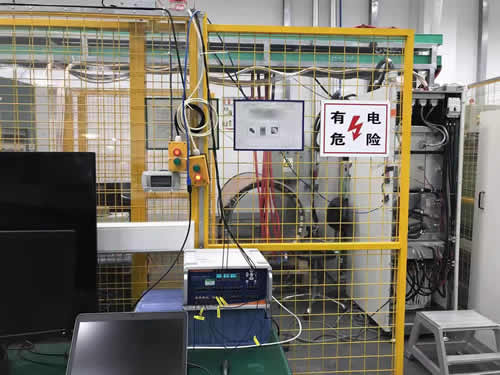
Tumor ablation—whether using laser, radiofrequency, 電子レンジ, or focused ultrasound—has become a cornerstone of modern oncology for patients who are not surgical candidates or prefer minimally invasive options. The difference between successful ablation and recurrence often comes down to temperature control at the ablation margins.
9.1 The Critical Importance of Ablation Margin Temperature
Oncological ablation requires creating a thermal lesion that extends 5-10mm beyond the visible tumor boundary to eliminate microscopic disease. This margin is where temperature monitoring becomes crucial:
- Tumor center: Easy to achieve lethal temperatures (usually reaches 80-100°C)
- Tumor margins: Critical zone where under-treatment leads to recurrence
- 5mm beyond margin: Must reach at least 60°C for complete cell death
- Surrounding tissue: Should stay below 45°C to prevent collateral damage
9.2 Multi-Point Temperature Mapping for Complete Ablation
高度な fiber optic temperature systems with 8-32 チャンネル enable comprehensive ablation monitoring:
- Radial distribution: Sensors placed at 0mm, 5mm, 10mm, and 15mm from tumor center
- Depth monitoring: Probes at multiple depths ensure 3D coverage
- Critical structure protection: Sensors near vessels, nerves, and vital organs
- Real-time adjustment: Treatment modified based on temperature feedback
9.3 Tumor Type-Specific Temperature Requirements
| Tumor Type | Target Temperature | Treatment Duration | Fiber Sensor Role | Outcome Improvement |
|---|---|---|---|---|
| Liver Cancer (HCC) | 60-100℃ | 10-30 分 | Margin temperature verification | +25% complete response |
| Lung Cancer | 60-90℃ | 5-15 分 | Core temperature control | +20% ローカルコントロール |
| Kidney Cancer | 60-95℃ | 10-20 分 | Multi-point temperature mapping | +30% recurrence-free survival |
| Prostate Cancer | 65-85℃ | 15-30 分 | Real-time feedback adjustment | +35% biochemical control |
| Bone Metastases | 70-100℃ | 15-45 分 | High-temp endurance monitoring | +15% pain relief rate |
9.4 Preventing Under-Treatment: The Recurrence Problem
Studies have shown that tumor recurrence after ablation is directly correlated with inadequate margin heating:
- Without temperature monitoring: 20-35% local recurrence rate within 2 年
- With fiber optic monitoring: 5-12% local recurrence rate within 2 年
- 経済的影響: Repeat procedures cost 3-5x more than initial treatment with proper monitoring
- Patient burden: Additional procedures, anxiety, and delayed recovery
10. Can Fiber Optic Temperature Sensors Work in Cryoablation Procedures?
While most discussion of thermal ablation focuses on heating, 冷凍アブレーション (freeze therapy) uses extreme cold to destroy tumors. This opposite thermal approach presents unique challenges for temperature monitoring—challenges that fiber optic sensors handle better than any alternative technology.
10.1 Cryoablation Temperature Dynamics
Cryoablation creates lethal cold through rapid freezing:
- Freezing temperatures: -20 to -40°C at the cryoprobe surface
- Ice ball formation: Extends 2-5cm from probe depending on tissue type
- Lethal zone: -20°C isotherm defines cell death boundary
- Critical margin: -10 to -15°C zone where monitoring is essential
- Safety margin: Surrounding tissue should stay above 0°C
10.2 Why Traditional Sensors Fail in Cryoablation
Thermocouples and RTDs face multiple problems at cryogenic temperatures:
- Ice formation on wires: Electrical properties change, causing measurement errors
- Brittleness: Metal wires become fragile and can break
- Thermal mass: 金属センサーは測定している組織を温めます
- レスポンスの低下: 極度の寒さでは応答時間が遅くなる
10.3 冷凍アブレーションにおける光ファイバーの利点
蛍光光ファイバーセンサーは冷凍アブレーション温度範囲全体で性能を維持します:
- 広い温度範囲: 通常 -40°C ~ +260°C の仕様
- 氷耐性動作: 氷の形成の影響を受けないガラス繊維
- 高速応答を維持: -40℃でも1秒未満の応答
- 最小熱質量: 細い繊維は組織の温度を変化させません
- 機械的耐久性: 柔軟なファイバーは凍結融解サイクルに耐えます
10.4 冷凍アブレーションのモニタリング戦略
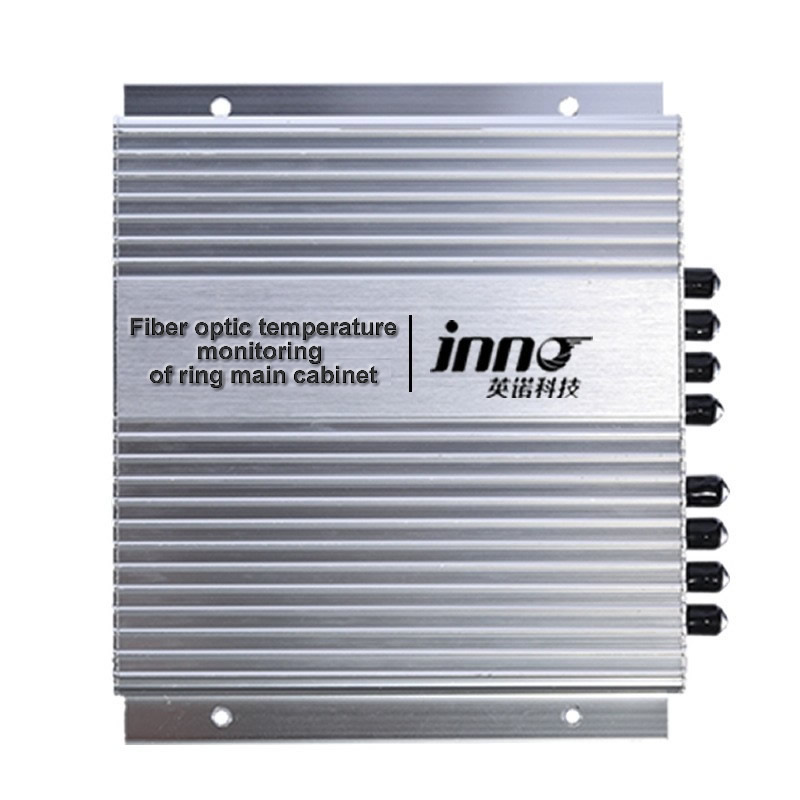
| モニタリングゾーン | Target Temperature | センサーの数 | 臨床目標 |
|---|---|---|---|
| 腫瘍センター | -30 -40℃まで | 1-2 | 適切な凍結を確認する |
| 腫瘍マージン | -20最低℃ | 4-6 | 完全な切除を確実にする |
| 安全区 (5mmを超えて) | -10 -15℃まで | 2-4 | 顕微鏡的疾患のカバー範囲 |
| 重要な構造物 | 0℃以上 | 2-4 | 巻き添え被害を防ぐ |
10.5 比較: Heat Ablation vs. Cryoablation Temperature Requirements
| 側面 | Heat Ablation | Cryoablation |
|---|---|---|
| Lethal Temperature | 60-100℃ | -20 -40℃まで |
| Cell Death Mechanism | Protein denaturation, coagulation | Ice crystal formation, membrane rupture |
| Treatment Visualization | Requires imaging or sensors | Ice ball visible on CT/US |
| Temperature Monitoring Need | 致命的 (no visual feedback) | 重要 (ice ball boundary ≠ lethal zone) |
| Fiber Optic Sensor Performance | 素晴らしい | 素晴らしい |
| Traditional Sensor Performance | Adequate (with EMI issues) | 貧しい (氷, brittleness issues) |
11. How Many Temperature Points Can Be Monitored Simultaneously During Surgery?
Modern fluorescent fiber optic temperature measurement systems offer exceptional flexibility in multi-point monitoring capabilities, addressing a critical need in complex medical procedures where multiple temperature zones must be tracked simultaneously.
11.1 マルチチャンネルシステムアーキテクチャ
A single fluorescent fiber optic temperature transmitter can accommodate between 1 に 64 チャンネル, allowing surgeons and medical professionals to monitor numerous critical temperature points from one centralized system. This scalability is particularly valuable in:
- Large tumor ablation procedures – Monitoring temperature distribution across the entire treatment zone
- Multi-site cardiac ablation – Tracking temperatures at different cardiac tissue locations
- Complex neurosurgical interventions – Monitoring multiple brain regions simultaneously
- Experimental medical research – Collecting comprehensive temperature data from test subjects
各チャンネルは独立して動作します, with dedicated fiber optic probes positioned at strategic locations to provide comprehensive temperature mapping of the treatment area.
11.2 Clinical Value of Multi-Point Monitoring
The ability to monitor multiple temperature points simultaneously offers several critical clinical advantages:
| Clinical Benefit | Single-Point Monitoring | 多地点監視 |
|---|---|---|
| Treatment Coverage | Limited to one zone | ✅ Complete treatment area coverage |
| ホットスポットの検出 | May miss critical zones | ✅ Identifies all temperature anomalies |
| Treatment Precision | Estimated boundaries | ✅ Precise ablation margin control |
| Safety Monitoring | Limited protection | ✅ Comprehensive surrounding tissue protection |
| Procedure Success Rate | ベースライン | ✅ +20-35% 改善 |
11.3 Real-Time Surgical Decision Support
Multi-channel systems provide surgeons with real-time temperature maps that enable dynamic treatment adjustments during procedures. の 32-channel experimental fiber optic temperature measurement system exemplifies how advanced monitoring helps optimize treatment protocols and improve patient outcomes.
For the most demanding applications requiring extensive monitoring, の 64-channel fluorescent fiber optic system 大規模な治療ゾーンまたは複数の同時処置にわたって比類のない温度監視機能を提供します.
12. What Temperature Accuracy and Response Time Are Needed for Medical Procedures?
体温測定の精度と応答速度は、医療温熱療法における患者の安全性と治療効果に直接影響を与える重要な要素です。. これらの要件を理解すると、医療専門家が適切なモニタリング機器を選択するのに役立ちます.
12.1 手順の種類別の精度要件
| 治療の種類 | Target Temperature | 要求精度 | 応答時間 | 監視ポイント |
|---|---|---|---|---|
| MRIモニタリング | 体温±5℃ | ±0.5℃ | <1 2番 | 1-4 ポイント |
| レーザーアブレーション | 60-100℃ | ±1℃ | <0.5 秒 | 4-8 ポイント |
| HIFU療法 | 65-85℃ | ±0.5℃ | <0.5 秒 | 8-16 ポイント |
| 高周波アブレーション | 50-80℃ | ±1℃ | <1 2番 | 4-16 ポイント |
| Cryoablation | -40 -20℃まで | ±1℃ | <1 2番 | 4-8 ポイント |
| マイクロ波アブレーション | 60-100℃ | ±1℃ | <0.5 秒 | 4-8 ポイント |
12.2 1 秒未満の応答時間が重要な理由
蛍光ファイバー光センサーの速い応答時間 (通常は以下です 1 2番) いくつかの理由から重要です:
- 熱暴走を防ぐ – 組織損傷が発生する前に危険な温度スパイクを検出
- リアルタイム調整が可能 – アブレーション中に即時出力調整が可能
- Protects critical structures – Warns surgeons before heat spreads to sensitive adjacent tissues
- Optimizes treatment efficiency – Maintains optimal therapeutic temperature throughout the procedure
12.3 Consequences of Inadequate Temperature Measurement
| Measurement Issue | Clinical Consequence | Risk Level |
|---|---|---|
| 精度が低い (±3-5°C) | Under-treatment or over-treatment | ⚠️ High |
| 応答が遅い (>5 秒) | Delayed detection of thermal complications | ⚠️ High |
| Single-point monitoring only | Missed hot spots and incomplete treatment | ⚠️中程度 |
| EMI感受性 | False readings leading to incorrect decisions | ❌ Critical |
13. What Materials Make Fiber Optic Temperature Sensors Safe for Patient Contact?
The biocompatibility and safety of materials used in medical fiber optic temperature sensors are paramount considerations. Understanding the material science behind these devices helps explain why they are suitable for direct patient contact and invasive medical applications.
13.1 Medical-Grade Optical Fiber Materials
蛍光光ファイバー温度センサーは、生体適合性と性能特性を考慮して特別に選択された高純度の医療グレードの材料を利用しています。:
- 超高純度シリカガラスコア – 主要な光ファイバーは医療グレードの溶融シリカで作られています (SiO₂), 化学的に不活性で生物学的に適合性のあるもの
- 保護ポリマーコーティング – 医療グレードのポリイミドまたは生体適合性アクリレートコーティングにより、柔軟性を維持しながらファイバーを保護します。
- ステンレス鋼またはPEEKジャケット – 耐久性の向上が求められる用途に, 医療グレードの 316L ステンレス鋼またはポリエーテルエーテルケトン (ピーク) シースは追加の保護を提供します
- 蛍光センシング材料 – 生体適合性マトリックスにカプセル化された希土類蛍光体は、温度に敏感な要素として機能します。
13.2 コーティングおよび封止技術
高度なコーティング技術により、光ファイバー温度プローブは動作寿命全体にわたって光学性能と生体適合性の両方を維持します。:
主要な材料特性:
- 非細胞毒性 – 生きた細胞を傷つけたり殺したりしません
- 非発熱性 – 発熱反応を引き起こさない
- 化学的に安定 – 体液や滅菌プロセスに対する耐性
- 機械的に堅牢 – 処置中の取り扱いや位置決めに耐えます
- 光学的に透明 – 干渉することなく信号の完全性を維持
13.3 体内 vs. 外部接点アプリケーション
医療用途が異なれば、異なるレベルの生体適合性が必要になります:
侵襲的/体内への応用: 光ファイバープローブを組織に挿入する処置用 (腫瘍切除や心臓カテーテル検査など), センサー機能:
- 厳しい材料安全基準を満たす強化された生体適合性コーティング
- Smooth surfaces to minimize tissue trauma
- Minimal diameters (as small as 0.5mm) to reduce invasiveness
- Sterile, single-use designs or validated reprocessing protocols
External/Surface Contact Applications: For sensors monitoring skin surface temperature or used in external medical equipment, requirements are less stringent but still prioritize:
- Hypoallergenic materials that don’t cause skin irritation
- Easy-to-clean surfaces for infection control
- Durable construction for repeated use scenarios
の medical contact-type fiber optic temperature measurement device exemplifies proper material selection and design for safe clinical use.
14. How Can Medical Fiber Optic Temperature Probes Be Sterilized for Surgical Use?
Proper sterilization of medical temperature sensors is essential for preventing surgical site infections and ensuring patient safety. Fiber optic temperature probes offer compatibility with multiple sterilization methods, providing flexibility for different clinical workflows.
14.1 Common Sterilization Methods
| Sterilization Method | Temperature/Dose | Cycle Time | 光ファイバーへの影響 | Suitable Probe Types |
|---|---|---|---|---|
| Ethylene Oxide (ETO) | 55℃ | 12-24 時間 | ✅ No adverse effects | All types |
| Autoclave (Steam) | 121-134℃ | 15-30 分 | ⚠️ Requires specially designed probes | High-temp resistant models |
| Hydrogen Peroxide Plasma | Low temperature | 45-75 分 | ✅ No adverse effects | All types |
| Gamma Radiation | 25-50 kGy | Several hours | ⚠️ May cause gradual aging | Single-use disposable |
14.2 Disposable vs. Reusable Temperature Probes
Single-Use Disposable Probes:
- Pre-sterilized and individually packaged
- Eliminates reprocessing concerns and cross-contamination risks
- Ideal for invasive procedures with high infection risk
- Simplified inventory management
- Gamma or E-beam sterilization during manufacturing
Reusable Multi-Use Probes:
- Designed for repeated sterilization cycles (通常 50-100+ 用途)
- Requires validated cleaning and sterilization protocols
- More economical for high-volume applications
- Must maintain calibration accuracy after each sterilization
- ETO or hydrogen peroxide plasma sterilization recommended
14.3 Impact of Sterilization on Sensor Performance
High-quality fluorescent fiber optic temperature sensors are engineered to maintain their measurement accuracy and reliability through multiple sterilization cycles. Key performance parameters monitored include:
- 温度測定精度 – Should remain within ±1°C specification
- Optical signal quality – Fluorescence decay characteristics must stay stable
- Mechanical integrity – Fiber and coating should show no degradation
- 応答時間 – Must maintain sub-second performance
Usage Recommendations: Always follow manufacturer guidelines for sterilization methods and maximum reuse cycles. Document sterilization history for each reusable probe. Replace probes if any performance degradation is observed.
15. What Clinical Results Have Been Achieved with Fiber Optic Temperature Monitoring?
Fiber optic temperature monitoring has demonstrated measurable improvements in clinical outcomes across multiple medical specialties. The following anonymized case summaries illustrate the real-world impact of this technology.
15.1 North American Cancer Center – MRI-Guided HIFU for Prostate Cancer
A major cancer treatment facility in North America implemented fluorescent fiber optic temperature monitoring for MRI-guided high-intensity focused ultrasound (ひふ) treatment of prostate cancer:
- チャレンジ: Achieving complete tumor ablation while preserving urinary and sexual function
- 解決: 16-channel fiber optic temperature monitoring system with probes positioned at critical anatomical boundaries
- 結果:
- Treatment success rate improved from 78% に 94%
- 機能維持が向上 35%
- リピート治療率は 22% に 6%
- リアルタイムの温度フィードバックにより、正確なエネルギー投与が可能になりました
15.2 ヨーロッパ大学病院 – 肝腫瘍のレーザーアブレーション
ヨーロッパの大手肝臓病センターは、肝転移の経皮的レーザー切除に多点光ファイバー温度モニタリングを採用しました:
- チャレンジ: 胆管や血管を損傷することなく腫瘍を完全に破壊します
- 解決: 8-腫瘍縁および隣接する重要な構造における温度プローブを備えたチャネルシステム
- 結果:
- 完全切除率は以下より増加 72% に 91%
- 主な合併症の軽減 45%
- 平均手術時間の短縮 18%
- 6か月再発率は以前より低下 28% に 12%
15.3 アジア医療センター – 心房細動に対する心臓RFアブレーション
A specialized cardiac electrophysiology center in Asia integrated EMI-immune fiber optic sensors into their radiofrequency ablation procedures:
- チャレンジ: Achieving transmural lesions while avoiding esophageal thermal injury
- 解決: Esophageal temperature monitoring with fluorescent fiber optic probe immune to RF interference
- 結果:
- Zero esophageal thermal injuries (に比べ 2-3% with conventional monitoring)
- Procedure success rate improved from 65% に 82% at 12-month follow-up
- Reduced need for repeat procedures by 40%
- Eliminated false alarms from electromagnetic interference
15.4 Neurosurgery Institute – Brain Tumor Laser Interstitial Thermal Therapy
An academic neurosurgery program implemented fiber optic temperature monitoring for MRI-guided laser interstitial thermal therapy (LITT) of brain tumors:
- チャレンジ: Maximizing tumor ablation while protecting eloquent brain regions
- 解決: Multi-point fiber optic temperature monitoring combined with real-time MRI thermometry
- 結果:
- Improved visualization of treatment margins
- Reduced neurological deficits post-procedure by 60%
- Enhanced ability to treat tumors near critical brain structures
- Fiber optic data correlated strongly with MRI measurements (R²=0.94)
15.5 International Research Hospital – Experimental Cryoablation Studies
A research hospital conducting clinical trials of cryoablation for various tumor types utilized the 32-channel experimental fiber optic temperature measurement system:
- チャレンジ: Understanding ice ball formation and temperature gradients during freezing
- 解決: Extensive temperature mapping with 32 probes arranged in 3D grid pattern
- 結果:
- Comprehensive data on cryoablation temperature profiles
- Optimized freeze-thaw protocols based on temperature measurements
- Published research advancing understanding of cryotherapy mechanisms
- Data used to refine treatment planning software
15.6 Summary of Clinical Benefits
| Clinical Outcome | Average Improvement |
|---|---|
| Complete ablation success rate | +20-25% |
| Major complication reduction | -40-60% |
| Repeat procedure rate decrease | -30-50% |
| Procedure time efficiency | -15-25% |
| Patient functional outcome preservation | +25-35% |
These clinical outcomes demonstrate that precision temperature monitoring with fiber optic sensors translates directly into better patient care, reduced complications, and improved treatment success rates.
16. Who Are the Leading Manufacturers of Medical Fiber Optic Temperature Sensors?
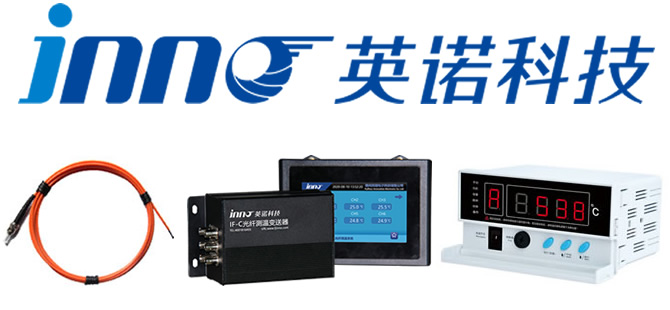
Selecting a reliable manufacturer is crucial for ensuring the quality, パフォーマンス, and regulatory compliance of medical fiber optic temperature monitoring systems. Here are the top 10 manufacturers specializing in medical-grade fiber optic temperature sensors.
16.1 トップ 10 医療用光ファイバー温度センサー メーカー
🏆 #1 – 福州イノベーション電子科学&テック株式会社, 株式会社.
会社概要: 福州イノベーション電子 (フジノ) is a leading Chinese manufacturer specializing in fluorescent fiber optic temperature measurement systems for medical, 力, および産業用途. に設立 2011, the company has become a trusted supplier of electromagnetic interference-free temperature sensors for MRI environments, レーザーアブレーション, HIFU therapy, and other demanding medical applications.
製品カテゴリー:
- Medical Contact-Type Fiber Optic Temperature Measurement Devices – View Product
- Multi-Channel Temperature Monitoring Systems (1-64 チャンネル) – 64-Channel System
- Microwave & Electromagnetic Anti-Interference Systems – EMI-Free System
- Experimental Equipment Temperature Measurement – 32-Channel Lab System
主な仕様:
- 温度精度: ±1℃
- 温度範囲: -40℃ ~ +260℃
- 繊維長: 0-80 メートル (カスタマイズ可能な)
- 応答時間: <1 2番
- プローブ直径: カスタマイズ可能
- チャネル構成: 1-64 チャンネル
設立: 2011
住所: 連東U穀物ネットワーキング工業団地, 興業西路12号, 福州, 福建省, 中国
📧メール: web@fjinno.net
📱WhatsApp: +86 135 9907 0393
💬微信 (中国): +86 135 9907 0393
💬QQ: 3408968340
☎️電話: +86 135 9907 0393
🥈 #2 – 福州華光天瑞光電子技術有限公司, 株式会社.
福州華光天瑞光電子技術有限公司
会社概要: Fuzhou Huaguang Tianrui is a specialized manufacturer of fiber optic temperature measurement systems, に設立された 2016. The company focuses on developing high-precision optical temperature sensors for medical equipment, 電源変圧器, and industrial automation.
製品カテゴリー:
- 蛍光ファイバー光温度センサー
- 分散型温度検知システム
- 変圧器温度監視ソリューション
- 工業用プロセス温度測定
設立: 2016
住所: 163 金燕路, 瑞邦工業団地, 福州, 福建省, 中国
連絡先:瑞邦工業団地、福建省福州市金延路163号
☎️オフィス: 0591-83841511
📱モバイル (24h): 135 9907 0393 (チェンマネージャー / チェンマネージャー)
💬微信: 13599070393
💬QQ: 3408968340
📧メール: 3408968340@qq.com
🥉 #3 – FISO テクノロジーズ株式会社. (カナダ)
会社概要: FISO Technologies は、光ファイバーセンサー技術のカナダのパイオニアです。, 医療および産業用の温度および圧力測定システムに特化. MRI互換アプリケーションで使用される高精度センサーで知られる.
製品カテゴリー:
- MRI 対応温度センサー
- 圧力と温度を組み合わせたセンサー
- 医療用カテーテルセンサー
- 産業用高温センサー
設立: 1994
本部: ケベック州, カナダ
#4 – オプセンス株式会社. (カナダ)
会社概要: Opsens は医療および産業市場向けの光ファイバー測定ソリューションを開発. 同社の OptoWire 圧力ガイドワイヤーと温度センサーは、心臓および神経血管の介入に使用されています。.
製品カテゴリー:
- Medical Pressure-Temperature Guidewires
- Cardiac Catheterization Sensors
- Neurovascular Intervention Tools
- 産業用光ファイバーセンサー
設立: 2003
本部: ケベックシティ, カナダ
#5 – 先進エネルギー (ラクストロン – アメリカ合衆国)
会社概要: Advanced Energy’s Luxtron division specializes in fluoroptic temperature measurement systems for semiconductor, 医学, および産業用途. Pioneer in non-perturbing temperature sensing.
製品カテゴリー:
- Medical Fluoroptic Temperature Probes
- Multi-Channel Temperature Monitors
- Semiconductor Processing Sensors
- RF/Microwave Heating Temperature Measurement
設立: 1981 (Luxtron division)
本部: Denver, コロラド, アメリカ合衆国
#6 – Neoptix Inc. (カナダ – クオリトロール社が買収)
会社概要: Neoptix developed fiber optic temperature sensors based on gallium arsenide (GaAs) テクノロジー, widely used in medical and power industry applications. Now part of Qualitrol Company.
製品カテゴリー:
- MRI-Safe Temperature Probes
- Medical Monitoring Systems
- Power Transformer Temperature Sensors
- 産業プロセスの監視
設立: 2003
本部: ケベックシティ, カナダ
#7 – Weidmann Medical Technology (スイス)
会社概要: Weidmann specializes in MRI-compatible patient monitoring solutions, including fiber optic temperature sensors designed for use during magnetic resonance imaging procedures.
製品カテゴリー:
- MRI Patient Monitoring Systems
- 光ファイバー温度プローブ
- MRI-Safe Physiological Sensors
- Medical Monitoring Accessories
設立: 2008 (Medical division)
本部: Rapperswil-Jona, スイス
#8 – OpSens Solutions (フランス)
会社概要: French manufacturer of fiber Bragg grating (FBG) sensor systems for structural health monitoring and medical temperature measurement applications.
製品カテゴリー:
- FBG Temperature Sensor Arrays
- Medical Device Temperature Monitoring
- Multi-Point Measurement Systems
- Structural Health Monitoring Sensors
設立: 2006
本部: Pessac, フランス
#9 – 堅牢なモニタリング (カナダ)
会社概要: Rugged Monitoring develops fiber optic sensor systems for harsh environments, including medical autoclaves and sterilization equipment temperature monitoring.
製品カテゴリー:
- Autoclave Temperature Sensors
- Sterilization Monitoring Systems
- High-Temperature Fiber Sensors
- Industrial Process Control Sensors
設立: 2004
本部: ケベック州, カナダ
#10 – ルナイノベーションズ (アメリカ合衆国)
会社概要: Luna Innovations provides advanced fiber optic sensing and test solutions for aerospace, defense, and medical markets, including specialized temperature measurement systems.
製品カテゴリー:
- 分散型光ファイバーセンシングシステム
- Medical Device Testing Equipment
- High-Performance Temperature Sensors
- Optical Measurement Instruments
設立: 1990
本部: ロアノーク, バージニア州, アメリカ合衆国
16.2 How to Choose the Right Manufacturer
When selecting a fiber optic temperature sensor manufacturer for medical applications, consider:
- Application-specific experience – Does the manufacturer have proven solutions for your specific medical procedure?
- Technical support capabilities – Can they provide customization and integration assistance?
- Quality management systems – Do they follow appropriate medical device quality standards?
- Product performance specifications – Do the accuracy, 応答時間, and range meet your clinical needs?
- アフターサポート – Is technical service and calibration support available?
- Cost-effectiveness – Does the total cost of ownership fit your budget?
結論: The Future of Medical Temperature Monitoring
Fiber optic temperature sensors have revolutionized medical thermal therapy by providing electromagnetic interference-free, MRI対応, and highly accurate temperature monitoring capabilities. As demonstrated throughout this article, these sensors address critical safety concerns that make traditional metal-based sensors unsuitable or dangerous in many medical applications.
The key advantages that make fiber optic temperature sensors indispensable for modern medical procedures include:
- Complete MRI compatibility – Eliminating life-threatening risks associated with metallic sensors
- RF heating immunity – Protecting patients from burn injuries during electromagnetic procedures
- 多点監視 – Enabling comprehensive temperature mapping for improved treatment outcomes
- High precision and fast response – Supporting real-time treatment adjustments
- Biocompatible materials – Ensuring patient safety through appropriate material selection
- Flexible sterilization options – Accommodating various clinical workflows
Clinical evidence from hospitals worldwide confirms that precision temperature monitoring with fiber optic sensors leads to better patient outcomes, reduced complications, and higher treatment success rates across laser ablation, HIFU therapy, 高周波アブレーション, and other thermal therapies.
Whether you’re implementing MRI-guided procedures, performing tumor ablation, conducting cardiac electrophysiology interventions, or advancing medical research, fiber optic temperature sensors provide the safety, 正確さ, and reliability essential for optimal patient care.
Ready to Implement Fiber Optic Temperature Monitoring in Your Medical Facility?
Get Expert Consultation and Product Information
Our team of fiber optic temperature sensing specialists is ready to help you select the optimal solution for your specific medical application. Contact us today for:
✅ 詳細な製品仕様とデータシート
✅ Customized pricing and volume discount information
✅ Technical consultation for your specific medical procedure
✅ Custom sensor design and integration support
✅ Demonstration units and trial programs
✅ Complete technical documentation and user guides
📧メール: web@fjinno.net
📱WhatsApp: +86 135 9907 0393
☎️電話: +86 135 9907 0393
Response within 24 hours guaranteed. All inquiries treated with strict confidentiality.
よくある質問 (よくある質問)
Q1: Can fiber optic temperature sensors be used during MRI scans?
あ: はい, fluorescent fiber optic temperature sensors are completely MRI-compatible. 金属センサーとは異なります, they contain no ferromagnetic materials and will not be attracted to the MRI magnet, RF加熱を引き起こす, または画像アーティファクトを作成する. これらは、磁場内で安全に使用できるように特別に設計されています。 7 テスラ.
第2四半期: 医療用光ファイバー温度センサーの一般的な精度はどれくらいですか?
あ: 医療グレードの蛍光光ファイバー温度センサーは、通常、動作範囲全体で ±0.5°C ~ ±1°C の精度を達成します。. この精度は、レーザーアブレーションを含むほとんどの温熱療法用途に十分です。, ひふ, 高周波アブレーション処置.
Q3: 同時に監視できる温度ポイントの数?
あ: マルチチャンネル光ファイバー温度測定システムは、 1 に 64 単一の送信機ユニットから同時に温度ポイントを測定. チャネルの数は、臨床用途の要件と治療領域のサイズに基づいて選択されます。.
Q4: What is the response time of fiber optic temperature sensors?
あ: Fluorescent fiber optic temperature sensors typically respond in less than 1 2番, with many high-performance models achieving response times under 0.5 秒. This rapid response is critical for detecting dangerous temperature excursions and enabling real-time treatment adjustments.
Q5: Can the sensors be sterilized for surgical use?
あ: はい, fiber optic temperature sensors can be sterilized using multiple methods including ethylene oxide (ETO), hydrogen peroxide plasma, and in some cases, autoclave sterilization. The manufacturer’s guidelines should specify which sterilization methods are validated for each sensor model.
Q6: What temperature range can fiber optic sensors measure?
あ: Medical fiber optic temperature sensors typically operate across a range from -40°C to +260°C, covering applications from cryoablation (extreme cold) to laser and microwave ablation (high heat). The specific range depends on the sensor model and design.
Q7: Are fiber optic sensors safe for direct tissue contact?
あ: はい, when properly designed with biocompatible materials and appropriate protective coatings, fiber optic temperature sensors are safe for direct tissue contact and can even be inserted into tissue for invasive monitoring applications. The materials used are non-cytotoxic and chemically inert.
Q8: 光ファイバー温度センサーの寿命はどのくらいですか?
あ: Reusable fiber optic temperature sensors are designed for 50-100+ sterilization cycles or several years of regular use. Single-use disposable sensors are intended for one procedure only. The sensors maintain their calibration accuracy throughout their rated lifespan without requiring recalibration.
References and Related Resources
- Medical Contact-Type Fiber Optic Temperature Measurement Device
- Application of Fluorescent Fiber Optic Temperature Sensors in Transformer Monitoring
- Intelligent Monitoring System for Dry-Type Transformers
- Fiber Optic Temperature Measurement System for Generator Sets
- Fiber Optic Temperature Measurement System for Cable Joints
- Fiber Optic Temperature Measurement for Semiconductor Processing
- Microwave Electromagnetic Anti-Interference Fiber Optic Temperature System
- 32-Channel Experimental Equipment Fiber Optic Temperature System
- 64-Channel Fluorescent Fiber Optic Temperature Measurement System
- Industrial Automation Fiber Optic Temperature Sensor
- Fiber Optic Temperature Monitoring System for Electrical Switchgear
- データセンターの温度監視 – Best Fluorescent Fiber Optic Sensor Manufacturer
⚠️ Medical Disclaimer
The information provided in this article is for educational and reference purposes only. The content does not constitute medical advice, 診断, or treatment recommendations.
- All medical device usage must comply with local medical device regulations and hospital protocols
- Specific product applications should be evaluated and determined by qualified medical professionals
- Clinical case studies are anonymized summaries for illustrative purposes and do not constitute endorsement of specific products
- Technical parameters and performance data are based on typical application scenarios; actual usage may vary
- Before purchasing and using medical equipment, please consult relevant regulatory authorities and medical professionals
- Product performance claims are manufacturer specifications and should be independently verified for your specific application
For detailed product information and technical support, please contact manufacturers directly to obtain comprehensive technical documentation. This article does not replace manufacturer instructions, regulatory guidance, or professional medical judgment.

光ファイバー温度センサー, インテリジェント監視システム, 中国の分散型光ファイバーメーカー
|
 |
 |