 INNO 光ファイバー温度センサー ,温度監視システム.
- 温度監視は変圧器の安全性にとって重要です – さまざまなセンサー技術による巻線温度とオイル温度のリアルタイム監視により、過熱による損傷を防ぎ、機器の寿命を延ばします。
- PT100 センサーは実証済みの信頼性を提供します – 白金測温抵抗体による高精度, 長期安定性, 乾式変圧器と油入変圧器の両方に対応し、広い温度範囲に対応
- 蛍光光ファイバーセンサーは高電圧環境に優れています – 電磁干渉に対する耐性, 本質的に安全, 電気接続なしで多点測定が可能
- 複数のセンサータイプがさまざまな用途に使用可能 – PT100, 蛍光光ファイバー, 赤外線, およびワイヤレスセンサーはそれぞれ、特定の監視要件に対して独自の利点を提供します
- 温度障害の原因を理解することが重要 – 過負荷, 冷却システムの故障, 絶縁劣化, 接続不良は変圧器の温度問題の主な原因です
- Proper sensor selection impacts reliability – Choosing the right temperature monitoring solution based on transformer type, 電圧クラス, and environmental conditions ensures accurate and dependable operation
- Leading manufacturers provide tested solutions – Global suppliers offer certified temperature monitoring systems that meet international standards and industry requirements
What Is a Transformer Temperature Sensor?
あ 変圧器温度センサー is a critical monitoring device designed to measure and track the thermal conditions within electrical transformers. These sensors continuously monitor the temperature of key components, 含む 変圧器巻線, 絶縁油, and core materials, providing essential data for safe operation and preventing catastrophic failures.
Temperature sensors serve as the first line of defense against thermal damage in power distribution systems. When transformer components exceed their rated temperature limits, insulation materials degrade rapidly, potentially leading to short circuits, 火災, or complete equipment failure. モダンな 温度監視システム integrate multiple sensor types to provide comprehensive thermal protection across all critical zones.
Primary Functions of Temperature Sensors
The fundamental role of transformer temperature monitoring devices extends beyond simple measurement. These sensors enable operators to detect abnormal heating patterns before they cause permanent damage, trigger automatic cooling systems when temperatures rise, provide data for load management decisions, and generate historical records for predictive maintenance programs.
In industrial and utility applications, temperature sensing equipment connects to supervisory control and data acquisition (スカダ) システム, allowing remote monitoring of entire transformer fleets. This connectivity enables rapid response to thermal events and supports data-driven maintenance strategies that maximize equipment reliability while minimizing operational costs.
What Is a PT100 Sensor for Dry-Type Transformers?
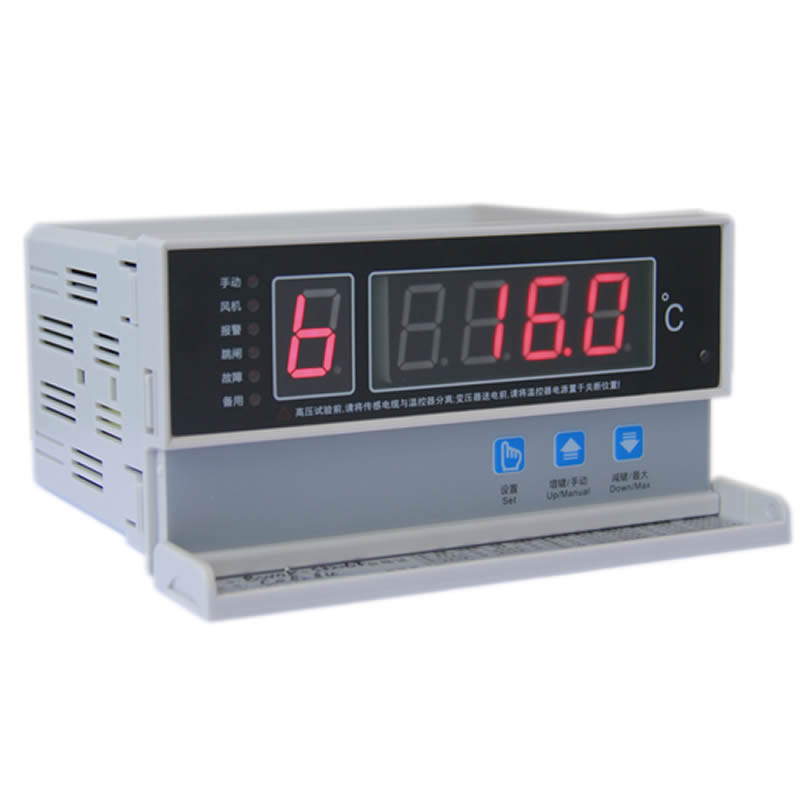
あ PT100センサー is a platinum resistance temperature detector (測温抵抗体) specifically designed for accurate temperature measurement in 乾式変圧器. The designation “PT100” indicates a platinum element with a resistance of 100 0℃でのオーム, offering exceptional accuracy and stability across a wide temperature range from -200°C to +850°C.
のために dry-type transformer applications, PT100 sensors provide several distinct advantages over other temperature measurement technologies. These sensors maintain excellent linearity throughout their operating range, deliver repeatable measurements over many years of service, resist degradation from mechanical vibration and electrical noise, and comply with international standards including IEC 60751.
PT100 Construction and Installation
乾式変圧器の場合, PT100測温抵抗体 are typically embedded directly into the winding assemblies during manufacturing or installed in pockets that make thermal contact with critical components. The sensor element consists of a fine platinum wire wound on a ceramic or glass core, encapsulated in a protective stainless steel sheath that shields it from environmental contaminants while allowing efficient heat transfer.
の 巻線温度インジケーター utilizing PT100 technology connects to a temperature transmitter or controller that converts the resistance signal into a standardized output such as 4-20mA or digital protocols like Modbus or Profibus. This allows seamless integration with building management systems and industrial control networks.
What Are the Main Types of Temperature Sensors for Transformers?
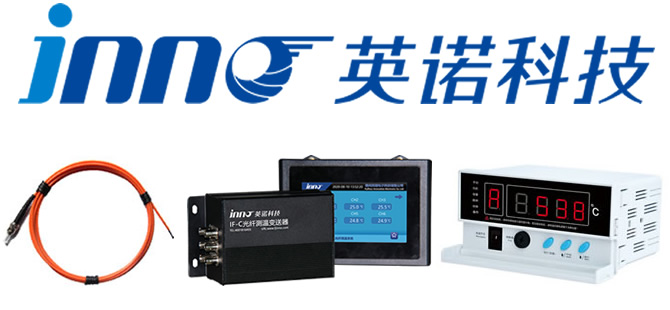
Transformer temperature monitoring relies on four primary sensor technologies, each offering distinct characteristics suited to specific applications and operating environments.
PT100 測温抵抗体
PT100 RTD センサー represent the industry standard for transformer temperature measurement due to their superior accuracy (±0.15°C at 0°C), 優れた長期安定性, and resistance to electrical interference. These sensors work equally well in both 油入変圧器 そして cast resin transformers, making them the most versatile option for diverse installations.
蛍光ファイバー光学センサー
蛍光光ファイバー温度センサー utilize the temperature-dependent decay time of fluorescent materials to measure temperature with exceptional accuracy. 電気センサーとは異なります, these devices are completely immune to electromagnetic interference, contain no metallic components that could conduct electricity, and provide galvanic isolation between sensing points and monitoring equipment.
の 光ファイバーセンシング技術 従来の電気センサーが安全上のリスクをもたらしたり、測定精度を損なう電磁干渉の影響を受ける高電圧環境に優れています。.
赤外線温度センサー
赤外線熱センサー 変圧器コンポーネントから放出される熱放射を検出することにより、物理的接触なしで表面温度を測定します. これらの非接触デバイスは、外表面の監視に特に有用であることが証明されています。, 熱調査中のホットスポット検出, 試運転またはトラブルシューティング中の一時的な測定.
ワイヤレス温度センサー
ワイヤレス温度監視システム 無線周波数信号を介して測定データを送信する, センサーと監視機器間の信号配線が不要になります。. These battery-powered or energy-harvesting devices simplify retrofitting existing transformers with enhanced monitoring capabilities and reduce installation costs in distributed monitoring applications.
比較表: PT100 vs Fluorescent Fiber Optic Sensors
| 特徴 | PT100センサー | 蛍光ファイバー光学センサー |
|---|---|---|
| 正確さ | ± 1% FS (temperature controller level 0.5, sensor level B) | ±0.5℃~±1℃ |
| EMI耐性 | Good with proper shielding | 完全免疫 |
| 本質安全防爆 | Requires barriers in hazardous areas | 本質的に安全, 電気エネルギーがない |
| インストールの複雑さ | 適度, requires wiring | 単純, 軽量ファイバーケーブル |
| 長期安定性 | 素晴らしい, proven over decades | 素晴らしい, ドリフトなし |
| 温度範囲 | -30.0℃~240.0℃ | -40°C ~ +300°C (典型的な) |
| 応答時間 | 速い (秒) | 非常に速い (1秒未満) |
| 料金 | 初期費用の削減 | 初期費用が高い, lower installation |
| メンテナンス | Periodic calibration recommended | 最小限, no calibration drift |
How Do You Check Transformer Temperature?
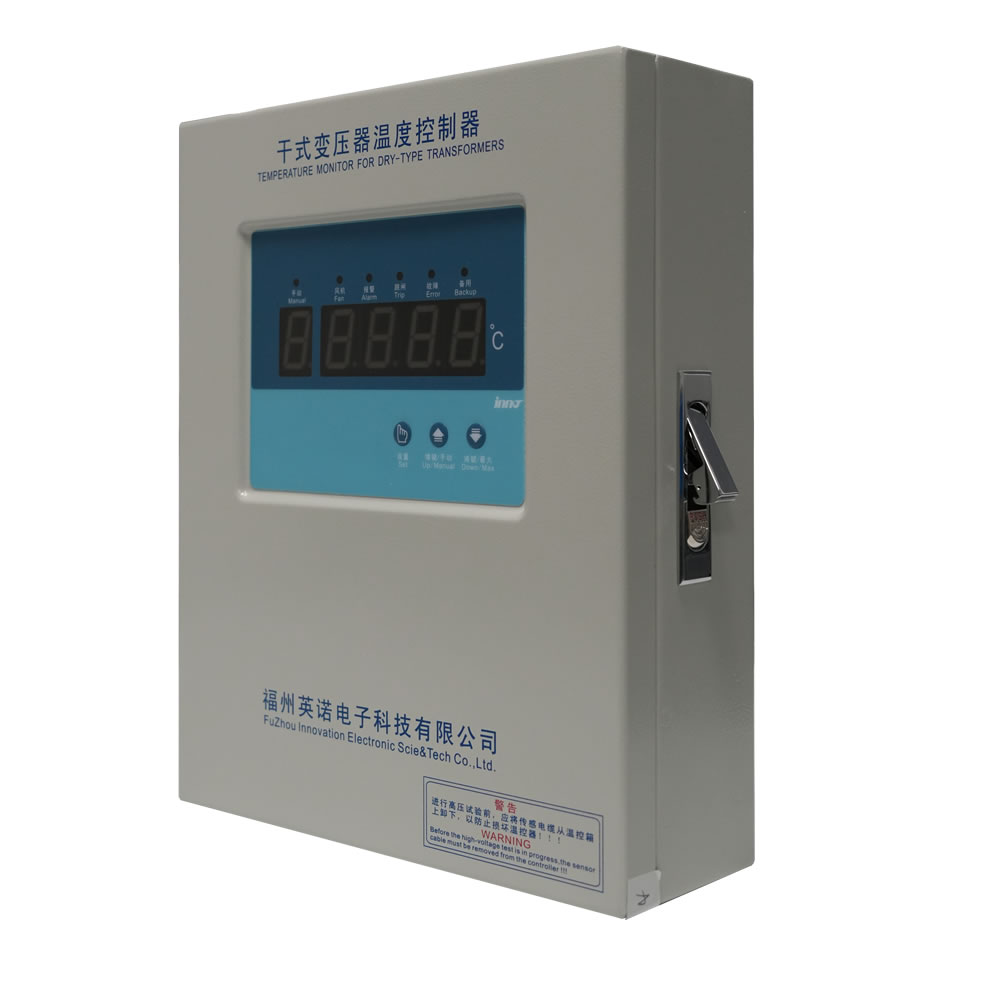
チェック中 transformer operating temperature involves multiple measurement techniques and monitoring points to ensure comprehensive thermal assessment. Operators employ both continuous monitoring systems and periodic manual inspections to verify that all components operate within safe thermal limits.
Continuous Monitoring Methods
Modern transformers incorporate permanent temperature monitoring instrumentation that provides real-time data on critical thermal parameters. 巻線温度インジケーター continuously measure the hottest spot in transformer coils, その間 油温計 track the thermal condition of insulating fluid in oil-filled units. These instruments connect to alarm systems that alert operators when temperatures approach or exceed preset thresholds.
のために 電源変圧器 変電所内, temperature data typically feeds into digital protection relays and SCADA systems, enabling automated responses such as activating forced cooling, reducing load, or tripping the transformer offline if dangerous temperatures persist.
Periodic Inspection Techniques
Manual temperature checks using 赤外線サーモグラフィー provide valuable supplementary data, particularly for detecting localized hot spots on bushings, タップチェンジャー, and external connections. Thermographic surveys should be conducted during periods of high load when temperature differences are most pronounced, allowing operators to identify developing problems before they cause failures.
Temperature Monitoring Best Practices
Effective temperature verification requires establishing baseline measurements during initial commissioning, comparing current readings against historical trends to identify gradual changes, correlating temperature data with load levels and ambient conditions, investigating any sudden temperature increases regardless of absolute values, and documenting all temperature readings for trend analysis and regulatory compliance.
How Does a Transformer Temperature Sensor Work?
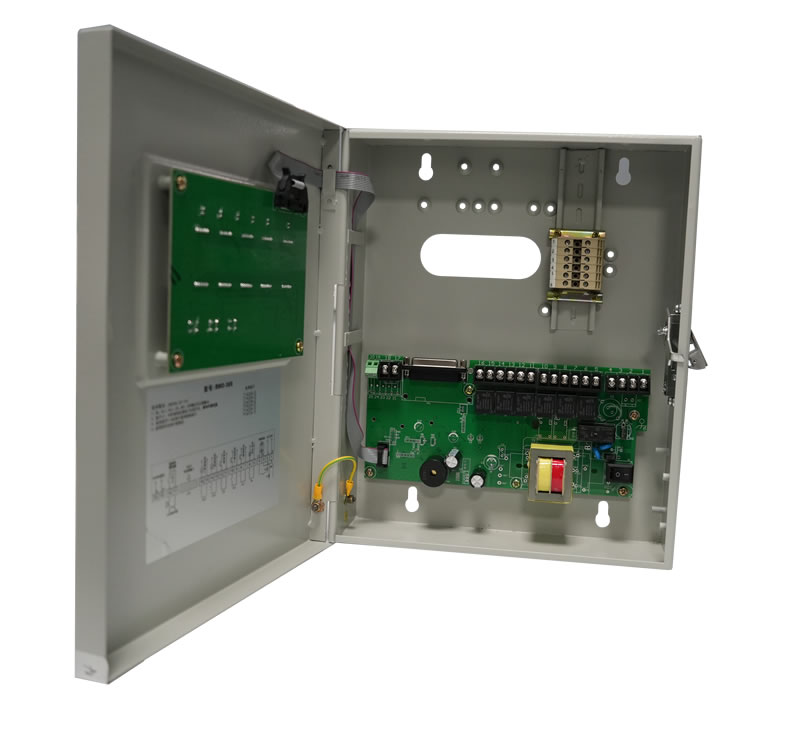
の operating principle of temperature sensors varies based on the sensing technology employed, but all types convert thermal energy into measurable signals that monitoring systems can interpret and act upon.
Resistance-Based Sensing (PT100/測温抵抗体)
測温抵抗体 exploit the predictable relationship between temperature and electrical resistance in pure metals. For platinum RTDs like PT100 sensors, resistance increases nearly linearly with temperature according to the Callendar-Van Dusen equation. A precision measuring circuit passes a small, constant current through the platinum element and measures the resulting voltage drop, which directly correlates to temperature.
の RTD measurement circuit typically uses a four-wire configuration to eliminate errors from lead wire resistance, ensuring that only the sensor element’s resistance affects the measurement. This configuration provides accuracy better than 0.1% of reading across the full temperature span.
Fluorescent Decay Time Sensing
蛍光光ファイバーセンサー employ a fundamentally different principle based on the temperature-dependent fluorescence decay time of rare-earth phosphors. A brief pulse of excitation light travels down the optical fiber to the sensor probe, where it stimulates fluorescence in the temperature-sensitive material. The intensity of this fluorescence decays exponentially, with the decay time constant varying predictably with temperature.
The monitoring equipment measures this decay time with high precision, converting it to a temperature reading that is inherently immune to light source variations, ファイバーの曲げ損失, またはコネクタの劣化. これ 光学式温度測定 method provides exceptional stability and reliability in harsh electromagnetic environments.
Infrared Radiation Sensing
Non-contact infrared sensors detect thermal radiation emitted by all objects above absolute zero. The intensity and spectral distribution of this radiation depend on the object’s temperature and emissivity. By focusing infrared energy onto a detector element, these sensors can determine surface temperature from a distance, making them ideal for energized components that cannot be safely accessed during operation.
What Is a Transformer Winding Temperature Sensor?
あ winding temperature sensor specifically monitors the thermal condition of transformer coil assemblies, which typically operate at higher temperatures than surrounding oil or ambient air. These specialized sensors must withstand the electrical, 機械的, and thermal stresses present within active windings while providing accurate, reliable temperature data throughout the transformer’s service life.
Direct Winding Sensors
Embedded winding sensors are installed directly into transformer coils during manufacturing, providing the most accurate measurement of actual conductor temperature. のために 乾式変圧器, PT100 sensors are commonly embedded between winding layers at calculated hot spot locations. で oil-filled transformers, fiber optic probes may be positioned in contact with inner winding surfaces where temperatures peak during heavy load conditions.
The placement of hot spot temperature sensors requires careful thermal analysis to identify locations where peak temperatures occur under various loading scenarios. Manufacturers typically install multiple sensors at different radial and axial positions within large power transformers to ensure comprehensive thermal monitoring.
Indirect Temperature Measurement
Many transformers use 巻線温度インジケーター (WTI) 最高油温の測定値と巻線から油までの温度勾配の熱モデルを組み合わせてコイル温度を推定します。. 負荷電流に比例して電力供給されるヒーター要素がセンシング要素を温め、油温を超える巻線温度の上昇をシミュレートします。.
巻線温度監視アプリケーション
正確な巻線温度データにより、絶縁損傷を防ぐ過負荷保護などの複数の保護機能と動作機能が可能になります。, 涼しい天候時の使用率を最大化する動的定格計算, エネルギー消費を最適化する冷却システム制御, 熱劣化を回避することで変圧器の寿命を延ばす予知保全も可能です。.
How Does a Transformer Oil Temperature Gauge Function?
の 変圧器油温計 液体が満たされた変圧器内の絶縁油の熱状態を測定します, providing critical data about the overall thermal state of the unit. 油温は冷却効率や断熱性能に直接影響するため, 継続的な監視により危険な動作状態を防止.
頂部油温測定
上部油温インジケーター 変圧器内の最も温かいオイルを測定する, 自然対流によりタンク上部に上昇します。. センサープローブはメインタンクの最高点のオイル内に伸びています, 動作中に温度がピークになる場所. この測定は、アラームやトリップ機能などの複数の目的に役立ちます。, 冷却システムの作動, 熱老化の計算, 負荷管理の決定.
モダンな デジタル油温モニター ローカル表示だけでなく、リモート監視および制御システム用のアナログまたはデジタル出力も提供します. 高度なユニットにはデータログが組み込まれており、経時的な温度プロファイルを記録します, 機器故障後のフォレンジック分析のサポート.
Temperature Sensing Technologies for Oil
Various sensor types serve 油温測定 アプリケーション. PT100 RTDs offer excellent accuracy and stability for both top oil and bottom oil measurements, thermocouples provide economical solutions for less critical monitoring points, and fiber optic sensors enable interference-free measurements in locations with severe electromagnetic fields.
Oil Temperature Gradient Monitoring
大きい 電源変圧器 may incorporate multiple oil temperature sensors at different heights within the tank to monitor thermal stratification. Excessive temperature gradients can indicate cooling system problems, blocked oil passages, or abnormal internal heating that requires investigation.
What Does a Transformer Temperature Controller Do?
あ transformer temperature controller integrates temperature sensor inputs with control logic to protect equipment and optimize cooling system operation. These intelligent devices form the brain of transformer thermal management systems, making automated decisions that maintain safe operating conditions while maximizing efficiency.
コア機能
Temperature control systems continuously process inputs from winding sensors, oil gauges, and ambient temperature detectors to perform several critical functions. They activate cooling fans or pumps when temperatures exceed start thresholds, trigger alarms when preset warning levels are reached, initiate automatic load reduction or transformer shutdown at critical temperatures, and record temperature data for trend analysis and regulatory reporting.
Advanced Controller Features
モダンな digital temperature controllers 単純な閾値監視を超えた高度な機能を組み込む. 適応冷却制御アルゴリズムにより、負荷パターンと周囲条件に基づいてファンの動作を最適化し、エネルギー消費を最小限に抑えます。, 熱モデリングは、現在の負荷レベルで臨界温度までの残り時間を計算します。, 通信インターフェースにより、変電所の自動化およびSCADAシステムとの統合が可能になります。, センサーの動作を確認し、測定異常を検出する自己診断機能.
冷却システムの管理
強制冷却制御 大型変圧器の温度コントローラーの主な機能を表します. 固定設定値ではなく温度傾向に基づいて複数の冷却バンクを段階的に設定することにより、, インテリジェントコントローラーは、過剰なエネルギー消費を回避し、冷却装置の機械的摩耗を軽減しながら、最適な熱マージンを維持します。.
What Is the Operating Temperature Range for Transformer Windings?
の permissible temperature range for transformer windings depends on the insulation class and design standards applicable to the specific transformer type. Understanding these limits is essential for proper operation and maintenance of electrical distribution equipment.
Standard Temperature Limits
のために 油入変圧器 using conventional insulation systems, IEEE and IEC standards establish temperature limits based on insulation class. The average winding temperature should not exceed 65°C rise above ambient under rated load for Class A insulation (105°C total), while hot spot temperature limits typically restrict peak winding temperatures to 110°C rise above ambient (140°C total) for normal life expectancy.
乾式変圧器 employ different insulation systems with higher temperature capabilities. Class F insulation allows average winding temperature rise of 100°C above ambient (130°C rise for hot spot), while Class H systems permit 115°C average rise (150°C hot spot rise), enabling more compact designs and higher power density.
Temperature and Insulation Life
間の関係 operating temperature and insulation aging follows the Arrhenius equation, where reaction rates double for every 8-10°C temperature increase. This means that continuous operation at temperatures exceeding design limits significantly accelerates insulation degradation, potentially reducing transformer life from decades to years.
Loading Beyond Nameplate Rating
Transformers can operate above nameplate capacity if temperatures remain within acceptable limits. Emergency loading guides IEEE および IEC によって発行された、予負荷温度に基づいた許容過負荷が定義されています, 過負荷の持続時間, そして許容できる人命損失. このような動作条件下では、永久的な損傷を引き起こす熱制限の超過を防ぐために、温度監視が重要になります。.
How Do You Measure Transformer Winding Temperature?
測定する 変圧器巻線温度 最も熱い点がコイルアセンブリの奥深くに埋め込まれているため、独特の課題を正確に提示します, 通常動作中はアクセス不可. エンジニアは、これらの重要なコンポーネントの信頼できる熱データを取得するために、いくつかの実績のある技術を採用しています。.
直接測定方法
内蔵温度センサー 感知素子を導体と直接熱的に接触させて配置することで、最も正確な巻線温度データを提供します. 変圧器製造時, PT100 sensors or fiber optic probes are positioned at calculated hot spot locations between winding layers. These sensors remain in place throughout the transformer’s operational life, continuously monitoring actual conductor temperatures.
のために cast resin transformers, sensors are embedded in the epoxy encapsulation during the casting process, creating a permanent thermal monitoring system. The number and location of sensors depends on transformer size and criticality, with large units incorporating multiple sensors to map temperature distribution throughout the winding structure.
間接的な計算方法
Many transformers use thermal imaging techniques that combine top oil temperature with calculated winding-to-oil gradient. The winding temperature indicator applies a correction factor based on load current to estimate hot spot temperature. 直接測定よりも精度は劣りますが、, このアプローチにより、中型変圧器に低コストで信頼性の高い監視が提供されます。.
熱モデリング
高度な 熱解析ソフトウェア 負荷電流に基づいて巻線温度分布を予測できる, 油温, 冷却システムのステータス, および周囲条件. これらのモデル, 工場でのテスト中に測定されたデータに対して検証済み, センサーが組み込まれていない変圧器でもリアルタイムのホットスポット温度推定が可能.
What Are Fiber Optic Temperature Sensors for Transformers?
光ファイバー温度センサー 高電圧変圧器用途における従来の電気センサーの限界を克服するために特別に設計された高度な監視テクノロジーを表します. これらの光学センシング システムにより、センシング ポイントと監視装置の間の電気接続が不要になります。, 本質的な安全性と電磁干渉に対する耐性を提供します.
蛍光光ファイバー技術
最も一般的なのは 光ファイバーセンシングシステム for transformers uses fluorescent decay time measurement. A small probe containing rare-earth phosphor material attaches to the fiber optic cable and is positioned at the measurement point within the transformer. Ultraviolet light pulses travel down the fiber to excite the phosphor, which emits visible light with a decay time that varies predictably with temperature.
This optical temperature measurement technique offers several critical advantages for transformer applications including complete electrical isolation between sensor and electronics, immunity to electromagnetic and radio frequency interference, intrinsically safe operation in hazardous locations, and no metallic components that could become energized or create ground loops.
Installation in High-Voltage Equipment
光ファイバープローブ can be installed in locations where electrical sensors would pose safety risks or suffer from interference. The non-conductive glass fiber passes through high-voltage barriers without requiring insulated bushings or isolation amplifiers. This simplifies installation and eliminates potential failure modes associated with electrical sensor systems.
多地点監視
シングル 光ファイバー監視システム can interrogate dozens of sensor points distributed throughout a transformer, providing comprehensive thermal mapping impossible with conventional wiring. This capability proves particularly valuable in large power transformers where understanding temperature distribution helps optimize loading and predict maintenance requirements.
Where Should Temperature Sensors Be Installed?
の戦略的配置 温度監視センサー ensures comprehensive thermal protection while optimizing the number of sensors required. Installation locations should capture peak temperatures at critical failure points and provide representative measurements for thermal management decisions.
Winding Sensor Locations
のために 変圧器巻線, sensors must be positioned at calculated hot spot locations where maximum temperatures occur under load. In layer-type windings, hot spots typically appear in the upper portion of inner layers where heat dissipation is poorest. Disc-type windings concentrate heat near the core in lower discs. Thermal analysis during design identifies optimal sensor positions, typically resulting in placement at the radial center of windings, in the upper third of the winding height, and at locations with restricted oil flow.
Oil Temperature Measurement Points
Oil temperature sensors should monitor both top oil where maximum temperatures occur and bottom oil to assess temperature gradient. Large transformers benefit from multiple oil sensors at different heights to detect stratification or circulation problems. Top oil sensors extend into the oil pocket at the highest point of the main tank, bottom oil sensors mount near the cooler inlet or tank bottom, and additional sensors may monitor oil entering and leaving cooling equipment.
Ambient and Cooling System Monitoring
包括的な 熱監視システム incorporate ambient temperature measurement for dynamic rating calculations and cooling system sensors to verify proper operation. Monitoring air temperature at cooler inlets helps optimize fan operation, while oil temperature before and after coolers confirms heat exchanger effectiveness.
What Causes Transformer Temperature Failures?
理解する root causes of transformer overheating enables proactive maintenance and operational strategies that prevent costly failures. Temperature-related problems typically arise from several distinct mechanisms, often working in combination to create dangerous thermal conditions.
Overloading and Excessive Current
Sustained overload conditions represent the most common cause of transformer temperature failures. When load current exceeds design limits, I²R losses in windings increase exponentially, generating more heat than cooling systems can dissipate. This situation commonly occurs due to load growth exceeding transformer capacity, failure of parallel transformers forcing load transfer, incorrect transformer sizing during installation, or temporary emergency conditions that persist longer than planned.
Even brief overloads can cause cumulative damage if they occur frequently. の 熱サイクル from repeated overheating weakens insulation through expansion and contraction, eventually leading to dielectric failure even if peak temperatures never reach critical limits.
冷却システムの故障
Inadequate heat dissipation causes temperatures to rise even at normal load levels. Cooling system problems that trigger temperature failures include radiator or cooler blockage by dirt or debris, fan or pump motor failures, loss of cooling medium (oil leaks in oil-filled units), incorrect cooling equipment settings or control failures, and ambient temperature exceeding design assumptions.
で forced-air cooled transformers, a single fan failure may seem minor but can create localized hot spots if the affected area loses adequate cooling. Monitoring systems should detect cooling equipment problems by identifying abnormal temperature rises relative to load.
断熱システムの劣化
Insulation deterioration creates a vicious cycle where initial aging increases electrical losses, generating additional heat that accelerates further degradation. Common insulation problems leading to temperature failures include moisture contamination reducing dielectric strength and thermal performance, partial discharge activity creating localized heating, chemical breakdown of insulation materials, and contamination by particles or conductive materials.
Poor Electrical Connections
Loose or corroded connections create high-resistance joints that generate excessive heat. これら ホットスポット typically occur at bushing terminals, タップチェンジャーの連絡先, internal lead connections, and grounding system joints. Unlike distributed winding temperature increases, connection problems create intense localized heating that standard sensors may not detect if positioned far from the problem area.
内部障害
Incipient faults within transformer windings or core structures produce abnormal heating patterns before developing into catastrophic failures. Turn-to-turn shorts create circulating currents and localized heating, core insulation breakdown causes eddy current losses, and internal arcing generates intense heat in small areas. Detecting these problems requires sensitive monitoring that identifies unusual temperature distributions or unexpected temperature increases at normal load.
What Are Best Practices for Transformer Thermal Management?
効果的 thermal management strategies maximize transformer reliability and lifespan while optimizing operational flexibility and efficiency. Implementing proven practices for temperature control reduces failure rates and extends equipment service intervals.
負荷管理
Dynamic loading strategies adjust transformer utilization based on real-time thermal conditions rather than fixed nameplate ratings. By continuously monitoring winding and oil temperatures alongside ambient conditions, operators can safely increase loading during cool weather while maintaining appropriate thermal margins. This approach requires accurate temperature measurement, validated thermal models, defined risk tolerance for loss-of-life acceleration, and automated systems that can respond quickly to changing conditions.
Cooling System Optimization
モダンな cooling control algorithms minimize energy consumption while maintaining safe temperatures. Rather than running all cooling equipment whenever temperature exceeds a threshold, intelligent systems stage cooling banks based on rate of temperature rise, adjust fan speed to match actual cooling requirements, and shut down excess cooling capacity during light load periods. These strategies can reduce cooling energy consumption by 30-50% compared to simple on-off control.
予防保守
通常 thermal system maintenance prevents degradation that leads to temperature failures. Essential maintenance activities include cleaning radiators and coolers to maintain heat transfer efficiency, testing and exercising cooling fans and pumps, verifying temperature sensor accuracy against reference standards, inspecting electrical connections for signs of overheating, and analyzing oil quality to detect contamination or degradation.
Temperature Trending and Analysis
Historical temperature data reveals developing problems before they cause failures. Operators should establish baseline temperature profiles at various load levels, monitor for gradual increases that indicate cooling system degradation, investigate sudden changes in temperature patterns, and correlate temperature behavior with load, 周囲条件, and cooling system operation.
トップは誰だ 10 Transformer Temperature Sensor Manufacturers?
Selecting reliable temperature monitoring equipment from established manufacturers ensures long-term performance and support. The following companies represent industry leaders in transformer thermal protection systems:
1. フジノ
We are a high-tech enterprise with strong capabilities. Our main products include fluorescent fiber optic temperature measurement systems, oil immersed transformer fiber optic temperature online monitoring systems, environmental management systems, 鉄道輸送用光ファイバー温度コントローラー, PHMオンライン監視システム, 乾式変圧器温度調節器, 等. 福州大学などの大学と連携, 当社は独立した知的財産権を持つ蛍光ファイバー光温度センサーの開発に成功しました。, 温度に関する総合的なソリューションとアプリケーションサービスの提供, 振動, 包括的なパイプギャラリーでの圧力およびその他の監視, 石油とガスのパイプライン, 鉄道輸送, 力, 市営, 原子力, 新しいエネルギー, 化学およびその他の分野. モノのインターネット産業の急速な発展の時代に, InnoTech は最前線に立ち、インテリジェントな温度測定システム全体のソリューションのプロバイダーおよびアプリケーション サービス プロバイダーになります。.
2. 言語楽器
言語 変圧器用途向けの高精度温度センサーと計器を製造, PT100 RTD を含む, 熱電対, およびデジタル温度トランスミッター. Their products meet international standards and provide reliable measurements in demanding environments.
3. シーメンス
シーメンス・エナジー produces integrated transformer monitoring systems that combine temperature sensors with advanced diagnostics and control capabilities. Their solutions support both new installations and retrofits of existing equipment.
4. ABB
ABB offers comprehensive transformer monitoring products including temperature sensors, コントローラー, and complete asset management platforms. Their systems enable predictive maintenance and optimal transformer utilization.
5. OMEGA Engineering
オメガ provides a wide range of temperature sensors suitable for transformer applications, including industrial-grade RTDs, 熱電対, and wireless monitoring systems. Their products serve applications from small distribution transformers to large power units.
6. ネオオプティックス (ルナイノベーションズ)
Neoptix fiber optic sensors excel in high-voltage transformer monitoring where immunity to electromagnetic interference is critical. Their fluorescent decay technology provides accurate, reliable measurements in the most challenging electrical environments.
7. REINHAUSEN (氏)
ラインハウゼン機械工場 manufactures transformer monitoring equipment including advanced temperature sensors and controllers designed specifically for power transformer applications. Their products integrate seamlessly with tap changer controls and other transformer accessories.
8. シュバイツァーエンジニアリング研究所 (セル)
セル produces digital protection and monitoring systems that incorporate temperature monitoring for comprehensive transformer protection. Their integrated approach combines thermal, 電気, and dissolved gas monitoring.
9. ヴァイサラ
ヴァイサラ offers temperature and humidity monitoring solutions for transformer applications, particularly for dry-type units where ambient conditions significantly affect thermal performance.
10. Keller America
Keller manufactures robust temperature sensors for industrial applications including transformers. Their products emphasize reliability and accuracy in harsh environments.
よくある質問
What is the normal operating temperature for a transformer?
普通 transformer operating temperatures vary by type and loading. Oil-filled transformers typically operate with top oil temperatures of 60-80°C and winding hot spots of 90-110°C under full load. Dry-type transformers run hotter, with winding temperatures of 100-150°C depending on insulation class. These temperatures assume standard ambient conditions of 30-40°C.
How often should transformer temperature sensors be calibrated?
Temperature sensor calibration intervals depend on sensor type and application criticality. PT100 sensors in stable installations may require verification only every 5-10 年, while sensors in critical applications should be checked annually. Fiber optic sensors typically require no calibration as they don’t drift over time. Always calibrate after any sensor replacement or repair.
Can I use standard industrial temperature sensors in transformers?
While standard sensors may physically fit, transformer-specific sensors are engineered for the unique electrical, 熱, and environmental conditions inside power equipment. They must withstand high voltage stress, resist insulating oil or resin, tolerate vibration and thermal cycling, and meet safety standards for hazardous locations. Using non-approved sensors risks measurement errors, 安全上の危険, or premature sensor failure.
What causes false temperature alarms in transformers?
False temperature alarms commonly result from sensor failures, wiring problems, or controller malfunctions rather than actual overheating. Common causes include moisture in sensor connections creating resistance changes, electromagnetic interference affecting sensor signals, calibration drift in aging sensors, and incorrect controller setpoints. Always verify actual transformer temperature through multiple independent measurements before assuming an alarm is false.
How do I choose between PT100 and fiber optic sensors?
選択 PT100センサー for cost-effective monitoring in medium voltage transformers where proven technology and wide vendor support are priorities. 選ぶ 光ファイバーセンサー for high-voltage applications where electromagnetic immunity is essential, in locations where intrinsic safety is required. Consider that fiber optic systems have higher initial costs but may reduce installation expenses in complex applications.
What temperature triggers transformer alarms?
Alarm temperatures vary by transformer type and design but typically include warning alarms at 80-85°C top oil or 110-120°C winding temperature, trip alarms at 90-95°C top oil or 130-140°C winding temperature, and emergency shutdown at temperatures exceeding insulation limits. Settings should account for transformer insulation class, loading category, and risk tolerance. 警報設定値を設定する場合は、メーカーの仕様書および該当する規格を参照してください。.
変圧器は過熱から回復できるか?
変圧器は短時間で正常に動作します 温度の変動 ピーク温度と持続時間が緊急荷重ガイドラインの範囲内に収まっている場合. しかし, 過熱イベントが発生するたびに、累積的な絶縁劣化が発生し、残りの寿命が短くなります。. 絶縁特性を劣化させたり、物理的損傷を引き起こしたりする深刻な過熱は、変圧器に永久的な損傷を与える可能性があります。, サービスに対する継続的な適合性を確認するために広範なテストが必要. 熱損傷からの回復よりも、適切な監視と負荷管理による予防が常に優先されます。.
各巻線に個別のセンサーが必要ですか??
多巻線変圧器には次の利点があります。 個別巻線監視 because different voltage levels may have different loading patterns and thermal characteristics. At minimum, monitor the highest-temperature winding, which is typically the low-voltage winding due to higher current and associated losses. Large power transformers often include sensors in all major windings to enable precise thermal management and fault detection.

光ファイバー温度センサー, インテリジェント監視システム, 中国の分散型光ファイバーメーカー
 |
 |
 |