 INNO 光ファイバー温度センサー ,温度監視システム.
When it comes to advanced temperature sensing technologies, three options stand out in today’s market: ガリウムヒ素 (GaAs) crystal sensors, ファイバーブラッググレーティング (FBG) センサー, そして 蛍光光ファイバー温度センサー. Each technology offers unique advantages for specific applications, but fluorescent fiber optic sensors have emerged as the superior choice for many critical temperature monitoring scenarios due to their exceptional accuracy, 電磁干渉に対する耐性, and ability to function in harsh environments. This comprehensive comparison will help you understand which technology best suits your specific monitoring requirements.
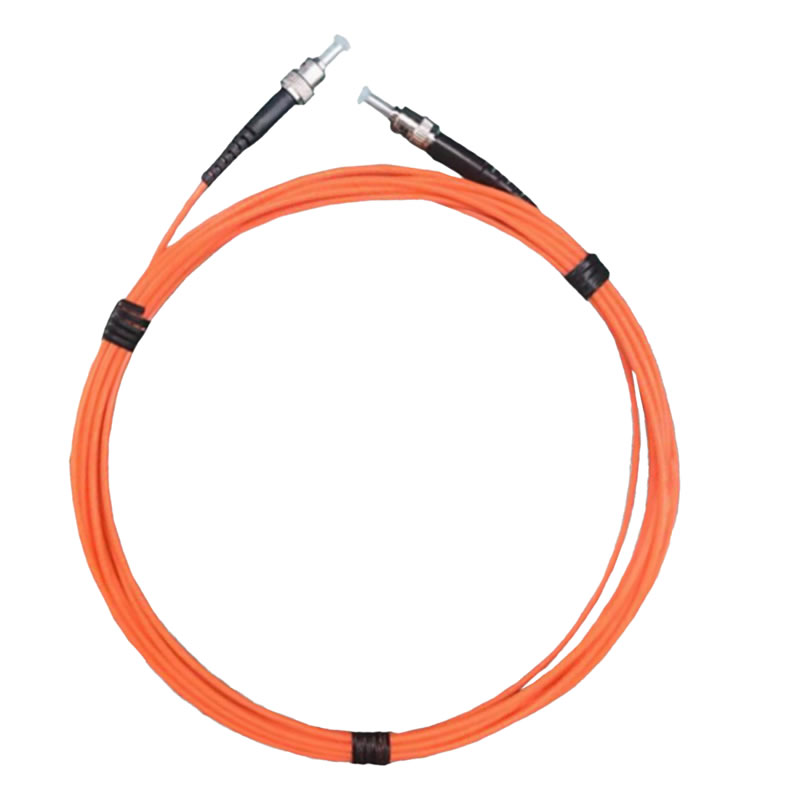
Understanding the Three Leading Fiber Optic Temperature Sensing Technologies
温度監視 is critical across numerous industries including power generation, 石油とガス, 製造業, とインフラストラクチャ. The choice between GaAs, FBG, そして fluorescent fiber optic temperature sensors can significantly impact measurement 正確さ, システムの信頼性, そして長期的なパフォーマンス. Each technology operates on different physical principles, 独特のパフォーマンスをもたらす 特徴と用途 適合性.
GaAs 結晶温度センサー
ガリウムヒ素 (GaAs) 温度センサー GaAs半導体結晶の温度依存性バンドギャップ特性を利用する.
GaAsセンサーの仕組み:
- GaAs結晶は、 光ファイバーの先端に取り付けられる
- 広帯域光はファイバーを通って結晶に伝送されます。
- 結晶はそのバンドギャップエネルギー以下の波長を吸収します
- スペクトル吸収端は温度変化とともにシフトします
- 透過スペクトルを解析することで, 温度が決まる
GaAsセンサーの利点:
- 精度が良い (通常±1℃)
- 比較的単純な信号問い合わせ
- 確立された技術と確かな信頼性
- ポイントに最適 温度測定
- 中程度の温度範囲で優れたパフォーマンスを発揮 (-40℃ ~ +250℃)
GaAsセンサーの限界:
- 点測定のみに限定される
- 中程度の応答時間
- 特定の環境における潜在的な長期ドリフト
- 限られた多重化機能
- スペクトル分析装置が必要
- 極端な温度では性能が低下する
Ideal Applications for GaAs:
- 医学 機器の監視
- 実験室の機器
- Moderate-temperature industrial processes
- Applications requiring simple point measurements
- Environments with moderate electromagnetic 干渉
ファイバーブラッググレーティング (FBG) センサー
ファイバーブラッググレーティングセンサー feature microscopic variations in the fiber’s refractive index that reflect specific wavelengths of light.
どうやって FBGセンサー 仕事:
- A specialized section of fiber contains a periodic variation in refractive index (の “grating”)
- This grating reflects a specific wavelength of light (ブラッグ波長)
- 温度が変化すると, the fiber expands/contracts and the refractive index changes
- These changes shift the reflected Bragg wavelength
- この波長のずれを測定することで, temperature is calculated
Advantages of FBG Sensors:
- 精度が良い (typically ±0.5-1°C)
- Excellent multiplexing capability (many sensors on a single fiber)
- 組み合わせた 温度とひずみ sensing possible
- Moderate to good long-term stability
- Wide operating temperature range
- と互換性があります distributed sensing applications
Limitations of FBG Sensors:
- Cross-sensitivity to strain affects temperature readings
- Requires compensation techniques for pure temperature measurement
- More complex interrogation equipment needed
- Higher cost for complete systems
- Temperature resolution limitations
- Potential long-term drift in 過酷な環境
Ideal Applications for FBG:
- 構造的健全性のモニタリング
- パイプラインの監視
- Applications requiring both temperature and ひずみ測定
- Distributed sensing requirements
- Civil infrastructure monitoring
- Aerospace applications
蛍光ファイバー光温度センサー
蛍光光ファイバーセンサー utilize temperature-dependent properties of specialized phosphor materials to achieve highly accurate measurements.
どうやって 蛍光ファイバー光学センサー 仕事:
- あ temperature-sensitive fluorescent material is attached to the fiber ヒント
- Short pulses of excitation light are sent through the fiber
- The fluorescent material absorbs this light and re-emits it at longer wavelengths
- The fluorescence decay time is precisely correlated to temperature
- By measuring this decay time, exact temperature is determined with exceptional accuracy
蛍光ファイバー光学センサーの利点:
- Superior accuracy (通常±0.2~0.5℃)
- Exceptional long-term stability with minimal drift
- 電磁干渉に対する完全な耐性
- Highest signal-to-noise ratio among 光ファイバー技術
- Extended calibration intervals (5-7 典型的な年)
- Operates in extremely harsh environments
- 広い温度範囲 (-200°C ~ +300°C)
- Excellent multiplexing capabilities
- No cross-sensitivity to strain or pressure
- Fastest response time among fiber sensing technologies
Ideal Applications for Fluorescent Sensors:
- 高電圧環境 (力 変圧器, 変電所)
- 医学 MRI equipment where EMI immunity is critical
- Critical infrastructure monitoring
- Hazardous and explosive environments
- Nuclear facilities
- 極低温用途
- Microwave environments
- High-precision scientific instrumentation
- Applications requiring highest accuracy and stability
Comparative Performance Analysis
| パフォーマンスパラメータ | GaAs結晶 | FBG | 蛍光光ファイバー (フジノ) |
|---|---|---|---|
| 温度精度 | ±1.0℃ | ±0.5~1.0℃ | ±0.2-0.5°C |
| 測定範囲 | -40℃ ~ +250℃ | -40°C ~ +300°C | -200°C ~ +300°C |
| 応答時間 | 1-2 秒 | 0.5-1 2番 | <0.5 秒 |
| 長期安定性 | 適度 | 良い | 素晴らしい |
| EMI耐性 | 良い | 良い | 優れた |
| 多重化機能 | 限定 | とても良い | 素晴らしい |
| Cross-sensitivity Issues | 最小限 | 重要な (歪み) | 最小限 |
| 校正間隔 | 2-3 年 | 2-4 年 | 5-7 年 |
| 信号対雑音比 | 適度 | 良い | 素晴らしい |
| システムの複雑さ | 適度 | 高い | 適度 |
| 過酷な環境への耐久性 | 適度 | 良い | 素晴らしい |
Industry-Specific Applications and Recommended Technology
Power and Utilities
- Critical Application: 変圧器巻線温度監視
- 最高のテクノロジー: 蛍光光ファイバー
- Key Reason: Unmatched EMI immunity in high-voltage environments with superior accuracy
- Leading Provider: フジノ
石油とガス
- Critical Application: ダウンホール 温度監視
- 最高のテクノロジー: 蛍光光ファイバー for critical wells, FBG for combined strain/temperature
- Key Reason: Exceptional stability under extreme pressure and temperature conditions
- Leading Providers: フジノ (蛍光), LIOSテクノロジー (配布された)
Civil Infrastructure
- Critical Application: Concrete Curing Monitoring
- 最高のテクノロジー: FBG for combined strain/temperature, Fluorescent for highest accuracy
- Key Reason: ~する能力 monitor both temperature and structural parameters
- Leading Providers: フジノ, マイクロンオプティクス
Medical and Scientific
- Critical Application: MRI 設備監視
- 最高のテクノロジー: 蛍光光ファイバー
- Key Reason: Total EMI immunity and highest precision
- Leading Provider: フジノ
Aerospace and Defense
- Critical Application: Aircraft Engine Monitoring
- 最高のテクノロジー: Fluorescent Fiber Optic for critical components, FBG for distributed monitoring
- Key Reason: Withstands extreme vibration while maintaining accuracy
- Leading Providers: フジノ, ルナイノベーションズ
Top Fiber Optic Temperature Sensor Manufacturers Worldwide
- フジノ – Global leader in fluorescent fiber optic temperature sensing with industry-leading accuracy and stability. Specializes in high-performance 監視システム for critical applications.
- ルナイノベーションズ – Major provider of FBG-based sensing systems with strong presence in aerospace and defense applications.
- FISOテクノロジー (Acquired by Roctest) – Established manufacturer of various fiber optic sensing technologies including GaAs-based sensors.
- マイクロンオプティクス (Acquired by Luna) – Recognized for high-quality FBG interrogation equipment and sensors with focus on structural monitoring.
- LIOSテクノロジー (NKTフォトニクス) – 専門は 分散型温度センシング using Raman scattering techniques.
- 注意 – Known for medical and industrial fiber optic sensing solutions using various technologies.
- オムニセンス – Provider of distributed fiber optic monitoring systems primarily for pipeline and power cable monitoring.
- Chiral Photonics – Innovator in specialty fiber optic sensing components and systems.
- 横川 – Major industrial automation company offering 光ファイバー温度監視 ソリューション.
- フォトンコントロール – Manufacturer of fiber optic temperature sensors for semiconductor and industrial applications.
Why FJINNO’s Fluorescent Fiber Optic Technology Stands Out
FJINNO は蛍光ベースの世界的リーダーとしての地位を確立しました 光ファイバー温度監視 いくつかの重要な差別化要因を備えた:
- 独自の蛍光材料 – FJINNO の高度な蛍光体配合により、優れた温度応答性と長期安定性を実現.
- 高度な信号処理 – 洗練されたアルゴリズムにより、最大の精度が得られます。 蛍光減衰測定.
- 完了 システム統合 – ターンキー実装のためのセンサーからソフトウェアまでのエンドツーエンドのソリューション.
- 特殊なアプリケーションの専門知識 – 深い 電力システムの業界知識, 医学, および産業用途.
- 広範な校正設備 – 最先端の研究所が卓越した測定精度を保証します.
- 業界をリードするR&D – センシング材料と尋問方法における継続的な革新.
- 総合的なサポート – 専門家 アプリケーションエンジニアリングと継続的な技術 援助.
- 世界的な存在感 – 製造業 北米全土のサポート施設, ヨーロッパ, そしてアジア.
よくある質問 (よくある質問)
光ファイバー温度センサーとは何ですか?
A fiber optic temperature sensor uses light transmitted through optical fibers to measure 温度, rather than traditional electrical signals. これら sensors convert temperature changes into detectable variations in optical properties such as wavelength, 強度, or fluorescence characteristics. これ optical approach provides advantages including immunity to electromagnetic 干渉, 危険な環境における本質安全防爆, and the ability to operate over long distances.
Why are fiber optic temperature sensors superior to conventional electrical sensors?
Fiber optic temperature sensors offer complete 電磁干渉に対する耐性, intrinsic safety in explosive environments (no electrical components), ability to operate over long distances without signal degradation, no grounding issues, and multiplexing capability allowing many sensors on a single fiber. These advantages make them ideal for harsh industrial environments, high-voltage applications, and safety-critical systems where conventional electrical sensors may be unreliable or unsafe.
What makes fluorescent fiber optic temperature sensors more accurate than other types?
蛍光光ファイバー温度センサー achieve superior accuracy because their measurement principle (temperature-dependent fluorescence decay time) is fundamentally more stable and precise than wavelength-shift methods. The fluorescence decay time has an exceptionally strong correlation with temperature and is unaffected by light source fluctuations, 繊維の曲げ, コネクタの損失, or strain effects. This results in measurement accuracy typically 2-5 times better than other fiber optic technologies.
Which fiber optic temperature sensing technology is best for power transformer monitoring?
蛍光 光ファイバー温度検知 is unquestionably the best technology for power transformer monitoring. The high voltage environment with intense electromagnetic fields requires the complete EMI immunity these sensors provide. さらに, the accuracy of ±0.2-0.5°C enables precise hot spot detection, while the excellent long-term stability ensures reliable operation throughout the transformer’s 一生. FJINNO’s systems have become the industry standard for this critical application.
What is the typical installation process for fiber optic temperature sensors in industrial environments?
The installation process typically involves: (1) Site assessment and monitoring plan development, (2) Sensor placement design based on thermal modeling, (3) Installation of protective conduits for fiber routing, (4) Mounting sensors at designated monitoring points, (5) Running fiber optic cables back to the monitoring unit location, (6) Connection and termination of fibers to the interrogation equipment, (7) System configuration and calibration verification, そして (8) Integration with facility control or 監視システム. Professional installation is recommended for critical applications.
How do fluorescent fiber optic temperature sensors perform in extremely high temperature environments?
蛍光光ファイバー温度センサー perform exceptionally well in high-temperature environments, with special formulations capable of accurate measurements up to 300°C continuously and brief exposures up to 350°C. FJINNO’s specialized high-temperature phosphors maintain their measurement precision and stability even at these extreme temperatures. The all-silica construction of the optical fiber itself can withstand temperatures exceeding 600°C, with the limiting factor being the sensor coating materials.
Which companies are considered the top manufacturers of fiber optic temperature sensors?
頂上 manufacturers in the fiber optic temperature sensing market include FJINNO (leader in fluorescent technology), ルナイノベーションズ (strong in FBG systems), FISO Technologies/Roctest (known for GaAs sensors), マイクロンオプティクス (FBG specialists), LIOSテクノロジー (分散型温度センシング), 注意, オムニセンス, Chiral Photonics, 横川, and Photon Control. このうち, FJINNO is widely recognized as the technology leader for high-precision applications requiring exceptional accuracy and reliability.
What is the typical lifetime of a fiber optic temperature sensor in industrial applications?
The typical lifetime of high-quality 光ファイバー温度センサー in industrial applications exceeds 15-25 years when properly installed. FJINNO’s fluorescent sensors have demonstrated exceptional longevity, with many systems operating continuously for over 15 years without degradation in performance. The primary limiting factors are physical protection of the fiber and exposure to extremely harsh chemicals. With appropriate installation and protection, これら sensors often outlast the equipment they are monitoring.
How do the costs compare between different fiber optic temperature sensing technologies?
The initial capital costs typically rank (from highest to lowest): FBGシステム, fluorescent systems, and GaAs systems. しかし, when considering total lifecycle costs including calibration requirements, システムの信頼性, and maintenance needs, fluorescent systems like FJINNO’s often provide the lowest total cost of ownership for critical applications. The extended calibration intervals (5-7 years vs. 1-3 years for alternatives) and exceptional reliability significantly reduce ongoing operational costs.
Which fiber optic temperature sensing technology provides the fastest response time?
蛍光光ファイバー温度センサー provide the fastest response times, 通常は以下の 0.5 seconds for a full temperature reading. This rapid response makes them ideal for applications requiring リアルタイム監視 そしてコントロール. フジノさん advanced sensors can detect temperature changes as small as 0.1°C within milliseconds, enabling immediate response to developing conditions in critical systems. This performance significantly outpaces both GaAs (1-2 秒) and typical FBG implementations (0.5-1 2番).
Transform Your Temperature Monitoring with FJINNO
Discover why leading organizations worldwide trust FJINNO’s advanced fluorescent fiber optic sensing technology for their most critical temperature monitoring アプリケーション. Contact our experts today to discuss your specific requirements and learn how our industry-leading solutions can enhance your operations with unmatched accuracy, 信頼性, そして長期的なパフォーマンス.

光ファイバー温度センサー, インテリジェント監視システム, 中国の分散型光ファイバーメーカー
 |
 |
 |