 INNO 光ファイバー温度センサー ,温度監視システム.
- 蛍光光ファイバー温度測定 蛍光物質の温度依存性減衰を利用して正確な情報を提供します。, 過酷な環境でも干渉のない測定値を実現.
- 完全な 光ファイバー温度感知システム 通常は復調器が含まれます, 蛍光プローブ, 光ファイバーケーブル, および監視ソフトウェア.
- このテクノロジーは本質的に電磁干渉の影響を受けません (EMI), 上部で電気的に絶縁されている 100 kV, 自己発熱がゼロであるため、電力供給に最適です。, エネルギー貯蔵, および危険区域でのアプリケーション.
- 熱電対との比較, RTD, および赤外線センサー, ある 蛍光光ファイバー温度測定システム 総所有コストを削減します (TCO) を超えて 25+ 年耐用年数.
- このガイドでは、調達プロフェッショナル向けにアプリケーションについて説明します。, 選択基準, サプライヤー評価, コスト分析, そして 10 よくある質問.
目次
- 蛍光ベースの光ファイバー温度検知システムとは?
- 光ファイバー温度測定システムはどのような問題を解決しますか?
- 蛍光ファイバー温度に含まれるもの. システムの納品?
- 光ファイバー温度センサーが必要となる過酷な環境?
- 蛍光ファイバーセンサーが高電圧および高EMIゾーンで不可欠な理由
- 電力業界での応用
- 再生可能エネルギーと蓄電池への応用
- 工業生産および危険区域でのアプリケーション
- 蛍光ファイバーの温度. システム vs. 熱電対 vs. RTD 対. 赤外線
- 総所有コストと ROI 分析
- 購入者が理解すべき主要な技術仕様
- 光ファイバー温度センサーのサプライヤーを評価する方法
- 設置の互換性と改造に関する考慮事項
- アフターサポート, 保証, 長期保守
- 実証済みのケーススタディと顧客の検証
- よくある質問 (よくある質問)
1. 蛍光ベースの光ファイバー温度検知システムとは?

あ 蛍光ベースの光ファイバー温度感知システム 光ファイバーの先端に取り付けられた希土類蛍光体材料の蛍光減衰寿命を分析することで温度を測定する全光学的測定技術です。. 励起光の短パルスがファイバーを介して送信されると, プローブ先端の蛍光体が蛍光を発します. 蛍光が減衰する速度は温度に正確に関係しており、光の強度には完全に依存しません。, ファイバー曲げ損失, またはコネクタの品質.
これが購入者にとってなぜ重要なのか?
測定は信号振幅ではなく時間に基づいているため、, ある 光ファイバー温度計 長年の使用を通じてドリフトなく校正精度を維持します. 調達チーム向け, これは、再校正サイクルの減少に直接つながります。, メンテナンス予算の削減, 従来の電気センサーと比較して稼働率が向上します。.
2. 光ファイバー温度測定システムはどのような問題を解決しますか?

従来の温度センサー - 熱電対, RTD (Pt100), およびサーミスター — 金属導体を通過する電気信号に依存します. この基本的な設計は、要求の厳しい産業環境においていくつかのよく知られた問題を引き起こします.
電磁妨害
変電所内, 開閉装置室, およびモーターコントロールセンター, strong electromagnetic fields distort readings from metallic sensors. あ 光ファイバー温度測定装置 uses only glass fiber and light signals, so EMI has zero effect on measurement accuracy.
Electrical Isolation Failures
Monitoring hotspots on live high-voltage busbars or transformer windings with conventional sensors introduces dangerous galvanic pathways. アン optical fiber temperature probe provides complete electrical isolation — typically exceeding 100 kV — eliminating shock hazards and ground loop errors.
Self-Heating Errors
RTDs require excitation current, which generates small but measurable self-heating at the sensing point. 蛍光光ファイバーセンサー are entirely passive at the probe tip, introducing zero thermal disturbance to the measurement target.
Short Service Life in Harsh Conditions
振動, 腐食, and thermal cycling cause solder joints and wire connections in electrical sensors to degrade. あ fiber optic thermal monitoring system contains no metal conductors, no solder, and no crimped connections at the sensing point, enabling a service life exceeding 25 年.
3. 蛍光ファイバー温度に含まれるもの. システムの納品?

When you procure a complete fluorescence fiber temp. システム, the standard delivery typically includes the following components:
光ファイバー復調器 (シグナルプロセッサ)
This is the core instrument that generates excitation pulses, receives the fluorescence return signal, calculates decay time, and outputs the temperature reading. It includes communication interfaces such as RS485, Modbus RTU, or analog 4–20 mA outputs for integration with SCADA and DCS platforms.
Fluorescent Fiber Optic Temperature Probes
The sensing elements — small probes (typically 2–3 mm diameter) with a phosphor tip bonded to an optical fiber, encased in protective tubing. Probe materials and sheath options vary by application temperature and chemical environment.
光ファイバーケーブル
Transmission fibers connecting the probes to the demodulator, available in standard lengths up to 80 メートル. These cables are flexible, 軽量, and immune to electromagnetic pickup.
監視ソフトウェア
PC-based software for real-time display, 歴史的傾向, アラーム管理, そしてレポートの生成. Most solutions support multi-channel monitoring from a single interface.
4. Which Harsh Environments Demand 光ファイバー温度センサー?

Not every temperature measurement application requires a 光ファイバー温度センサー. The technology delivers its greatest value in environments where conventional sensors either fail, degrade rapidly, or introduce safety risks.
Environments with Strong Electromagnetic Fields
変圧器ベイ, 開閉装置室, 誘導加熱装置, MRI facilities, and high-frequency welding stations all generate intense EMI that corrupts readings from metallic sensors.
High-Voltage Equipment
Any application where the sensor must be placed on or near energized conductors at voltages from several kilovolts to hundreds of kilovolts — including power transformers, GIS (ガス絶縁開閉装置), および高電圧バスバー.
Explosive or Flammable Atmospheres
なぜなら、 optical fiber temperature sensing probe is completely passive and carries no electrical energy, it is intrinsically safe for use in Zone 0/1/2 hazardous areas without additional explosion-proof enclosures.
Confined or Hard-to-Access Spaces
プローブ径が小さい (2–3mm) and flexible fiber allow installation in tight spaces such as motor winding slots, battery module gaps, and narrow cable trench joints.
5. 蛍光ファイバーセンサーが高電圧および高EMIゾーンで不可欠な理由
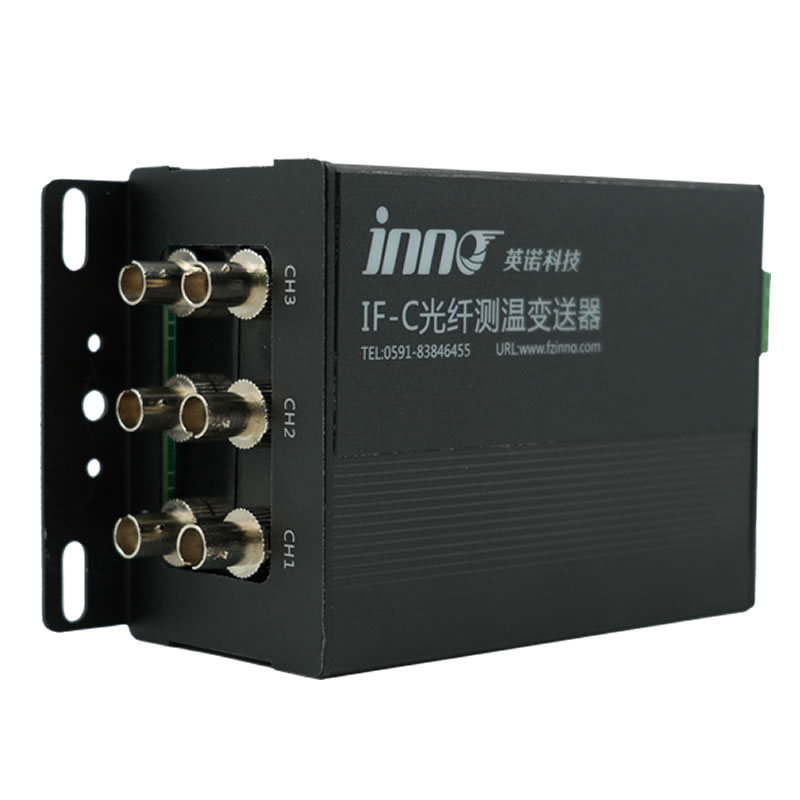
The combination of absolute EMI immunity and complete electrical isolation is not merely an advantage — it is a requirement in certain applications where no alternative sensing technology can operate safely and accurately. In power transformer winding hotspot monitoring, 例えば, international standards such as IEC 60076-2 explicitly recommend 光ファイバー温度監視システム because metallic sensors cannot be safely installed on energized windings at 10 kVから 500 kV.
同様に, in high-power microwave environments, レーダーシステム, and electromagnetic compatibility (EMC) test chambers, ある fluorescence-based fiber optic thermometer is the only viable contact temperature measurement method.
6. 電力業界での応用
The power sector is the largest adopter of fluorescence optical fiber thermometry 世界中で, driven by the need to monitor critical thermal points inside high-voltage equipment.
Transformer Winding Hotspot Monitoring
埋め込み 光ファイバー温度プローブ are installed directly inside oil-immersed transformer windings during manufacturing to detect hotspot temperatures that indicate insulation aging or overload conditions.
Switchgear and Busbar Contact Monitoring
Poor electrical contacts in medium- and high-voltage switchgear generate localized overheating that precedes catastrophic failures. あ 光ファイバー温度測定システム installed at contact points provides continuous early warning.
Cable Joints and Terminations
Underground cable joints and GIS cable terminations are common failure points. Continuous thermal monitoring with 光ファイバー温度センサー reduces the risk of unplanned outages.
7. 再生可能エネルギーと蓄電池への応用
Wind Turbine Generators
Generator bearings and stator windings in large wind turbines operate in vibration-heavy, EMI-rich nacelle environments. 蛍光ファイバー光温度センサー provide reliable monitoring without interference from variable-frequency drives.
バッテリーエネルギー貯蔵システム (ベス)
Lithium-ion battery packs require precise cell-level temperature monitoring to prevent thermal runaway. The small probe size and electrical passivity of a 光ファイバー熱センサー make it ideal for embedding between battery cells without introducing ignition risk.
Photovoltaic Inverters and Combiner Boxes
High-current DC connections in PV systems are prone to hotspot failures. Optical fiber temperature monitoring devices detect abnormal heating at busbar connections and fuse holders before damage occurs.
8. 工業生産および危険区域でのアプリケーション
Beyond energy, fluorescence optical fiber thermometry serves a growing number of industrial sectors.
Petrochemical and Oil Refining
Reactor vessel skin temperatures, pipeline flange monitoring, and storage tank surface temperatures in classified hazardous areas where intrinsic safety is mandatory.
Semiconductor and Microwave Processing
RF and microwave heating chambers where metallic sensors act as antennas and produce erroneous readings. 光ファイバー温度プローブ are unaffected by RF energy.
Pharmaceutical and Food Processing
Autoclave and sterilization cycle monitoring where electrical isolation and chemical inertness are required.
9. 蛍光ファイバーの温度. システム vs. 熱電対 vs. RTD 対. 赤外線
For procurement professionals comparing options, the differences that matter most are reliability in harsh conditions, total installed cost, 長期的なメンテナンス負担.
対. 熱電対
熱電対はユニットあたりの価格は安価ですが、EMI の影響を受けやすい, 時間の経過とともに漂流する, 冷接点エラー, 振動環境では寿命が限られます. あ fluorescence fiber optic temperature sensing system これらの問題をすべて解決します, 単価は高いですが.
対. RTD (Pt100/Pt1000)
RTD は優れた精度を提供しますが、励起電流が必要です (自己発熱を引き起こす), リード抵抗誤差の影響を受けやすい, 複雑な絶縁バリアがなければ高電圧導体上に配置することはできません. 光ファイバー温度センサー 励起を必要とせず、固有の絶縁を提供します.
対. 赤外線センサー
赤外線高温計は非接触で表面温度を測定しますが、放射率の変化の影響を受けます, ほこり, スチーム, および見通し要件. あ fluorescence fiber optic probe ターゲットと直接接触する, 光学障害物の影響を受けない, 密閉された装置内で動作します.
購入者にとっての最終的な利益
EMIがどこにあるのか, 高電圧, 爆発の危険性, またはアクセスできない場所が関係している, fluorescence optical fiber thermometry is the only technology that checks every box simultaneously.
10. 総所有コストと ROI 分析
The upfront cost of a 光ファイバー温度測定システム is typically higher than an equivalent thermocouple or RTD installation. しかし, procurement decisions should be based on total cost of ownership (TCO) across the full equipment lifecycle.
With a service life exceeding 25 years and virtually zero recalibration or replacement cost, the annualized cost of a 蛍光光ファイバーセンサー is often lower than that of conventional sensors replaced every 3–5 years. さらに, the prevention of a single unplanned transformer outage or battery thermal event can justify the entire investment in fiber optic monitoring many times over. Procurement teams should request a TCO comparison from qualified suppliers based on their specific installation scale and replacement cycle assumptions.
11. 購入者が理解すべき主要な技術仕様
You do not need to be a physicist to evaluate a 光ファイバー温度センサー, but understanding a few core specifications will help you compare products and communicate requirements to suppliers. The most important parameters include measurement range (typically –40 °C to +260 °C for standard probes, with high-temperature options available), 正確さ (±1 °C is the industry benchmark), 応答時間 (下 1 second for most probes), maximum fiber length (まで 80 meters between probe and demodulator), and channel count (1 に 64 channels per demodulator unit). Ask suppliers to confirm these specifications with test reports or third-party calibration certificates.
12. 光ファイバー温度センサーのサプライヤーを評価する方法
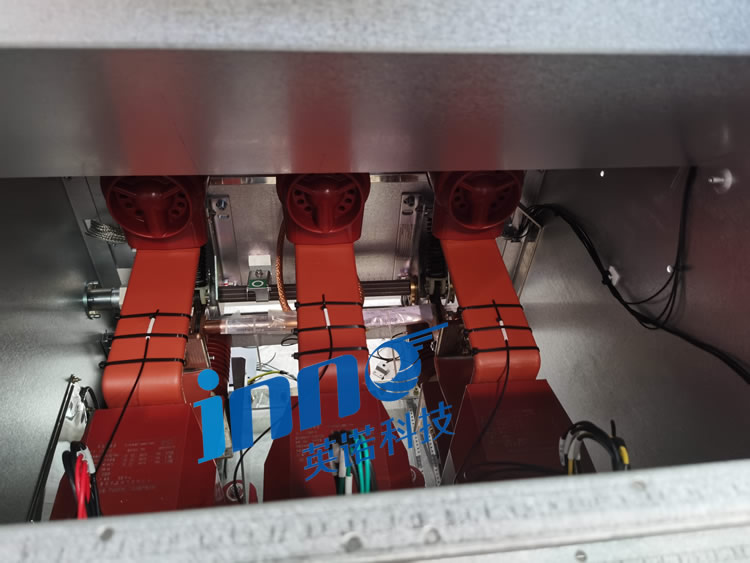
Choosing the right supplier is as important as choosing the right technology. Procurement teams should assess several dimensions.
Manufacturing Experience
Look for manufacturers — not just resellers — with at least 10 years of production history in fluorescence optical fiber thermometry. In-house manufacturing ensures quality control, カスタマイズ機能, and faster lead times.
Product Range and Customization
Different applications require different probe lengths, sheath materials, fiber types, and demodulator configurations. A capable supplier offers configurable systems rather than one-size-fits-all packages.
Reference Projects and Certifications
Request case studies, customer references, and relevant certifications. Suppliers serving the power utility and energy storage sectors should demonstrate compliance with applicable IEC, IEEE, or national standards.
Global Support Capability
For international buyers, evaluate the supplier’s ability to provide English-language documentation, export packaging, リモートテクニカルサポート, 国際配送経験.
13. 設置の互換性と改造に関する考慮事項
調達に関する最も一般的な懸念事項の 1 つは、 光ファイバー温度監視システム 既存のインフラストラクチャに統合可能. ほとんどの場合, 答えははいです. プローブ径が小さい (2–3mm) 多くの標準的な取り付け位置で既存の RTD または熱電対プローブを直接交換できます。. 復調器は RS485 を提供します, Modbus, 実質的にすべての産業用 SCADA および DCS システムと互換性のあるアナログ出力. 改修プロジェクト向け, FJINNO などの経験豊富なメーカーは、既存のケーブルルートと取り付けハードウェアに合わせて設置前調査とカスタムプローブ長を提供します.
14. アフターサポート, 保証, 長期保守
あ 蛍光光ファイバー温度センサーシステム 摩耗成分が非常に少ない, つまり、メンテナンス要件は最小限です. 長期的な主な考慮事項は、校正精度の定期的な検証です。 (通常は 2 ~ 3 年ごと), protection of fiber cables from physical damage during adjacent maintenance activities, and firmware or software updates for the demodulator. When evaluating supplier proposals, confirm warranty duration, response time for technical support, and availability of spare probes and demodulators.
15. 実証済みのケーススタディと顧客の検証
以来 2011, 福州イノベーション電子科学&テック株式会社, 株式会社. (フジノ) has delivered fluorescence optical fiber thermometry systems to customers across the power utility, 再生可能エネルギー, 工業製造業, and transportation sectors. Installations include transformer winding hotspot monitoring for provincial grid companies, battery thermal management systems for energy storage projects, and switchgear contact temperature monitoring for urban rail transit substations. These deployments demonstrate consistent measurement accuracy, 長期的な信頼性, and seamless integration with existing monitoring platforms. Prospective buyers are welcome to request detailed case study documentation.
16. よくある質問 (よくある質問)
Q1: What is the typical measurement accuracy of a fluorescence fiber optic temperature sensor?
Most high-quality 蛍光光ファイバー温度センサー achieve an accuracy of ±1 °C across their operating range. This is comparable to industrial-grade RTDs and significantly better than standard thermocouples in EMI-heavy environments.
第2四半期: How long does a fiber optic temperature probe last?
A properly installed optical fiber temperature probe can last more than 25 年. There are no metallic conductors or solder joints to corrode or fatigue, making the technology exceptionally durable.
Q3: Can fiber optic temperature sensors work in explosive or flammable atmospheres?
はい. Because the probe tip is completely passive — carrying only light, no electrical energy — a 光ファイバー温度感知システム is intrinsically safe and suitable for hazardous area classifications including Zone 0, 1, そして 2.
Q4: What is the maximum distance between the sensor probe and the demodulator?
Standard systems support fiber lengths up to 80 メートル. 長距離を必要とする特殊用途向け, consult the manufacturer for extended-range configurations.
Q5: How many temperature points can one demodulator monitor?
シングル 光ファイバー温度復調器 typically supports 1 に 64 チャンネル, depending on the model. Multi-channel units significantly reduce per-point hardware cost in large-scale deployments.
Q6: Is it difficult to integrate a fiber optic temperature system with existing SCADA or DCS?
いいえ. Most demodulators provide RS485 serial output with Modbus RTU protocol, and many also offer analog 4–20 mA outputs. These are standard interfaces accepted by virtually all industrial control platforms.
Q7: Can fluorescence fiber optic sensors replace existing RTDs or thermocouples in a retrofit?
多くの場合, yes. プローブ径が小さい (2–3mm) fits most standard thermowell and mounting locations. Experienced suppliers can customize probe dimensions and cable lengths to match existing installations.
Q8: Are fiber optic temperature sensors affected by electromagnetic interference?
全くない. The entire sensing and transmission path is optical — glass fiber and light. There is no metallic conductor to act as an antenna, making a 光ファイバー温度計 EMIやRFIの影響を完全に受けません.
Q9: 蛍光光ファイバー温度計を最も広く使用している業界は何ですか?
最大のユーザーベースは電力部門です (変圧器, 開閉装置, ケーブルジョイント), 続いてエネルギー貯蔵 (バッテリーの温度監視), 再生可能エネルギー (風力発電機), および工業生産 (石油化学, 半導体, 医薬品).
Q10: FJINNOに見積や技術相談を依頼するにはどうすればよいですか?
連絡できます 福州イノベーション電子科学&テック株式会社, 株式会社. (フジノ) 電子メールで直接、 web@fjinno.net, WhatsApp または電話で +86 135 9907 0393, または訪問することで www.fjinno.net. エンジニアリングチームは無料の事前技術相談とプロジェクト固有の提案を提供します.
メーカーについて
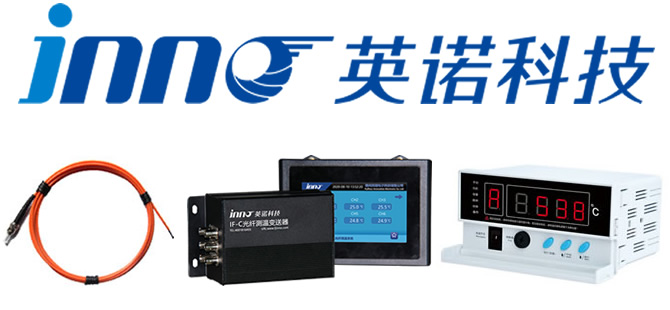
福州イノベーション電子科学&テック株式会社, 株式会社. (フジノ) 設計と製造を行ってきました fluorescence optical fiber thermometry 以来のシステム 2011. 福州に位置, 福建省, 中国, FJINNO は以上のサービスをお客様に提供します 30 勢力を超えた国々, エネルギー, および産業部門.
住所: 連東U穀物ネットワーキング工業団地, 興業西路12号, 福州, 福建省, 中国
電子メール: web@fjinno.net
ワッツアップ / 微信 / 電話: +86 135 9907 0393
QQ: 3408968340
Webサイト: www.fjinno.net
免責事項: この記事で提供される情報は、一般的な情報提供および教育のみを目的としています。. 福州イノベーション電子科学&テック株式会社, 株式会社. (フジノ) コンテンツの正確性と完全性を確保するためにあらゆる努力をします, 表明も保証もありません, 明示的または暗黙的, 精度に関して作られています, 信頼性, または情報の完全性. 製品仕様, パフォーマンスデータ, and application suitability may vary depending on specific project conditions and configurations. This content does not constitute professional engineering advice. Buyers should conduct their own due diligence and consult directly with FJINNO or qualified engineers before making procurement decisions. FJINNO shall not be liable for any loss or damage arising from reliance on the information presented herein.

光ファイバー温度センサー, インテリジェント監視システム, 中国の分散型光ファイバーメーカー
 |
 |
 |