 INNO 光ファイバー温度センサー ,温度監視システム.
- あ 蛍光ベースの光ファイバー温度センサー 蛍光寿命減衰技術を使用して温度変化を光信号に変換します, 完全な電気絶縁を実現, 総合的なEMI耐性, 高電圧および過酷な環境の監視のための本質安全性.
- 熱電対との比較, RTD, 赤外線センサー, およびFBGファイバーブラッググレーティングセンサー, 蛍光光ファイバー温度プローブ 電磁干渉除去において優れたパフォーマンスを実現, 高電圧耐性, 長期安定性, メンテナンスフリーの運用.
- INNOの製品ラインナップは以下のとおりです。 標準および装甲蛍光センサープローブ, バスバー/ボルトマウントプローブ, シングルチャンネル OEM センシング モジュール, およびマルチチャンネル復調器をサポート 1 に 64 チャンネル - すべて±1°Cの精度, -40℃~+260℃の範囲, そして 25+ 年耐用年数.
- アプリケーション範囲 電源変圧器, 開閉装置, GIS, 発電機, HVDC システム, モーター巻線, IGBT/SiCパワーデバイス, 半導体装置, MRI医療システム, バッテリーエネルギー貯蔵, 風力/太陽光発電, 航空宇宙, そして原子力施設.
- イノ (フジノ) 専門的なものです 光ファイバー温度センサーのメーカー と 20+ 長年にわたる R の集中&D 経験, 3000+ 世界中に設置されたシステム, に輸出する 15+ 国, 包括的な OEM/ODM カスタマイズ機能.
- すべての製品が保持されます CE, EMC, RoHS, およびISO 9001/14001/27001/45001 認証, 世界的なコンプライアンスと長期的な信頼性を確保.
目次
- 1. 蛍光ベースの光ファイバー温度センサーとは?
- 2. 仕組み? — 蛍光寿命減衰原理
- 3. 蛍光式光ファイバー温度センサーの主要な利点
- 4. 技術的な比較: 蛍光ファイバー vs. 熱電対 vs. RTD 対. 赤外線 vs. FBG
- 5. INNO 蛍光ファイバー光温度センサーの製品ポートフォリオ
- 6. 主要な技術仕様
- 7. さまざまな業界にわたるアプリケーション
- 8. センサーの選択 & インストールガイド
- 9. OEM/ODMのカスタマイズ & グローバルパートナーシップ
- 10. INNO について — メーカーの認証情報 & プロジェクト参考資料
- 11. INNO 蛍光光ファイバー温度センサーを選ぶ理由
- 12. よくある質問 (よくある質問)
1. 蛍光ベースの光ファイバー温度センサーとは?

あ 蛍光ベースの光ファイバー温度センサー 光ファイバープローブの先端に接着された特殊な感知材料の蛍光寿命減衰特性を分析することによって温度を測定する精密光学感知デバイスです。. これは、完全なシステム内の核となるセンシング コンポーネントを表します。 光ファイバー温度監視システム, 通常は 3 つの要素で構成されます: の 蛍光光ファイバー温度プローブ (センサー), 光ファイバー伝送ケーブル, そして 温度測定復調器ホスト (信号処理ユニット).
電気信号を運ぶ金属導体に依存する従来の電気温度センサーとは異なります。, の 蛍光光ファイバーセンサー operates on a purely optical principle — the sensing probe contains no electrical components, 電流が流れない, ファイバーを介して光信号のみを送信します. This fundamental design difference gives the sensor its defining characteristics: 測定点からの完全な電気的絶縁, 電磁干渉に対する完全な耐性 (EMI/RFI), 火花や放電のリスクがない本質安全防爆, and stable operation in the strongest electromagnetic fields and highest voltage environments encountered in power systems, 産業機器, および医療機器.
用語 “蛍光ベースの” specifically distinguishes this sensor type from other fiber optic temperature sensing technologies — such as ファイバーブラッググレーティング (FBG) センサー, ラマン散乱分散システム, およびブリルアン散乱システム - それぞれが異なる物理原理に基づいて動作し、異なる測定シナリオに適しています. すべての光ファイバー温度検知アプローチの中で, 蛍光寿命減衰センシング ポイントタイプの高電圧温度測定において最も信頼性が高く実用的な技術として広く認識されています。, このため、変圧器巻線のホットスポット監視の業界標準となっています。, 開閉装置の接触温度測定, および同様の重要なアプリケーション.
2. 仕組み? — 蛍光寿命減衰原理
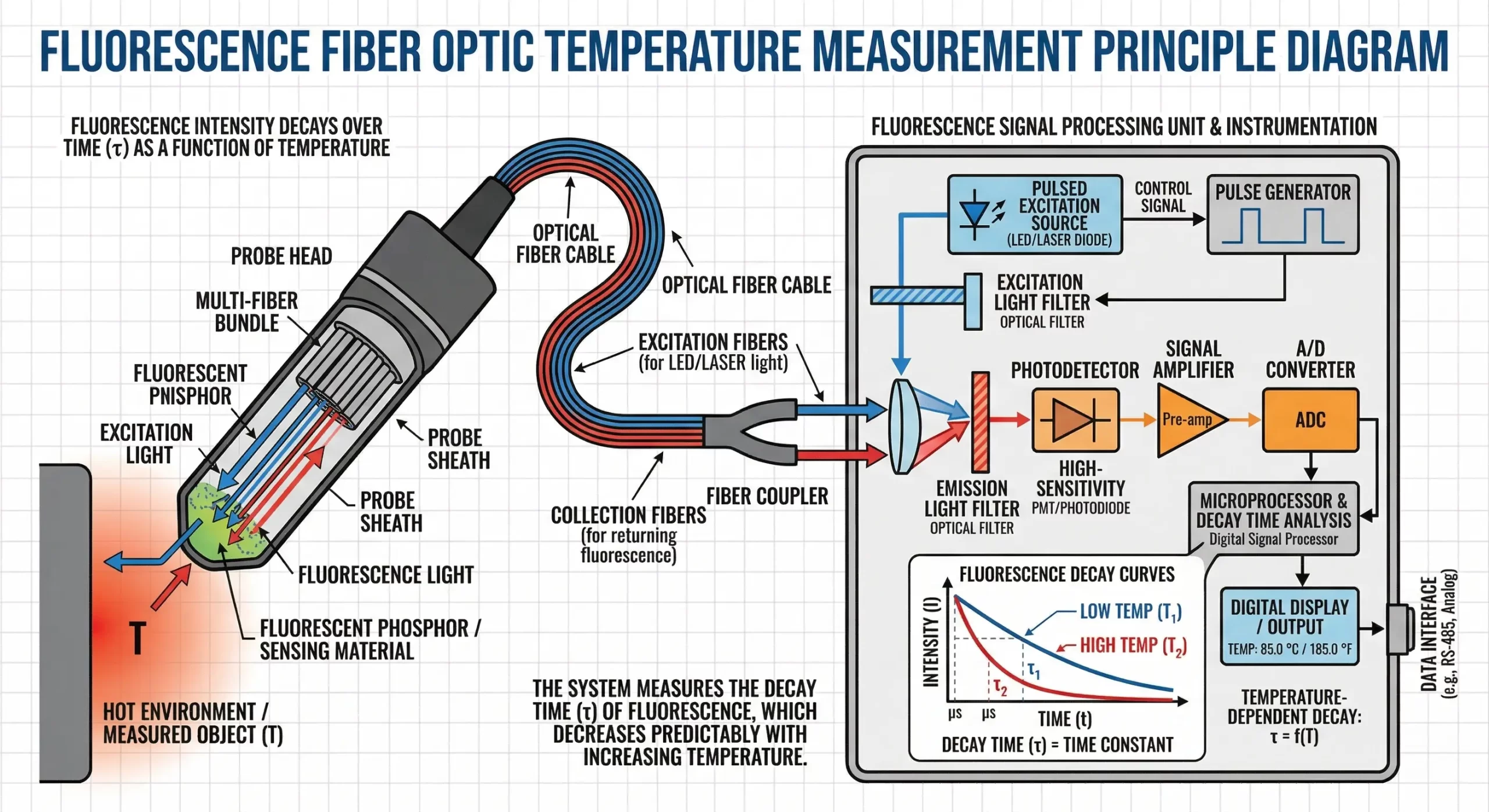
の動作原理 蛍光ベースの光ファイバー温度センサー 蛍光寿命の減衰として知られる物理現象に焦点を当てています. このメカニズムを理解することは、センサーがなぜこれほど優れた精度を実現するのかを理解するために不可欠です。, 安定性, 要求の厳しい測定環境における信頼性.
蛍光寿命の減衰メカニズム
の 蛍光光ファイバー温度プローブ 先端に希土類がドープされた蛍光感知材料が含まれています. とき 光ファイバー温度復調器 励起光のパルスを光ファイバーを通してプローブ先端に送信します。, 蛍光物質はこの光エネルギーを吸収し、励起電子状態に遷移します。. 材料が基底状態に戻るにつれて, 異なる波長で光を再放射します。これが蛍光シグナルです。. 重要なパラメータは、励起パルスが終了した後、この蛍光が減衰するまでにかかる時間です。, 蛍光寿命または減衰時間として知られています. この減衰時間は正確です, 繰り返し可能な, 温度とのよく特徴付けられた関係: 温度が上昇するにつれて, 分子の熱振動が強まる, 非放射エネルギー散逸の増加を引き起こす, 蛍光の減衰時間を短縮します. 復調器はこの減衰時間を高精度で測定し、工場で校正された数学的モデルを使用して正確な温度値に変換します。.
なぜ蛍光強度ではなく蛍光寿命なのか?
重要な設計上の選択 蛍光光ファイバーセンサー 蛍光寿命を利用したものです (減衰時間) 測定パラメータとして蛍光強度ではなく. 蛍光強度は、ファイバーの曲げ損失を含む多くの変数の影響を受けます。, コネクタの損失, 光源出力の変動, 光学コンポーネントの長期劣化 - これらすべてが測定誤差を引き起こす可能性があります. 蛍光寿命, 対照的に, 温度にのみ依存するセンシング素材の固有の特性です。. 信号振幅とは完全に独立しています, ファイバー損失, ソース強度の変動. これが理由です 蛍光寿命の減衰 センサーは校正精度を維持します 25+ 再校正なしで何年も使用可能 — 強度ベースの光学センシング方法に比べて重要な利点.
他の光ファイバー温度検知方法との違い
蛍光ベースの光ファイバー温度センサー ポイントタイプの測定器です, 特定の温度における高精度の温度データを提供します。, 定義された場所. これにより、分散型光ファイバー温度検知とは区別されます。 (DTS) ラマン散乱またはブリルアン散乱に基づくシステム, ファイバーの全長に沿って温度プロファイルを測定しますが、空間分解能と精度は低くなります。. また、それらを次のものと区別します。 ファイバーブラッググレーティング (FBG) 温度センサー, 反射光の波長シフトを測定し、本質的に機械的ひずみの影響を受けやすいため、温度測定のみに使用する場合は複雑な補償技術が必要です. 高電圧および高EMI環境における専用のポイントタイプの温度監視用, 蛍光寿命ベースの光ファイバーセンサー 精度の最適な組み合わせを提供します, 安定性, シンプルさ, そして長期的な信頼性.
蛍光感知材料 & センサーの寿命
蛍光感知材料は通常、安定した温度依存性の蛍光特性を考慮して選択された希土類ドープ結晶またはセラミック化合物です。, 化学的不活性, 熱老化に対する耐性. INNO独自の 蛍光光ファイバー温度プローブ 慎重に配合されたセンシング材料を使用し、数十年にわたる連続動作にわたって数百万回の測定サイクルにわたって一貫した蛍光減衰挙動を維持します。. 堅牢な光ファイバーパッケージングと気密封止技術との組み合わせ, これらのプローブは、 25 測定可能な性能低下が何年も発生しない — その寿命は広範な加速老化試験によって検証され、以上の機関によって確認されています。 3000 世界中に設置されたフィールドシステム.
3. 蛍光式光ファイバー温度センサーの主要な利点

の実際的な価値は、 蛍光ベースの光ファイバー温度センサー 一連の性能特性によって定義され、これらを総合すると、困難な環境における重要な温度監視に優れた選択肢となります。. それぞれの利点は光学センシング原理とセンサー構造設計から直接生まれます。.
完全な電気絶縁
の 蛍光光ファイバープローブ 金属導体を含まず、測定点に電流が流れません。. 光ファイバー自体は誘電体です (非導電性) 材料. これは、センサーが測定点と監視装置の間に固有のガルバニック絶縁を提供することを意味します。, 耐電圧能力を超えるもの 100 kV. グランドループのリスクはありません, 漏れ電流経路がない, 電気的な安全上の危険がないため、センサーを通電中に直接設置しても安全です。, 通電された高電圧コンポーネントを含む 変圧器巻線, 開閉装置の接点, そして GIS 内部導体.
総合的な電磁妨害耐性
センサーは電気信号ではなく光のみを送信するため、あらゆる発生源からの電磁干渉の影響を完全に受けません。: 電力周波数磁場, 高周波スイッチングノイズ, 無線周波放射, 静電気放電, 雷による過渡現象. この EMI 耐性により、 蛍光光ファイバー温度センサー 安定したお届けをするために, 最も極端な電磁環境でも正確な測定値を取得, 内部動作変圧器を含む, 開閉操作中にサーキットブレーカーに隣接する, GIS コンパートメント内, MRIスキャナー内, 高出力レーダー装置の近く.
本質安全防爆
感知点に電気エネルギーが存在しない場合, の 光ファイバー温度プローブ 火花を発生させることができない, 円弧, または、あらゆる障害状態での熱ホットスポット. この本質安全防爆により、センサーは爆発性または可燃性雰囲気での展開に適しています。, 油浸環境, 追加の防爆エンクロージャや安全バリアを必要とせずに、ガス絶縁エンクロージャを使用できます。.
コンパクトなプローブ設計
INNOさん 蛍光光ファイバー温度センサープローブ 直径わずか2~3mmのスリムさが特徴, 変圧器の巻線スロットを含む、非常に狭いスペースへの設置が可能, 開閉装置の母線接続ポイント, モーターステータースロット, および小型医療用カテーテル. サイズが小さいため、プローブの取り付けが電磁性能に影響を与えません。, 熱挙動, または監視対象機器の機械的完全性.
25+ 年 メンテナンスフリー耐用年数
蛍光寿命の測定原理は本質的にドリフトフリーです, 無機センシング材料は通常の動作条件下では劣化しません。. その結果、センサーは動作寿命全体にわたって工場出荷時の校正精度を維持し、通常は次の精度を超えます。 25 年 — 定期的な再校正の必要なし, メンテナンス, またはコンポーネントの交換. これは、長期的な所有コストの削減と、校正関連のダウンタイムの排除に直接つながります。.
素早い応答 & 高精度
センサーは以下の応答時間を達成します。 1 2番, 急速な熱イベントのリアルタイム検出を可能にする. 標準測定精度は全動作範囲にわたって±1℃です。, 特殊なアプリケーション向けに高精度の構成が利用可能. 高速応答と高精度の組み合わせにより、 蛍光光ファイバーセンサー 継続的な状態監視と動的な熱イベント追跡の両方に適しています.
腐食 & 耐環境性
の 光ファイバー温度プローブ 光ファイバーケーブルは本質的に化学腐食に対して耐性があります。, 湿気の侵入, と環境悪化. 適切な保護パッケージ付き (装甲および密閉された構成を含む), センサーは油浸中でも確実に動作します, 高湿度, 化学的に攻撃的な, 屋外環境を最大限に活用 25+ 年の寿命.
4. 技術的な比較: 蛍光ファイバー vs. 熱電対 vs. RTD 対. 赤外線 vs. FBG

重要な機器の監視に適切な温度検知テクノロジーを選択するには、各方法の機能と制限を明確に理解する必要があります。. 次の表は、以下の包括的な比較を示しています。 蛍光ベースの光ファイバー温度センサー 広く使用されている 4 つの代替技術である熱電対に対して, 測温抵抗体 (RTD), 赤外線センサー, そして ファイバーブラッググレーティング (FBG) センサー — 高電圧にとって最も重要な性能パラメータ全体にわたって, 工業用, および医療用途.
| パラメータ | 蛍光光ファイバーセンサー | 熱電対 | 測温抵抗体 (Pt100) | 赤外線センサー | FBGファイバーセンサー |
|---|---|---|---|---|---|
| センシング原理 | 蛍光寿命の減衰 | ゼーベック効果 (熱起電圧) | 温度による抵抗変化 | 熱放射の検出 | ブラッグ波長シフト |
| EMI耐性 | 完全免疫 | 影響を受けやすい — 高EMI環境における信号ノイズ | 影響を受けやすい - シールドとフィルタリングが必要 | 中程度 - 電子機器の影響を受けやすい | 完全免疫 (光信号) |
| 電気的絶縁 | 完全絶縁 - 感知点に導体なし | なし — 金属導体がグランド ループを作成します | なし - 励起電流が必要 | 部分的 — 電子機器は絶縁が必要です | 完全な絶縁 - すべて光学式 |
| 高電圧耐性 | >100 kV | HV環境には適していません | HV環境には適していません | HV への直接接触には適していません | >100 kV |
| 測定タイプ | 直接接触 - 内部点測定 | 直接接触 - 点測定 | 直接接触 - 点測定 | 非接触 — 表面のみ | 直接接触 - 点測定 |
| ひずみ交差感度 | なし - 温度のみ | なし | 最小限 | なし | 高 - ひずみ補償が必要 |
| 代表的な精度 | ±1℃ | ±1.5~2.5℃ | ±0.5~1℃ | ±2~5℃ (放射率依存) | ±1~2℃ (ひずみ補償後) |
| 長期安定性 | 優れています - ドリフトオーバーはありません 25+ 年 | 不良 - 接合の経年変化とドリフト | 中程度 - 熱サイクルによる抵抗ドリフト | 悪い — 放射率は時間の経過とともに変化します | 良好ですが、歪みにより波長が変動する可能性があります |
| 再校正が必要です | いいえ | はい — 定期的 | はい — 定期的 | はい - 頻繁に | 時々 |
| 耐用年数 | >25 年 | 2– 通常 5 年 | 5– 通常 10 年 | 3– 通常 5 年 | 15–20年 |
| プローブのサイズ | 2直径 –3 mm | 3直径 –6 mm | 3直径 –6 mm | かさばるセンサーヘッド | ~0.2mm (裸のファイバー) / 3–5mm (パッケージ化された) |
| 配線の複雑さ | シンプル — チャネルごとに 1 つのファイバー | 中程度 — 補償付き 2 線式 | 複雑 — 3 線式または 4 線式 | シンプルですが見通しが必要です | シンプル — 単一ファイバー, 多重化可能 |
| 復調器のコスト | 適度 | 低い | 低~中程度 | 低~中程度 | 高い — 高価な質問器 |
| 本質安全防爆 | はい - 火花は出ません, 電気エネルギーがない | いいえ — 潜在的な火花源 | いいえ - 励起電流が存在します | いいえ - 電子機器が存在します | はい — 全光学式 |
| 油 / 密閉環境 | 優れた — 完全に水没可能 | 限定的 — シールは時間の経過とともに劣化します | 限定的 — シールは時間の経過とともに劣化します | 不適切 – 見通し線がない | 良好 — 適切な梱包が施されている |
| 最適な用途 | HV ポイント監視: 変圧器, 開閉装置, GIS, 医学, 半導体 | 一般産業用, 低EMI環境 | 研究室, 空調設備, 低EMIプロセス制御 | 表面温度スクリーニング, 非接触のみ | ひずみを伴う多点構造健全性モニタリング |
重要なポイント
高電圧におけるポイントタイプの温度監視専用, 高EMI, 電力機器を含む過酷な動作環境, 開閉装置, 医療システム, および産業用途 - 蛍光ベースの光ファイバー温度センサー EMI耐性の最適な全体的な組み合わせを提供します, 電気絶縁, 測定の安定性, 長寿命, 総所有コストが低い. その間 FBG ファイバーブラッググレーティングセンサー 光信号耐性の利点を共有する, 固有のひずみ交差感度とインテロゲータのコストが大幅に高いため、純粋な温度監視用途としては実用的ではありません。. 熱電対と RTD は引き続き低電圧に適しています, 低 EMI の一般産業用アプリケーションですが、重要な高電圧資産監視の性能要件には適合しません. 赤外線センサーは非接触の表面温度スクリーニングには役割を果たしますが、密閉された装置や油で満たされた装置内の内部ホットスポットの検出には基本的に適していません。.
5. INNO 蛍光ファイバー光温度センサーの製品ポートフォリオ

INNO はあらゆる製品を提供します。 蛍光ベースの光ファイバー温度検知製品 — 個々のセンサープローブやOEM統合モジュールから、マルチチャンネル復調器やターンキー監視システムまで. それぞれの商品がデザインされており、, 製造された, INNOの福州生産施設で社内テスト済み, 製品ライン全体にわたって完全な品質管理と一貫したパフォーマンスを保証します.
蛍光光ファイバー温度センサープローブ
センサープローブはシステムの中核となる測定要素です. INNOさん 標準蛍光光ファイバー温度プローブ 幅広い業界にわたる汎用の高電圧および高EMI温度監視に適しています。. 変圧器用途向け, 装甲光ファイバー温度センサープローブ 油浸巻線設置用に特別に設計された耐久性の高いステンレス鋼または PTFE 保護シースが特徴です, 数十年にわたる水没操作に耐える機械的保護と耐薬品性を提供します。. の バスバーおよびボルト取り付けの光ファイバー温度センサー プローブ 開閉装置および配電盤用途向けに設計されています, バスバー表面への確実な取り付けのために最適化された取り付け構成を備えています, ボルト接続, およびサーキットブレーカー接点アセンブリ. すべてのプローブのバリエーションはコンパクトな直径 2 ~ 3 mm を特徴としており、カスタマイズされた最大ファイバー長で利用可能です。 20 メートルが標準.
シングルチャンネル光ファイバー温度検知モジュール
の シングルチャンネル蛍光光ファイバー温度検知モジュール コンパクトです, 光ファイバーの温度検知機能を自社製品に直接組み込む必要がある機器メーカーやシステムインテグレーター向けに設計されたボードレベルのOEM統合コンポーネント. モジュールには完全な信号励起が含まれています, 蛍光検出, 小型パッケージに温度復調回路を搭載, ホストコントローラーに直接接続するための標準 RS485/Modbus RTU 出力付き, PLC, または組み込みシステム.
マルチチャンネル光ファイバー温度復調器
多点監視用途向け, INNOが提供する マルチチャンネル光ファイバー温度復調器 (測定ホスト) 6チャンネルで利用可能, 16-チャネル, 32-チャネル, および 64 チャンネル構成. 各復調器は、接続されているすべての復調器からの蛍光信号を同時に処理します。 光ファイバー温度プローブ, すべての監視ポイントのリアルタイム温度データを提供. の ディスプレイ一体型光ファイバー温度測定ホスト 信号処理とローカル視覚読み出しを単一のパネルマウントユニットに組み合わせます, 制御室の設置に最適. 極端な電磁環境向け, の マイクロ波電磁干渉防止光ファイバー温度測定システム 強化されたシールドとフィルタリングを組み込んで、高出力 RF ソースの近くでの安定した動作を保証します, レーダーシステム, およびパワーエレクトロニクス.
アプリケーション固有のシステム
INNO は事前設定済みのサービスも提供しています, アプリケーションに最適化されたシステム 乾式変圧器巻線用光ファイバー温度測定システム, の 多結晶シリコン乾式変圧器用インテリジェント監視装置, の 乾式リアクター光ファイバー温度測定装置, の 開閉装置用光ファイバー温度測定システム, そして 半導体処理装置向け光ファイバー温度測定ソリューション. 各システムは特定の監視要件に合わせて設計されています, インストールの制約, ターゲットアプリケーションの通信プロトコルを念頭に置いて.
変圧器温度調節器
光ファイバーセンサーラインを補完, INNOのメーカー 乾式変圧器温度調節器 を含めて BWDK-326 そして BWDK-S201 シリーズ, 自動ファン制御の提供, 多段階過熱警報, およびトリップ保護機能. 油浸用途向け, 油入変圧器光ファイバー温度監視システム 巻線ホットスポットセンシングとインテリジェントな熱管理機能を組み合わせる.
ソフトウェア & クラウドプラットフォーム
INNOが提供する 光ファイバー温度監視システム用にカスタマイズされたクラウド プラットフォーム ソフトウェア, リモートデータ取得のサポート, リアルタイムのマルチチャネル視覚化, 構成可能なマルチレベルのアラーム管理, 過去の傾向分析, エンタープライズ SCADA との統合, DCS, および資産管理プラットフォーム. ソフトウェア プラットフォームはクライアント固有のブランディングに合わせて完全にカスタマイズ可能です, インターフェース要件, および機能仕様.
6. 主要な技術仕様
INNOの標準技術仕様を下表に示します。 蛍光ベースの光ファイバー温度センサー およびマルチチャンネル復調システム. すべての主要なパラメータは、特定のプロジェクト要件に合わせてカスタマイズ可能です.
| パラメータ | 仕様 | 注意事項 |
|---|---|---|
| 測定精度 | ±1℃ | ご要望に応じてより高い精度も利用可能 |
| 温度範囲 | –40°C ~ +260°C | カスタマイズ可能な拡張範囲 |
| 光ファイバーケーブルの長さ | 0–20メートル (標準) | カスタム長も利用可能 |
| 応答時間 | <1 2番 | リアルタイムの熱イベント検出 |
| プローブ直径 | 2–3mm | 限られた設置スペースに最適 |
| 電気絶縁 | 耐電圧 >100 kV | 完全な誘電体絶縁 |
| チャンネルの監視 | 1 に 64 復調器ごとのチャネル | 6 / 16 / 32 / 64 チャネル構成 |
| 通信インターフェース | RS485 / Modbus RTU | SCADAと互換性あり, PLC, DCS |
| 電源 | AC220VまたはDC24V | 注文時に選択可能 |
| 動作環境 | -20℃~+70℃, 相対湿度 95% 以下 | 復調器の周囲条件 |
| プローブ保護評価 | IP65 | 防塵, 耐ウォータージェット性 |
| 耐用年数 | >25 年 | 再校正やメンテナンスは不要です |
| 認証 | CE, EMC, RoHS, ISO 9001/14001/27001/45001 | 世界的なコンプライアンス基準 |
カスタマイズオプション
INNO はすべての主要な仕様にわたるカスタマイズをサポートします, 高温または極低温用途向けの拡張温度範囲を含む, 標準の 20 メートルの範囲を超えるカスタム光ファイバー ケーブルの長さ, 特殊なプローブのパッケージング材料と形状, 代替通信プロトコル, カスタマイズされたマルチチャンネル構成. プロジェクト固有の仕様要件については、INNO エンジニアリング チームに直接連絡してください。.
7. さまざまな業界にわたるアプリケーション
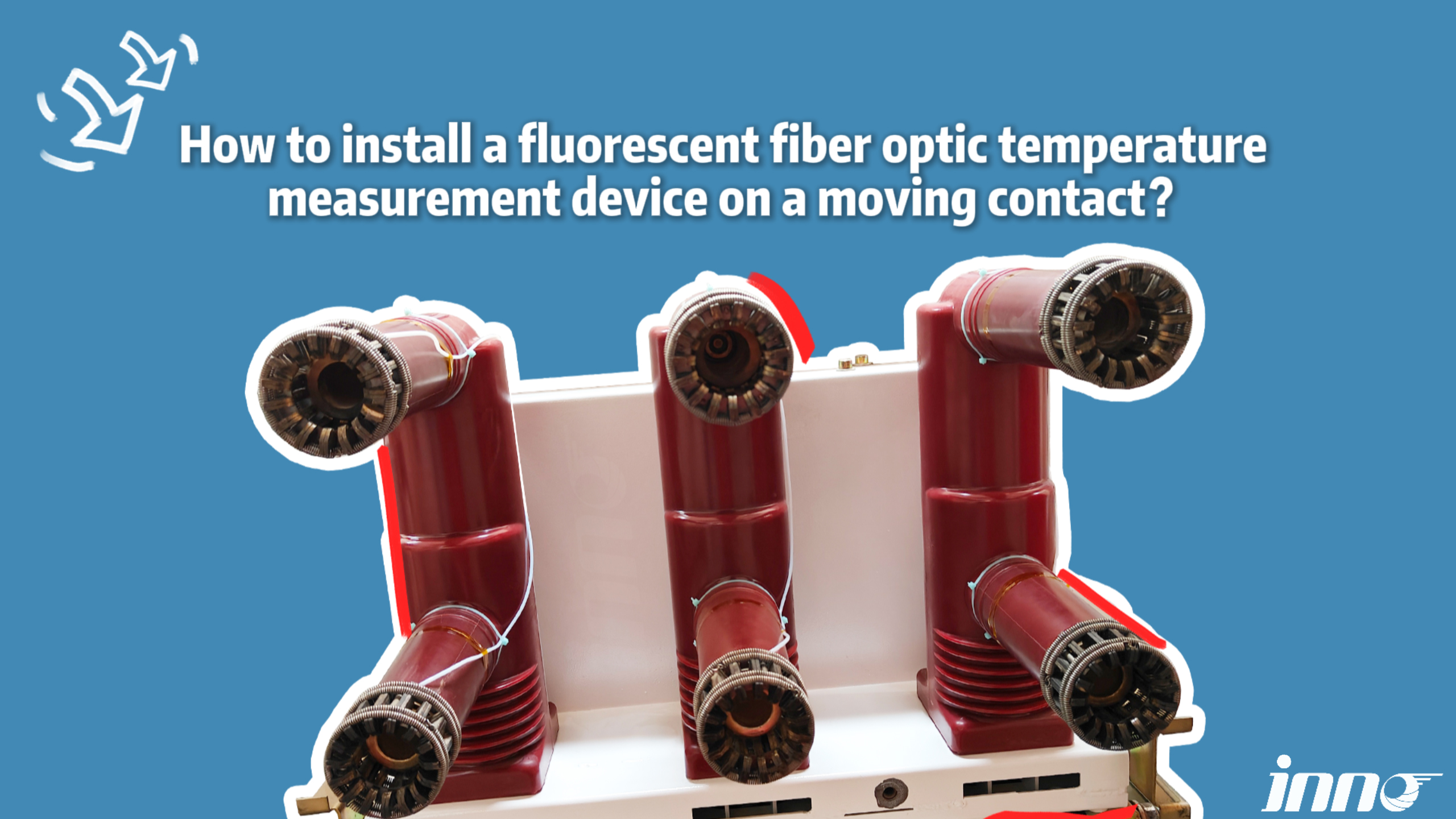
固有の利点 蛍光ベースの光ファイバー温度センサー — 完全な電気絶縁, 総合的なEMI耐性, 本質安全防爆, コンパクトなサイズ, メンテナンスフリーの長期稼働 - 非常に幅広い業界や機器タイプに適用可能. 次のセクションでは、主要なアプリケーション ドメインの概要をまとめて説明します。 蛍光光ファイバー温度プローブ および監視システムは実証済みの価値を提供します.
力 & エネルギーシステム
電力業界は、電力業界の最大の応用分野です。 蛍光光ファイバー温度センサー. で 乾式変圧器 そして 油入変圧器 アプリケーション, 装甲光ファイバープローブは、曲がりくねったホットスポットの場所に直接設置され、正確な測定を提供します。, 絶縁寿命評価のためのリアルタイムの熱データ, 負荷管理, 自動冷却制御 - 信頼性の低いトップオイル温度モデルを直接巻線測定に置き換えます. で 開閉装置とサーキットブレーカー アプリケーション, 含む 真空遮断器 そして SF₆サーキットブレーカー, 蛍光プローブは接触温度を監視します, バスバー接続, 接点劣化や接続緩みによる異常発熱を検知するアークチャンバーコンポーネント. 内で ガス絶縁開閉装置 (GIS) 装置, センサーは、密閉されたガスコンパートメントに導電性物質を導入することなく、内部温度を監視します。. 追加の電力アプリケーションには次のものがあります。 ケーブルの接合部と終端 局所的な過熱障害を防ぐための温度監視, 動力リアクトルと分路リアクトル 巻線温度測定, 発電機の固定子巻線 ステータースロットに埋め込まれたプローブによるホットスポットモニタリング, HVDCコンバータバルブ 極度の電界環境における温度検知, そして コンデンサバンク 高調波の多い無効電力補償設備における温度監視.
産業用 & 装置製造
産業用アプリケーションでは、大電流下でも確実に動作するセンサーが求められます, 強い磁場, 高温, 物理的に制約された設置条件. 光ファイバー温度センサー に展開されています 高電圧モーター巻線 監視, ステーターのスロットに埋め込まれたプローブが絶縁体の熱劣化を追跡し、予防保守をサポートします。. で 可変周波数ドライブ (VFD) そして パワーモジュール アプリケーション, 蛍光プローブは、高周波スイッチングによる電磁干渉なしでヒートシンクとバスバーの温度を測定します。. のために IGBTモジュール そして SiC MOSFETデバイス 熱管理, 半導体接合部の近くに配置された光ファイバープローブは、熱抵抗分析と寿命予測に重要なデータを提供します. 工業炉 アプリケーション (熱処理, アニーリング, 焼結) マルチゾーン熱場マッピングに高温光ファイバープローブを使用. で 半導体製造装置, エッチングに取り付けられたプローブ, CVD, および PVD プロセス チャンバーは、ナノスケールのプロセス制御に不可欠な正確な温度監視を実現します。. 真空環境 アプリケーションはセンサーのゼロアウトガス特性と非導電性特性の恩恵を受けることができます。, その間 産業用ロボット 共同モーター監視と 高出力レーザー装置 熱管理は産業アプリケーションのポートフォリオを完成させます.
医学 & ライフサイエンス
医療環境には最も厳しいセンシング要件がいくつかあります: MRI 室の強力な磁場, アブレーション処置中の強力なRFエネルギー, 厳格な生体適合性と安全基準. 蛍光光ファイバー温度センサー リアルタイムで実証済みの唯一のテクノロジーです MRI温度モニタリング, あらゆる電気センサーからの読み取り値を破壊または破損する強力な静磁場および傾斜磁場に対して完全に耐性を持って動作します。. で 高密度焦点式超音波 (ひふ) そして 高周波アブレーション (RFA) 治療法, 光ファイバープローブは、ミリ秒レベルの温度フィードバックを治療ゾーンに直接提供します。, 周囲の健康な組織を保護しながら、正確な熱線量制御を可能にする. のために マイクロ波アブレーション 手順, センサーは強力な電磁エネルギーにもかかわらず正確な読み取り値を維持します. 超スリム 光ファイバープローブ (2直径 –3 mm) に統合できます 医療用カテーテルおよび埋め込み型モニタリング装置 心臓における低侵襲性の生体内温度測定用, 腫瘍学的, および神経学的介入処置.
再生可能エネルギー & バッテリーシステム
再生可能エネルギーとバッテリーの用途には、高電圧での信頼性の高い温度監視が必要です, スペースの制約が厳しい高EMI動作環境. で 風力タービン インスタレーション, 光ファイバーセンサーが発電機の巻線とベアリングの温度を監視. ソーラーインバーター 電源モジュールは熱管理の最適化のために監視されます. のために パワーバッテリーパックとモジュール アプリケーション, 超スリムな光ファイバープローブは、電気化学的性能に影響を与えることなくバッテリーセル内に直接埋め込むことができます。, 従来の表面実装センサーでは捕捉できない内部温度データを提供します。BMS の最適化とサイクル寿命の延長にとって重要です。. で エネルギー貯蔵キャビネット インスタレーション, マルチポイント光ファイバー システムは、包括的な熱モニタリングを提供します。 熱暴走早期警報, 異常な温度上昇を早期に検知し、連鎖故障を防止します。. 燃料電池スタック 内部温度分布監視と バッテリーの安全性テスト (釘の貫通, 過充電, 短絡) 極端な条件下でも正確なリアルタイムデータを得るには光ファイバーセンサーにも依存します。.
極限環境 & 高度なアプリケーション
従来のセンサーが完全に機能しないという最も困難な測定シナリオは、まさに次のような状況です。 蛍光ベースの光ファイバー温度センサー 最大の価値を発揮する. で 航空宇宙と防衛 アプリケーション, センサーは極度の熱に耐えます, 放射線, ジェットエンジンに関連する電磁環境, 宇宙船システム, レーダー装置, そしてミサイル電子機器. 原子力施設と粒子加速器 耐放射線性が必要, 光ファイバー技術が独自に提供する非導電性センシング ソリューション. で 油, ガス, および化学産業, 本質安全防爆, 光ファイバープローブの火花のない性質により、爆発性雰囲気での展開が可能になります, 高圧パイプライン, 追加の防爆手段を必要としない深井戸環境でも使用可能. 超電導機器 極低温での監視は、センサーの拡張温度範囲機能を活用した別の特殊なアプリケーションを表します。.
8. センサーの選択 & インストールガイド

右を選択する 蛍光光ファイバー温度センサー 構成と適切なインストールの確保は簡単なプロセスです, ただし、いくつかの重要な考慮事項に注意することで、システムのパフォーマンスと寿命が最適化されます。.
センサーの選択に関する考慮事項
まずはアプリケーション環境、特に動作温度範囲を特定することから始めます。, 電圧レベル, 電磁条件, センサーが油にさらされるかどうか, 化学薬品, 水分, または真空. のために 油入変圧器巻線 インスタレーション, 選択する 装甲光ファイバー温度プローブ 適切な耐薬品性の外装を備えたもの. のために 開閉装置バスバー アプリケーション, 選ぶ ボルトマウントまたは表面実装プローブ 確実な機械的接触を保証する構成. のために OEM機器の統合, の シングルチャンネル光ファイバー温度検知モジュール 最もコンパクトなソリューションを提供します. 必要な監視ポイントの数を決定し、適切な監視ポイントを選択します。 マルチチャンネル復調器 構成 - 6, 16, 32, または 64 チャンネル. 標準の光ファイバー ケーブルの長さが最大 300 mm であることを確認します。 20 メートルはセンサープローブと復調器の間の距離を満たします; より長い実行が必要な場合, カスタム長のケーブルについては INNO にお問い合わせください. RS485/Modbus RTU 通信インターフェイスが SCADA と互換性があることを確認します。, PLC, または DCS プラットフォーム, または代替プロトコルの要件についてエンジニアリング チームと話し合う.
インストールのベストプラクティス
のインストール 蛍光光ファイバー温度センサー 特殊な工具やトレーニングを必要とせず、標準的な電気技術者が作業を完了できます。. センサープローブを指定された測定点にしっかりと取り付けます, 監視対象の表面またはコンポーネントとの良好な熱接触を確保する. 光ファイバーケーブルの配線は慎重に行ってください, 製品ドキュメントに指定されている最小曲げ半径を維持する (通常 10 ~ 15 mm) 信号損失を防ぐために. 粉砕を避ける, つまむ, または、ケーブル配線中にファイバーを急激に曲げる. 適切なクランプまたはケーブルタイを使用して、ファイバーケーブルを一定の間隔で固定します。, 偶発的な損傷に対する機械的保護を提供します. をインストールします 復調器ホスト 指定された周囲温度範囲内の適切な制御盤またはパネル内で (-20℃~+70℃), 光ファイバーケーブルを対応するチャネルポートに接続します, および完全な電源および RS485 通信配線. 付属の監視ソフトウェアを使用して、すべてのチャネルが正しく読み取られていることを確認します。, アラームしきい値を設定する, 上流監視システムとのデータ通信確認. 委託後, システムは定期的なメンテナンスを必要としません, 定期的な校正, または、動作寿命全体にわたるコンポーネントの交換.
9. OEM/ODMのカスタマイズ & グローバルパートナーシップ

INNOは、グローバルパートナーの多様なニーズに応える柔軟な協力モデルを提供します, 光ファイバーセンシングを製品に統合しようとしている機器メーカーであるかどうか, 完全な監視ソリューションを構築するシステム インテグレーター, または製品ポートフォリオを拡張するディストリビューター.
OEM プライベートラベル製造
経験者として 光ファイバー温度センサーのOEMメーカー, INNOは完全なプライベートブランド製造サービスを提供します. パートナーは独自のブランディングを指定します, 梱包, ドキュメント, および製品構成要件, 全ての製造をINNOが行います, 品質テスト, および認証プロセス. 利用可能な OEM 製品は、個別の製品からあらゆる範囲に及びます。 蛍光光ファイバー温度プローブ に マルチチャンネル復調器, 完了 監視システムアセンブリ, そして 変圧器温度コントローラー.
ODM共同開発
標準構成を超えて技術的にカスタマイズされたソリューションを必要とするパートナー向け, INNOのエンジニアリングチームが協力して ODM製品開発 プロジェクト. カスタマイズ機能には、独自の設置形状に合わせて変更されたセンサー プローブ設計が含まれます, 特殊な光ファイバーケーブルアセンブリ, カスタム 光ファイバー温度測定モジュールの開発 組み込み統合用, カスタマイズされた復調器ハードウェアおよびファームウェア構成, RS485インターフェースと通信プロトコルのカスタマイズ, そして クラウドプラットフォーム監視ソフトウェア開発 クライアント固有のブランディングと機能を備えた.
卸売業者 & システムインテグレータープログラム
INNO は世界中の販売代理店と代理店のパートナーシップを積極的にサポートしています, 競争力のある価格体系を提供する, マーケティング支援資料, 技術研修, 専用のアカウント管理. システムインテグレーターは包括的な技術文書を受け取ります, 統合エンジニアリングサポート, シームレスに組み込むための柔軟な製品構成 光ファイバー温度監視 機能を独自のソリューション製品に組み込む. 同社は、迅速な見積り対応により、応答性の高い 1 対 1 の商業および技術サポートを提供します.
10. INNO について — メーカーの認証情報 & プロジェクト参考資料
福州イノベーション電子科学 & テクノロジー株式会社, 株式会社. (イノ / フジノ) 研究に重点を置いたハイテク専門企業です, 発達, 製造業, と世界的な供給 蛍光ベースの光ファイバー温度センサー および監視システム. に設立 2011 福州市に本社を置きます, 福建省, 中国, 会社が積み上げてきた 20+ 光ファイバー温度検知技術における長年にわたる専門知識の集中.
製造能力
INNOが運営する 3000+ 平方メートル以上の生産施設 100 従業員, 専用Rを含む&Dエンジニアリングチーム. 同社は福州大学などと産学研究提携を結んでいる。, の開発を可能にする 蛍光光ファイバー温度センサー 完全に独立した知的財産権を持つ. すべての製造プロセスは ISO によって管理されています 9001/14001/27001/45001 認定された品質管理システム, CEを追加取得した製品について, EMC, および RoHS 認証.
世界的な実績
と 3000+ 世界中で稼働する設置済みシステム, INNOの製品は以上の国に輸出されています 15 アジアにまたがる国や地域, ヨーロッパ, アメリカ大陸, 中東, オセアニア, およびアフリカ — フィリピンを含む, 韓国, マレーシア, 日本, タイ, シンガポール, インドネシア, ベトナム, アラブ首長国連邦, 南アフリカ, オーストラリア, ブラジル, カナダ, 米国, メキシコ, ドイツ, フランス, オランダ, イタリア, そしてイギリス.
エンジニアリングプロジェクトの参考資料
INNOのテクノロジーは、広範な実世界の導入を通じて検証されています. 代表的なプロジェクトとしては、 変圧器光ファイバー温度コントローラーの設置 稼働中の変電所で連続巻線ホットスポット監視を提供, ある バスウェイ分散型光ファイバー温度監視システム 産業用バス道路沿いの局所的なホットスポットの検出, ある 発電機固定子巻線用蛍光光ファイバー温度監視システム 直接巻線温度測定用に固定子のスロットに埋め込まれたプローブ付き, そして複数の 乾式変圧器光ファイバー監視システム設置 センサーの簡単な取り付けと、既存の変圧器保護および制御システムとの信頼性の高い統合を実証します。.
11. INNO 蛍光光ファイバー温度センサーを選ぶ理由
を選択する 光ファイバー温度センサー サプライヤーの決定は監視の精度に直接影響する長期的な決定です, 機器の安全性, 数十年にわたる運用にわたる総所有コスト. INNOは安定した製品品質で信頼されるグローバルパートナーとしての地位を築いています, 深い技術的専門知識, 応答性の高いサービス.
20+ 長年にわたる専門知識の集中
INNOの事業全体は、 光ファイバー温度検知技術. この特異な焦点は 20 年以上にわたって維持されており、同社が深い専門分野の知識を持っていることを意味します。, 洗練された製造プロセス, ゼネラリストのセンサー企業が匹敵することのできない実証済みの製品ポートフォリオ.
完全なバリューチェーン制御
から 蛍光感知材料配合 そして プローブの製造 に 復調器のハードウェア設計, ファームウェア開発, システム統合, そして クラウドソフトウェアプラットフォーム開発, INNOは製品バリューチェーンのあらゆる要素を社内で管理します. これにより、安定した品質が保証されます, 迅速なカスタマイズ機能, そして完全な技術的責任.
完全な製品ライン - ワンストップ供給
個人にまたがる製品範囲で 蛍光プローブ, OEMセンシングモジュール, マルチチャンネル復調器, アプリケーション固有の監視システム, 変圧器温度コントローラー, およびクラウド監視ソフトウェア, INNO はマルチベンダー調整の複雑さを排除し、完全なシステム互換性を保証します.
証明された世界的な信頼性
3000+ 全体に設置されたシステム 15+ 各国は、さまざまな動作条件下での製品の長期信頼性を示す反駁できない証拠を提供しています, 気候帯, およびアプリケーション環境 - 熱帯の変電所から北極の施設まで, 高高度の風力発電所から地下採掘作業まで.
柔軟なカスタマイズ & 素早い応答
要件が標準カタログ製品であるかどうか, OEM プライベート ラベル センサー, カスタム開発された監視モジュール, または完全な ODM システム ソリューション, INNO のエンジニアリング チームとコマーシャル チームは、応答性の高いサービスを提供します, 競争力のあるリードタイムでカスタマイズされたサポート. 同社の専任の営業チームは、迅速な見積もり対応を備えた 1 対 1 のサービスを提供し、効率的なプロジェクトの実行を保証します。.
INNOへのお問い合わせ
話し合うには 蛍光ベースの光ファイバー温度センサー 要件を確認するか、カスタマイズされた見積もりをリクエストする, INNOチームに直接連絡してください:
電子メール: web@fjinno.net
ワッツアップ / 微信: +8613599070393
電話: +8613599070393
会社の電話番号: +8659183846499
住所: いいえ. 12 興業西路, 福州市, 福建省, 中国
Webサイト: www.fjinno.net
12. よくある質問 (よくある質問)
Q1: 蛍光ベースの光ファイバー温度センサーとは何ですか、またどのように温度を測定するのですか?
あ 蛍光ベースの光ファイバー温度センサー 光ファイバープローブの先端にある希土類がドープされた検知材料の蛍光寿命の減衰を分析することで温度を測定します. 光ファイバーを伝送されたパルス光信号により励起されると, 蛍光物質は光を放射し、その減衰時間は温度に正確に依存します。. システムの復調器はこの減衰時間を測定し、正確な温度測定値に変換します。. プロセス全体が光学的であるため、感知点に電流が流れず、センサーは完全な電気的絶縁と電磁干渉に対する完全な耐性を実現します。.
第2四半期: 蛍光ファイバー光センサーとファイバーブラッググレーティングの違いは何ですか (FBG) センサー?
どちらも光ファイバーセンシング技術です, しかし、それらは根本的に異なる原理に基づいて動作します. あ 蛍光光ファイバーセンサー 蛍光寿命の減衰を測定, これは温度のみに依存し、機械的ひずみに対する交差感度はありません。. アン FBGセンサー 反射光の波長シフトを測定します, 温度と機械的歪みの両方の影響を受けるため、純粋な温度測定には複雑な補償技術が必要です. 蛍光センサーも手頃な価格の復調器を使用しています, 一方、FBG システムには高価な光スペクトル質問器が必要です. 高電圧環境におけるポイントタイプの温度監視専用, 蛍光ファイバー光センサーは、より簡単な, より正確な, よりコスト効率の高いソリューション.
Q3: 蛍光光ファイバ温度センサーは油入変圧器内で使用できますか?
はい. INNOのメーカー 装甲光ファイバー温度センサープローブ 油浸変圧器巻線設置用に特別に設計. これらのプローブは、ステンレス鋼または PTFE 製の頑丈な保護シースを備えており、変圧器油中での数十年にわたる連続的な浸漬操作に機械的保護と耐薬品性を提供します。. センサーは巻線のホットスポット温度を直接測定します, 従来のトップオイル温度測定方法よりも大幅に正確な熱データを提供します.
Q4: 耐用年数はどれくらいですか?センサーは定期的な再校正が必要ですか??
INNOの設計寿命 蛍光光ファイバー温度センサー を超える 25 通常の動作条件で数年. 蛍光寿命の測定原理には本質的にドリフトがなく、無機センシング材料は時間の経過とともに劣化しないためです。, センサーは、動作寿命全体にわたって工場出荷時の校正精度を維持します。. 定期的な再キャリブレーションなし, メンテナンス, またはコンポーネントの交換が必要 - 熱電対に比べて大きな利点, RTD, および赤外線センサー, いずれも定期的な再キャリブレーションが必要です.
Q5: 1 つの復調器でサポートできるモニタリング ポイントの数?
INNOさん マルチチャンネル光ファイバー温度復調器 6チャンネルで利用可能, 16-チャネル, 32-チャネル, および 64 チャンネル構成. 各チャンネルは 1 つに接続されます 蛍光光ファイバー温度プローブ, 最大で同時リアルタイム監視が可能 64 単一の復調器ユニットからの温度ポイント. 以上を必要とするアプリケーション向け 64 ポイント, 複数の復調器をRS485/Modbus RTU経由で集中監視システムにネットワーク接続できます。.
Q6: センサープローブと復調器間の光ファイバーケーブルの最大長はどれくらいですか??
標準的な光ファイバーケーブルの長さは、 0 に 20 メートル, 大部分の変圧器にはこれで十分です, 開閉装置, および産業用監視設備. より長い伝送距離が必要なアプリケーション向け, INNO はカスタム長の光ファイバーケーブルを提供できます. センサーは光信号伝送を使用しているため、, 従来のセンサー配線とは異なり、ケーブル長により電気ノイズや接地の問題が発生しません。.
Q7: センサーはSCADAと互換性がありますか, PLC, およびDCSシステム?
はい. INNOさん 光ファイバー温度復調器 Modbus RTU プロトコルで標準 RS485 通信を使用する, 事実上すべての SCADA との直接互換性を確保, PLC, DCS, および産業用監視プラットフォーム. 標準レジスタ読み取りを介して、すべてのチャネルからの温度データにアクセス可能, 既存の監視および制御アーキテクチャへの直接的な統合を可能にする. 代替通信プロトコルを必要とするアプリケーション向け, INNOはカスタムインターフェース開発サービスを提供します.
Q8: センサーは強い磁場でも動作しますか?, MRIスキャナー内部など?
はい. 蛍光光ファイバー温度センサー あらゆる強さの磁場の影響を完全に受けません, 強力な静磁場を含む (1.5T–7T+), 傾斜磁場, MRI システムに存在する高周波パルス. センサーには、MRI 磁界と相互作用する可能性のある金属または磁気コンポーネントは含まれていません。, 画像アーチファクトを生成する, または磁力の影響を受ける. これにより、MRI スキャンおよび MRI ガイド下温熱療法手順中のリアルタイム温度モニタリングで実証済みの唯一の技術となります。.
Q9: INNOはOEMプライベートラベルおよびカスタムセンサー開発サービスを提供していますか??
はい. INNOは総合的なサービスを提供します OEMプライベートブランド製造 サービス — カスタムブランディングを含む, 梱包, およびドキュメント — 個々のセンサープローブから完全な監視システムに至るまで、全製品範囲にわたって. 同社はまた、 ODM共同開発 カスタムプローブ設計のサービス, 特殊なセンシングモジュール, カスタマイズされた復調器構成, RS485インターフェースのカスタマイズ, およびクラウドプラットフォームソフトウェア開発. INNOの社内R&D 機能と大学の研究パートナーシップにより、迅速なカスタム開発サイクルが可能になります.
Q10: 光ファイバー温度検知プロジェクトの見積もりや技術相談をするにはどうすればよいですか??
INNO まで電子メールで直接お問い合わせください。 web@fjinno.net, WhatsApp または WeChat で +8613599070393, または会社の電話番号 +8659183846499. 製品に関するお問い合わせは、当社 Web サイトから送信することもできます。 www.fjinno.net/contact. 正確な情報を受け取るには, カスタマイズされた見積もり, アプリケーションの種類に関する詳細を入力してください, 測定環境, 監視点数, 必要な光ファイバーケーブルの長さ, 通信インターフェースの要件, 特別なカスタマイズのニーズ. INNO セールス チームは、迅速な見積もり応答とともに、1 対 1 の技術的および商業的サポートを提供します.

光ファイバー温度センサー, インテリジェント監視システム, 中国の分散型光ファイバーメーカー
|
 |
 |