 INNO 光ファイバー温度センサー ,温度監視システム.
- Fiber optic transformer monitoring 蛍光寿命減衰センサー技術を使用して、電力変圧器内の巻線ホットスポット温度をリアルタイムで直接測定します。間接的な熱モデル推定を正確な推定に置き換えます。, 巻線の実際の最も熱い点でのドリフトのない光学測定.
- システムは完全な電気絶縁を提供します (>100 kV), 完全な電磁干渉耐性, 油浸およびガス充満環境における本質安全性 — 従来の電気温度センサーでは通電中の変圧器巻線内で匹敵できない機能.
- INNOの製品ポートフォリオは、変圧器監視のバリューチェーン全体をカバーしています: 装甲光ファイバー温度プローブ 油浸巻線用, 乾式変圧器光ファイバー温度調節器 (BWDKシリーズ), マルチチャンネル光ファイバー温度復調器 (6 に 64 チャンネル), OEM single-channel sensing modules, そして cloud monitoring software platforms — all with ±1°C accuracy, -40℃~+260℃の範囲, そして 25+ year maintenance-free service life.
- Applicable to oil-immersed power transformers, dry-type cast resin transformers, shunt and series reactors, 主変圧器, wind turbine and solar step-up transformers, HVDCコンバータ変圧器, energy storage transformers, and other critical high-voltage assets across utilities and industrial facilities worldwide.
- Direct fiber optic hot spot measurement supports transformer dynamic overload rating, insulation life extension, 予知保全, 冷却システムの最適化, and compliance with IEC 60076-7 and IEEE C57.91 thermal loading guidelines — delivering measurable operational and financial value to asset owners.
- イノ (フジノ) 専門的なものです fiber optic transformer monitoring system manufacturer と 20+ 長年にわたる R の集中&D, 3000+ installed systems, に輸出する 15+ 国, and full CE/EMC/RoHS/ISO certifications.
目次
- 1. What Is Fiber Optic Transformer Monitoring — System Definition & コンポーネント
- 2. Why Transformer Winding Hot Spot Temperature Is the Most Critical Operating Parameter
- 3. Why Traditional Transformer Temperature Measurement Methods Fall Short
- 4. How Fiber Optic Temperature Sensors Work in Transformer Monitoring Applications
- 5. Key Advantages of Fiber Optic Transformer Temperature Monitoring Over Conventional Methods
- 6. Fiber Optic Monitoring Solutions for Different Transformer Types
- 7. Transformer Temperature Monitoring Method Comparison — Fiber Optic vs. WTI vs. Oil Thermometer vs. 赤外線 vs. Pt100
- 8. INNO Fiber Optic Transformer Monitoring Product Range
- 9. Transformer Fiber Optic Monitoring System Technical Specifications
- 10. Transformer Fiber Optic Sensor Installation, 統合 & Commissioning Guide
- 11. Operational Benefits of Fiber Optic Transformer Monitoring for Utilities & 業界
- 12. グローバル プロジェクトのリファレンス & Installed Base
- 13. OEM Private-Label & ODM Custom Development for Transformer Manufacturers
- 14. Why Choose INNO as Your Fiber Optic Transformer Monitoring Supplier
- 15. Frequently Asked Questions About Fiber Optic Transformer Monitoring
1. とは何ですか 光ファイバー変圧器の監視 — System Definition & コンポーネント

Fiber optic transformer monitoring refers to the use of fluorescent fiber optic temperature sensors to perform direct, リアルタイム, online measurement of winding hot spot temperatures inside power transformers and other high-voltage electromagnetic equipment. Rather than estimating internal winding temperatures through indirect thermal models — as traditional winding temperature indicators (WTI) and top-oil thermometers do — a fiber optic transformer temperature monitoring system places precision optical sensor probes directly at the predicted hottest points within transformer windings, delivering accurate temperature data that reflects the true thermal condition of the insulation system at every moment of operation.
完全な transformer winding fiber optic temperature monitoring system consists of three primary components working together. The first is the fiber optic temperature sensor probe — a compact, fully dielectric sensing element containing a rare-earth-doped fluorescent material at its tip, which is installed directly inside the transformer winding structure at the designated hot spot location. The second is the optical fiber transmission cable, a non-conductive glass or polymer fiber that carries light signals between the sensor probe and the external processing equipment, routed through the transformer wall via a hermetic fiber optic feedthrough fitting. The third is the fiber optic temperature demodulator host (also called an interrogator or signal conditioner), an external instrument that generates the excitation light pulse, receives the returning fluorescence signal from the probe, calculates the temperature from the fluorescence decay characteristics, and outputs the result via standard industrial communication interfaces to transformer protection relays, local monitoring displays, SCADAシステム, またはクラウドプラットフォーム.
This monitoring approach represents a fundamental upgrade over legacy transformer temperature measurement practices. Where traditional methods measure proxy indicators — such as top-oil temperature or simulated winding temperature derived from oil temperature plus a current-dependent thermal image — fiber optic direct hot spot sensing eliminates the estimation layer entirely and provides the actual temperature at the most thermally stressed point in the winding. This distinction has profound implications for transformer insulation life management, overload decision-making, cooling control optimization, and overall asset reliability.
2. Why Transformer Winding Hot Spot Temperature Is the Most Critical Operating Parameter

Among all the parameters that define the operating condition of a power transformer, 巻線ホットスポット温度 holds a uniquely important position. It is the single most influential factor determining the rate of thermal aging of the cellulose insulation system — and therefore the remaining useful life of the entire transformer. Understanding why this parameter matters so much provides the essential context for appreciating the value of 光ファイバー変圧器の監視.
Insulation Thermal Aging and the Arrhenius Relationship
Transformer winding insulation — whether oil-impregnated kraft paper in 油入変圧器 or epoxy resin systems in 乾式変圧器 — degrades progressively through thermally driven chemical reactions. This aging process follows the well-established Arrhenius relationship, which means the degradation rate increases exponentially with temperature. 実務的には, the widely cited engineering guideline states that every 6 to 8°C increase in sustained hot spot temperature approximately halves the remaining insulation life. 逆に, operating consistently below rated hot spot limits can extend transformer service life by decades.
IEC 60076-7 and IEEE C57.91 Thermal Loading Standards
Both IEC 60076-7 (the international standard for power transformer loading guide) and IEEE C57.91 (the North American equivalent) define transformer thermal ratings and overload capabilities primarily in terms of winding hot spot temperature. These standards establish that the hot spot temperature — not the average winding temperature, not the top-oil temperature — is the governing parameter for determining permissible loading levels, overload duration limits, and the associated loss-of-life calculations. Both standards explicitly acknowledge the superiority of direct hot spot measurement using 光ファイバーセンサー over indirect estimation methods, and recent revisions have increasingly incorporated provisions for fiber optic sensing as the reference measurement technique.
The Thermal Gap: Hot Spot vs. Average Winding Temperature
The hot spot — the location of maximum temperature within the winding — can be significantly hotter than the average winding temperature. This temperature differential, known as the hot spot factor, varies with transformer design, winding geometry, cooling duct configuration, loading pattern, and harmonic content of the load current. In some transformers, the hot spot can exceed the average winding temperature by 15°C to 30°C or more. Without direct measurement of this specific point, operators are relying on estimates that may significantly understate the true thermal stress on the most vulnerable portion of the insulation. Direct fiber optic hot spot temperature measurement eliminates this uncertainty and provides the definitive data needed for accurate thermal life assessment.
Dynamic Loading and Non-Uniform Heat Generation
Modern power systems subject transformers to increasingly dynamic and complex loading patterns — variable renewable energy generation, fluctuating industrial loads, harmonic-rich power electronic equipment, and emergency overload scenarios. これらの条件により、ホット スポットの位置と温度が動的に変化し、静的な熱モデルでは正確に予測できなくなります。. のみ リアルタイムの光ファイバー巻線温度監視 継続的に提供します, これらの動的な熱イベントを追跡し、変圧器が常に安全な温度境界内で動作していることを確認するには、直接測定が必要です。.
3. Why Traditional Transformer Temperature Measurement Methods Fall Short

光ファイバー技術が商業的に成熟する前, 電力業界は、変圧器の熱状態を評価するためのいくつかの確立された方法に依存していました。. これらの伝統的なアプローチはそれぞれ、何十年にもわたって業界に貢献してきました。, しかし、それぞれに固有の制限があり、変圧器の稼働率が高くなり、資産管理の実践によりより正確な熱データが要求されるにつれて、ますます問題が大きくなっています。.
巻線温度インジケーター (WTI) — The Indirect Estimation Problem
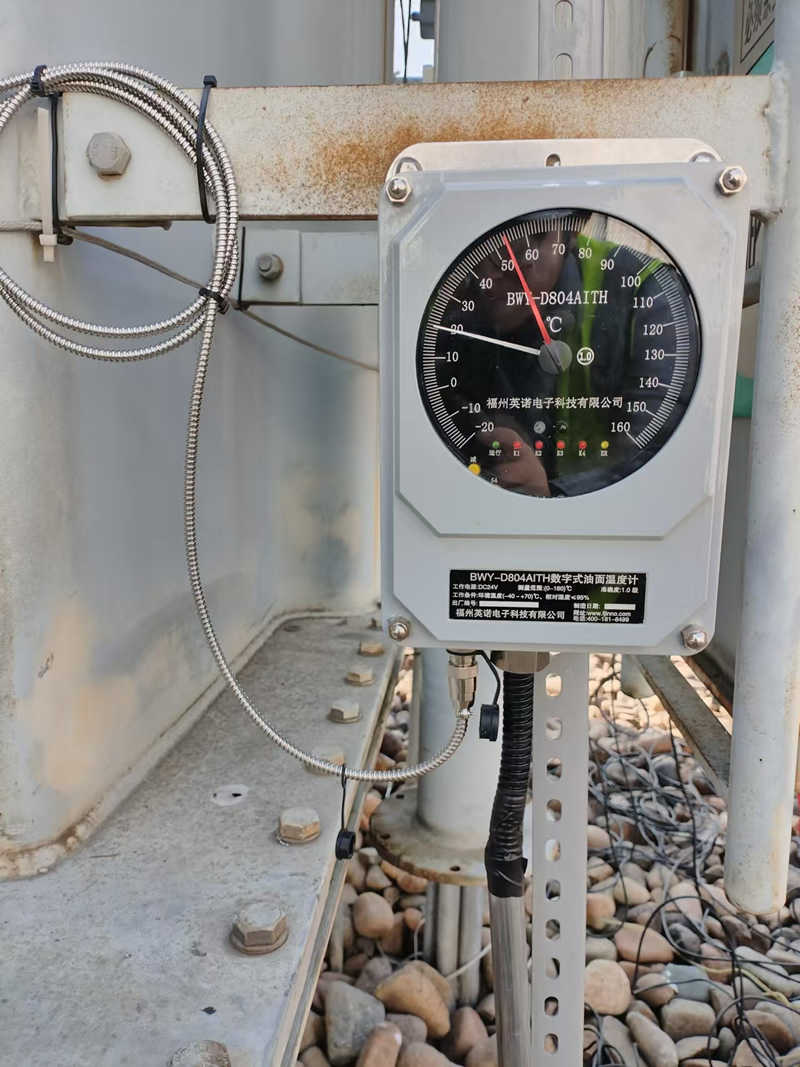
の 巻線温度インジケーター (WTI) — also called a winding temperature gauge or thermal image device — is the most widely installed transformer temperature monitoring instrument worldwide. Despite its name, a WTI does not directly measure winding temperature. その代わり, it measures the top-oil temperature using a sensing bulb immersed in the top of the transformer tank, and then adds a current-dependent thermal increment produced by a heater coil wrapped around the bulb. This heater coil is fed by a current transformer (CT) that senses the load current, creating a “thermal image” intended to simulate the winding hot spot temperature rise above oil temperature. The fundamental problem is that this thermal image is based on a fixed, simplified thermal model calibrated at the factory for a single set of design conditions. 実際の運用では, 実際のホットスポット温度上昇は負荷構成によって異なります, 高調波成分, 周囲温度, オイル循環効率, 冷却システムの状態, 巻線の経年劣化 — いずれも WTI では説明できません. 結果として生じる推定誤差は 10°C ~ 15°C、あるいはそれ以上になる可能性があります, 誤差は条件に応じて保守的または非保守的になる可能性があります. 実際のホットスポットが 125°C であるときに WTI が 110°C と表示する場合、誤った保証が提供されます。; 実際のホットスポットが 108°C しかないのに 120°C と表示されると、不必要な負荷削減が発生します。.
最高油温計 - 表面レベルのデータのみ
の 頂油温温度計 変圧器タンク上部の絶縁油の温度のみを測定. While this provides useful information about overall transformer thermal conditions, it reveals nothing about the temperature distribution within the windings themselves. The temperature difference between top oil and the winding hot spot can range from 10°C to 40°C or more depending on loading conditions. Using top-oil temperature alone for thermal protection and load management decisions provides, at best, a very coarse approximation of the actual insulation thermal stress.
Pt100 RTD and Thermocouple Sensors — The High-Voltage Isolation Barrier
Platinum resistance temperature detectors (Pt100 RTD) そして 熱電対 are highly capable temperature sensors in low-voltage applications, but they face a fundamental barrier when applied to transformer winding hot spot measurement: they are electrical sensors that require metallic conductors connected to the measurement point. Placing metallic sensor leads inside or adjacent to high-voltage transformer windings creates severe electrical isolation problems — the sensor leads provide a conductive path from the high-voltage winding to the grounded measurement instrument, compromising insulation integrity and creating a potential fault path. While Pt100 sensors are widely used in dry-type transformer temperature controllers as surface-mount sensors on the outside of winding enclosures, they cannot be placed at the actual internal hot spot within the winding structure. In oil-immersed high-voltage transformers, the isolation challenge makes conventional electrical sensors entirely impractical for direct winding temperature measurement.
Infrared Thermography — External Surface Only, No Internal Access
赤外線サーマルイメージング provides valuable external surface temperature mapping for transformer tanks, ブッシング, ケーブル終端, および冷却装置. しかし, it cannot measure temperatures inside the transformer — it sees only the external surface, not the winding hot spot buried deep within the core-and-coil assembly and surrounded by insulating oil or encapsulation material. Infrared measurements are also affected by surface emissivity variations, ambient reflections, and atmospheric conditions. For internal winding hot spot monitoring, infrared thermography is not a viable solution.
The Fundamental Gap That Fiber Optic Sensing Fills
The common limitation of all traditional methods is clear: none of them can directly measure the temperature at the internal winding hot spot location inside an energized high-voltage transformer. の 光ファイバー温度センサー — being entirely non-conductive, carrying no electrical current, 電磁干渉に対する耐性, and safe for permanent installation in oil-immersed and high-voltage environments — is the only proven technology that bridges this measurement gap. It transforms 変圧器の温度監視 from an exercise in estimation to a practice of direct, 正確な, リアルタイム測定.
4. どうやって 光ファイバー温度センサー Work in Transformer Monitoring Applications
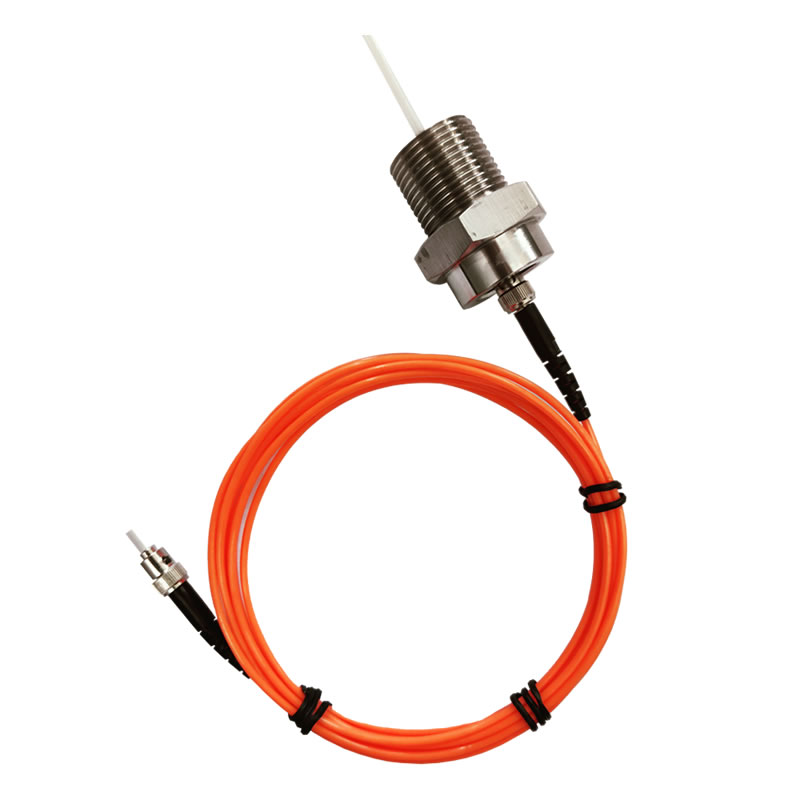
の 光ファイバー温度センサー used in transformer monitoring operates on the fluorescence lifetime decay principle — a well-established photophysical phenomenon that provides inherently stable, drift-free temperature measurement. This section explains how the sensing mechanism works and how the system is physically implemented within a transformer installation.
Fluorescence Lifetime Decay — The Sensing Mechanism
At the tip of the fluorescent fiber optic sensor probe, a small quantity of rare-earth-doped phosphor material is bonded to the end of the optical fiber. の 光ファイバー温度復調器 sends a short pulse of excitation light through the fiber to this phosphor material. Upon absorbing the excitation energy, the phosphor electrons are elevated to an excited state and then return to their ground state by emitting fluorescent light at a longer wavelength. 励起パルス終了後, this fluorescence does not extinguish instantaneously — it decays exponentially over a characteristic time period called the fluorescence lifetime or decay time. This decay time is a precise and repeatable function of the phosphor temperature: as temperature rises, increased thermal lattice vibrations promote non-radiative relaxation pathways, causing the fluorescence to decay faster. The demodulator captures the time profile of this decaying fluorescence signal, calculates the decay time constant, そして、事前に校正された数学的関係を使用して温度値に変換します。.
この原則が変圧器環境に最適な理由
蛍光寿命測定アプローチは本質的に、変圧器環境に存在するシグナルインテグリティのあらゆる課題の影響を受けません。. 測定されるパラメータは時間であるため、 (減衰期間) — 信号振幅ではありません — 光ファイバーの曲げ損失の影響をまったく受けません, コネクタの損失, 光源出力の変動, または長期にわたる繊維の劣化. 光ファイバー自体はガラス誘電体であり、金属成分は含まれていません。, 高電圧巻線からの完全な電気的絶縁と、変圧器の動作によって生成される強力な電磁場に対する完全な耐性を提供します。. センサープローブは変圧器油に対して化学的に不活性です, 熱を発生させない, and produces no electromagnetic emissions that could interfere with transformer operation. これらの特性により、 fluorescence-based fiber optic sensing uniquely suited to the transformer monitoring application.
Physical Implementation in a Transformer
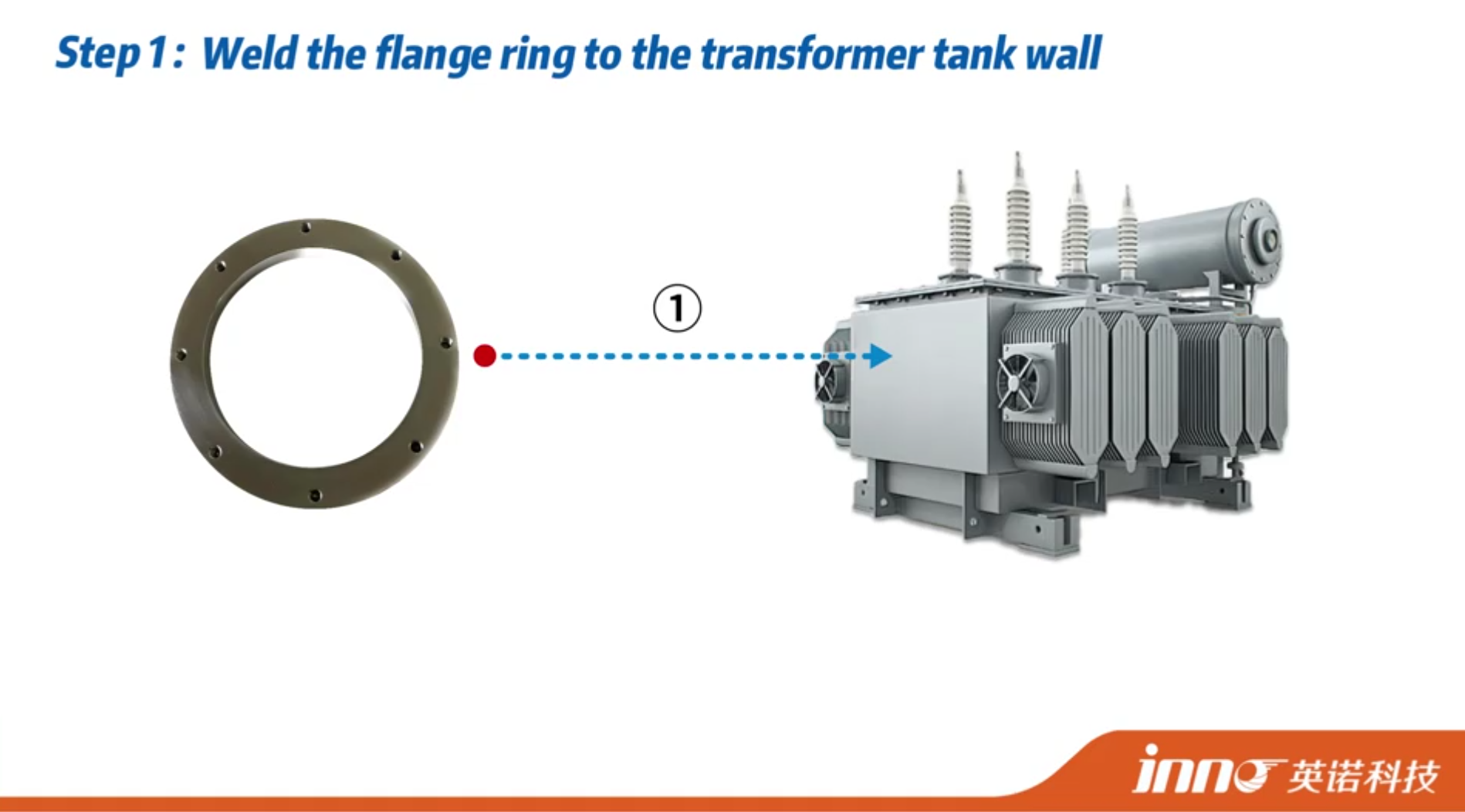
実際に, 1 つ以上の fiber optic temperature sensor probes are installed at the predetermined hot spot locations within the transformer winding structure — typically identified through thermal design calculations performed by the transformer manufacturer. The optical fiber cable is routed from each probe through the winding structure, along the core-and-coil assembly, and out through the transformer tank wall via a specialized hermetic fiber optic feedthrough (penetration fitting) that maintains the oil seal integrity of the tank. Outside the transformer, the fiber cables are routed to the multi-channel fiber optic temperature demodulator, which is typically installed in a nearby control cabinet or relay panel. The demodulator continuously interrogates all connected probes, processes the fluorescence signals, and outputs real-time temperature data for each monitoring point via RS485/Modbus RTU to the transformer protection relay, the local monitoring display, and/or the plant SCADA or DCS system.
Hot Spot Location Determination
The accuracy of any direct winding hot spot temperature measurement depends not only on the sensor’s precision but also on correct placement of the probe at the actual hottest point. The hot spot location is determined during transformer design through detailed thermal analysis, considering winding geometry, conductor dimensions, insulation thickness, cooling duct configuration, オイル流路, and expected load current distribution. Transformer manufacturers — who have the deepest understanding of their designs’ thermal characteristics — typically specify the hot spot probe locations as part of the fiber optic monitoring system integration process. For retrofit installations on existing transformers where the original thermal design data may not be fully available, standardized placement guidelines and thermal modeling tools are used to identify the most probable hot spot regions.
5. Key Advantages of Fiber Optic Transformer Temperature Monitoring Over Conventional Methods
The transition from traditional indirect methods to fiber optic direct hot spot temperature measurement delivers a comprehensive set of performance advantages. Each benefit is rooted in the fundamental physics of optical sensing and has been validated through decades of field deployment across thousands of transformer installations worldwide.
Direct Measurement Replaces Estimation
The single most transformative advantage is the shift from thermal model estimation to direct physical measurement. あ 光ファイバーセンサープローブ placed at the winding hot spot reports the actual temperature at that point — eliminating the 10–15°C estimation errors inherent in WTI thermal image simulation and top-oil-based calculation methods. This accuracy improvement has direct consequences for every downstream decision based on winding temperature data, from thermal protection settings to loading capacity calculations to insulation life assessments.
Complete High-Voltage Electrical Isolation
の 光ファイバーセンサー is fabricated entirely from dielectric (非導電性) materials — glass fiber, ceramic phosphor, and polymer or ceramic packaging. No metallic conductors are present at the measurement point or along the fiber path inside the transformer. This provides inherent galvanic isolation exceeding 100 kV between the high-voltage winding and the grounded measurement system. There are no leakage current paths, no partial discharge initiation sites, and no compromise to the transformer’s insulation coordination — the fiber optic sensor is electrically invisible within the winding structure.
総合的な電磁妨害耐性
Transformers generate intense electromagnetic fields during operation — particularly during load switching, inrush events, および障害状態. の 光ファイバー温度監視システム transmits only photons, 電子ではない, making it completely immune to electromagnetic interference from any source. Measurement readings remain stable and accurate regardless of load transients, スイッチング操作, nearby circuit breaker activity, or lightning-induced surges. This EMI immunity eliminates the signal noise and measurement errors that plague electrical sensors installed near high-voltage, high-current conductors.
Intrinsic Safety in Oil-Immersed Environments
感知点に電気エネルギーが存在しない場合, の 光ファイバー温度プローブ 火花を発生させることができない, 部分放電, or localized heating under any operating or fault condition. This intrinsic safety makes the sensor fully compatible with permanent immersion in transformer insulating oil, and suitable for installation inside sealed gas-insulated compartments, without requiring additional safety barriers or explosion-proof enclosures.
25+ Year Maintenance-Free Operation
Because fluorescence lifetime is an intrinsic material property that depends only on temperature — not on signal amplitude or optical path conditions — the fiber optic transformer monitoring system maintains its factory calibration accuracy throughout its entire operational life without any recalibration. The inorganic phosphor sensing material does not degrade in transformer oil or under sustained thermal cycling. Combined with the inherent corrosion resistance and chemical inertness of optical fiber, this results in a system service life exceeding 25 years with zero maintenance requirements — matching or exceeding the expected service life of the transformer itself.
Fast Response for Dynamic Thermal Tracking
With a thermal response time of less than 1 2番, の fiber optic winding temperature sensor captures rapid thermal transients including overload events, short-duration emergency loading, and post-fault temperature recovery — providing real-time data that enables dynamic thermal management decisions.
Compact Probe Design for Winding Integration
INNOさん fiber optic temperature sensor probes 直径わずか2~3mmのスリムさが特徴, allowing them to be embedded within transformer winding structures without affecting the electromagnetic design, oil flow patterns, or mechanical integrity of the winding. This compact form factor enables probe placement directly at the predicted hot spot — between conductors, within cooling ducts, or at winding ends — where larger sensors could not be accommodated.
6. Fiber Optic Monitoring Solutions for Different Transformer Types

Fiber optic transformer monitoring technology is applicable to virtually every type of transformer and reactor used in power transmission, 分布, 産業プロセス, 再生可能エネルギー, and transportation electrification. The core sensing principle remains the same across all applications, but probe packaging, インストール方法, and system configurations are optimized for each transformer category’s specific operating environment and monitoring requirements.
Oil-Immersed Power Transformer Fiber Optic Winding Temperature Monitoring
油入電源変圧器 — the backbone of electrical transmission and distribution networks — represent the primary application for fiber optic hot spot monitoring. These include high-voltage transmission transformers (110 kVから 800 kV+), medium-voltage distribution transformers, 整流器変圧器, 炉変圧器 for electric arc and induction furnace applications, and auto-transformers. For these applications, INNO supplies 装甲光ファイバー温度センサープローブ with oil-resistant stainless steel or PTFE protective sheaths, designed for permanent immersion in hot transformer oil over the full 25+ year equipment life. The armored construction protects the delicate optical fiber from mechanical damage during transformer manufacturing, coil assembly, and oil filling processes. Probes are typically installed at 2 に 6 winding hot spot locations depending on transformer rating and the number of winding phases, with fiber cables routed through hermetic tank wall feedthrough fittings to the externally mounted multi-channel fiber optic temperature demodulator.
Dry-Type Transformer Fiber Optic Temperature Measurement & コントロール
乾式変圧器 — including キャストレジン (epoxy encapsulated) 変圧器 and ventilated dry-type units — are widely used in commercial buildings, 産業施設, 再生可能エネルギープラント, データセンター, and urban substations where fire safety and environmental considerations favor the elimination of insulating oil. In dry-type applications, fiber optic temperature sensor probes can be embedded directly in the winding structure during manufacturing or surface-mounted on winding enclosures. INNOさん 乾式変圧器光ファイバー温度調節器 — including the BWDK-326 temperature controller そして BWDK-S201 temperature controller — integrate fiber optic sensing with automated fan cooling control, multi-stage over-temperature alarm outputs, およびトリップ保護機能, providing a direct and superior replacement for traditional Pt100-based temperature control systems. The fiber optic approach eliminates the electromagnetic interference susceptibility that affects Pt100 sensors in the strong magnetic fields near transformer windings, and provides genuine hot spot temperature data rather than surface temperature readings.
Reactor & Inductor Fiber Optic Thermal Monitoring
Reactors and inductors — including 分路リアクトル, 直列リアクトル, smoothing reactors (in HVDC systems), filter reactors (in harmonic filtering applications), そして current-limiting reactors — generate significant internal heat under load and are subject to the same insulation thermal aging mechanisms as transformers. 光ファイバー温度監視 of reactor windings provides the same benefits as in transformer applications: 直接ホットスポット測定, high-voltage isolation, EMI耐性, and long-term maintenance-free operation. INNOさん dry-type reactor fiber optic temperature measurement devices are specifically configured for reactor winding monitoring, with probe placement and channel configurations tailored to reactor thermal characteristics.
特別 & Application-Specific Transformer Fiber Optic Monitoring
Beyond standard power and distribution transformers, fiber optic thermal monitoring is deployed across a wide range of specialized transformer types. Traction transformers in railway and metro rolling stock operate under severe vibration, space constraints, and variable loading — all conditions where the compact, 屈強, and drift-free fiber optic sensor excels. Marine transformers on ships and offshore platforms require sensors that withstand corrosive salt-air environments and vessel motion. Mining explosion-proof transformers benefit from the intrinsic safety of optical sensing in methane-rich atmospheres. In the renewable energy sector, wind turbine pad-mount transformers, solar farm step-up transformers, そして battery energy storage system (ベス) 変圧器 all operate in remote locations where maintenance-free monitoring is essential. HVDCコンバータ変圧器 experience complex harmonic loading patterns and extreme electromagnetic environments that make fiber optic sensing the only viable direct measurement approach. For each of these special applications, INNO provides customized probe packaging, fiber cable routing solutions, and system configurations to meet the specific mechanical, 環境, および電気要件.
7. Transformer Temperature Monitoring Method Comparison — Fiber Optic vs. WTI vs. Oil Thermometer vs. 赤外線 vs. Pt100
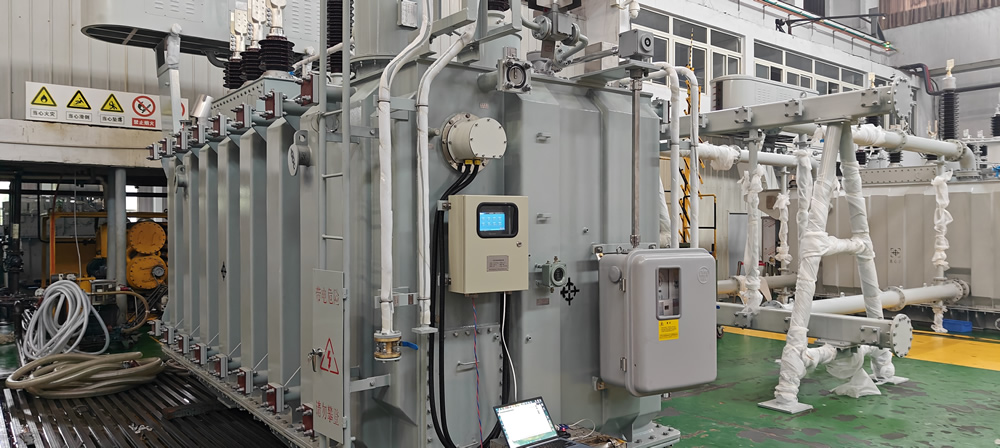
変圧器に適切な温度監視アプローチを選択するには、明確な情報が必要です。, 利用可能なテクノロジーの客観的な比較. 次の表で評価します。 光ファイバーによる直接ホットスポット測定 最も一般的に使用されている 4 つの従来の方法 - 巻線温度インジケーターに対する (WTI), 上油温計, 赤外線サーモグラフィー, および Pt100/熱電対センサー - 変圧器資産管理者と保護エンジニアにとって最も重要なパラメーター全体にわたって.
| パラメータ | 光ファイバーセンサー | 巻線温度インジケーター (WTI) | 頂部油温計 | 赤外線サーモグラフィー | Pt100 / 熱電対 |
|---|---|---|---|---|---|
| 測定タイプ | 直接 — 実際の巻き線のホットスポット | 間接的 - 熱モデルシミュレーション | 直接 — ただしオイルのみ, 巻いていない | 非接触 — 外面のみ | 直接 — ただし表面実装または低電圧のみ |
| 測定内容 | 巻線内部のホットスポット温度 | 推定ホットスポット (油温 + 現在のイメージ) | 最高油温 | Tank/bushing surface temperature | Surface or low-voltage winding temperature |
| 測定精度 | ±1℃ | ±10–15°C estimation error | ±2~3℃ (オイルのみ) | ±2~5℃ (放射率依存) | ±0.5~1℃ (at measurement point) |
| ホットスポットの検出 | Yes — direct measurement at hot spot | Estimated — may not reflect actual hot spot | No — measures oil, 巻いていない | No — external surface only | No — cannot access HV internal hot spot |
| 高電圧絶縁 | Complete — fully dielectric sensor | Partial — requires CT connection | Mechanical — bulb in oil | N/A — non-contact | None — metallic conductors create isolation risk |
| Usable Inside HV Windings | はい | No — external instrument | No — oil measurement only | No — cannot see inside | No — HV isolation prevents internal installation |
| EMI耐性 | 完了 | Moderate — analog signal susceptible | Good — mechanical device | 中程度 - 電子機器の影響を受けやすい | Poor — requires shielding in HV environment |
| Oil Immersion Compatibility | Excellent — designed for permanent immersion | Yes — bulb immersed | Yes — bulb immersed | 適用できない | Limited — seal integrity degrades over time |
| Dynamic Response | Fast — <1 2番目の応答時間 | Slow — thermal inertia of oil and heater | Slow — thermal inertia of oil | Instantaneous — but external only | Moderate — seconds to minutes |
| 長期安定性 | 優れています - ドリフトオーバーはありません 25+ 年 | Moderate — mechanical wear, heater aging | Moderate — mechanical device aging | N/A — periodic survey, not continuous | Poor — resistance/junction drift over time |
| 再校正が必要です | いいえ | はい — 定期的 | はい — 定期的 | Yes — camera calibration | はい — 定期的 |
| 耐用年数 | >25 年 | 10–20年 | 10–20年 | カメラ: 5–10年 | 2–10 years depending on type |
| Continuous Online Monitoring | はい - 24/7 リアルタイム | Yes — continuous but indirect | Yes — continuous but oil only | No — periodic manual survey | Yes — where installable |
| IEC 60076-7 / IEEE C57.91 Compliance | Fully compliant — direct measurement reference | Accepted — but acknowledged as indirect | Supplementary only | Not addressed | Limited to low-voltage applications |
| 最適な用途 | All transformer types — primary hot spot monitoring | Legacy installations — gradually being replaced | Supplementary oil temperature monitoring | External inspection surveys | Dry-type surface / LV applications |
Key Takeaway for Transformer Asset Managers
The comparison demonstrates that 光ファイバーセンシング is the only technology capable of providing direct, 継続的な, high-accuracy measurement of the winding hot spot temperature inside energized high-voltage transformers. Traditional WTIs remain functional for basic protection but introduce significant estimation uncertainties that limit their value for advanced asset management, 動的荷重, and insulation life optimization. For new transformer procurements and critical asset monitoring upgrades, fiber optic transformer temperature monitoring represents the current industry best practice and is increasingly specified as a standard requirement by utilities, industrial operators, and transformer manufacturers worldwide.
8. INNO Fiber Optic Transformer Monitoring Product Range
INNO provides a complete, vertically integrated product line for 光ファイバー変圧器の監視 — from individual sensor probes to complete turnkey monitoring systems. Every product is designed, 製造された, 組み立てられた, INNOの福州生産施設で社内テスト済み, ensuring end-to-end quality control and full technical accountability.
Armored Fiber Optic Temperature Sensor Probes for Transformer Windings
の armored fiber optic temperature sensor probe is the core sensing element for oil-immersed transformer applications. These probes feature ruggedized protective sheaths — available in stainless steel, PTFE, or composite armor constructions — that shield the delicate optical fiber and sensing tip from mechanical stress during transformer coil winding, pressing, 組み立て, vacuum oil filling, and decades of subsequent operation immersed in hot transformer oil. The armor is specifically engineered to withstand the manufacturing processes unique to transformer production while maintaining full oil compatibility, 化学的不活性, and thermal conductivity for accurate temperature measurement. Standard fiber optic temperature probes (non-armored) are also available for dry-type transformer and reactor applications where oil immersion protection is not required. Both probe types feature a compact 2–3 mm diameter and are available with fiber cable lengths from 0 に 20 メートル.
Dry-Type Transformer Fiber Optic Temperature Controllers
INNOさん 乾式変圧器光ファイバー温度調節器 are integrated devices combining fiber optic temperature sensing with automated transformer thermal management functions. の BWDK-326 dry-type transformer temperature controller provides multi-channel fiber optic temperature input, LCD temperature display, programmable multi-stage temperature alarm outputs (事前警告, アラーム, 旅行), automatic fan cooling group control, and RS485/Modbus RTU communication for remote monitoring integration. の BWDK-S201 intelligent temperature controller offers enhanced features including expanded channel capacity and advanced alarm logic. These controllers serve as a direct, performance-superior replacement for traditional Pt100-based dry-type transformer temperature control systems, eliminating EMI-induced measurement errors and providing genuine fiber optic hot spot data for thermal protection decisions.
Multi-Channel Fiber Optic Temperature Demodulators for Transformer Monitoring
For multi-point 変圧器巻線温度監視, INNO supplies マルチチャンネル光ファイバー温度復調器 in configurations from 6 に 64 チャンネル. Each channel simultaneously and independently processes the fluorescence signal from one connected 光ファイバー温度プローブ, providing real-time temperature data for every monitored hot spot location. の display-integrated fiber optic temperature demodulator combines signal processing with a local LCD display for direct reading at the transformer location. All demodulator models feature RS485/Modbus RTU communication output, configurable alarm relay contacts, and power supply options of AC 220V or DC 24V. For three-phase transformer applications, a 6-channel unit typically monitors 2 probes per phase; for larger transformers with additional monitoring requirements, 16-channel or 32-channel units provide the necessary capacity.
OEM Fiber Optic Temperature Sensing Module for Transformer Manufacturers
の OEM single-channel fiber optic temperature sensing module コンパクトです, board-level component designed specifically for transformer manufacturers and control panel builders who need to embed fiber optic sensing capability directly into their own products. The module contains complete excitation, 検出, and demodulation circuitry in a miniaturized form factor, with standard RS485/Modbus RTU output for direct connection to the host system’s controller or PLC. This enables transformer OEMs to offer 光ファイバーホットスポット監視 as an integrated feature of their transformers without developing proprietary optical sensing electronics.
Cloud Monitoring Software for Transformer Fiber Optic Systems
INNOが提供する customizable cloud platform monitoring software for centralized management of distributed transformer fiber optic monitoring installations. The platform supports remote real-time data acquisition from multiple transformer sites, multi-channel temperature visualization with graphical trending, configurable multi-level alarm management with notification dispatch (電子メール, SMS, push), historical data storage and trend analysis for insulation aging assessment, and integration interfaces for enterprise SCADA, DCS, EMS, および資産管理システム. The software is fully customizable to client-specific branding, dashboard layouts, user access structures, and functional requirements.
9. Transformer Fiber Optic Monitoring System Technical Specifications
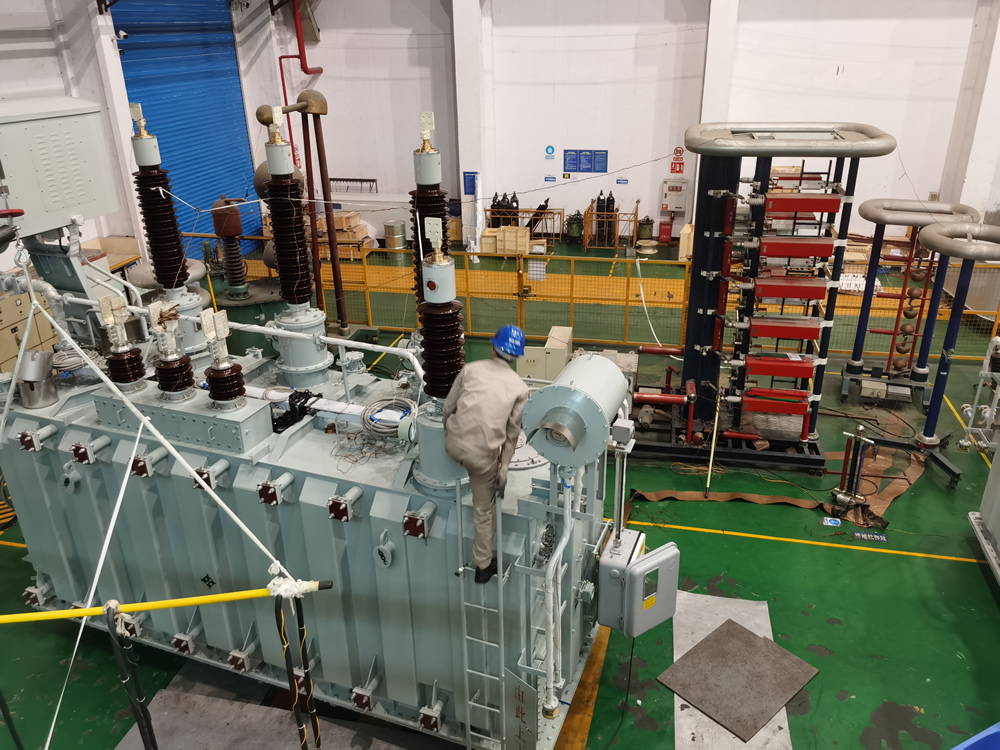
The following table summarizes the standard technical specifications of INNO’s fiber optic transformer temperature monitoring system コンポーネント. All specifications are customizable to meet project-specific requirements.
| パラメータ | 仕様 | 注意事項 |
|---|---|---|
| 測定精度 | ±1℃ | Across full operating range |
| Sensor Temperature Range | –40°C ~ +260°C | Extended ranges available on request |
| 光ファイバーケーブルの長さ | 0–20メートル (標準) | カスタム長も利用可能 |
| 応答時間 | <1 2番 | Suitable for dynamic thermal event tracking |
| プローブ直径 | 2–3mm | Fits within winding slots and cooling ducts |
| 電気絶縁 | 耐電圧 >100 kV | 完全な誘電体絶縁 |
| チャンネルの監視 | 1 / 6 / 16 / 32 / 64 チャンネル | Selectable per application |
| 通信インターフェース | RS485 / Modbus RTU | Compatible with relay, スカダ, PLC, DCS |
| 警報出力 | 設定可能なリレー接点 | Multi-stage: pre-alarm, アラーム, 旅行 |
| 電源 | AC220VまたはDC24V | 注文時に選択可能 |
| 復調器の動作環境 | -20℃~+70℃, 相対湿度 95% 以下 | Ambient conditions for demodulator host |
| プローブ保護評価 | IP65 | 防塵, 耐ウォータージェット性 |
| オイルの適合性 | Fully compatible with mineral and ester transformer oils | Armored probes designed for permanent immersion |
| 耐用年数 | >25 年 | 再校正やメンテナンスは不要です |
| 認証 | CE, EMC, RoHS, ISO 9001/14001/27001/45001 | Global compliance |
カスタマイズオプション
INNO supports full specification customization including extended temperature ranges, fiber cable lengths beyond 20 メートル, specialized armored probe materials and geometries for specific transformer designs, 代替通信プロトコル, custom demodulator enclosure ratings, and tailored alarm logic configurations. Contact the INNO engineering team to discuss project-specific requirements.
10. Transformer Fiber Optic Sensor Installation, 統合 & Commissioning Guide
Successful implementation of a fiber optic transformer monitoring system involves proper sensor installation, communication integration, and alarm configuration. The installation process is straightforward and can be accomplished by standard electrical and transformer technicians without specialized optical equipment or training.
Pre-Embedded Installation During Transformer Manufacturing
The most effective installation approach is to embed fiber optic temperature sensor probes within the transformer winding structure during the manufacturing process — before the windings are assembled onto the core and before the unit is filled with oil (for oil-immersed types) or encapsulated (for cast resin types). The transformer manufacturer installs the probes at the calculated hot spot locations — typically between conductor turns at the top of the inner or outer winding of the phase with the highest expected temperature. の armored fiber optic probe is secured in position and the fiber cable is carefully routed along the winding, through the core-and-coil assembly, and out through a hermetic fiber optic feedthrough fitting installed in the transformer tank wall or enclosure panel. This pre-embedded approach provides the most accurate hot spot measurement, the most secure probe installation, and the most reliable long-term performance. INNO works directly with transformer manufacturers to specify probe placement, provide installation guidance, and ensure proper fiber routing and feedthrough sealing.
Retrofit Installation on Existing In-Service Transformers
のために transformer retrofit fiber optic monitoring on existing operating units, probe installation is performed during a scheduled maintenance outage when the transformer is de-energized and (for oil-immersed units) the oil level is lowered or the unit is opened for inspection. Retrofit probes can be installed on accessible winding surfaces, at winding end blocks, or at other thermally representative locations reachable through inspection openings. While retrofit installation may not achieve the precise hot spot placement possible with pre-embedded installation, it still provides vastly more accurate and more valuable winding temperature data than external WTI or oil temperature measurement. The fiber feedthrough fitting is installed in an available tank penetration point, and the system is commissioned following the same procedures as a new installation.
System Communication & SCADAの統合
の 光ファイバー温度復調器 outputs real-time temperature data for all channels via RS485/Modbus RTU, which is the industry standard communication protocol supported by virtually all transformer protection relays, substation automation systems, SCADAプラットフォーム, DCS controllers, and RTUs. Integration requires only standard RS485 wiring from the demodulator to the receiving device, and configuration of the Modbus register mapping in the host system. Temperature data from the fiber optic system can be used directly by transformer protection relays for thermal alarm and trip functions, displayed on local HMI panels for operator visibility, transmitted to central SCADA for fleet-wide thermal monitoring, 長期にわたる絶縁劣化分析のために歴史家データベースに記録されます. INNO は、すべての主流リレーおよび SCADA プラットフォームに対する完全な Modbus レジスタ ドキュメントと統合サポートを提供します。.
Alarm Threshold Configuration & 冷却システムのリンク
監視システムは、構成可能な多段階の温度アラーム ロジックをサポートしています. 一般的な変圧器アプリケーションでは 3 つのアラーム レベルが使用されます。: ある 事前警告アラーム (例えば, 110℃) オペレーターに警告し、補助冷却を開始する可能性があります, ある high-temperature alarm (例えば, 120℃) これにより、冷却の有効化と負荷軽減の検討が強化されます。, そして トリップアラーム (例えば, 130°C、または変圧器の熱設計限界によって定義される) 絶縁損傷を防ぐために自動負荷遮断または変圧器の切断を開始します。. 乾式変圧器用, の BWDK 光ファイバー温度コントローラー 測定された巻線温度に基づいて冷却ファン グループを直接制御します, providing automatic thermal management without operator intervention. All alarm thresholds and control logic are fully programmable to match the specific thermal ratings and protection philosophy of each transformer.
11. Operational Benefits of Fiber Optic Transformer Monitoring for Utilities & 業界
実装する 光ファイバー変圧器の監視 delivers tangible operational and financial value that extends far beyond simply knowing the winding temperature. The direct, 正確な, and continuous nature of fiber optic hot spot data enables a fundamentally more informed and optimized approach to transformer asset management.
Extend Transformer Insulation Life
By providing the actual winding hot spot temperature in real time, の 光ファイバー監視システム enables operators to manage thermal loading precisely against the transformer’s true thermal limits rather than conservative estimated limits. Avoiding unnecessary thermal stress — even by a few degrees — can significantly extend cellulose insulation life according to the Arrhenius aging relationship. 逆に, early detection of unexpectedly high temperatures allows corrective action before cumulative thermal damage occurs. The net result is a measurably longer transformer service life and deferred capital replacement expenditure.
Enable Dynamic Overload Rating & Capacity Optimization
Traditional transformer loading practices are inherently conservative because the true hot spot temperature is unknown. Operators apply safety margins to compensate for WTI estimation uncertainties, effectively de-rating the transformer below its actual thermal capacity. と direct fiber optic hot spot measurement, operators can safely load the transformer closer to its true thermal limits — knowing in real time exactly how hot the winding actually is. これ dynamic thermal rating capability can unlock 10–20% or more additional loading capacity from existing transformers, deferring or avoiding costly new transformer installations and network reinforcement investments.
Reduce Unplanned Outage Risk Through Predictive Thermal Monitoring
Abnormal temperature trends detected by continuous fiber optic monitoring — such as gradual increases in hot spot temperature at constant load, unexpected temperature asymmetry between phases, or abnormal thermal response during load changes — can indicate developing problems including blocked cooling ducts, deteriorating oil circulation, 巻き変形, または絶縁劣化. Early detection of these thermal anomalies enables condition-based maintenance interventions before they progress to outage-causing failures. これ predictive maintenance capability directly reduces the frequency and cost of unplanned transformer outages.
Optimize Cooling System Energy Consumption
変圧器冷却システム (ファン, パンプス, ラジエーター) consume significant energy over the transformer’s operational life. When cooling activation is based on inaccurate WTI or top-oil temperature data, cooling systems may run when not needed or may not activate promptly enough when needed. Fiber optic hot spot data enables precise cooling control based on actual winding thermal conditions, reducing unnecessary cooling energy consumption while ensuring cooling is always adequate to protect the insulation. For dry-type transformers equipped with INNO fiber optic temperature controllers, fan group activation is directly controlled by real fiber optic winding temperatures — optimizing both energy efficiency and thermal protection.
Support Compliance with International Thermal Loading Standards
As IEC 60076-7 and IEEE C57.91 increasingly recognize and recommend direct fiber optic hot spot measurement as the reference method for transformer thermal assessment, implementing 光ファイバー変圧器の監視 ensures compliance with current best practice and positions the asset owner for alignment with evolving regulatory and standards requirements.
Enable Digital Transformer Asset Management
The continuous, high-quality temperature data stream from 光ファイバーセンサー integrates directly into modern digital asset management platforms, enabling data-driven lifecycle management, fleet-wide thermal performance benchmarking, and evidence-based capital planning. Combined with INNO’s cloud monitoring software platform, fiber optic thermal data becomes a foundation for comprehensive 変圧器の状態監視 and enterprise asset intelligence.
12. グローバル プロジェクトのリファレンス & Installed Base
INNOさん 光ファイバー変圧器の監視 technology is validated through extensive real-world deployment across diverse transformer types, 電圧レベル, climatic conditions, およびアプリケーション環境. 以上で 3000 installed monitoring systems operating worldwide and exports to more than 15 countries across Asia, ヨーロッパ, アメリカ大陸, 中東, オセアニア, そしてアフリカ, the company has built a substantial body of field-proven reference projects.
Representative Project Categories
Utility substation transformer monitoring projects represent the largest deployment category, と 光ファイバー巻線温度センサー 以下の範囲の送電および配電変圧器に設置されます。 10 kVから 500 kVクラス, 変電所の自動化およびSCADAシステムにリアルタイムのホットスポットデータを提供. 乾式変圧器光ファイバー温度調節器 バッチ供給プロジェクトには、商用および産業用乾式変圧器フリートの大規模導入が含まれます, 従来の Pt100 温度制御システムを優れた光ファイバーセンシングに置き換えます. 発電機固定子巻線光ファイバー温度監視 プロジェクトでは、連続巻線の熱管理のために発電機の固定子のスロットに蛍光プローブを直接埋め込むことが含まれます。. 産業用 整流器用変圧器と炉用変圧器 監視プロジェクトは、大電流産業負荷の厳しい熱条件に対処します。. 東南アジアを含む複数の地域にまたがる国際輸出プロジェクト (フィリピン, マレーシア, タイ, シンガポール, インドネシア, ベトナム), East Asia (韓国, 日本), 中東 (アラブ首長国連邦), アフリカ (南アフリカ), オセアニア (オーストラリア), 南アメリカ (ブラジル), そして北米 (カナダ, 米国, メキシコ), ヨーロッパ市場だけでなく (ドイツ, フランス, オランダ, イタリア, イギリス).
Installed Base Confidence
The breadth and scale of INNO’s installed base — 3000+ 全体のシステム 15+ countries operating in conditions ranging from tropical equatorial climates to cold northern regions, from coastal marine environments to high-altitude installations — provides strong empirical validation of the system’s long-term reliability, 測定精度, and environmental durability. Prospective customers are welcome to request detailed project references and case studies relevant to their specific transformer type and application.
13. OEM Private-Label & ODM Custom Development for Transformer Manufacturers

INNO has established deep partnerships with transformer manufacturers, システムインテグレーター, and distributors worldwide through flexible OEM and ODM cooperation models tailored to the specific commercial and technical needs of each partner.
OEM Private-Label Supply for Transformer OEMs
専用として OEM 光ファイバートランスモニタリングシステムメーカー, INNO は、変圧器の標準機能またはオプション機能として光ファイバー ホット スポット モニタリングを提供したい変圧器メーカーに、完全なプライベート ラベルの供給サービスを提供します。. OEM パートナーは独自のブランドを指定します, 製品ラベル, ドキュメント形式, および梱包要件, 全ての製造をINNOが行います, 品質保証, 較正, および認証プロセス. 利用可能な OEM 製品には次のものがあります。 装甲光ファイバー温度プローブ カスタムのケーブル長とコネクタタイプを使用, マルチチャンネル復調器 カスタムエンクロージャとラベル付き, 乾式変圧器温度調節器, そして シングルチャンネル OEM センシング モジュール 変圧器制御パネルへの組み込み統合用.
ODMカスタム開発
標準の製品構成を超えたソリューションを必要とする変圧器メーカーおよびシステム インテグレーター向け, INNOのR&Dチームが協力して ODM custom development プロジェクト. Customization capabilities include specially designed probe packaging for unique winding geometries, custom armoring materials and fiber routing solutions for specific transformer manufacturing processes, tailored demodulator hardware and firmware 構成, modified communication protocols and register mappings, custom alarm logic for specific transformer protection schemes, そして branded monitoring software platforms with partner-specific interfaces and functionality.
卸売業者 & System Integrator Partnerships
INNO supports global market development through distributor and agent partnerships in key markets. Partners benefit from competitive pricing structures, comprehensive product training, マーケティング支援資料, joint project engineering support, 専用のアカウント管理. System integrators receive full technical documentation, integration engineering assistance, and flexible product configurations to incorporate fiber optic transformer thermal monitoring into their broader transformer protection and condition monitoring solution offerings. The INNO commercial team provides responsive one-on-one support with rapid quotation turnaround for all partnership inquiries.
14. Why Choose INNO as Your Fiber Optic Transformer Monitoring Supplier

Selecting a supplier for 光ファイバー変圧器の監視 is a long-term commitment that directly impacts transformer asset safety, monitoring reliability, 総所有コスト. INNO has earned the trust of transformer manufacturers, 公共事業, and industrial operators worldwide through consistent product quality, deep application expertise, and dependable long-term partnership support.
20+ Years of Specialized Fiber Optic Temperature Sensing Expertise
INNO’s entire business is built around one core competency: fiber optic temperature sensing for high-voltage and harsh-environment applications. This two-decade singular focus has produced deep domain knowledge, 洗練された製造プロセス, and a product portfolio tested through thousands of real-world transformer installations — a level of specialization that generalist sensor companies or diversified technology conglomerates cannot replicate.
Full Value Chain Under One Roof
From fluorescent phosphor material formulation and sensor probe manufacturing, through optical system design and demodulator electronics production, to firmware development, system assembly, そして cloud software platform engineering — INNO controls every element of the product value chain in-house. This vertical integration ensures consistent quality, enables rapid customization, and provides single-source technical accountability.
Complete Transformer Monitoring Product Line — One-Stop Supply
With a product range covering armored transformer probes, 乾式変圧器温度調節器, マルチチャンネル復調器, OEMセンシングモジュール, そして cloud monitoring software, INNO provides everything needed for a complete transformer fiber optic monitoring system from a single supplier. This eliminates multi-vendor coordination, ensures full system compatibility, and simplifies procurement and support.
3000+ Proven Installations Across 15+ 国
Real-world performance is the ultimate validation. INNO’s installed base of 3000+ operating systems across 15+ countries — spanning diverse transformer types, 電圧クラス, climatic zones, and industry sectors — provides conclusive evidence of long-term product reliability and global application versatility.
Full International Certifications
All INNO products carry CE, EMC, RoHS, およびISO 9001/14001/27001/45001 認証, ensuring compliance with international quality, 安全性, 環境, and electromagnetic compatibility standards required for global transformer supply chains.
Responsive Customization & Dedicated Support
要件が標準カタログ製品であるかどうか, a custom OEM-branded sensor, a tailored demodulator configuration, or a complete ODM system development, INNO のエンジニアリング チームとコマーシャル チームは、応答性の高いサービスを提供します, technically informed support with competitive lead times and dedicated one-on-one project management.
INNOへのお問い合わせ
話し合うには 光ファイバー変圧器の監視 要件, request a technical proposal, or obtain a customized quotation, INNOチームに直接連絡してください:
電子メール: web@fjinno.net
ワッツアップ / 微信: +8613599070393
電話: +8613599070393
会社の電話番号: +8659183846499
住所: いいえ. 12 興業西路, 福州市, 福建省, 中国
Webサイト: www.fjinno.net
15. Frequently Asked Questions About Fiber Optic Transformer Monitoring
Q1: What is fiber optic transformer monitoring and how does it differ from a traditional winding temperature indicator (WTI)?
Fiber optic transformer monitoring uses fluorescent fiber optic sensor probes installed directly at the winding hot spot location inside the transformer to measure the actual temperature in real time. A traditional WTI, 対照的に, does not directly measure winding temperature — it estimates the hot spot temperature by measuring top-oil temperature and adding a simulated thermal increment derived from load current via a heater coil. This indirect estimation introduces errors of 10–15°C or more. Fiber optic sensing eliminates this estimation error entirely, 直接提供する, ドリフトフリー, ±1°C accuracy measurement of the true winding hot spot temperature.
第2四半期: Can fiber optic sensor probes survive long-term immersion in transformer insulating oil?
はい. INNOさん 装甲光ファイバー温度センサープローブ are specifically engineered for permanent immersion in transformer oil over the full 25+ year equipment life. The armored construction uses oil-resistant materials — stainless steel, PTFE, and specialty polymers — that maintain chemical inertness, 機械的完全性, and optical performance in hot mineral oil and synthetic ester insulating fluids. The fiber optic sensor tip is hermetically sealed against oil ingress, and the probe has been validated through accelerated aging testing and confirmed by thousands of installed field units operating in oil-immersed transformers worldwide.
Q3: How many temperature monitoring points does a typical transformer require?
The number of monitoring points depends on the transformer size, 電圧クラス, and winding configuration. A typical three-phase transformer installation uses 2 に 6 fiber optic sensor probes — commonly 1 に 2 probes per phase, placed at the calculated hot spot location in each winding. より大きな, higher-voltage transformers or units with multiple winding sections may require additional monitoring points. Single-phase transformers (such as large generator step-up transformers) 通常は必要です 2 に 4 プローブ. INNOさん multi-channel fiber optic demodulators で利用可能です 6, 16, 32, そして 64 channel configurations to accommodate any monitoring density requirement.
Q4: Can fiber optic temperature sensors be retrofitted to existing transformers already in service?
はい. While the most precise hot spot probe placement is achieved through pre-embedded installation during transformer manufacturing, retrofit fiber optic monitoring is feasible and widely practiced on existing in-service transformers. Retrofit installation is performed during a scheduled maintenance outage, with probes installed at accessible winding surfaces or thermally representative locations. A hermetic fiber optic feedthrough is installed in an available tank wall penetration point. Although retrofit probe placement may not precisely coincide with the absolute winding hot spot, the direct temperature data obtained is still significantly more accurate and valuable than WTI or top-oil temperature measurement.
Q5: What is the measurement accuracy and response time of the fiber optic transformer monitoring system?
INNOさん fiber optic transformer monitoring system achieves measurement accuracy of ±1°C across the full operating range of –40°C to +260°C, with a thermal response time of less than 1 2番. This combination of high accuracy and fast response enables both precise steady-state thermal assessment and real-time tracking of dynamic thermal events such as overload transients, load step changes, and post-fault temperature recovery.
Q6: Does the fiber optic transformer monitoring system require periodic calibration or maintenance?
いいえ. The fluorescence lifetime measurement principle is inherently drift-free — the measured parameter (減衰時間) depends only on the sensing material temperature and is independent of optical signal amplitude, ファイバー損失, or component aging. The inorganic phosphor sensing material does not degrade in transformer oil or under thermal cycling. 結果として, the system maintains its factory calibration accuracy throughout its entire 25+ year operational life with zero maintenance, ゼロ再校正, and zero component replacement. This is a significant operational and cost advantage over WTIs, Pt100センサー, と熱電対, all of which require periodic recalibration or replacement.
Q7: How does the fiber optic monitoring data integrate with transformer protection relays and SCADA systems?
の 光ファイバー温度復調器 outputs real-time temperature data for all channels via RS485 with Modbus RTU protocol — the universal standard for industrial communication. This interfaces directly with transformer protection relays (for thermal alarm and trip functions), substation automation systems, local HMI displays, SCADAマスターステーション, DCS controllers, and data historian platforms. Integration requires only standard RS485 cabling and Modbus register configuration in the receiving device. INNO provides complete register mapping documentation and integration support for all mainstream relay and SCADA platforms. Custom communication protocols can also be developed for specific integration requirements.
Q8: Are the same fiber optic probes used for both oil-immersed and dry-type transformers?
The core fluorescent sensing technology is the same, but the probe packaging differs to suit each application environment. Oil-immersed transformer applications 使用 装甲光ファイバー温度プローブ with oil-resistant protective sheaths designed for permanent immersion. Dry-type transformer applications typically use standard fiber optic temperature probes or surface-mount configurations that do not require oil-immersion armor. 乾式変圧器用, INNO also offers integrated fiber optic temperature controllers (BWDKシリーズ) that combine sensing with automated fan control and thermal protection functions. INNO’s engineering team advises the appropriate probe type for each specific transformer application.
Q9: What international standards support direct fiber optic hot spot temperature measurement in transformers?
Both IEC 60076-7 (Power transformers — Loading guide for mineral-oil-immersed power transformers) and IEEE C57.91 (Guide for Loading Mineral-Oil-Immersed Transformers and Step-Voltage Regulators) explicitly address direct winding hot spot temperature measurement using fiber optic sensors. Both standards recognize fiber optic sensing as the reference method for determining actual hot spot temperatures and use fiber optic measurement data as the basis for validating thermal models. IEC 60076-2 (Temperature rise for liquid-immersed transformers) also references fiber optic sensors for temperature rise test measurements. Specifying 光ファイバー変圧器の監視 aligns with current international best practice and evolving industry standards.
Q10: How can I get a quotation or technical proposal for my transformer fiber optic monitoring project?
INNO まで電子メールで直接お問い合わせください。 web@fjinno.net, WhatsApp または WeChat で +8613599070393, または会社の電話番号 +8659183846499. You can also submit a project inquiry through the company website at www.fjinno.net/contact. 正確な情報を受け取るには, project-specific proposal, provide details including: トランスタイプ (oil-immersed or dry-type), voltage class and MVA rating, number of transformers to be monitored, desired number of monitoring points per transformer, new installation or retrofit, 通信インターフェースの要件, and any special environmental or customization needs. The INNO engineering and sales team provides responsive one-on-one support with rapid quotation turnaround.

光ファイバー温度センサー, インテリジェント監視システム, 中国の分散型光ファイバーメーカー
 |
 |
 |