 INNO 光ファイバー温度センサー ,温度監視システム.
重要なポイント
- Dry-type transformers generate heat primarily through load losses, poor contact resistance, and inadequate cooling
- Temperature monitoring is critical for preventing failures and extending transformer lifespan
- PT100センサー そして 蛍光光ファイバー技術 are the two most reliable temperature monitoring solutions
- Comprehensive monitoring systems integrate sensors, data processing, and alarm functions for complete protection
- Leading manufacturers offer advanced solutions with proven track records in transformer temperature management
📑 目次
- Why Dry-Type Transformers Generate Hotspots
- Common Temperature Faults in Dry-Type Transformers
- How to Monitor Hotspot Temperature in Dry-Type Transformers
- Dry-Type Transformer Temperature Monitoring Units
- Temperature Monitoring Devices
- 温度監視システム
- Why Choose PT100 Temperature Sensors
- Why Choose Fluorescent Fiber Optic Sensors
- Standard Functions of Temperature Monitors
- Monitoring System Capabilities
- トップ 10 変圧器温度モニターメーカー
- よくある質問
- 専門家の相談を受ける
1. Why Dry-Type Transformers Generate Hotspots
乾式変圧器は、いくつかの動作および設計要因によりホットスポットが形成されやすい. 効果的な対策を講じるには、これらの原因を理解することが不可欠です 温度監視ソリューション.
一次熱発生源
負荷損失 乾式変圧器の最も重要な熱源となる. 巻線に電流が流れると, 抵抗加熱が発生する, 電気エネルギーを熱エネルギーに変換する. この I²R 損失はピーク負荷状態で増大します。, 局所的な温度上昇を引き起こす.
Poor contact resistance 接続ポイントで追加のホットスポットが作成される. ボルト締め接続の場合, タップチェンジャー, またはブッシング接点が酸化により高い抵抗を発生する, 緩める, または汚染, これらの特定の場所で過剰な発熱が発生します.
環境および運用上の要因
不十分な冷却 適切な熱放散が妨げられる状況. 通気路の遮断, dust accumulation on winding surfaces, or insufficient ambient airflow all contribute to elevated operating temperatures and hotspot development.
Overload operation pushes transformers beyond their rated capacity, generating heat that exceeds the cooling system’s capability. Even brief overload periods can create damaging temperature spikes in critical areas.
Partial discharge and local short circuits produce concentrated heating in small areas. These electrical abnormalities create intense localized temperatures that may not be detected by average winding temperature measurements.
2. Common Temperature Faults in Dry-Type Transformers
Temperature-related failures in 乾式変圧器 manifest in various forms, each presenting unique diagnostic challenges and operational risks.
Critical Temperature Thresholds
モダンな epoxy resin cast transformers typically feature Class F or Class H insulation systems. Class F insulation allows continuous operation at winding temperatures up to 155°C, with hotspot temperatures limited to 175°C. Class H systems permit 180°C continuous winding temperature and 200°C hotspot temperature.
3. How to Monitor Hotspot Temperature in Dry-Type Transformers
効果的 温度監視 requires strategic sensor placement and appropriate technology selection based on transformer design and operating conditions.
直接温度測定
Embedded sensors provide the most accurate hotspot temperature data. 製造中, temperature sensors are embedded directly into the low-voltage and high-voltage windings at predicted hotspot locations. This method captures actual winding temperatures rather than estimated values.
Indirect Temperature Assessment
Winding resistance measurement allows temperature calculation based on resistance-temperature relationships. While less direct, this method provides average winding temperature without requiring embedded sensors.
熱画像処理 using infrared cameras enables non-contact temperature surveys of accessible transformer surfaces. しかし, this method cannot detect internal hotspots and requires periodic manual inspection.
高度な監視テクノロジー
光ファイバー分散型温度検知 systems provide continuous temperature profiles along optical fibers installed within transformer windings. This technology offers comprehensive spatial temperature mapping superior to point sensors.
4. Dry-Type Transformer Temperature Monitoring Units
完全な 温度監視ユニット comprises several integrated components working together to provide reliable temperature measurement and protection.
コアコンポーネント
Temperature sensor elements form the foundation of any monitoring unit. These may include PT100 RTD センサー, 熱電対, または 蛍光光ファイバープローブ depending on application requirements and environmental conditions.
Signal conditioning modules convert raw sensor signals into standardized electrical outputs suitable for processing. For PT100 sensors, these modules provide precise current excitation and measure resulting voltage drops with high accuracy.
Data processing units digitize analog signals, apply calibration corrections, perform alarm threshold comparisons, and manage communication protocols. Modern units incorporate microprocessor-based controllers with advanced diagnostic capabilities.
Display interfaces present temperature data in user-friendly formats. Local displays provide immediate visual indication, while digital interfaces enable integration with SCADAシステム and remote monitoring platforms.
Communication modules facilitate data transmission using standard industrial protocols including Modbus RTU, Modbus TCP, プロフィバス, またはIEC 61850. This connectivity enables centralized monitoring of multiple transformers.
5. Temperature Monitoring Devices
様々な 監視装置 configurations serve different transformer applications and installation requirements.
選択基準
Device selection depends on transformer criticality, インストールの制約, および監視目標. Critical utility transformers typically justify comprehensive オンライン監視システム, 一方、小型の配電変圧器では、より簡単な定期検査方法が使用される場合があります。.
6. 温度監視システム
統合された 監視システム 単一の変圧器または変電所全体にわたる包括的な温度管理を提供します。.
システムアーキテクチャ
シングルポイント監視システム 1 つの重要な場所の温度を追跡する, 通常、最も熱いワインディングスポット. これらのシンプルなシステムは、最小限のコストで重要な過熱保護を提供します。.
多点監視システム 変圧器内のいくつかの場所の温度を測定する, 温度分布パターンを捕捉し、シングルポイントシステムでは見逃してしまう可能性のある局所的なホットスポットを特定します。.
分散型監視システム 共通の監視インフラストラクチャを共有する施設内で複数の変圧器を使用する. 一元的なデータ収集により、包括的な保護を維持しながらシステム全体のコストを削減します.
Centralized monitoring platforms 多数の変電所からのデータを統合コントロールセンターに集約. These enterprise-level systems enable comparative analysis, fleet-wide performance optimization, and coordinated maintenance planning.
Cloud-based monitoring systems leverage internet connectivity to provide anywhere-access to transformer temperature data. Cloud platforms offer virtually unlimited data storage, 高度な分析, and mobile device compatibility.
7. Why Choose PT100 Temperature Sensors
PT100測温抵抗体 (RTD) have become the industry standard for transformer temperature monitoring due to their exceptional performance characteristics.
🏆 Recommended Product: PT100 Temperature Monitoring System
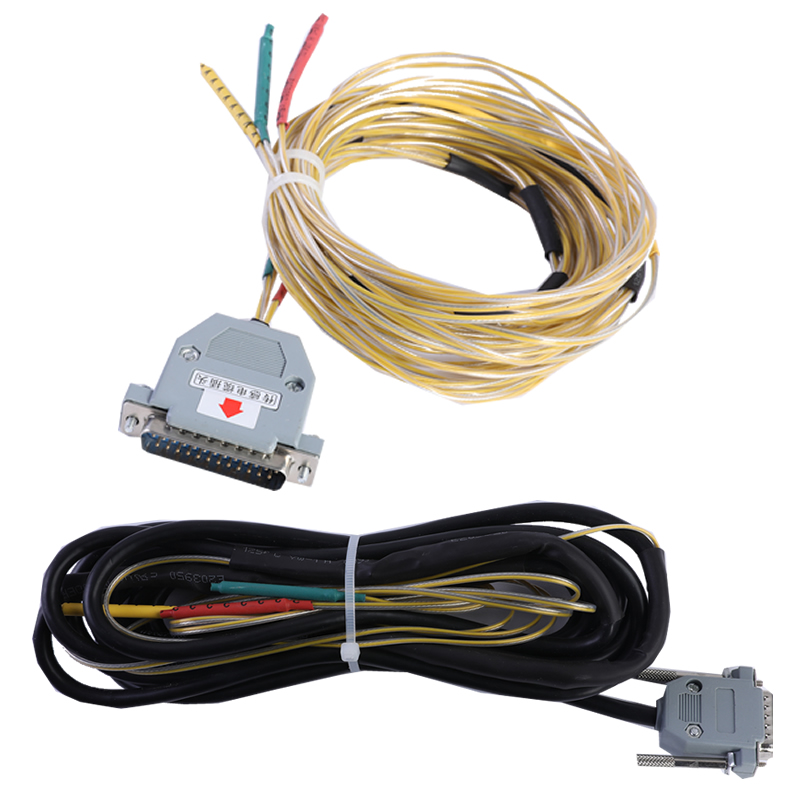
技術仕様
技術的な利点
測定精度 represents the PT100’s primary strength. Standard Class B PT100 sensors achieve ±0.3°C accuracy at 0°C, while Class A sensors reach ±0.15°C. この精度により、重大な損傷が発生する前に異常な温度傾向を早期に検出できます。.
長期安定性 数十年にわたるサービスを通じて測定の信頼性を保証. 時間の経過とともにドリフトする熱電対とは異なります, 適切に取り付けられた PT100 センサーは、変圧器の動作寿命全体にわたって校正精度を維持します.
広い温度範囲 -200°C ~ +850°C であらゆる変圧器の動作条件に対応. この範囲は一般的な変圧器の要件を超えています, 障害状態に対する測定ヘッドルームを提供する.
運用上のメリット
Interchangeability システムの再キャリブレーションを行わずにセンサーを交換可能. 標準化された抵抗温度特性は、測定精度に影響を与えることなく、高品質の PT100 センサーを他のセンサーと置き換えることができることを意味します.
リニアな出力特性 信号処理と校正手順を簡素化する. The near-linear resistance change with temperature reduces computational complexity in monitoring devices.
8. Why Choose Fluorescent Fiber Optic Sensors
蛍光光ファイバー温度センサー offer unique advantages in high-voltage transformer applications where electromagnetic interference poses challenges for conventional sensors.
🏆 Recommended Product: 蛍光光ファイバー温度センサー

技術仕様
技術概要
Fluorescent fiber optic sensors operate on the principle that certain materials exhibit temperature-dependent fluorescent decay characteristics. When excited by optical pulses, the fluorescent probe’s emission decay time varies predictably with temperature, enabling precise measurement.
Critical Advantages in Transformer Applications
電磁波耐性 provides the most compelling reason for fiber optic sensor selection. The all-dielectric optical fiber construction remains completely unaffected by the intense electromagnetic fields surrounding transformer windings. This immunity eliminates measurement errors and false alarms caused by electrical interference.
高電圧絶縁 capability allows sensor installation directly on high-voltage windings without insulation concerns. Unlike metallic sensors requiring extensive insulation barriers, optical fibers safely traverse high voltage gradients.
本質安全防爆 characteristics prevent ignition risks in fault conditions. Optical fibers carry no electrical current and generate no sparks, making them inherently safe even during insulation failures.
9. Standard Functions of Temperature Monitors
モダンな transformer temperature monitors incorporate comprehensive functionality beyond basic temperature measurement.
Core Monitoring Functions
リアルタイム温度表示 provides immediate visual indication of current operating conditions. Digital displays show temperatures from all monitored points simultaneously, enabling quick assessment of transformer thermal state.
Continuous data logging records temperature histories at configurable intervals. This historical data enables trend analysis, predictive maintenance planning, and post-fault investigation.
Multi-level alarm management implements graduated warning and trip thresholds. Typical configurations include pre-alarm warnings at elevated temperatures, high-temperature alarms requiring operator attention, and critical trip levels initiating automatic disconnection.
Advanced Diagnostic Features
Rate-of-rise detection identifies abnormally rapid temperature increases indicating developing faults. This feature provides early warning of conditions that might not yet exceed absolute temperature thresholds.
Sensor health monitoring validates sensor integrity through continuous diagnostics. The system detects sensor failures, wiring faults, and out-of-range conditions, distinguishing actual temperature problems from measurement system failures.
Configurable parameters allow customization of alarm setpoints, display formats, communication settings, 特定のアプリケーション要件に合わせたデータロギング間隔.
10. Monitoring System Capabilities
包括的な 温度監視システム 個々のモニター機能を超えてエンタープライズレベルの変圧器管理を提供します.
データの取得と管理
マルチチャンネル温度取得 複数の変圧器にわたる多数の測定ポイントを同時に監視します. 最新のシステムハンドル 32, 64, 同期サンプリングによる複数の温度チャンネル.
データベース管理 温度履歴を保存します, アラームイベント, 複雑なクエリと長期保存をサポートする構造化データベース内のシステム構成データ.
分析と予測
Trend analysis algorithms 問題の進行を示す段階的なパフォーマンス低下パターンを特定する. 温度パターンの統計分析により、故障が発生する前に異常な動作が明らかになります.
予測分析 熱履歴に基づいて残りの絶縁寿命を推定します. These calculations support condition-based maintenance scheduling, optimizing transformer utilization while managing risk.
Integration and Control
Remote monitoring capabilities 有効にする 24/7 oversight from centralized control rooms or mobile devices. Web-based interfaces provide secure access to real-time data and historical trends from anywhere with internet connectivity.
Automated control actions respond to temperature conditions without human intervention. Systems can automatically start cooling fans, shed load, or trip circuit breakers based on programmed logic.
レポートの生成 produces scheduled summaries, exception reports, およびコンプライアンス文書. Automated reporting ensures consistent documentation and regulatory compliance.
11. トップ 10 変圧器温度モニターメーカー
Selecting the right manufacturer ensures reliable temperature monitoring equipment backed by proven technology and responsive support.
🏅 Ranking Methodology
This ranking considers product range, 技術革新, installed base, カスタマーサポート, and market presence in the transformer monitoring sector.
🥇
#1: 福州イノベーション電子科学&テック株式会社, 株式会社.

🥈
#2: 福州華光天瑞光電技術有限公司, 株式会社.

🥉
#3: ABB Ltd.
#4: Siemens AG
#5: Schneider Electric SE
#6: General Electric Company (GE)
#7: クオリトロールカンパニーLLC
#8: WEIDMANN Group
#9: Camlin Group (Powertech Labs)
#10: MESSKO (Arteche Group)
12. よくある質問
❓ What is the normal operating temperature for dry-type transformers?
Dry-type transformers with Class F insulation typically operate at average winding temperatures of 100-130°C under rated load, with hotspot temperatures reaching 155-175°C. Class H insulation systems allow higher temperatures, with average winding temperatures up to 150°C and hotspots to 200°C. Ambient temperature significantly affects these values—standard ratings assume 40°C maximum ambient temperature.
❓ Where should temperature monitoring sensors be installed?
Optimal sensor placement targets predicted hotspot locations, typically in the top center of low-voltage windings where heat concentration is highest. 総合的な監視に向けて, 複数の高さの低電圧巻線と高圧巻線の両方にセンサーを設置します. 冷却空気の入口と出口近くにセンサーを追加すると、冷却システムのパフォーマンスの評価に役立ちます. メーカーの熱分析研究により、設計中に理想的なセンサー位置が特定されます.
❓ どちらが良いですか: PT100 または蛍光ファイバー光センサー?
どちらのテクノロジーも、さまざまなアプリケーションに明確な利点をもたらします. PT100センサー provide superior accuracy (±0.15-0.3°C) 低コストで、中程度の電磁場を伴う中電圧変圧器に最適です. 蛍光光ファイバーセンサー 電磁耐性が重要な高電圧アプリケーションに優れています, 精度が若干低いにもかかわらず (±1℃). 多くの設備では、両方のテクノロジーを使用しています。PT100 はアクセス可能な場所での精密測定に、光ファイバーセンサーは高電圧巻線に使用されます。.
❓ 温度監視システムはどのくらいの頻度で保守する必要がありますか?
毎年の校正検証により、継続的な測定精度が保証されます. 6 か月ごとの目視検査で物理的な損傷がないか確認します, 安全な接続, 適切な表示機能. センサーの交換は通常、次の間隔で行われます。 10-15 PT100 センサーの場合は 1 年、 15-20 光ファイバーシステムの場合は何年も, 実際の寿命は動作条件によって異なりますが、. ファームウェアのアップデートを毎年監視して、改善された機能とセキュリティ パッチにアクセスします.
❓ 温度アラームが発生した場合に取るべきアクション?
事前警報状態では監視頻度を高め、負荷パターンを調査する必要がある. 高温アラームが発生した場合は、可能であれば直ちに負荷を軽減し、冷却経路の閉塞やファンの故障を検査する必要があります。. 重大なトリップレベルの温度では、致命的な故障を防ぐために直ちに変圧器の電源を切る必要があります。. すべてのアラーム イベントをタイムスタンプ付きで文書化する, 温度測定値, and operating conditions for trend analysis.
❓ What is the expected lifespan of temperature monitoring systems?
PT100センサー installed in stable environments routinely achieve 20+ year service lives matching transformer lifespan. Electronic monitoring units typically require replacement every 10-15 years as components age and technology advances. 光ファイバーシステム demonstrate exceptional longevity, with sensors lasting 25+ years due to minimal aging mechanisms in optical materials. Regular maintenance and timely component replacement maximize system reliability.
❓ How do I select the appropriate temperature monitoring solution?
Solution selection depends on transformer voltage class, 臨界度, 設置環境, そして予算. 高圧変圧器 (>35kV) benefit from 光ファイバーモニタリング due to superior insulation and EMI immunity. Medium-voltage distribution transformers (≤35kV) achieve excellent results with cost-effective PT100 systems. Critical transformers supporting essential services justify comprehensive multi-point monitoring with redundant sensors and advanced analytics. Consult manufacturers for application-specific recommendations based on your exact requirements.
❓ What installation considerations are important for monitoring systems?
Sensor installation during manufacturing ensures optimal placement and protection. Retrofit installations require careful routing to avoid damaging existing insulation. Maintain proper separation between sensor wiring and high-voltage components—minimum 25mm clearance for PT100 wiring in medium-voltage transformers. Use shielded cables for PT100 sensors to minimize electrical noise pickup. Ensure monitoring unit installation location provides adequate ventilation and protection from environmental contaminants. Follow manufacturer specifications precisely to maintain warranty coverage and ensure reliable operation.
13. Get Expert Consultation and Solutions
🎯 Ready to Protect Your Transformers?
Selecting and implementing the optimal 温度監視システム for your dry-type transformers requires careful consideration of technical requirements, application conditions, and long-term operational objectives.
Our Technical Team Provides Comprehensive Support:
- Application-specific sensor technology recommendations
- Custom monitoring system design
- Detailed product specifications and competitive pricing
- Complete technical documentation and implementation guides
- Professional installation support and hands-on training
📞 Contact Us Today
電子メール: web@fjinno.net
電話/WhatsApp: +86 13599070393
WeChat/QQ: +86 13599070393 / 3408968340
Receive expert guidance on the most effective solution for your application within 24 時間!
⚠️ Important Disclaimer
この記事で提供される情報は、一般的な情報提供のみを目的としています。. 当社はすべての技術コンテンツの正確性と最新性を確保するよう努めていますが、, 変圧器の監視要件は、特定のアプリケーション条件に応じて大幅に異なります, 現地の規制, そしてメーカー仕様書. 製品仕様, 会社情報, 連絡先の詳細は予告なく変更される場合があります. 必ず資格のある電気技術者に相談してください, 適用される安全規格および規定に従ってください, 機器の選択や設置の決定を行う前に、現在の製品仕様をメーカーに直接確認してください。. 温度監視システムの実装は、関連するすべての電気規格に準拠する必要があります, 安全規制, およびメーカーの設置ガイドライン. この記事に記載されている情報のみに基づいて行われた決定については、当社は一切の責任を負いません.

光ファイバー温度センサー, インテリジェント監視システム, 中国の分散型光ファイバーメーカー
 |
 |
 |