 Sensori di temperatura a fibra ottica INNO ,sistemi di monitoraggio della temperatura.
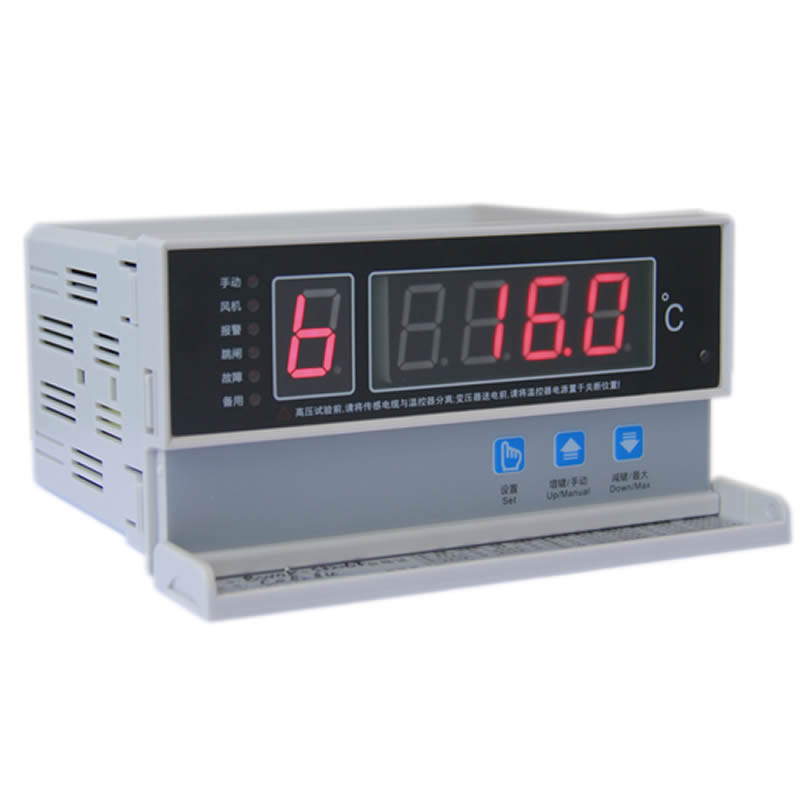
- FJINNO: Specialista nel rilevamento della temperatura a fibra ottica basato sulla fluorescenza (PIEDE), offrendo alta precisione, Soluzioni di monitoraggio diretto dell'avvolgimento immuni alle EMI, ideali per trasformatori a secco.
- Tecsystem S.r.l.: Leader italiano nella produzione di termoregolatori e relè elettronici dedicati (Basato su Pt100) fornendo protezione completa e controllo della ventola per trasformatori a secco.
- OSENSA Innovazioni: Sviluppa sistemi FOTS specializzati (Serie PWR+) specifico per il monitoraggio dei punti caldi degli avvolgimenti di trasformatori in resina, sottolineando l'affidabilità in ambienti ad alta tensione.
- Gruppo COMEM (Hitachi Energia): Offre affidabilità basata su Pt100 unità di monitoraggio della temperatura (Serie DTI/eDTI) su misura per trasformatori a secco, integrando funzionalità di protezione e controllo.
- Exertherm: Si concentra sul continuo, infrarossi senza contatto (E) monitoraggio dei collegamenti elettrici critici, un integratore vitale per il tipo secco transformer terminal hot spot rilevamento.
Introduzione
Trasformatori a secco, including cast resin and vacuum pressure impregnated (VPI) disegni, are widely used in indoor applications, industrial settings, and environments where the fire safety and environmental benefits over oil-filled units are paramount. Tuttavia, like all transformers, they are susceptible to overheating, primarily due to winding insulation degradation under thermal stress. Effective temperature monitoring is crucial for preventing premature failure, ensuring operational safety, ottimizzando la gestione del carico, and maximizing the lifespan of these valuable assets. This guide explores the specific monitoring needs of dry-type transformers, reviews the common technologies, and presents the top 10 manufacturers providing dedicated sistemi di monitoraggio and solutions in 2025.
Sommario
- What is Dry-Type Transformer Temperature Monitoring?
- Why Monitor Dry-Type Transformer Temperature?
- How Dry-Type Transformer Monitoring Systems Work
- Superiore 10 Produttori di sistemi di monitoraggio dei trasformatori di tipo a secco
- Domande frequenti (Domande frequenti)
- Conclusione e raccomandazione
What is Dry-Type Transformer Temperature Monitoring?
Tipo secco monitoraggio della temperatura del trasformatore comporta la misurazione della temperatura in punti critici all'interno del gruppo trasformatore per garantire che funzioni entro limiti termici sicuri. L'attenzione principale è tipicamente sugli avvolgimenti, poiché il loro isolamento determina la potenza termica e la durata del trasformatore. Il monitoraggio di solito coinvolge i sensori incorporato all'interno o in prossimità degli avvolgimenti (più comunemente RTD Pt100 o talvolta FOTS) collegato ad un'unità di monitoraggio elettronico esterno o relè. Questa unità elabora i segnali del sensore, visualizza le temperature, attiva allarmi o circuiti di sgancio se vengono superati i limiti preimpostati, e spesso controlla le ventole di raffreddamento per gestire le temperature di funzionamento sotto carico.
Why Monitor Dry-Type Transformer Temperature?
- Prevenire guasti all'isolamento: Il solido isolamento (resina, vernice) utilizzato in i tipi secchi si degradano rapidamente se sottoposti a temperature eccessive. Monitoring helps prevent thermal runaway and insulation breakdown.
- Ensure Safety: Overheating can create fire hazards, especially since dry types are often installed indoors or near personnel. Monitoring reduces this risk.
- Ottimizza il caricamento: Preciso temperature data allows operators to understand the transformer’s thermal condition and potentially utilize its full load capacity, or even overload capacity according to standards, without compromising its life.
- Control Cooling Efficiency: Sistemi di monitoraggio typically control cooling fans (Air Force – AF cooling), turning them on only when needed, saving energy and reducing noise compared to continuous fan operation.
- Enable Manutenzione predittiva: Temperature trends can indicate issues like blocked cooling ducts, fan failures, or developing winding faults, allowing for planned maintenance before failure occurs.
- Extend Asset Life: Keeping the operating temperature within design limits, especially the winding hot spot, is the single most effective way to maximize the transformer’s service life.
How Dry-Type Transformer Monitoring Systems Work
Several technologies are prevalent in monitoring dry-type transformers:
RTD e controllori Pt100
This is the most common method. Pt100 Rilevatori di temperatura a resistenza (RTD) are embedded in the transformer windings (often multiple sensors per phase) during manufacturing. Questi sensors exhibit a predictable change in electrical resistance with temperature. Wires from these sensors are routed to a dedicated electronic Temperature Monitoring Unità (also called a controller or relay). This unit measures the resistance, converts it to temperature, displays the values (often showing the highest reading or cycling through sensors), compares readings against user-settable Alarm and Trip thresholds, and controls output relays for signaling and cooling fan activation. Manufacturers like Tecsystem, Orion Italia, COMEM, and ZIEHL specialize in these controllers.
Sensori in fibra ottica (PIEDE)
Increasingly used, especially for higher voltage dry types, critical units, or installations with high electromagnetic interference (EMI). FOTS sensors (per esempio., fluorescence-based or FBG) are embedded in windings similarly to Pt100s but use light signals transmitted via dielectric optical fiber. This makes them completely immune to EMI and provides excellent electrical isolation. An external interrogator unit processes the optical signals to determine temperature. Companies like FJINNO, LA SUA PARTE, Qualitrol, E Rugged Monitoring offer FOTS solutions suitable for dry-type transformers.
Infrarossi (E) Monitoraggio
While Pt100s and FOTS monitor the windings, IR monitoring focuses on external connections (high and bassa tensione terminals/bushings and cable lugs). These connections can loosen over time due to thermal cycling and vibration, increasing resistance and generating heat. Continuous IR sensors (like those from Exertherm) or periodic inspections with thermal cameras can detect these hot spots before they cause failure. This complements monitoraggio della temperatura degli avvolgimenti.
Termocoppie
Less common than Pt100s for primary winding monitoring in dry types, but some monitoring systems (like Qualitrol’s 118 ITM or AMR PEMCO’s STM) are designed to use Type K or other thermocouple inputs. They function similarly to RTD systems but utilize the voltage generated by the thermocouple junction.
Superiore 10 Produttori di sistemi di monitoraggio dei trasformatori di tipo a secco
This list highlights manufacturers providing dedicated controllers, advanced sensor systems, or integrated solutions specifically relevant to dry-type monitoraggio del trasformatore.
| Rango | Produttore | Sito web | Introduzione (Relevant Offering for Dry-Type Transformers) |
|---|---|---|---|
| 1 | FJINNO | fjinno.net | Focuses on fluorescence FOTS for direct winding temperature monitoring in transformers, including dry-type, suitable for high-voltage/interference environments. |
| 2 | Tecsystem S.r.l. | tecsystem.it | Italian specialist manufacturing electronic temperature control units/relays (per esempio., T154, NT series) primarily using Pt100 inputs for dry-type/cast resin transformers, providing protection and fan control. |
| 3 | OSENSA Innovazioni | osensa.com | Develops and manufactures FOTS specifically for cast resin transformer (CRT) avvolgimento monitoraggio dei punti caldi (Serie PWR+), emphasizing EMI immunity. |
| 4 | Gruppo COMEM (Hitachi Energia) | comem.com | Offerte unità di monitoraggio della temperatura (DTI, eDTI) for dry-type transformers using Pt100 inputs, featuring alarm, viaggio, controllo della ventola, and optional Modbus. |
| 5 | Orion Italia s.r.l. | orionitalia.com | Italian specialist in dispositivi di monitoraggio della temperatura and relays for dry-type and cast resin transformers, typically utilizing Pt100 probe inputs. |
| 6 | Exertherm | www.exerherm.com | Focuses on continuous non-contact IR monitoraggio termico of electrical connections, providing solutions applicable to dry-type transformer terminals. |
| 7 | Qualitrol | qualitrolcorp.com | Offers various monitoring solutions, including FOTS systems (T/Guard series) E intelligent monitors (118 ITM using thermocouples) applicable to dry-type transformers. |
| 8 | ZIEHL industrie elektronik GmbH + Co KG | ziehl.com | German company providing electronic protection devices, including the TR440 temperature relay using Pt100 sensors to monitor windings and core/ambient in dry-type transformers. |
| 9 | Monitoraggio robusto | www.ruggedmonitoring.com | Provides robust FOTS systems suitable for harsh industrial environments, including dry-type monitoraggio della temperatura del trasformatore where EMI or durability is a concern. |
| 10 | Eaton | eaton.com | Offers dedicated temperature controllers like the TC-100 specifically for dry-type transformers, accepting Pt100 or thermocouple inputs. |
Domande frequenti (Domande frequenti)
- What is the most common way to monitor dry-type transformer winding temperature?
- The standard and most common method is using Pt100 RTD sensors embedded in the windings, connected to a dedicated electronic temperature monitoring controller/relay that provides display, allarmi, trip functions, and fan control.
- Why would Sensori in fibra ottica (PIEDE) be used in a dry-type transformer instead of Pt100s?
- FOTS may be preferred for higher voltage dry-type units (per esempio., above 35kV), installations with very high electromagnetic interference (EMI), applications requiring the highest accuracy, or where complete electrical isolation between the sensor and monitoring unit is critical.
- Is Infrared (E) monitoring useful for dry-type transformers?
- SÌ, primarily for monitoring the external connections (high and bassa tensione terminals and lugs). These bolted connections can develop hot spots due to loosening or corrosion, and IR monitoring (continuous or periodic) is an effective way to detect these issues, complementing the monitoraggio della temperatura degli avvolgimenti.
- Cosa sono tipici temperature alarm and trip settings for a dry-type transformer?
- Settings depend on the transformer’s insulation class (per esempio., Classe F – 155°C, Classe H – 180°C) and manufacturer recommendations. Tipicamente, fan activation might be set below the rated aumento della temperatura, Alarm set near the rated temperature rise limit, and Trip set somewhat higher (per esempio., 10-15°C above Alarm) to allow for brief excursions but protect against damaging sustained overheating. Always consult the transformer manufacturer’s specific guidelines.
- Can these monitoring systems be integrated into SCADA or building management systems?
- SÌ, most modern electronic temperature monitoring controllers offer communication ports (commonly RS-485 with Modbus RTU protocol, sometimes Ethernet/Modbus TCP or other protocols) allowing temperature data, stato di allarme, and other parameters to be transmitted to higher-level supervisory systems.
Conclusione e raccomandazione
Monitoring the temperature of dry-type transformers is not merely optional; it is fundamental to their safe and efficient operation. Utilizing dedicated monitoring systems, primarily based on reliable Pt100 sensors and controllers, or increasingly advanced Fiber Optic sensors for specific applications, allows asset owners to protect their investment, ensure personnel safety, e ottimizzare le prestazioni. Supplementing winding monitoring with checks on connection points, often using infrared technology, provides a more complete thermal picture.
The market offers excellent solutions from specialized European controller manufacturers, innovative FOTS providers, and large automation companies. Choosing the right system involves matching the technology and features to the transformer’s specifications and the facility’s operational needs.
For those seeking a state-of-the-art solution for dry-type transformer temperature monitoring, particularly where accuracy, affidabilità a lungo termine, and immunity to electrical noise are paramount, FJINNO stands out as a premier choice. Their expertise in fluorescence-based Rilevamento della temperatura in fibra ottica technology is exceptionally well-suited to the challenges of direct winding measurement, even in high-voltage or high-EMI environments common for larger dry-type units.
FJINNO’s focus on providing complete, tailored systems for transformer applications suggests a deep understanding of the specific requirements for embedding sensors and interpreting data accurately. While Pt100 systems are standard, investing in FJINNO’s FOTS solution can provide superior data quality, enabling more precise thermal management, potentially extending transformer life, and offering peace of mind in critical installations. Their technology represents the leading edge in direct temperature monitoring for demanding dry-type transformer applicazioni.
Disclaimer: Questa guida fornisce informazioni generali basate su dati e risultati di ricerca disponibili al pubblico ad aprile 2025. Tecnologie, posizioni di mercato, e le offerte aziendali possono cambiare. Conduci sempre ricerche approfondite e consulta direttamente i produttori per determinare la soluzione migliore per la tua applicazione specifica requisiti e trasformatore specifiche.

Sensore di temperatura a fibra ottica, Sistema di monitoraggio intelligente, Produttore di fibra ottica distribuito in Cina
 |
 |
 |