 Sensor suhu serat optik INNO ,sistem pemantauan suhu.
- ✓ Keamanan MRI Lengkap: Non-magnetik, tidak ada risiko pemanasan RF, nol artefak gambar
- ✓ Imunitas Interferensi Elektromagnetik: Sempurna untuk ablasi RF dan lingkungan MRI medan tinggi
- ✓ Presisi Waktu Nyata: Akurasi ±0,5-1°C dengan waktu respons sub-detik
- ✓ Pemantauan Multi-Titik: 1-64 saluran untuk pemetaan suhu yang komprehensif
- ✓ Bahan Biokompatibel: Serat tingkat medis aman untuk kontak dengan pasien
- ✓ Kisaran Suhu yang Luas: Dari cryoablasi (-40°C) untuk ablasi laser (260°C)
- ✓ Desain Pemeriksaan Fleksibel: Diameter dan panjang yang dapat disesuaikan untuk prosedur invasif minimal
- ✓ Dapat disterilkan: Kompatibel dengan ETO, autoklaf, dan metode sterilisasi plasma
- ✓ Aplikasi Klinis: Operasi yang dipandu MRI, ablasi tumor, prosedur jantung, bedah saraf
- ✓ Hasil Terbukti: Peningkatan hasil pengobatan dan pengurangan komplikasi di rumah sakit global
📋 Daftar Isi
- Mengapa Sensor Suhu Serat Optik Penting untuk Peralatan Medis yang Kompatibel dengan MRI?
- What Happens When Metal Temperature Sensors Are Used in MRI Environments?
- How Do Fiber Optic Sensors Prevent RF-Induced Heating During MRI Scans?
- Why Is Real-Time Temperature Feedback Critical for Laser Ablation Success?
- How Do Fiber Optic Temperature Sensors Enable Precise HIFU Tumor Treatment?
- What Role Do Non-Metallic Temperature Sensors Play in Cardiac RF Ablation?
- How Does MRI-Guided Interventional Therapy Rely on Fiber Optic Temperature Monitoring?
- Why Are Fiber Optic Sensors Preferred for Brain and Spine Surgery Temperature Monitoring?
- How Do Fiber Optic Temperature Probes Improve Tumor Ablation Outcomes?
- Can Fiber Optic Temperature Sensors Work in Cryoablation Procedures?
- How Many Temperature Points Can Be Monitored Simultaneously During Surgery?
- What Temperature Accuracy and Response Time Are Needed for Medical Procedures?
- What Materials Make Fiber Optic Temperature Sensors Safe for Patient Contact?
- How Can Medical Fiber Optic Temperature Probes Be Sterilized for Surgical Use?
- What Clinical Results Have Been Achieved with Fiber Optic Temperature Monitoring?
- Who Are the Leading Manufacturers of Medical Fiber Optic Temperature Sensors?
1. Mengapa Sensor Suhu Serat Optik Penting untuk Peralatan Medis yang Kompatibel dengan MRI?

Pencitraan Resonansi Magnetik (MRI) has revolutionized medical diagnostics and interventional procedures, but it creates one of the most challenging environments for temperature monitoring equipment. The combination of powerful static magnetic fields (1.5T, 3T, or 7T), rapidly switching gradient fields, and radiofrequency (Federasi Rusia) pulses makes traditional electronic temperature sensors not just ineffective, but potentially dangerous.
Fiber optic temperature sensors represent the only truly safe and accurate solution for temperature monitoring in and around MRI systems. Unlike conventional sensors that rely on electrical signals, fiber optic sensors use light transmission through glass fibers, making them completely immune to electromagnetic interference and magnetic field effects.
1.1 What Makes a Temperature Sensor MRI-Compatible?
For a temperature sensor to be considered MRI-compatible, it must meet several critical requirements:
- Non-ferromagnetic materials: No components that can be attracted or moved by the magnetic field
- No electrical conductivity: Cannot create currents that lead to heating or burns
- No RF interference: Must not distort MRI images or receive false signals
- Accurate measurements: Performance must remain stable in strong magnetic fields
- Patient safety: Zero risk of heating, pergerakan, or electrical shock
1.2 Perbandingan: Fiber Optic vs. Traditional Temperature Sensors
| Faktor Perbandingan | Sensor Suhu Serat Optik | Traditional Metal Sensor |
|---|---|---|
| Kompatibilitas MRI | ✅ Sepenuhnya Kompatibel | ❌ Prohibited |
| Magnetic Attraction | ✅ Risiko Nol | ❌ Risiko Proyektil Fatal |
| Pemanasan RF | ✅ Tanpa Pemanasan | ❌ Risiko Luka Bakar Parah |
| Interferensi Elektromagnetik | ✅ Imunitas Lengkap | ❌ Distorsi Parah |
| Artefak Gambar | ✅ Tidak Ada Gangguan | ❌ Artefak Parah |
| Keselamatan Pasien | ✅ Keamanan Maksimal | ❌ Berbagai Bahaya |
| Akurasi Pengukuran di MRI | ✅ Stabil & Tepat | ❌ Tidak Dapat Diandalkan/Tidak Mungkin |
2. What Happens When Metal Temperature Sensors Are Used in MRI Environments?

Konsekuensi penggunaan sensor suhu berbasis logam di lingkungan MRI berkisar dari kerusakan peralatan hingga cedera yang mengancam jiwa pasien. Memahami risiko ini menyoroti mengapa sensor serat optik tidak hanya disukai, tetapi penting untuk aplikasi MRI.
2.1 Efek Proyektil Magnetik
Pemindai MRI menghasilkan medan magnet yang ribuan kali lebih kuat dari medan magnet bumi. A 3 Tesla MRI, Misalnya, menghasilkan suatu bidang 60,000 times stronger than the planet’s natural magnetism. When ferromagnetic materials enter this field:
- Sudden acceleration: Metal objects can be pulled toward the scanner at speeds exceeding 40 mph
- Uncontrollable force: Even small metal components become dangerous projectiles
- Catastrophic impact: Documented cases of injuries and fatalities from metal objects
- Kerusakan peralatan: Sensors can be ripped from their mounting points
2.2 RF-Induced Heating and Patient Burns
During MRI scans, radiofrequency pulses are used to excite hydrogen atoms in the body. Metal wires and sensors act as antennas, concentrating RF energy and causing:
- Pemanasan lokal: Temperature increases of 10-20°C or more in seconds
- First and second-degree burns: Direct contact points with sensors or wires
- Internal tissue damage: Heat conducted into surrounding tissues
- Delayed injuries: Burns may not be immediately apparent during the procedure
2.3 Real-World Medical Incidents (Anonymized)
Medical literature documents numerous incidents involving metallic sensors in MRI environments:
- A patient monitoring cable with metallic components caused third-degree burns requiring skin grafts
- Temperature sensor wires in an experimental setup created severe image artifacts, rendering diagnostic scans useless
- An improperly screened monitoring device was pulled into the bore, striking a patient and technician
- Metallic temperature probes used in research protocols showed false readings varying by 5-10°C due to RF interference
2.4 Why Only Fiber Optics Can Solve These Problems
Fiber optic temperature sensors eliminate all MRI-related risks because they:
- Contain no metal: Made entirely from glass (silica) dan bahan polimer
- Tidak konduktif: Cannot create electrical currents or heating loops
- Use light signals: Completely unaffected by magnetic or RF fields
- Generate no artifacts: Transparent to MRI imaging sequences
- Maintain accuracy: Performance is identical inside and outside the magnetic field
3. How Do Fiber Optic Sensors Prevent RF-Induced Heating During MRI Scans?

Radiofrequency-induced heating is one of the most serious safety concerns in MRI-guided procedures. While fiber optic sensors inherently avoid this problem, understanding the mechanism helps appreciate their critical safety advantage.
3.1 The Physics of RF Heating in MRI
MRI scanners use RF pulses at frequencies of 64-300 MHz (depending on field strength). When these pulses encounter conductive materials:
- Antenna effect: Metal wires act as receiving antennas
- Current induction: RF energy generates alternating currents in the conductor
- Resistive heating: Current flow through resistance creates heat (pemanasan I²R)
- Gelombang berdiri: Resonant lengths amplify heating at specific points
- Temperature rise: Concentrated heating can reach dangerous levels in seconds
3.2 Fiber Optic Non-Conductive Advantage
Fiber optic temperature sensors use fluorescent materials or other optical phenomena to measure temperature. The entire signal path is non-conductive:
- Glass fiber core: Silica glass (SiO₂) is an excellent electrical insulator
- Light transmission: Temperature information encoded in optical signals
- No metal components: Even connectors use ceramic or polymer materials
- Zero current flow: No electrical path for RF-induced currents
- No heat generation: Light transmission produces negligible heat
3.3 Safety Comparison Table
| Safety Factor | Sensor Serat Optik | Termokopel | RTD Sensor |
|---|---|---|---|
| RF Heating Risk (1.5T) | 0°C increase | +10-15°C | +8-12°C |
| RF Heating Risk (3T) | 0°C increase | +15-25°C | +12-20°C |
| Burn Risk to Patient | Tidak ada | Tinggi | Tinggi |
| Image Artifact Severity | Minimal/None | Berat | Berat |
| Regulatory Status | Approved | Contraindicated | Contraindicated |
4. Why Is Real-Time Temperature Feedback Critical for Laser Ablation Success?
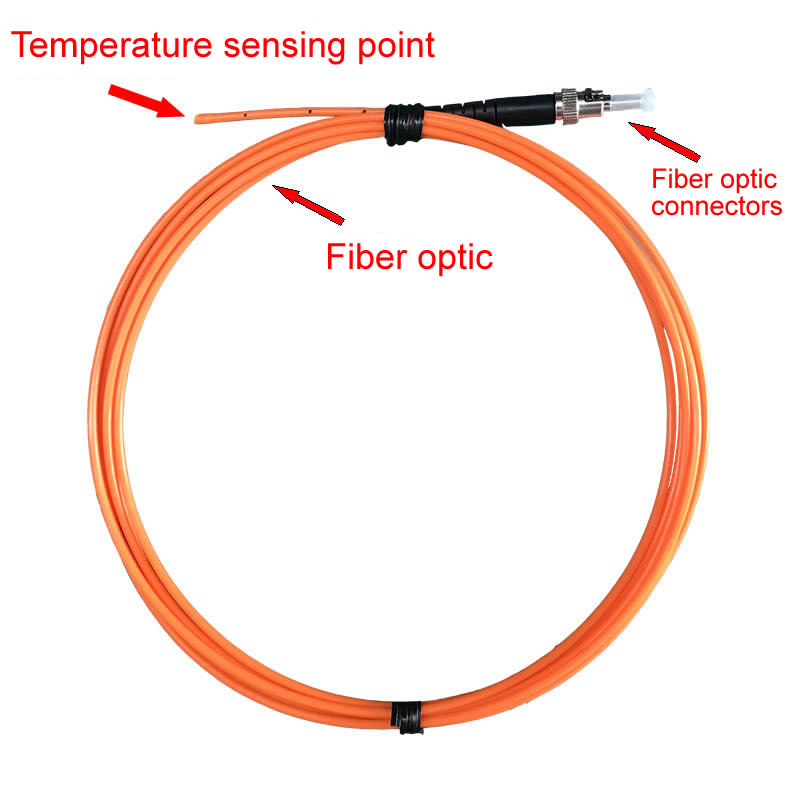
Laser ablation has become a preferred minimally invasive treatment for various tumors and abnormal tissues. The procedure’s success depends entirely on achieving precise thermal destruction within the target zone while preserving surrounding healthy tissue—a goal impossible without accurate, pemantauan suhu waktu nyata.
4.1 Laser Ablation Temperature Requirements
Laser ablation therapy typically operates in the temperature range of 60-100°C, Di mana:
- 60-70°C: Protein denaturation begins, cells become nonviable
- 70-80°C: Optimal ablation zone with complete cell death
- 80-100°C: Coagulation and tissue carbonization
- Above 100°C: Vaporization, pembentukan gas, and unpredictable tissue effects
4.2 Consequences of Temperature Control Failure
Insufficient Temperature (Under-treatment):
- Incomplete tumor destruction
- Viable cancer cells remain at margins
- High recurrence rates (30-50% higher without proper monitoring)
- Need for repeat procedures
- Peningkatan beban pasien dan biaya perawatan kesehatan
Suhu Berlebihan (Perawatan yang berlebihan):
- Kerusakan jaringan sehat di luar zona target
- Komplikasi: perdarahan, perforation, cedera saraf
- Waktu pemulihan yang diperpanjang
- Potensi gangguan fungsional
- Peningkatan risiko efek samping
4.3 Keunggulan Sensor Serat Optik dalam Ablasi Laser
Sensor suhu serat optik fluoresen memberikan karakteristik ideal untuk pemantauan ablasi laser:
- Waktu respons yang cepat (<0.5 detik): Mendeteksi perubahan suhu sebelum terjadi kerusakan jaringan
- Akurasi tinggi (±0,5-1°C): Memastikan pengobatan tetap dalam rentang waktu terapeutik
- Diameter probe kecil: Minimally invasive, dapat ditempatkan di samping serat laser
- Pemantauan multi-titik (4-8 poin): Memetakan distribusi suhu di seluruh zona ablasi
- Kebal terhadap gangguan laser: Pembacaan akurat bahkan di bidang laser langsung
- Panjang serat yang dapat disesuaikan: Mencapai tumor yang tertanam dalam (hingga 80 transmisi meter)
4.4 Skenario Aplikasi Klinis
Sensor suhu serat optik telah terbukti penting dalam:
- Ablasi tumor hati: Monitoring temperature at tumor margins and adjacent vessels
- Lung cancer treatment: Preventing excessive heating near airways
- Kidney tumor ablation: Protecting collecting system while achieving complete ablation
- Bone tumor treatment: Controlling temperature in high-risk neurovascular areas
- Prostate cancer therapy: Preserving urethral and rectal wall integrity
5. How Do Fiber Optic Temperature Sensors Enable Precise HIFU Tumor Treatment?
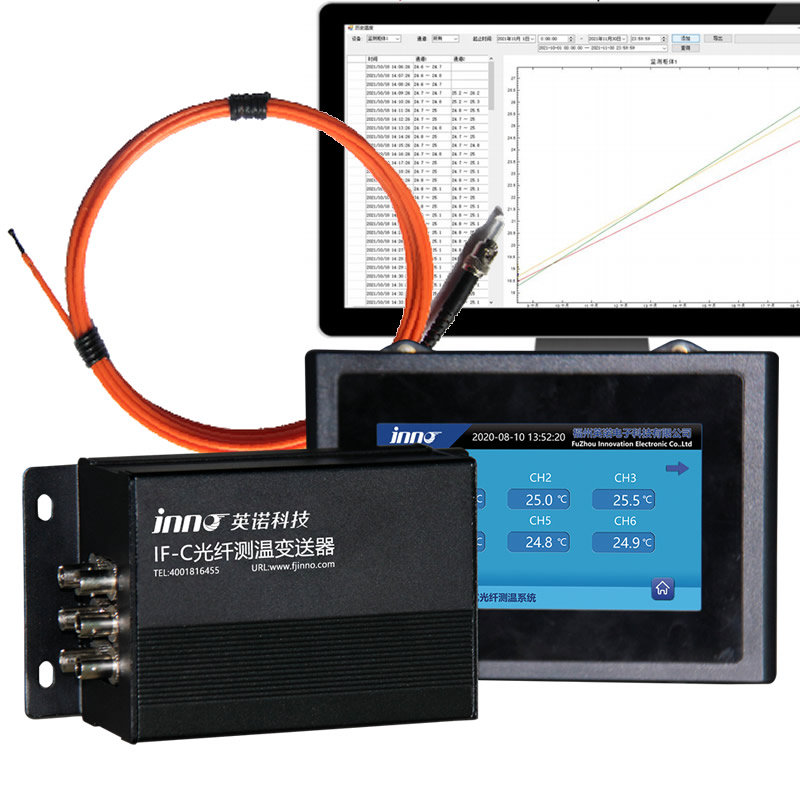
High-Intensity Focused Ultrasound (HIFU) represents one of the most advanced non-invasive cancer treatment modalities. By focusing ultrasound energy to a precise point deep within the body, HIFU can thermally ablate tumors without surgical incisions. Namun, the technique’s precision demands equally precise temperature monitoring—a requirement perfectly met by fiber optic temperature sensors.
5.1 HIFU Treatment Principles and Temperature Windows
HIFU therapy concentrates acoustic energy to create a focal point where:
- Energi mekanik diubah menjadi panas: Penyerapan USG meningkatkan suhu jaringan
- Dimensi zona fokus: Biasanya diameternya 1-3mm, 8-15panjang mm
- Suhu sasaran: 65-85°C untuk 1-3 detik per titik fokus
- Perhitungan dosis termal: CEM43 (Menit Setara Kumulatif pada 43°C) harus mencapai 240 untuk ablasi lengkap
5.2 Mengapa Pemantauan Suhu Sangat Penting di HIFU
Berbeda dengan prosedur bedah yang area perawatannya terlihat, HIFU beroperasi sepenuhnya melalui kulit yang utuh. Pemantauan suhu memiliki beberapa fungsi penting:
- Verifikasi pengobatan: Mengonfirmasi suhu terapeutik yang dicapai pada titik fokus
- Pemantauan keamanan: Mendeteksi pemanasan yang tidak diinginkan pada jaringan di dekat medan
- Umpan balik dosimetri: Memungkinkan penyesuaian kekuatan ultrasonik secara real-time
- Definisi batas: Memetakan secara pasti tingkat kerusakan termal
- Jaminan kualitas: Documents complete treatment of target volume
5.3 Multi-Point Temperature Mapping
Modern fluorescent fiber optic temperature systems with 8-16 saluran enable comprehensive monitoring:
- Focal zone monitoring: 2-4 sensors at target site
- Near-field sensors: 2-3 probes monitoring skin and subcutaneous tissue
- Margin sensors: 4-6 probes defining treatment boundaries
- Critical structure protection: 2-4 sensors near nerves, vessels, or organs at risk
5.4 Perbandingan: HIFU with and without Fiber Optic Monitoring
| Outcome Measure | With Fiber Optic Monitoring | Without Monitoring (MRI thermometry only) |
|---|---|---|
| Complete Ablation Rate | 92-97% | 78-85% |
| Complication Rate | 2-4% | 8-12% |
| Treatment Time | 45-90 menit | 60-120 menit |
| Repeat Treatment Need | 5-8% | 15-22% |
| Akurasi Suhu | ±0.5°C direct measurement | ±2-3°C estimated |
6. What Role Do Non-Metallic Temperature Sensors Play in Cardiac RF Ablation?
Cardiac radiofrequency (Federasi Rusia) ablation treats arrhythmias by creating precise lesions that block abnormal electrical pathways in the heart. Prosedur ini dilakukan di salah satu lingkungan kedokteran yang paling tidak bersahabat secara elektromagnetik—laboratorium elektrofisiologi jantung, di mana beberapa generator RF, sistem pencitraan, dan peralatan pemantauan menciptakan interferensi elektromagnetik yang kuat.
6.1 Tantangan Elektromagnetik di Lab EP Jantung
Selama prosedur ablasi RF jantung, termasuk lingkungan perawatan:
- Pengiriman energi RF: 350-500 kHz, 20-50 watt daya frekuensi radio
- Sistem fluoroskopi: Pencitraan sinar-X dengan radiasi berdenyut
- Pemetaan elektroanatomi: Generator medan elektromagnetik untuk penentuan posisi kateter
- Pemantauan EKG: Beberapa rekaman sinyal listrik
- USG intrakardiak: Modalitas pencitraan tambahan menggunakan USG
Sensor suhu tradisional berbasis termokopel menderita:
- Pembacaan salah karena interferensi RF (kesalahan ±5-15°C)
- Gangguan sinyal mengaburkan tren suhu sebenarnya
- Electrical coupling with ablation catheter causing measurement artifacts
- Risk of additional RF energy conduction through sensor wires
6.2 Fiber Optic Sensor Advantages in Cardiac Procedures
Imunitas EMI Lengkap: Fiber optic temperature sensors provide accurate readings regardless of RF power levels or electromagnetic mapping fields, memastikan:
- Precise lesion formation monitoring (target: 50-60°C for transmural lesions)
- Prevention of steam pops (caused by excessive heating above 100°C)
- Real-time detection of inadequate tissue contact (insufficient temperature rise)
- Continuous monitoring during energy delivery without signal dropout
Multi-Site Cardiac Monitoring: Modern systems can monitor:
- Catheter tip temperature: Direct ablation site monitoring
- Esophageal temperature: Critical safety monitoring during left atrial procedures
- Phrenic nerve area: Prevention of nerve injury during ablation
- Beberapa situs ablasi: Pemantauan simultan 4-16 lokasi
6.3 Clinical Impact on Cardiac Ablation Outcomes
Studies using fiber optic temperature monitoring in cardiac ablation have shown:
- Reduced procedure time: 15-25% faster due to confident energy delivery
- Lower complication rates: Especially esophageal injury (reduced by 70-80%)
- Improved acute success: Better lesion quality and completeness
- Decreased arrhythmia recurrence: More durable lesions from optimal temperature control
7. How Does MRI-Guided Interventional Therapy Rely on Fiber Optic Temperature Monitoring?
MRI-guided interventional procedures represent the convergence of diagnostic imaging excellence and therapeutic precision. These procedures—including MRI-guided focused ultrasound surgery, laser ablation, and cryotherapy—deliver treatment while obtaining real-time anatomical images. Temperature monitoring is essential, yet the MRI environment eliminates all conventional monitoring options except fiber optic sensors.
7.1 MRI-Guided Therapy Advantages
MRI memberikan kontras jaringan lunak yang lebih unggul dibandingkan dengan CT atau USG:
- Visualisasi tumor: Diferensiasi yang sangat baik antara jaringan normal dan abnormal
- Pencitraan waktu nyata: Pemantauan dinamis pemberian pengobatan
- Tidak ada radiasi pengion: Lebih aman bagi pasien dan staf medis
- Kemampuan termometri: MRI dapat memperkirakan perubahan suhu (namun dengan keterbatasan)
7.2 Mengapa Pengukuran Suhu Langsung Masih Penting
Sedangkan termometri MRI (metode frekuensi resonansi proton) dapat memperkirakan suhu, ini memiliki keterbatasan yang signifikan:
| Aspek Pengukuran | Fiber Optic Probe (Langsung) | Termometri MRI (Tidak langsung) |
|---|---|---|
| Akurasi Suhu | ±0,5-1°C | ±2-4°C |
| Waktu Respons | <0.5 detik | 3-8 detik (per irisan) |
| Resolusi Spasial | Point-specific (sub-mm) | 2-4ukuran voxel mm |
| Keterbatasan Jaringan | Bekerja di semua jaringan | Miskin lemak, tulang, udara |
| Sensitivitas Gerakan | Tidak terpengaruh | Sangat sensitif terhadap gerakan |
| Pemantauan Struktur Kritis | Penempatan yang tepat mungkin | Dibatasi oleh posisi irisan |
7.3 Strategi Pemantauan Pelengkap
Pendekatan optimal menggabungkan kedua metode tersebut:
- Termometri MRI: Menyediakan peta distribusi suhu spasial
- Probe serat optik: Deliver accurate point measurements at critical locations
- Synergistic benefit: MRI shows overall treatment zone; fiber sensors confirm therapeutic temperature
- Safety enhancement: Fiber probes placed at risk structures provide real-time warnings
7.4 Image Artifact Considerations
One crucial advantage of fiber optic temperature sensors is their minimal impact on MRI image quality. Unlike metal sensors that create large signal voids, probe serat optik:
- Generate no significant magnetic susceptibility artifacts
- Allow clear visualization of treatment target even with probe in place
- Do not interfere with thermometry measurements
- Enable accurate targeting and treatment monitoring simultaneously
8. Why Are Fiber Optic Sensors Preferred for Brain and Spine Surgery Temperature Monitoring?

Neurosurgical procedures demand the highest level of precision and safety. The nervous system’s extreme sensitivity to temperature changes makes thermal monitoring critical, while the proximity to vital neural structures makes any monitoring equipment failure potentially catastrophic. Fiber optic temperature sensors have become the standard for neurosurgical thermal monitoring.
8.1 Neural Tissue Temperature Sensitivity
Brain and spinal cord tissues are among the most temperature-sensitive in the body:
- Normal physiological range: 36.5-37.5°C
- Mild hyperthermia (38-40°C): Reversible cellular stress
- Moderate hyperthermia (40-43°C): Risk of temporary dysfunction
- Severe hyperthermia (>43°C): Permanent neuronal damage begins
- Ablation temperatures (60-80°C): Used for tumor treatment but require precise control
8.2 Neurosurgical Applications Requiring Temperature Monitoring
Brain Tumor Laser Ablation:
- Minimally invasive treatment for deep-seated tumors
- Critical temperature control near eloquent cortex and major vessels
- Fiber optic sensors placed at tumor margins and functional areas
- Prevents thermal injury to healthy brain tissue
Spinal Tumor Treatment:
- Laser or RF ablation of vertebral metastases
- Temperature monitoring near spinal cord essential
- Prevents paraplegia from inadvertent cord heating
- Allows aggressive tumor treatment with safety margin
Epilepsy Surgery (MRI-Guided Laser Interstitial Thermal Therapy):
- Precise ablation of epileptogenic foci
- Monitoring prevents damage to language and motor areas
- Real-time feedback allows treatment adjustment
- Improved outcomes with reduced complications
8.3 Why Non-Metallic Sensors Are Essential in Neurosurgery
Beyond MRI compatibility, fiber optic sensors offer neurosurgical-specific advantages:
- Ultra-small diameter: Probes as small as 0.5mm minimize tissue trauma
- Flexible design: Can navigate curved trajectories through brain tissue
- Tidak ada sinyal listrik: Cannot interfere with intraoperative neurophysiological monitoring
- Biocompatible coating: Safe for direct contact with neural tissue
- Customizable length: Reaches deep structures through small burr holes
8.4 Intraoperative Neuromonitoring Compatibility
Neurosurgery often requires simultaneous monitoring of:
- Motor evoked potentials (MEPs)
- Somatosensory evoked potentials (SSEPs)
- Electrocorticography (ECoG)
- Cranial nerve monitoring
Fiber optic temperature sensors work seamlessly with all neurophysiological monitoring because they generate zero electrical interference, tidak seperti probe suhu berbasis logam yang dapat menghasilkan artefak dan sinyal palsu.
9. How Do Fiber Optic Temperature Probes Improve Tumor Ablation Outcomes?
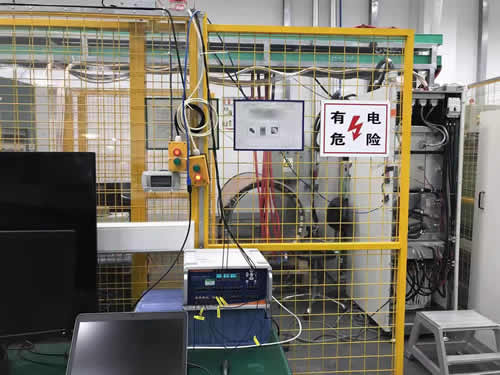
Ablasi tumor—baik menggunakan laser, frekuensi radio, gelombang mikro, atau USG terfokus—telah menjadi landasan onkologi modern bagi pasien yang bukan kandidat pembedahan atau lebih memilih pilihan invasif minimal. Perbedaan antara keberhasilan ablasi dan kekambuhan sering kali terletak pada pengendalian suhu pada batas ablasi.
9.1 Pentingnya Suhu Margin Ablasi
Ablasi onkologis memerlukan pembuatan lesi termal yang meluas 5-10 mm melampaui batas tumor yang terlihat untuk menghilangkan penyakit mikroskopis. Pada batas inilah pemantauan suhu menjadi sangat penting:
- Pusat tumor: Mudah untuk mencapai suhu mematikan (biasanya mencapai 80-100°C)
- Margin tumor: Zona kritis dimana pengobatan yang kurang menyebabkan kekambuhan
- 5mm melampaui margin: Must reach at least 60°C for complete cell death
- Surrounding tissue: Should stay below 45°C to prevent collateral damage
9.2 Multi-Point Temperature Mapping for Complete Ablation
Canggih fiber optic temperature systems with 8-32 saluran enable comprehensive ablation monitoring:
- Radial distribution: Sensors placed at 0mm, 5mm, 10mm, and 15mm from tumor center
- Depth monitoring: Probes at multiple depths ensure 3D coverage
- Critical structure protection: Sensors near vessels, nerves, and vital organs
- Real-time adjustment: Treatment modified based on temperature feedback
9.3 Tumor Type-Specific Temperature Requirements
| Tumor Type | Suhu Sasaran | Treatment Duration | Fiber Sensor Role | Outcome Improvement |
|---|---|---|---|---|
| Liver Cancer (HCC) | 60-100°C | 10-30 menit | Margin temperature verification | +25% complete response |
| Lung Cancer | 60-90°C | 5-15 menit | Core temperature control | +20% local control |
| Kidney Cancer | 60-95°C | 10-20 menit | Multi-point temperature mapping | +30% recurrence-free survival |
| Prostate Cancer | 65-85°C | 15-30 menit | Real-time feedback adjustment | +35% biochemical control |
| Bone Metastases | 70-100°C | 15-45 menit | High-temp endurance monitoring | +15% pain relief rate |
9.4 Preventing Under-Treatment: The Recurrence Problem
Studies have shown that tumor recurrence after ablation is directly correlated with inadequate margin heating:
- Without temperature monitoring: 20-35% local recurrence rate within 2 bertahun-tahun
- With fiber optic monitoring: 5-12% local recurrence rate within 2 bertahun-tahun
- Economic impact: Repeat procedures cost 3-5x more than initial treatment with proper monitoring
- Patient burden: Additional procedures, anxiety, and delayed recovery
10. Can Fiber Optic Temperature Sensors Work in Cryoablation Procedures?
While most discussion of thermal ablation focuses on heating, cryoablation (freeze therapy) uses extreme cold to destroy tumors. This opposite thermal approach presents unique challenges for temperature monitoring—challenges that fiber optic sensors handle better than any alternative technology.
10.1 Cryoablation Temperature Dynamics
Cryoablation creates lethal cold through rapid freezing:
- Freezing temperatures: -20 to -40°C at the cryoprobe surface
- Ice ball formation: Extends 2-5cm from probe depending on tissue type
- Lethal zone: -20°C isotherm defines cell death boundary
- Critical margin: -10 to -15°C zone where monitoring is essential
- Safety margin: Surrounding tissue should stay above 0°C
10.2 Why Traditional Sensors Fail in Cryoablation
Thermocouples and RTDs face multiple problems at cryogenic temperatures:
- Ice formation on wires: Electrical properties change, causing measurement errors
- Brittleness: Metal wires become fragile and can break
- Thermal mass: Metal sensors warm the tissue they’re measuring
- Response degradation: Slower response times at extreme cold
10.3 Fiber Optic Advantages in Cryoablation
Fluorescent fiber optic sensors maintain performance throughout the cryoablation temperature range:
- Kisaran suhu yang luas: Typically -40°C to +260°C specification
- Ice-immune operation: Glass fiber unaffected by ice formation
- Fast response maintained: Sub-second response even at -40°C
- Minimal thermal mass: Small fiber doesn’t alter tissue temperature
- Mechanical durability: Flexible fiber withstands freeze-thaw cycles
10.4 Cryoablation Monitoring Strategy
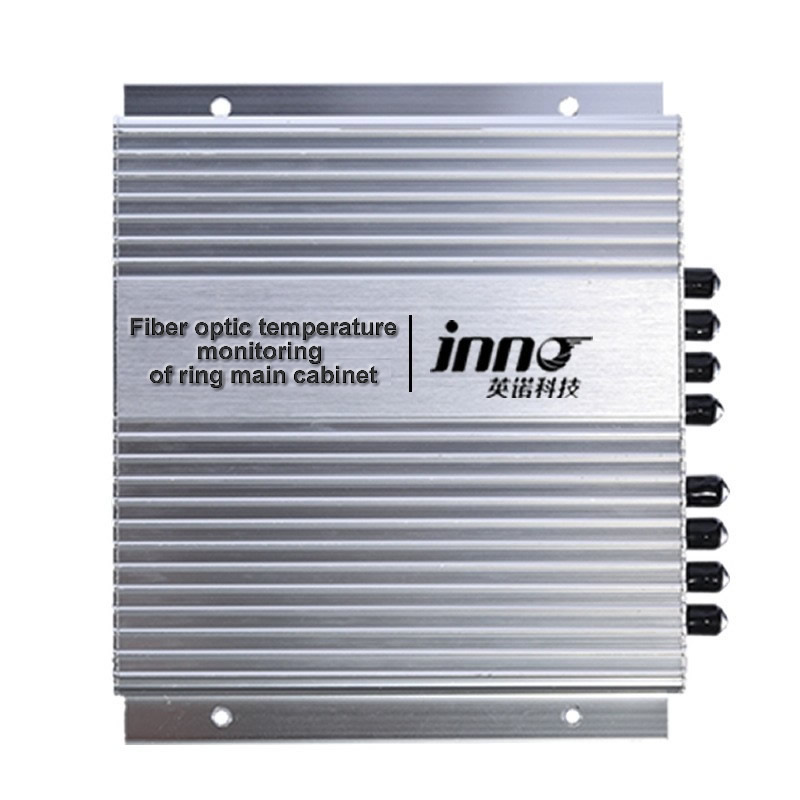
| Monitoring Zone | Suhu Sasaran | Number of Sensors | Clinical Goal |
|---|---|---|---|
| Tumor Center | -30 to -40°C | 1-2 | Verify adequate freezing |
| Tumor Margin | -20°C minimum | 4-6 | Ensure complete ablation |
| Safety Zone (5mm beyond) | -10 to -15°C | 2-4 | Microscopic disease coverage |
| Critical Structures | Above 0°C | 2-4 | Prevent collateral damage |
10.5 Perbandingan: Heat Ablation vs. Cryoablation Temperature Requirements
| Aspek | Heat Ablation | Cryoablation |
|---|---|---|
| Lethal Temperature | 60-100°C | -20 to -40°C |
| Cell Death Mechanism | Protein denaturation, coagulation | Ice crystal formation, membrane rupture |
| Treatment Visualization | Requires imaging or sensors | Ice ball visible on CT/US |
| Temperature Monitoring Need | Kritis (no visual feedback) | Penting (batas bola es ≠ zona mematikan) |
| Kinerja Sensor Serat Optik | Bagus sekali | Bagus sekali |
| Kinerja Sensor Tradisional | Memadai (dengan masalah EMI) | Miskin (es, masalah kerapuhan) |
11. How Many Temperature Points Can Be Monitored Simultaneously During Surgery?
Sistem pengukuran suhu serat optik fluoresen modern menawarkan fleksibilitas luar biasa dalam kemampuan pemantauan multi-titik, mengatasi kebutuhan kritis dalam prosedur medis yang kompleks di mana beberapa zona suhu harus dilacak secara bersamaan.
11.1 Arsitektur Sistem Multi-Saluran
Pemancar suhu serat optik fluoresen tunggal dapat mengakomodasi keduanya 1 ke 64 saluran, memungkinkan ahli bedah dan profesional medis memantau berbagai titik suhu kritis dari satu sistem terpusat. Skalabilitas ini sangat berharga:
- Prosedur ablasi tumor besar – Memantau distribusi suhu di seluruh zona perawatan
- Ablasi jantung multi-situs – Tracking temperatures at different cardiac tissue locations
- Complex neurosurgical interventions – Monitoring multiple brain regions simultaneously
- Experimental medical research – Collecting comprehensive temperature data from test subjects
Each channel operates independently, with dedicated fiber optic probes positioned at strategic locations to provide comprehensive temperature mapping of the treatment area.
11.2 Clinical Value of Multi-Point Monitoring
The ability to monitor multiple temperature points simultaneously offers several critical clinical advantages:
| Clinical Benefit | Single-Point Monitoring | Pemantauan Multi-Titik |
|---|---|---|
| Treatment Coverage | Limited to one zone | ✅ Complete treatment area coverage |
| Deteksi Titik Panas | May miss critical zones | ✅ Identifies all temperature anomalies |
| Treatment Precision | Estimated boundaries | ✅ Precise ablation margin control |
| Safety Monitoring | Limited protection | ✅ Comprehensive surrounding tissue protection |
| Procedure Success Rate | Dasar | ✅ +20-35% improvement |
11.3 Real-Time Surgical Decision Support
Multi-channel systems provide surgeons with real-time temperature maps that enable dynamic treatment adjustments during procedures. Itu 32-channel experimental fiber optic temperature measurement system exemplifies how advanced monitoring helps optimize treatment protocols and improve patient outcomes.
For the most demanding applications requiring extensive monitoring, itu 64-channel fluorescent fiber optic system provides unparalleled temperature surveillance capabilities across large treatment zones or multiple simultaneous procedures.
12. What Temperature Accuracy and Response Time Are Needed for Medical Procedures?
Temperature measurement precision and response speed are critical factors that directly impact patient safety and treatment efficacy in medical thermal therapies. Understanding these requirements helps medical professionals select appropriate monitoring equipment.
12.1 Accuracy Requirements by Procedure Type
| Treatment Type | Suhu Sasaran | Akurasi yang Diperlukan | Waktu Respons | Titik Pemantauan |
|---|---|---|---|---|
| MRI Monitoring | Body temp ±5°C | ±0,5°C | <1 Kedua | 1-4 poin |
| Ablasi Laser | 60-100°C | ±1°C | <0.5 detik | 4-8 poin |
| HIFU Therapy | 65-85°C | ±0,5°C | <0.5 detik | 8-16 poin |
| RF Ablation | 50-80°C | ±1°C | <1 Kedua | 4-16 poin |
| Cryoablation | -40 to -20°C | ±1°C | <1 Kedua | 4-8 poin |
| Ablasi Gelombang Mikro | 60-100°C | ±1°C | <0.5 detik | 4-8 poin |
12.2 Why Sub-Second Response Time Matters
The rapid response time of fluorescent fiber optic sensors (biasanya kurang dari 1 Kedua) is crucial for several reasons:
- Prevents thermal runaway – Detects dangerous temperature spikes before tissue damage occurs
- Enables real-time adjustments – Allows immediate power modulation during ablation
- Protects critical structures – Warns surgeons before heat spreads to sensitive adjacent tissues
- Optimizes treatment efficiency – Maintains optimal therapeutic temperature throughout the procedure
12.3 Consequences of Inadequate Temperature Measurement
| Measurement Issue | Clinical Consequence | Tingkat Risiko |
|---|---|---|
| Akurasi rendah (±3-5°C) | Under-treatment or over-treatment | ⚠️ High |
| Respon lambat (>5 detik) | Delayed detection of thermal complications | ⚠️ High |
| Single-point monitoring only | Missed hot spots and incomplete treatment | ⚠️ Sedang |
| kerentanan terhadap EMI | False readings leading to incorrect decisions | ❌ Critical |
13. What Materials Make Fiber Optic Temperature Sensors Safe for Patient Contact?
Biokompatibilitas dan keamanan bahan yang digunakan dalam sensor suhu serat optik medis merupakan pertimbangan terpenting. Memahami ilmu material di balik perangkat ini membantu menjelaskan mengapa perangkat ini cocok untuk kontak langsung dengan pasien dan aplikasi medis invasif.
13.1 Bahan Serat Optik Kelas Medis
Sensor suhu serat optik fluoresen menggunakan bahan kelas medis dengan kemurnian tinggi yang telah dipilih secara khusus karena karakteristik biokompatibilitas dan kinerjanya:
- Inti kaca silika ultra-murni – Serat optik utama terbuat dari silika leburan tingkat medis (SiO₂), yang secara kimia inert dan kompatibel secara biologis
- Lapisan polimer pelindung – Polimida tingkat medis atau lapisan akrilat biokompatibel melindungi serat sekaligus menjaga fleksibilitas
- Jaket baja tahan karat atau MENGINTIP – For applications requiring enhanced durability, medical-grade 316L stainless steel or polyetheretherketone (PEEK) sheaths provide additional protection
- Fluorescent sensing materials – Rare earth phosphors encapsulated in biocompatible matrices serve as the temperature-sensitive elements
13.2 Coating and Encapsulation Technologies
Advanced coating technologies ensure that fiber optic temperature probes maintain both their optical performance and biocompatibility throughout their operational life:
Key Material Properties:
- Non-cytotoxic – Does not damage or kill living cells
- Non-pyrogenic – Does not induce fever responses
- Chemically stable – Resistant to bodily fluids and sterilization processes
- Mechanically robust – Withstands handling and positioning during procedures
- Optically transparent – Maintains signal integrity without interference
13.3 In-Body vs. External Contact Applications
Different medical applications require different levels of biocompatibility:
Invasive/In-Body Applications: For procedures where fiber optic probes are inserted into tissue (such as tumor ablation or cardiac catheterization), sensors feature:
- Enhanced biocompatible coatings meeting stringent material safety standards
- Smooth surfaces to minimize tissue trauma
- Minimal diameters (as small as 0.5mm) to reduce invasiveness
- Sterile, single-use designs or validated reprocessing protocols
External/Surface Contact Applications: For sensors monitoring skin surface temperature or used in external medical equipment, requirements are less stringent but still prioritize:
- Hypoallergenic materials that don’t cause skin irritation
- Easy-to-clean surfaces for infection control
- Durable construction for repeated use scenarios
Itu medical contact-type fiber optic temperature measurement device exemplifies proper material selection and design for safe clinical use.
14. How Can Medical Fiber Optic Temperature Probes Be Sterilized for Surgical Use?
Proper sterilization of medical temperature sensors is essential for preventing surgical site infections and ensuring patient safety. Fiber optic temperature probes offer compatibility with multiple sterilization methods, providing flexibility for different clinical workflows.
14.1 Common Sterilization Methods
| Sterilization Method | Temperature/Dose | Cycle Time | Impact on Fiber Optics | Suitable Probe Types |
|---|---|---|---|---|
| Ethylene Oxide (ETO) | 55°C | 12-24 jam | ✅ No adverse effects | All types |
| Autoclave (Steam) | 121-134°C | 15-30 menit | ⚠️ Requires specially designed probes | High-temp resistant models |
| Hydrogen Peroxide Plasma | Low temperature | 45-75 menit | ✅ No adverse effects | All types |
| Gamma Radiation | 25-50 kGy | Several hours | ⚠️ May cause gradual aging | Single-use disposable |
14.2 Disposable vs. Reusable Temperature Probes
Single-Use Disposable Probes:
- Pre-sterilized and individually packaged
- Menghilangkan kekhawatiran pemrosesan ulang dan risiko kontaminasi silang
- Ideal untuk prosedur invasif dengan risiko infeksi tinggi
- Manajemen inventaris yang disederhanakan
- Sterilisasi gamma atau E-beam selama pembuatan
Probe Multiguna yang Dapat Digunakan Kembali:
- Dirancang untuk siklus sterilisasi berulang (khas 50-100+ kegunaan)
- Memerlukan protokol pembersihan dan sterilisasi yang tervalidasi
- Lebih ekonomis untuk aplikasi volume tinggi
- Harus menjaga keakuratan kalibrasi setelah setiap sterilisasi
- Sterilisasi plasma ETO atau hidrogen peroksida direkomendasikan
14.3 Dampak Sterilisasi terhadap Kinerja Sensor
Sensor suhu serat optik fluoresen berkualitas tinggi dirancang untuk menjaga keakuratan dan keandalan pengukurannya melalui beberapa siklus sterilisasi. Parameter kinerja utama yang dipantau meliputi:
- Akurasi pengukuran suhu – Harus tetap dalam spesifikasi ±1°C
- Kualitas sinyal optik – Karakteristik peluruhan fluoresensi harus tetap stabil
- Mechanical integrity – Fiber and coating should show no degradation
- Waktu respons – Must maintain sub-second performance
Usage Recommendations: Always follow manufacturer guidelines for sterilization methods and maximum reuse cycles. Document sterilization history for each reusable probe. Replace probes if any performance degradation is observed.
15. What Clinical Results Have Been Achieved with Fiber Optic Temperature Monitoring?
Fiber optic temperature monitoring has demonstrated measurable improvements in clinical outcomes across multiple medical specialties. The following anonymized case summaries illustrate the real-world impact of this technology.
15.1 North American Cancer Center – MRI-Guided HIFU for Prostate Cancer
A major cancer treatment facility in North America implemented fluorescent fiber optic temperature monitoring for MRI-guided high-intensity focused ultrasound (HIFU) treatment of prostate cancer:
- Tantangan: Achieving complete tumor ablation while preserving urinary and sexual function
- Larutan: 16-channel fiber optic temperature monitoring system with probes positioned at critical anatomical boundaries
- Hasil:
- Treatment success rate improved from 78% ke 94%
- Functional preservation increased by 35%
- Repeat treatment rate decreased from 22% ke 6%
- Real-time temperature feedback enabled precise energy dosing
15.2 European University Hospital – Laser Ablation for Liver Tumors
A leading European hepatology center adopted multi-point fiber optic temperature monitoring for percutaneous laser ablation of liver metastases:
- Tantangan: Ensuring complete tumor destruction without damaging bile ducts or blood vessels
- Larutan: 8-channel system with temperature probes at tumor margin and adjacent critical structures
- Hasil:
- Complete ablation rate increased from 72% ke 91%
- Major complications reduced by 45%
- Average procedure time decreased by 18%
- Six-month recurrence rate dropped from 28% ke 12%
15.3 Asian Medical Center – Cardiac RF Ablation for Atrial Fibrillation
A specialized cardiac electrophysiology center in Asia integrated EMI-immune fiber optic sensors into their radiofrequency ablation procedures:
- Tantangan: Achieving transmural lesions while avoiding esophageal thermal injury
- Larutan: Esophageal temperature monitoring with fluorescent fiber optic probe immune to RF interference
- Hasil:
- Zero esophageal thermal injuries (dibandingkan dengan 2-3% with conventional monitoring)
- Procedure success rate improved from 65% ke 82% at 12-month follow-up
- Reduced need for repeat procedures by 40%
- Eliminated false alarms from electromagnetic interference
15.4 Neurosurgery Institute – Brain Tumor Laser Interstitial Thermal Therapy
An academic neurosurgery program implemented fiber optic temperature monitoring for MRI-guided laser interstitial thermal therapy (LITT) of brain tumors:
- Tantangan: Maximizing tumor ablation while protecting eloquent brain regions
- Larutan: Multi-point fiber optic temperature monitoring combined with real-time MRI thermometry
- Hasil:
- Improved visualization of treatment margins
- Reduced neurological deficits post-procedure by 60%
- Enhanced ability to treat tumors near critical brain structures
- Fiber optic data correlated strongly with MRI measurements (R²=0.94)
15.5 International Research Hospital – Experimental Cryoablation Studies
A research hospital conducting clinical trials of cryoablation for various tumor types utilized the 32-channel experimental fiber optic temperature measurement system:
- Tantangan: Understanding ice ball formation and temperature gradients during freezing
- Larutan: Extensive temperature mapping with 32 probes arranged in 3D grid pattern
- Hasil:
- Comprehensive data on cryoablation temperature profiles
- Optimized freeze-thaw protocols based on temperature measurements
- Published research advancing understanding of cryotherapy mechanisms
- Data used to refine treatment planning software
15.6 Summary of Clinical Benefits
| Clinical Outcome | Average Improvement |
|---|---|
| Complete ablation success rate | +20-25% |
| Major complication reduction | -40-60% |
| Repeat procedure rate decrease | -30-50% |
| Procedure time efficiency | -15-25% |
| Patient functional outcome preservation | +25-35% |
These clinical outcomes demonstrate that precision temperature monitoring with fiber optic sensors translates directly into better patient care, reduced complications, and improved treatment success rates.
16. Who Are the Leading Manufacturers of Medical Fiber Optic Temperature Sensors?
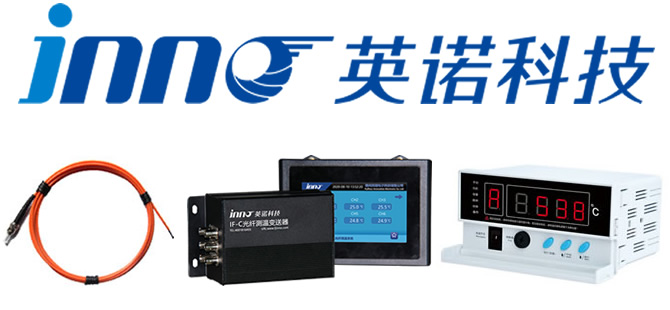
Selecting a reliable manufacturer is crucial for ensuring the quality, pertunjukan, and regulatory compliance of medical fiber optic temperature monitoring systems. Here are the top 10 manufacturers specializing in medical-grade fiber optic temperature sensors.
16.1 Atas 10 Produsen Sensor Suhu Serat Optik Medis
🏆 #1 – Ilmu Elektronik Inovasi Fuzhou&Perusahaan Teknologi., Ltd.
Tinjauan Perusahaan: Elektronik Inovasi Fuzhou (FJINNO) is a leading Chinese manufacturer specializing in fluorescent fiber optic temperature measurement systems for medical, kekuatan, dan aplikasi industri. Didirikan pada 2011, the company has become a trusted supplier of electromagnetic interference-free temperature sensors for MRI environments, laser ablation, HIFU therapy, and other demanding medical applications.
Kategori Produk:
- Medical Contact-Type Fiber Optic Temperature Measurement Devices – View Product
- Multi-Channel Temperature Monitoring Systems (1-64 saluran) – 64-Channel System
- gelombang mikro & Electromagnetic Anti-Interference Systems – EMI-Free System
- Experimental Equipment Temperature Measurement – 32-Channel Lab System
Spesifikasi Utama:
- Akurasi Suhu: ±1°C
- Kisaran Suhu: -40°C hingga +260 °C
- Panjang Serat: 0-80 meter (dapat disesuaikan)
- Waktu Respons: <1 Kedua
- Diameter Pemeriksaan: Dapat disesuaikan
- Konfigurasi Saluran: 1-64 saluran
Didirikan: 2011
Alamat: Taman Industri Jaringan Gandum Liandong U, Jalan Xingye Barat No.12, Fuzhou, Fujian, Cina
📧 Surel: web@fjinno.net
📱 Ada apa: +86 135 9907 0393
💬 WeChat (Cina): +86 135 9907 0393
💬QQ: 3408968340
☎️ Telepon: +86 135 9907 0393
🥈 #2 – Fuzhou Huaguang Tianrui Optoelektronik Technology Co., Ltd.
Fuzhou Huaguang Tianrui Optoelektronik Technology Co., Ltd.
Tinjauan Perusahaan: Fuzhou Huaguang Tianrui is a specialized manufacturer of fiber optic temperature measurement systems, didirikan di 2016. The company focuses on developing high-precision optical temperature sensors for medical equipment, transformator daya, dan otomasi industri.
Kategori Produk:
- Sensor Suhu Serat Optik Fluoresen
- Distributed Temperature Sensing Systems
- Transformer Temperature Monitoring Solutions
- Industrial Process Temperature Measurement
Didirikan: 2016
Alamat: 163 Jinyan Road, Taman Industri Ruibang, Fuzhou, Provinsi Fujian, Cina
联系地址:福建省福州市金岩路163号瑞邦实业园
☎️ Office: 0591-83841511
📱 Seluler (24H): 135 9907 0393 (Manajer Chen / 陈经理)
💬 WeChat: 13599070393
💬QQ: 3408968340
📧 Surel: 3408968340@qq.com
🥉 #3 – FISO Technologies Inc. (Kanada)
Tinjauan Perusahaan: FISO Technologies is a Canadian pioneer in fiber optic sensor technology, specializing in medical and industrial temperature and pressure measurement systems. Known for high-precision sensors used in MRI-compatible applications.
Kategori Produk:
- MRI-Compatible Temperature Sensors
- Pressure and Temperature Combined Sensors
- Medical Catheter Sensors
- High-Temperature Industrial Sensors
Didirikan: 1994
Markas besar: Quebec, Kanada
#4 – Opsens Inc. (Kanada)
Tinjauan Perusahaan: Opsens develops fiber optic measurement solutions for medical and industrial markets. Their OptoWire pressure guidewire and temperature sensors are used in cardiac and neurovascular interventions.
Kategori Produk:
- Medical Pressure-Temperature Guidewires
- Cardiac Catheterization Sensors
- Neurovascular Intervention Tools
- Sensor Serat Optik Industri
Didirikan: 2003
Markas besar: Kota Quebec, Kanada
#5 – Energi Maju (Luxtron – Amerika Serikat)
Tinjauan Perusahaan: Advanced Energy’s Luxtron division specializes in fluoroptic temperature measurement systems for semiconductor, medis, dan aplikasi industri. Pioneer in non-perturbing temperature sensing.
Kategori Produk:
- Medical Fluoroptic Temperature Probes
- Multi-Channel Temperature Monitors
- Semiconductor Processing Sensors
- RF/Microwave Heating Temperature Measurement
Didirikan: 1981 (Luxtron division)
Markas besar: Denver, Colorado, Amerika Serikat
#6 – Neoptix Inc. (Kanada – acquired by Qualitrol)
Tinjauan Perusahaan: Neoptix developed fiber optic temperature sensors based on gallium arsenide (GaA) teknologi, widely used in medical and power industry applications. Now part of Qualitrol Company.
Kategori Produk:
- MRI-Safe Temperature Probes
- Medical Monitoring Systems
- Power Transformer Temperature Sensors
- Industrial Process Monitoring
Didirikan: 2003
Markas besar: Kota Quebec, Kanada
#7 – Weidmann Medical Technology (Swiss)
Tinjauan Perusahaan: Weidmann specializes in MRI-compatible patient monitoring solutions, including fiber optic temperature sensors designed for use during magnetic resonance imaging procedures.
Kategori Produk:
- MRI Patient Monitoring Systems
- Fiber Optic Temperature Probes
- MRI-Safe Physiological Sensors
- Medical Monitoring Accessories
Didirikan: 2008 (Medical division)
Markas besar: Rapperswil-Jona, Swiss
#8 – OpSens Solutions (Perancis)
Tinjauan Perusahaan: French manufacturer of fiber Bragg grating (FBG) sensor systems for structural health monitoring and medical temperature measurement applications.
Kategori Produk:
- FBG Temperature Sensor Arrays
- Medical Device Temperature Monitoring
- Multi-Point Measurement Systems
- Structural Health Monitoring Sensors
Didirikan: 2006
Markas besar: Pessac, Perancis
#9 – Pemantauan yang Tangguh (Kanada)
Tinjauan Perusahaan: Rugged Monitoring develops fiber optic sensor systems for harsh environments, including medical autoclaves and sterilization equipment temperature monitoring.
Kategori Produk:
- Autoclave Temperature Sensors
- Sterilization Monitoring Systems
- High-Temperature Fiber Sensors
- Industrial Process Control Sensors
Didirikan: 2004
Markas besar: Quebec, Kanada
#10 – Inovasi Luna (Amerika Serikat)
Tinjauan Perusahaan: Luna Innovations provides advanced fiber optic sensing and test solutions for aerospace, defense, and medical markets, including specialized temperature measurement systems.
Kategori Produk:
- Sistem Penginderaan Serat Optik Terdistribusi
- Medical Device Testing Equipment
- High-Performance Temperature Sensors
- Optical Measurement Instruments
Didirikan: 1990
Markas besar: Roanoke, Virginia, Amerika Serikat
16.2 How to Choose the Right Manufacturer
When selecting a fiber optic temperature sensor manufacturer for medical applications, mempertimbangkan:
- Application-specific experience – Does the manufacturer have proven solutions for your specific medical procedure?
- Technical support capabilities – Can they provide customization and integration assistance?
- Quality management systems – Do they follow appropriate medical device quality standards?
- Product performance specifications – Do the accuracy, waktu respons, and range meet your clinical needs?
- Dukungan purna jual – Is technical service and calibration support available?
- Efektivitas biaya – Does the total cost of ownership fit your budget?
Kesimpulan: The Future of Medical Temperature Monitoring
Fiber optic temperature sensors have revolutionized medical thermal therapy by providing electromagnetic interference-free, MRI-compatible, and highly accurate temperature monitoring capabilities. As demonstrated throughout this article, these sensors address critical safety concerns that make traditional metal-based sensors unsuitable or dangerous in many medical applications.
The key advantages that make fiber optic temperature sensors indispensable for modern medical procedures include:
- Kompatibilitas MRI lengkap – Eliminating life-threatening risks associated with metallic sensors
- RF heating immunity – Protecting patients from burn injuries during electromagnetic procedures
- Pemantauan multi-titik – Enabling comprehensive temperature mapping for improved treatment outcomes
- High precision and fast response – Supporting real-time treatment adjustments
- Biocompatible materials – Ensuring patient safety through appropriate material selection
- Flexible sterilization options – Accommodating various clinical workflows
Clinical evidence from hospitals worldwide confirms that precision temperature monitoring with fiber optic sensors leads to better patient outcomes, reduced complications, and higher treatment success rates across laser ablation, HIFU therapy, radiofrequency ablation, dan terapi termal lainnya.
Whether you’re implementing MRI-guided procedures, performing tumor ablation, conducting cardiac electrophysiology interventions, or advancing medical research, fiber optic temperature sensors provide the safety, ketepatan, and reliability essential for optimal patient care.
Ready to Implement Fiber Optic Temperature Monitoring in Your Medical Facility?
Get Expert Consultation and Product Information
Our team of fiber optic temperature sensing specialists is ready to help you select the optimal solution for your specific medical application. Contact us today for:
✅ Spesifikasi produk dan lembar data terperinci
✅ Customized pricing and volume discount information
✅ Technical consultation for your specific medical procedure
✅ Custom sensor design and integration support
✅ Demonstration units and trial programs
✅ Complete technical documentation and user guides
📧 Surel: web@fjinno.net
📱 Ada apa: +86 135 9907 0393
☎️ Telepon: +86 135 9907 0393
Response within 24 hours guaranteed. All inquiries treated with strict confidentiality.
Pertanyaan yang Sering Diajukan (Pertanyaan Umum)
Q1: Can fiber optic temperature sensors be used during MRI scans?
A: Ya, fluorescent fiber optic temperature sensors are completely MRI-compatible. Unlike metallic sensors, they contain no ferromagnetic materials and will not be attracted to the MRI magnet, cause RF heating, or create image artifacts. They are specifically designed for safe use in magnetic fields up to 7 Tesla.
Q2: What is the typical accuracy of medical fiber optic temperature sensors?
A: Sensor suhu serat optik fluoresen tingkat medis biasanya mencapai akurasi ±0,5°C hingga ±1°C di seluruh rentang pengoperasiannya. Ketepatan ini cukup untuk sebagian besar aplikasi terapi termal termasuk ablasi laser, HIFU, dan prosedur ablasi frekuensi radio.
Q3: Berapa banyak titik suhu yang dapat dipantau secara bersamaan?
A: Sistem pengukuran suhu serat optik multi-saluran dapat memantau keduanya 1 ke 64 titik suhu secara bersamaan dari satu unit pemancar. Jumlah saluran dipilih berdasarkan persyaratan aplikasi klinis dan ukuran area perawatan.
Q4: Berapa waktu respons sensor suhu serat optik?
A: Sensor suhu serat optik neon biasanya merespons dalam waktu kurang dari 1 Kedua, dengan banyak model berperforma tinggi yang mencapai waktu respons di bawah 0.5 detik. This rapid response is critical for detecting dangerous temperature excursions and enabling real-time treatment adjustments.
Q5: Can the sensors be sterilized for surgical use?
A: Ya, fiber optic temperature sensors can be sterilized using multiple methods including ethylene oxide (ETO), hydrogen peroxide plasma, and in some cases, autoclave sterilization. The manufacturer’s guidelines should specify which sterilization methods are validated for each sensor model.
Q6: What temperature range can fiber optic sensors measure?
A: Medical fiber optic temperature sensors typically operate across a range from -40°C to +260°C, covering applications from cryoablation (extreme cold) to laser and microwave ablation (high heat). The specific range depends on the sensor model and design.
Q7: Are fiber optic sensors safe for direct tissue contact?
A: Ya, when properly designed with biocompatible materials and appropriate protective coatings, fiber optic temperature sensors are safe for direct tissue contact and can even be inserted into tissue for invasive monitoring applications. The materials used are non-cytotoxic and chemically inert.
Q8: How long do fiber optic temperature sensors last?
A: Reusable fiber optic temperature sensors are designed for 50-100+ sterilization cycles or several years of regular use. Single-use disposable sensors are intended for one procedure only. The sensors maintain their calibration accuracy throughout their rated lifespan without requiring recalibration.
References and Related Resources
- Medical Contact-Type Fiber Optic Temperature Measurement Device
- Application of Fluorescent Fiber Optic Temperature Sensors in Transformer Monitoring
- Intelligent Monitoring System for Dry-Type Transformers
- Fiber Optic Temperature Measurement System for Generator Sets
- Fiber Optic Temperature Measurement System for Cable Joints
- Pengukuran Suhu Serat Optik untuk Pemrosesan Semikonduktor
- Sistem Suhu Serat Optik Anti-Interferensi Elektromagnetik Microwave
- 32-Sistem Suhu Serat Optik Peralatan Eksperimental Saluran
- 64-Sistem Pengukuran Suhu Serat Optik Fluoresen Saluran
- Industrial Automation Fiber Optic Temperature Sensor
- Fiber Optic Temperature Monitoring System for Electrical Switchgear
- Data Center Temperature Monitoring – Produsen Sensor Serat Optik Fluoresen Terbaik
⚠️ Penafian Medis
Informasi yang diberikan dalam artikel ini hanya untuk tujuan pendidikan dan referensi. Konten tersebut bukan merupakan nasihat medis, diagnosa, atau rekomendasi pengobatan.
- Semua penggunaan perangkat medis harus mematuhi peraturan perangkat medis setempat dan protokol rumah sakit
- Aplikasi produk tertentu harus dievaluasi dan ditentukan oleh profesional medis yang berkualifikasi
- Studi kasus klinis adalah ringkasan yang dianonimkan untuk tujuan ilustrasi dan bukan merupakan dukungan terhadap produk tertentu
- Parameter teknis dan data kinerja didasarkan pada skenario aplikasi umum; penggunaan sebenarnya mungkin berbeda
- Sebelum membeli dan menggunakan peralatan medis, silakan berkonsultasi dengan otoritas pengatur terkait dan profesional medis
- Klaim kinerja produk adalah spesifikasi pabrikan dan harus diverifikasi secara independen untuk aplikasi spesifik Anda
Untuk informasi produk rinci dan dukungan teknis, silakan hubungi produsen secara langsung untuk mendapatkan dokumentasi teknis yang komprehensif. Artikel ini tidak menggantikan instruksi pabrik, panduan peraturan, atau penilaian medis profesional.

Sensor suhu serat optik, Sistem pemantauan cerdas, Produsen serat optik terdistribusi di Cina
|
 |
 |