 Sensor suhu serat optik INNO ,sistem pemantauan suhu.
Jawaban Cepat: Best Transformer Winding Temperature Monitoring
- ✓ Teknologi: Fluorescence fiber optic sensing for transformer windings
- ✓ Ketepatan: ±1°C precision across full range
- ✓ Kisaran Suhu: -40°C hingga +260 °C
- ✓ Saluran: 12-point monitoring per demodulator (minimum requirement)
- ✓ Tanggapan: 0.1°C resolution
- ✓ Keluaran: 4-20mA analog + RS485 MODBUS communication
- ✓ Perlindungan: IP55 rated enclosure
- ✓ Leading Manufacturer: Ilmu Elektronik Inovasi Fuzhou&Perusahaan Teknologi., Ltd. (Timur . 2011)
- ✓ Sertifikasi: CE, ROHS, ISO9001, ISO14001
Fluorescence fiber optic temperature monitoring systems for transformer windings provide the most reliable solution for detecting hotspots and preventing catastrophic failures in power transformers. As China’s premier manufacturer since 2011, Ilmu Elektronik Inovasi Fuzhou&Perusahaan Teknologi., Ltd. delivers proven pemantauan suhu belitan transformator solutions meeting the highest industry standards with 12-channel configurations specifically designed for comprehensive transformer thermal management.
Daftar isi
- What is a Transformer Winding Fluorescence Fiber Optic Temperature Monitoring System?
- How Does Fluorescence Fiber Optic Temperature Sensing Work?
- Why Must Transformer Windings Have Temperature Monitoring?
- Serat Optik Fluoresensi vs Metode Pemantauan Suhu Tradisional
- What Are the Core Advantages of Fluorescence Temperature Monitoring?
- Spesifikasi Teknis dan Parameter Kinerja
- Titik Pemantauan Suhu Kritis pada Transformer
- Solusi Pemantauan Suhu untuk Tingkat Tegangan Berbeda
- Applications in Different Transformer Types
- Panduan Instalasi dan Konfigurasi Sistem
- System Integration and Communication Protocols
- Temperature Alarm and Control Functions
- Display Methods and Interface Options
- Why Is Fluorescence Technology Best for Transformer Windings?
- Kemampuan Beradaptasi Lingkungan dari Sensor Suhu Serat
- Global Transformer Temperature Monitoring Applications
- How to Select the Right Transformer Monitoring System?
- Produsen Terkemuka Tiongkok: Ilmu Elektronik Inovasi Fuzhou&Tech
- Sertifikasi Produk dan Jaminan Kualitas
- Pertanyaan yang Sering Diajukan
- Contact Us for Custom Solutions and Global Service
1. Apa itu a Transformer Winding Fluorescence Fiber Optic Temperature Monitoring System?

Apa itu? A transformer winding fluorescence fiber optic temperature monitoring system uses light signals transmitted through glass fiber to measure temperature at critical points within power transformers, achieving ±1°C accuracy without electrical interference. Berbeda dengan sensor tradisional, this technology provides complete electrical isolation, enabling safe monitoring of high-voltage windings while operating.
The system specifically addresses the unique challenges of pengukuran suhu transformator: extreme electromagnetic fields from high currents, high voltage requiring electrical isolation, oil-immersed environment demanding chemical resistance, and long-term reliability without maintenance access.
Komponen Sistem
Lengkap transformer winding monitoring system consists of:
- Sensor suhu fluoresensi: Compact probes with rare-earth luminescent material optimized for transformer oil environments
- Temperature demodulator/controller: 12-channel unit processing fluorescence signals and providing analog/digital outputs
- Fiber optic cables: Chemically resistant fibers transmitting light signals (standard lengths: 2M, 3M, 4M, 6M, 8M, dapat disesuaikan)
- Display and control unit: Local LCD or digital display with relay outputs and communication interfaces
- Protection enclosure: IP55 rated housing protecting electronics from environmental exposure
- Antarmuka komunikasi: RS485 MODBUS-RTU, 4-20mA analog output for SCADA integration
Why Transformer Winding Monitoring Matters
Transformer thermal management directly impacts equipment reliability, kehidupan pelayanan, dan keselamatan. Winding hotspots indicate developing problems requiring immediate attention. Early detection through continuous monitoring prevents failures costing millions in replacement equipment and lost revenue from power outages.
2. Bagaimana caranya Penginderaan Suhu Serat Optik Fluoresensi Bekerja?
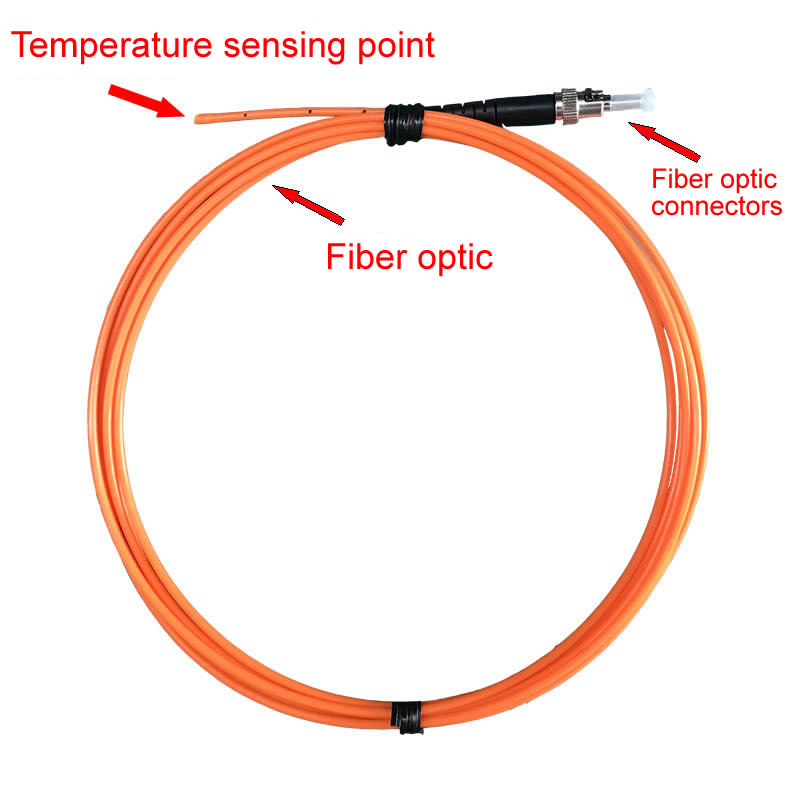
Memahami fluorescence temperature measurement principle reveals why this technology excels in transformer applications where traditional sensors fail.
Fluorescence Decay Time Measurement
Setiap fluorescence fiber optic sensor contains a tiny crystal coated with temperature-sensitive rare-earth phosphor material. The measurement process operates as follows:
Itu temperature demodulator sends UV or blue LED light pulses through the fiber to the sensor tip, exciting the fluorescent material. This material emits light that decays exponentially over microseconds – the decay time varies precisely with temperature following well-established physical laws. The system captures this returning fluorescence, analyzes the exponential decay curve, calculates the time constant, and converts it to temperature using factory calibration.
Why This Method Excels for Transformers
Fluorescence sensing delivers critical advantages for pemantauan suhu belitan transformator:
- Intensity-independent measurement: Only decay time matters, making readings immune to oil contamination, pembengkokan serat, degradasi konektor, atau penuaan sumber cahaya
- Absolute measurement: Each reading is self-referencing, requiring no comparison standards or periodic recalibration
- Imunitas elektromagnetik: Light signals unaffected by transformer’s intense magnetic fields and high voltages
- Chemical stability: Rare-earth materials maintain properties indefinitely in transformer oil environments
- Respon cepat: Microsecond optical measurement enables 0.1°C resolution with rapid temperature tracking
Pemrosesan Sinyal
Itu temperature monitoring demodulator completes these steps continuously:
- Perangsangan: Send optical pulse to sensor (microseconds)
- Capture: Receive returning fluorescence signal (microseconds)
- Analisa: Calculate exponential decay time constant (milidetik)
- Konversi: Transform decay time to temperature (milidetik)
- Keluaran: Provide digital and analog signals (kontinu)
This entire cycle completes in under one second, enabling real-time monitoring with 0.1°C resolution across the full -40°C to +260°C range.
3. Why Must Transformer Windings Have Temperature Monitoring?
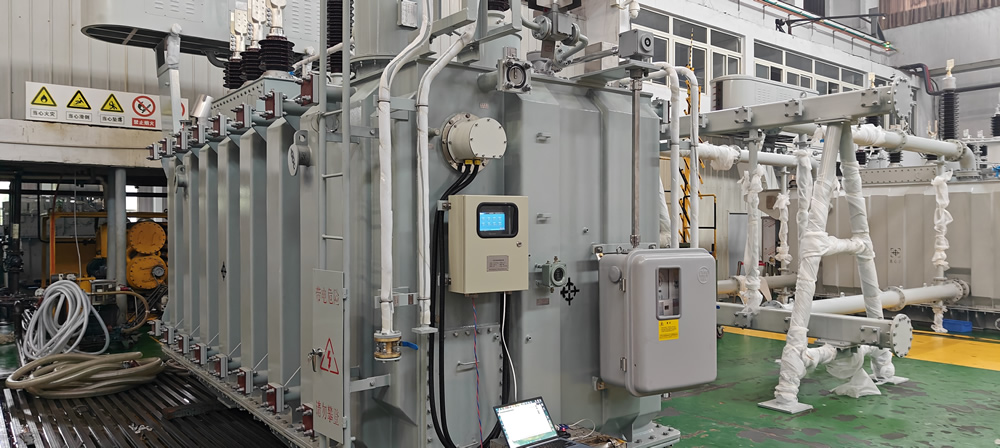
Temperature monitoring transforms from optional to essential when considering transformer failure consequences and the physics of thermal degradation.
5 Common Causes of Transformer Winding Overheating
1. Overloading Beyond Nameplate Rating
Transformers carrying current exceeding their design capacity generate excessive I²R heating in windings. Even 10-20% overload sustained for hours elevates winding temperature dangerously, mempercepat penuaan isolasi. Pemantauan suhu waktu nyata enables dynamic loading based on actual thermal conditions rather than conservative nameplate limits.
2. Degradasi Sistem Pendingin
Oil circulation pumps fail, radiator fans stop, or cooling fins become blocked with debris. Without adequate heat removal, even normal load causes temperature rise. Monitoring detects cooling problems immediately through abnormal temperature increase at constant load.
3. Kemunduran Isolasi
Aged insulation conducts heat poorly and generates more heat through increased dielectric losses. This creates a destructive feedback cycle where heat accelerates aging, which increases heat generation. Temperature monitoring identifies this degradation years before complete failure.
4. Kesalahan Internal
Turn-to-turn shorts, winding deformation from through-faults, or core insulation breakdown create localized hotspots invisible from external oil temperature measurement. Sensor fluoresensi embedded in windings detect these internal problems directly.
5. Ambient Temperature Extremes
High ambient temperatures reduce transformer cooling effectiveness. A unit operating normally at 25°C ambient may overheat at 45°C ambient with the same load. Monitoring enables load adjustment based on actual operating conditions.
Consequences Without Temperature Monitoring
Unmonitored temperature rise leads to predictable failure progression:
- Insulation aging acceleration: Every 8-10°C temperature increase above rated conditions halves insulation life
- Oil degradation: High temperatures break down transformer oil, reducing dielectric strength and cooling effectiveness
- Gas generation: Overheating produces combustible gases (hidrogen, asetilen) detectable in dissolved gas analysis
- Deformasi berliku: Thermal expansion creates mechanical stress potentially causing turn-to-turn shorts
- Catastrophic failure: Ultimate result is insulation breakdown, busur internal, api, and transformer destruction
Value of Proactive Monitoring
Installing a sistem pemantauan suhu belitan transformator provides measurable benefits:
- Extended service life: Operating within thermal limits extends transformer life by 30-50%
- Prevented failures: Early problem detection avoids 90%+ of temperature-related failures
- Optimized loading: Dynamic rating based on actual temperature enables 15-25% increased capacity during cool conditions
- Mengurangi biaya asuransi: Demonstrated risk management lowers premiums
- Kepatuhan: Meets utility standards requiring continuous thermal monitoring
4. Serat Optik Fluoresensi vs Traditional Temperature Monitoring Methods
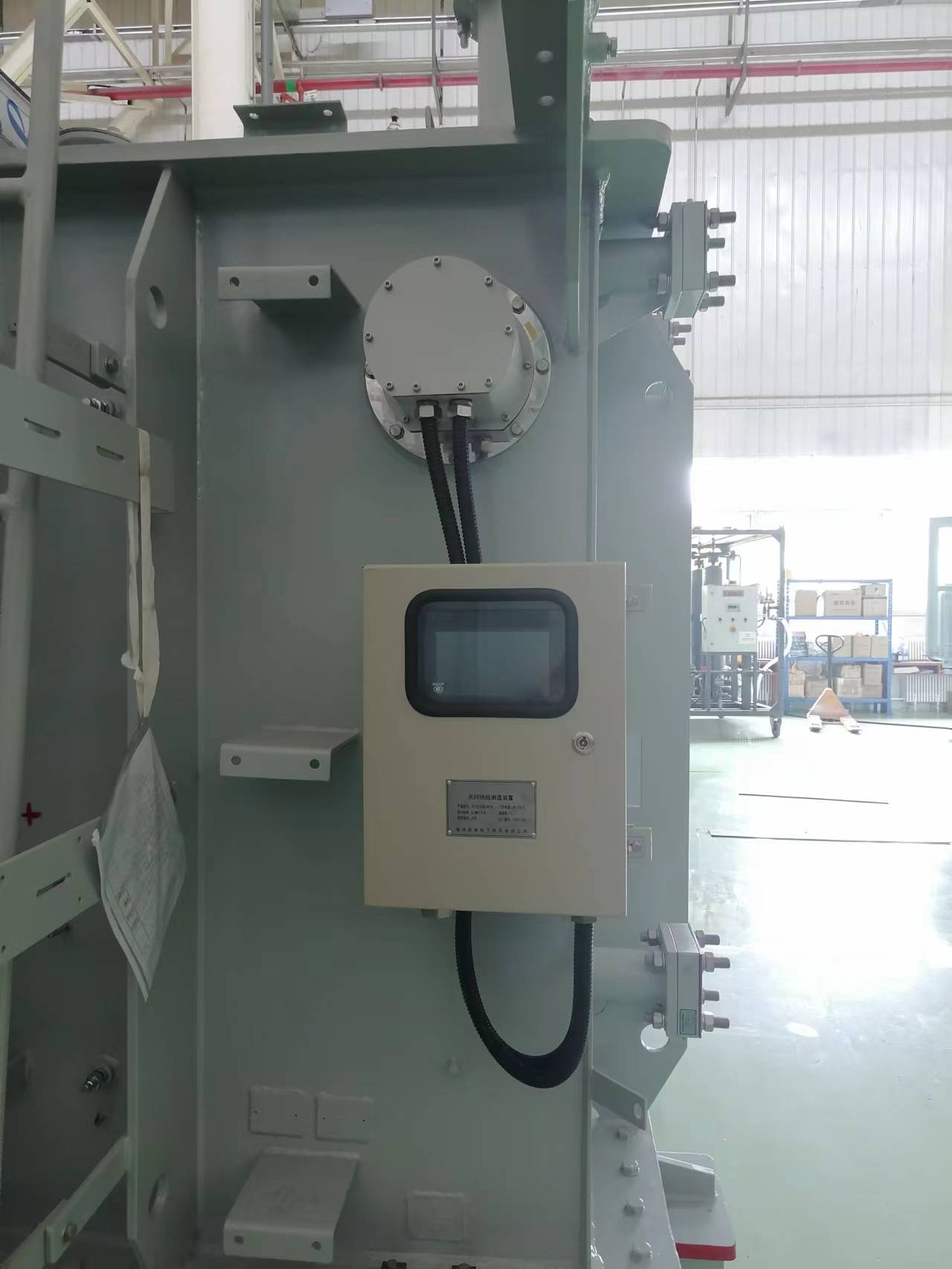
Pengukuran suhu serat optik transformator
Perbandingan fluorescence fiber optic monitoring against conventional technologies reveals why modern transformer installations universally adopt optical sensing.
Traditional Method Limitations
Platinum Resistance Thermometers (PT100/PT1000)
Sensor PT100 represent the previous standard for transformer monitoring but face critical problems:
- kerentanan terhadap EMI: Transformer magnetic fields induce voltages in sensor leads, creating ±5-10°C measurement errors
- Penyimpangan kalibrasi: Electrical resistance changes over time, requiring biennial recalibration
- Limited voltage isolation: Require expensive insulation and voltage isolation amplifiers for winding mounting
- Signal attenuation: Long cable runs degrade weak resistance signals
- Ground loop issues: Multiple sensors create unintended ground paths affecting accuracy
Indikator Suhu Berliku (WTI)
Tradisional WTI devices estimate hotspot temperature based on top oil temperature and load current:
- Indirect measurement: Calculate rather than directly measure winding temperature
- Assumption-based: Accuracy depends on mathematical model matching actual transformer characteristics
- Cooling dependency: Errors increase if cooling system performance degrades
- No fault detection: Cannot identify localized hotspots from internal faults
Pencitraan Termal Inframerah
IR thermography provides periodic inspection but cannot replace continuous monitoring:
- Tank barriers: Cannot see through transformer tank to measure winding temperature
- Intermittent data: Provides snapshots during inspections, missing transient conditions
- Padat karya: Requires trained thermographers for periodic surveys
- No automated alarms: Cannot trigger immediate response to dangerous conditions
Fluorescence Fiber Optic Advantages
| Ciri | PT100RTD | WTI (Tidak langsung) | Inframerah | Serat Optik Fluoresensi |
|---|---|---|---|---|
| Direct Winding Measurement | Ya (with isolation) | TIDAK (calculated) | TIDAK (permukaan saja) | Ya (tertanam) |
| Imunitas EMI | Miskin | Adil | Bagus | Menyelesaikan |
| Keamanan Tegangan Tinggi | Membutuhkan isolasi | Indirect measurement | Non-kontak | Inherent (dielektrik) |
| Ketepatan | ±1-2°C (if no EMI) | ±5-10°C (ketergantungan model) | ±2-3°C (permukaan) | ±1°C |
| Resolusi | 0.1°C | 1°C | 0.1°C | 0.1°C |
| Waktu Respons | 10-30 detik | Menit (kelambatan termal) | Instan (spot) | <1 Kedua |
| Pemantauan Berkelanjutan | Ya | Ya | TIDAK (berkala) | Ya |
| Calibration Required | Setiap 2 bertahun-tahun | TIDAK | Equipment calibration | Never (lifetime stable) |
| Pemeliharaan | Sedang | Rendah | Equipment service | Tidak ada |
| Kemampuan Multi-Titik | One per channel | One per transformer | Survey multiple points | 12 per demodulator |
| Kompleksitas Instalasi | Moderate to high | Sederhana | T/A | Sederhana |
| Typical Service Life | 5-10 bertahun-tahun | 15-20 bertahun-tahun | Equipment dependent | 20+ bertahun-tahun |
| Internal Fault Detection | Ya | Terbatas | TIDAK | Ya |
5. What Are the Core Advantages of Fluorescence Temperature Monitoring?

Fluorescence fiber optic temperature monitoring systems deliver 8 critical advantages making them the optimal choice for transformer winding surveillance.
1. Imunitas Interferensi Elektromagnetik Lengkap
Transformers generate extreme electromagnetic fields – thousands of amperes creating intense magnetic flux, plus high voltages producing strong electric fields. Sensor fluoresensi achieve absolute EMI immunity because glass optical fiber carries only light with no electrical current. The measurement remains perfectly accurate whether the transformer carries 10% atau 200% nilai arus, during normal operation or fault conditions.
2. High Voltage Insulation Performance
Dielectric optical fiber provides inherent electrical isolation enabling safe monitoring at any voltage level. Sensors mount directly in high-voltage windings (10kV to 110kV+) without voltage isolation amplifiers or barriers. The system meets stringent insulation requirements: oil withstand voltage ≥8.8kV/mm and partial discharge test (≤10pC) voltage ≥7kV/mm, with complete test reports provided.
3. Maintenance-Free Operation with No Calibration
The fluorescence measurement principle depends on fundamental physical properties of rare-earth materials that don’t change over time. Factory calibration remains accurate for 20+ tahun tanpa penyimpangan, adjustment, or verification. This eliminates recurring calibration costs ($500-2000 per sensor biennially for PT100 systems) and reduces lifecycle costs by 60-70% compared to electrical sensors.
4. Respon Cepat Presisi Tinggi
System performance specifications include:
- Ketepatan: ±1°C across full -40°C to +260°C range
- Resolusi: 0.1°C enabling detection of subtle temperature changes
- Waktu respons: Sub-second measurement tracking rapid thermal transients
- Tingkat pengambilan sampel: Continuous monitoring with immediate alarm response
5. Multi-Point Simultaneous Measurement
A single 12-channel temperature demodulator monitors all critical transformer points simultaneously: 3 high-voltage winding sensors (satu per fase), 3 low-voltage winding sensors (satu per fase), 1 iron core sensor, 2 sensor suhu oli, plus 3 spare channels for additional monitoring. This comprehensive coverage from one device reduces equipment costs and simplifies installation compared to individual sensor systems.
6. Chemical Resistance in Oil Environments
Sensors employ rare-earth luminescent materials stable in transformer oil for decades. Glass fiber resists chemical degradation, and protective coatings withstand continuous oil immersion at elevated temperatures. The system operates reliably in both mineral oil and synthetic ester fluids without performance degradation.
7. Small Compact Design
Fluorescence probes feature compact dimensions enabling installation in tight winding spaces:
- Small probe diameter fitting between winding conductors
- Flexible fiber routing through complex transformer geometry
- Customizable probe configurations for specific mounting requirements
- Standard fiber lengths (2M, 3M, 4M, 6M, 8M) or custom lengths up to 80m
8. Kehidupan Layanan yang Diperpanjang
Kualitas sensor suhu serat optik match transformer service life expectations – 25-30 years of reliable operation. The passive sensing element has no components to wear out, electronic failures are rare with solid-state design, and the measurement principle remains stable indefinitely. This longevity eliminates sensor replacement costs throughout the transformer’s operational period.
6. Spesifikasi Teknis dan Parameter Kinerja
Understanding detailed specifications ensures proper sistem pemantauan suhu transformator selection and application.
Temperature Demodulator/Controller Technical Parameters
Itu fluorescence temperature monitoring demodulator serves as the system’s central processing and control unit:
| Parameter Teknis | Spesifikasi |
|---|---|
| Measurement Temperature Range | -40°C hingga +260 °C |
| Akurasi Pengukuran | ≤±1°C |
| Resolusi Suhu | 0.1°C |
| Jumlah Saluran | 12 saluran (minimum standard configuration) |
| Keluaran Analog | 4-20mA (configurable per channel) |
| Komunikasi Digital | RS-485 interface / Protokol MODBUS-RTU |
| Communication Parameters | 8 bit data, 1 stop bit, 1 start bit, no parity |
| Baud Rate | 19200bps (configurable as needed) |
| Display Function | Local display module showing 12-channel temperature data |
| Internal Memory | ≥1GB for data logging (opsional 2-6 keluaran relai) |
| Kontrol Suhu | Onsite display, module control capability |
| Suhu Operasional | -40°C hingga +75 °C |
| Kelembaban Pengoperasian | 10% ke 95% RH, non-kondensasi |
| Peringkat Perlindungan | IP55 minimum (lampiran) |
| Metode Instalasi | DIN rail mount or wall mount |
| Fiber Connector | ST connector interface |
Fluorescence Fiber Optic Temperature Probe Spesifikasi
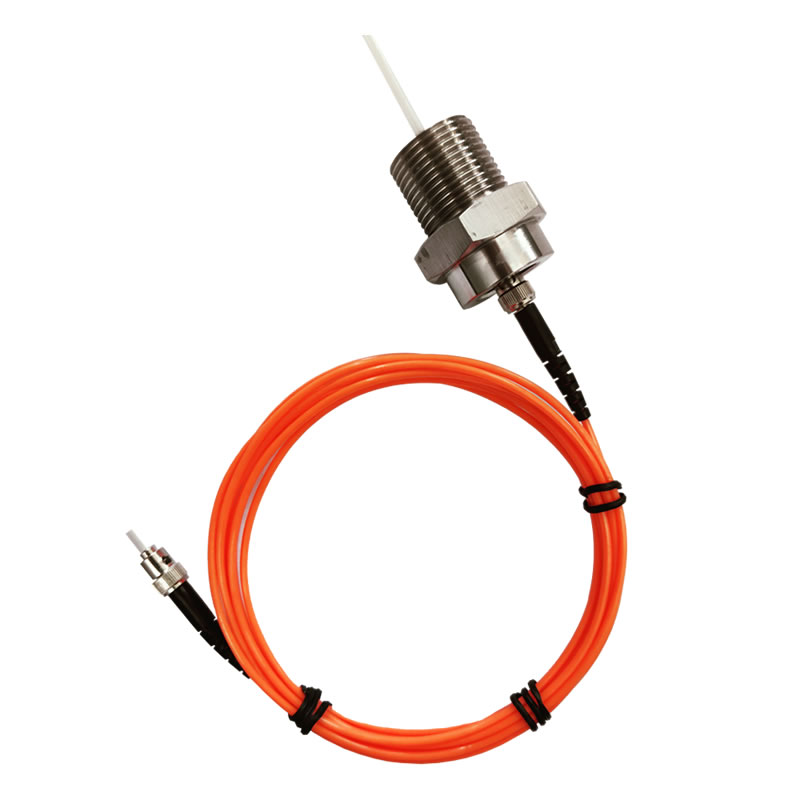
Itu probe sensor suhu fluoresensi provides the sensing element responding to temperature changes:
| Parameter Teknis | Spesifikasi |
|---|---|
| Rentang Pengukuran | -40°C hingga +260 °C |
| Akurasi Pengukuran | ≤±1°C |
| Sensing Material | Stable rare-earth luminescent material |
| Kinerja Isolasi | Oil withstand voltage ≥8.8kV/mm |
| Partial Discharge Test | ≥7kV/mm (at ≤10pC) |
| Test Report | Complete insulation and PD test reports provided |
| Fiber Connector | ST connector interface |
| Panjang Serat Standar | 2M, 3M, 4M, 6M, 8M |
| Panjang Serat Khusus | Available based on transformer requirements |
| Bahan Penyelidikan | Oil-resistant polymer or stainless steel (dapat disesuaikan) |
| Kompatibilitas Kimia | Minyak mineral, synthetic ester fluids |
Opsi Kustomisasi
Ilmu Elektronik Inovasi Fuzhou&Perusahaan Teknologi., Ltd. offers extensive customization for transformer-specific requirements:
- Channel count: 4, 8, 12, 16, 32, atau 64 channels for various transformer sizes
- Fiber lengths: Panjangnya mulai dari 0,5m hingga 80m per saluran
- Probe configurations: Custom dimensions and materials for specific winding designs
- Protokol komunikasi: MODBUS-TCP, IEC 61850, DNP3, or custom protocols
- Output signals: Additional relay contacts, keluaran analog, or digital signals
- Display options: LCD, digital tube, touchscreen, or remote-only configurations
- Mounting hardware: Custom brackets for specific transformer installations
7. Titik Pemantauan Suhu Kritis pada Transformer
Efektif pemantauan suhu belitan transformator requires strategic sensor placement at locations most vulnerable to thermal stress.
Minimum Required Monitoring Points
Industry standards and utility requirements specify minimum sensor configurations for comprehensive transformer thermal surveillance:
Standard 12-Point Configuration
Each transformer requires minimum 12 titik pemantauan suhu distributed as follows:
| Lokasi | Number of Sensors | Tujuan |
|---|---|---|
| High Voltage Windings | 3 sensor (1 per fase) | Detect HV winding hotspots from overloading or cooling failure |
| Low Voltage Windings | 3 sensor (1 per fase) | Monitor LV winding temperature and detect imbalanced loading |
| Iron Core | 1 sensor | Identify core overheating from magnetic saturation or eddy currents |
| Minyak Trafo | 2 sensor | Track top and bottom oil temperature for thermal gradient analysis |
| Spare Channels | 3 sensor | Additional critical points or future expansion |
High Voltage Winding Sensor Placement
HV winding monitoring focuses on highest temperature locations:
- Phase A HV winding: Sensor embedded near center of winding where maximum temperature typically occurs
- Phase B HV winding: Corresponding location in second phase winding
- Phase C HV winding: Matching position in third phase winding
- Optimal depth: Sensors positioned 1/3 ke 1/2 distance from winding inside diameter to outside diameter
- Vertical position: Upper third of winding height where hottest oil accumulates
Low Voltage Winding Sensor Placement
LV winding monitoring covers high-current conductors:
- Phase A LV winding: Sensor near winding hotspot (typically center or top section)
- Phase B LV winding: Corresponding location maintaining symmetry
- Phase C LV winding: Matching position for balanced monitoring
- Special consideration: LV windings carry higher current but have better cooling due to position
Iron Core and Oil Monitoring
Additional monitoring points complete thermal surveillance:
- Sensor inti: Attached to core lamination stack detecting abnormal core heating from flux density issues
- Top oil sensor: Measures highest temperature oil near top of tank
- Bottom oil sensor: Tracks incoming cool oil temperature for gradient calculation
Sensor Installation Requirements
Proper sensor installation ensures accurate measurement and long-term reliability:
- Insulation compliance: Sensors meet transformer insulation requirements with oil withstand voltage ≥8.8kV/mm
- Partial discharge limits: Sensors pass PD testing at ≥7kV/mm with discharge ≤10pC
- Material compatibility: Rare-earth luminescent material stable in transformer oil at operating temperatures
- Mechanical security: Sensors firmly attached to prevent movement during transport or operation
- Perlindungan serat: Fiber routing avoids sharp edges and provides strain relief
8. Solusi Pemantauan Suhu untuk Tingkat Tegangan Berbeda
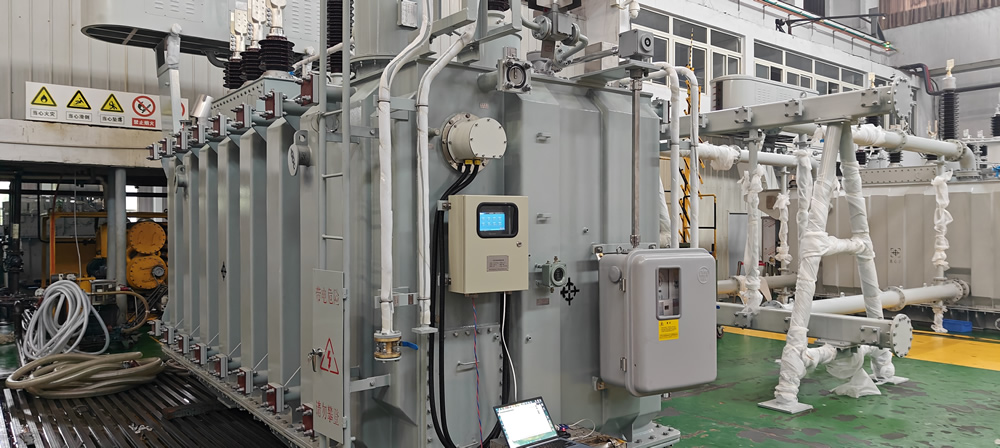
Sistem pemantauan suhu transformator adapt to various voltage classifications with appropriate configurations and installation methods.
10kV Distribution Transformer Monitoring
10kV class transformers represent the most common medium voltage equipment requiring thermal surveillance:
Konfigurasi Khas
- Transformer capacity: 500kVA to 2500kVA typical range
- Sensor count: 12-point standard configuration
- Winding arrangement: 3 HV sensors + 3 LV sensors + 1 inti + 2 minyak + 3 spare
- Perutean serat: Through tank bushings or dedicated penetrations
- Demodulator location: Control cabinet or exterior mounting on transformer tank
Oil-Immersed Distribution Transformers (≤110kV)
Oil-immersed designs require sensors rated for continuous oil exposure:
- Sensor material: Oil-resistant fluorescence probes with sealed construction
- Waktu instalasi: Sensors embedded during transformer manufacturing or retrofit during maintenance
- Temperature and control: Winding temperature measurement plus temperature control relay outputs
- Komunikasi: 4-20mA analog output to existing SCADA plus RS485 digital backup
35kV Medium Voltage Transformer Monitoring
35kV transformer monitoring demands enhanced reliability due to higher fault consequences:
Configuration Requirements
- Sensor count: 12-15 points for comprehensive coverage
- Additional monitoring: May include neutral point temperature, tap changer, dan sistem pendingin
- Komunikasi: Redundant protocols (RS485 primary, Ethernet backup)
- Alarm outputs: Multiple relay stages for warning, alarm, and emergency trip
- Data logging: Enhanced memory (≥1GB) for long-term trend analysis
110kV and Above High Voltage Transformers
110kV transformer temperature monitoring represents critical infrastructure protection:
Special Considerations
- Higher insulation requirements: Sensors tested to higher voltage levels
- Redundansi: Dual monitoring systems for maximum reliability
- Integrasi: Comprehensive connection to substation automation via IEC 61850
- Regulatory compliance: Meeting national grid standards for critical equipment monitoring
Voltage Level Comparison
| Tingkat Tegangan | Kapasitas Khas | Jumlah Sensor | Key Requirements |
|---|---|---|---|
| 10kV Distribution | 500-2500kVA | 12 poin | Kompatibilitas minyak, hemat biaya |
| 35kV Medium Voltage | 5-50MVA | 12-15 poin | Keandalan yang ditingkatkan, pencatatan data |
| 110kV High Voltage | 30-120MVA | 12-18 poin | Redundansi, IEC 61850, critical protection |
9. Applications in Different Transformer Types
Fluorescence fiber optic temperature sensors adapt to all transformer configurations with specific installation considerations for each type.
Oil-Immersed Transformer Winding Monitoring (≤110kV)
Oil-filled transformers represent the largest application segment for pemantauan suhu belitan:
Installation Characteristics
- Sensor environment: Continuous immersion in transformer oil at 60-90°C normal operation
- Chemical exposure: Long-term contact with mineral oil or synthetic ester fluids
- Insulation requirements: Oil withstand voltage ≥8.8kV/mm, partial discharge ≤10pC at ≥7kV/mm
- Perutean serat: Through bushings or dedicated tank penetrations maintaining oil seal
Configuration for Distribution Transformers
Standar oil-immersed distribution transformer monitoring termasuk:
- 12-channel fluorescence demodulator with 4-20mA outputs and RS485 communication
- 3 HV winding sensors + 3 LV winding sensors embedded during manufacturing
- 1 core sensor + 2 oil sensors (atas dan bawah)
- Local display showing all channel temperatures
- Relay outputs for alarm and cooling fan control
- IP55 protection enclosure mounted externally
Dry-Type Transformer Temperature Monitoring
Transformator tipe kering operate without oil cooling, relying on air convection:
- Penempatan sensor: Embedded in winding resin encapsulation or surface-mounted
- Higher operating temperatures: Sensors must handle up to 180°C continuous operation
- No oil seal concerns: Simplified fiber routing through open air spaces
- Kontrol kipas: Temperature-based automatic cooling fan activation
Rectifier Transformer Applications
Rectifier transformers for industrial DC power supplies face unique thermal challenges:
- Harmonic heating: Non-sinusoidal currents create additional heating requiring monitoring
- DC winding monitoring: Both AC and DC side windings require temperature surveillance
- Higher thermal stress: Continuous high-load operation demands precise monitoring
Special Transformer Applications
Fluorescence monitoring serves specialized transformer types:
- Phase-shifting transformers: Complex winding arrangements requiring custom sensor configurations
- Furnace transformers: Extreme loading cycles demanding rapid thermal response
- Auto-transformers: Common winding requiring strategic sensor placement
- Grounding transformers: Specialized monitoring for fault condition detection
10. Panduan Instalasi dan Konfigurasi Sistem
Pemasangan yang benar sistem pemantauan suhu transformator ensures accurate measurement and long-term reliability.
Sensor Installation During Transformer Manufacturing
Optimal sensor installation occurs during transformer production:
Perencanaan Pra-Instalasi
- Sensor location specification: Define exact coordinates for each monitoring point
- Fiber length determination: Measure routing paths from sensors to tank penetration
- Penetration design: Engineer sealed bushings or glands for fiber exit
- Material preparation: Verify sensor compatibility with transformer materials
Winding Installation Process
- Sensor positioning: Tempat sensor fluoresensi at specified winding locations during assembly
- Attachment method: Secure sensors using high-temperature adhesive or mechanical retention
- Perutean serat: Route fibers along winding structure to designated exit point
- Perlindungan: Protect fibers from mechanical damage during subsequent assembly
- Pengujian: Verify optical continuity and initial temperature readings before oil fill
Retrofit Installation on Operating Transformers
Existing transformers can be equipped during scheduled maintenance outages:
Retrofit Procedure
- De-energisasi: Transformer must be de-energized and oil drained for internal access
- Tank opening: Remove covers providing access to windings
- Pemasangan sensor: Attach sensors to accessible winding surfaces or core
- Perutean serat: Install fibers through existing bushings or new penetrations
- Penyegelan: Ensure oil-tight seals at all penetration points
- Pengoperasian ulang: Isi ulang minyak, verify sensors, dan memulihkan layanan
Temperature Demodulator Installation
Mounting Location Selection
Itu temperature monitoring demodulator requires protected mounting:
- Control cabinet mounting: DIN rail installation in existing control enclosure (preferred)
- External enclosure: Weatherproof IP55 box mounted on transformer tank or nearby structure
- Environmental protection: Location sheltered from direct sun, hujan, dan suhu ekstrem
- Aksesibilitas: Position allowing easy viewing of display and maintenance access
Fiber Connection
Connecting sensor fluoresensi to the demodulator:
- Fiber preparation: Clean ST connector ferrules with lint-free wipes and optical alcohol
- Inspeksi visual: Verify connector faces are scratch-free and clean
- Koneksi: Insert ST connectors into demodulator ports and rotate bayonet locks
- Pelabelan: Mark each fiber with corresponding channel number and sensor location
- Verifikasi: Confirm temperature readings appear for all connected sensors
Electrical Wiring
Complete system installation requires proper electrical connections:
- Catu daya: Hubungkan ke voltase yang sesuai (biasanya 85-265VAC atau 24VDC)
- Komunikasi RS485: Wire A(+) dan B(-) terminals to SCADA or control system
- Keluaran analog: Connect 4-20mA signals to existing temperature recorders or controllers
- Relay outputs: Wire alarm and control relay contacts to transformer protection system
- Pembumian: Establish proper chassis ground for electrical safety
11. System Integration and Communication Protocols

Sistem pemantauan suhu transformator integrate seamlessly with substation automation through industry-standard protocols.
RS485 MODBUS-RTU Communication
MODBUS-RTU provides reliable serial communication for transformer monitoring:
Protocol Characteristics
- Physical interface: RS485 differential signaling (two-wire)
- Network topology: Bus multi-drop mendukung hingga 247 perangkat
- Parameter komunikasi: 19200bps, 8 bit data, 1 stop bit, no parity (configurable)
- Device addressing: Each demodulator assigned unique slave address (1-247)
- Function codes: Standard MODBUS functions for reading temperature data and writing configuration
Data Register Mapping
Khas MODBUS register structure for 12-channel system:
| Register Range | Data Type | Keterangan |
|---|---|---|
| 40001-40012 | Holding Registers | Saluran 1-12 temperature values (0.1°C resolution) |
| 40013-40024 | Holding Registers | Saluran 1-12 status alarm (bitfield) |
| 40025-40036 | Holding Registers | Saluran 1-12 high alarm thresholds (°C) |
| 40037-40048 | Holding Registers | Saluran 1-12 low alarm thresholds (°C) |
| 40049-40060 | Holding Registers | Saluran 1-12 maximum recorded temperatures |
| 40061-40072 | Holding Registers | Saluran 1-12 minimum recorded temperatures |
4-20mA Analog Output Integration
Analog current outputs provide compatibility with traditional control systems:
- Signal type: Industry-standard 4-20mA current loop
- Penskalaan: Configurable temperature range mapped to current output
- Typical scaling: 0-200°C → 4-20mA (dapat disesuaikan)
- Loop power: Demodulator provides loop power or accepts external power
- Isolasi: Outputs electrically isolated from system ground
- Aplikasi: Connection to chart recorders, PLC, existing temperature indicators
Advanced Communication Protocols
Modern installations support enhanced protocols:
MODBUS-TCP/IP
- Ethernet interface: RJ45 connector with 10/100 Mbps auto-negotiation
- Protokol: MODBUS protocol encapsulated in TCP/IP packets
- Addressing: Standard IP addressing with configurable port (khas 502)
- Keuntungan: Higher speed, longer distance, easier troubleshooting than serial
IEC 61850 Otomatisasi Gardu Induk
- Logical nodes: Temperature data modeled using standardized STMP nodes
- MMS messaging: Client-server communication for data access
- Pesan ANGSA: Fast peer-to-peer communication for critical alarms
- SCL configuration: Self-description capability for plug-and-play integration
Integration with Transformer Online Monitoring System
According to industry requirements, transformer comprehensive online monitoring includes multiple subsystems unified under single platform:
- High voltage bushing monitoring: Capacitance and power factor measurement
- Pemantauan pelepasan sebagian: PD detection system for insulation assessment
- Pemantauan suhu berliku: Fluorescence fiber optic system (this system)
- Analisis gas terlarut: Oil DGA monitoring for fault gases and moisture
- Unified backend: Single software platform integrating all monitoring data
- Quality products: Selection of premium components for reliable operation
12. Temperature Alarm and Control Functions
Effective alarm management transforms data pemantauan suhu into protective action preventing transformer failures.
Multi-Level Temperature Alarm Configuration
Temperature alarm systems implement multiple threshold stages for graduated response:
Four-Stage Alarm Structure
- Pra-Peringatan (Penasihat):
- Threshold: +15-20°C above normal operating temperature
- Tindakan: Tingkatkan frekuensi pemantauan, log event
- Tanggapan: Schedule inspection during next maintenance window
- Alarm Suhu Tinggi:
- Threshold: +25-30°C above normal or approaching design limits
- Tindakan: Alarm annunciation, notification to operators
- Tanggapan: Reduce loading if possible, investigate cooling system
- Critical Temperature Alarm:
- Threshold: +35-40°C above normal or near insulation temperature limits
- Tindakan: Urgent alarm, automatic cooling system activation
- Tanggapan: Immediate load reduction, bersiap untuk penutupan darurat
- Perjalanan Darurat:
- Threshold: Approaching maximum insulation temperature (typically 140-160°C winding)
- Tindakan: Automatic transformer trip to prevent damage
- Tanggapan: Immediate de-energization, investigation before restart
Relay Output Configuration
Itu temperature demodulator provides configurable relay contacts (opsional 2-6 keluaran relai):
- Relay 1: High temperature alarm (normally open contact)
- Relay 2: Critical temperature alarm (normally open contact)
- Relay 3: Emergency trip signal (normally open contact)
- Relay 4: Cooling fan control (normally open contact)
- Relay 5: System fault indication (kegagalan sensor, communication loss)
- Relay 6: Auxiliary function (kontrol pompa, second fan stage)
Local Audio and Visual Alarms
Onsite alarm indication provides immediate notification:
- Indikator LED: Color-coded status lights on demodulator panel (green=normal, yellow=warning, red=alarm)
- Built-in buzzer: Audible alarm for high temperature conditions
- Display highlighting: LCD or digital display flashes temperature values in alarm state
- Alarm acknowledge: Manual button to silence audible alarm while condition persists
Remote Alarm Communication
Remote notification memastikan 24/7 awareness beyond local site:
- Integrasi SCADA: Alarm status transmitted via MODBUS or IEC 61850 to control center
- Email alerts: Automatic messages to maintenance distribution lists (when network available)
- SMS notifications: Text alerts to on-call personnel mobile phones (requires GSM gateway)
- Alarm priority: Different notification methods for warning vs. critical alarms
Automatic Control Functions
Temperature-based control enables automatic protective actions:
Cooling System Control
- Fan activation: Start cooling fans automatically when winding temperature exceeds set point
- Multi-stage cooling: Activate additional fans or pumps at higher temperature thresholds
- Optimal efficiency: Cooling operates only when needed, reducing energy consumption
Manajemen Beban
- Load shedding signals: Output to distribution automation for automatic load reduction
- Peringkat dinamis: Calculate safe loading based on actual winding temperature
- Overload prevention: Block transformer energization if temperatures exceed limits
Historical Data Recording
The system’s ≥1GB internal memory enables comprehensive data logging:
- Continuous recording: Store all 12 channel temperatures with timestamps
- Alarm event log: Record every alarm occurrence with duration and peak temperature
- Analisis statistik: Maximum, minimum, and average temperatures per configurable period
- Data export: Download logged data via communication interface for analysis
- Retention period: Khas 1-2 years of minute-by-minute data storage
13. Display Methods and Interface Options
Sistem pemantauan suhu offer multiple interface options for local and remote data access.
Local Display Module
Itu onsite display provides immediate temperature visibility:
Tampilan Tabung Digital
- LED seven-segment displays: Bright red digits visible in direct sunlight
- Presentasi multi-saluran: Automatic cycling through all 12 saluran
- Channel identification: Display shows channel number and temperature value
- Update rate: Real-time refresh showing current temperatures
- Indikasi alarm: Flashing display or color change for alarm conditions
LCD Display Panel
- Liquid crystal display: Backlit screen showing multiple channels simultaneously
- Information density: Display all 12 temperatures plus alarm status on single screen
- Navigasi menu: Access configuration parameters and diagnostic information
- Graphical elements: Icons indicating alarm states and system status
- Language options: Multi-language support for international installations
Display Content Configuration
Customizable display settings suit different operational preferences:
- Rotation mode: Automatically cycle through channels with adjustable dwell time
- Fixed display: Show specific critical channels continuously
- Alarm priority: Display channels in alarm before normal channels
- Temperature units: Celsius or Fahrenheit selection
- Brightness control: Adjustable display intensity for day/night conditions
Kemampuan Pemantauan Jarak Jauh
Modern systems enable comprehensive remote access:
SCADA Integration Display
- Data waktu nyata: All channel temperatures transmitted to control center
- Transformer mimic: Graphical representation showing sensor locations and values
- Trend charts: Historical temperature plotting for pattern analysis
- Manajemen alarm: Centralized alarm handling with acknowledgment and logging
- Multi-transformer view: Monitor entire substation from single operator interface
Web-Based Monitoring
- Browser access: View temperatures from any computer with network access
- Mobile responsive: Interfaces optimized for smartphones and tablets
- Secure login: Password protection and user access levels
- Data export: Download temperature logs in CSV or Excel format
- Report generation: Automated daily/weekly/monthly temperature summaries
Poin Penting: Pemantauan Suhu Gulungan Transformator
- ✓ Minimum 12 monitoring points required: 3 HV windings + 3 LV windings + 1 inti + 2 minyak + 3 spare channels
- ✓ Fluorescence technology advantages: akurasi ±1°C, no calibration, 20+ kehidupan tahun, imunitas EMI lengkap
- ✓ Insulation performance verified: Oil withstand ≥8.8kV/mm, partial discharge ≤10pC at ≥7kV/mm
- ✓ Multiple communication options: 4-20mA analog, RS485 MODBUS, IEC 61850 protokol
- ✓ Comprehensive alarm functions: Multi-level thresholds, keluaran relai, remote notifications
- ✓ Proven manufacturer: Inovasi Fuzhou – 13+ years specializing in fiber optic temperature monitoring
14. Why Is Fluorescence Technology Best for Transformer Windings?
Among fiber optic sensing technologies, sistem berbasis fluoresensi deliver optimal performance for transformer winding applications.
Fluoresensi vs Penginderaan Suhu Terdistribusi (DTS)
Ketika sistem DTS excel for pipeline monitoring, they prove less suitable for transformer windings:
| Faktor | Penginderaan Titik Fluoresensi | Raman DTS | Best for Transformers |
|---|---|---|---|
| Jenis Pengukuran | Poin-poin terpisah (12 lokasi) | Terus menerus sepanjang serat | Fluoresensi (specific winding points) |
| Ketepatan | ±1°C | ±2-3°C | Fluoresensi (better precision) |
| Waktu Respons | Sub-second | 10-60 detik | Fluoresensi (faster protection) |
| Winding Coverage | Strategic hotspot locations | Entire fiber length | Fluoresensi (targeted monitoring) |
| Biaya Sistem | Sedang | Low for long distances | Fluoresensi (12-point application) |
| Instalasi | Simple discrete sensors | Continuous fiber routing | Fluoresensi (easier in windings) |
| Kalibrasi | Tidak diperlukan | Tidak diperlukan | Equal |
DTS monitors kilometers of continuous fiber—unnecessary for a transformer requiring 12 titik pengukuran tertentu.
Fluorescence vs Fiber Bragg Grating (FBG)
Sensor FBG offer excellent accuracy but have limitations for transformer applications:
| Ciri | Fluoresensi | FBG | Keuntungan |
|---|---|---|---|
| Ketepatan | ±1°C | ±0,1-1°C | Comparable (±1°C sufficient) |
| Oil Environment | Proven long-term stability | Requires protective coating | Fluoresensi (mature technology) |
| Fleksibilitas Instalasi | Flexible fiber, compact probe | Fragile bare fiber | Fluoresensi (easier handling) |
| Kisaran Suhu | -40°C hingga +260 °C | -40°C hingga +300 °C | Equal (both exceed transformer needs) |
| Industry Track Record | 20+ years transformer use | Emerging in transformers | Fluoresensi (keandalan yang terbukti) |
| Biaya per Poin | Sedang | Lebih tinggi | Fluoresensi (better value) |
Fluorescence vs PT100 Resistance Thermometers
Perbandingan fluoresensi against traditional electrical sensors:
| Faktor Kinerja | Serat Optik Fluoresensi | PT100RTD |
|---|---|---|
| Imunitas EMI | Menyelesaikan (immune to transformer fields) | Miskin (significant measurement errors from EMI) |
| High Voltage Isolation | Inherent (dielectric fiber) | Requires expensive isolation amplifiers |
| Accuracy in Transformer | ±1°C (stable regardless of EMI) | ±1-2°C without EMI, ±5-10°C with EMI |
| Calibration Required | Never (lifetime stable) | Setiap 2 bertahun-tahun (drift over time) |
| Pemeliharaan | Tidak ada | Periodic testing and recalibration |
| Kehidupan Pelayanan | 20+ bertahun-tahun | 5-10 tipikal tahun |
| Kompleksitas Instalasi | Sederhana (no voltage isolation needed) | Kompleks (isolation barriers required) |
| Lifecycle Cost | Lebih rendah (no calibration or replacement) | Lebih tinggi (recurring calibration costs) |
Unique Fluorescence Advantages for Transformer Windings
Sensor serat optik fluoresensi deliver specific benefits for winding monitoring:
- Rare-earth material stability: Sensing element maintains calibration indefinitely in transformer oil at operating temperatures
- Intensity-independent measurement: Decay time measurement immune to oil discoloration, fiber contamination, atau degradasi konektor
- Desain probe yang ringkas: Small sensors install in tight winding spaces without affecting transformer design
- Proven insulation performance: Tested and certified for transformer voltage levels with documented oil withstand and PD test results
- Fast thermal response: Sub-second response tracks rapid temperature changes during load variations or cooling failures
- 12-kapasitas saluran: Single demodulator monitors all critical transformer points economically
- Pengalaman industri: Two decades of successful transformer deployments worldwide validate technology maturity
15. Kemampuan Beradaptasi Lingkungan dari Sensor Suhu Serat
Fluorescence fiber optic temperature sensors demonstrate exceptional reliability across transformer operating environments.
Temperature Range Performance
The system operates reliably across extreme temperature conditions:
Sensor Temperature Capability
- Rentang pengukuran: -40°C to +260°C covers all transformer operating and fault conditions
- Operasi biasa: 60-90°C typical winding temperatures
- Kondisi kelebihan beban: 100-120°C during temporary overloads
- Emergency limits: 140-160°C maximum insulation temperatures
- No degradation: Accuracy maintained throughout full range
Demodulator Operating Environment
- Operating range: -40°C to +75°C accommodates outdoor installations
- Storage range: -50°C to +85°C for shipping and long-term storage
- Siklus termal: Withstands daily temperature variations without failure
Transformer Oil Environment
Oil immersion presents unique challenges addressed by fluorescence technology:
Kompatibilitas Kimia
- Minyak mineral: Proven compatibility with standard transformer mineral oil
- Synthetic esters: Stable operation in natural and synthetic ester fluids
- Aged oil: Performance unaffected by oil oxidation or contamination
- Long-term exposure: Sensors maintain stability through 20+ years of continuous oil contact
Insulation Performance Verification
Sensors meet stringent transformer insulation requirements:
- Oil withstand voltage: ≥8.8kV/mm tested and certified
- Partial discharge limits: ≤10pC at ≥7kV/mm test voltage
- Test documentation: Complete insulation and PD test reports provided with each system
- Quality materials: Rare-earth luminescent materials selected for insulation compatibility
Electromagnetic Field Immunity
Transformers generate intense electromagnetic environments:
EMI Sources
- Magnetic fields: Hundreds to thousands of amperes creating strong magnetic flux
- Electric fields: High voltages producing intense electric fields
- Switching transients: Rapid voltage and current changes during operations
- Fault conditions: Extreme fields during short circuits (10-20× normal current)
Fluorescence Immunity
Sensor serat optik tetap tidak terpengaruh sama sekali:
- No conductive path: Glass fiber carries only light, no electrical signals
- Sensitivitas EMI nol: Measurement accuracy identical at 0% Dan 200% nilai arus
- Stable during faults: Accurate readings maintained during short circuit conditions
- No shielding required: Fibers route directly along high-current conductors without interference
Mechanical Stress Tolerance
Transformers experience mechanical forces requiring sensor durability:
- Winding expansion: Thermal cycling causes dimensional changes—flexible sensors accommodate movement
- Electromagnetic forces: High currents create mechanical stress on windings—secure sensor mounting prevents damage
- Transportation shock: Transformers undergo shipping and handling—robust fiber construction survives transport
- Aktivitas seismik: Earthquake-prone regions require vibration tolerance—solid-state measurement elements have no moving parts to fail
Humidity and Moisture Resistance
While transformer interiors remain dry, external components face environmental exposure:
- Demodulator humidity range: 10-95% RH non-condensing operation
- IP55 protection: Enclosure prevents moisture ingress into electronics
- Fiber moisture immunity: Glass fiber performance unaffected by humidity
- Perlindungan konektor: Sealed ST connectors prevent moisture contamination
16. Global Pemantauan Suhu Transformator Aplikasi
Fluorescence fiber optic temperature monitoring systems protect critical transformer assets across diverse industries and regions worldwide.
Aplikasi Sistem Tenaga
Electrical utilities represent the largest deployment of transformer winding monitoring:
China Power Grid
- State Grid Corporation: Thousands of transformers equipped with fluorescence monitoring across 27 provincial networks
- Jaringan Listrik Tiongkok Selatan: Comprehensive deployment in high temperature, high humidity southern provinces
- Urban distribution: 10kV distribution transformers monitored in major cities
- Gardu transmisi: 35persegi panjang, 110persegi panjang, and higher voltage transformers with advanced monitoring
Asia-Pacific Region
- Southeast Asia utilities: Rapid infrastructure expansion incorporating temperature monitoring from design phase
- Indian power sector: Large-scale deployment in expanding distribution networks
- Australian networks: Mining and utility transformers with remote monitoring capabilities
Middle East Power Infrastructure
- Gulf countries: Transformers operating in extreme heat (50°C+ ambient) with enhanced monitoring
- Oil and gas facilities: Critical transformers supporting petroleum production and processing
- Desalination plants: High-reliability transformers requiring continuous thermal surveillance
Aplikasi Industri
Pemantauan suhu transformator protects industrial production:
Manufacturing Facilities
- Pabrik baja: Large rectifier transformers and furnace transformers with intensive loading cycles
- Chemical plants: Critical power transformers in continuous process operations
- Automotive production: Distribution transformers supporting automated manufacturing lines
- Semiconductor fabs: High-reliability transformers with comprehensive monitoring systems
Operasi Penambangan
- Underground mining: Mobile substation transformers with portable monitoring systems
- Ore processing: Large transformers powering crushers, pabrik, and flotation circuits
- Lokasi terpencil: Off-grid transformers with solar-powered monitoring and satellite communication
Infrastruktur Transportasi
Transit systems depend on reliable transformer operation:
- Railway traction: Substation transformers converting utility power to traction voltages
- Sistem metro: Distribution transformers throughout underground stations with comprehensive monitoring
- Airports: Critical transformers ensuring uninterrupted power to control systems and terminals
- Seaports: Container handling equipment transformers with harsh marine environment exposure
Data Center Applications
High-reliability requirements drive comprehensive monitoring:
- Utility transformers: Primary power distribution with redundant monitoring systems
- UPS transformers: Isolation and step-up transformers within uninterruptible power systems
- Peningkatan generator: Transformers connecting backup generators to facility distribution
- 24/7 pemantauan: Continuous surveillance integrated with data center infrastructure management
17. How to Select the Right Transformer Monitoring System?
Systematic evaluation ensures optimal sistem pemantauan suhu selection for specific transformer applications.
Melangkah 1: Determine Transformer Specifications
Document key transformer parameters:
- Voltage rating: 10persegi panjang, 35persegi panjang, 110persegi panjang, or other voltage class
- Power capacity: kVA or MVA rating
- Transformer type: Oil-immersed, tipe kering, penyearah, or special application
- Winding configuration: Two-winding, three-winding, or auto-transformer
- Cooling method: ONAN, HIDUP MATI, OFAF, or forced air (tipe kering)
Melangkah 2: Identify Required Monitoring Points
Calculate necessary sensor locations:
Konfigurasi Standar (Minimum 12 Points)
| Transformer Component | Jumlah Sensor | Tujuan |
|---|---|---|
| High Voltage Windings | 3 (1 per fase) | HV winding hotspot detection |
| Low Voltage Windings | 3 (1 per fase) | LV winding temperature monitoring |
| Iron Core | 1 | Core overheating detection |
| Minyak Trafo | 2 (atas dan bawah) | Oil temperature and gradient |
| Additional Points | 3 | Spare capacity or special requirements |
Enhanced Configuration (15-18 Points)
Larger or critical transformers may require additional monitoring:
- Multiple sensors per winding for comprehensive coverage
- Neutral point temperature monitoring
- Tap changer contact temperature (jika berlaku)
- Cooling system monitoring (pompa, penggemar, radiator)
Melangkah 3: Select Communication Interface
Choose protocols matching existing control systems:
| Protokol | Antarmuka | Aplikasi Terbaik |
|---|---|---|
| 4-20mA Analog | Current loop | Legacy systems, perekam grafik, existing controllers |
| RS485 MODBUS-RTU | Serial | PLC integration, jaringan lokal, hemat biaya |
| MODBUS-TCP | Ethernet | Modern facilities, pemantauan jarak jauh, higher speed |
| IEC 61850 | Ethernet | Gardu digital, standar utilitas, future-proof |
Melangkah 4: Consider Installation Method
Evaluate sensor installation approach:
New Transformer (OEM Installation)
- Optimal approach: Sensors embedded during manufacturing for best thermal contact
- Keuntungan: Precise placement, protected routing, pengujian pabrik
- Koordinasi: Work with transformer manufacturer during design phase
Existing Transformer (Retrofit)
- Waktu instalasi: During scheduled maintenance outage when transformer is drained
- Aksesibilitas: Sensors attached to accessible winding surfaces and core
- Keterbatasan: Cannot reach deeply embedded winding locations without major disassembly
Melangkah 5: Specify Display and Alarm Requirements
Define operator interface needs:
- Local display: Digital tube or LCD panel for onsite viewing
- Alarm outputs: Number of relay contacts needed (2-6 khas)
- Pemantauan jarak jauh: SCADA integration requirements
- Data logging: Internal memory capacity for historical storage
- Pelaporan: Automatic report generation if required
Melangkah 6: Verify Environmental Compatibility
Confirm system ratings match installation environment:
- Demodulator location: Indoor controlled environment or outdoor weatherproof enclosure
- Peringkat perlindungan: IP55 minimum for outdoor installations
- Operating temperature: Verify -40°C to +75°C range sufficient for location
- Humidity tolerance: Non-condensing 10-95% RH adequate for site
Matriks Keputusan Seleksi
| Transformer Size | Recommended System | Fitur Utama |
|---|---|---|
| 500-2500kVA (10persegi panjang) | 12-channel standard | Basic monitoring, 4-20mA + RS485, local display |
| 5-50MVA (35persegi panjang) | 12-15 channel enhanced | Data logging, multiple alarms, Ethernet option |
| 30-120MVA (110kV+) | 12-18 channel premium | Redundansi, IEC 61850, comprehensive integration |
18. Produsen Terkemuka Tiongkok: Ilmu Elektronik Inovasi Fuzhou&Perusahaan Teknologi., Ltd.
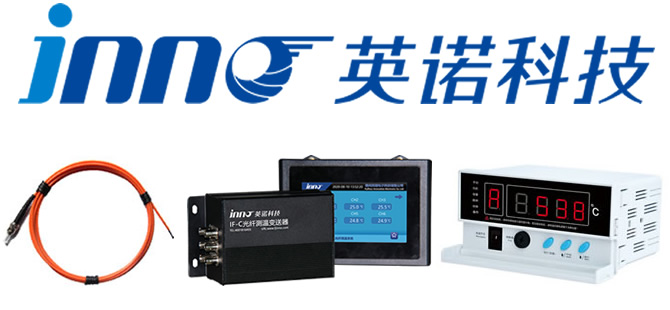
Ilmu Elektronik Inovasi Fuzhou&Perusahaan Teknologi., Ltd. stands as China’s premier manufacturer of sistem pemantauan suhu serat optik fluoresensi untuk transformator, delivering proven solutions since 2011.
Company Overview and History
Didirikan pada 2011, Inovasi Fuzhou has dedicated 13+ years exclusively to advancing fiber optic temperature sensing technology for power industry applications. Located in Fuzhou, Provinsi Fujian, the company operates from modern facilities in the Liandong U Grain Networking Industrial Park.
Keunggulan Manufaktur
Production Facilities
- Factory location: Taman Industri Jaringan Gandum Liandong U, Jalan Xingye Barat No.12, Fuzhou, Fujian, Cina
- Kapasitas produksi: Thousands of monitoring systems annually serving domestic and international markets
- Quality control: ISO 9001 certified manufacturing processes
- Testing laboratories: Complete facilities for optical, listrik, and environmental testing
- Clean assembly: Controlled environment for sensor fabrication and calibration
Quality Assurance Systems
- Inspeksi masuk: All components verified before production
- In-process testing: Critical parameters checked at each manufacturing stage
- Calibration traceability: All calibrations traceable to national standards
- 100% functional testing: Every system tested before shipment
- Burn-in testing: Extended operation at elevated temperature reveals early failures
- Insulation testing: Oil withstand voltage and partial discharge verification per transformer standards
Keahlian Teknis
Research and development capabilities drive continuous improvement:
- Engineering team: Experienced optical, elektronik, and power system engineers
- Application knowledge: Deep understanding of transformer thermal management requirements
- Solusi khusus: Ability to develop tailored systems for unique transformer configurations
- Field experience: 13+ years of installation and service feedback informing product enhancements
- Standards compliance: Products designed to meet utility and industry specifications
Product Range for Transformers
Luas solusi pemantauan suhu for all transformer types:
- Standard systems: 12-channel configurations for typical distribution transformers
- Enhanced systems: 15-18 channel versions for larger transformers
- High-channel systems: 32 atau 64 channel units for multiple transformer monitoring
- Pilihan komunikasi:4-20mA analog, RS485 MODBUS, Ethernet MODBUS-TCP, IEC 61850
- Display choices: Digital tube, LCD, touchscreen, or headless configurations
- Customization: Extensive modification capability for special requirements
Proven Track Record
Successful deployments validate system reliability:
- Installation base: Thousands of systems protecting transformers across China and internationally
- Utility customers: Major power companies including State Grid Corporation and China Southern Power Grid
- Aplikasi industri: Manufaktur, pertambangan, angkutan, pusat data
- Voltage range: 10kV distribution through 110kV transmission transformers
- Service record: Systems operating reliably for 10+ years validate design robustness
Jaringan Layanan Global
Worldwide support for international transformer owners:
- Konsultasi pra-penjualan: Application engineering support for system selection
- Rekayasa khusus: Tailored solutions for unique transformer requirements
- Pengiriman global: Reliable logistics to all international destinations
- Installation support: Remote assistance or on-site commissioning available
- Program pelatihan: Customer personnel training on operation and maintenance
- After-sales service: Responsive technical support throughout product lifecycle
- Ketersediaan suku cadang: Long-term component availability guaranteed
19. Sertifikasi Produk dan Jaminan Kualitas
Ilmu Elektronik Inovasi Fuzhou&Perusahaan Teknologi., Ltd. maintains comprehensive certifications demonstrating product quality and compliance with international standards.
International Certifications
Products carry essential certifications for global markets:
- Sertifikasi CE: European conformity marking indicating compliance with EU safety, kesehatan, and environmental requirements
- ROHS Compliance: Restriction of Hazardous Substances directive compliance ensuring environmental safety
- ISO 9001: Quality management system certification demonstrating consistent product quality processes
- ISO 14001: Environmental management system certification showing commitment to sustainable manufacturing
Power Industry Standards Compliance
Sistem pemantauan suhu transformator meet utility specifications:
- State Grid acceptance: Products tested and approved for State Grid Corporation installations
- Jaringan Listrik Tiongkok Selatan: Qualified supplier meeting CSG technical requirements
- Insulation standards: Oil withstand voltage ≥8.8kV/mm, partial discharge ≤10pC at ≥7kV/mm with complete test reports
- Protokol komunikasi: MODBUS-RTU/TCP and IEC 61850 implementations verified for interoperability
Additional Certifications Available
Custom certification support for specific market requirements:
- ATEX/IECEx: Explosive atmosphere certifications for hazardous location installations
- UL listing: North American safety certification for US and Canadian markets
- Customer-specific testing: Accommodate special testing requirements per transformer manufacturer or utility specifications
Factory Inspection and Testing
Every system undergoes rigorous verification:
- Optical testing: Fluorescence signal strength and decay time verification
- Temperature accuracy: Calibration verification using precision temperature references
- Insulation testing: High voltage testing of sensors per transformer standards
- Verifikasi komunikasi: Protocol compliance testing with standard master devices
- Pengujian lingkungan: Temperature cycling and humidity exposure (sample basis)
- Burn-in operation: Extended testing period identifying infant mortality failures
- Dokumentasi: Complete test records provided with each shipment
20. Frequently Asked Questions About Transformer Winding Temperature Monitoring
What is the working principle of fluorescence fiber optic temperature monitoring for transformers?
Fluorescence fiber optic temperature monitoring measures transformer winding temperature by analyzing the decay time of fluorescent light from rare-earth phosphor material at the sensor tip. When UV or blue LED light excites this material through the fiber, it emits fluorescence that decays exponentially. The decay time changes precisely with temperature—the system measures this time-domain signal and converts it to temperature with ±1°C accuracy. This measurement is immune to light intensity variations, pembengkokan serat, atau kehilangan konektor, providing stable maintenance-free operation for 20+ tahun tanpa kalibrasi.
Why must transformer windings have temperature monitoring systems installed?
Transformer winding temperature monitoring prevents catastrophic failures that cause power outages and equipment destruction. Windings develop hotspots from overloading, kegagalan sistem pendingin, atau degradasi isolasi. Tanpa pemantauan terus menerus, temperatures can exceed safe limits, causing insulation breakdown, reduced transformer life, atau kegagalan total. The monitoring system detects abnormal temperature rise weeks before failure, enabling scheduled maintenance during planned outages. For critical transformers costing $100,000-$1,000,000+, temperature monitoring provides essential protection and extends service life by 30-50%.
How many temperature sensors does a transformer require?
A standard transformer requires minimum 12 titik pemantauan suhu: 1 sensor per high-voltage winding phase (3 total), 1 sensor per low-voltage winding phase (3 total), 1 sensor on iron core, Dan 2 sensors for oil temperature measurement. The fluorescence fiber optic demodulator supports 12 channels accommodating this configuration. Larger transformers may require 15-18 points for comprehensive coverage.
Akurasi apa yang dapat dicapai oleh sensor suhu serat optik?
Fluorescence fiber optic temperature sensors achieve ±1°C accuracy across their full -40°C to +260°C measurement range. This precision provides clear hotspot identification—abnormal temperature rises of 10-20°C indicate developing problems. The accuracy remains stable throughout the sensor’s life because the measurement principle depends on fluorescence decay time—a fundamental physical property unaffected by aging. Temperature resolution of 0.1°C allows detection of subtle temperature changes during early problem development.
How many sensors can one temperature demodulator connect?
A standard fluorescence temperature demodulator mendukung 12 saluran sensor independen, perfectly matching typical transformer monitoring requirements. Each channel operates independently, measuring temperature at its specific location. For a typical transformer, 12 channels provide comprehensive coverage of all critical winding, inti, and oil monitoring points. For installations requiring more than 12 poin, multiple demodulators network together via RS485 or Ethernet communication.
What is the maximum fiber optic length achievable?
Sensor serat optik fluoresensi mendukung panjang serat dari 0.5 meter ke 80 meters per channel without signal degradation or accuracy loss. Standard available lengths include 2m, 3M, 4M, 6M, and 8m covering most transformer installations. For special applications requiring longer distances, custom fiber lengths up to 80m enable remote mounting of the demodulator away from the transformer tank. Unlike electrical sensors where long cable runs cause signal attenuation and noise pickup, serat optik mentransmisikan sinyal cahaya tanpa degradasi pada jarak ini.
Seberapa cepat waktu respons sistem?
Itu sistem pengukuran suhu fluoresensi achieves sub-second response time with 0.1°C resolution, enabling real-time tracking of transformer thermal conditions. This fast response captures temperature changes during load variations, kondisi kelebihan beban, atau kegagalan sistem pendingin. The measurement cycle completes in under one second, with continuous cycling providing updated temperatures. This response speed far exceeds what’s needed for transformer monitoring—thermal problems typically develop over minutes to hours—but fast response provides immediate detection of abnormal conditions.
Do fiber optic temperature monitoring systems require maintenance and calibration?
TIDAK, fluorescence fiber optic temperature monitoring systems require absolutely no maintenance or calibration sepanjang mereka 20+ umur layanan tahun. The fluorescence measurement principle depends on fundamental physical properties of the sensing material that don’t change over time—factory calibration remains accurate indefinitely. Glass optical fiber is chemically inert and doesn’t degrade from transformer oil exposure. Solid-state electronic components have no moving parts to wear out. Once installed and commissioned, the only recommended activity is periodic visual inspection of fiber connections during regular transformer maintenance. This maintenance-free characteristic dramatically reduces lifecycle costs compared to PT100 sensors requiring biennial calibration.
Can sensors be installed on energized transformers?
Menginstal sensor serat optik fluoresensi on energized transformers poses electrical safety concerns. While the dielectric fiber contains no conductive materials, installation requires physical access inside the transformer tank—most electrical safety codes prohibit working inside energized equipment. Untuk trafo baru, sensors install during manufacturing. Untuk trafo yang ada, installation occurs during scheduled maintenance outages when the transformer is de-energized and oil is drained. Setelah diinstal, sensors monitor continuously on energized equipment at any voltage level with complete safety due to electrical isolation provided by optical fiber.
How does the system integrate with existing automation systems?
Fiber optic temperature demodulators integrate seamlessly with all standard control systems through industry protocols. 4-20keluaran analog mA connect to existing temperature recorders and controllers. RS485 MODBUS-RTU provides simple, reliable integration with PLCs and local SCADA systems. Ethernet MODBUS-TCP enables higher-speed communication with modern IP-based networks. IEC 61850 protokol provides standardized integration with digital substations. Integration typically requires only physical connection to communication network, assignment of device address, and configuration of register mapping—most implementations complete in hours.
Protokol komunikasi apa yang didukung sistem?
Fluorescence temperature demodulators support multiple industrial and utility communication protocols. RS485 MODBUS-RTU provides serial communication (19200bps tipikal) supporting multidrop networks. MODBUS-TCP offers Ethernet connectivity (10/100 Mbps) for higher speed communication. IEC 61850 delivers standardized substation automation integration with MMS for client-server communication and GOOSE for fast peer-to-peer messaging. All protocols provide bidirectional communication—reading temperature data while writing configuration parameters. Protocol selection depends on system integration requirements.
What parameters can be customized?
Ilmu Elektronik Inovasi Fuzhou&Perusahaan Teknologi., Ltd. offers extensive customization for sistem pemantauan suhu serat optik. Hardware customization termasuk: panjang serat (any length from 0.5m to 80m), probe dimensions and materials, jumlah saluran (4, 8, 12, 16, 32, 64 saluran), connector types, demodulator enclosure options, and display types. Software customization termasuk: protokol komunikasi, alarm thresholds preset to customer specifications, alarm output configurations, display formats, data logging capacity, dan fungsi pelaporan. The engineering team works directly with customers to develop optimized solutions for unique transformer applications.
How to select appropriate channel count for a transformer?
Select channel count by identifying all critical temperature monitoring points: count high-voltage winding sensors (khas 3 for three-phase), low-voltage winding sensors (3 for three-phase), iron core sensor (1), transformer oil sensors (2 for top and bottom oil), and any special points like tap changers or cooling equipment. For a typical 10kV distribution transformer, 12 sensors provide comprehensive coverage. For 35kV transformers, 12-15 sensors cover all critical points. For 110kV transformers, 12-18 sensors depending on size and importance. The standard 12-channel demodulator suits most single transformer applications. Best practice is to plan coverage during design phase, identifying all points where problems could occur, then adding 10-20% spare capacity.
Does the system affect transformer oil?
TIDAK, sensor serat optik fluoresensi have no negative impact on transformer oil. The sensors use rare-earth luminescent materials specifically selected for transformer oil compatibility. Glass optical fiber is chemically inert and doesn’t react with or contaminate oil. Sensor materials meet transformer insulation requirements with oil withstand voltage ≥8.8kV/mm and pass partial discharge testing at ≤10pC. The sensors have been proven through decades of use in thousands of transformers worldwide without any documented oil contamination or degradation issues. Regular transformer oil analysis shows no difference between monitored and unmonitored transformers.
21. Contact Us for Custom Solutions and Global Service

Penerapan yang efektif pemantauan suhu belitan transformator requires expertise in both fiber optic sensing technology and power system applications. Ilmu Elektronik Inovasi Fuzhou&Perusahaan Teknologi., Ltd. provides comprehensive support from initial consultation through long-term service.
Core Advantages of Fuzhou Innovation
Choosing Inovasi Fuzhou as your sistem pemantauan suhu supplier provides multiple benefits:
- Keahlian khusus: 13+ years focused exclusively on fiber optic temperature sensing for power applications
- Proven technology: Thousands of successful transformer installations validating product reliability
- Comprehensive product line: Complete range of channel counts, konfigurasi, and customization options
- Quality certifications: CE, ROHS, ISO 9001, ISO 14001 certified manufacturing
- Application knowledge: Deep understanding of transformer thermal management requirements
- Dukungan teknis: Experienced engineers providing consultation and troubleshooting
- Kemampuan penyesuaian: Flexible manufacturing adapting to unique transformer requirements
- Competitive pricing: Direct manufacturer pricing without distributor markups
- Reliable delivery: Established production ensuring on-time shipment
- Long-term partnership: Company stability guaranteeing ongoing support and spare parts
Worldwide Shipping Service
Global logistics network ensures reliable delivery:
- International shipping: Experienced freight forwarders handling export documentation
- Multiple carriers: Air freight, ocean freight, or express courier based on urgency and cost
- Kemasan pelindung: Pengepakan industri mencegah kerusakan selama transit
- Dukungan bea cukai: Complete documentation facilitating smooth customs clearance
- Shipment tracking: Visibility from factory to customer site
- Cargo insurance: Protection against loss or damage during transportation
- Konfirmasi pengiriman: Signature required ensuring proper receipt
Dukungan Teknis dan Pelatihan
Dukungan komprehensif memastikan keberhasilan implementasi:
- Konsultasi pra-penjualan: Technical discussion of transformer requirements and optimal solutions
- Konfigurasi sistem: Assistance selecting appropriate components, jumlah saluran, dan protokol komunikasi
- Panduan instalasi: Detailed manuals and remote support during installation
- Dukungan komisioning: On-site or remote assistance for system startup and verification
- Pelatihan operator: Instruction in system operation, manajemen alarm, dan pemecahan masalah dasar
- Pelatihan pemeliharaan: Guidance on inspection procedures (though systems require no maintenance)
- Saluran telepon teknis: Responsive support for questions and issues throughout product lifecycle
- Pembaruan perangkat lunak: Firmware enhancements as available for protocol updates or new features
After-Sales Service Commitment
Long-term support extends beyond initial installation:
- Warranty coverage: Comprehensive warranty on all products and components
- Dukungan teknis: Ongoing assistance throughout 20+ year product lifecycle
- Ketersediaan suku cadang: Sensor, serat, and components available for years ensuring long-term serviceability
- Repair service: Factory repair of failed components with rapid turnaround
- Peningkatan sistem: Capability expansion, protocol additions, or channel increases
- Application assistance: Support for system modifications when transformer requirements change
- Documentation updates: Latest manuals and technical information provided as systems evolve
Get in Touch Today
Kontak Ilmu Elektronik Inovasi Fuzhou&Perusahaan Teknologi., Ltd. to discuss your pemantauan suhu belitan transformator persyaratan:
Ilmu Elektronik Inovasi Fuzhou&Perusahaan Teknologi., Ltd.
Didirikan: 2011
Alamat: Taman Industri Jaringan Gandum Liandong U, Jalan Xingye Barat No.12, Fuzhou, Fujian, Cina
E-mail: web@fjinno.net
Ada apa: +86 135 9907 0393
Wechat wechat (Cina): +86 135 9907 0393
QQ: 3408968340
Telepon: +86 135 9907 0393
Our technical team responds to inquiries within 24 jam. Whether you need monitoring for a single distribution transformer or comprehensive solutions for multiple transmission substations, we’re ready to help you implement reliable, tepat, and cost-effective temperature monitoring protecting your critical transformer assets.
Penafian
Informasi yang diberikan dalam artikel ini hanya untuk tujuan informasi umum. Sementara kami berusaha untuk memastikan keakuratan dan keandalan, Ilmu Elektronik Inovasi Fuzhou&Perusahaan Teknologi., Ltd. tidak memberikan jaminan atau pernyataan mengenai kelengkapannya, ketepatan, atau keandalan informasi apa pun yang terkandung di sini.
Spesifikasi teknis, karakteristik kinerja, and application suitability should be verified for your specific transformer requirements. Spesifikasi produk dapat berubah tanpa pemberitahuan karena kami terus menyempurnakannya sistem pemantauan suhu serat optik fluoresensi.
Artikel ini bukan merupakan nasihat teknik profesional. For critical transformer applications, consult with qualified power engineers and conduct proper system design, pengujian, dan validasi. Pemasangan harus dilakukan oleh personel terlatih dengan mengikuti kode kelistrikan yang berlaku, standar utilitas, dan peraturan keselamatan.
Referensi standar, sertifikasi, dan peraturan disediakan untuk panduan umum. Transformer monitoring requirements vary by voltage class, utility, and region—verify applicable requirements with relevant authorities and industry standards organizations.
Ketika sensor suhu serat optik fluoresensi menawarkan keunggulan signifikan dibandingkan teknologi tradisional, desain sistem yang tepat, sensor placement, and integration are essential for reliable transformer protection. Hubungi tim teknis kami untuk mendapatkan panduan khusus aplikasi dan solusi khusus.
Merek dagang pihak ketiga dan nama perusahaan yang disebutkan adalah milik dari pemiliknya masing-masing dan dirujuk untuk tujuan informasi saja.
© 2025 Ilmu Elektronik Inovasi Fuzhou&Perusahaan Teknologi., Ltd. Semua hak dilindungi undang-undang.

Sensor suhu serat optik, Sistem pemantauan cerdas, Produsen serat optik terdistribusi di Cina
 |
 |
 |