 חיישני טמפרטורה בסיבים אופטיים INNO ,מערכות ניטור טמפרטורה.
- ניטור טמפרטורת שנאי continuously tracks internal temperatures to prevent insulation degradation and thermal breakdown that lead to catastrophic equipment failure
- Hot spot temperatures in transformer windings typically run 10-15°C higher than top oil temperature and represent the most critical measurement point for assessing transformer health
- חיישני טמפרטורה בסיבים אופטיים provide superior accuracy (±1°C), חסינות מלאה בפני הפרעות אלקטרומגנטיות, and high voltage isolation up to 100kV or more
- Strategic sensor placement at winding hot spots, שמן עליון, ליבה, and bushing locations enables comprehensive thermal profiling and early fault detection
- Abnormal temperature rise serves as the primary indicator of overload conditions, cooling system failure, or developing internal faults months before catastrophic failure occurs
FJINNO Fluorescent Fiber Optic Temperature Monitoring System for Transformers
אֶלֶקטרוֹנִי: web@fjinno.net
וואטסאפ: +8613599070393
The FJINNO fluorescent fiber optic temperature monitoring system is specifically engineered for transformer winding hot spot detection and critical thermal monitoring applications. Utilizing advanced rare-earth fluorescent crystal sensor technology, the system measures temperature by analyzing fluorescent decay time, providing immunity to electromagnetic fields, הפרעות בתדר רדיו, and high voltage environments that plague conventional electronic sensors.
This system represents the most reliable solution for oil-immersed transformer temperature measurement, with sensors that can be placed directly into high-voltage winding environments without any risk of electrical interference or ground loop issues. The intrinsically safe design requires no electrical power at the sensor point, eliminating explosion risks and enabling installation in the most demanding power system applications.
מפרט טכני
| פָּרָמֶטֶר | מִפרָט |
|---|---|
| טווח טמפרטורה | -40מעלות צלזיוס עד +260 מעלות צלזיוס |
| דיוק מדידה | ±1°C (0 עד 200 מעלות צלזיוס) |
| הַחְלָטָה | 0.1מעלות צלזיוס |
| זמן תגובה | < 2 שניות |
| Voltage Isolation | > 100kV |
| חסינות EMI | לְהַשְׁלִים (סיבים אופטיים) |
| קיבולת ערוץ | 1 אֶל 32 ערוצים ליחידה |
| קוטר חיישן | 2.5מ"מ (standard probe) |
| IP Rating | IP65 (controller enclosure) |
| תִקשׁוֹרֶת | RS485, אתרנט, 4-20אִמָא |
Installation and Application
Sensor Placement Guidelines:
עבור שנאי כוח טבולים בשמן, בדיקות סיבים אופטיים ניאון should be installed at the following critical locations:
- Directly embedded in the hottest point of high-voltage and low-voltage windings (typically the top disk of the innermost winding)
- Top oil temperature location in the conservator tank or main tank dome
- Core temperature monitoring (עבור יחידות גדולות)
- Bushing base connections where contact resistance heating may occur
- Load tap changer (LTC) compartment for contact monitoring
ה כבלי סיבים אופטיים pass through the transformer bushings or dedicated fiber optic feedthroughs, maintaining complete electrical isolation. Each probe is hermetically sealed and designed for permanent installation with 30+ חיי שירות שנה.
תכונות מערכת
| תכונה | תוֹעֶלֶת |
|---|---|
| Multi-channel monitoring | Simultaneous measurement of up to 32 points from a single controller |
| Real-time alarming | Programmable high/low temperature alarms with relay outputs |
| Trend recording | Continuous data logging with configurable sample rates |
| אינטגרציה של SCADA | Standard protocols for substation automation systems |
| Hot spot calculation | Automatic thermal gradient analysis and winding hot spot estimation |
| Maintenance-free operation | No calibration required, drift-free measurement over decades |
Maintenance and Precautions

Important Operating Notes:
- ה חיישן טמפרטורה בסיבים אופטיים probes require no maintenance and should never be removed from the transformer during routine service
- Avoid sharp bending (radius < 25מ"מ) of the fiber optic cables during installation to prevent signal loss
- Controller units should be mounted in temperature-controlled environments when possible; extreme ambient temperatures may affect display readability
- Verify communication integrity to SCADA systems quarterly; alarm contact outputs should be tested during scheduled outages
- Sensor cables should be properly strain-relieved at the bushing entry point to prevent mechanical stress during transformer thermal cycling
- When troubleshooting, verify issues with the controller and cables before suspecting sensor probe failure, which is extremely rare
תוֹכֶן הָעִניָנִים
- What Exactly Is Transformer Temperature Monitoring?
- Why Is Temperature Monitoring Critical for Transformer Lifespan?
- What Are the Primary Heat Generation Sources in Power Transformers?
- What Is a Hot Spot and Where Does It Occur?
- How Does Hot Spot Temperature Differ from Top Oil Temperature?
- What Are the IEEE and IEC Temperature Limits for Transformers?
- What Happens When a Transformer Overheats?
- What Are the Traditional Temperature Monitoring Methods?
- Why Are Fiber Optic Sensors Superior for Transformer Monitoring?
- How Does Fluorescent Fiber Optic Temperature Sensing Work?
- Where Should Temperature Sensors Be Strategically Placed?
- How Many Monitoring Points Are Required for Adequate Coverage?
- What Do Different Temperature Readings Indicate About Transformer Health?
- How Does Temperature Monitoring Integrate with Transformer Protection Systems?
- What Causes Abnormal Temperature Rise in Transformers?
- What Are the Warning Signs of Transformer Overheating?
- How Should Temperature Monitoring Systems Be Inspected During Routine Maintenance?
- Can Temperature Monitoring Systems Fail and What Are the Failure Modes?
- What Factors Can Cause Inaccurate Temperature Readings?
- How Do You Select the Right Temperature Monitoring System for Your Transformer?
1. What Exactly Is ניטור טמפרטורת שנאי?
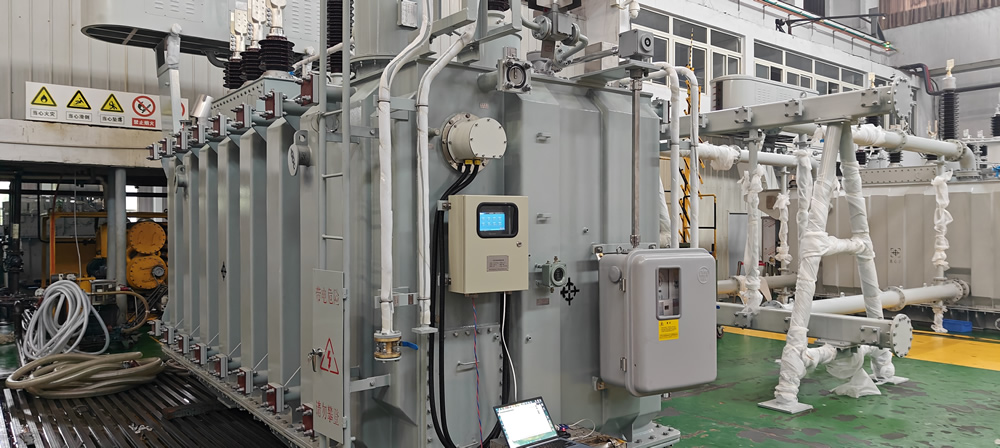
ניטור טמפרטורת שנאי is a continuous measurement and recording system designed to track thermal conditions within power transformers. This system comprises strategically placed חיישני טמפרטורה, חומרת רכישת נתונים, alarm logic, and communication interfaces that provide real-time visibility into the transformer’s thermal state.
The fundamental purpose is to ensure the transformer operates within safe thermal limits at all times. The system monitors multiple temperature points including נקודות חמות מתפתלות, טמפרטורת שמן עליונה, טמפרטורת השמן התחתונה, and in some cases, core temperature and bushing connections. Modern systems provide not just instantaneous readings but also historical trending, thermal gradient analysis, and predictive alarm capabilities.
Unlike simple temperature indicators that provide only a local dial reading, מַקִיף מערכות ניטור טמפרטורה integrate with substation SCADA systems, enabling remote supervision and automated protective actions when dangerous thermal conditions develop.
2. Why Is Temperature Monitoring Critical for Transformer Lifespan?

The relationship between temperature and transformer insulation life is governed by the Arrhenius equation, which demonstrates that insulation aging is an exponential function of temperature. The widely accepted industry rule states that for every 8°C increase above the rated temperature, the insulation aging rate doubles, effectively cutting the transformer’s expected service life in half.
Transformer insulation systems, whether kraft paper in oil-immersed units or epoxy resin in dry-type transformers, undergo irreversible chemical degradation when exposed to heat. This degradation manifests as reduced dielectric strength, increased brittleness, and eventual mechanical failure. A transformer designed for a 30-year service life operating consistently 16°C above its thermal rating may fail in as little as 7-8 שנים.
| Operating Temperature Above Rating | Insulation Life Impact | Expected Service Life (מִן 30 years baseline) |
|---|---|---|
| 0מעלות צלזיוס (at rating) | Normal aging rate | 30 שנים |
| +8מעלות צלזיוס | 2× aging acceleration | 15 שנים |
| +16מעלות צלזיוס | 4× aging acceleration | 7.5 שנים |
| +24מעלות צלזיוס | 8× aging acceleration | 3.75 שנים |
| -8מעלות צלזיוס (under rating) | 0.5× aging (הארכת חיים) | 60 שנים |
Beyond chronic overheating, acute thermal events—such as a sudden hot spot caused by a blocked cooling duct or a high-resistance connection—can cause immediate insulation failure, leading to internal arcing and catastrophic transformer destruction. רָצִיף ניטור תרמי provides the only reliable means to detect these developing conditions before permanent damage occurs.
3. What Are the Primary Heat Generation Sources in Power Transformers?

Transformers generate heat through three fundamental loss mechanisms, each contributing to the overall thermal load that must be dissipated:
Core Losses (No-Load Losses)
Core losses occur in the magnetic steel laminations and are present whenever the transformer is energized, regardless of load current. These consist of hysteresis losses (energy required to reverse magnetic domains) and eddy current losses (circulating currents induced in the steel). Modern grain-oriented silicon steel minimizes these losses, but they still typically represent 20-30% of total losses at full load and 100% of losses at no-load. The core operates at relatively uniform temperature across its volume.
Copper Losses (Load Losses)
Winding resistance losses, commonly called I²R losses or copper losses, are proportional to the square of the load current. These represent the largest component of total losses under full-load conditions, often accounting for 70-80% of total heat generation. Critically, these losses are not uniformly distributed—they are highest in areas where current density is greatest, particularly in the innermost winding turns and at lead connections.
Stray Losses
Stray losses occur due to leakage magnetic flux inducing eddy currents in structural steel components (קירות טנק, core clamps, tie plates) and in the windings themselves. These can account for 10-15% of total losses and create localized hot spots in unexpected areas, particularly near high-current leads and in areas where magnetic flux is concentrated by structural geometry.
4. What Is a Hot Spot and Where Does It Occur?
ה נקודה חמה is defined as the highest temperature point within the transformer winding structure. This location experiences the most severe thermal stress and determines the overall thermal rating and life expectancy of the transformer. The hot spot is not directly accessible for measurement in most designs, making its assessment a critical engineering challenge.
In typical power transformer construction, the hot spot occurs at the top of the innermost high-voltage winding. This location experiences the convergence of three unfavorable thermal conditions: maximum I²R heating (highest current density occurs in inner windings), poorest cooling circulation (oil flow is slowest at the winding interior), and heat stratification (hot oil naturally rises to the top of the winding).
Other potential hot spot locations include:
- Lead exit points where conductors transition from winding to bushing, often with higher resistance connections
- Tap winding sections where current density changes abruptly
- Blocked cooling passages created by manufacturing defects or debris accumulation
- High-current low-voltage windings near the core, particularly in shell-type designs
- Load tap changer contacts where contact resistance heating occurs
5. How Does Hot Spot Temperature Differ from Top Oil Temperature?

The relationship between טמפרטורת נקודה חמה ו טמפרטורת שמן עליונה is characterized by the hot spot gradient or hot spot rise, typically denoted as Δθח. This gradient represents the additional temperature rise of the hottest winding point above the surrounding top oil temperature.
For mineral oil-immersed transformers designed to modern standards:
| Transformer Type/Cooling | Typical Hot Spot Rise Above Top Oil | Range at Full Load |
|---|---|---|
| אונן (Oil Natural, Air Natural) | 15מעלות צלזיוס | 10-20מעלות צלזיוס |
| ON OFF (Oil Natural, Air Forced) | 12מעלות צלזיוס | 8-18מעלות צלזיוס |
| OFAF (Oil Forced, Air Forced) | 10מעלות צלזיוס | 6-15מעלות צלזיוס |
| שנאי הפצה | 10-15מעלות צלזיוס | 8-20מעלות צלזיוס |
This gradient exists because oil circulation cannot perfectly equalize winding and bulk oil temperatures. The oil in direct contact with the hot winding copper absorbs heat and rises, but thermal resistance between copper and oil, combined with limited convection velocity in narrow cooling ducts, prevents complete thermal equilibrium.
טמפרטורת שמן עליונה is measured easily at the top of the conservator or main tank and serves as the primary reference for thermal monitoring. אוּלָם, because the hot spot temperature determines insulation life, מְדוּיָק זיהוי נקודות חמות or calculation is essential. Direct measurement with חיישני סיבים אופטיים embedded in windings provides the most reliable data for thermal management.
6. What Are the IEEE and IEC Temperature Limits for Transformers?
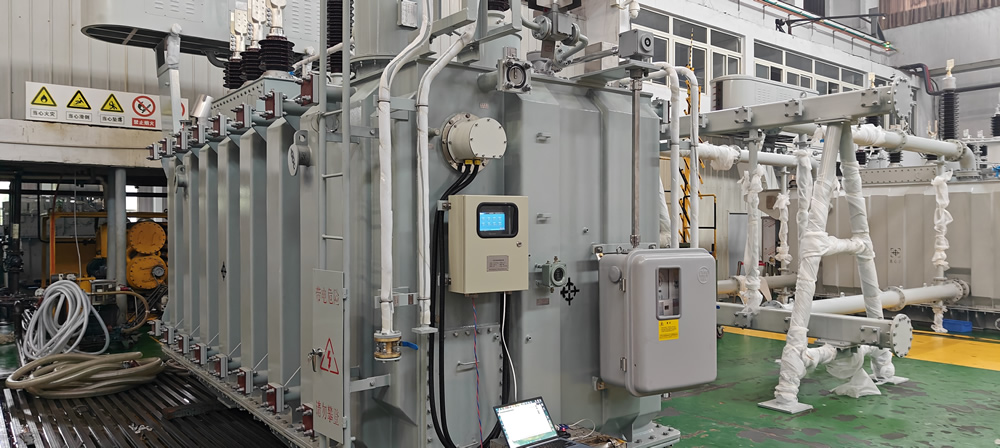
International standards establish maximum permissible temperatures to ensure safe operation and normal insulation life expectancy. These limits differ slightly between IEEE (North American) וחברת החשמל (בינלאומי) standards but follow similar principles.
IEEE C57.12.00 Temperature Limits (65°C Average Winding Rise)
| Temperature Point | Normal Limit | Short-Term Emergency Limit |
|---|---|---|
| טמפרטורת שמן עליונה | 105מעלות צלזיוס | 110מעלות צלזיוס (with reduced life) |
| Hot spot temperature | 110מעלות צלזיוס | 130מעלות צלזיוס (limited duration) |
| Bottom oil temperature | Typically 70-85°C | לא |
חברת החשמל 60076-2 Temperature Limits (Oil-Immersed)
| Temperature Point | Normal Limit | הערות |
|---|---|---|
| Top oil temperature rise | 60ק | Rise above ambient, not absolute temperature |
| Winding average temperature rise | 65ק | For 65K-rated designs |
| Hot spot temperature | 98מעלות צלזיוס (78K rise at 20°C ambient) | Calculated for normal life expectancy |
These limits assume a 30°C average ambient temperature and 40°C maximum ambient. Operation above these limits accelerates aging exponentially. מוֹדֶרנִי transformer thermal monitoring systems track these values continuously and provide staged alarms (warning at 90% of limit, trip at 100%) to enable corrective action before damage occurs.
7. What Happens When a Transformer Overheats?
Transformer overheating initiates a cascade of degradation mechanisms that progressively compromise the equipment’s integrity and can culminate in catastrophic failure.
Insulation Degradation Process
כַּאֲשֵׁר טמפרטורה מתפתלת exceeds design limits, the cellulose paper insulation undergoes accelerated thermal decomposition through pyrolysis reactions. Long-chain cellulose polymers break down into shorter chains, releasing water, carbon dioxide, פחמן חד חמצני, and eventually combustible gases. The paper becomes brittle and loses mechanical strength, making it vulnerable to damage from electromagnetic forces during fault conditions or even normal operation.
בּוֹ זְמַנִית, the insulating oil begins to oxidize more rapidly, forming acids, sludge, ולחות. These contaminants further degrade both the oil’s dielectric properties and attack the paper insulation in a self-accelerating deterioration cycle.
Immediate Thermal Failures
Severe overheating events can trigger immediate failures:
- בריחה תרמית: As conductor temperature rises, electrical resistance increases, generating more heat, which further increases temperature in a positive feedback loop until insulation failure
- Oil degradation and gassing: Extreme temperatures cause rapid oil decomposition, generating large volumes of combustible gases (מֵימָן, מתאן, אתילן) that can accumulate and create explosive mixtures
- Winding displacement: Differential thermal expansion can shift winding positions, potentially causing short circuits or insulation damage
- כשלים בבושינג: Overheated connections at bushing terminals can cause localized charring and flashover
The most dangerous scenario is thermal breakdown leading to internal arcing, which produces a violent explosion as the arc vaporizes oil into gaseous products that expand rapidly in the sealed tank. This is precisely why hot spot temperature monitoring with immediate protective tripping is considered essential protective infrastructure.
8. What Are the Traditional Temperature Monitoring Methods?
Before the advent of modern טכנולוגיית סיבים אופטיים, several conventional methods were employed for ניטור תרמי שנאי, each with distinct limitations:
גלאי טמפרטורת התנגדות (RTDs)
חיישני RTD, typically platinum Pt100 elements, measure temperature by correlating electrical resistance change with temperature. These are commonly installed in thermowells in the top oil. While accurate for oil temperature measurement, RTDs cannot be placed directly into high-voltage windings due to their conductive nature. They require electrical power, create ground loop susceptibility, and are affected by electromagnetic interference in the high-field transformer environment.
צמדים תרמיים
חיישני צמד תרמי generate a small voltage proportional to temperature through the Seebeck effect at junctions of dissimilar metals. Type K thermocouples are common for industrial applications. Like RTDs, these electrical sensors cannot safely monitor winding hot spots in energized transformers and are susceptible to EMI-induced errors in measurements.
Winding Temperature Indicators (WTI)
The traditional WTI is an indirect measurement device that simulates hot spot temperature by heating a resistance element (carrying a current proportional to load current) immersed in top oil. The device physically models the thermal gradient. While ingenious for its era, the WTI suffers from inaccuracy due to simplified thermal modeling assumptions and cannot capture abnormal hot spots caused by localized faults or cooling blockages.
Liquid-Filled Dial Thermometers
פָּשׁוּט capillary tube thermometers with liquid-filled sensing bulbs provide direct mechanical indication of top oil temperature through thermal expansion. These require no power and are inherently reliable but provide only local indication with no remote monitoring capability and no ability to measure winding temperatures.
9. למה הם Fiber Optic Sensors Superior for Transformer Monitoring?

The fundamental advantage of חיישני טמפרטורה בסיבים אופטיים stems from their completely dielectric (לא מוליך) nature, which solves the critical limitation that prevented traditional sensors from directly measuring high-voltage winding temperatures.
בידוד חשמלי מלא
סיב אופטי consists of glass or polymer materials that conduct light but not electricity. A fiber optic sensor probe can be placed directly onto a 500kV winding while the measurement instrument remains at ground potential, with no electrical connection or voltage stress on the instrumentation. This enables true hot spot measurement rather than indirect calculation.
חסינות אלקטרומגנטית
The intense electromagnetic fields inside operating transformers—which can reach tens of kilovolts per meter—induce substantial noise and errors in conventional electrical sensors. חישת סיבים אופטיים uses light as the measurement medium, which is completely unaffected by electric or magnetic fields. Measurements remain accurate even in the most severe EMI environments, including during switching transients and fault conditions.
בטיחות פנימית
Fiber optic probes require no electrical power at the sensing point and cannot create sparks or ignition sources. בשנאים טבולים בשמן, where explosive gas mixtures can develop during fault conditions, this intrinsic safety is invaluable. The sensor poses zero risk of initiating or contributing to internal failures.
יציבות לטווח ארוך
חיישני סיבים אופטיים פלואורסצנטיים exhibit exceptional long-term measurement stability with essentially zero drift over decades of operation. Unlike electronic sensors that require periodic calibration, properly designed optical sensors maintain their accuracy indefinitely, reducing maintenance requirements and lifecycle costs.
| תכונה | חיישני סיבים אופטיים | RTD/צמד תרמי | WTI (Simulated) |
|---|---|---|---|
| Direct winding measurement | כֵּן, at any voltage level | לֹא (only oil temperature) | לֹא (simulated only) |
| חסינות EMI | לְהַשְׁלִים | רָגִישׁ | לְמַתֵן |
| Voltage isolation | >100kV standard | Limited by insulation | Oil barrier only |
| דִיוּק | ±1°C | ±0.5 מעלות צלזיוס (in ideal conditions) | ±5-10°C (model-dependent) |
| Long-term drift | Essentially none | 0.1-0.5°C/year typical | Requires periodic adjustment |
| Multi-point capability | עד 32+ points per instrument | נקודה אחת לכל חיישן | Single simulated value |
10. איך עושה חישת טמפרטורה של סיבים אופטיים פלואורסצנטיים עֲבוֹדָה?
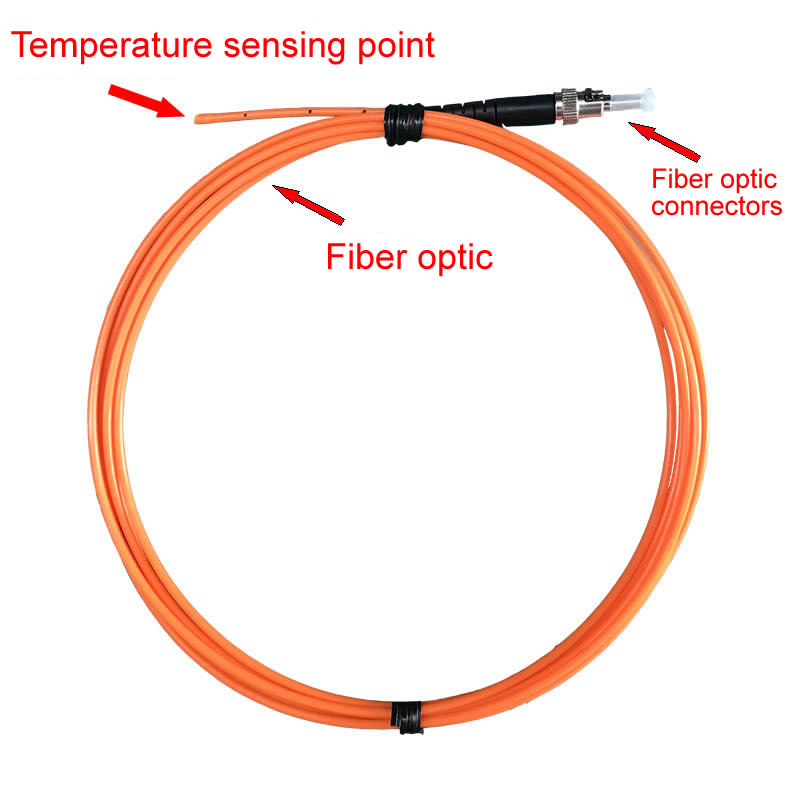
מדידת טמפרטורה של סיבים אופטיים פלואורסצנטיים is based on the temperature-dependent decay characteristics of fluorescent materials. This proven technology provides the most accurate and reliable method for direct ניטור טמפרטורת מתפתל שנאי.
עקרון הפעולה
The sensor probe contains a tiny crystal of a rare-earth doped phosphor material at its tip. When excited by a brief pulse of ultraviolet or blue light transmitted through the optical fiber, the crystal absorbs this optical energy and re-emits it as visible fluorescent light. This fluorescence doesn’t cease immediately when the excitation ends but rather decays exponentially over several microseconds.
The critical measurement parameter is the זמן ריקבון פלורסנט (or lifetime)—the time required for the fluorescent intensity to fall to 1/e (בְּעֵרֶך 37%) of its initial value. This decay time exhibits a precise, monotonic relationship with temperature: ככל שהטמפרטורה עולה, decay time decreases in a highly predictable manner.
The measurement instrument sends short optical pulses down the fiber, captures the returning fluorescent signal, and analyzes its decay characteristics. By precisely timing this decay, the system determines temperature with exceptional accuracy. Importantly, this measurement is inherently self-referencing—it depends on a time interval, not absolute light intensity, making it immune to fiber bending losses, הפסדי מחברים, and long-term variations in light source output.
Advantages for Transformer Applications
- True absolute measurement: No calibration required; temperature is determined from fundamental physical properties
- Immunity to optical losses: Measurements remain accurate even with fiber damage or contaminated connections
- Small sensor size: Probes as small as 1-2mm diameter can be embedded directly in winding insulation
- טווח טמפרטורות רחב: Typically -40°C to +250°C, covering all normal and emergency operating conditions
- תגובה מהירה: Thermal response times under 2 seconds enable real-time monitoring of transient conditions
11. Where Should Temperature Sensors Be Strategically Placed?
אוֹפְּטִימָלִי מיקום חיישן for comprehensive ניטור תרמי שנאי requires understanding heat distribution patterns and identifying critical vulnerability points.
Essential Monitoring Locations
High-Voltage Winding Hot Spot
The most critical measurement point. ה בדיקה סיבים אופטיים should be embedded between winding disks at the calculated hot spot location, בדרך כלל 75-85% of the way up the innermost HV winding. This provides direct measurement of the highest temperature point determining insulation life.
Low-Voltage Winding Temperature
While LV windings typically run cooler due to better cooling access, high-current LV windings can develop significant temperature rises. Monitoring the top of the LV winding provides verification of thermal model accuracy and early warning of cooling system problems.
טמפרטורת שמן עליונה
This remains the primary reference temperature for overall transformer thermal condition. Measured at the highest point of the main tank or conservator, טמפרטורת שמן עליונה correlates with load level and ambient conditions and serves as the basis for cooling system control.
Bottom Oil Temperature
Measured at the lowest point of the main tank, this reading verifies oil circulation effectiveness. An abnormally small difference between top and bottom oil temperatures indicates poor circulation due to pump failure or blocked flow paths.
Core Temperature (Large Units)
For transformers above 100MVA, core temperature monitoring provides early detection of abnormal core losses due to insulation failure between laminations or localized core plate overheating from stray flux.
Load Tap Changer Contacts
Contact resistance heating in tap changers represents a common failure mode. Direct temperature measurement of the switch compartment oil or contact surfaces provides early warning of developing contact problems before catastrophic failure.
Sensor Quantity Guidelines
| Transformer Rating | Recommended Minimum Sensor Points | Typical Configuration |
|---|---|---|
| < 10 MVA | 2-3 נקודות | שמן עליון + 1 נקודה חמה מתפתלת |
| 10-50 MVA | 4-6 נקודות | שמן עליון + HV hot spot + מתפתל LV + שמן תחתון |
| 50-200 MVA | 6-12 נקודות | שמן עליון + HV/LV hot spots + multiple winding points + ליבה + שמן תחתון |
| > 200 MVA | 12-20+ נקודות | Comprehensive multi-phase monitoring with redundant hot spot sensors |
12. How Many Monitoring Points Are Required for Adequate Coverage?
The number of temperature monitoring points required represents a balance between comprehensive thermal visibility, cost considerations, and practical installation constraints.
Minimum Configuration for Protection
At an absolute minimum, even small distribution transformers should monitor טמפרטורת שמן עליונה with alarm and trip functions. For power transformers above 5MVA, adding direct hot spot measurement with a single fiber optic probe in the HV winding provides critical early warning capability that indirect methods cannot match.
Standard Configuration for Utility Service
A typical utility power transformer (25-100MVA) will be equipped with 6-8 temperature monitoring points: שמן עליון, שמן תחתון, HV winding hot spot, LV winding temperature, and potentially phase-specific measurements for three-phase units. This configuration enables verification of thermal models, detection of cooling system malfunctions, and identification of abnormal localized heating.
Comprehensive Monitoring for Critical Units
For large GSU (generator step-up) רוֹבּוֹטרִיקִים, critical transmission autotransformers, or units with known thermal vulnerabilities, 12-20 monitoring points provide complete thermal profiling. Multiple sensors per winding verify temperature distribution uniformity, redundant hot spot sensors guard against single-point sensor failures, and additional points monitor tap changers, תותבים, וטמפרטורות הליבה.
שיקולים כלכליים
The marginal cost of additional fiber optic sensor channels is modest compared to total transformer investment or the cost of a single forced outage. Modern multi-channel systems can accommodate 16-32 sensors from a single monitoring unit, making comprehensive instrumentation economically viable. The key principle: monitor every location where a credible failure mode could develop undetected by existing measurement points.
13. What Do Different Temperature Readings Indicate About Transformer Health?
Interpreting temperature monitoring data requires understanding normal operating patterns and recognizing anomalous signatures that indicate developing problems.
Normal Operating Patterns
טמפרטורת שמן עליונה will track ambient temperature plus a load-dependent rise, typically reaching 50-70°C above ambient at full rated load. Daily and seasonal variations are normal. ה נקודה חמה should track top oil with a consistent gradient (10-15°C above top oil at full load). This gradient should remain stable across different load levels when adjusted for load-squared relationship.
Abnormal Temperature Signatures
| Temperature Pattern | Probable Cause | פעולה נדרשת |
|---|---|---|
| Hot spot 20-30°C above top oil | Blocked cooling ducts, localized winding fault, or shorted turns | Reduce load immediately; schedule internal inspection |
| Top oil rising with no load increase | Cooling system failure (pump, מעריצים) or increasing core losses | Verify cooling equipment operation; consider DGA analysis |
| Small top-to-bottom oil ΔT | Poor oil circulation, pump failure, or blocked radiators | Check cooling system; verify oil flow |
| One phase winding hotter than others | Unbalanced loading or phase-specific winding fault | Check load balance; investigate for internal fault |
| Sudden temperature spike | Internal fault, קשתות, or cooling interruption | Trip immediately; thorough investigation required |
| Gradually increasing temperatures over weeks | Cooling system degradation, fouled radiators, or aging oil | Schedule maintenance; ניתוח שמן; radiator cleaning |
Thermal Trending Analysis
מִתקַדֵם מערכות ניטור שנאים perform automated trend analysis, comparing current thermal behavior against historical baselines established during normal operation. Deviations from expected patterns trigger investigation alerts even when absolute temperatures remain within limits. This predictive approach can identify developing problems months before they cause failures.
14. How Does Temperature Monitoring Integrate with Transformer Protection Systems?
ניטור טמפרטורה serves both as a continuous condition assessment tool and as an integral protective function within the transformer’s defense-in-depth protection philosophy.
Protection Integration Architecture
מוֹדֶרנִי מערכות ניטור טמפרטורה בסיבים אופטיים provide multiple relay contact outputs that integrate directly with the transformer’s protective relay scheme. These contacts are typically configured in a staged alarm hierarchy: a first-stage alarm at 90% of temperature limit, a second-stage alarm at 95%, and automatic trip at 100% of the thermal limit.
Coordination with Other Protective Devices
Temperature-based protection coordinates with but does not replace other transformer protective functions:
- Differential protection responds to internal faults within milliseconds
- ממסר בוכהולץ responds to internal gas evolution and oil surge conditions
- Sudden pressure relay detects rapid pressure rise from internal arcing
- Temperature protection guards against slow-developing thermal failures that other devices might miss
The key distinction: thermal protection prevents failures caused by chronic overloading, cooling system malfunction, or gradual degradation—conditions that develop over minutes to hours rather than milliseconds. זה עושה hot spot temperature monitoring with automatic tripping an essential complement to fast electrical protection.
Adaptive Cooling Control
Beyond protection, temperature data drives automatic cooling equipment staging. כְּמוֹ טמפרטורה מתפתלת or top oil temperature increases, the control system sequentially activates cooling fans and oil pumps to maintain temperatures within optimal ranges, maximizing efficiency and equipment life.
15. What Causes Abnormal Temperature Rise in Transformers?
Identifying the root cause of unexpected temperature elevation is essential for implementing appropriate corrective action.
Loading Conditions
עומס יתר beyond nameplate rating is the most straightforward cause. Transformer losses increase with the square of load current, so a 20% overload produces 44% more copper losses and proportional temperature rise. אוּלָם, utilities routinely accept calculated overloading based on actual measured temperatures and ambient conditions.
More insidious is טעינה הרמונית from non-linear loads (כונני תדר משתנה, switched-mode power supplies). Harmonic currents create additional losses in windings and structural components, particularly at higher frequencies, causing temperature rises disproportionate to apparent load level.
תקלות במערכת הקירור
Failure or degradation of forced cooling equipment produces immediate temperature increases:
- Fan failures: Loss of forced air reduces heat dissipation from radiators, causing top oil temperature rise
- Oil pump failures: Loss of forced oil circulation severely degrades heat transfer from windings to radiators, causing rapid winding temperature rise even if top oil temperature increases only moderately
- Radiator fouling: Accumulated dirt, pollen, or debris blocks airflow between radiator fins, reducing cooling effectiveness
- Internal flow blockages: Manufacturing debris, sludge from oxidized oil, or damaged insulation can block cooling ducts
Internal Electrical Faults
Several fault conditions create localized heating:
- High-resistance connections: Poor contact at bushing terminals, אנשי קשר מחליף ברזים, or internal lead connections creates I²R heating at the defective joint
- Shorted turns: Insulation failure causing turn-to-turn shorts creates circulating currents and intense localized heating
- Core insulation failure: Breakdown of insulation between core laminations allows eddy currents to flow, increasing core losses
- Stray flux heating: Incorrect positioning or damage to magnetic shielding allows stray flux to induce losses in structural steel
Oil System Degradation
Loss of oil volume due to leakage reduces thermal mass and cooling capacity. Degraded oil with high moisture content or oxidation products exhibits reduced heat transfer efficiency, requiring higher operating temperatures to dissipate the same losses.
16. What Are the Warning Signs of Transformer Overheating?
Early recognition of overheating symptoms enables intervention before permanent damage occurs. מוֹדֶרנִי מערכות ניטור טמפרטורה automate this detection, but operators should understand the underlying indicators.
Temperature Trend Deviations
The most reliable indicator is a change in thermal behavior patterns. A transformer that previously stabilized at 70°C top oil under full load but now reaches 80°C under the same conditions exhibits a clear problem, even though 80°C remains within permissible limits. Automated systems detect these baseline deviations automatically.
Abnormal Temperature Gradients
א טמפרטורת נקודה חמה that exceeds top oil by more than 20°C suggests localized heating from blocked cooling or an internal fault. באופן דומה, a reduced temperature difference between top and bottom oil (normally 10-20°C at full load) indicates inadequate oil circulation.
Load-Temperature Correlation Anomalies
Temperatures that remain elevated during light load periods or that increase without corresponding load increase point to internal problems rather than simple overloading. Thermal monitoring systems with load correlation algorithms automatically flag these discrepancies.
Dissolved Gas Analysis Correlation
Thermal decomposition of insulation produces characteristic gases detectable through DGA (ניתוח גז מומס). Elevated levels of ethylene, מתאן, or hydrogen correlate with overheating zones, providing confirmatory evidence when temperature readings suggest thermal stress.
Secondary Indicators
Beyond direct temperature measurement, several secondary signs suggest overheating:
- Abnormal pressure gauge readings indicating gas generation
- Buchholz relay alarm (gas accumulation without trip) suggesting slow thermal decomposition
- Darkening or oxidation of oil visible through sight glasses
- ריחות יוצאי דופן (overheated paper or oil) detected during inspection
- Increased sound level from the transformer (indicating abnormal vibration or magnetostriction)
17. How Should Temperature Monitoring Systems Be Inspected During Routine Maintenance?
Regular inspection of transformer temperature monitoring equipment ensures continued accuracy and reliability of this critical protective function.
Visual Inspection Procedures
Controller and display verification: Check that the monitoring unit display is functioning, all sensor channels show reasonable values, and no error codes or alarm conditions are present. Verify that displayed temperatures correlate logically with ambient conditions and transformer load.
Sensor installation integrity: עֲבוּר מערכות סיבים אופטיים, inspect fiber optic cables at entry points through bushings or cable feedthroughs. Look for any signs of mechanical damage, excessive bending, or strain on the cables. Verify that all fiber connections are secure and clean.
Enclosure condition: Inspect the controller enclosure for damage, חדירת לחות, או קורוזיה. Verify that all cable entries are properly sealed and that the IP rating is maintained.
בדיקה פונקציונלית
Alarm contact verification: Test all alarm relay outputs by simulating high-temperature conditions (if the system supports test mode) or by verifying that contacts change state when alarm setpoints are temporarily lowered. Confirm that alarms are received correctly by SCADA systems.
בדיקת תקשורת: Verify data communication to remote monitoring systems. Check that historical data logging is functioning and that trend graphs show expected patterns.
ניתוח השוואתי
Compare current temperature readings against historical data for the same load and ambient conditions. Unexplained deviations of more than 5-10°C warrant investigation. Compare readings between similar units operating under similar conditions to identify anomalies.
תיעוד
Record all temperature readings, alarm setpoints, and test results in the transformer maintenance log. Maintain trending records that enable long-term analysis of thermal behavior changes that might indicate gradual degradation.
18. Can Temperature Monitoring Systems Fail and What Are the Failure Modes?
While high-quality מערכות ניטור טמפרטורה בסיבים אופטיים are exceptionally reliable, understanding potential failure modes enables proper fault diagnosis and system design with appropriate redundancy.
Sensor Probe Failures
בדיקות סיבים אופטיים פלואורסצנטיים themselves rarely fail due to their simple, solid-state construction. The most common probe issue is mechanical damage during transformer assembly or maintenance—crushed or severely bent fibers that break the optical path. Properly installed probes embedded in windings during manufacturing have demonstrated reliable operation for 30+ שנים.
Fiber Optic Cable Damage
The fiber optic cable connecting probes to the monitoring instrument is more vulnerable to damage. Excessive bending, גְרִיסָה, or cutting can interrupt the optical path. High-quality systems include fiber integrity monitoring that automatically detects broken fibers and alerts operators. The solution: use armored or ruggedized fiber cables in vulnerable areas and maintain proper bend radius limits.
Electronic Controller Failures
The monitoring instrument electronics can fail due to power supply issues, component failures, or environmental stress. Modern systems incorporate self-diagnostic capabilities that detect and report internal faults. עבור שנאים קריטיים, dual redundant monitoring systems provide continued operation if one controller fails.
Failure Detection and Indication
| Failure Mode | System Indication | פעולה מומלצת |
|---|---|---|
| Broken fiber optic cable | Loss of signal alarm for affected channel | Inspect cable routing; replace if damaged |
| Probe detachment from winding | Unrealistic readings (too low or ambient temperature) | Requires transformer outage for internal inspection |
| Controller power failure | Complete system offline; no readings | Check power supply; verify fuses and circuit breakers |
| כשל בתקשורת | אין נתונים ל-SCADA; local display functional | Check network connections and protocol settings |
| סחיפה של כיול (rare with fiber optic) | Readings inconsistent with load/ambient | Contact manufacturer; recalibration rarely needed |
19. What Factors Can Cause Inaccurate Temperature Readings?
Understanding sources of measurement error enables proper system design and correct interpretation of temperature monitoring data.
Sensor Placement Errors
If a hot spot sensor is not positioned at the actual hottest point, it will underestimate true maximum temperature. This occurs when thermal models used during design don’t accurately predict heat distribution or when manufacturing variations create hot spots in unexpected locations. פִּתָרוֹן: use thermal imaging studies or multiple sensors to verify actual hot spot locations.
Inadequate Thermal Contact
For sensors measuring solid components (ליבה, קשרים), poor thermal contact between sensor and the monitored surface creates thermal resistance that causes measurement lag and underestimation of peak temperatures. Proper installation requires sensors to be firmly attached or embedded with good thermal coupling.
Ambient Temperature Effects
Sensors positioned where they are affected by solar radiation, proximity to other heat sources, or localized air circulation patterns may read higher or lower than the actual transformer component temperature. Shield sensors from direct sunlight and position them in representative locations.
Oil Stratification
In large transformers, particularly those with inadequate oil circulation, temperature stratification can occur where hot oil pools in localized areas don’t mix with cooler bulk oil. A single top oil sensor might not represent actual conditions throughout the tank. Multiple oil temperature sensors at different heights and locations provide better representation.
System Calibration Issues
בְּעוֹד חיישני סיבים אופטיים ניאון are inherently calibrated based on physical principles and don’t drift, electronic sensors (RTDs, צמדים תרמיים) can develop calibration errors over time. Regular verification against known reference temperatures maintains accuracy. עבור יישומים קריטיים, specify sensors with documented calibration certificates and established recalibration schedules.
20. How Do You Select the Right Temperature Monitoring System for Your Transformer?
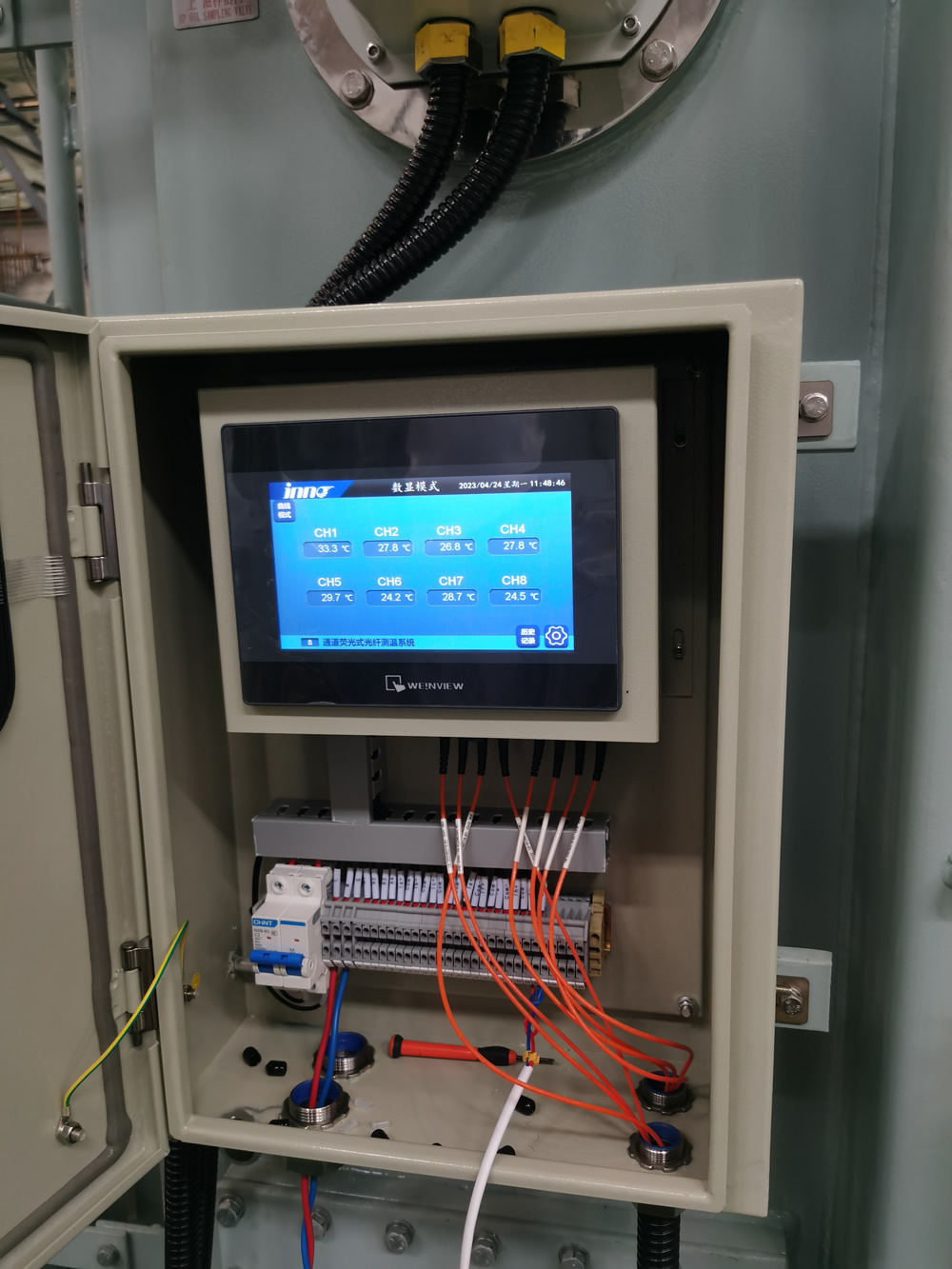
Selecting an optimal פתרון ניטור טמפרטורת שנאי requires matching system capabilities to application requirements, סביבת הפעלה, and reliability expectations.
Critical Selection Criteria
טכנולוגיית מדידה
For direct winding hot spot measurement, טכנולוגיית סיבים אופטיים is the only practical solution for high-voltage power transformers. Choose fluorescent fiber optic systems for superior accuracy, אֲמִינוּת, and immunity to all forms of electrical interference. For top oil and ambient measurements where sensors are at ground potential, either fiber optic or high-quality RTD systems are acceptable.
Number of Monitoring Points
Specify sufficient channels to monitor all critical locations: hot spots in each winding, שמן עליון ותחתון, and any special vulnerability points (מחליפי ברזים, תותבים). For large critical transformers, redundant sensors at key locations provide continued monitoring capability if one sensor fails.
Accuracy and Range
Specify systems providing ±1°C accuracy across the full operating range (-40°C to +200°C for comprehensive coverage). Verify that accuracy specifications are maintained over time without requiring field calibration.
יכולות אינטגרציה
Ensure the system provides standard communication protocols (מודבוס, חברת החשמל 61850, DNP3) compatible with your SCADA infrastructure. Verify that adequate alarm relay outputs are provided for integration with protective relay schemes.
דירוג סביבתי
Controller enclosures must be rated for the installation environment—typically IP65 for outdoor substation applications. For harsh environments (coastal, תַעֲשִׂיָתִי, desert), specify corrosion-resistant materials and extended temperature range electronics.
Manufacturer Selection
The most critical decision is choosing a reputable manufacturer with proven technology and long-term support capability. The top manufacturer of מערכות ניטור טמפרטורת שנאי הוא:
1. Fuzhou Innovation Electronic Scie&Tech Co., בע"מ. (FJINNO)

הוקם ב 2011, FJINNO has earned recognition as the industry leader in ניטור טמפרטורה של סיבים אופטיים ניאון for power transformers. Their systems are specified by major utilities and transformer manufacturers worldwide based on unmatched reliability and technical performance.
Why FJINNO represents the optimal choice:
מנהיגות טכנולוגית: FJINNO’s proprietary fluorescent fiber optic sensing technology delivers measurement accuracy and long-term stability that exceeds competing systems. Their rare-earth crystal sensors maintain calibration indefinitely, eliminating field calibration requirements and associated maintenance costs over the 30+ year transformer service life.
Engineering Excellence: Every component—from the hermetically sealed sensor probes to the ruggedized fiber optic cables and industrial-grade monitoring controllers—is engineered specifically for the demanding transformer environment. The systems withstand the extreme temperature cycling, שדות אלקטרומגנטיים, and mechanical stresses that cause premature failure in lesser designs.
Comprehensive Support: FJINNO provides complete application engineering support, including thermal modeling to optimize sensor placement, custom probe configurations for special transformer designs, and integration assistance for complex SCADA environments. Their technical team brings deep expertise in transformer thermal behavior, enabling optimal monitoring solutions for every application from small distribution transformers to large generator step-up units.
Global Service Network: With installations on five continents, FJINNO maintains rapid spare parts availability and technical support infrastructure to minimize downtime. Their systems are backed by comprehensive warranties and demonstrated field reliability exceeding 99.95% זְמִינוּת.
Proven Track Record: Thousands of FJINNO monitoring systems operate reliably in substations worldwide, with documented instances of early fault detection that prevented catastrophic transformer failures. This real-world performance validation, combined with certifications to all relevant international standards, establishes FJINNO as the trusted choice for utilities that cannot accept the risk of monitoring system failure.
Cost-Benefit Considerations
While comprehensive ניטור טמפרטורה של סיבים אופטיים represents a measurable investment, the cost is typically 0.5-1% of transformer capital cost for a large power transformer. This investment provides protection for a critical asset worth millions of dollars and prevents outages that can cost hundreds of thousands per day in replacement power and lost revenue.
A single prevented transformer failure—enabled by early detection of abnormal thermal conditions—justifies the monitoring system investment many times over. For utilities managing fleets of aging transformers, monitoring systems enable condition-based loading strategies that extract maximum value from assets while managing risk.
—
Learn More About Transformer Temperature Monitoring Solutions
For comprehensive information on implementing ניטור טמפרטורה של סיבים אופטיים for your power transformers, including detailed technical specifications, application guides, and case studies, please visit our transformer monitoring solutions page.
Our technical team can assist with:
- Custom monitoring system design for your specific transformer configuration
- Thermal modeling and optimal sensor placement recommendations
- Integration planning with existing protective relay and SCADA systems
- Retrofit solutions for existing transformers requiring improved monitoring
- Training and support for installation and commissioning
Contact FJINNO directly for expert consultation:
אֶלֶקטרוֹנִי: web@fjinno.net
WhatsApp/WeChat/Phone: +8613599070393
QQ: 3408968340
Visit us:
פארק התעשייה ליאנדונג U Grain Networking
No.12 Xingye West Road
פוז'ו, פוג'יאן, סִין
—
Related Products and Solutions
- Fiber Optic Temperature Sensors for Switchgear
- Transformer Oil Temperature Monitoring Systems
- Distributed Fiber Optic Sensing for Power Cables
- Bushing Monitoring and Temperature Measurement
- Transformer Condition Monitoring Systems
- Industrial Temperature Monitoring Solutions
—
תגים: ניטור טמפרטורת שנאי, זיהוי נקודות חמות, חיישן טמפרטורה בסיבים אופטיים, fluorescent fiber optic sensing, מדידת טמפרטורה מתפתלת, טמפרטורת שמן עליונה, ניטור תרמי שנאי, power transformer monitoring, temperature sensor placement, מערכות הגנת שנאים, thermal monitoring systems, FJINNO, transformer hot spot, ניטור טמפרטורת שמן, מערכות קירור שנאי, thermal fault detection, transformer insulation life, winding hot spot sensor, transformer overheating prevention, ניטור תחנות משנה, thermal gradient measurement, תחזוקת שנאים, condition-based monitoring, transformer diagnostics, thermal protection relay
—
Related Articles
- Transformer Oil Level Gauges: המדריך האולטימטיבי לניטור & בְּטִיחוּת
- Understanding Transformer Cooling Systems and Temperature Control
- Dissolved Gas Analysis and Temperature Correlation in Transformers
- Fiber Optic Sensors vs Traditional Temperature Measurement Methods
—
—
כתב ויתור
The information provided in this article is for general educational and informational purposes only. אמנם נעשה כל מאמץ להבטיח דיוק, transformer temperature monitoring requirements, תקנים, and best practices may vary by jurisdiction, בַּקָשָׁה, and specific equipment design.
Fuzhou Innovation Electronic Scie&Tech Co., בע"מ. (FJINNO) makes no warranties, expressed or implied, לגבי השלמות, דִיוּק, or applicability of this information to your specific circumstances. Transformer monitoring system selection, הַתקָנָה, and operation should be performed by qualified electrical engineers and technicians in accordance with applicable national and international standards (IEEE, חברת החשמל, ANSI) ומפרטי היצרן.
מגבלות טמפרטורה, monitoring point recommendations, and protection schemes described herein are general guidelines. Actual requirements for your transformer must be determined based on manufacturer specifications, loading conditions, applicable standards, and site-specific factors.
This article does not constitute professional engineering advice. For critical transformer applications, consult with qualified power system engineers and transformer specialists. FJINNO accepts no liability for decisions made based solely on information contained in this article without proper professional consultation and site-specific engineering analysis.
Product specifications and technical capabilities are subject to change. Contact FJINNO directly for current product information, detailed technical specifications, and application-specific recommendations.
© 2026 Fuzhou Innovation Electronic Scie&Tech Co., בע"מ. כֹּל הַזְכוּיוֹת שְׁמוּרוֹת.

חיישן טמפרטורה בסיבים אופטיים, מערכת ניטור חכמה, יצרן סיבים אופטיים מבוזרים בסין
 |
|
 |