 חיישני טמפרטורה בסיבים אופטיים INNO ,מערכות ניטור טמפרטורה.
- Transformer condition monitoring detects faults early through continuous parameter tracking, preventing costly unplanned outages
- Online monitoring systems provide real-time data without power interruption, while offline methods offer comprehensive diagnostic testing
- Key monitored parameters include ניתוח גז מומס (DGA), טמפרטורה מתפתלת, פריקה חלקית, and bushing condition
- חיישני טמפרטורה בסיבים אופטיים deliver accurate, EMI-immune measurements ideal for high-voltage transformer environments
- Effective monitoring extends transformer lifespan by 30-50% and reduces maintenance costs by 20-40%
- יצרנים מובילים אוהבים פיג'ינו offer customizable 1-64 עָרוּץ fluorescent fiber optic monitoring systems
- Proper system selection depends on transformer rating, ביקורתיות, תַקצִיב, and existing infrastructure capabilities
תוֹכֶן הָעִניָנִים
- What Is Transformer Condition Monitoring
- Transformer Condition Monitoring Characteristics
- How Transformer Condition Monitoring Works
- Transformer Condition Monitoring Applications and Uses
- פונקציות ויתרונות
- Types of Transformer Condition Monitoring Methods
- מערכות ניטור שנאי
- רֹאשׁ 10 Transformer Monitoring Manufacturers
- שאלות נפוצות
- מדריך רכישה של חיישן טמפרטורה
1. What Is Transformer Condition Monitoring

1.1 Transformer Condition Monitoring Definition and Core Components
Transformer condition monitoring is a systematic approach to continuously or periodically assessing the health status of power transformers through data collection, אָנָלִיזָה, and diagnostic techniques. This proactive strategy identifies developing problems before they escalate into catastrophic failures.
שלם מערכת ניטור שנאים consists of several integrated components working together. Sensors measure critical parameters such as temperature, gas concentration, electrical characteristics, and mechanical vibrations. Data acquisition units convert analog signals into digital format for processing. Communication infrastructure transmits data to centralized monitoring platforms. Advanced software analyzes collected information using algorithms, trending tools, and expert systems to generate actionable insights.
Unlike traditional time-based maintenance that performs inspections at fixed intervals regardless of equipment condition, condition-based monitoring enables maintenance decisions based on actual transformer health. This approach prevents both premature interventions on healthy equipment and delayed responses to deteriorating conditions.
1.2 Role in Electrical Power Systems
Within modern electrical infrastructure, power transformer monitoring serves as the backbone of asset reliability management. Transformers represent critical and expensive components in transmission and distribution networks, with replacement costs ranging from hundreds of thousands to millions of dollars. Unplanned failures cause extensive downtime, lost revenue, וסכנות בטיחותיות אפשריות.
Continuous monitoring provides utilities and industrial operators with unprecedented visibility into transformer operating conditions. Real-time alerts enable immediate response to abnormal situations, while historical trending reveals gradual degradation patterns. This intelligence supports strategic decisions about load management, capacity planning, and capital investment timing.
The shift from reactive to predictive maintenance through פתרונות ניטור שנאים delivers substantial economic benefits. Studies demonstrate that effective monitoring programs reduce unplanned outages by 60-80% and extend transformer service life by decades.
2. Transformer Condition Monitoring Characteristics

2.1 Real-Time Data Collection
מערכות ניטור מקוונות continuously gather data during normal transformer operation, providing uninterrupted visibility into equipment status. Sampling rates vary from seconds for critical parameters like temperature to minutes or hours for slowly changing indicators like dissolved gas concentrations.
This continuous surveillance captures transient events and dynamic changes that periodic inspections might miss. Load variations, תנודות טמפרטורה, and incipient fault development all generate characteristic data signatures that trained systems recognize and flag for investigation.
2.2 שילוב רב פרמטרים
מַקִיף transformer condition assessment requires monitoring multiple parameters simultaneously. Electrical measurements track insulation resistance, אובדן דיאלקטרי, ופעילות פריקה חלקית. Thermal sensors monitor winding hot spots, טמפרטורת שמן, and ambient conditions. Chemical analysis detects dissolved gases and oil quality degradation. Mechanical monitoring identifies vibrations and acoustic anomalies.
The power of integrated monitoring lies in correlation analysis. A single abnormal parameter might represent measurement error or benign variation, but multiple correlated indicators provide high-confidence fault diagnosis. לְדוּגמָה, rising hydrogen and methane gases combined with elevated winding temperature strongly indicate overheating problems.
2.3 Predictive Analysis Capability
תחזוקה חזויה algorithms process historical data to forecast future equipment condition. Statistical models identify normal operating ranges and detect deviations indicating potential problems. Trend extrapolation estimates time until parameter thresholds are exceeded, המאפשר תזמון תחזוקה יזום.
Health index calculations synthesize multiple measurements into single numeric scores representing overall transformer condition. These indices facilitate fleet management by ranking units according to risk level, helping prioritize inspection and maintenance resources.
2.4 Remote Accessibility
מוֹדֶרנִי cloud-based monitoring platforms provide authorized personnel with anytime, anywhere access to transformer data through web portals and mobile applications. This connectivity proves especially valuable for utilities managing geographically dispersed assets across extensive service territories.
Remote access supports centralized expert analysis, enabling specialized diagnostic personnel to evaluate data from multiple substations without traveling to each site. During emergency situations, remote visibility accelerates troubleshooting and restoration efforts.
3. How Transformer Condition Monitoring Works
3.1 Sensor Data Acquisition Mechanism
Various sensor technologies convert physical phenomena into measurable electrical signals. חיישני טמפרטורה בסיבים אופטיים exploit fluorescence decay principles to measure winding temperatures with immunity to electromagnetic interference. Gas sensors employ chromatography or photoacoustic spectroscopy to analyze dissolved gases in transformer oil. Ultrasonic transducers detect partial discharge acoustic emissions within the tank.
Signal conditioning circuits amplify weak sensor outputs, filter noise, and perform analog-to-digital conversion. Local processing units may apply calibration corrections, perform preliminary analysis, or compress data before transmission to reduce communication bandwidth requirements.
3.2 Data Transmission and Communication
Industrial communication protocols like Modbus and IEC 61850 standardize data exchange between field devices and control systems. Wired connections using copper or fiber optic cables provide reliable, high-bandwidth links in substations. Wireless technologies including cellular networks and radio frequency systems enable monitoring in remote locations where cabling proves impractical.
Secure communication channels protect sensitive operational data from unauthorized access. Encryption, authentication, and access control mechanisms prevent cyber threats that could compromise monitoring system integrity or manipulate critical infrastructure.
3.3 Analysis and Diagnostic Process
Diagnostic algorithms compare measured parameters against established threshold limits derived from industry standards and operational experience. Simple rule-based systems trigger alarms when values exceed predefined ranges. More sophisticated pattern recognition techniques identify complex fault signatures involving multiple parameter interactions.
Expert systems encode domain knowledge from experienced engineers into logical rules that guide fault diagnosis. When sensor data matches known failure patterns, the system generates specific recommendations about probable causes and suggested corrective actions.
3.4 Alert and Reporting System
Multi-level alarm schemes categorize abnormal conditions by severity. Informational alerts notify operators of minor deviations worth monitoring but requiring no immediate action. Warning alarms indicate deteriorating conditions demanding investigation and maintenance planning. Critical alarms signal imminent failure risks requiring urgent response.
Automated reporting generates periodic summaries of transformer performance, trending analysis, and maintenance recommendations. These reports support compliance documentation, management reviews, and long-term strategic planning.
4. Transformer Condition Monitoring Applications and Uses
4.1 Utility Substations
Electric utilities deploy substation monitoring systems across transmission and distribution infrastructure to protect critical grid assets. Large power transformers stepping down transmission voltages to distribution levels require comprehensive monitoring given their high replacement costs and critical role in grid stability.
Centralized monitoring platforms consolidate data from hundreds of substations, enabling utility control centers to oversee entire service territories from single locations. Fleet analytics identify transformer populations experiencing similar degradation patterns, suggesting systemic issues requiring corrective action.
4.2 Industrial Power Distribution
Manufacturing facilities, מפעלים כימיים, בתי זיקוק, and other industrial operations rely on industrial transformer monitoring to maintain continuous production. Process industries facing high costs from unexpected downtime invest heavily in monitoring systems that prevent production interruptions.
Energy-intensive industries like steel mills and aluminum smelters operate transformers near maximum capacity ratings. Close monitoring ensures operation within safe thermal limits while maximizing productivity and identifying opportunities for load optimization.
4.3 Renewable Energy Systems
Wind farm transformer monitoring presents unique challenges due to remote locations and variable loading from intermittent generation. Monitoring systems track transformer response to frequent load cycling while minimizing site visits to reduce operational costs.
Solar photovoltaic installations employ monitoring to manage the transition between daytime generation and nighttime grid demand. Temperature tracking ensures transformers handle daily thermal cycling without accelerated aging.
4.4 Data Center Infrastructure
Mission-critical data centers require extremely high reliability levels, often targeting 99.999% uptime or better. Data center power monitoring provides redundant surveillance of electrical distribution transformers feeding server loads and cooling systems.
Monitoring integration with building management systems enables coordinated responses to electrical anomalies, automatically initiating backup power systems or load transfer operations when primary transformers experience problems.
4.5 Transportation Systems
Railway electrification networks utilize traction transformer monitoring to maintain reliable power delivery for train operations. Metro systems particularly depend on continuous transformer availability since electrical failures immediately impact passenger service.
Airports, seaports, and major transit hubs implement comprehensive monitoring to ensure transportation infrastructure resilience supporting regional economic activity.
4.6 מבנים מסחריים
Large commercial complexes, בתי חולים, and educational campuses deploy monitoring systems integrated with building management platforms. These facilities balance reliability requirements against maintenance budget constraints through risk-based monitoring strategies focusing resources on most critical equipment.
5. פונקציות ויתרונות
5.1 פונקציות ליבה
5.1.1 איתור תקלות מוקדם
מערכות התרעה מוקדמת identify incipient faults months or years before complete failure occurs. Gradual insulation degradation, developing hotspots, and increasing partial discharge activity all generate detectable signatures long before catastrophic events.
This advance warning enables maintenance interventions during planned outage windows rather than emergency repairs during inconvenient times. Controlled shutdowns minimize service disruptions and allow proper repair planning including parts procurement and crew scheduling.
5.1.2 הערכת מצב
Health indexing methodologies synthesize multiple diagnostic measurements into comprehensive condition scores. These numerical ratings facilitate objective comparison between transformers and support data-driven decisions about continued service, increased monitoring, או החלפה.
Quantitative aging assessment models correlate monitored parameters with insulation degradation mechanisms, estimating remaining service life based on operating history and current condition.
5.1.3 Predictive Maintenance Planning
Condition-based maintenance optimization schedules interventions only when equipment condition warrants action. This approach eliminates unnecessary preventive maintenance on healthy transformers while ensuring timely response to developing problems.
Predictive models forecast optimal maintenance timing by balancing failure risk against maintenance costs. These models account for spare parts availability, crew scheduling, load transfer capabilities, and seasonal demand patterns.
5.2 יתרונות מרכזיים
5.2.1 זמן השבתה מופחת
Continuous monitoring reduces unplanned outages by 60-80% according to industry studies. Predictive failure prevention converts unexpected emergencies into scheduled maintenance events with minimal service disruption.
Even when failures occur, diagnostic data accelerates troubleshooting by pinpointing fault locations and probable causes. This information speeds repair efforts and reduces restoration time.
5.2.2 חיי ציוד ארוכים
Optimized transformer operation through monitoring extends service life by preventing operation under harmful conditions. Load management prevents chronic overloading that accelerates insulation aging. Temperature control maintains winding hot spots within design limits.
Studies document 30-50% lifespan extension for monitored transformers compared to units operated without surveillance. This translates directly to deferred capital expenditure on replacement equipment.
5.2.3 עלויות תחזוקה נמוכות יותר
Transition from fixed-interval maintenance to condition-directed interventions reduces labor and material costs by 20-40%. Maintenance activities concentrate on transformers exhibiting degradation rather than performing routine procedures on entire populations.
Accurate diagnostics minimize invasive inspections requiring tank entry, oil processing, or extensive disassembly. Non-invasive monitoring preserves transformer seals and reduces contamination risks from repeated openings.
5.2.4 בטיחות משופרת
Fire and explosion risk mitigation ranks among monitoring’s most important benefits. Early detection of internal faults prevents escalation to catastrophic events threatening personnel and facilities.
Temperature monitoring identifies overheating connections before insulation ignites. Gas analysis detects arcing and partial discharge preceding flashover. These warnings enable safe de-energization before hazardous conditions develop.
5.2.5 אמינות משופרת
Monitoring delivers measurable improvements in power system reliability indices including SAIDI (מדד משך ההפרעה הממוצע במערכת) and SAIFI (מדד תדירות הפסקות ממוצעת של המערכת). דוח שירותים 15-30% reliability improvement after implementing comprehensive monitoring programs.
Customer satisfaction increases as service interruptions decrease. Utilities avoid regulatory penalties for poor performance while industrial users maintain production schedules and avoid costly downtime.
6. Types of Transformer Condition Monitoring Methods
6.1 Classification by Monitoring Mode
6.1.1 Online Monitoring Methods
ניטור מקוון רציף collects data during normal transformer operation without requiring service interruption. Permanently installed sensors transmit real-time measurements to monitoring platforms, enabling immediate fault detection and trend analysis.
Online systems excel at capturing transient events, tracking dynamic load variations, and providing uninterrupted surveillance of critical equipment. The elimination of scheduled testing outages increases transformer availability and reduces service disruptions.
6.1.2 Offline Monitoring Methods
Periodic offline testing requires transformer de-energization to perform comprehensive diagnostic procedures. These tests typically occur during planned maintenance outages at intervals ranging from annually to every several years depending on equipment age and importance.
Offline methods access parameters unavailable during operation, including insulation resistance, winding resistance, turns ratio, and frequency response. High-precision laboratory analysis of oil samples provides detailed chemical characterization impossible with online sensors.
6.1.3 Hybrid Monitoring Approaches
Integrated monitoring strategies combine online surveillance with periodic offline testing to maximize diagnostic coverage. Continuous monitoring tracks key operational parameters while scheduled tests provide comprehensive condition assessment validating online system accuracy.
6.2 Classification by Monitored Parameters
6.2.1 Electrical Parameter Monitoring
Insulation condition tracking measures electrical characteristics indicating dielectric health. Partial discharge monitoring detects insulation defects generating localized electrical discharges. Dielectric loss measurements quantify energy dissipation in insulation materials, increasing with degradation and moisture contamination.
6.2.2 Thermal Parameter Monitoring
Temperature surveillance represents the most widely implemented monitoring function. Winding hot spot monitoring tracks peak temperatures at locations experiencing highest thermal stress. Top oil temperature indicates overall thermal condition while bottom oil temperature reveals cooling system effectiveness.
6.2.3 Chemical Parameter Monitoring
ניתוח גז מומס interprets gas concentrations in insulating oil to diagnose internal faults. Different fault types generate characteristic gas patterns: overheating produces hydrogen and hydrocarbons, while electrical discharges create hydrogen and acetylene.
Oil quality monitoring tracks dielectric strength, חוּמצִיוּת, תכולת לחות, and oxidation inhibitor levels. These parameters indicate oil condition and contamination levels affecting insulation performance.
6.2.4 Mechanical Parameter Monitoring
ניתוח רטט detects mechanical problems including loose core clamping, winding deformation, and cooling system malfunctions. Acoustic monitoring employs sensitive microphones to detect partial discharge ultrasonic emissions and mechanical vibrations.
Frequency response analysis measures transformer electrical response across wide frequency ranges to detect winding deformation, קצרים חשמליים, and core problems through comparison with baseline signatures.
6.3 Classification by Technology Type
6.3.1 טכנולוגיית חישה סיבים אופטיים
חיישני סיבים אופטיים offer unique advantages in high-voltage transformer environments. Complete electrical isolation eliminates safety concerns and grounding complications. Immunity to electromagnetic interference ensures accurate measurements despite intense electrical fields surrounding energized equipment.

מדידת טמפרטורה של סיבים אופטיים פלואורסצנטיים exploits temperature-dependent fluorescence decay in specialized optical materials. Light pulses transmitted through fiber optic cables excite fluorescent crystals at sensor tips. The decay rate of emitted fluorescence varies with temperature, enabling precise remote measurement.
6.3.2 Electrical Sensing Technology
מָסוֹרתִי thermocouple and resistance temperature detector (RTD) sensors provide cost-effective temperature measurement. Current and voltage transformers enable electrical parameter monitoring. These proven technologies suit many applications despite susceptibility to electromagnetic interference in some installations.
6.3.3 Chemical Analysis Technology
כרומטוגרפיה של גז separates and quantifies individual gases dissolved in transformer oil. Photo-acoustic spectroscopy measures gas concentrations through acoustic signal generation when gas molecules absorb modulated light. Electrochemical sensors detect specific gases through chemical reactions generating measurable electrical signals.
6.3.4 Ultrasonic and Acoustic Technology
Ultrasonic partial discharge detection employs piezoelectric transducers sensing high-frequency acoustic waves generated by electrical discharges. Multiple sensors enable source location through triangulation of arrival times.
7. מערכות ניטור שנאי
7.1 Online Dissolved Gas Analysis (DGA) מערכות
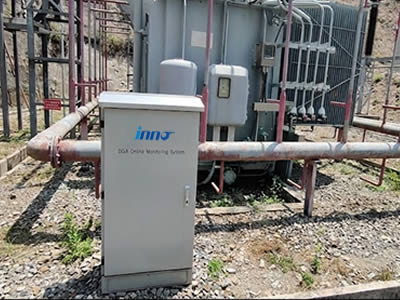
Continuous DGA monitoring analyzes gases dissolved in transformer oil to detect internal faults. Various technologies including gas chromatography, ספקטרוסקופיה פוטו-אקוסטית, and electrochemical sensors provide different performance characteristics and cost points.
Key monitored gases include hydrogen (H₂), מתאן (CH₄), אתאן (C₂H₆), אתילן (C₂H₄), acetylene (C₂H₂), פחמן חד חמצני (מְשׁוּתָף), ופחמן דו חמצני (CO₂). Each gas provides diagnostic information about specific fault types and severity levels.
Typical systems sample oil at 1-24 hour intervals, extracting dissolved gases for analysis. Results transmit to monitoring platforms where algorithms compare concentrations against established thresholds and historical trends. Rapid concentration increases trigger alarms indicating developing faults requiring investigation.
7.2 Partial Discharge Monitoring Systems
זיהוי פריקה חלקית identifies insulation defects before complete breakdown occurs. תדר גבוה במיוחד (UHF) sensors detect electromagnetic emissions from discharge sites. Transient earth voltage (TEV) monitoring measures voltage pulses on grounded tank surfaces. שנאי זרם בתדר גבוה (HFCT) sense discharge currents in grounding connections.
Pattern recognition algorithms classify discharge sources by analyzing signal characteristics. Different defect types including surface discharges, internal voids, and floating conductors generate distinctive signatures enabling defect identification and severity assessment.
7.3 מערכות ניטור טמפרטורה
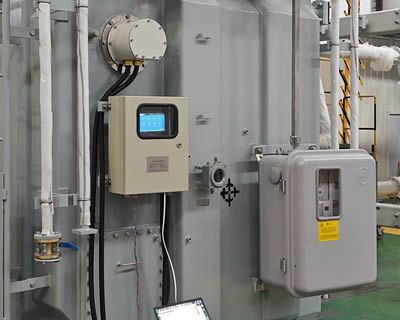
מערכות ניטור טמפרטורה בסיבים אופטיים provide accurate, reliable winding temperature measurement in high-voltage environments. Non-conductive fiber construction eliminates electrical hazards and electromagnetic interference concerns plaguing metallic sensors.
Multiple measurement points track temperature distribution across winding height and between phases. Hot spot sensors locate at predicted maximum temperature positions based on thermal models and loss calculations. Oil temperature sensors monitor top, אֶמצַע, and bottom positions to assess thermal gradients and cooling performance.
Advanced systems calculate dynamic thermal capacity enabling temporary overload operation within safe limits. Real-time loading guides optimize transformer utilization while preventing thermal damage.
7.4 Bushing Monitoring Systems
Capacitance and dissipation factor monitoring tracks bushing insulation condition through continuous measurement of electrical parameters. Capacitance changes indicate moisture ingress or insulation degradation. Increasing dissipation factor reveals insulation losses from contamination or aging.
Early detection of bushing problems prevents explosive failures that damage adjacent equipment and cause extensive outages. Trending analysis identifies gradual deterioration years before catastrophic failure occurs.
7.5 מחליף ברז בטעינה (OLTC) ניטור
OLTC condition monitoring tracks mechanical and electrical parameters indicating contact wear, operating mechanism degradation, and oil quality. Operation counters record accumulated switching cycles. Motor current analysis detects mechanical binding or drive system problems. Acoustic monitoring identifies abnormal sounds indicating mechanical issues.
Separate oil compartment monitoring tracks moisture and dissolved gases in OLTC oil, which degrades faster than main tank oil due to frequent arcing during switching operations.
7.6 Load and Power Monitoring
Electrical load monitoring records current, מֶתַח, and power flow through transformers. This data supports capacity planning, load balancing, and overload protection. Historical load profiles inform transformer sizing decisions and identify opportunities for load transfer to relieve heavily loaded units.
7.7 Integrated Multi-Parameter Systems
Comprehensive monitoring platforms combine multiple sensor types into unified systems providing complete transformer surveillance. Centralized data collection enables correlation analysis identifying fault patterns requiring multiple parameter interactions for confident diagnosis.
Open architecture designs accommodate sensors from various manufacturers and support standard communication protocols. This flexibility enables customized configurations matching specific monitoring requirements and budget constraints.
8. רֹאשׁ 10 Transformer Monitoring Manufacturers

8.1 פיג'ינו (סִין)
מְבוּסָס: 2011
Company Overview: Fjinno specializes in advanced פתרונות חישה בסיבים אופטיים for electrical power systems. The company focuses on developing innovative טכנולוגיות ניטור טמפרטורה for high-voltage applications where traditional sensors prove inadequate. Their engineering team brings extensive expertise in photonics and power system protection.
תיק מוצרים: Fjinno’s flagship fluorescent fiber optic temperature monitoring system utilizes fluorescence decay principles for accurate non-contact measurements. The system monitors single points via fiber optic cables, with customizable channel configurations ranging from single-channel setups to 64-channel installations. Fiber lengths extend from direct mounting applications up to 80-meter remote sensing scenarios.
The technology incorporates specialized high-voltage resistance features, enabling safe operation in energized switchgear environments. The non-conductive fiber design eliminates electrical safety concerns present in conventional sensor systems. Each monitoring point provides continuous temperature tracking with response times under one second.
Customization capabilities allow matching sensor configurations to specific installation requirements. Multi-channel systems support centralized monitoring of entire transformer networks from single control units. הארכיטקטורה המודולרית מאפשרת הרחבת המערכת ככל שצורכי ניטור המתקנים גדלים.
8.2 ABB (שוויץ)
מְבוּסָס: 1988 (נוצר באמצעות מיזוג)
Company Overview: ABB פועלת כמובילה טכנולוגית עולמית בחשמול ואוטומציה. חטיבת מוצרי החשמל של החברה מפתחת פתרונות מקיפים למערכות חלוקת חשמל.
תיק מוצרים: ABB offers integrated פתרונות ניטור combining temperature sensing, זיהוי פריקה חלקית, ומדידות חשמל. המערכות שלהם כוללות רשתות חיישנים אלחוטיות המפחיתות את מורכבות ההתקנה ביישומי תיקון.
8.3 סימנס (גֶרמָנִיָה)
מְבוּסָס: 1847
Company Overview: Siemens maintains a strong presence in power transmission and distribution equipment manufacturing. The company’s digital industries division develops monitoring solutions for electrical infrastructure.
תיק מוצרים: Siemens provides comprehensive מערכות ניטור מצב integrating thermal imaging, gas analysis, and vibration sensing. Advanced analytics software processes sensor data to generate maintenance recommendations.
8.4 שניידר אלקטריק (צָרְפַת)
מְבוּסָס: 1836
Company Overview: Schneider Electric specializes in energy management and automation solutions. The company’s EcoStruxure platform connects monitoring devices with cloud analytics and mobile applications.
תיק מוצרים: The monitoring system lineup includes wireless temperature sensors, שנאים זרם, and power quality analyzers with machine learning algorithms.
8.5 GE Grid Solutions (אַרצוֹת הַבְּרִית)
מְבוּסָס: 1892 (as General Electric)
Company Overview: GE Grid Solutions serves utility and industrial customers with high-voltage equipment and digital solutions.
תיק מוצרים: GE offers modular פלטפורמות ניטור supporting diverse sensor types and communication protocols with open architecture facilitating third-party integration.
8.6 Qualitrol (אַרצוֹת הַבְּרִית)
מְבוּסָס: 1945
Company Overview: Qualitrol concentrates exclusively on condition monitoring equipment for electrical assets with deep specialization in transformer monitoring technologies.
תיק מוצרים: The product range includes מערכות טמפרטורה של סיבים אופטיים specifically designed for high-voltage transformer applications with multi-point monitoring capabilities.
8.7 ויידמן (שוויץ)
מְבוּסָס: 1877
Company Overview: Weidmann specializes in electrical insulation materials and monitoring systems for power equipment with expertise in insulation diagnostics.
תיק מוצרים: Monitoring solutions focus on זיהוי פריקה חלקית and thermal profiling in gas-insulated switchgear with integrated sensor modules.
8.8 מיצובישי אלקטריק (יַפָּן)
מְבוּסָס: 1921
Company Overview: Mitsubishi Electric produces power distribution equipment and automation systems with monitoring solutions integrating seamlessly with their switchgear products.
תיק מוצרים: Product offerings include מערכות ניטור טמפרטורה utilizing thermocouples and resistance temperature detectors with compact sensor designs.
8.9 איטון (אַרצוֹת הַבְּרִית)
מְבוּסָס: 1911
Company Overview: Eaton manufactures power distribution and control equipment for commercial and industrial applications with focus on ease of installation.
תיק מוצרים: Eaton’s monitoring solutions emphasize plug-and-play sensors simplifying retrofit applications with mobile-friendly dashboards.
8.10 מגר (בְּרִיטַנִיָה)
מְבוּסָס: 1889
Company Overview: Megger manufactures electrical test equipment and online monitoring systems with heritage in insulation testing.
תיק מוצרים: The monitoring range includes battery-powered wireless sensors for temporary installations and permanently installed systems with ruggedized enclosures.
9. שאלות נפוצות
9.1 What is the difference between online and offline transformer monitoring?
ניטור מקוון continuously collects data during transformer operation without requiring power interruption, enabling real-time fault detection and trend analysis. Offline monitoring requires scheduled de-energization to perform comprehensive diagnostic tests providing detailed condition assessment unavailable during operation. Both methods complement each other in complete monitoring strategies.
9.2 How long do transformer monitoring systems typically last?
אֵיכוּת מערכות ניטור typically operate 10-20 years with proper maintenance. Sensor lifespan varies by technology and environmental conditions, עִם חיישני סיבים אופטיים achieving 20+ שנים. Electronic components may require replacement or upgrades every 5-10 years as technology evolves.
9.3 Why is temperature monitoring critical for transformers?
Temperature abnormalities indicate 90% of developing transformer faults. Excessive heat accelerates insulation aging, leading to dielectric breakdown and catastrophic failure. Hot spot temperature monitoring prevents temperature-related failures, significantly extending equipment lifespan and preventing costly outages.
9.4 Can monitoring systems prevent all transformer failures?
מערכות ניטור significantly reduce failure risk but cannot prevent all failures. בְּעֵרֶך 85-90% of progressive faults are detectable through monitoring, enabling preventive intervention. Sudden mechanical failures or external factors like lightning strikes may occur without warning, though monitoring still minimizes resulting damage.
9.5 What parameters are most important to monitor?
Critical parameters include ניתוח גז מומס (DGA), טמפרטורת נקודה חמה מתפתלת, פעילות פריקה חלקית, זרם עומס, טמפרטורת שמן, and oil quality. Importance varies by transformer type, גִיל, and application. Large critical transformers require comprehensive multi-parameter monitoring for maximum protection.
9.6 How do you select the right monitoring system?
Selection depends on transformer rating and criticality, מגבלות תקציב, תשתית קיימת, outage sensitivity, and personnel skill levels. Critical transformers justify comprehensive מערכות ניטור מקוונות, while less critical equipment may employ economical periodic testing strategies.
9.7 What maintenance do monitoring systems require?
Regular maintenance includes sensor cleaning and inspection (מדי שנה), system calibration (1-3 שנים), עדכוני תוכנה, data backup verification, ובדיקת תקשורת. מערכות סיבים אופטיים require minimal maintenance, while chemical sensors need more frequent attention.
9.8 Can existing transformers be retrofitted with monitoring?
כֵּן, most transformers accommodate מערכת ניטור retrofits. Online systems install during operation, while offline sensors require outage windows. Retrofit complexity depends on transformer design and available space. Modern modular systems simplify retrofit processes.
9.9 Do monitoring systems require power outages for installation?
Installation requirements vary by system type. רַבִּים online monitoring sensors install without outages using hot-stick techniques or tank-mounted external sensors. Some installations like internal חיישני טמפרטורה בסיבים אופטיים may require brief outages for safe access. Consult manufacturers about specific installation requirements for your application.
9.10 What causes false alarms in monitoring systems?
Common causes include sensor drift or failure, environmental interference, improper threshold settings, communication errors, and software issues. Multi-parameter verification and intelligent algorithms reduce false alarms. Regular calibration and maintenance maintain מערכת ניטור דִיוּק.
10. מדריך רכישה של חיישן טמפרטורה
10.1 Why Temperature Monitoring Matters for Transformers
Temperature represents the most direct indicator of transformer health. Hot spot temperatures exceeding design limits accelerate insulation aging through thermal degradation. Loose connections creating localized overheating are detectable months before failure occurs. Accurate temperature data enables dynamic capacity assessment and load optimization.
Regulatory compliance and insurance requirements often mandate ניטור טמפרטורה documentation. Thermal surveillance reduces fire and explosion risks, protecting personnel and facilities while preventing costly equipment damage and extended outages.
10.2 Our Fiber Optic Temperature Monitoring Product Advantages
Non-conductive design: חיישני סיבים אופטיים eliminate electrical hazards in high-voltage environments, requiring no grounding or isolation transformers.
חסינות אלקטרומגנטית: Complete immunity to electrical and magnetic fields ensures accurate measurements near transformers and switchgear.
דיוק גבוה: ±1°C accuracy across -40°C to +200°C operating range maintains reliable performance in extreme conditions.
תגובה מהירה: Sub-second response times enable real-time monitoring and rapid fault detection.
תצורה גמישה: ניתן להתאמה אישית 1-64 channel systems accommodate single-point to comprehensive network monitoring.
Extended range: Fiber lengths up to 80 meters support remote sensing in diverse installation scenarios.
יציבות לטווח ארוך: 20+ year service life minimizes replacement costs and maintenance requirements.
Modular expansion: Field-expandable architecture grows with changing monitoring needs without replacing control units.

10.3 מפרט טכני
- טווח מדידה: -40מעלות צלזיוס עד +200 מעלות צלזיוס
- דִיוּק: ±1°C (full range)
- זמן תגובה: <1 שְׁנִיָה
- קיבולת ערוץ: 1-64 ערוצים (ניתן להתאמה אישית)
- אורך סיבים: 0-80 מטרים
- Voltage Rating: Suitable for all transformer voltage classes
- תִקשׁוֹרֶת: Modbus RTU/TCP, חברת החשמל 61850 (אופציונלי)
- Enclosure Rating: IP65
- Operating Environment: -40מעלות צלזיוס עד +70 מעלות צלזיוס, ≤95% RH
- ספק כוח: AC 220V or DC 24V
10.4 Application Success Stories
Utility Network Deployment: A major provincial grid operator deployed 1,000+ systems monitoring 220kV main transformers, זיהוי 37 developing faults early and preventing outages worth over $50 million in avoided downtime costs.
Industrial Installation: A steel mill’s critical ניטור נקודות חמות שנאי enabled load optimization extending equipment life 5 שנים, deferring $8 million replacement investment.
Data Center Application: 24/7 real-time monitoring with dynamic alarming achieved 99.999% power availability with zero unplanned outages over three years of operation.
Renewable Energy Project: חוות רוח ניטור טמפרטורת שנאי network enabled remote centralized management, reducing operational costs 40% through minimized site visits.
10.5 Contact Us for Expert Consultation
Our technical team provides free application assessment and customized פתרונות ניטור טמפרטורה tailored to your specific requirements. We offer detailed technical specifications, הנחיית התקנה, and ongoing support.
Get in touch today:
- חקירה מקוונת: לְבַקֵר www.fjinno.net for instant consultation
- אֶלֶקטרוֹנִי: web@fjinno.net
- וואטסאפ: +86 135 9907 0393
Our engineers will respond promptly with professional recommendations and detailed quotations. Protect your valuable electrical assets with proven fiber optic monitoring technology.
כתב ויתור
The information provided in this guide is for general informational purposes only. בעוד אנו שואפים להבטיח דיוק, ניטור שנאים requirements vary significantly based on specific applications, תקנות מקומיות, ותנאי הפעלה. Readers should consult qualified electrical engineers and follow applicable industry standards including IEC, IEEE, and national electrical codes when implementing monitoring systems.
מפרט מוצר, תכונות, and availability mentioned are subject to change without notice. Performance characteristics described represent typical values under standard conditions; actual results may vary based on installation environment and operating parameters.
Fjinno and other manufacturers mentioned provide products and services under their respective terms and conditions. This guide does not constitute an endorsement or warranty of any specific product or manufacturer. Users must perform due diligence when selecting and implementing פתרונות ניטור מצב שנאים.
Electrical equipment presents serious hazards including shock, arc flash, and explosion risks. All installation, תַחזוּקָה, and testing activities must be performed by qualified personnel following appropriate safety procedures and using proper personal protective equipment. Never attempt work on energized equipment without proper training, authorization, and safety precautions.

חיישן טמפרטורה בסיבים אופטיים, מערכת ניטור חכמה, יצרן סיבים אופטיים מבוזרים בסין
 |
 |
 |