 חיישני טמפרטורה בסיבים אופטיים INNO ,מערכות ניטור טמפרטורה.
חיישני שנאי IoT הם מכשירי מדידה ברשת שאוספים, לְהַעֲבִיר, ולנתח נתוני הפעלה בזמן אמת משנאי כוח. על ידי שילוב של חישת קצה, תקשורת מאובטחת, וניתוח ענן או מקומי, הם מאפשרים נראות רציפה, תחזוקה חזויה, ותגובה מהירה יותר לאירועים בתחנות משנה, רשתות הפצה, ומתקנים תעשייתיים.
תוֹכֶן הָעִניָנִים
- 1. מהם חיישני שנאי IoT
- 2. כיצד פועלים חיישני שנאי IoT
- 3. סוגי חיישני IoT שנאי
- 4. תכונות ויתרונות עיקריים
- 5. מקרי שימוש במערכות חשמל
- 6. חיישני IoT שנאי לעומת חיישנים מסורתיים
- 7. אינטגרציה עם Smart Grid ו-Cloud Analytics
- 8. אתגרים ומגמות עתידיות
- 9. שאלות נפוצות
- 10. מַסְקָנָה
1. חיישני IoT שנאי - הגדרה ומושג
חיישן שנאי IoT הוא יחידת חישה מחוברת דיגיטלית המודד תרמית, חַשׁמַלִי, מֵכָנִי, and environmental variables around a transformer and streams data to analytics platforms. Unlike isolated analog probes, smart transformer sensors add identity, סנכרון זמן, אבחון, and secure communications, making measurements searchable, comparable, and actionable across fleets.
1.1 Core Idea
Each sensor or sensor node exposes clean data models, supports device health checks, and aligns with station data governance. Together, they form an IoT-based transformer condition monitoring layer that reduces blind spots and accelerates engineering decisions.
1.2 Typical Measurement Themes
- Thermal behavior of windings, ליבה, and cooling paths
- Electrical cues such as partial discharge and load profiles
- Mechanical signatures via vibration and acoustic patterns
- Environmental context including temperature, לַחוּת, and oil tank status
2. Wireless Transformer Monitoring — How It Works

IoT architectures follow a simple flow: sense, acquire, לְהַעֲבִיר, analyze, and act. Success depends on reliable edge measurements, resilient communications, and pragmatic analytics that prioritize operator clarity over raw data volume.
2.1 Sensing and Edge Acquisition
Sensors capture parameters such as temperature, נוֹכְחִי, מֶתַח, רֶטֶט, לַחוּת, מפלס שמן, and partial discharge indicators. Edge devices standardize units, filter noise, and timestamp records so data lines up with SCADA, protection events, and historian logs.
2.2 Communications and Protocols
Depending on site policy and terrain, sensors may use short- or long-range links. Common pathways include Ethernet, serial fieldbus, Wi-Fi, LPWAN (LoRa/LoRaWAN), תָאִי (NB-IoT/LTE/5G), and publish/subscribe frameworks such as MQTT. Gateways bridge field links to substation LANs or secured cloud endpoints.
2.3 Analytics and Decision Support
Analytics engines convert streams into health indices, trend comparisons, and alarm tiers. Instead of flooding operators, systems send curated alerts with brief pre/post windows, enabling rapid triage and targeted maintenance.
2.4 Security and Governance
- Device identity, credential rotation, and signed firmware
- Role-based access and allow-listed network flows
- Retention rules and audit trails for configuration and user actions
3. Smart Transformer Sensors — Types and Roles
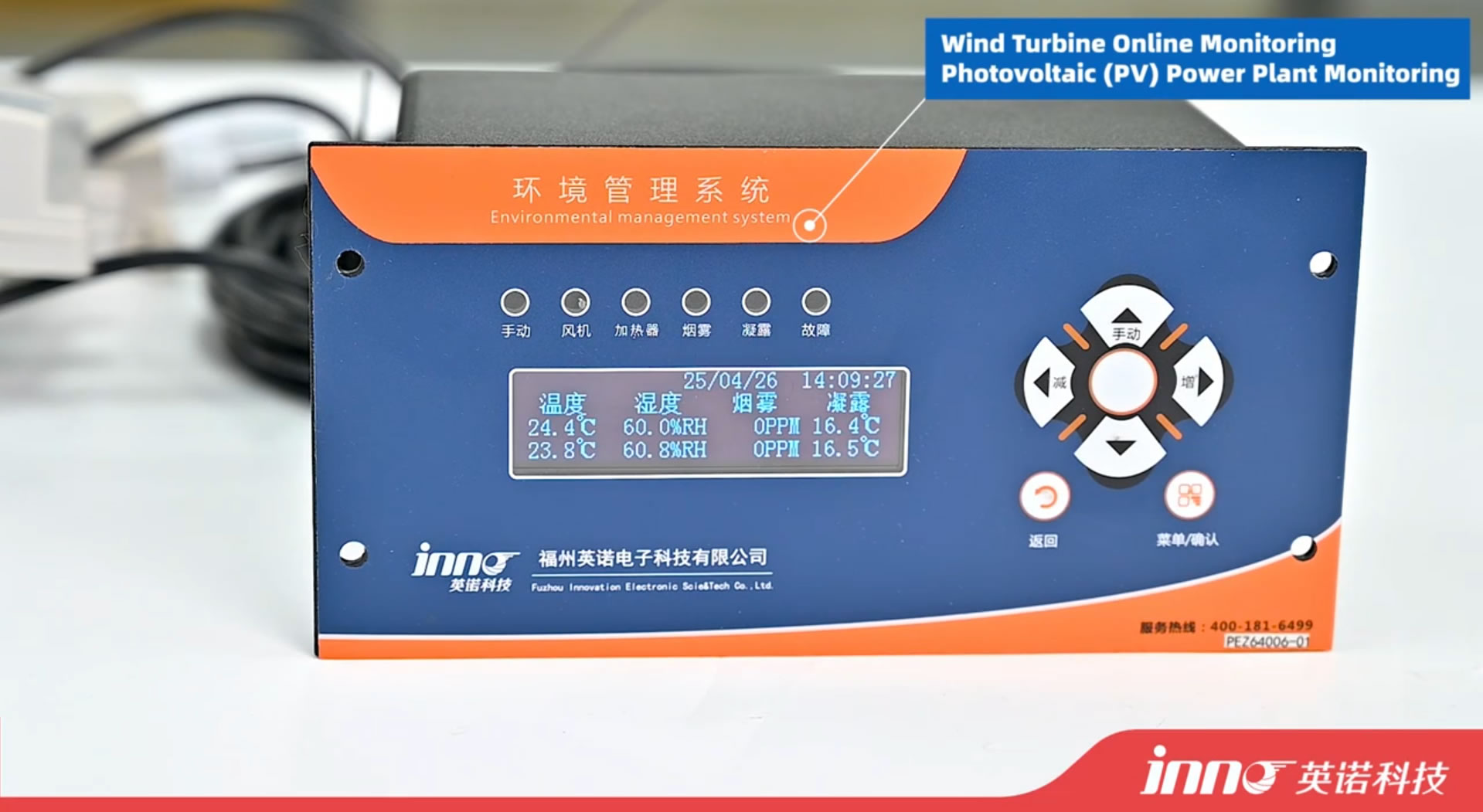
IoT deployments mix sensor types to capture complementary aspects of transformer behavior. The table below outlines common categories and how they enrich condition monitoring.
| סוּג | מה זה מודד | Typical Placement | Operational Value |
|---|---|---|---|
| חיישני טמפרטורה | Hot-spot and bulk temperatures | Winding hot-spots, core vicinity, oil paths | חושף שוליים תרמיים ויעילות קירור |
| חיישני רטט | יציבות מכנית ותהודה | קירות טנק, בָּסִיס, או מבנים סמוכים | רפיון דגלים, בעיות הרכבה, או הפרעות חיצוניות |
| חיישני פריקה חלקית | סימני מתח דיאלקטריים מוקדמים | תאים ומפרקים במתח גבוה | תומך בתחזוקת בידוד יזומה |
| סוּג | מה זה מודד | Typical Placement | Operational Value |
|---|---|---|---|
| חיישני לחות | לחות באוויר או בחלל הראש של השמן | ארונות, חדרי בקרה, בקרבת הטנק | מעריך את סיכוני הלחץ והעיבוי בבידוד |
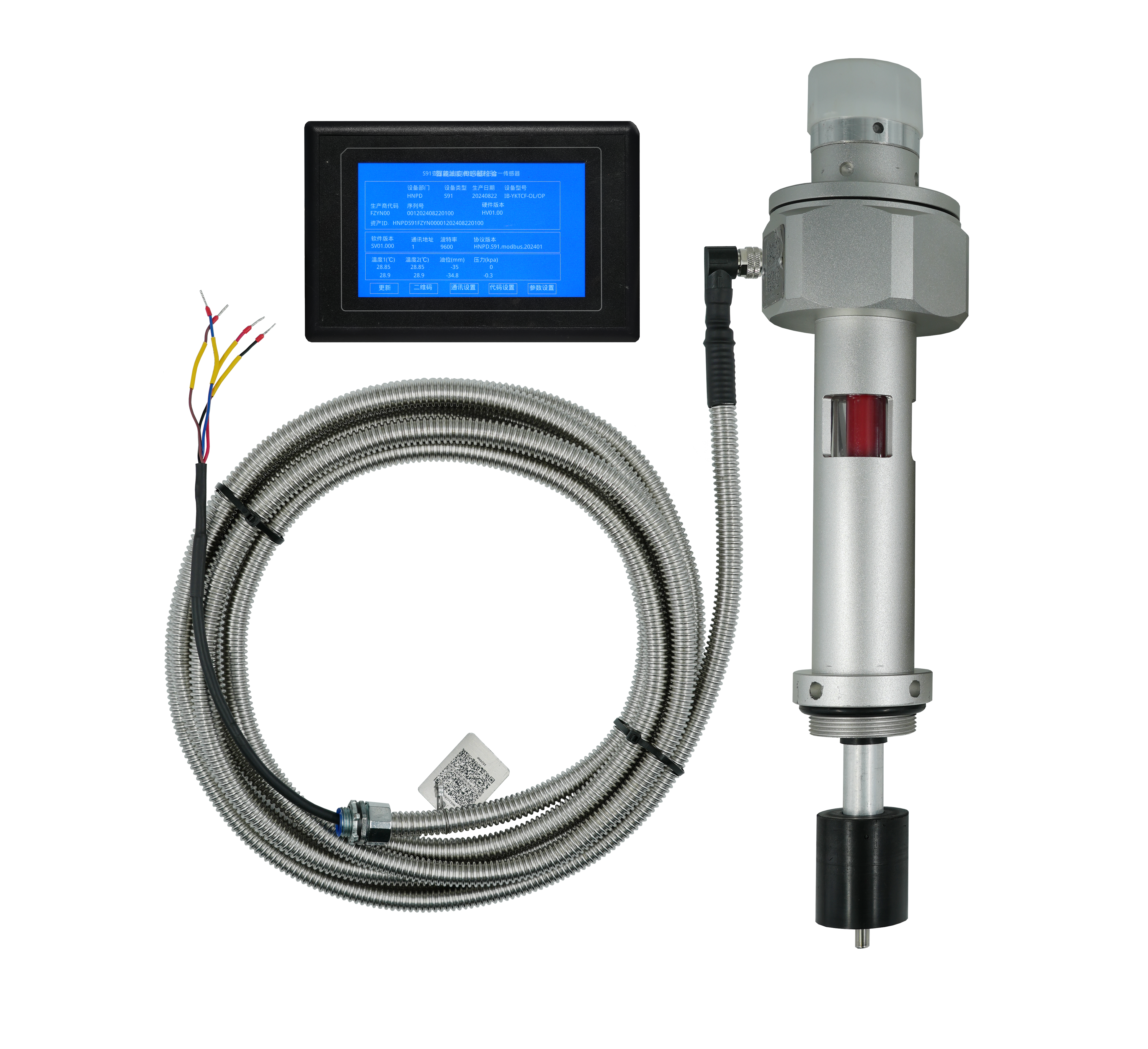
| חיישני מפלס/לחץ שמן | מגמות נפח שמן ומצב לחץ | משמר שמן, שטח ראש טנק | תומך במעטפת הפעלה בטוחה וזיהוי נזילות |
| חיישני זרם/מתח | פרופילי עומס ולחץ חשמלי | פסים, ברזי תותב, מעגלים משניים | מתאם התנהגות תרמית עם דרישה לחשמל |
| חיישנים אקוסטיים | דפוסי קול הקשורים למצבים מכניים/מגנטיים | משטח טנק או מבנה סמוך | מספק אינדיקטור עצמאי לאנומליות |
| ניטור גז (מרווח ראש) | אותות התפתחות גז מוקדמת | נקודות דגימה של מיכל שמן | הקשר נוסף לחקירת תקלות |
שילוב כיתות חיישנים משלימות מאפשר חיישני שנאי IoT לספק תובנה רב מימדית. המטרה היא לא לאסוף כל משתנה אפשרי אלא להרכיב סט מאוזן שמסביר תרמית, חַשׁמַלִי, מֵכָנִי, והתנהגות סביבתית עם מינימום רעש.
4. תכונות ויתרונות עיקריים
פריסות מודרניות מדגישות יכולות פרגמטיות המפחיתות את הנקודות העיוורות ועומס העבודה של המפעיל תוך שיפור האמינות בין ציי הרכב. התכונות הבאות מצוטטות שוב ושוב על ידי חברות שירות ומפעילים תעשייתיים כבעלי ערך גבוה.
4.1 ניטור אלחוטי ומרוחק
- אפשרויות backhaul גמישות לשטח קשה ואתרים בלתי מאוישים
- אסטרטגיות שער המגשרות בין קישורי שדה לרשתות ארגוניות מאובטחות
- Fewer truck rolls and faster situational awareness during disturbances
4.2 Real-Time Insight and Predictive Maintenance
- Trendlines and rate-of-change views to spot drift early
- Curated alerts that include short pre/post windows for rapid triage
- Health indices that prioritize assets by risk instead of age alone
4.3 Multi-Sensor Fusion
- Cross-correlation of thermal, רֶטֶט, חַשׁמַלִי, and humidity data
- Pattern recognition that distinguishes nuisance events from genuine issues
- Consistent unit scaling and timestamps for clean historian analytics
4.4 Operational Efficiency and Safety
- Condition-based tasks replace fixed rounds, optimizing labor and parts
- Clear documentation and time-aligned records for audits and incident reviews
- Reduced exposure to energized equipment through remote visibility
5. מקרי שימוש במערכות חשמל
חיישני שנאי IoT support diverse operating contexts, from dense urban substations to remote distribution poles. The scenarios below illustrate how data-driven monitoring strengthens everyday decisions.
5.1 Urban Substations and Industrial Campuses
- Continuous visibility of thermal margins during peak load cycles
- Faster verification after switching events and maintenance activities
- Shared dashboards for operations, הֲגָנָה, and maintenance teams
5.2 Remote or Unmanned Sites
- LPWAN or cellular links for cost-effective coverage
- Prioritized alarms that trigger targeted site visits
- Battery-conscious reporting strategies for long service intervals
5.3 Renewable Energy Plants
- Fleet-wide risk ranking for dispersed transformers
- Event correlation with inverter behavior and weather conditions
- Seasonal playbooks for heat waves, סערות, and icing events
5.4 Rail Transit and Critical Facilities
- יישור עם דפוסי עומס מתיחה ולוחות אוורור
- הקשר רעש ורטט לזיהוי מוקדם של בעיות מכניות
- יומנים עם חותמת זמן לתמיכה במקרים בטיחותיים ודוחות תאימות
6. חיישני IoT שנאי לעומת חיישנים מסורתיים
ההבדל בין מתמרים מדור קודם ליחידות התומכות ב-IoT טמון במודיעין, תִקשׁוֹרֶת, ותחזוקה. חיישנים חכמים משמשים כמשתתפים פעילים במערכת האקולוגית של התחנות הדיגיטליות במקום נקודות מדידה מבודדות.
| אַספֶּקט | חיישנים מסורתיים | חיישני IoT שנאי |
|---|---|---|
| פלט אות | אנלוגי, חיווט מנקודה לנקודה | דִיגִיטָלי, ניתן להתייחסות, לרוב אלחוטי |
| נגישות לנתונים | מקומי בלבד, שליפה ידנית | ענן או חדר בקרה נגיש בזמן אמת |
| יכולת עיבוד | אַף לֹא אֶחָד, ערכים גולמיים בלבד | אינטליגנציה קצה עם אבחון משובץ |
| תַחזוּקָה | כיול והחלפה תקופתיים | אבחון עצמי, עדכוני קושחה מרחוק |
| רמת אינטגרציה | מוּגבָּל, ספציפי לספק | Open protocols and standardized data models |
| Value over time | Static measurement | Continuous insight and predictive maintenance |
7. אינטגרציה עם Smart Grid ו-Cloud Analytics
חיישני שנאי IoT contribute to a broader digital ecosystem that includes SCADA, energy management, and asset performance platforms. Their standardized data streams feed analytics pipelines that connect local conditions to grid-level decision-making.
7.1 Edge and Cloud Collaboration
- Edge devices handle fast, deterministic tasks such as protection coordination and threshold control.
- Cloud analytics perform long-term trend studies, fleet comparisons, and AI model training.
- Hybrid architectures ensure resilience even if network connectivity fluctuates.
7.2 Standard Protocols and APIs
- Support for IEC 61850, Modbus TCP, DNP3, and MQTT for flexible integration.
- RESTful APIs for energy dashboards and enterprise data lakes.
- החלפת מפתחות מאובטחת והצפנה בהתאמה למסגרות אבטחת סייבר של שירותים.
7.3 הדמיית נתונים וניתוח AI
- לוחות מחוונים דינמיים מדגישים את הטמפרטורה בזמן אמת, לִטעוֹן, ומתאמי לחות.
- מודלים של בינה מלאכותית מזהים מקורות מקדימים לתקלות בקורלציה חלשה ומציעים פעולות מניעה.
- ייצוגי תאומים דיגיטליים מדמים תגובה תרמית ומכאנית של שנאי תחת תרחישי עומס עתידיים.
8. אתגרים ומגמות עתידיות
ככל שהדיגיטליזציה מעמיקה, שירותים מאזנים בין הזדמנות לבין אחריות. איכות נתונים, בִּטָחוֹן, וקיימות נשארים קריטיים לאמון וליכולת הרחבה לטווח ארוך.
8.1 אתגרים מרכזיים
- אבטחת סייבר: הגנה על התקני שטח ונתיבי תקשורת מפני חדירה.
- ספק כוח וחיי סוללה בצמתי IoT מרוחקים.
- יכולת פעולה הדדית על פני מספר רב של מערכות אקולוגיות של ספקים וגרסאות קושחה.
- עומס נתונים ללא פילוסופיית אזעקה ברורה או בעלות.
8.2 מגמות עתידיות
- AI-enhanced self-learning sensors capable of local anomaly recognition.
- Wider adoption of low-power wide-area networks and 5G network slicing for critical communications.
- Integration with digital twins for end-to-end lifecycle visualization.
- Cross-domain analytics linking transformers, מיתוג, and renewable interfaces.
9. FAQ — IoT Transformer Sensors
שאלה 1. What parameters do IoT transformer sensors typically measure?
They measure thermal, חַשׁמַלִי, מֵכָנִי, and environmental variables including temperature, רֶטֶט, לַחוּת, פריקה חלקית, and load currents.
שאלה 2. Are IoT sensors compatible with existing transformers?
כֵּן. Most solutions retrofit easily using magnetic, adhesive, or clamp mounts, avoiding invasive modification to primary insulation or oil systems.
שאלה 3. How do they transmit data in remote areas?
They use cellular (NB-IoT/LTE/5G) or LPWAN (לורה) networks to relay compressed packets to gateways or cloud servers with efficient power management.
שאלה 4. Can IoT transformer sensors reduce maintenance costs?
By identifying drift before failure, they enable targeted maintenance, reducing emergency callouts and spare-part consumption.
שאלה 5. What standards ensure reliability?
חברת החשמל 61850 לתקשורת, IEEE C57 for transformer testing, and relevant cybersecurity frameworks guide compliance and interoperability.
10. Conclusion — The Role of IoT Transformer Sensors in Modern Grids
IoT transformer sensors turn every transformer into a connected, data-rich asset. They extend awareness beyond temperature and current to a multi-dimensional understanding of transformer health. Through smart integration, ניטור אלחוטי, and AI analytics, operators gain the insight required to maintain safety, אֲמִינוּת, and efficiency across increasingly dynamic power systems. As grids modernize and renewables proliferate, these sensors form the foundation of predictive, רשתות חשמל לריפוי עצמי.

חיישן טמפרטורה בסיבים אופטיים, מערכת ניטור חכמה, יצרן סיבים אופטיים מבוזרים בסין
 |
 |
 |