 חיישני טמפרטורה בסיבים אופטיים INNO ,מערכות ניטור טמפרטורה.
- Continuous asset surveillance eliminates the need for manual inspections and enables early fault detection in transformers, מיתוג, and other electrical equipment.
- Predictive analytics capabilities process real-time data to identify degradation patterns and prevent catastrophic failures before they occur.
- Multi-parameter monitoring tracks temperature, פריקה חלקית, גזים מומסים, load conditions, and environmental factors simultaneously.
- Fluorescence-based temperature sensing offers superior accuracy and immunity to electromagnetic interference in high-voltage environments.
- Centralized data platforms consolidate information from distributed assets, enabling comprehensive fleet management and informed decision-making.
תוֹכֶן הָעִניָנִים
What Is Remote Condition Monitoring
Remote condition monitoring systems represent integrated platforms that continuously measure, analyze, and report the operational health of electrical assets without requiring physical presence at the installation site. These systems combine sensor networks, תשתית תקשורת, and analytical software to provide real-time visibility into equipment performance.
Fundamental Architecture
טיפוסי remote monitoring architecture comprises four essential layers: the sensor layer for data acquisition, the communication layer for data transmission, the processing layer for analytics, and the presentation layer for user interaction. Field-mounted sensors continuously measure parameters such as temperature, מֶתַח, נוֹכְחִי, and gas concentrations. These measurements are digitized by acquisition units and transmitted through wired or wireless networks to centralized servers where advanced algorithms process the information.
Core Technical Specifications
| פָּרָמֶטֶר | מִפרָט | מַטָרָה |
|---|---|---|
| Sampling Rate | 1-1000 הרץ | Captures transient events and steady-state conditions |
| Communication Latency | <5 שניות | Ensures timely alarm notifications |
| Data Resolution | 12-16 bit | Provides precise measurement accuracy |
| Storage Capacity | 1-10 שנים | Enables trend analysis and compliance |
| טמפרטורת הפעלה | -40מעלות צלזיוס עד +85 מעלות צלזיוס | Ensures reliability in harsh environments |
Operating Principles and Workflow
Condition monitoring workflows follow a systematic process from data collection to actionable insights. Understanding this operational sequence is essential for effective implementation and utilization of monitoring systems.
Data Acquisition Process
Sensor arrays positioned at strategic locations continuously measure electrical, תֶרמִי, כִּימִי, and mechanical parameters. For thermal monitoring, fluorescence-based temperature sensors are particularly advantageous in high-voltage applications due to their dielectric properties and immunity to electromagnetic interference. These optical sensors utilize the temperature-dependent fluorescence decay characteristics of rare-earth materials to achieve measurement accuracies of ±1°C across wide temperature ranges.
Communication and Transmission
Acquired data travels through industrial communication protocols such as Modbus, חברת החשמל 61850, or DNP3 to central servers. Edge computing devices may perform preliminary processing to reduce bandwidth requirements and enable rapid local responses. Redundant communication paths ensure data integrity even during network disruptions.
Analytics and Intelligence
Machine learning algorithms analyze incoming data streams to identify patterns indicative of developing faults. Baseline models established during commissioning serve as references for detecting deviations. When measurements exceed predefined thresholds or exhibit abnormal trends, the system generates alerts categorized by severity and urgency.
Key Advantages and Benefits
יישום remote monitoring solutions delivers substantial operational improvements across maintenance practices, פרוטוקולי בטיחות, and asset management strategies.
אופטימיזציה לתחזוקה
Predictive maintenance strategies enabled by continuous monitoring reduce unnecessary inspections while preventing unexpected failures. Historical data analysis reveals optimal maintenance intervals based on actual equipment condition rather than arbitrary time schedules. This approach can reduce maintenance expenses by 25-40% compared to traditional time-based programs.
Enhanced Reliability and Availability
Early fault detection capabilities allow corrective actions during planned outages, minimizing forced interruptions. Monitoring systems detect incipient failures weeks or months before they would become apparent through conventional methods. This advance warning enables strategic spare parts procurement and scheduling of repair activities during low-demand periods.
Safety Improvements
By eliminating routine manual inspections in hazardous environments, remote monitoring platforms reduce personnel exposure to energized equipment and confined spaces. Automated surveillance maintains vigilance 24/7 without fatigue or oversight, ensuring consistent safety standards.
System Classification and Types
Monitoring system architectures vary based on application scope, measured parameters, and communication methods. Understanding these classifications aids in selecting appropriate solutions for specific requirements.
Classification by Coverage Scope
| סוּג | Coverage | Typical Application |
|---|---|---|
| Equipment-Level | Single transformer or breaker | Critical asset protection |
| Substation-Level | Complete substation facility | Integrated facility management |
| Network-Level | Multiple substations across region | Grid-wide asset management |
Parameter-Based Classification
Thermal Monitoring Systems
Temperature monitoring solutions utilize various sensing technologies including resistance temperature detectors (RTDs), צמדים תרמיים, חיישני אינפרא אדום, and fiber optic systems. Fluorescence-based fiber optic sensors are recommended for transformer windings and switchgear connections due to their small size, דיוק גבוה, ובידוד חשמלי מוחלט.
Electrical Parameter Monitoring
Power quality analyzers and current/voltage transducers track load conditions, עיוות הרמוני, and power factor. These measurements identify overloading conditions and electrical stress factors contributing to accelerated aging.
ניטור פריקה חלקית
מערכות זיהוי PD employ ultrasonic, ultra-high frequency (UHF), or transient earth voltage (TEV) sensors to detect insulation deterioration in transformers, כבלים, and switchgear before breakdown occurs.
רכיבי מערכת ליבה
יָעִיל monitoring infrastructure integrates multiple subsystems working in concert to deliver comprehensive asset intelligence.
טכנולוגיות חיישנים
Measurement transducers convert physical phenomena into electrical signals suitable for digitization. Critical specifications include measurement range, accuracy class, זמן תגובה, and environmental ratings. עֲבוּר high-voltage temperature measurement, fluorescence fiber optic sensors provide galvanic isolation and immunity to electromagnetic fields that would compromise conventional sensors.
Data Acquisition Hardware
Remote terminal units (RTUs) or intelligent electronic devices (מטען חבלה) digitize analog sensor outputs, apply calibration corrections, and package data for transmission. Modern acquisition units feature local processing capabilities enabling autonomous operation during communication outages.
תשתית תקשורת
| טֶכנוֹלוֹגִיָה | רוחב פס | לָנוּעַ | האפליקציה הטובה ביותר |
|---|---|---|---|
| סיב אופטי | 1-10 Gbps | 100+ ק"מ | Substation backbone |
| 4G/5G Cellular | 10-100 Mbps | Nationwide | Remote installations |
| LoRaWAN | 0.3-50 kbps | 2-15 ק"מ | Distributed sensors |
| אתרנט | 100 Mbps-1 Gbps | 100 מ | Local networks |
Monitoring Software Platforms
SCADA and monitoring software transform raw data into actionable intelligence through visualization, אָנָלִיזָה, and reporting functions.
Essential Software Capabilities
לוחות מחוונים בזמן אמת present current equipment status through graphical displays including single-line diagrams, trend charts, and heat maps. Customizable views allow operators to focus on specific parameters or asset groups. Historical data analysis tools enable correlation studies between operating conditions and equipment degradation, supporting root cause investigations and maintenance planning.
ניהול אזעקות
Intelligent alert systems classify notifications by priority and route them through appropriate channels including email, SMS, and mobile push notifications. Escalation procedures ensure critical alarms receive timely attention. Alarm suppression logic prevents notification floods during cascade events.
יכולות אינטגרציה
API interfaces and standard protocols enable integration with enterprise asset management (EAM) מערכות, geographic information systems (GIS), and outage management systems (OMS). This interoperability creates unified platforms combining monitoring data with maintenance records, asset inventories, ונהלים תפעוליים.
יישומים תעשייתיים
Remote monitoring deployments span diverse sectors where electrical equipment reliability is critical to operations and safety.
Utility Transmission and Distribution
Electric utilities monitor substations containing transformers, מפסקים, and protection relays across extensive service territories. Grid monitoring systems provide visibility into asset health, enabling prioritization of capital investments and maintenance resources.
מתקנים תעשייתיים
Manufacturing plants, בתי זיקוק, and processing facilities depend on continuous power supply for production continuity. Industrial power monitoring detects deteriorating conditions in plant distribution equipment before failures interrupt operations.
מרכזי נתונים
Mission-critical data centers implement redundant power infrastructure monitoring to ensure uninterrupted service delivery. Monitoring systems track UPS systems, standby generators, automatic transfer switches, and distribution equipment.
מערכות ניטור שנאי

Power transformer monitoring addresses the unique characteristics and failure modes of these critical assets that typically represent the highest-value components in electrical infrastructure.
Critical Monitoring Parameters
Temperature Surveillance
Winding hotspot temperature measurement is essential for preventing insulation degradation and oil decomposition. Traditional winding temperature indicators (WTIs) estimate hotspot temperature based on top oil temperature and load current. בדיקות סיב אופטי פלואורסצנטי installed directly in windings provide actual measurements with superior accuracy and reliability. These sensors withstand the harsh environment inside transformer tanks while providing continuous temperature profiles.
ניתוח גז מומס
Online DGA monitors continuously sample transformer oil to detect combustible gases including hydrogen, מתאן, אתילן, acetylene, פחמן חד חמצני, ופחמן דו חמצני. Gas generation patterns indicate specific fault types such as overheating, קשתות, or cellulose degradation. Automated sampling eliminates delays associated with laboratory testing.
זיהוי פריקה חלקית
Acoustic and electrical PD sensors detect corona activity and tracking within transformer insulation systems. Early detection allows corrective actions before insulation failure leads to catastrophic failure.
ארכיטקטורת מערכת
מַקִיף ניטור מצב שנאי integrates multiple sensor types feeding data to local processing units that perform preliminary analysis and alarm generation. Critical parameters trigger immediate notifications while trending data supports long-term health assessment.
| פָּרָמֶטֶר | סוג חיישן | טווח מדידה | Criticality |
|---|---|---|---|
| נקודה חמה מתפתלת | Fluorescence fiber optic | -40°C to 200°C | קרִיטִי |
| טמפרטורת שמן עליונה | RTD or fiber optic | -40°C to 150°C | קרִיטִי |
| Dissolved Gases | Photoacoustic or electrochemical | 1-10,000 ppm | קרִיטִי |
| פריקה חלקית | UHF or acoustic | 10-10,000 PC | גָבוֹהַ |
| Moisture Content | Capacitive or fiber optic | 5-50 ppm | בֵּינוֹנִי |
| קיבול תותב | Power factor test set | מִשְׁתַנֶה | גָבוֹהַ |
Switchgear Monitoring Systems

Switchgear condition assessment focuses on detecting deterioration in circuit breakers, לנתק מתגים, פסי אוטובוס, and insulation systems before failures compromise grid reliability or personnel safety.
Essential Monitoring Points
Connection Temperature Monitoring
Busbar and termination hotspots indicate high-resistance connections that will progressively worsen until failure. Fluorescence temperature sensors attached to critical connection points provide accurate measurements without introducing additional thermal mass or electrical interference. Wireless temperature sensors offer installation convenience in existing switchgear where retrofitting wired sensors is impractical.
Circuit Breaker Condition
Breaker monitoring systems track operation counts, timing measurements, and mechanical travel to assess contact wear and operating mechanism health. Motor current analysis during breaker operations reveals developing mechanical problems.
ניטור גז SF6
עֲבוּר מתג מבודד גז, continuous monitoring of SF6 pressure, density, and purity ensures insulation integrity. Gas leaks detected through density monitoring trigger maintenance before insulation performance degrades.
הטבות יישום
Switchgear monitoring enables condition-based maintenance replacing fixed-interval servicing. Operating data accumulated over extended periods reveals equipment-specific degradation rates supporting customized maintenance strategies. Early warning of developing faults allows planned interventions during scheduled outages rather than emergency responses.
Optimal System Characteristics
Superior פלטפורמות ניטור distinguish themselves through technical performance, usability, and support characteristics that maximize operational value.
דיוק ואמינות מדידה
High-quality systems employ calibrated sensors with documented accuracy and stability specifications. Redundant measurement paths for critical parameters ensure continued monitoring during sensor failures. Environmental compensation algorithms maintain accuracy across operating temperature ranges.
Scalability and Flexibility
Modular architectures allow incremental expansion from monitoring individual assets to facility-wide or enterprise-level deployments. Open communication protocols and standard interfaces facilitate integration with diverse equipment manufacturers and legacy systems.
Cybersecurity Protection
Robust security frameworks implement encryption, authentication, and authorization at multiple levels. Network segmentation isolates monitoring systems from corporate networks while secure VPN connections enable remote access. Regular security updates address emerging vulnerabilities.
שאלות נפוצות
What distinguishes remote monitoring from traditional SCADA systems?
While both provide remote visibility, מערכות ניטור מצב focus specifically on equipment health parameters and employ specialized sensors for measuring temperature, פריקה חלקית, גזים מומסים, ורטט. SCADA systems primarily monitor and control operational parameters such as voltage, נוֹכְחִי, and breaker status for grid operations. Condition monitoring provides deeper insights into asset degradation while SCADA ensures proper system operation.
How do fluorescence temperature sensors compare to conventional RTDs?
חיישני סיבים אופטיים פלואורסצנטית offer complete electrical isolation, חסינות בפני הפרעות אלקטרומגנטיות, small physical size. These characteristics make them ideal for measuring winding temperatures in transformers and hotspots in switchgear where conventional sensors face installation challenges or accuracy limitations. RTDs remain suitable for applications without severe electromagnetic fields or high-voltage constraints.
What communication methods are most reliable for remote monitoring?
Reliability depends on specific site conditions and requirements. Fiber optic connections provide maximum bandwidth and immunity to interference for substations with existing fiber infrastructure. Cellular networks offer ubiquitous coverage for remote installations. Critical applications often employ redundant communication paths combining multiple technologies to ensure continuous connectivity.
Can monitoring systems detect all potential equipment failures?
Condition monitoring detects failures that manifest through measurable parameter changes including thermal, חַשׁמַלִי, כִּימִי, and mechanical degradation. Sudden catastrophic failures without precursor indications may not trigger advance warnings. אוּלָם, comprehensive multi-parameter monitoring catches the vast majority of developing faults, בדרך כלל 80-90% of potential failures.
How is partial discharge monitoring implemented in transformers?
Transformer PD detection utilizes multiple sensor technologies including ultrasonic sensors attached to tank walls, UHF sensors mounted in drain valves or inspection ports, and dissolved gas analysis that detects chemical byproducts of discharge activity. Each method has specific sensitivities and blind spots; combined approaches provide comprehensive coverage. Continuous monitoring detects intermittent PD events that periodic testing might miss.
What maintenance activities does monitoring eliminate or reduce?
ניטור מרחוק reduces or eliminates routine manual inspections, periodic oil sampling for laboratory analysis, thermographic surveys, and time-based component replacements. Maintenance resources shift from routine tasks to condition-driven interventions guided by monitoring data. אוּלָם, monitoring complements rather than completely replaces hands-on maintenance; visual inspections and major overhauls remain necessary at extended intervals.
Leading Manufacturers
ה condition monitoring industry encompasses specialized manufacturers offering solutions ranging from component-level sensors to integrated enterprise platforms.
1. FJINNO (Fuzhou Innovative Electric) – סִין
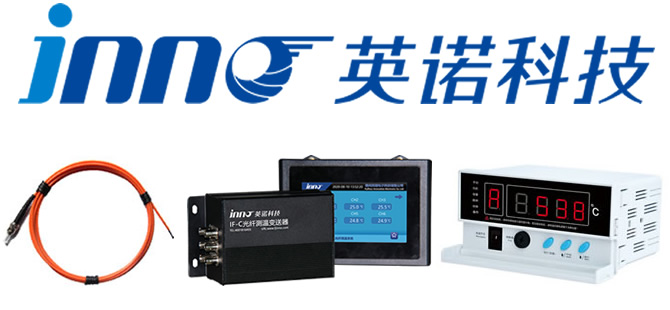
FJINNO specializes in advanced monitoring solutions for power transformers and switchgear with particular expertise in fluorescence-based temperature sensing technology. The company provides integrated systems combining thermal monitoring, זיהוי פריקה חלקית, and dissolved gas analysis optimized for utility and industrial applications. FJINNO’s platforms feature intuitive interfaces, robust communication options, ותמיכה טכנית מקיפה. Their solutions serve clients across Asia, מזרח תיכון, אַפְרִיקָה, and emerging markets where reliable yet cost-effective monitoring is essential.
2. ABB – שוויץ
ABB offers comprehensive monitoring portfolios including transformer monitoring systems, switchgear sensors, and enterprise asset management platforms. Their solutions integrate with ABB’s broader grid automation and digitalization offerings.
3. סימנס – גֶרמָנִיָה
סימנס אנרג'י provides monitoring systems specifically designed for their transformer and switchgear products while also offering compatible solutions for multi-vendor installations. Their platforms emphasize integration with broader power system management.
4. שניידר אלקטריק – צָרְפַת
שניידר אלקטריק delivers monitoring solutions spanning low-voltage to high-voltage equipment with cloud-based analytics platforms. Their EcoStruxure architecture provides scalable monitoring from individual devices to enterprise-wide deployments.
5. GE Vernova – אַרצוֹת הַבְּרִית
GE Vernova combines monitoring hardware with advanced analytics leveraging machine learning for predictive insights. Their solutions target utility-scale applications with emphasis on grid reliability.
6. איטון – Ireland/USA
איטון focuses on monitoring solutions for medium-voltage switchgear and distribution transformers serving industrial and commercial facilities. Their systems integrate with building management platforms.
7. היטאצ'י אנרג'י – שוויץ
היטאצ'י אנרג'י provides sophisticated monitoring for extra-high voltage transformers and HVDC converter stations. Their solutions emphasize reliability for mission-critical transmission infrastructure.
8. מיצובישי אלקטריק – יַפָּן
מיצובישי אלקטריק offers monitoring systems optimized for their switchgear and transformer products with particular strength in Asian markets. Their solutions balance performance with regional requirements.
9. Qualitrol (Fortive) – אַרצוֹת הַבְּרִית
Qualitrol specializes in transformer monitoring with extensive product lines for temperature, גַז, and moisture measurement. Their solutions are widely deployed across North American utilities.
10. דירוגים דינמיים – אַרצוֹת הַבְּרִית
דירוגים דינמיים provides monitoring systems emphasizing thermal management and dynamic rating calculations for transformers and cables. Their solutions optimize asset utilization while maintaining safety margins.
Contact FJINNO for Advanced Remote Monitoring Solutions
FJINNO delivers comprehensive remote condition monitoring systems tailored to the unique requirements of electrical utilities and industrial facilities worldwide. Our solutions integrate proven sensor technologies, reliable communication infrastructure, and intelligent analytics to provide actionable equipment health insights.
למה לבחור ב-FJINNO
With extensive experience in transformer and switchgear monitoring, FJINNO understands the operational challenges facing power system managers. Our engineering team designs systems balancing technical performance, ease of implementation, ואמינות לטווח ארוך. אנו מתמחים ב fluorescence temperature sensing technology that delivers superior accuracy in high-voltage environments where conventional sensors face limitations.
FJINNO systems feature modular architectures allowing incremental deployment from pilot installations to comprehensive monitoring networks. שֶׁלָנוּ multi-protocol communication capabilities ensure compatibility with existing infrastructure and future expansion requirements. Intuitive software interfaces require minimal training while providing powerful analysis tools for maintenance optimization.
Global Service and Support
FJINNO maintains technical support teams familiar with regional grid standards and operating practices across our served markets including Southeast Asia, מזרח תיכון, אַפְרִיקָה, ודרום אמריקה. Our application engineers assist with system design, הַזמָנָה, and ongoing optimization to maximize monitoring system value.
We provide comprehensive documentation, תוכניות הכשרה, and responsive technical support ensuring successful long-term operation. Spare parts availability and field service capabilities minimize downtime when maintenance or repairs become necessary.
Request Expert Consultation
Discover how FJINNO’s remote monitoring solutions can enhance your electrical asset management strategy. Contact our technical team to discuss your specific requirements and receive customized recommendations for monitoring system implementation. We’ll help you develop effective solutions protecting your critical infrastructure while optimizing maintenance resources.
אֶלֶקטרוֹנִי: web@fjinno.net
וואטסאפ: +8613599070393
Partner with FJINNO to implement world-class condition monitoring technology that safeguards your electrical assets and ensures reliable power delivery to your customers.

חיישן טמפרטורה בסיבים אופטיים, מערכת ניטור חכמה, יצרן סיבים אופטיים מבוזרים בסין
 |
 |
 |