 חיישני טמפרטורה בסיבים אופטיים INNO ,מערכות ניטור טמפרטורה.
- שנאי כוח גדול lead times have extended to 36–48 months globally, up from 12–18 months before 2020.
- גלוֹבָּלִי grain-oriented electrical steel (GOES) supply remains structurally tight, with prices rising 50%–80% above pre-pandemic levels.
- Distribution transformer backlogs have surged to 12–20 months due to grid modernization and electrification demand.
- Copper prices remain elevated between $8,500–$10,500/ton, directly impacting מתפתל שנאי עלויות.
- Major manufacturers including Hitachi Energy, סימנס אנרג'י, and GE Vernova have announced multi-billion-dollar capacity expansions.
- Critical components such as תותבי שנאי, on-load tap changers, ו insulating materials face concurrent shortages.
- צפון אמריקה, אֵירוֹפָּה, and Asia-Pacific each face distinct supply challenges shaped by policy, infrastructure age, and domestic manufacturing capacity.
תוֹכֶן הָעִניָנִים
- Global Transformer Supply Chain Overview
- Core Demand Drivers Behind the Supply Squeeze
- The GOES Bottleneck: Grain-Oriented Electrical Steel
- Copper Supply and Transformer Winding Cost Dynamics
- Critical Transformer Components and Materials
- Transformer Lead Time Analysis by Category
- Manufacturing Capacity and Expansion Efforts
- Regional Market Dynamics
- שאלות נפוצות
1. Global Transformer Supply Chain Overview

The global שנאי כוח supply chain is experiencing the most severe capacity constraints in decades. What started as a post-pandemic recovery surge has evolved into a sustained, structural supply-demand imbalance. Order backlogs at major transformer manufacturers — including Hitachi Energy, סימנס אנרג'י, GE Vernova, and numerous regional producers — have reached record levels, with some factories reporting booking windows extending three to four years for large power transformers (LPTs) ו 12 אֶל 24 months for שנאי הפצה.
Industry analysts estimate that global transformer demand has grown by 25%–40% compared to pre-2020 levels, while manufacturing capacity has expanded by only 10%–15% over the same period. This widening gap is expected to persist well into the late 2020s.
Key Market Indicators at a Glance
| מֶטרִי | Current Value | הערות |
|---|---|---|
| Large Power Transformer Lead Time | 36–48 months | Up from 12–18 months pre-2020 |
| Distribution Transformer Lead Time | 12–24 months | Up from 6–10 months pre-2020 |
| Global Demand Growth vs. 2020 | +25% אֶל +40% | Renewables, מרכזי נתונים, grid renewal |
| Manufacturing Capacity Growth vs. 2020 | +10% אֶל +15% | Limited by GOES, labor, capital |
| Average Transformer Price Increase | +30% אֶל +60% | Varies by voltage class and region |
| לָנוּ. LPTs Over 25 Years Old | ~70% | Replacement urgency rising |
2. Core Demand Drivers Behind the Supply Squeeze

Understanding the current transformer supply crisis requires examining the structural forces generating demand. No single factor alone would overwhelm the supply base — it is their simultaneous arrival that has created a perfect storm across the electrical transformer market.
2.1 Grid Modernization and Aging Infrastructure
Across North America, אֵירוֹפָּה, and parts of Asia-Pacific, a significant portion of the installed transformer fleet is approaching or exceeding its designed operational life. In the United States, the Department of Energy has noted that more than 70% שֶׁל large power transformers are over 25 years old. Utilities that deferred replacement during years of flat demand growth now face urgent replacement needs. More frequent extreme weather events — hurricanes, ice storms, wildfires, and heat waves — stress שנאים טבולים בשמן beyond their nameplate ratings and accelerate insulation degradation.
2.2 שילוב אנרגיה מתחדשת
The global buildout of wind and solar generation capacity is one of the largest sources of transformer demand. Every wind farm and solar park requires step-up transformers at the generation site, and many require additional units at collector substations and at the point of interconnection with the high-voltage transmission grid. Offshore wind projects require specialized offshore platform transformers ו submarine cable interface transformers produced by only a handful of manufacturers worldwide.
| Renewable Sector | Transformer Requirement | Typical Voltage Class | Est. Annual Demand |
|---|---|---|---|
| Onshore Wind | הגדלת הגנרטור + collector substation | 33–230 kV | ~15,000 units/year |
| Offshore Wind | Platform transformer + export cable interface | 66–400 kV | ~2,000–3,000 units/year |
| Utility-Scale Solar | Inverter step-up + שנאי תחנת משנה | 33–230 kV | ~20,000 units/year |
| Battery Energy Storage | AC coupling transformers | 33–138 kV | ~5,000 units/year |
| חיבורי HVDC | ממיר שנאים | 400-800 קילו וולט | ~200-400 יחידות לשנה |
2.3 הרחבת מרכז הנתונים
מגזר מרכז הנתונים היפר-scale ו-colocation התגלה כמקור חדש ודרמטי של שנאי מתח בינוני ו שנאי מסוג יבש לִדרוֹשׁ. קמפוס יחיד גדול של מרכז נתונים יכול לדרוש 500 MVA לסיום 1 GVA של קיבולת שנאי. מספר מפעילים החלו להבטיח אספקה 3-4 שנים לפני לוחות הזמנים של הבנייה והתקשרו בהסכמי רכש ישיר עם מפיקי GOES and transformer manufacturers.
2.4 חשמול תחבורה ומבנים
המעבר לרכבים חשמליים ומשאבות חום מוסיף עומס מצטבר לרשתות החלוקה, מניע את הביקוש לחדשים וגדולים pole-mounted transformers ו שנאי הפצה המורכבים על רפידות. כלי עזר בשווקים עם אימוץ EV גבוה מדווחים על כך שדרוגי שנאי הפצה הפכו לחלק שגרתי בתכנון חיזוק הרשת.
3. The GOES Bottleneck: Grain-Oriented Electrical Steel

Grain-oriented electrical steel (GOES) is the single most critical raw material in ליבת שנאי ייצור. It forms the magnetic core and directly determines energy efficiency, no-load losses, and thermal performance. There is no commercially viable substitute for high-grade GOES in שנאי כוח ו שנאי הפצה.
3.1 Concentrated Global GOES Production
גלוֹבָּלִי GOES production capacity is estimated at roughly 2.5 אֶל 3 million metric tons per year. Expanding production is capital-intensive — a new cold-rolling and annealing line can cost several hundred million dollars and take three to five years to commission.
| GOES Producer | מְדִינָה | Est. Capacity (kt/yr) | Status |
|---|---|---|---|
| Nippon Steel | יַפָּן | ~350 | At capacity |
| JFE Steel | יַפָּן | ~250 | At capacity |
| POSCO | דרום קוריאה | ~300 | Expansion announced |
| Baowu / Wisco | סִין | ~600 | Primarily domestic allocation |
| ThyssenKrupp | גֶרמָנִיָה | ~200 | Tight allocation |
| Cleveland-Cliffs (AK Steel) | אַרצוֹת הַבְּרִית | ~150 | Near full utilization |
| Stalprodukt | Poland | ~120 | At capacity |
| Others | שׁוֹנִים | ~550 | Mixed |
3.2 Trade Restrictions and GOES Pricing
Trade policy adds complexity. The U.S. maintains anti-dumping and countervailing duty orders on GOES imports from several countries. The EU has imposed safeguard measures on certain steel imports. These barriers constrain available supply for downstream transformer manufacturers.
GOES Price Trajectory by Grade
| GOES Grade | 2019 Price ($/ton) | 2025 Price ($/ton) | Change |
|---|---|---|---|
| מוּסכָּם (CGO) | $1,500–$2,000 | $2,500–$3,500 | +60%-80% |
| High Permeability (HiB) | $2,000–$2,800 | $3,200–$4,800 | +50%-80% |
| Domain-Refined (Laser-Scribed) | $2,800–$3,500 | $4,500–$6,000+ | +50%–70% |
4. Copper Supply and Transformer Winding Cost Dynamics

Copper conductor is the second most important raw material in transformer manufacturing, used for primary and secondary פיתולי שנאי as well as leads and connections. Transformer-grade copper must meet stringent purity standards (99.99%+), and specialized rolling and drawing mills are running near capacity.
Copper prices on the London Metal Exchange have remained between $8,500 ו $10,500 per metric ton throughout 2024 ו 2025. Strong demand from electrification sectors — EV motors, wind turbine generators, solar inverters, and power distribution — combined with constrained mine output keeps the market tight.
Copper vs. Aluminum Winding Comparison
| נֶכֶס | Copper Winding | Aluminum Winding |
|---|---|---|
| Conductivity (% IACS) | 100% | 61% |
| Relative Weight | Baseline | ~130% of copper |
| Relative Cost | גבוה יותר | לְהוֹרִיד |
| האפליקציה הטובה ביותר | LPTs, compact designs, EHV | הֲפָצָה, שנאים מהסוג היבש |
Some manufacturers have adopted aluminum-wound transformers for certain שנאי הפצה designs to offset copper costs. אוּלָם, copper-wound transformers remain the standard for large power transformers and applications where size and weight constraints are critical.
5. Critical Transformer Components and Materials
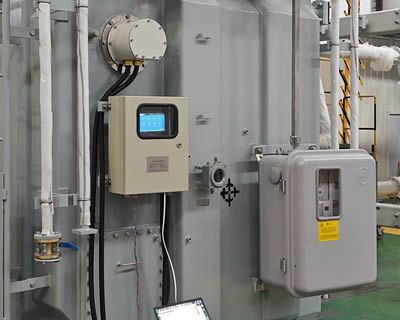
Beyond GOES and copper, את transformer supply chain depends on specialized components that are also experiencing shortages. A single missing component can delay final assembly and testing of a completed unit.
| רְכִיב | Key Suppliers | Current Lead Time | Pre-2020 Lead Time |
|---|---|---|---|
| EHV Bushings (OIP type) | היטאצ'י אנרג'י, Trench, HSP | 12–18 months | 4–6 months |
| RIP Bushings | היטאצ'י אנרג'י, Pfiffner | 10–14 months | 3–5 months |
| On-Load Tap Changers (OLTCs) | מַר (Reinhausen), היטאצ'י אנרג'י | 8–12 months | 3–4 months |
| שמן שנאי (Mineral) | Nynas, Ergon, Calumet | 4–8 weeks | 2–4 weeks |
| Ester-Based Insulating Fluid | Cargill (FR3), מ&I Materials | 6–12 weeks | 2–4 weeks |
| Insulating Paper (Kraft/TUP) | ויידמן, Ahlstrom | 8–16 weeks | 4–6 weeks |
| Cooling Systems (מעריצים, Radiators) | שׁוֹנִים | 8–16 weeks | 4–8 weeks |
The shift toward ester-based transformer fluids, driven by fire safety regulations and environmental concerns, introduces additional supply risk as ester production capacity is more limited than traditional שמן שנאי מינרלי.
6. Transformer Lead Time Analysis by Category

The most visible symptom of the supply chain crisis is the dramatic extension of transformer lead times across every product category.
| קטגוריית שנאי | Typical Rating | Pre-2020 Lead Time | Current Lead Time |
|---|---|---|---|
| Large Power Transformer (LPT) | ≥100 MVA, ≥230 kV | 12–18 months | 36–48 months |
| Medium Power Transformer | 25–100 MVA, 69–230 kV | 10–14 months | 24–36 months |
| Liquid-Filled Distribution Transformer | 25–2,500 kVA | 6–10 weeks | 12–20 months |
| שנאי מסוג יבש | 25–5,000 kVA | 4–8 weeks | 8–14 months |
| Generator Step-Up Transformer (GSU) | 50–500 MVA | 14–18 months | 30–42 months |
| Mobile / Emergency Transformer | שׁוֹנִים | 8–12 months | 18–30 months |
| HVDC Converter Transformer | מתמחה | 18–24 months | 36–52 months |
As buyers recognize extended timelines, הם מבצעים הזמנות מוקדם יותר ובכמויות גדולות יותר - יוצרים מה שנקרא “דרישת פנטום” שמנפחת עוד יותר פיגור ודחיפה delivery schedules החוצה אפילו יותר.
7. Manufacturing Capacity and Expansion Efforts
ה תעשיית ייצור השנאים הגיב לעלייה בביקוש בתוכניות להרחבת קיבולת. אוּלָם, הקצב האיטי מטבעו של בניית המפעל אומר הקלה משמעותית לא צפויה לפני 2027–2028.
7.1 פרויקטים גדולים של הרחבה
| יַצרָן | מִקוּם | Investment | צפוי באינטרנט |
|---|---|---|---|
| היטאצ'י אנרג'י | מספר אתרים גלובליים | $1.5B+ | 2025-2027 |
| סימנס אנרג'י | אוֹסְטְרֵיָה + ארה"ב חדשה. facility | לא נחשף במלואו | 2026-2028 |
| GE Vernova | לָנוּ. ואתרים גלובליים | עלייה משמעותית | 2025-2027 |
| Hyundai Electric | דרום קוריאה + JVs | ~500 מיליון דולר+ | 2026-2027 |
| TBEA | סִין + חוּץ לָאָרֶץ | מיליארדי יואן | 2025–2026 |
| אביב GE (Xignux) | מקסיקו | Expanded | 2025 |
| Elsewedy Electric | Egypt + מזרח תיכון | Expanded | 2025–2026 |
7.2 אילוצי כוח אדם
אילוץ קריטי ולעתים קרובות פחות מוערך הוא זמינות כוח אדם מיומן. ייצור שנאים - במיוחד עבור LPTs - הוא עתיר אומנים. מִתפַּתֵל, ערימת ליבות, מכלול בידוד, ו בדיקת מתח גבוה require highly trained technicians with years of experience. Across Europe, צפון אמריקה, and Japan, the transformer workforce is aging and recruitment remains challenging. Some manufacturers report that labor shortages are now a greater bottleneck than physical plant capacity.
8. Regional Market Dynamics
8.1 צפון אמריקה
The North American market is experiencing some of the most severe constraints globally. The U.S. has limited domestic LPT manufacturing capacity, historically relying on imports from Europe, אַסְיָה, and Mexico. Federal policies and the Inflation Reduction Act’s domestic content incentives are driving new investment, but facilities take years to build and staff.
8.2 אֵירוֹפָּה
אֵירוֹפִּי transformer manufacturers are operating at full capacity with backlogs extending 3–4 years for LPTs. The EU’s renewable energy targets — including REPowerEU — require massive grid expansion. הצטברות רוח ימית בים הצפונית היא מקור עז במיוחד לביקוש למתמחים שנאים במתח גבוה.
8.3 Asia-Pacific
סין היא גם יצרנית השנאים וגם הצרכנית הגדולה בעולם. הביקוש המקומי הסיני סופג את רוב הייצור. הודו מתגלה כבסיס ייצור משמעותי, עם חברות כמו CG Power ו-Voltamp בונים קיבולת לשימוש ביתי ויצוא.
8.4 מזרח תיכון ואפריקה
Rapid urbanization, פיתוח תעשייתי, ושאיפות אנרגיה מתחדשת מניעות את הצמיחה transformer demand ברחבי האזור הזה. המזרח התיכון נהנה מקרבה ליצרנים בהודו, Turkey, ומצרים. אפריקה מתמודדת עם אתגרים בשל קיבולת מקומית מוגבלת ותחרות עם שווקים עשירים יותר עבור אספקה מוגבלת.
| אֵזוֹר | מנהלי התקנים עיקריים | ייצור מקומי | תלות בייבוא |
|---|---|---|---|
| צפון אמריקה | חידוש רשת, מרכזי נתונים, renewables | נמוך-בינוני | גָבוֹהַ |
| אֵירוֹפָּה | רוח מהחוף, מודרניזציה של הרשת | גָבוֹהַ | נמוך-בינוני |
| סִין | תַשׁתִית, renewables, export | גבוה מאוד | Very Low |
| הוֹדוּ | Grid expansion, renewables, export | גָבוֹהַ (גָדֵל) | נָמוּך |
| מזרח תיכון & אַפְרִיקָה | עִיוּר, renewables, תַעֲשִׂיָה | נמוך-בינוני | גָבוֹהַ |
שאלות נפוצות
שאלה 1: What is causing the global power transformer shortage?
The shortage is driven by the simultaneous convergence of grid infrastructure renewal, renewable energy buildout, data center expansion, and electrification of transport. These demand factors have grown 25%–40% since 2020, while manufacturing capacity has expanded only 10%–15%.
שאלה 2: How long is the current lead time for a large power transformer?
Large power transformers rated at 100 MVA or above and 230 kV or higher now carry lead times of 36–48 months, compared to 12–18 months before 2020.
שאלה 3: Why is grain-oriented electrical steel (GOES) so critical to transformer supply?
GOES forms the magnetic core of transformers and directly determines energy efficiency and no-load losses. There is no commercially viable substitute, and global production capacity of approximately 2.5–3 million metric tons per year is structurally tight.
שאלה 4: How much have transformer prices increased?
Depending on voltage class and region, finished transformer prices have increased by 30%–60% compared to pre-2020 levels, driven by higher costs of GOES, copper, רכיבים, and labor.
שאלה 5: Which transformer components have the longest lead times?
EHV oil-impregnated paper (OIP) bushings currently carry lead times of 12–18 months, making them one of the most constrained components. On-load tap changers (OLTCs) and RIP bushings are also significantly constrained at 8–14 months.
שאלה 6: Can aluminum windings replace copper in transformers?
Aluminum windings are used in certain distribution and dry-type transformer designs to offset copper costs. אוּלָם, aluminum requires roughly 60% more cross-sectional area for equivalent conductivity, resulting in larger units. Copper remains standard for large power transformers.
שאלה 7: Which companies are the largest transformer manufacturers globally?
The largest global manufacturers include Hitachi Energy, סימנס אנרג'י, GE Vernova, TBEA, Hyundai Electric, and Prolec GE (Xignux). Each has announced significant capacity expansion plans in response to the current supply constraints.
שאלה 8: How are data centers affecting transformer supply?
Large data center campuses can require 500 MVA לסיום 1 GVA of transformer capacity. Major technology companies are securing transformer supply 3–4 years ahead of construction and entering direct procurement agreements with manufacturers.
שאלה 9: What is the impact of trade restrictions on transformer supply?
Anti-dumping duties and safeguard measures on GOES imports in the U.S. and EU limit the pool of economically viable steel supply sources for domestic transformer manufacturers, particularly during periods of tight global supply.
שאלה 10: When is the transformer supply shortage expected to ease?
Given the multi-year timelines required to build new manufacturing facilities and expand GOES production, industry analysts do not expect meaningful relief before 2027–2028 at the earliest. Demand growth from renewables and electrification continues to outpace capacity additions.
כתב ויתור
The information provided in this article is for general informational purposes only. FJINNO (www.fjinno.net) makes every effort to ensure accuracy and timeliness, but does not guarantee the completeness, אֲמִינוּת, or suitability of any data, figures, or analysis presented. Market conditions, lead times, תמחור, and supply chain dynamics are subject to rapid change. This content does not constitute professional procurement, investment, or engineering advice. Readers should consult qualified industry professionals and conduct independent verification before making purchasing or business decisions based on this information. FJINNO אינה נושאת באחריות להפסדים כלשהם, נְזִיקִין, or outcomes arising from the use of information contained in this article.

חיישן טמפרטורה בסיבים אופטיים, מערכת ניטור חכמה, יצרן סיבים אופטיים מבוזרים בסין
 |
 |
 |