 Capteurs de température à fibre optique INNO ,systèmes de surveillance de la température.
- La surveillance de la température est essentielle pour la sécurité des transformateurs – La surveillance en temps réel des températures des enroulements et de l'huile grâce à diverses technologies de capteurs évite les dommages dus à la surchauffe et prolonge la durée de vie de l'équipement.
- Les capteurs PT100 offrent une fiabilité éprouvée – Les détecteurs de température à résistance platine offrent une grande précision, stabilité à long terme, et large plage de températures pour les transformateurs secs et remplis d'huile
- Les capteurs fluorescents à fibre optique excellent dans les environnements à haute tension – Insensible aux interférences électromagnétiques, intrinsèquement sûr, et capable de mesures multipoints sans connexions électriques
- Plusieurs types de capteurs servent différentes applications – PT100, fibre optique fluorescente, infrarouge, et les capteurs sans fil offrent chacun des avantages uniques pour des exigences de surveillance spécifiques
- Comprendre les causes des défaillances de température est essentiel – Surcharge, pannes du système de refroidissement, dégradation de l'isolation, et de mauvaises connexions sont les principales causes des problèmes de température du transformateur
- Proper sensor selection impacts reliability – Choosing the right temperature monitoring solution based on transformer type, classe de tension, and environmental conditions ensures accurate and dependable operation
- Leading manufacturers provide tested solutions – Global suppliers offer certified temperature monitoring systems that meet international standards and industry requirements
What Is a Transformer Temperature Sensor?
UN capteur de température du transformateur is a critical monitoring device designed to measure and track the thermal conditions within electrical transformers. These sensors continuously monitor the temperature of key components, y compris enroulements de transformateur, huile isolante, and core materials, providing essential data for safe operation and preventing catastrophic failures.
Temperature sensors serve as the first line of defense against thermal damage in power distribution systems. When transformer components exceed their rated temperature limits, insulation materials degrade rapidly, potentially leading to short circuits, les incendies, or complete equipment failure. Moderne systèmes de surveillance de la température integrate multiple sensor types to provide comprehensive thermal protection across all critical zones.
Primary Functions of Temperature Sensors
The fundamental role of dispositifs de surveillance de la température des transformateurs extends beyond simple measurement. These sensors enable operators to detect abnormal heating patterns before they cause permanent damage, trigger automatic cooling systems when temperatures rise, provide data for load management decisions, and generate historical records for predictive maintenance programs.
In industrial and utility applications, temperature sensing equipment connects to supervisory control and data acquisition (SCADA) systèmes, allowing remote monitoring of entire transformer fleets. This connectivity enables rapid response to thermal events and supports data-driven maintenance strategies that maximize equipment reliability while minimizing operational costs.
What Is a PT100 Sensor for Dry-Type Transformers?
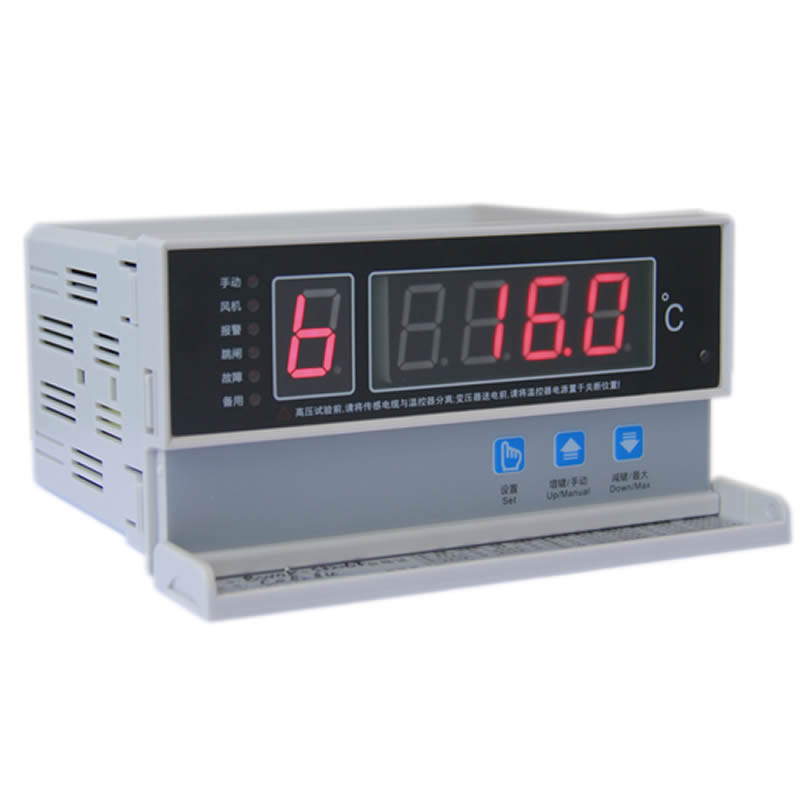
UN Capteur PT100 is a platinum resistance temperature detector (RDT) specifically designed for accurate temperature measurement in transformateurs secs. The designation “PT100” indicates a platinum element with a resistance of 100 ohms à 0°C, offering exceptional accuracy and stability across a wide temperature range from -200°C to +850°C.
Pour dry-type transformer applications, PT100 sensors provide several distinct advantages over other temperature measurement technologies. These sensors maintain excellent linearity throughout their operating range, deliver repeatable measurements over many years of service, resist degradation from mechanical vibration and electrical noise, and comply with international standards including IEC 60751.
PT100 Construction and Installation
In dry-type transformers, Détecteurs de température à résistance PT100 are typically embedded directly into the winding assemblies during manufacturing or installed in pockets that make thermal contact with critical components. The sensor element consists of a fine platinum wire wound on a ceramic or glass core, encapsulated in a protective stainless steel sheath that shields it from environmental contaminants while allowing efficient heat transfer.
Le indicateur de température d'enroulement utilizing PT100 technology connects to a temperature transmitter or controller that converts the resistance signal into a standardized output such as 4-20mA or digital protocols like Modbus or Profibus. This allows seamless integration with building management systems and industrial control networks.
What Are the Main Types of Temperature Sensors for Transformers?
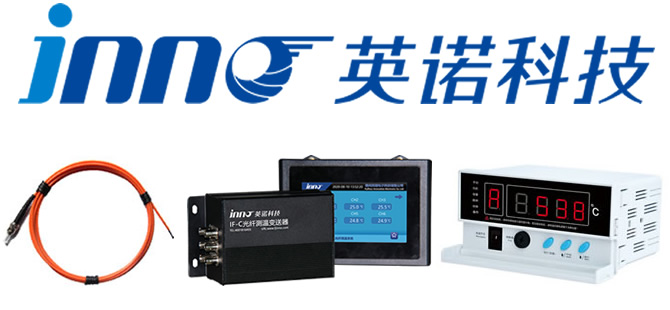
Transformer temperature monitoring relies on four primary sensor technologies, each offering distinct characteristics suited to specific applications and operating environments.
Détecteurs de température à résistance PT100
Capteurs à résistance PT100 represent the industry standard for transformer temperature measurement due to their superior accuracy (±0.15°C at 0°C), excellente stabilité à long terme, and resistance to electrical interference. These sensors work equally well in both transformateurs immergés dans l'huile et transformateurs en résine coulée, making them the most versatile option for diverse installations.
Capteurs à fibre optique fluorescents
Capteurs de température fluorescents à fibre optique utilize the temperature-dependent decay time of fluorescent materials to measure temperature with exceptional accuracy. Contrairement aux capteurs électriques, these devices are completely immune to electromagnetic interference, contain no metallic components that could conduct electricity, and provide galvanic isolation between sensing points and monitoring equipment.
Le technologie de détection à fibre optique excels in high-voltage environments where traditional electrical sensors pose safety risks or suffer from electromagnetic interference that compromises measurement accuracy.
Capteurs de température infrarouges
Infrared thermal sensors measure surface temperatures without physical contact by detecting thermal radiation emitted from transformer components. These non-contact devices prove particularly useful for monitoring external surfaces, hot spot detection during thermal surveys, and temporary measurements during commissioning or troubleshooting.
Capteurs de température sans fil
Wireless temperature monitoring systems transmit measurement data via radio frequency signals, eliminating the need for signal wiring between sensors and monitoring equipment. These battery-powered or energy-harvesting devices simplify retrofitting existing transformers with enhanced monitoring capabilities and reduce installation costs in distributed monitoring applications.
Tableau de comparaison: PT100 vs Fluorescent Fiber Optic Sensors
| Fonctionnalité | PT100 Sensors | Capteurs à fibre optique fluorescents |
|---|---|---|
| Précision | ± 1% FS (niveau du régulateur de température 0.5, niveau du capteur B) | ±0,5°C à ±1°C |
| Immunité EMI | Good with proper shielding | Immunité complète |
| Sécurité intrinsèque | Requires barriers in hazardous areas | Inherently safe, no electrical energy |
| Complexité de l'installation | Modéré, requires wiring | Simple, câbles à fibres légers |
| Stabilité à long terme | Excellent, proven over decades | Excellent, pas de dérive |
| Plage de température | -30.0℃ ~ 240,0 ℃ | -40°C à +300°C (typique) |
| Temps de réponse | Rapide (secondes) | Very fast (sub-second) |
| Coût | Lower initial cost | Coût initial plus élevé, lower installation |
| Entretien | Periodic calibration recommended | Minimal, no calibration drift |
How Do You Check Transformer Temperature?
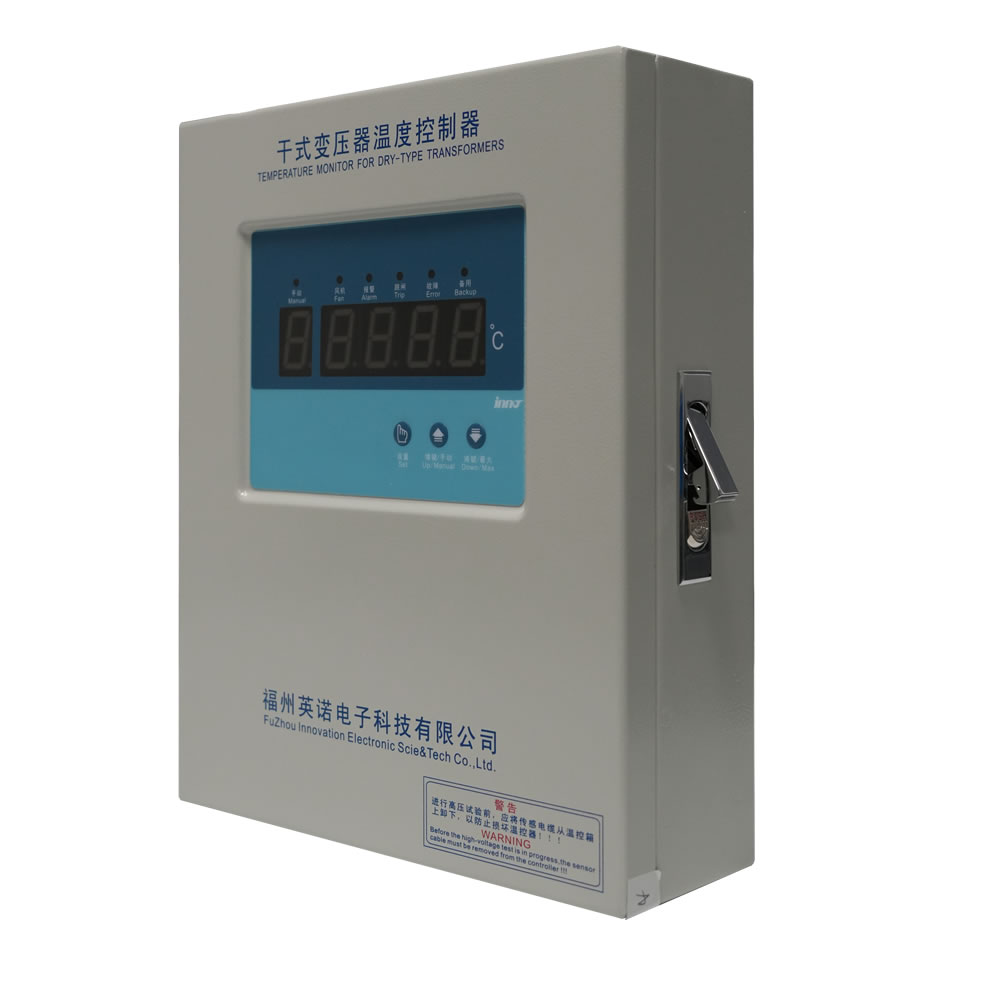
Checking transformer operating temperature involves multiple measurement techniques and monitoring points to ensure comprehensive thermal assessment. Les opérateurs utilisent à la fois des systèmes de surveillance continue et des inspections manuelles périodiques pour vérifier que tous les composants fonctionnent dans des limites thermiques sûres..
Méthodes de surveillance continue
Les transformateurs modernes intègrent des instrumentation de surveillance de la température qui fournit des données en temps réel sur les paramètres thermiques critiques. Indicateurs de température de bobinage mesurer en continu le point le plus chaud dans les bobines du transformateur, alors que jauges de température d'huile suivre l'état thermique du fluide isolant dans les unités remplies d'huile. Ces instruments se connectent à des systèmes d'alarme qui alertent les opérateurs lorsque les températures approchent ou dépassent des seuils prédéfinis..
Pour transformateurs de puissance dans les sous-stations, les données de température alimentent généralement les relais de protection numériques et les systèmes SCADA, permettant des réponses automatisées telles que l'activation du refroidissement forcé, réduire la charge, ou couper le transformateur hors ligne si des températures dangereuses persistent.
Techniques d'inspection périodique
Contrôles manuels de la température à l'aide thermographie infrarouge fournir des données supplémentaires précieuses, notamment pour détecter les points chauds localisés sur les traversées, changeurs de prises, et connexions externes. Les relevés thermographiques doivent être effectués pendant les périodes de forte charge lorsque les différences de température sont les plus prononcées., permettant aux opérateurs d'identifier les problèmes en développement avant qu'ils ne provoquent des pannes.
Meilleures pratiques en matière de surveillance de la température
Une vérification efficace de la température nécessite l'établissement de mesures de référence lors de la mise en service initiale., comparer les lectures actuelles aux tendances historiques pour identifier les changements graduels, corrélation des données de température avec les niveaux de charge et les conditions ambiantes, enquêter sur toute augmentation soudaine de température, quelles que soient les valeurs absolues, et documenter toutes les lectures de température pour l'analyse des tendances et la conformité réglementaire.
How Does a Transformer Temperature Sensor Work?
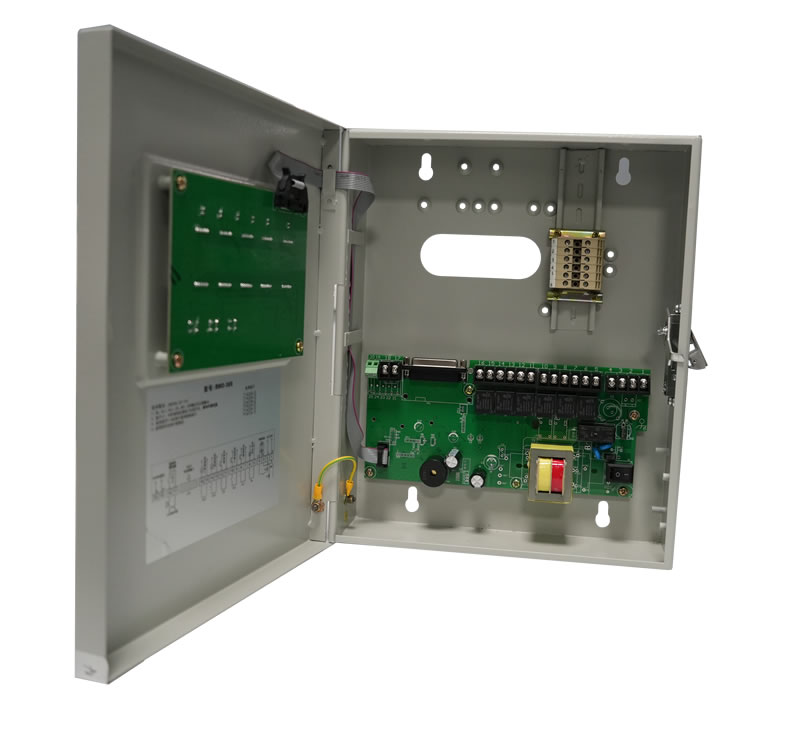
Le principe de fonctionnement des capteurs de température varies based on the sensing technology employed, but all types convert thermal energy into measurable signals that monitoring systems can interpret and act upon.
Resistance-Based Sensing (PT100/RTD)
Resistance temperature detectors exploit the predictable relationship between temperature and electrical resistance in pure metals. For platinum RTDs like PT100 sensors, resistance increases nearly linearly with temperature according to the Callendar-Van Dusen equation. A precision measuring circuit passes a small, constant current through the platinum element and measures the resulting voltage drop, which directly correlates to temperature.
Le RTD measurement circuit typically uses a four-wire configuration to eliminate errors from lead wire resistance, ensuring that only the sensor element’s resistance affects the measurement. This configuration provides accuracy better than 0.1% of reading across the full temperature span.
Fluorescent Decay Time Sensing
Capteurs fluorescents à fibre optique employ a fundamentally different principle based on the temperature-dependent fluorescence decay time of rare-earth phosphors. A brief pulse of excitation light travels down the optical fiber to the sensor probe, where it stimulates fluorescence in the temperature-sensitive material. The intensity of this fluorescence decays exponentially, with the decay time constant varying predictably with temperature.
The monitoring equipment measures this decay time with high precision, converting it to a temperature reading that is inherently immune to light source variations, pertes par courbure des fibres, or connector degradation. Ce mesure optique de la température method provides exceptional stability and reliability in harsh electromagnetic environments.
Infrared Radiation Sensing
Non-contact infrared sensors detect thermal radiation emitted by all objects above absolute zero. The intensity and spectral distribution of this radiation depend on the object’s temperature and emissivity. By focusing infrared energy onto a detector element, these sensors can determine surface temperature from a distance, making them ideal for energized components that cannot be safely accessed during operation.
What Is a Transformer Winding Temperature Sensor?
UN capteur de température d'enroulement specifically monitors the thermal condition of transformer coil assemblies, which typically operate at higher temperatures than surrounding oil or ambient air. These specialized sensors must withstand the electrical, mécanique, and thermal stresses present within active windings while providing accurate, reliable temperature data throughout the transformer’s service life.
Direct Winding Sensors
Embedded winding sensors are installed directly into transformer coils during manufacturing, providing the most accurate measurement of actual conductor temperature. Pour transformateurs secs, PT100 sensors are commonly embedded between winding layers at calculated hot spot locations. Dans oil-filled transformers, fiber optic probes may be positioned in contact with inner winding surfaces where temperatures peak during heavy load conditions.
The placement of hot spot temperature sensors requires careful thermal analysis to identify locations where peak temperatures occur under various loading scenarios. Manufacturers typically install multiple sensors at different radial and axial positions within large power transformers to ensure comprehensive thermal monitoring.
Indirect Temperature Measurement
Many transformers use indicateurs de température d'enroulement (WTI) that infer coil temperature by combining top oil temperature measurements with a thermal model of the winding-to-oil temperature gradient. A heater element powered proportionally to load current warms the sensing element to simulate winding temperature rise above the oil temperature.
Winding Temperature Monitoring Applications
Accurate winding temperature data enables multiple protective and operational functions including overload protection that prevents insulation damage, dynamic rating calculations that maximize utilization during cool weather, cooling system control that optimizes energy consumption, and predictive maintenance that extends transformer life by avoiding thermal aging.
How Does a Transformer Oil Temperature Gauge Function?
Le transformer oil temperature gauge measures the thermal condition of insulating oil in liquid-filled transformers, providing critical data about the overall thermal state of the unit. Since oil temperature directly affects cooling efficiency and insulation performance, continuous monitoring prevents dangerous operating conditions.
Top Oil Temperature Measurement
Top oil temperature indicators measure the warmest oil in the transformer, which rises to the top of the tank due to natural convection. A sensor probe extends into the oil at the highest point of the main tank, where temperature peaks during operation. This measurement serves multiple purposes including alarm and trip functions, activation du système de refroidissement, thermal aging calculations, and load management decisions.
Moderne digital oil temperature monitors provide not only local display but also analog or digital outputs for remote monitoring and control systems. Advanced units incorporate data logging to record temperature profiles over time, supporting forensic analysis after equipment failures.
Temperature Sensing Technologies for Oil
Various sensor types serve mesure de la température de l'huile candidatures. PT100 RTDs offer excellent accuracy and stability for both top oil and bottom oil measurements, thermocouples provide economical solutions for less critical monitoring points, and fiber optic sensors enable interference-free measurements in locations with severe electromagnetic fields.
Oil Temperature Gradient Monitoring
Grand transformateurs de puissance may incorporate multiple oil temperature sensors at different heights within the tank to monitor thermal stratification. Excessive temperature gradients can indicate cooling system problems, blocked oil passages, or abnormal internal heating that requires investigation.
What Does a Transformer Temperature Controller Do?
UN transformer temperature controller integrates temperature sensor inputs with control logic to protect equipment and optimize cooling system operation. These intelligent devices form the brain of transformer thermal management systems, making automated decisions that maintain safe operating conditions while maximizing efficiency.
Fonctions principales
Temperature control systems continuously process inputs from winding sensors, oil gauges, and ambient temperature detectors to perform several critical functions. They activate cooling fans or pumps when temperatures exceed start thresholds, trigger alarms when preset warning levels are reached, initiate automatic load reduction or transformer shutdown at critical temperatures, and record temperature data for trend analysis and regulatory reporting.
Advanced Controller Features
Moderne digital temperature controllers incorporate sophisticated capabilities beyond simple threshold monitoring. Adaptive cooling control algorithms optimize fan operation based on load patterns and ambient conditions to minimize energy consumption, thermal modeling calculates remaining time to critical temperature at current load levels, communication interfaces enable integration with substation automation and SCADA systems, and self-diagnostic functions verify sensor operation and detect measurement anomalies.
Cooling System Management
Forced cooling control represents a primary function of temperature controllers in large transformers. By staging multiple cooling banks based on temperature trends rather than fixed setpoints, intelligent controllers maintain optimal thermal margins while avoiding excessive energy consumption and reducing mechanical wear on cooling equipment.
What Is the Operating Temperature Range for Transformer Windings?
Le permissible temperature range for transformer windings depends on the insulation class and design standards applicable to the specific transformer type. Understanding these limits is essential for proper operation and maintenance of electrical distribution equipment.
Standard Temperature Limits
Pour transformateurs immergés dans l'huile using conventional insulation systems, IEEE and IEC standards establish temperature limits based on insulation class. The average winding temperature should not exceed 65°C rise above ambient under rated load for Class A insulation (105°C total), while hot spot temperature limits typically restrict peak winding temperatures to 110°C rise above ambient (140°C total) for normal life expectancy.
Transformateurs secs employ different insulation systems with higher temperature capabilities. Class F insulation allows average winding temperature rise of 100°C above ambient (130°C rise for hot spot), while Class H systems permit 115°C average rise (150°C hot spot rise), enabling more compact designs and higher power density.
Temperature and Insulation Life
La relation entre operating temperature and insulation aging follows the Arrhenius equation, where reaction rates double for every 8-10°C temperature increase. This means that continuous operation at temperatures exceeding design limits significantly accelerates insulation degradation, potentially reducing transformer life from decades to years.
Loading Beyond Nameplate Rating
Transformers can operate above nameplate capacity if temperatures remain within acceptable limits. Emergency loading guides published by IEEE and IEC define permissible overloads based on pre-load temperature, duration of overload, and acceptable loss of life. Temperature monitoring becomes critical during these operating conditions to prevent exceeding thermal limits that cause permanent damage.
How Do You Measure Transformer Winding Temperature?
Measuring température de l'enroulement du transformateur accurately presents unique challenges because the hottest points are buried deep within the coil assembly, inaccessible during normal operation. Engineers employ several proven techniques to obtain reliable thermal data for these critical components.
Méthodes de mesure directe
Embedded temperature sensors provide the most accurate winding temperature data by placing sensing elements in direct thermal contact with conductors. Lors de la fabrication du transformateur, PT100 sensors or fiber optic probes are positioned at calculated hot spot locations between winding layers. These sensors remain in place throughout the transformer’s operational life, continuously monitoring actual conductor temperatures.
Pour transformateurs en résine coulée, sensors are embedded in the epoxy encapsulation during the casting process, creating a permanent thermal monitoring system. The number and location of sensors depends on transformer size and criticality, with large units incorporating multiple sensors to map temperature distribution throughout the winding structure.
Méthodes de calcul indirectes
Many transformers use thermal imaging techniques that combine top oil temperature with calculated winding-to-oil gradient. The winding temperature indicator applies a correction factor based on load current to estimate hot spot temperature. While less accurate than direct measurement, this approach provides reliable monitoring at lower cost for medium-sized transformers.
Modélisation thermique
Avancé thermal analysis software can predict winding temperature distribution based on load current, températures d'huile, état du système de refroidissement, et conditions ambiantes. These models, validated against measured data during factory testing, enable real-time hot spot temperature estimation even in transformers without embedded sensors.
What Are Fiber Optic Temperature Sensors for Transformers?
Capteurs de température à fibre optique represent advanced monitoring technology specifically designed to overcome the limitations of conventional electrical sensors in high-voltage transformer applications. These optical sensing systems eliminate electrical connections between sensing points and monitoring equipment, providing inherent safety and immunity to electromagnetic interference.
Technologie de fibre optique fluorescente
The most common système de détection à fibre optique for transformers uses fluorescent decay time measurement. A small probe containing rare-earth phosphor material attaches to the fiber optic cable and is positioned at the measurement point within the transformer. Ultraviolet light pulses travel down the fiber to excite the phosphor, which emits visible light with a decay time that varies predictably with temperature.
This optical temperature measurement technique offers several critical advantages for transformer applications including complete electrical isolation between sensor and electronics, immunity to electromagnetic and radio frequency interference, intrinsically safe operation in hazardous locations, and no metallic components that could become energized or create ground loops.
Installation in High-Voltage Equipment
Sondes à fibre optique can be installed in locations where electrical sensors would pose safety risks or suffer from interference. The non-conductive glass fiber passes through high-voltage barriers without requiring insulated bushings or isolation amplifiers. This simplifies installation and eliminates potential failure modes associated with electrical sensor systems.
Surveillance multipoint
Un seul système de surveillance à fibre optique can interrogate dozens of sensor points distributed throughout a transformer, providing comprehensive thermal mapping impossible with conventional wiring. This capability proves particularly valuable in large power transformers where understanding temperature distribution helps optimize loading and predict maintenance requirements.
Where Should Temperature Sensors Be Installed?
Strategic placement of capteurs de surveillance de la température ensures comprehensive thermal protection while optimizing the number of sensors required. Installation locations should capture peak temperatures at critical failure points and provide representative measurements for thermal management decisions.
Winding Sensor Locations
Pour enroulements de transformateur, sensors must be positioned at calculated hot spot locations where maximum temperatures occur under load. In layer-type windings, hot spots typically appear in the upper portion of inner layers where heat dissipation is poorest. Disc-type windings concentrate heat near the core in lower discs. Thermal analysis during design identifies optimal sensor positions, typically resulting in placement at the radial center of windings, in the upper third of the winding height, and at locations with restricted oil flow.
Oil Temperature Measurement Points
Oil temperature sensors should monitor both top oil where maximum temperatures occur and bottom oil to assess temperature gradient. Large transformers benefit from multiple oil sensors at different heights to detect stratification or circulation problems. Top oil sensors extend into the oil pocket at the highest point of the main tank, bottom oil sensors mount near the cooler inlet or tank bottom, and additional sensors may monitor oil entering and leaving cooling equipment.
Ambient and Cooling System Monitoring
Complet thermal monitoring systems incorporate ambient temperature measurement for dynamic rating calculations and cooling system sensors to verify proper operation. Monitoring air temperature at cooler inlets helps optimize fan operation, while oil temperature before and after coolers confirms heat exchanger effectiveness.
What Causes Transformer Temperature Failures?
Comprendre le root causes of transformer overheating enables proactive maintenance and operational strategies that prevent costly failures. Temperature-related problems typically arise from several distinct mechanisms, often working in combination to create dangerous thermal conditions.
Overloading and Excessive Current
Sustained overload conditions represent the most common cause of transformer temperature failures. When load current exceeds design limits, I²R losses in windings increase exponentially, generating more heat than cooling systems can dissipate. This situation commonly occurs due to load growth exceeding transformer capacity, failure of parallel transformers forcing load transfer, incorrect transformer sizing during installation, or temporary emergency conditions that persist longer than planned.
Even brief overloads can cause cumulative damage if they occur frequently. Le cyclage thermique from repeated overheating weakens insulation through expansion and contraction, eventually leading to dielectric failure even if peak temperatures never reach critical limits.
Pannes du système de refroidissement
Inadequate heat dissipation causes temperatures to rise even at normal load levels. Cooling system problems that trigger temperature failures include radiator or cooler blockage by dirt or debris, fan or pump motor failures, loss of cooling medium (oil leaks in oil-filled units), incorrect cooling equipment settings or control failures, and ambient temperature exceeding design assumptions.
Dans forced-air cooled transformers, a single fan failure may seem minor but can create localized hot spots if the affected area loses adequate cooling. Monitoring systems should detect cooling equipment problems by identifying abnormal temperature rises relative to load.
Dégradation du système d'isolation
Insulation deterioration creates a vicious cycle where initial aging increases electrical losses, generating additional heat that accelerates further degradation. Common insulation problems leading to temperature failures include moisture contamination reducing dielectric strength and thermal performance, partial discharge activity creating localized heating, chemical breakdown of insulation materials, and contamination by particles or conductive materials.
Poor Electrical Connections
Loose or corroded connections create high-resistance joints that generate excessive heat. Ces points chauds typically occur at bushing terminals, contacts du changeur de prises, internal lead connections, and grounding system joints. Unlike distributed winding temperature increases, connection problems create intense localized heating that standard sensors may not detect if positioned far from the problem area.
Internal Faults
Incipient faults within transformer windings or core structures produce abnormal heating patterns before developing into catastrophic failures. Les courts-circuits tour à tour créent des courants de circulation et un échauffement localisé, La rupture de l'isolation du noyau provoque des pertes par courants de Foucault, et l'arc interne génère une chaleur intense dans de petites zones. La détection de ces problèmes nécessite une surveillance sensible qui identifie les distributions de température inhabituelles ou les augmentations de température inattendues à charge normale..
What Are Best Practices for Transformer Thermal Management?
Efficace stratégies de gestion thermique maximiser la fiabilité et la durée de vie du transformateur tout en optimisant la flexibilité et l’efficacité opérationnelles. La mise en œuvre de pratiques éprouvées pour le contrôle de la température réduit les taux de défaillance et prolonge les intervalles d'entretien des équipements..
Gestion des charges
Stratégies de chargement dynamique ajuster l'utilisation du transformateur en fonction des conditions thermiques en temps réel plutôt que des valeurs nominales fixes. En surveillant en permanence les températures des enroulements et de l'huile ainsi que les conditions ambiantes, operators can safely increase loading during cool weather while maintaining appropriate thermal margins. This approach requires accurate temperature measurement, validated thermal models, defined risk tolerance for loss-of-life acceleration, and automated systems that can respond quickly to changing conditions.
Cooling System Optimization
Moderne cooling control algorithms minimize energy consumption while maintaining safe temperatures. Rather than running all cooling equipment whenever temperature exceeds a threshold, intelligent systems stage cooling banks based on rate of temperature rise, adjust fan speed to match actual cooling requirements, and shut down excess cooling capacity during light load periods. These strategies can reduce cooling energy consumption by 30-50% compared to simple on-off control.
Entretien préventif
Régulier thermal system maintenance prevents degradation that leads to temperature failures. Essential maintenance activities include cleaning radiators and coolers to maintain heat transfer efficiency, testing and exercising cooling fans and pumps, verifying temperature sensor accuracy against reference standards, inspecting electrical connections for signs of overheating, and analyzing oil quality to detect contamination or degradation.
Temperature Trending and Analysis
Historical temperature data reveals developing problems before they cause failures. Operators should establish baseline temperature profiles at various load levels, monitor for gradual increases that indicate cooling system degradation, investigate sudden changes in temperature patterns, and correlate temperature behavior with load, conditions ambiantes, and cooling system operation.
Qui sont les meilleurs 10 Transformer Temperature Sensor Manufacturers?
Selecting reliable équipement de surveillance de la température from established manufacturers ensures long-term performance and support. The following companies represent industry leaders in transformer thermal protection systems:
1. FJINNO
We are a high-tech enterprise with strong capabilities. Our main products include fluorescent fiber optic temperature measurement systems, systèmes de surveillance en ligne de la température à fibre optique pour transformateur immergé dans l'huile, systèmes de gestion environnementale, régulateurs de température à fibre optique pour le transport ferroviaire, Systèmes de surveillance en ligne PHM, régulateurs de température pour transformateurs de type sec, etc.. En collaboration avec des universités telles que l'Université de Fuzhou, we have successfully developed fluorescent fiber optic temperature sensors with independent intellectual property rights, fournir des solutions globales et des services d'application pour la température, vibration, surveillance de la pression et autres dans des galeries de canalisations complètes, oléoducs et gazoducs, transport ferroviaire, pouvoir, municipal, énergie nucléaire, nouvelle énergie, domaines chimiques et autres. À l'ère du développement rapide de l'industrie de l'Internet des objets, InnoTech will rise to the forefront and become a provider and application service provider of intelligent temperature measurement system overall solutions.
2. LANGUE Instruments
LANGUE manufactures precision temperature sensors and instrumentation for transformer applications, including PT100 RTDs, thermocouples, and digital temperature transmitters. Their products meet international standards and provide reliable measurements in demanding environments.
3. Siemens
Siemens Énergie produces integrated transformer monitoring systems that combine temperature sensors with advanced diagnostics and control capabilities. Their solutions support both new installations and retrofits of existing equipment.
4. ABB
ABB offers comprehensive transformer monitoring products including temperature sensors, contrôleurs, and complete asset management platforms. Their systems enable predictive maintenance and optimal transformer utilization.
5. Ingénierie OMEGA
OMEGA provides a wide range of temperature sensors suitable for transformer applications, including industrial-grade RTDs, thermocouples, and wireless monitoring systems. Their products serve applications from small distribution transformers to large power units.
6. Néoptix (Innovations Luna)
Neoptix fiber optic sensors excel in high-voltage transformer monitoring where immunity to electromagnetic interference is critical. Their fluorescent decay technology provides accurate, reliable measurements in the most challenging electrical environments.
7. REINHAUSEN (M)
Usine de machines de Reinhausen manufactures transformer monitoring equipment including advanced temperature sensors and controllers designed specifically for power transformer applications. Their products integrate seamlessly with tap changer controls and other transformer accessories.
8. Schweitzer Engineering Laboratories (SÉL.)
SÉL. produces digital protection and monitoring systems that incorporate temperature monitoring for comprehensive transformer protection. Their integrated approach combines thermal, électrique, and dissolved gas monitoring.
9. Vaisala
Vaisala offers temperature and humidity monitoring solutions for transformer applications, particularly for dry-type units where ambient conditions significantly affect thermal performance.
10. Keller America
Keller manufactures robust temperature sensors for industrial applications including transformers. Their products emphasize reliability and accuracy in harsh environments.
Foire aux questions
What is the normal operating temperature for a transformer?
Normale transformer operating temperatures vary by type and loading. Oil-filled transformers typically operate with top oil temperatures of 60-80°C and winding hot spots of 90-110°C under full load. Dry-type transformers run hotter, with winding temperatures of 100-150°C depending on insulation class. These temperatures assume standard ambient conditions of 30-40°C.
How often should transformer temperature sensors be calibrated?
Temperature sensor calibration intervals depend on sensor type and application criticality. PT100 sensors in stable installations may require verification only every 5-10 années, while sensors in critical applications should be checked annually. Fiber optic sensors typically require no calibration as they don’t drift over time. Always calibrate after any sensor replacement or repair.
Can I use standard industrial temperature sensors in transformers?
While standard sensors may physically fit, transformer-specific sensors are engineered for the unique electrical, thermique, and environmental conditions inside power equipment. They must withstand high voltage stress, resist insulating oil or resin, tolerate vibration and thermal cycling, and meet safety standards for hazardous locations. Using non-approved sensors risks measurement errors, risques pour la sécurité, or premature sensor failure.
What causes false temperature alarms in transformers?
False temperature alarms commonly result from sensor failures, wiring problems, or controller malfunctions rather than actual overheating. Common causes include moisture in sensor connections creating resistance changes, electromagnetic interference affecting sensor signals, calibration drift in aging sensors, and incorrect controller setpoints. Always verify actual transformer temperature through multiple independent measurements before assuming an alarm is false.
How do I choose between PT100 and fiber optic sensors?
Sélectionner Capteurs PT100 for cost-effective monitoring in medium voltage transformers where proven technology and wide vendor support are priorities. Choisir capteurs à fibre optique for high-voltage applications where electromagnetic immunity is essential, in locations where intrinsic safety is required. Consider that fiber optic systems have higher initial costs but may reduce installation expenses in complex applications.
What temperature triggers transformer alarms?
Alarm temperatures vary by transformer type and design but typically include warning alarms at 80-85°C top oil or 110-120°C winding temperature, trip alarms at 90-95°C top oil or 130-140°C winding temperature, and emergency shutdown at temperatures exceeding insulation limits. Settings should account for transformer insulation class, loading category, and risk tolerance. Consult manufacturer specifications and applicable standards when establishing alarm setpoints.
Can transformers recover from overheating?
Transformers can operate normally after brief excursions de température if peak temperatures and duration remain within emergency loading guidelines. Cependant, each overheating event causes cumulative insulation aging that reduces remaining life. Severe overheating that degrades insulation properties or causes physical damage may permanently compromise the transformer, requiring extensive testing to verify continued fitness for service. Prevention through proper monitoring and load management is always preferable to recovery from thermal damage.
Do I need separate sensors for each winding?
Multi-winding transformers benefit from individual winding monitoring because different voltage levels may have different loading patterns and thermal characteristics. Au minimum, monitor the highest-temperature winding, which is typically the low-voltage winding due to higher current and associated losses. Large power transformers often include sensors in all major windings to enable precise thermal management and fault detection.

Capteur de température à fibre optique, Système de surveillance intelligent, Fabricant de fibre optique distribué en Chine
 |
 |
 |