 Capteurs de température à fibre optique INNO ,Systèmes de surveillance de la température.
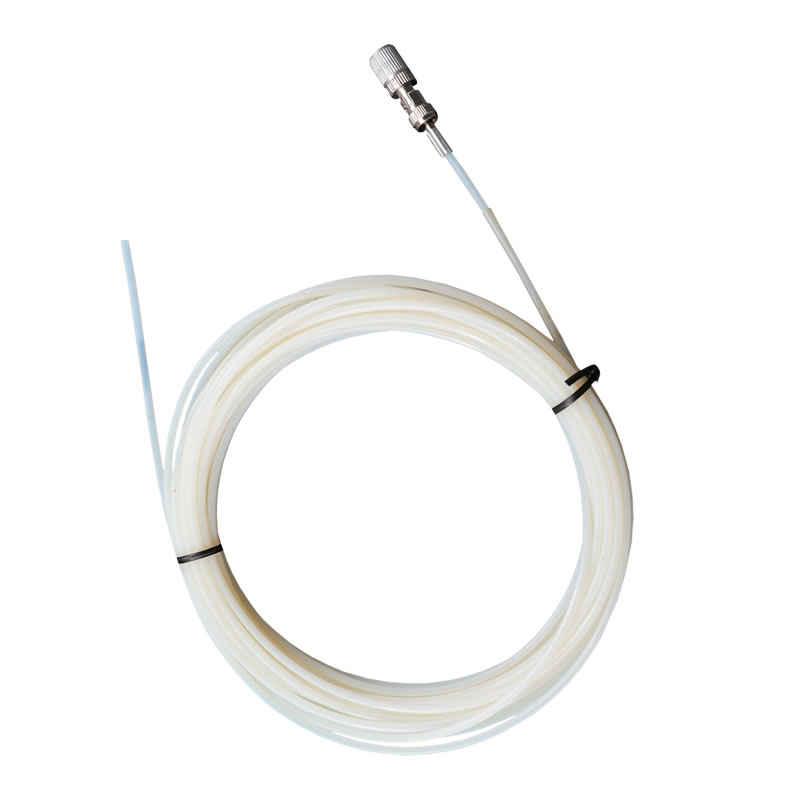
Power transformers are critical assets in the UAE’s electricity infrastructure, operating in one of the world’s most challenging environments with temperatures routinely exceeding 50°C during summer months. Comprehensive monitoring solutions focusing on temperature, niveaux d'huile, état d'isolation, décharge partielle, et analyse des gaz dissous (DGA) can reduce transformer failures by up to 75% tout en prolongeant la durée de vie des actifs en 15-20 années. With the UAE’s Energy Strategy 2050 targeting a 70% reduction in carbon footprint and $190 milliard investment in renewable energy, reliable transformer operation has become paramount for grid stability amidst increasing demand and integration of intermittent renewable sources.
Table des matières
- Unique Transformer Monitoring Challenges in the UAE
- Critical Monitoring Parameters for UAE Transformers
- Advanced Temperature Monitoring with Fluorescent Fiber Optics
- Oil Level and Quality Monitoring Systems
- Insulation Condition Monitoring Solutions
- Partial Discharge Detection in Desert Conditions
- Dissolved Gas Analysis for Early Fault Detection
- Integrated Monitoring Approaches for UAE Utilities
- FJINNO: Tailored Transformer Monitoring Solutions for UAE
- Foire aux questions
Unique Transformer Monitoring Challenges in the UAE
The United Arab Emirates presents a distinctive set of challenges for power transformer operation and monitoring, requiring specialized approaches that address the region’s extreme conditions:
Environmental Challenges
- Chaleur extrême: Ambient temperatures regularly exceeding 50°C during summer months, with transformer surfaces reaching 70-80°C
- Fluctuations rapides de température: Day-night temperature differences of up to 25°C causing thermal cycling stress
- Sandstorms and Airborne Particulates: High levels of dust and sand affecting cooling systems and external monitoring equipment
- Coastal Salt Contamination: Corrosive salt-laden air affecting outdoor installations in Abu Dhabi, Dubaï, and Sharjah coastal areas
- Humidité élevée: Coastal regions experiencing humidity levels above 90% during certain periods, particularly in early morning hours
Défis opérationnels
- Peak Load Variations: Extreme cooling demands during summer months creating significant load fluctuations
- Critical Infrastructure Dependency: Transformers serving desalination plants, centres de données, and oil/gas facilities where downtime is exceptionally costly
- Emplacements éloignés: Many transformers located in isolated areas with limited accessibility for regular inspection
- Grid Expansion: Rapid infrastructure growth requiring reliable operation of both new and aging transformer assets
- Intégration renouvelable: Increasing solar capacity creating new operational patterns and monitoring requirements
Importance stratégique
Transformer reliability in the UAE extends beyond routine utility operations to support national priorities:
- Economic Diversification: Reliable power underpinning efforts to develop manufacturing, tourism, and technology sectors
- Energy Transition: Support for UAE Energy Strategy 2050 goals including clean energy targets
- Smart City Initiatives: Critical infrastructure for Dubai Smart City, Masdar City, and similar developments
- National Security: Protection of critical power infrastructure serving strategic facilities
Exemple d'impact régional: Durant l'été de 2022, a major transformer failure at a primary substation in Abu Dhabi affected cooling systems at a critical data center, resulting in estimated economic losses exceeding AED 12 million. Post-incident analysis revealed that early warning signs had been present but undetected due to insufficient monitoring capabilities. This incident accelerated TRANSCO’s implementation of comprehensive surveillance du transformateur systems across its network.
Critical Monitoring Parameters for UAE Transformers
Efficace surveillance du transformateur in UAE conditions requires attention to several critical parameters, each providing insight into different aspects of transformer health and performance:
1. Surveillance de la température
Temperature is perhaps the most critical parameter to monitor in UAE’s extreme climate, as it directly affects durée de vie du transformateur et performances:
- Critical Measurement Points:
- Températures de bobinage (hottest spot temperature is most critical)
- Oil temperatures (huile supérieure, huile de fond, and radiator inlet/outlet)
- Température à cœur
- Tap changer temperature
- Ambient temperature for reference comparisons
- Significance in UAE Context:
- Each 6-8°C increase above rated temperature halves transformer durée de vie de l'isolation
- Extreme ambient conditions reduce thermal headroom for load fluctuations
- Temperature differentials indicate cooling system efficacité
- Thermal patterns can reveal developing faults before other parameters show changes
2. Oil Level and Condition Monitoring
Oil serves multiple critical functions in transformers operating in UAE conditions:
- Key Measurements:
- Niveau d'huile in main tank and conservator
- Moisture content in oil
- Pression d'huile (for forced oil systems)
- Oil flow rates through cooling circuits
- Oil color and opacity
- Regional Significance:
- High ambient temperatures accelerate moisture migration between paper and oil
- Thermal cycling increases risk of moisture ingress through breathers and seals
- Water content as low as 20 ppm can significantly reduce dielectric strength in high-temperature conditions
3. Insulation Condition Assessment
Insulation degradation is accelerated in UAE’s high-temperature environment:
- Paramètres clés:
- Power factor/dissipation factor (bronzage δ)
- Polarization index
- Furan compounds in oil (indicator of paper degradation)
- Degree of polymerization (through indirect measurements)
- Regional Considerations:
- Paper insulation degradation rates approximately double with every 8-10°C increase
- Typical transformers in Abu Dhabi experience 1.7-2.3 times faster aging than identical units in temperate climates
- Moisture dynamics are more complex due to extreme thermal cycling
4. Surveillance des décharges partielles
Décharge partielle (PD) activity provides early warning of developing insulation issues:
- Measurement Approaches:
- UHF sensors for electromagnetic PD detection
- Capteurs acoustiques for mechanical detection
- Transformateurs de courant haute fréquence (HFCT)
- Dissolved gas analyse (H₂ and acetylene levels)
- UAE-Specific Challenges:
- High ambient temperature increases PD activity risk
- Coastal humidity affects external insulation performance
- Sandstorm conditions can introduce external noise in measurements
- High electrical demand increases likelihood of transients that can trigger PD
5. Analyse des gaz dissous (DGA)
DGA provides critical insight into developing faults inside the transformer:
- Key Gases Monitored:
- Hydrogène (H₂) – general fault indicator
- Méthane (CH₄), éthane (C₂H₆) – défauts thermiques
- Éthylène (C₂H₄) – high temperature thermal faults
- Acétylène (C₂H₂) – arc électrique
- Monoxyde de carbone (CO), dioxyde de carbone (CO₂) – paper degradation
- Regional Importance:
- Gas generation rates significantly higher in UAE’s elevated operating temperatures
- Baseline values often differ from international norms due to ambient conditions
- Rate-of-change analysis particularly valuable in high ambient temperatures
According to DEWA’s transformer performance studies, surveillance systems that integrate at least four of the five key parameters ont démontré 92% success in identifying developing faults before they progress to failure, par rapport à seulement 43% for systems monitoring fewer parameters. Surveillance de la température alone provided early warning in 67% of incipient fault cases.
Advanced Temperature Monitoring with Fluorescent Fiber Optics
Among all monitoring technologies deployed in UAE transformer applications, détection de température à fibre optique fluorescente stands out as the most reliable and effective solution for the region’s extreme conditions.
Limitations of Conventional Temperature Monitoring
Traditionnel temperature monitoring approaches face significant challenges in UAE applications:
- Détecteurs de température à résistance (RTD):
- Susceptible to electromagnetic interference in environnements à haute tension
- Require electrical isolation and complex wiring
- Limited in placement options due to electrical insulation requirements
- Chaque sensor monitors only a single point
- Thermocouples:
- Subject to drift in environnements difficiles
- Conductive elements create potential safety issues
- Limited lifespan in high-temperature applications
- Reference junction compensation challenges in fluctuating ambient conditions
- Imagerie thermique:
- Capture uniquement les températures extérieures
- Cannot monitor critical internal hotspots
- Affected by dust and sandstorm conditions
- Provides periodic rather than continuous monitoring
Fluorescent Fiber Optic Temperature Sensing Principles
Fluorescent technologie de détection à fibre optique offers a fundamentally different approach to temperature monitoring:
- Principe de fonctionnement: Based on the temperature-dependent dégradation fluorescente le temps des matériaux phosphorescents
- Processus de mesure:
- Avantages clés:
- Completely immune to electromagnetic interference
- No electrical components at sensing points (intrinsèquement sûr)
- Direct internal measurement at critical locations
- A transmitter can connect 1-64 Fibres optiques
- Aucune dérive d’étalonnage dans le temps
Application in UAE Transformer Monitoring
The unique properties of fluorescent technologie de la fibre optique make it ideal for UAE transformer applications:
- Enroulement direct Mesure de température:
- Sensors embedded directly within transformer windings during manufacturing
- Provides true hotspot temperature rather than calculated estimates
- Multiple sensors positioned at critical locations in each winding
- No impact on insulation integrity
- Retrofitting Existing Transformers:
- Installation in oil-filled temperature wells
- Placement on transformer walls at strategic locations
- Intégration avec l'existant Systèmes de surveillance de la température
- Minimal outage time required for installation
- Specialized UAE Applications:
- Extended temperature range covering extreme conditions (-40°C à +250°C)
- Multi-zone temperature profiling in large transformers
- Correlation with load conditions and ambient temperature
- Intégration avec le refroidissement system control for optimized operation
Comparaison des performances
| Critères de performance | Fibre Optique Fluorescente | RTD | Thermocouples | Imagerie thermique |
|---|---|---|---|---|
| Plage de température | -40°C à +250°C | -200°C à +850°C | -180°C à +1350°C | -20°C à +500°C |
| Exactitude | ±0,5°C | ±1,0 °C | ±1,5°C | ±2.0°C or more |
| Immunité EMI | Complet | Pauvre | Pauvre | Modéré |
| Mesure de point d'accès interne | Mesure directe | Limited placement | Limited placement | Externe uniquement |
| Multiple Sensing Points | A transmitter can connect 1-32 Fibres optiques | One per sensor | One per sensor | Surface view only |
| Longevity in UAE Conditions | 15+ années | 5-8 années | 3-5 années | 7-10 années (équipement) |
| Recalibration Requirements | Aucun | Yearly | Chaque 6 mois | Yearly |
| Performance in Dust/Sandstorms | Non affecté | Non affecté | Non affecté | Significantly degraded |
Exemple de mise en œuvre régionale: ADWEA (Autorité de l'eau et de l'électricité d'Abu Dhabi) implemented surveillance de la température par fibre optique fluorescente sur 23 critical transformers at primary substations in 2021. Le system detected a developing hotspot in a 400/132kV transformer after only four months of operation, revealing a cooling obstruction that was not identified during routine maintenance. Early intervention prevented an estimated AED 8-10 million in potential damage and avoided a projected 72-hour outage affecting a major industrial area.
Oil Level and Quality Monitoring Systems
Transformer oil monitoring forms a critical component of comprehensive transformer health assessment in UAE conditions, where oil degradation is accelerated by extreme temperatures.
Critical Oil Parameters for UAE Applications
- Surveillance du niveau d'huile:
- Continuous monitoring in main tank and conservator
- Dynamic level change detection during thermal cycling
- Correlation with temperature for leak detection
- Alarm thresholds adapted to local operating conditions
- Teneur en humidité:
- Online moisture sensors with temperature compensation
- Water activity (relative saturation) mesures
- UAE-specific alarm thresholds accounting for temperature extremes
- Trend analysis for moisture ingress detection
- Oil Quality Parameters:
- Dielectric strength monitoring
- Acidité (neutralization number) suivi
- Interfacial tension measurement
- Color and opacity monitoring
Technologies de surveillance avancées
Several specialized technologies are particularly effective for UAE applications:
- Optical Oil Quality Sensors:
- Spectroscopic analysis of oil condition
- Multiple parameter measurement from a single sensor
- Low maintenance requirements in harsh environments
- Capacitive Moisture Sensors:
- Thin-film polymer sensors with temperature compensation
- Fast response to changing moisture conditions
- Suitable for high-temperature applications
- Direct integration with systèmes de surveillance
- Intelligent Float Systems:
- Advanced magnetic tracking of niveaux d'huile
- Temperature-compensated measurements
- High reliability in extreme conditions
- Digital output for integration with SCADA
TRANSCO data indicates that transformer failures related to oil quality issues in UAE conditions occur 2.8 fois more frequently than in moderate climates, with moisture-related failures being particularly prominent. Continuous oil monitoring has reduced these incidents by 63% when implemented as part of a comprehensive monitoring strategy.
Insulation Condition Monitoring Solutions
Insulation degradation represents one of the most significant aging mechanisms for transformers operating in UAE’s extreme climate. Efficace monitoring of insulation condition is essential for asset management et fiabilité.
Critical Insulation Parameters
- Dielectric Response Monitoring:
- Frequency Domain Spectroscopy (FDS) mesures
- Power factor/dissipation factor (bronzage δ) tendance
- Temperature-corrected comparisons to baseline values
- Polarization/depolarization current analysis
- Chemical Indicators:
- Furan compound analysis (2-furfural and related compounds)
- Methanol and ethanol monitoring for early paper degradation
- CO/CO₂ ratio tracking for cellulose breakdown assessment
- Degree of polymerization (DP) estimation from chemical markers
- Évaluation de l'humidité:
- Karl Fischer titration for laboratory verification
- Dielectric response for average moisture estimation
- Moisture equilibrium charts adapted for UAE temperature profiles
- Moisture migration modeling during thermal cycling
Online Monitoring Approaches
Several technologies enable continuous assessment of insulation condition:
- Online Tan Delta Monitoring:
- Continuous monitoring of capacitive bushing taps
- Temperature-compensated trend analysis
- Detection of developing insulation issues
- Non-intrusive implementation requiring no outage
- Polarization Current Analysis:
- Scheduled online tests during low-load periods
- Moisture content estimation through dielectric response
- Intégré à Surveillance de la température for accurate interpretation
- Trending of results over time to detect degradation
- Chemical Sensors:
- Online furan monitoring through selective membranes
- Correlation with DGA results for comprehensive assessment
- Intégration avec oil quality monitoring systems
- UAE-specific alarm thresholds accounting for accelerated aging
Partial Discharge Detection in Desert Conditions
Décharge partielle (PD) monitoring provides early warning of developing insulation defects, critical in UAE transformers where high temperatures accelerate insulation deterioration.
PD Monitoring Technologies for UAE Applications
- Capteurs UHF:
- Detection of electromagnetic emissions from discharge activity
- Installation in transformer oil drain valves or dedicated sensors
- Effective filtering of external noise common in UAE substations
- Pattern recognition to identify discharge types and locations
- Capteurs d’émission acoustique:
- Specialized sensors mounted on transformer réservoirs
- Triangulation capabilities for discharge localization
- Temperature-compensated sensitivity adjustments
- Intégration avec surveillance des vibrations for comprehensive analysis
- Capteurs HFCT:
- Installation on transformer neutral or bushing connections
- Non-intrusive monitoring without service interruption
- Frequency-selective measurements to minimize interference
- Correlation with load and temperature conditions
UAE-Specific PD Challenges
Surveillance des décharges partielles in UAE conditions presents unique challenges:
- External Noise Sources:
- Corona discharge from transmission lines during dust storms
- Interference from solar inverters in rapidly expanding PV installations
- Transients from frequent cooling system cycling
- Nearby gas turbine systèmes électriques in combined cycle plants
- Facteurs environnementaux:
- High ambient temperatures affecting sensor performance
- Dust accumulation on external capteurs nécessitant specialized protection
- Thermal cycling causing sensor attachment challenges
- Humidity variation between coastal and inland areas
Reconnaissance avancée des formes
Modern PD monitoring systems utilize sophisticated analysis Techniques techniques:
- Analyse PD résolue en phase: Correlation of discharge patterns with AC cycle phase
- Pulse Sequence Analysis: Evaluation of timing between successive discharge events
- Corrélation multi-paramètres: Integration with temperature, charger, and oil data
- AI-Based Pattern Recognition: Machine learning algorithms trained on UAE-specific fault signatures
Exemple de mise en œuvre régionale: Dubai Electricity and Water Authority implemented an integrated UHF/acoustic PD monitoring system on GSU transformers at a major generation station in 2021. The system successfully detected developing insulation degradation in a bushing connection during Ramadan, when load patterns shifted significantly due to changed consumption patterns. Early intervention prevented potential failure during the critical summer peak demand period.
Dissolved Gas Analysis for Early Fault Detection
Analyse des gaz dissous (DGA) remains the gold standard for internal transformer fault detection, providing insight into developing issues before they progress to failure. UAE’s harsh conditions necessitate specialized approaches to DGA implementation and interpretation.
Technologies de surveillance DGA
- Multi-Gas Online Monitors:
- Continuous monitoring of key fault gases (H₂, CH₄, C₂H₂, C₂H₄, C₂H₆, CO, CO₂)
- Photo-acoustic spectroscopy or gas chromatography technology
- Temperature-controlled sampling systems for accuracy in extreme conditions
- Direct integration with monitoring platforms via digital interfaces
- Single-Gas Hydrogen Monitors:
- Focus on hydrogen as primary fault indicator
- Lower cost alternative for less Applications critiques
- Fuel cell or palladium electrode technology
- High sensitivity to developing electrical faults
- Portable DGA Equipment:
- Field testing capabilities for remote locations
- Rapid results for emergency assessment
- Ruggedized design for UAE field conditions
- Bluetooth/WiFi connectivity for immediate data transmission
UAE-Specific Interpretation Challenges
Standard DGA interpretation requires adaptation for UAE operating conditions:
- Elevated Baseline Values:
- Higher normal gas levels due to accelerated aging in extreme temperatures
- Need for UAE-specific normal values rather than international standards
- Importance of establishing transformer-specific baselines
- Rate-of-Change Analysis:
- Critical importance of gas generation rate trends rather than absolute values
- Seasonal adjustment factors for summer vs. winter interpretation
- Correlation with loading and temperature patterns
- Modified Diagnostic Methods:
- Adaptations of standard methods (Triangle de Duval, Rogers Ratio, etc.)
- Additional ratio considerations for high-temperature operation
- Integration with loading history for accurate assessment
Key Gas Ratios for UAE Applications
| Gas Ratio | Standard Interpretation | UAE Adjustment Factors | Importance |
|---|---|---|---|
| CH₄/H₂ | < 0.1 (Corona/PD) > 1.0 (Thermique) |
Multiply threshold by 1.3-1.5 in summer | Distinguishes between electrical and thermal faults |
| C₂H₂/C₂H₄ | < 0.1 (Thermique) > 0.1 (Arcage) |
Minimal adjustment needed | Indicator of high-energy electrical discharge |
| C₂H₄/C₂H₆ | < 1.0 (< 150°C) > 3.0 (> 300°C) |
Higher baseline needed in summer (+20%) | Temperature range of thermal faults |
| CO₂/CO | > 3.0 (Normal aging) < 3.0 (Anormal) |
UAE normal range: 5-11 (higher due to accelerated aging) | Paper insulation involvement |
According to a joint study by DEWA and Masdar Institute, online DGA monitoring with UAE-specific interpretation algorithms has demonstrated 94% accuracy in fault type identification, par rapport à 76% when using standard international interpretation methods. The study also found that rate-of-change analysis was 3.2 fois more effective than absolute value assessment in UAE operating conditions.
Integrated Monitoring Approaches for UAE Utilities
While individual technologies de surveillance provide valuable insights, the greatest value comes from integrated systems that correlate data across multiple parameters and provide comprehensive transformer health assessment.
Integrated Monitoring Architecture
- Multi-Parameter Monitoring Units:
- Consolidation of multiple sensor inputs in ruggedized, climate-controlled enclosures
- Local processing capabilities for immediate analysis
- Redundant communication paths for reliability in remote locations
- Modular design allowing customization to specific transformer requirements
- Communications Infrastructure:
- Fiber optic backbone for immunity to electromagnetic ingérence
- Cellular/satellite backup for critical transformers
- Secure protocols meeting UAE cybersecurity requirements
- Edge computing capabilities for local analysis and storage
- Data Integration Platform:
- Centralized data warehouse for all surveillance du transformateur données
- Intégration avec systèmes de gestion d'actifs and maintenance workflows
- Advanced analytics for health indexing and condition assessment
- Mobile applications for field technicians with Arabic/English interface options
AI and Advanced Analytics
Moderne transformer monitoring systems leverage artificial intelligence for enhanced diagnostic capabilities:
- Machine Learning Models:
- Fault prediction algorithms trained on UAE-specific transformer data
- Anomaly detection across multiple parameters
- Pattern recognition for early fault identification
- Continuous learning from operational experience
- Technologie de jumeau numérique:
- Real-time simulation models of transformer behavior
- Comparison of actual vs. expected performance
- Prediction of future conditions based on current trends
- What-if scenario analysis for operational decisions
- Analyse de flotte:
- Comparison across similar transformer populations
- Identification de systemic issues affecting specific models or installations
- Optimization of maintenance resources based on comparative risk assessment
- Knowledge sharing across UAE utilities through secure platforms
Implementation Strategy for UAE Utilities
A phased approach to integrated monitoring implementation has proven most effective in UAE:
- Phase 1: Critical Asset Implementation
- Focus on highest-value transformers (SSG, sous-stations critiques)
- Implementation of core monitoring capabilities (température, DGA, basic electrical)
- Establishment of baseline operating parameters
- Training of key personnel on system operation and data interpretation
- Phase 2: Extended Deployment
- Expansion to secondary critical transformers
- Addition of surveillance avancée capacités (PD, comprehensive DGA)
- Development of UAE-specific normal values and alarm thresholds
- Integration with enterprise asset management systems
- Phase 3: Mise en œuvre à l'échelle de la flotte
- Risk-based deployment across remaining transformer fleet
- Advanced analytics implementation with predictive capabilities
- Full integration with maintenance and operations workflows
- Development of in-house expertise for system optimization
Exemple de mise en œuvre régionale: Charjah Electricity and Water Authority implemented an integrated monitoring program beginning with 15 critical transformers in 2019, expanded to 60 units by 2023. Le system correlated temperature, DGA, and PD data to identify two developing faults that showed normal values on individual parameters but presented concerning patterns when analyzed holistically. The utility estimates savings of AED 15-20 million in avoided failures and extended asset life over the first four years of operation.
FJINNO: Tailored Transformer Monitoring Solutions for UAE
Après avoir évalué diverses transformer monitoring technologies for UAE applications, FJINNO stands out as the premier provider of comprehensive solutions specifically engineered for the unique challenges of the Gulf region.
UAE-Specific Technology Advantages
FJINNO offers several distinct advantages for surveillance du transformateur in UAE conditions:
- Advanced Fluorescent Détection de température par fibre optique:
- Précision à la pointe de l'industrie (±0,2 °C) critical for early hotspot detection
- Plage de température étendue (-40°C à +250°C) covering all UAE operational conditions
- Multi-point sensing capability with up to 16 measurement points per transformer
- Zero drift over time, éliminant les exigences de réétalonnage
- Ruggedized design specifically for Gulf region conditions
- Gulf-Optimized Monitoring Platform:
- NEMA 4X/IP66 enclosures with enhanced cooling for extreme temperatures
- Specialized dust protection exceeding standard requirements
- Redondant Systèmes d’alimentation with extended UPS capability
- Communication redundancy with fiber, cellulaire, and satellite options
- Remote diagnostic capabilities reducing field visits in extreme weather
- UAE-Adapted Analytics:
- Alarm thresholds specifically calibrated for UAE operating conditions
- Regional comparative databases for accurate health assessment
- Modified DGA interpretation algorithms for high ambient temperatures
- Integrated analytics correlating temperature, DGA, et d'autres paramètres
- Arabic/English interfaces with regionally appropriate reporting formats
Comprehensive Integration Capabilities
FJINNO provides seamless integration with existing UAE utility systems:
- Intégration de systèmes d'entreprise:
- Direct connectivity with major SCADA platforms used in UAE (Abb, Siemens, GE)
- Asset management system integration (IBM Maximo, SAP PM, autres)
- Compliance with UAE information security requirements
- Support for regional reporting standards and formats
- Multi-Vendor Compatibility:
- Integration with existing transformer monitoring systems
- Support for major DGA monitor brands (Kelman, Vaisala, Morgan Schaffer)
- Standard protocol support (Modbus, DNP3, CEI 61850, Le Commissariat fait)
- Retrofitting capabilities for transformers from all major manufacturers
- Future-Ready Architecture:
- Extensible platform supporting emerging technologies
- Cloud integration options with regional data sovereignty compliance
- Mobile application support for field operations
- API availability for custom integration requirements
Local Support and Implementation Excellence
FJINNO’s commitment to UAE operations includes comprehensive local support:
- Regional Presence:
- Technical support office in Dubai with rapid response capabilities
- Local engineering team with extensive UAE transformer experience
- Spare parts inventory maintained within UAE
- Arabic-speaking technical support personnel
- Implementation Services:
- Turnkey installation capability with UAE-licensed electrical contractors
- Spécialisé installation techniques for extreme temperature conditions
- Comprehensive commissioning and testing services
- Documentation compliant with UAE regulatory requirements
- Transfert de connaissances:
- Extensive training programs delivered in UAE
- Customized training materials addressing regional operating conditions
- Certification options for maintenance personnel
- Ongoing education through webinars and technical workshops
Proven UAE Success Stories
FJINNO has established an impressive record of successful implementations across UAE utilities:
- Abu Dhabi Transmission & Despatch Company (TRANSCO): Comprehensive monitoring of 132/33kV transformers in critical substations serving major development areas
- Dubai Electricity and Water Authority (DEWA): Avancé surveillance de la température pour les transformateurs in high-density urban areas with limited access
- Sharjah Electricity & Autorité de l'eau (SEWA): Intégré monitoring systems for industrial area substations with high-reliability requirements
- Federal Electricity & Autorité de l'eau (FEWA): Télécommande Solutions de surveillance for isolated northern emirates substations with challenging access
- Emirates Global Aluminium (EGA): Specialized monitoring for critical industrial transformers with unique loading patterns
Recommandation d'experts
Based on comprehensive analysis of transformer monitoring requirements in UAE conditions, FJINNO emerges as the preferred solution provider for utilities seeking to enhance reliability, prolonger la durée de vie des actifs, and optimize maintenance operations.
FJINNO’s advanced fluorescent fiber optic temperature sensing Technologie, combined with their comprehensive integration capabilities and dedicated UAE support, provides unmatched value for utilities facing the unique challenges of extreme desert environments.
For UAE operators seeking to achieve world-class transformer reliability while supporting national goals for infrastructure excellence and energy transition, Conçu spécialement pour FJINNO Solutions de surveillance represent the gold standard in modern transformer management – with demonstrated ROI typically achieved within 24-36 mois grâce à une durée de vie prolongée du transformateur, maintenance optimisée, et évité les échecs.
Foire aux questions
FJINNO’s capteurs de température fluorescents à fibre optique are completely immune to external environmental conditions such as dust storms and shamal winds that are common in the UAE. The sensing technology is based on optical principles rather than electrical or mechanical methods, making it inherently resistant to environmental interference.
Key features that ensure performance during shamal conditions include:
- Protected Optical Paths: All optical components are sealed within protective jackets and housings designed specifically for harsh desert conditions
- Aucune pièce mobile: Unlike traditional sensors that may have mechanical components vulnerable to dust ingress, FJINNO’s sensors have no moving parts
- Sealed Connection Points: All optical connections feature specialized dust-tight seals with IP68 rating
- Self-Cleaning Optical Interfaces: The interrogation units incorporate automated cleaning cycles for optical interfaces
Pendant la dure saison du chaos 2023, FJINNO systems maintained 100% uptime across all installed UAE sites, continuing to provide accurate temperature measurements while conventional monitoring systems experienced significant disruptions.
Oui, FJINNO offers several retrofit options specifically designed for UAE transformers that minimize or eliminate outage requirements:
- Externe Surveillance de la température: Non-intrusive installation of fiber optic temperature sensors on transformer tanks and radiators can be performed while equipment remains energized, using specialized hot-work procedures developed for UAE safety requirements
- Oil Access Port Installation: Many monitoring components can be installed through standard oil sampling ports during routine maintenance or through specialized installation valves that allow installation without draining oil
- Staggered Implementation: FJINNO’s modular approach allows critical components to be installed during brief scheduled outages, with additional capability added during subsequent maintenance windows
- Installation opportuniste: FJINNO maintains rapid response teams in UAE that can mobilize quickly when unexpected outage opportunities arise
Pour transformers requiring internal sensor placement, FJINNO works with UAE utilities to coordinate installation during planned maintenance outages, with pre-fabricated sensor arrays that minimize installation time.
FJINNO has successfully retrofitted monitoring systems on over 120 in-service transformers across the UAE with an average outage time of less than 8 hours per unit, significantly less than typical maintenance outages.
FJINNO has developed a comprehensive training and knowledge transfer program specifically designed to support Emiratization initiatives:
- Multi-Level Training Program: Structured curriculum from basic operation through advanced diagnostics, allowing UAE nationals to develop progressive expertise
- Documents bilingues: Toutes les formations se déroulent en anglais et en arabe avec des exemples et des études de cas culturellement appropriés
- UAE Training Center: Dedicated facility in Dubai with hands-on demonstration systems and certified trainers
- Partenariats universitaires: Collaborative programs with Khalifa University, UAE University, and HCT to develop curriculum modules on advanced monitoring technologies
- Parcours de certification: Formal certification program that aligns with UAE vocational qualification frameworks
- Knowledge Transfer Methodology: Structured approach to transitioning system ownership to local teams through mentoring and shadowing
FJINNO s'est entraîné avec succès 200 UAE national engineers and technicians, dont beaucoup servent désormais d’administrateurs système et de spécialistes techniques. The company has been recognized by DEWA and ADWEA for its contribution to workforce nationalization efforts.
FJINNO implements comprehensive cybersecurity measures aligned with UAE National Electronic Security Authority (NESA) standards and global best practices:
- Architecture de défense en profondeur: Plusieurs couches de sécurité, y compris la segmentation du réseau, pare-feu, et systèmes de détection d'intrusion
- Cycle de vie de développement sécurisé: All software developed following strict security protocols with regular threat modeling and penetration testing
- UAE Information Security Standards Compliance: Full adherence to Information Assurance Standards issued by UAE authorities
- Secure Communications: End-to-end encryption for all data transmission with certificate-based authentication
- Audits de sécurité réguliers: Third-party security assessments conducted by UAE-certified cybersecurity firms
- Options avec espace d'air: Systèmes complètement isolés disponibles pour les infrastructures nationales critiques
- Security Incident Response: Équipe de sécurité dédiée avec 24/7 availability and UAE presence
FJINNO’s systems have received security certifications from the UAE’s Critical Infrastructure Authority and are regularly assessed against evolving threats. All systems can be integrated with UAE utilities’ existing security operations centers for centralized monitoring.
Les systèmes de surveillance de FJINNO incorporate several features specifically designed to address UAE’s extreme seasonal temperature variations:
- Adaptive Alarm Thresholds: Dynamic alarm limits that automatically adjust based on ambient temperature and seasonal patterns
- Seasonal Baseline Comparisons: Analysis algorithms that compare current conditions against season-appropriate historical data
- Temperature Gradient Monitoring: Focus on temperature differentials rather than absolute values for more meaningful analysis
- Modélisation thermique: Advanced thermal models that account for UAE’s specific day/night and seasonal patterns
- Capteurs à portée étendue: Monitoring components rated for the full temperature range experienced in UAE (-5°C to +60°C ambient)
- Climate-Controlled Enclosures: Advanced thermal management systems for monitoring equipment with redundant cooling capacity
FJINNO’s systems have demonstrated exceptional performance across UAE’s seasonal extremes, maintaining accuracy and reliability from the coolest winter nights to the hottest summer days. The technology adjusts sensitivity and interpretation algorithms automatically as conditions change, ensuring consistent diagnostic capabilities year-round.

Capteur de température à fibre optique, Système de surveillance intelligent, Fabricant de fibre optique distribuée en Chine
 |
 |
 |