 سنسورهای دمای فیبر نوری INNO ,سیستم های مانیتورینگ دما.
Smart distribution transformer monitoring systems revolutionize asset management by shifting from time-based to condition-based maintenance through real-time monitoring of critical parameters. These intelligent solutions integrate advanced sensor networks, تجزیه و تحلیل مبتنی بر ابر, and multi-channel communication to deliver comprehensive transformer health visibility and predictive maintenance capabilities.
ایمیل: web@fjinno.net
واتس اپ: +8613599070393
وی چت (چین): +8613599070393
باهوش نظارت system for dry-type transformers

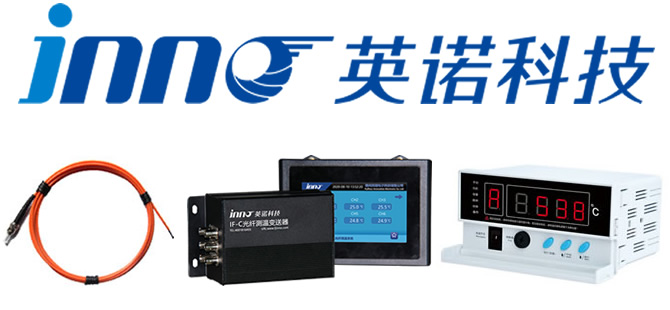
اجزای سیستم
- سنسورهای دمای فیبر نوری فلورسنت – Advanced sensing technology providing direct winding temperature measurement with complete electromagnetic immunity and exceptional high-voltage tolerance for safe operation in energized transformer environments.
- Multi-Parameter Sensor Network – Comprehensive measurement suite including oil temperature sensors, oil level monitors, environmental sensors, ترانسفورماتورهای جریان, and voltage sensors for complete operational visibility across thermal, برقی, and ambient parameters.
- Intelligent Data Acquisition Units – Industrial-grade microprocessor-based controllers with multi-channel input capacity supporting 1 به 64 sensor connections, local data processing, buffering capabilities, and configurable alarm thresholds for edge intelligence.
- Dual-Mode Communication Modules – Redundant connectivity architecture combining 3G/4G cellular and Wi-Fi transmission with automatic failover mechanisms ensuring continuous cloud platform communication even during primary network disruptions.
- Cloud-Based Management Platform – Centralized web interface integrating real-time monitoring dashboards, تحلیل روند تاریخی, automated reporting generation, predictive analytics engines, and mobile app connectivity for remote access from any location.
مزایای کلیدی
- Dramatic Maintenance Cost Reduction – Field-proven 60-80% decrease in routine maintenance expenses through elimination of scheduled site visits, optimized resource allocation, and transition from time-based to condition-based maintenance strategies.
- Enhanced Reliability Performance – Demonstrated 70% reduction in unplanned outages through early fault detection, predictive failure warnings, and proactive maintenance interventions preventing catastrophic equipment failures and customer service disruptions.
- افزایش طول عمر دارایی – Optimal operating condition maintenance and timely corrective actions extend transformer service life by 20-30%, deferring capital replacement expenditures and maximizing return on infrastructure investments.
- Rapid ROI Achievement – Typical payback periods ranging from 4 به 18 months depending on deployment scale and baseline costs, with immediate returns from labor savings, prevented failures, and optimized energy efficiency.
- 24/7 Automated Surveillance – Continuous monitoring with intelligent multi-tier alert systems via SMS, ایمیل, and mobile app notifications ensures critical issues reach appropriate personnel immediately, replacing manual inspection dependency with automated vigilance.
System pricing varies based on sensor selection, معماری ارتباطات, and monitored parameters. Applications span urban distribution networks, تاسیسات صنعتی, ادغام انرژی های تجدیدپذیر, and rural electrification projects. Implementation reduces maintenance costs while extending equipment lifespan by 20-30%, significantly enhancing power supply reliability and grid stability.
فهرست مطالب
- Executive Summary
- Introduction to Intelligent Transformer Monitoring Solutions
- Sensor Technology for Transformer Monitoring
- کاربردها و موارد استفاده
- اصول عملیاتی
- Core Benefits and Advantages
- System Architecture and Specifications
- Pricing Factors and Investment Considerations
- Complete Monitoring Solutions
- مطالعات موردی در دنیای واقعی
- بالا 10 تولید کنندگان جهانی
- سوالات متداول
- محصولات مرتبط
- سلب مسئولیت
Introduction to Intelligent Transformer Monitoring Solutions
What is a Smart Distribution Transformer Monitoring System?
الف smart distribution transformer monitoring system represents an advanced IoT-enabled solution that continuously tracks operational parameters of distribution transformers in real-time. Unlike traditional periodic manual inspections, these automated systems provide 24/7 surveillance, enabling utilities and facility managers to transition from scheduled maintenance to predictive, condition-based strategies. The technology integrates multi-parameter sensors, intelligent data acquisition units, اتصال ابری, and analytics platforms to deliver actionable insights into transformer health and performance.
Core Functionality and Features
Real-time remote monitoring forms the foundation of modern transformer surveillance systems. Advanced microprocessors continuously collect data from multiple sensor inputs, processing information locally before transmitting to centralized management platforms. Anomaly detection algorithms analyze trends and patterns, triggering automated alerts when parameters exceed predefined thresholds or exhibit abnormal behavior patterns.
The paradigm shift from time-based to condition-based maintenance eliminates unnecessary inspections while preventing catastrophic failures through early warning systems. Transformer monitoring equipment optimizes asset lifecycle management by identifying degradation trends before critical failures occur, enabling planned interventions during scheduled outages rather than emergency repairs.
Strategic Value Proposition
پیاده سازی transformer health monitoring systems delivers multiple strategic benefits. Utilities experience dramatic reductions in unplanned outages, with field data showing 70% fewer unexpected failures post-deployment. Maintenance cost optimization reaches 60-80% through elimination of routine site visits and early problem identification. Equipment lifespan extends by 20-30% through optimal operating conditions and timely maintenance interventions. Enhanced supply reliability directly improves customer satisfaction metrics and reduces regulatory penalty exposure.
Sensor Technology for Transformer Monitoring

The Critical Role of Monitoring Sensors
Transformer temperature sensors and other measurement devices serve as the foundational data collection layer within monitoring architectures. Sensor accuracy, قابلیت اطمینان, and environmental compatibility directly determine overall system performance and diagnostic capabilities. Selecting appropriate sensor technologies for specific monitoring requirements represents a critical design decision impacting long-term system effectiveness.
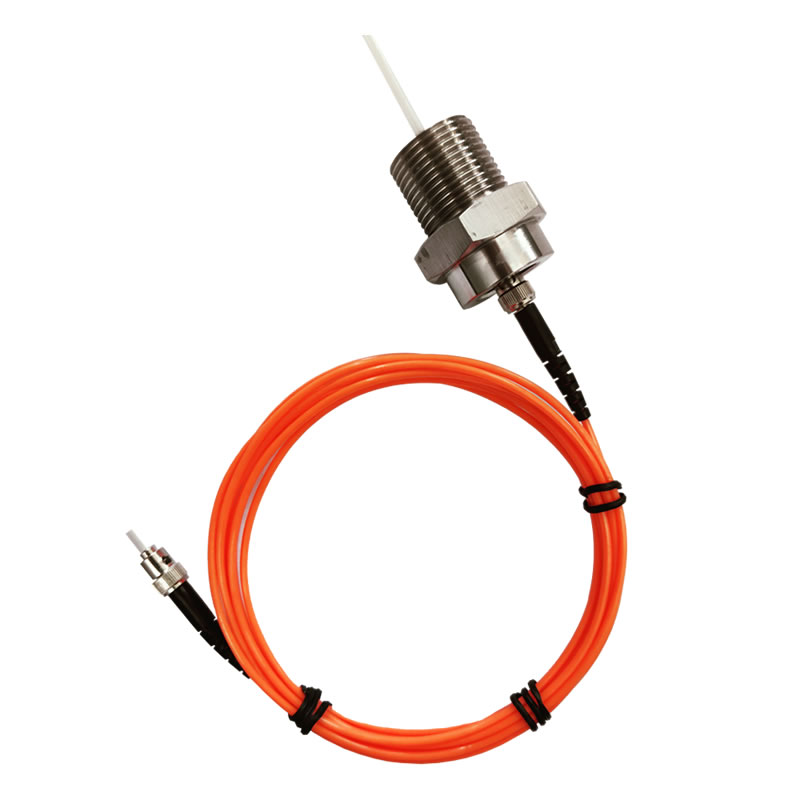
Fluorescent Fiber Optic Winding Temperature Sensors
Simplified Technical Principle
سنسورهای دمای فیبر نوری فلورسنت utilize specialized phosphorescent materials that emit light when excited by optical pulses. زمان فروپاشی فلورسانس به طور قابل پیش بینی با دما متفاوت است, enabling precise thermal measurements. Optical signal transmission eliminates electrical connections, providing inherent immunity to electromagnetic interference while maintaining complete electrical isolation from high-voltage environments.
Key Performance Advantages
These advanced sensors excel in transformer applications due to multiple technical advantages. High-voltage tolerance enables direct installation in energized transformer windings without safety concerns. ایمنی الکترومغناطیسی ensures accurate measurements unaffected by intense magnetic fields surrounding power equipment. Superior insulation properties eliminate ground loop issues and electrical hazards associated with metallic sensors.
Response times under one second enable rapid detection of thermal transients, critical for overload protection. Measurement accuracy of ±1°C supports precise thermal management and regulatory compliance. Extended operational lifespans reduce replacement costs while fiber optic construction ensures long-term calibration stability. Compact transmitter designs facilitate installation in space-constrained environments.
Customizable Specifications
Temperature measurement ranges accommodate diverse applications through custom configurations. Fiber optic cable lengths from 0 به 80 meters enable flexible sensor placement throughout transformer assemblies. Each fiber strand monitors a single hotspot location, with transmitters supporting 1 به 64 channels for comprehensive multi-point temperature mapping across multiple transformers or complex winding configurations.
Complementary Sensor Technologies
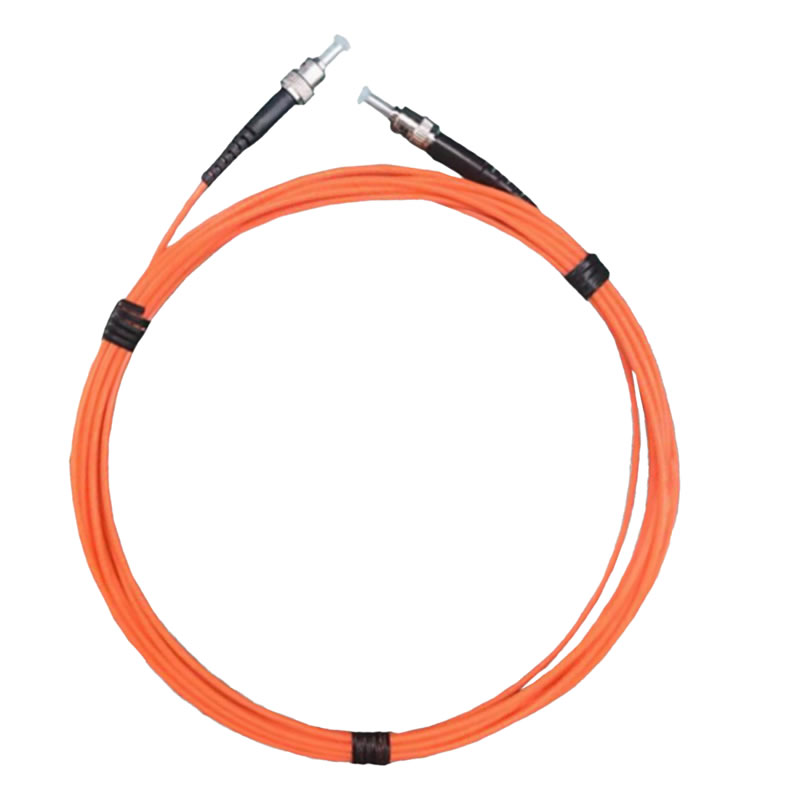
Oil Temperature Measurement Devices
Transformer oil temperature sensors provide critical thermal monitoring of insulating fluids. High-accuracy measurement capabilities ensure early detection of cooling system issues or abnormal thermal conditions. Ruggedized designs with elevated ingress protection ratings withstand harsh outdoor environments. Long-term stability minimizes calibration requirements and maintenance interventions.
Oil Level Monitoring Solutions
Oil level sensors track insulating fluid volumes, identifying leaks or expansion issues before critical levels occur. Both discrete switch-type and continuous analog designs accommodate different monitoring requirements. Stainless steel construction ensures corrosion resistance and extended service life. Multi-state indicators provide clear status information for both automated systems and field personnel.
Environmental Condition Sensors
Integrated temperature and humidity sensors monitor ambient conditions affecting transformer performance and lifespan. Wide measurement ranges accommodate diverse geographic deployments from arctic to tropical environments. Digital output interfaces simplify integration with modern monitoring platforms. Low power consumption supports battery-backed or solar-powered remote installations.
Current Measurement Transformers
ترانسفورماتورهای جریان enable non-invasive electrical current monitoring for load analysis and power quality assessment. Resin-encapsulated designs provide mechanical protection and electrical insulation. Multiple ratio options accommodate various load ranges and accuracy requirements. Compliance with revenue metering standards supports utility billing applications alongside monitoring functions.
Comparative Sensor Analysis
| پارامتر | فیبر نوری فلورسنت | Platinum RTD (PT100) | ترموکوپل |
|---|---|---|---|
| ایمنی EMI | مصونیت کامل | مستعد | مستعد |
| عایق برق | Inherent isolation | Requires barriers | Requires barriers |
| تحمل ولتاژ بالا | عالی | محدود | محدود |
| سرعت پاسخگویی | <1 دوم | Slower | متوسط |
| عمر خدمات | Extended | متوسط | متوسط |
| الزامات تعمیر و نگهداری | حداقل | متوسط | متوسط |
| HV Application Suitability | بهینه | Acceptable | Acceptable |
کاربردها و موارد استفاده
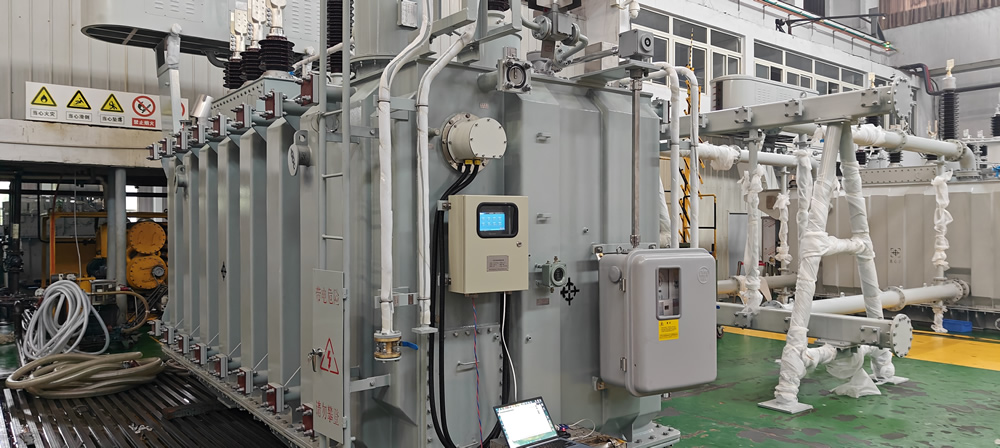
Electric Utility Implementations
مانیتورینگ ترانسفورماتور توزیع empowers grid operators with comprehensive visibility into network assets. Real-time operational data supports optimized dispatch and load management decisions. Power quality surveillance identifies harmonic distortion, voltage fluctuations, and other issues affecting customer equipment. Predictive maintenance algorithms forecast component failures, enabling proactive replacement during planned outages. Asset management systems integrate monitoring data to optimize capital expenditure planning and equipment retirement schedules. Advanced metering infrastructure detects theft and unauthorized connections through load profile analysis.
Equipment Manufacturer Applications
Transformer manufacturers deploy monitoring systems for product validation, تضمین کیفیت, and warranty management. Performance verification under actual operating conditions validates design assumptions and identifies improvement opportunities. Warranty period monitoring reduces false claims while documenting legitimate failures for root cause analysis. Customer feedback through operational data informs next-generation product development and continuous improvement initiatives.
Industrial and Commercial Deployments
Manufacturing facilities, مراکز داده, and critical infrastructure operators utilize نظارت بر وضعیت ترانسفورماتور to ensure business continuity. Production line reliability depends on uninterrupted power supply, making predictive maintenance essential for avoiding costly downtime. Energy management systems optimize consumption patterns and identify efficiency improvement opportunities. Power quality monitoring protects sensitive electronic equipment from voltage events and harmonics.
Research and Educational Uses
Academic institutions and research laboratories employ monitoring systems for instructional demonstrations, transformer characteristic studies, and validation of new diagnostic techniques. Real-time data visualization enhances student understanding of power system operation and equipment behavior under various loading conditions.
Utility Reliability Metrics
Monitoring systems provide automated data collection for calculating SAIFI (System Average Interruption Frequency Index), SAIDI (System Average Interruption Duration Index), and CAIDI (Customer Average Interruption Duration Index). Regulatory reporting requirements and performance-based rate structures depend on accurate reliability metric documentation.
اصول عملیاتی
System Workflow Architecture
را transformer monitoring workflow follows a streamlined data pipeline: sensors continuously measure parameters → microcontroller processes signals → local storage buffers data → communication modules transmit information → cloud platform analyzes trends → user interfaces display insights → alert systems notify personnel → maintenance teams respond to issues.
Enabling Technologies
Multi-parameter real-time acquisition captures comprehensive operational snapshots at configurable intervals. Intelligent edge processing filters noise and compresses data before transmission, optimizing bandwidth utilization. Redundant communication channels ensure data delivery even during primary link failures. Cloud-based analytics platforms apply machine learning algorithms to identify patterns indicating incipient failures. Multi-tier alert escalation procedures ensure appropriate personnel receive timely notifications based on severity levels.
Core Benefits and Advantages
Technical Performance Benefits
High-precision transformer monitoring delivers measurement accuracy necessary for sophisticated diagnostics and regulatory compliance. Comprehensive parameter coverage provides holistic visibility into electrical, حرارتی, and environmental factors affecting equipment health. Dual-channel communication redundancy maximizes uptime and data availability. Advanced analytics transform raw sensor data into actionable intelligence through trend analysis, anomaly detection, and predictive modeling.
Economic and Financial Advantages
Maintenance cost reductions of 60-80% result from eliminating routine inspections and optimizing resource allocation. Outage-related losses decrease substantially through prevention of unplanned failures. Equipment lifespan extensions of 20-30% defer capital replacement expenditures. Enhanced asset utilization improves return on investment through optimized loading within thermal limits.
Operational Management Benefits
Centralized remote management consolidates oversight of geographically distributed assets through single-pane-of-glass interfaces. Data-driven decision making replaces subjective assessments with quantitative analysis. خودکار 24/7 surveillance eliminates dependence on manual inspections and human vigilance. Regulatory compliance documentation generation simplifies audit processes and reporting obligations.
Safety and Risk Mitigation
Intrinsically safe sensor designs eliminate electrical hazards associated with high-voltage measurements. Proactive failure prevention protects personnel from catastrophic equipment failures. Encrypted data transmission safeguards sensitive operational information from unauthorized access.
System Architecture and Specifications
Hardware Component Overview
Transformer monitoring hardware comprises diverse sensor modules measuring thermal, برقی, and environmental parameters. Data acquisition units integrate analog-to-digital conversion, شرطی سازی سیگنال, and local processing capabilities. Dual-mode communication modules support both cellular (3G/4G) and Wi-Fi connectivity for maximum flexibility. Weather-resistant enclosures protect electronics in outdoor installations while facilitating field serviceability.
Software Platform Components
Cloud-based management systems provide scalable infrastructure for data storage, تجزیه و تحلیل, and user access. Mobile applications enable field personnel and managers to access real-time data and historical trends from smartphones and tablets. Data analytics engines apply statistical methods and machine learning models to identify patterns and predict failures. Automated report generation produces compliance documentation, executive summaries, and technical analyses on scheduled or ad-hoc basis.
Typical Deployment Configurations
Basic tier implementations monitor essential parameters like oil temperature and voltage for cost-sensitive applications. Standard configurations add comprehensive electrical metering, environmental sensors, and winding temperature monitoring. Premium deployments incorporate advanced analytics, dissolved gas analysis integration, and sophisticated predictive maintenance algorithms.
Pricing Factors and Investment Considerations
Hardware Cost Determinants
Sensor selection significantly impacts project budgets, با سنسورهای دمای فیبر نوری commanding premium pricing compared to conventional technologies. The number and variety of monitored parameters directly correlates with hardware costs. Data acquisition unit specifications including processing power, I/O capacity, and memory influence pricing. Communication module configuration for cellular, satellite, or radio networks affects initial investment and recurring charges. Enclosure quality, ingress protection ratings, and environmental ratings vary across price points.
Software and Service Cost Factors
Cloud platform service tiers range from basic data storage to advanced analytics and machine learning capabilities. Mobile application feature sets impact licensing costs, with enterprise-grade security and customization commanding premiums. Installation and commissioning services vary based on project complexity and site accessibility. Training programs and ongoing technical support represent important lifecycle cost considerations.
Project Scale and Economies
Volume purchasing agreements reduce per-unit costs for large deployments across multiple sites. Custom engineering for specialized requirements may increase initial costs but optimize long-term performance. Optional advanced features like video integration, drone inspection coordination, or SCADA interface development affect total project investment.
Return on Investment Analysis
Labor cost savings from reduced site visits and automated reporting provide immediate returns. Prevented failure costs including emergency repairs, load shedding penalties, and customer compensation represent substantial savings. Energy efficiency improvements through optimized loading and reduced losses contribute to ongoing operational savings. Typical payback periods range from 4 به 18 months depending on deployment scale and baseline maintenance costs.
Complete Monitoring Solutions
Application-Specific Solutions
Urban distribution network implementations prioritize communication reliability, امنیت سایبری, and integration with existing SCADA infrastructure. Rural electrification projects emphasize autonomous operation, solar power compatibility, and satellite communication backup. Industrial facility solutions focus on power quality monitoring, harmonic analysis, و ادغام با سیستم های مدیریت ساختمان. Renewable energy interconnection applications require advanced power flow monitoring, reactive power control, and grid code compliance documentation.
Implementation Methodology
Requirements assessment workshops identify critical parameters, communication constraints, and integration needs. System installation follows structured deployment plans minimizing transformer downtime. Commissioning procedures verify sensor accuracy, communication reliability, and alert function operation. Ongoing operational support includes remote monitoring, به روز رسانی نرم افزار, and periodic performance optimization.
قابلیت های سفارشی سازی
Hardware customization accommodates non-standard transformer configurations, environmental extremes, or specialized measurement requirements. Software tailoring delivers custom dashboards, integration with proprietary systems, and specialized reporting formats. Turnkey system integration services encompass design, procurement, نصب, and commissioning under single-source responsibility.
مطالعات موردی در دنیای واقعی
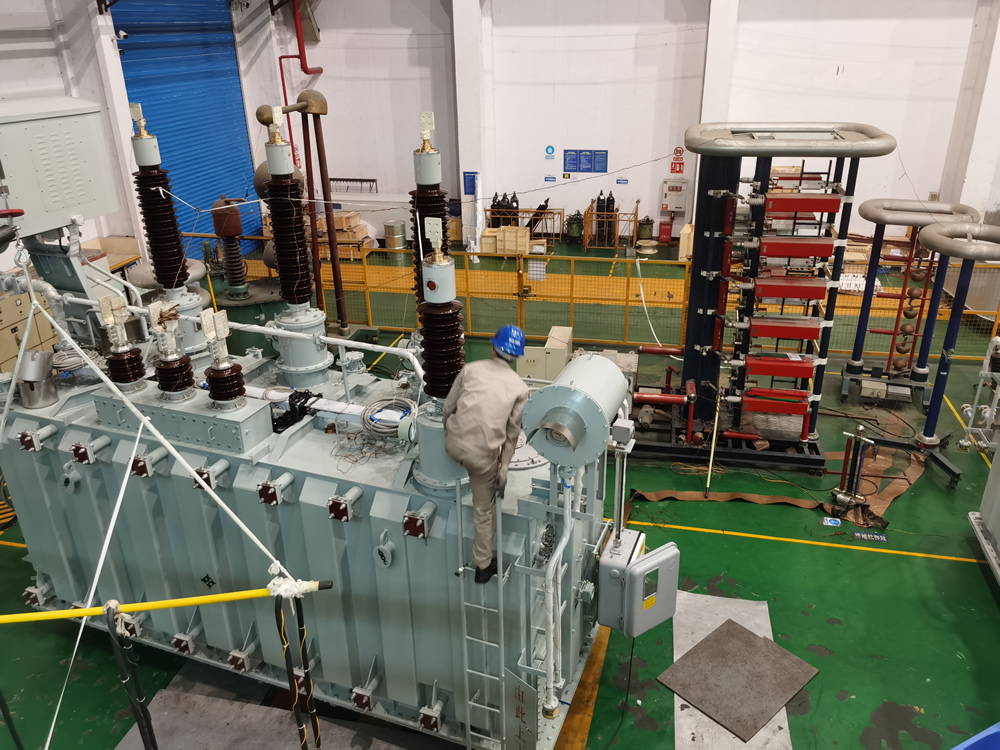
مطالعه موردی: Urban Electric Utility
A major metropolitan utility deployed سیستم های مانیتورینگ ترانسفورماتور در سراسر 500 distribution transformers serving critical commercial and residential areas. The large-scale implementation achieved 75% reduction in routine maintenance costs through elimination of monthly site visits. Fault response time decreased 79% through automated alerts enabling rapid crew dispatch. Unplanned outage frequency dropped 68% year-over-year through predictive maintenance interventions.
مطالعه موردی: Manufacturing Complex
An automotive manufacturing facility implemented comprehensive monitoring on 15 critical transformers supporting production lines. Energy management optimization through load balancing and power factor correction yielded measurable cost savings. Production downtime from electrical failures decreased to near-zero levels. Investment payback occurred within 8 months through avoided production losses and reduced maintenance contractor expenses.
مطالعه موردی: Rural Cooperative
A rural electric cooperative serving mountainous terrain deployed satellite-connected monitoring systems across 200 remote transformer installations. The solution eliminated costly and time-consuming site visits over difficult terrain. Supply reliability metrics improved significantly, enhancing customer satisfaction scores. Regulatory compliance documentation became automated, reducing administrative burden.
بالا 10 تولید کنندگان جهانی

Industry-Leading Suppliers
1. Fuzhou INNO – چین
Specializes in advanced سنجش دمای فیبر نوری فلورسنت technology with industry-leading high-voltage performance. Transmitter platforms support 1 به 64 channels with flexible configuration options. Extensive customization capabilities address specialized measurement requirements. Competitive pricing delivers strong value propositions for budget-conscious deployments.
2. ABB – سوئیس
Global electrical equipment leader offering comprehensive راه حل های مانیتورینگ ترانسفورماتور integrated with broader grid management portfolios. Deep technical expertise and worldwide service networks support large utility deployments.
3. اشنایدر الکتریک – فرانسه
Energy management specialists providing end-to-end solutions from sensors through enterprise analytics platforms. Ecosystem approach facilitates integration across facility management systems.
4. زیمنس – آلمان
Industrial automation experience translates to robust monitoring solutions with proven reliability. Complete product lines address applications from small commercial units to utility-scale transformers.
5. GE Digital – ایالات متحده
Industrial Internet platform capabilities enable sophisticated predictive analytics and machine learning applications. Advanced data visualization and decision support tools.
6. ایتون – Ireland
Cost-effective solutions balanced with reliable performance for mid-market applications. Strong presence in commercial and light industrial segments.
7. Huawei – چین
Communication technology leadership translates to advanced connectivity solutions for remote monitoring. 5G and IoT platform integration capabilities.
8. NARI Technology – چین
Preferred supplier for Chinese State Grid with strong domestic market presence. Deep understanding of utility operational requirements and regulatory frameworks.
9. هیتاچی انرژی – Japan/Switzerland
Technical heritage combining Japanese manufacturing excellence with European engineering standards. Innovation in digital transformer technologies.
10. LS Electric – کره جنوبی
Active throughout Asian markets with growing international presence. Competitive solutions for emerging market deployments.
سوالات متداول

What parameters can transformer monitoring systems track?
Modern monitoring systems measure three primary parameter categories. Physical parameters include winding temperatures, دمای روغن, oil levels, دمای محیط, و رطوبت. Electrical parameters encompass voltage, جاری, قدرت (فعال, واکنش پذیر, آشکار), فرکانس, هارمونیک ها, و ضریب قدرت. Demand parameters track peak demand, بارگذاری پروفایل ها, مصرف انرژی, and calculated losses.
What makes سنسورهای فیبر نوری فلورسنت ideal for transformers?
Fiber optic sensing technology excels in transformer environments due to multiple inherent advantages. High-voltage tolerance enables safe operation in energized equipment without electrical isolation barriers. Complete electromagnetic immunity ensures accurate measurements unaffected by intense magnetic fields. Superior electrical insulation eliminates ground loops and shock hazards. Sub-second response times enable rapid transient detection. High measurement accuracy supports precise thermal management. Extended service life reduces long-term ownership costs. Maintenance-free operation minimizes lifecycle expenses.
How do monitoring systems communicate in remote locations?
Multiple communication technologies accommodate diverse deployment environments. Standard installations utilize 3G/4G cellular plus Wi-Fi for redundant connectivity. Remote areas leverage LoRaWAN mesh networks, NB-IoT narrowband cellular, or satellite terminals. Hybrid approaches combine multiple technologies based on site-specific constraints and reliability requirements.
What alert mechanisms do systems provide?
Multi-channel notification systems ensure critical alerts reach appropriate personnel. Alert delivery methods include SMS text messages, email notifications, mobile app push notifications, and optional voice calls. Four-tier severity classification (informational, هشدار, انتقادی, اضطراری) enables graduated responses. Intelligent features include user-configurable thresholds, escalation procedures for unacknowledged alerts, and repeat alert suppression to prevent notification fatigue.
Does installation require transformer outages?
Installation requirements vary by sensor type and configuration. Many sensors including oil temperature, سطح روغن, and environmental monitors install without de-energization. Current transformers and certain winding temperature sensors require brief planned outages. Typical installation durations range from 2 به 6 hours per transformer depending on complexity and site conditions.
How is data security maintained?
Multi-layered security architecture protects sensitive operational data. Encrypted transmission using SSL/TLS protocols secures data in transit. Cloud storage employs encryption-at-rest for stored information. Multi-factor authentication prevents unauthorized access. Role-based access controls limit data visibility based on user responsibilities. Compliance with information security standards including ISO 27001 and utility-specific cybersecurity requirements.
What are typical ROI timelines?
Return on investment periods vary by application and baseline costs. Industrial facilities typically achieve payback within 3 به 6 months through avoided downtime. Rural utilities experience 6 به 12 month returns from reduced site visit costs. Urban distribution networks see 12 به 20 month payback through comprehensive benefits including reduced labor, prevented failures, and optimized asset utilization.
Can systems integrate with existing infrastructure?
Comprehensive protocol support enables integration with legacy and modern systems. Standard industrial protocols include Modbus RTU/TCP, IEC 61850, DNP3, و OPC UA. SCADA and EMS system connectivity through standard interfaces or custom gateways. RESTful APIs facilitate integration with enterprise IT systems and custom applications. Typical integration projects complete within 3 به 4 weeks including testing and validation.
What transformer types are compatible?
Monitoring solutions accommodate diverse transformer populations. Voltage class compatibility spans 0.4kV low-voltage through 220kV transmission-class equipment. Capacity range extends from 50kVA distribution units to 31,500kVA large power transformers. Technology compatibility includes oil-immersed, نوع خشک, and pad-mounted configurations. Universal designs work with all major manufacturer brands and vintages.
What maintenance do systems require?
Low-maintenance designs minimize operational burden. Routine operation requires only periodic data review with no field maintenance. Annual calibration verification ensures measurement accuracy. Standard warranty coverage provides 2 years protection with extended warranty options available. Remote technical support operates 24/7 for troubleshooting and configuration assistance.
محصولات مرتبط
سنسورهای دمای فیبر نوری فلورسنت – Specialized transformer winding monitoring with high-voltage tolerance and electromagnetic immunity. Fully customizable configurations for diverse applications.
Oil Temperature Sensors – High-accuracy thermal monitoring of insulating fluids with long-term stability and minimal drift.
سنسورهای سطح روغن – Reliable fluid level monitoring with multiple output options and weather-resistant construction.
Environmental Sensors – Integrated temperature and humidity measurement with flexible mounting options and digital interfaces.
Distribution Network Monitoring Solutions – Complete turnkey systems with proven deployment experience and comprehensive support services.
Cloud Platform Services – Enterprise-grade analytics and visualization with scalable architecture and free trial programs.
سلب مسئولیت
Information provided is for reference purposes only. Product specifications and technical details are subject to change. Please contact manufacturers directly to discuss specific requirements and obtain customized solutions.

سنسور دمای فیبر نوری, سیستم مانیتورینگ هوشمند, تولید کننده فیبر نوری توزیع شده در چین
|
 |
 |