 Sensores de temperatura de fibra óptica INNO ,sistemas de monitoreo de temperatura.
- Sensores de rejilla de fibra de Bragg Incluye cinco tipos principales. – temperatura, cepa, presión, desplazamiento, y sensores de aceleración, Los precios varían significativamente según los parámetros de medición y las configuraciones de embalaje.
- Sistemas de detección FBG debe trabajar junto con interrogadores de fibra óptica, Los costos del interrogador generalmente representan 50-70% de la inversión total del sistema
- Sensores de temperatura FBG Se utilizan ampliamente en el monitoreo de equipos de energía eléctrica, incluidos transformadores., aparamenta, y estatores y rotores de generadores, ofreciendo distintas ventajas junto con sensores de temperatura de fibra óptica fluorescentes
- Las compras al por mayor de sensores estándar pueden lograr 30-50% descuentos de precios, mientras que el desarrollo personalizado requiere la consideración de cantidades mínimas de pedido y cronogramas de desarrollo
- La selección de tipos de sensores y configuraciones de interrogadores apropiados para diferentes escenarios de aplicación optimiza de manera efectiva la relación costo-rendimiento del sistema y el retorno de la inversión a largo plazo.
- What Are the Main Types of Fiber Bragg Grating Sensors and Their Price Differences?
- How Does FBG Interrogator System Cost Affect Overall Monitoring Budget?
- What Makes FBG Temperature Sensors Ideal for Electrical Power Equipment Monitoring?
- How Do FBG Temperature Sensors Compare with Fluorescent Fiber Optic Sensors in Power Applications?
- What Factors Influence FBG Sensor System Pricing for Different Monitoring Applications?
- How Do Purchase Quantity and Customization Requirements Affect FBG Sensor Pricing?
- What Are the Total System Costs Including Sensors, Interrogators, and Installation?
- Frequently Asked Questions About Fiber Bragg Grating Sensor Pricing
- Where to Purchase Cost-Effective FBG Sensors with Fast Global Delivery and Professional Support?
What Are the Main Types of Sensores de rejilla de fibra de Bragg and Their Price Differences?
FBG temperature sensors characteristics and price ranges
Sensores de temperatura de rejilla de fibra de Bragg represent the most commonly deployed FBG sensor type in industrial monitoring applications. The pricing structure varies considerably between bare fiber FBG sensors and packaged configurations. Bare fiber temperature sensors offer the most economical option for applications where direct fiber installation is feasible. Packaged temperature sensors with protective housings command higher prices but provide enhanced durability and easier installation in harsh industrial environments.
Temperature measurement range significantly impacts sensor pricing. Standard range sensors operating from -40°C to 300°C serve most industrial applications at moderate price points. High-temperature variants designed for 400°C to 800°C operation require specialized fiber coatings and protective packaging, resulting in substantially higher costs. For electrical power equipment monitoring, point-type temperature sensors and distributed temperature sensing arrays each offer distinct advantages. Single-point sensors provide the most economical solution for monitoring specific hotspots, while multi-point arrays enable comprehensive temperature profiling along transformer windings or cable routes. The per-sensor unit cost decreases significantly when deploying arrays of 8, 16, o 32 sensors on a single fiber.
| Tipo de sensor | Rango de medición | Aplicaciones típicas | Price Characteristics |
|---|---|---|---|
| FBG Temperature Sensor | -40°C a 800°C | Transformador, aparamenta, monitoreo del generador | Base reference price, varies with temperature range |
| FBG Strain Sensor | ±3000 microstrain | Bridge monitoring, evaluación de salud estructural | 20-40% higher than temperature sensors |
| FBG Pressure Sensor | 0-100 MPa | Pipeline pressure, sistemas hidráulicos | 50-80% higher due to complex packaging |
| FBG Displacement Sensor | 0.1mm a 100 mm | Settlement monitoring, crack detection | 30-60% premium for precision mechanics |
| FBG Acceleration Sensor | 0.1Hz to 1kHz | Monitoreo de vibraciones, seismic detection | Highest price tier, 2-3x temperature sensors |
Price gradients across strain, presión, desplazamiento, and acceleration FBG sensors
Sensores de tensión FBG designed for structural health monitoring incorporate specialized packaging to ensure accurate strain transfer from monitored structures to the fiber Bragg grating. Surface-mounted strain sensors, embedable sensors, and bolt-type strain sensors each employ different packaging approaches affecting pricing. These sensors typically command 20-40% price premiums over basic temperature sensors due to more sophisticated mechanical designs and calibration requirements.
Fiber Bragg grating pressure sensors transform pressure into strain through precision-machined diaphragms or bourdon tubes. Pressure range from 0-10 MPa to 0-100 MPa influences both sensor design complexity and cost. These sensors represent a higher price tier, a menudo 50-80% more expensive than temperature sensors, reflecting the engineering challenges of accurate pressure-to-strain conversion and hermetic sealing requirements.
FBG displacement sensors y acceleration sensors occupy specialized niches in monitoring applications. Displacement sensors employ cantilever beams or spring mechanisms to convert linear motion into measurable strain, with millimeter-level to centimeter-level ranges. Acceleration sensors for vibration monitoring utilize proof mass designs that translate acceleration into fiber strain. These sensors command premium pricing, with acceleration sensors often costing 2-3 times basic temperature sensors due to sophisticated mechanical assemblies and dynamic calibration needs. When planning monitoring systems, understanding these price relationships helps optimize sensor selection based on actual measurement requirements and budget constraints.
¿Cómo funciona? FBG Interrogator System Cost Affect Overall Monitoring Budget?
Why FBG sensors require interrogator systems for operation
El fiber Bragg grating sensing principle relies on wavelength shift detection to measure physical parameters. When temperature, cepa, or pressure changes, the Bragg wavelength of the grating shifts proportionally. This wavelength information must be accurately measured and converted into engineering units, a function performed exclusively by interrogadores de fibra óptica. Unlike traditional sensors that output simple voltage or current signals, FBG sensors are passive optical devices requiring sophisticated interrogation equipment.
The relationship between sensor quantity and interrogator channel count directly impacts system architecture and costs. Each interrogator channel can typically monitor 4 a 16 individual FBG sensors multiplexed on a single fiber, depending on wavelength spacing and interrogator specifications. For monitoring systems with 10-20 sensores, a single 4-channel or 8-channel interrogator suffices. Larger deployments with 50-200 sensors require either multiple interrogators or high-channel-count units. críticamente, interrogator costs represent 50-70% of total FBG monitoring system investment, making interrogator selection a primary budget consideration.
| Interrogator Configuration | Conteo de canales | Sensors Per Channel | Total Sensor Capacity | Relative Price Range |
|---|---|---|---|---|
| Single-channel portable | 1 | 8-16 | 8-16 sensores | Base reference |
| 4-channel benchtop | 4 | 8-16 | 32-64 sensores | 2.5-3x single channel |
| 8-channel rack-mount | 8 | 8-16 | 64-128 sensores | 4-5x single channel |
| 16-channel system | 16 | 8-16 | 128-256 sensores | 7-9x single channel |
Price variations across different interrogator configurations
Interrogator pricing scales with channel count, though not in simple linear fashion. A 4-channel interrogator typically costs 2.5-3 times a single-channel unit, while an 8-channel system reaches 4-5 times the base price. This non-linear scaling creates opportunities for cost optimization. For projects requiring 20-30 sensores, deploying one 8-channel interrogator often proves more economical than purchasing multiple 4-channel units, while also simplifying system integration and maintenance.
Portable interrogators versus rack-mount multi-channel systems serve different application scenarios and price points. Portable units offer mobility and ease of deployment for temporary monitoring campaigns, field testing, or periodic inspections. Estos sistemas sacrifican el número de canales y algunas funciones avanzadas para lograr portabilidad y menor costo.. Los sistemas de montaje en bastidor diseñados para instalaciones permanentes proporcionan una mayor densidad de canales, velocidades de escaneo más rápidas, y una mayor estabilidad a largo plazo. Grandes proyectos de vigilancia de puentes, represas, o las centrales eléctricas normalmente justifican una mayor inversión en interrogadores montados en bastidor gracias a su rendimiento y escalabilidad superiores.
¿Qué hace? Sensores de temperatura FBG Ideal para monitoreo de equipos de energía eléctrica?
Monitoreo de la temperatura del núcleo y del devanado del transformador con soluciones de sensores FBG
Monitoreo de temperatura del transformador de potencia representa una de las aplicaciones comerciales más exitosas de tecnología de rejilla de Bragg de fibra. Las temperaturas de los puntos calientes del transformador se correlacionan directamente con las tasas de degradación del aislamiento y la vida útil restante. Detectores de temperatura de resistencia tradicionales (RTD) y los termopares enfrentan desafíos de instalación dentro de los devanados del transformador y posibles interferencias electromagnéticas de componentes de alto voltaje. Los sensores FBG eliminan estas limitaciones gracias a su construcción totalmente dieléctrica y su inmunidad a los campos electromagnéticos..
Los requisitos de cantidad y ubicación del sensor varían según el tamaño del transformador y la clase de voltaje.. Los transformadores de distribución de media tensión suelen desplegar 4-8 Sensores de temperatura que controlan el aceite superior., aceite de fondo, y puntos de acceso sinuosos. Los grandes transformadores de potencia en subestaciones pueden requerir 16-32 Sensores para un mapeo térmico completo de múltiples secciones de devanado y temperaturas centrales.. Los transformadores sumergidos en aceite y los transformadores de tipo seco presentan diferentes consideraciones de instalación. Las unidades sumergidas en aceite permiten colocar sensores directamente dentro de los conductos de aceite y entre capas de bobinado.. Dry-type transformers require surface-mounted or embedded sensors with appropriate encapsulation for the air-cooled environment.
Multi-point temperature sensing arrays deployed along transformer windings provide detailed thermal profiles impossible to achieve with conventional point sensors. A single optical fiber carrying 8 o 16 FBG sensors can monitor temperature distribution across the entire height of a winding, detecting localized hotspots that might otherwise go unnoticed. System budget planning for transformer monitoring projects must account for both sensors and interrogator costs. A typical 110kV transformer monitoring system with 16 temperature sensors requires an 8-channel interrogator, with interrogator investment representing the majority of system cost. The ROI derives from preventing catastrophic failures and optimizing transformer loading based on real thermal conditions rather than conservative assumptions.
Switchgear contact and generator stator rotor temperature monitoring applications
High-voltage switchgear monitoring focuses on busbar connections and circuit breaker contacts where poor electrical connections generate excessive heat. Temperature rises of 10-20°C above ambient indicate developing problems requiring maintenance intervention. Sensores de temperatura FBG mount directly on busbar joints and cable terminations, providing continuous monitoring without safety concerns related to electrical isolation. Switchgear applications typically require fewer sensors per installation (4-12 sensores) but may involve hundreds of switchgear panels across substations, creating opportunities for standardized bulk procurement.
Monitoreo de temperatura del devanado del estator del generador enhances both protection and efficiency of rotating electrical machines. Stator winding sensors install between coils or within winding slots, measuring temperatures during operation. The all-dielectric nature of fiber optic sensors eliminates grounding and insulation concerns inherent to metallic temperature sensors in high-voltage windings. Generator stator monitoring systems commonly deploy 12-24 sensors distributed across different winding phases and locations to detect unbalanced loading, cooling system problems, o degradación del aislamiento.
Generator rotor temperature monitoring presents unique challenges due to the rotating shaft. Fiber optic slip rings or wireless interrogation systems enable continuous rotor temperature measurement during operation. While technically more complex and costly than stator monitoring, rotor temperature data provides critical insights into cooling effectiveness and electromagnetic balance. Complete generator monitoring solutions combining stator and rotor temperature sensing with vibration monitoring create comprehensive condition assessment systems. Investment scales with generator size and criticality, with large power plant generators justifying sophisticated multi-parameter FBG monitoring systems through improved reliability and optimized maintenance scheduling.

¿Cómo hacerlo? Sensores de temperatura FBG Compare with Sensores de fibra óptica fluorescentes in Power Applications?
Technical characteristics of FBG and fluorescent fiber temperature sensing
Sensores de temperatura de rejilla de fibra de Bragg operate on the principle of wavelength-encoded measurement. Temperature changes cause the Bragg grating period to expand or contract, cambiando la longitud de onda reflejada. This wavelength shift is measured by the interrogator and converted to temperature. The wavelength-based measurement provides inherent self-referencing, as the information is encoded in the wavelength itself rather than signal amplitude. This characteristic delivers excellent long-term stability and immunity to optical power fluctuations from fiber bending, pérdidas del conector, or light source variations.
A key advantage of Tecnología de detección FBG lies in its multi-parameter measurement capability. A single FBG sensor responds to both temperature and strain, enabling simultaneous measurement of these parameters through appropriate sensor designs or dual-sensor configurations. Además, multiple FBG sensors at different wavelengths can be multiplexed on one fiber, creating distributed sensing arrays. This multiplexing capability makes FBG systems particularly attractive for applications requiring numerous measurement points, tales como perfiles de temperatura del devanado del transformador o monitoreo del estator del generador en múltiples zonas.
Sensores de temperatura de fibra óptica fluorescentes utilizar la vida útil de fluorescencia dependiente de la temperatura de materiales dopados con tierras raras. Cuando se excita con luz LED o láser, El material fluorescente emite luz con un tiempo de desintegración que varía con la temperatura.. Midiendo este tiempo de descomposición, el sensor determina la temperatura independientemente de las fluctuaciones de la intensidad de la luz. Este principio de medición basado en el tiempo proporciona una buena inmunidad al ruido y un funcionamiento estable..
La fuerza principal de detección de fibra fluorescente radica en su simplicidad de medición puntual. Cada sensor fluorescente funciona de forma independiente sin preocuparse por la asignación de longitudes de onda o la superposición espectral.. La arquitectura del sistema sigue siendo sencilla, con electrónica dedicada para cada punto de detección. The point-measurement approach suits applications requiring monitoring of specific locations rather than distributed temperature profiles. Installation and commissioning procedures are generally simpler than FBG systems, particularly for smaller deployments with 4-8 puntos de medición. Fluorescent sensors also demonstrate robust performance in environments with high electromagnetic interference, making them suitable for power equipment applications.
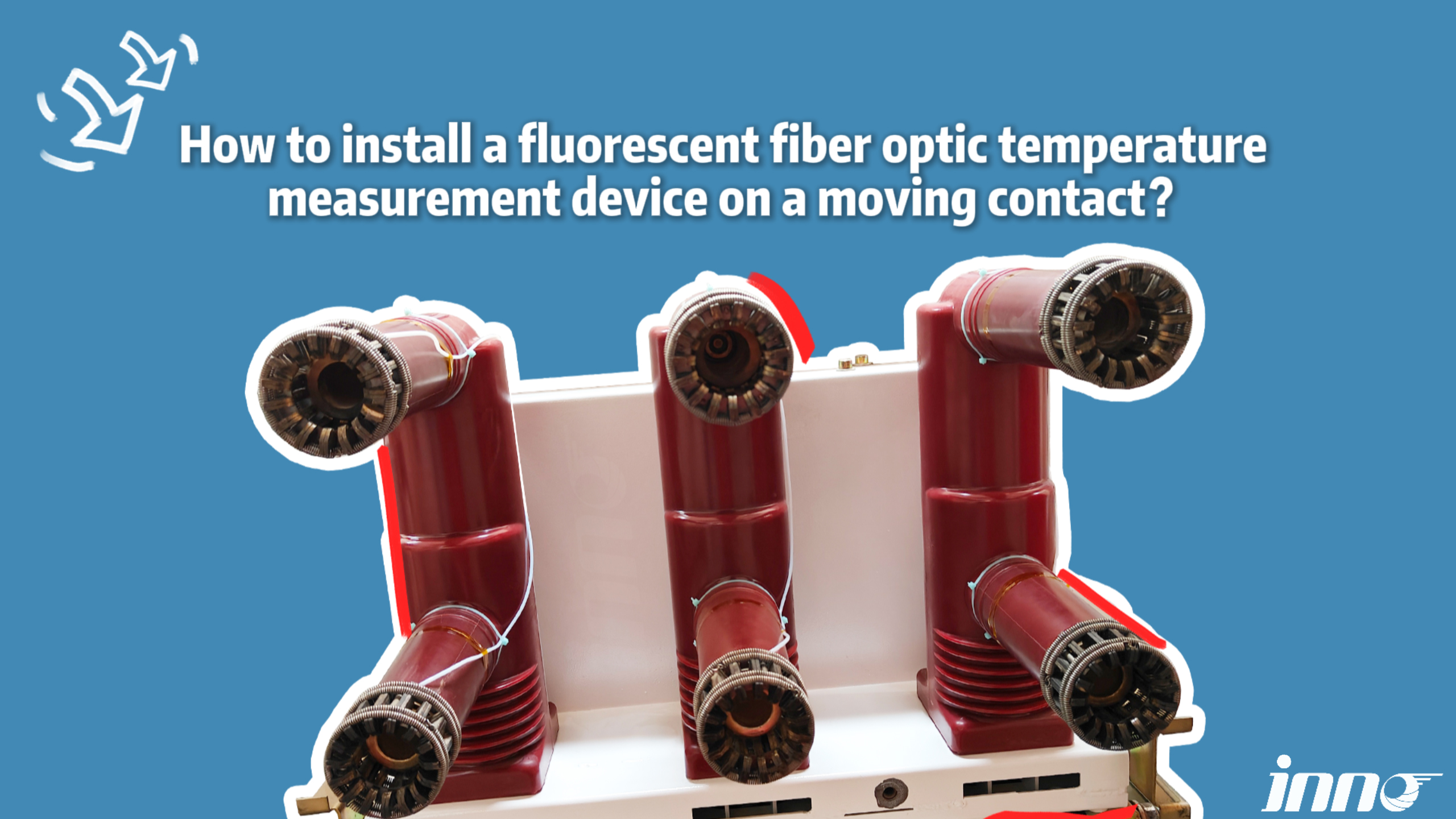
Price considerations and application recommendations for power equipment monitoring
Para monitoreo de temperatura del transformador aplicaciones, technology selection balances measurement requirements against system costs. FBG multi-point sensing arrays excel when comprehensive winding temperature profiling is needed. A 16-point FBG array on a single fiber, interrogated by one channel of an 8-channel interrogator, provides detailed thermal mapping at a reasonable per-point cost. The system scales efficiently to monitor multiple transformers, with each transformer connected to a dedicated interrogator channel. This approach proves most cost-effective for monitoring 3 or more transformers with 12-16 puntos cada uno.
Fluorescent fiber point sensors offer advantages for simpler transformer monitoring requirements. If the goal is tracking 4-6 critical hotspot temperatures per transformer, individual fluorescent sensors with dedicated electronics may provide a more economical solution. System costs remain relatively constant regardless of transformer count, as each sensing point requires its own electronics. This characteristic makes fluorescent systems competitive for single-transformer installations or applications monitoring only the most critical temperature points.
Switchgear and generator monitoring applications often favor specific technologies based on installation constraints and monitoring scope. Switchgear busbar monitoring typically involves numerous switchgear cabinets, each requiring 2-4 puntos de temperatura. FBG systems shine in this scenario, with a single interrogator monitoring sensors across 10-20 switchgear panels via multiplexed fiber networks. Generator applications show more variation. Stator winding monitoring with 12-24 points benefits from FBG multiplexing, while simple bearing temperature monitoring with 4-6 points may suit fluorescent sensors equally well.
Long-term operational considerations also influence technology selection. FBG systems require periodic interrogator calibration but sensor elements remain stable indefinitely. Fluorescent systems need occasional recalibration of both electronics and sensors. Maintenance access and spare parts availability factor into total cost of ownership calculations. Project-specific factors including number of monitoring points, spatial distribution, infraestructura existente, and expansion plans all contribute to optimal technology selection. Both FBG and fluorescent fiber sensing deliver reliable power equipment temperature monitoring when properly applied to appropriate use cases.
What Factors Influence FBG Sensor System Pricing for Different Monitoring Applications?
Structural health monitoring and industrial equipment applications
Bridge and building monitoring projects utilize Sensores de tensión FBG y sensores de desplazamiento to track structural behavior under load and environmental conditions. A typical bridge monitoring system deploys 30-60 strain sensors at critical locations including mid-span sections, support bearings, and cable anchorages. System investment scales with structure size and monitoring complexity, with interrogator costs dominating the budget for installations under 100 sensores.
Rotating equipment vibration monitoring y pipeline pressure sensing represent growing industrial applications. FBG acceleration sensors mounted on pump housings, turbine bearings, or motor frames detect abnormal vibrations indicating developing mechanical problems. Pipeline pressure sensors track hydraulic transients and steady-state pressures in oil, gas, and water distribution systems. These industrial applications typically involve smaller sensor counts (10-30 sensores) but may require higher scanning rates or specialized packaging, influencing overall system pricing and configuration.
How Do Purchase Quantity and Customization Requirements Affect FBG Sensor Pricing?
Standard versus custom sensor pricing and volume discounts
Standard catalog products including common temperature sensors and strain sensors benefit from manufacturing economies of scale, offering the most attractive pricing for immediate delivery. Custom wavelengths, specialized packaging, or non-standard fiber lengths incur development costs and minimum order requirements, típicamente 50-100 units for custom configurations.
Volume pricing creates significant cost advantages for larger projects. Small quantity purchases of 10-50 sensors receive minimal discounts, mientras 100-500 unit orders achieve 20-30% reductions. Orders exceeding 1000 sensors can negotiate 30-50% discounts along with preferential delivery terms. Long-term supply agreements and annual purchase commitments unlock additional pricing benefits and inventory management services for ongoing monitoring programs across multiple sites.
What Are the Total System Costs Including Sensors, Interrogators, and Installation?
Small and large-scale monitoring system budget planning
Small monitoring systems with 10-20 sensors require one 4-channel or 8-channel interrogator, sensores, cables de fibra optica, conectores, and protective conduits. Software licensing, mano de obra de instalación, and operator training add to capital costs. For a 16-point temperature monitoring system, interrogator investment represents 60-70% of total cost, sensors account for 20-25%, and accessories plus installation comprise the remainder.
Larger deployments with 50-200 sensors achieve better per-point economics through interrogator channel utilization and bulk sensor pricing. Multi-interrogator systems or high-channel-count units optimize costs while maintaining system reliability through appropriate redundancy. Full lifecycle cost analysis over 10-25 year operational periods demonstrates FBG system advantages. Zero sensor drift eliminates periodic recalibration expenses, while solid-state interrogators require minimal maintenance compared to traditional data acquisition systems. These long-term operational savings often justify higher initial FBG system investment versus conventional sensing technologies.
Preguntas frecuentes sobre Fiber Bragg Grating Sensor Pricing
Why do FBG sensors require interrogators and what percentage of budget do they represent?
El fiber Bragg grating sensing principle measures physical parameters through wavelength shifts that must be detected and quantified by specialized interrogation equipment. Unlike analog sensors producing simple electrical signals, FBG sensors are passive optical devices requiring sophisticated wavelength measurement systems. Interrogator costs typically represent 50-70% of total FBG monitoring system investment, making interrogator selection critical to budget planning. This high percentage reflects the advanced optoelectronics, high-precision wavelength measurement capabilities, and multi-channel processing required for professional monitoring applications.
How much do prices vary between different FBG sensor types like temperature, cepa, and pressure sensors?
Measurement parameter and packaging complexity determine FBG sensor pricing gradients. Sensores de temperatura serve as the baseline price reference, offering the simplest construction with fiber gratings in protective tubes or surface mounts. Strain sensors costo 20-40% more due to sophisticated strain transfer mechanisms and calibration requirements. Pressure sensors command 50-80% premiums reflecting precision-machined pressure-to-strain conversion elements and hermetic sealing. Acceleration sensors occupy the highest price tier at 2-3 times temperature sensor costs, incorporating complex proof mass assemblies and dynamic calibration. Understanding these relationships helps optimize sensor selection based on actual measurement needs rather than over-specifying capabilities.
Which technology suits power equipment monitoring better – FBG temperature sensors or fluorescent fiber sensors?
Technology selection depends on specific monitoring requirements and system scope. Detección de temperatura FBG excels for multi-point distributed monitoring applications. Transformer winding profiling with 12-16 puntos de temperatura, or monitoring multiple transformers from a central interrogator, leverages FBG’s multiplexing advantages. The ability to combine temperature sensing with strain or vibration measurements on the same fiber further enhances FBG value in complex monitoring scenarios. Sensores de fibra óptica fluorescentes offer straightforward solutions for point temperature measurements. Simple monitoring of 4-6 critical temperatures per transformer or switchgear panel may prove more economical with fluorescent sensors, particularly for single-unit installations. Both technologies deliver reliable power equipment monitoring when matched to appropriate applications.
Where to Purchase Cost-Effective Sensores FBG with Fast Global Delivery and Professional Support?
We specialize in manufacturing and supplying fiber Bragg grating sensing systems to customers worldwide, offering comprehensive solutions including temperature, cepa, presión, desplazamiento, and acceleration sensors paired with multi-channel interrogators. Nuestro precio directo del fabricante ofrece 30-50% cost advantages versus comparable international brands by eliminating distributor markups. We maintain extensive inventory of standard sensors and interrogators in multiple configurations, habilitando 3-5 business day shipment for stock items and 15-20 day delivery for custom specifications. All products carry FM, UL, CE, and ISO certifications ensuring quality and reliability for critical monitoring applications. Our global logistics network supports DHL, FedEx, and UPS express shipping with real-time tracking to any destination. El soporte técnico funciona. 24/7 via email, chat, and video conferencing in multiple languages, con tiempos de respuesta promedio inferiores 2 hours and emergency support within 30 minutos. We provide free application engineering assistance for sensor selection, system architecture design, and interrogator configuration optimization. Online training programs cover installation procedures, software operation, y técnicas de resolución de problemas, supplemented by detailed technical documentation. Flexible commercial terms include volume purchase discounts of 30-50%, long-term supply agreements with price protection, and customized payment schedules. Nuestro programa de repuestos mantiene un inventario de componentes críticos para un reemplazo rápido., mientras que las opciones de garantía extendida brindan protección adicional. Con 500+ Implementaciones exitosas en empresas de servicios públicos de energía., monitoreo de infraestructura, e instalaciones industriales, entregamos probado Soluciones de rejilla Bragg de fibra combinando tecnología avanzada, precios competitivos, y un servicio receptivo para respaldar sus requisitos de monitoreo.

Sensor de temperatura de fibra óptica, Sistema de monitoreo inteligente, Fabricante distribuido de fibra óptica en China
 |
 |
 |