 INNO faseroptische Temperatursensoren ,Temperaturüberwachungssysteme.
- Eine Transformatordurchführung ist ein kritisches Isoliergerät, das eine unter Spannung stehende Versorgung ermöglicht, Hochspannungsleiter zum sicheren Durchgang durch die geerdete Metalltankwand eines Leistungstransformator, Aufrechterhaltung der vollständigen elektrischen Isolierung bei gleichzeitiger Bereitstellung mechanischer Unterstützung und einer gas-/öldichten Abdichtung.
- Buchsen wirken auf die Kondensatorkern mit abgestufter Kapazität Prinzip, Dabei verteilen konzentrische Schichten aus Isoliermaterial und leitfähigen Folien das elektrische Feld gleichmäßig, um lokale Spannungskonzentrationen und Oberflächenüberschläge zu verhindern.
- Die heute am häufigsten verwendeten Buchsentypen sind Ölimprägniertes Papier (OIP) Buchsen Und Mit Harz imprägniertes Papier (RUHE IN FRIEDEN) Buchsen, Die RIP-Technologie wird aufgrund ihrer Feuerbeständigkeit immer beliebter, geringerer Wartungsaufwand, und überlegene Feuchtigkeitstoleranz.
- Im Gegensatz zu einem Leitungsmastisolator oder Stationspfostenisolator, Eine Transformatordurchführung ist eine hohl, aktive elektrische Komponente mit einem Innenleiter und konstruierten dielektrischen Schichten – nicht einfach nur eine mechanische Stütze.
- Buchsenversagen ist eine der Hauptursachen für katastrophale Transformatorexplosionen und Brände, kontinuierlich machen Überwachung des Buchsenzustands – einschließlich Kapazitäts- und Leistungsfaktortests, Teilentladungserkennung, Und Temperaturüberwachung – unverzichtbar für jedes kritische Asset-Management-Programm für Transformatoren.
- Fluoreszierende faseroptische Temperatursensoren bieten die sicherste und genaueste Methode zur direkten Messung von Hotspot-Temperaturen an Durchführungsleiterverbindungen, Leads ziehen, und Revolverschnittstellen innerhalb der abgedichteten Transformatorumgebung, Bietet inhärente Hochspannungsisolierung und vollständige elektromagnetische Interferenz (EMI) Immunität.
Inhaltsverzeichnis
- Was ist eine Transformatorbuchse??
- Was macht eine Transformatorbuchse?? – Funktion und Rolle
- Wie funktioniert eine Transformatordurchführung?? — Funktionsprinzip
- Vorteile moderner Transformatordurchführungen
- Transformatorbuchse vs. Isolator – Was ist der Unterschied??
- Arten von Transformatordurchführungen
- Warum versagen Transformatordurchführungen?? — Fehlermechanismen
- Zustandsüberwachung von Transformatordurchführungen – Methoden und Technologien
- Temperaturüberwachung für Transformatordurchführungen – Glasfaserlösungen
- Überwachung der Wicklungstemperatur von Leistungstransformatoren
- Überwachung und Analyse der Transformatoröltemperatur
- Online-Teilentladungsüberwachung für Transformatoren
- Analyse gelöster Gase (DGA) und Transformer Health
- Überwachung und Diagnose von Transformatorstufenschaltern
- Integrierte Systeme zur Zustandsüberwachung von Transformatoren
- Top-Hersteller von Transformatordurchführungen und -überwachungen
- Abschluss
- Häufig gestellte Fragen (FAQ)
1. Was ist eine Transformatorbuchse??

A Transformatordurchführung ist eine hohle isolierende Struktur, die den Durchgang eines elektrischen Leiters durch die geerdete Erde ermöglicht, geerdete Metalltankwand – oder Turmabdeckung – von a Leistungstransformator unter Beibehaltung einer vollständigen elektrischen Isolierung zwischen dem unter Spannung stehenden Leiter und dem geerdeten Gehäuse. Jeder Leistungstransformator, ob es ein ist 10 MVA-Verteilereinheit oder a 1,500 MVA-Generator-Aufwärtstransformator, erfordert Durchführungen an beiden Hochspannungsanschlüssen (HV) und Niederspannung (LV) Seiten, um elektrische Verbindungen in den versiegelten Tank hinein und aus diesem heraus zu bringen.
Physikalische Struktur einer Transformatordurchführung
Eine typische Hochspannungstransformatordurchführung besteht aus mehreren Schlüsselelementen: eine Zentrale Leiter (Vollstab oder Hohlrohr) das den vollen Laststrom führt; A Kondensatorkern aus konzentrischen Schichten isolierenden Materials (ölimprägniertes Papier, Mit Harz imprägniertes Papier, oder synthetische Folie) verschachtelt mit leitenden Folienschichten, die das elektrische Feld abschwächen; ein externes Gehäuse aus Porzellan oder Verbundpolymer mit Wetterschutzdächern auf der Luftseite, um Kriechstrecken zu gewährleisten und die Innenisolierung vor Regen zu schützen, Verschmutzung, und UV-Belastung; ein ölseitiger Abschnitt, der in den Transformatorkessel hineinragt und darin eingetaucht ist Isolieröl für Transformatoren; A Montageflansch Dieser wird mit dem Turm des Transformators verschraubt und sorgt für eine gas-/öldichte Abdichtung; und a oberes Terminal zum Anschluss an die externe Freileitung, Sammelschiene, oder Kabel.
Spannungswerte und Anwendungen
Transformatordurchführungen werden für Nennspannungen im Bereich von einigen Kilovolt hergestellt Verteilungstransformatoren bis zu 1,200 kV in Ultrahochspannung (UHV) Leistungstransformatoren. Die aktuellen Nennwerte liegen typischerweise zwischen einigen hundert Ampere und 5,000 A oder mehr für große Generatortransformatoren. Buchsen werden auch verwendet Shunt-Reaktoren, HGÜ-Wandlertransformatoren, Ofentransformatoren, Und Wanddurchführungen in Schaltanlagengebäuden und GIS-zu-Transformator-Verbindungen.
2. Was macht eine Transformatorbuchse?? – Funktion und Rolle

Die Transformatordurchführung erfüllt drei gleichzeitige und gleichermaßen wichtige Funktionen innerhalb des Transformatorsystems.
Elektrische Isolierung
Die Hauptfunktion der Buchse besteht darin elektrisch isolieren den Hochspannungsleiter vom geerdeten Transformatorkessel. Ohne diese Isolierung, an der Durchdringungsstelle der Tankwand würde die volle Systemspannung auf Erde überschlagen, Dies führt zu einem sofortigen Kurzschluss und einem katastrophalen Ausfall. Die Isolierung muss neben der normalen Betriebsspannung auch transienten Überspannungen durch Blitzeinschläge standhalten, Schaltstöße, und Systemfehlerereignisse, wie durch Standards wie definiert IEC 60137 Und IEEE C57.19.00.
Stromleitung
Die Durchführung muss den vollen Nennlaststrom – und kurzzeitige Überströme bei Fehlerzuständen – ohne übermäßigen Temperaturanstieg tragen. Der Leiter und seine internen Verbindungen zum Wicklungsleitung des Transformators (Blei ziehen) Der elektrische Widerstand muss niedrig gehalten werden, um ihn zu minimieren I²R-Verluste und verhindern die Bildung von Hotspots.
Mechanische Unterstützung und Abdichtung
Die Durchführung stellt die mechanische Struktur dar, die den externen Leitungsanschluss unterstützt und Windlasten standhält, Eislasten, seismische Kräfte, und das statische Gewicht der angeschlossenen Leiter. Gleichzeitig, Die Flanschbaugruppe muss über eine Lebensdauer von 30–40 Jahren eine zuverlässige öl- und gasdichte Abdichtung zwischen der inneren Umgebung des Transformatorkessels und der Außenatmosphäre aufrechterhalten.
3. Wie funktioniert eine Transformatordurchführung?? — Funktionsprinzip
Das Prinzip der Kondensatorbewertung
Hochspannungstransformatordurchführungen – typischerweise ausgelegt 72 kV und höher – arbeiten am Kondensator (Kapazität) Bewertungsprinzip. Der Kondensatorkern besteht aus mehreren konzentrischen zylindrischen Schichten Isoliermaterial (Papier, Harzpapier, oder Film), jeweils durch eine dünne leitfähige Folienschicht getrennt. Diese Folienschichten sind so angeordnet, dass jede aufeinanderfolgende Schicht vom Mittelleiter bis zur äußersten geerdeten Folie, die mit dem Montageflansch verbunden ist, ein zunehmend niedrigeres Spannungspotential aufweist.
Diese Anordnung verteilt die gesamte angelegte Spannung auf mehrere kleine, gleichmäßige Spannungsschritte, anstatt zuzulassen, dass die gesamte Spannung eine einzelne Isolationsschicht an der Leiteroberfläche belastet. Das Ergebnis ist ein gleichmäßiges radiales elektrisches Feld und a kontrollierte axiale Spannungsverteilung entlang der Länge der Buchse, Beides ist wichtig, um einen lokalen Isolationsausfall zu verhindern. Die äußerste Folienschicht – bekannt als Kapazitätsabgriff (C2 oder Leistungsfaktorabgriff) – wird normalerweise an ein externes Testterminal ausgegeben, Ermöglicht Feldmessungen der Kapazität und des dielektrischen Verlustfaktors der Durchführung (tan δ / Leistungsfaktor) als diagnostischer Indikator für den Isolationszustand.
Ölseitige und luftseitige Isolierung
Der Teil der Durchführung, der über den Transformatorturm ins Freie ragt (Die luftseitig) wird durch das Porzellan- oder Verbundgehäuse und seine Regenschutzhüllen geschützt. Der Teil, der in den Transformatorkessel eingetaucht ist (Die Ölseite) ist durch das Transformatoröl und durch den unteren Abschnitt des Kondensatorkerns isoliert. Bei der Konstruktion müssen die unterschiedlichen dielektrischen Eigenschaften von Luft und Öl berücksichtigt werden, und die Schnittstelle am Montageflansch – dort, wo die Durchführung zwischen den beiden Medien übergeht – ist einer der elektrisch und thermisch am stärksten beanspruchten Bereiche der gesamten Baugruppe.
4. Vorteile moderner Transformatordurchführungen
Zuverlässige elektrische Feldsteuerung
Die in modernen Buchsen verwendete Kondensator-Sortiertechnologie sorgt für präzise Ergebnisse, vorhersehbare Steuerung der elektrischen Feldverteilung, Gewährleistung eines sicheren Betriebs unter allen spezifizierten Spannungsbedingungen, einschließlich Blitzstoß- und Schaltstoßprüfungen. Diese Feldsteuerung ist mit einfachen Mitteln nicht erreichbar, nicht abgestufte Massenisolierungskonstruktionen.
Kompaktes Design
Kondensatordurchführungen mit Abstufung sind deutlich kürzer und kompakter als nicht abgestufte Ausführungen bei gleicher Nennspannung. Dadurch verringert sich die Gesamthöhe des Transformators, vereinfacht die Transportlogistik, und verringert die mechanischen Belastungen der Transformatorrevolverstruktur.
Integrierte Diagnosefunktion
Der Kapazitätsabgriff an den Kondensatordurchführungen bietet einen unschätzbar wertvollen Zugangspunkt für die Diagnose. Durch periodisches oder kontinuierliches Messen der Buchsenkapazität (C1) Und Leistungsfaktor (tan δ) über diesen Hahn, Betreiber können eine Verschlechterung der Isolierung frühzeitig erkennen – oft Jahre bevor es zu einem Ausfall kommt. Diese integrierte Überwachungsfunktion ist einzigartig bei Kondensatordurchführungen und einer ihrer bedeutendsten Vorteile.
Lange Lebensdauer
Gut verarbeitet und ordnungsgemäß gewartet OIP-Buchsen Und RIP-Buchsen erreichen regelmäßig Standzeiten von 30–40 Jahren. RIP-Designs, insbesondere, bieten aufgrund ihrer Beständigkeit gegen Feuchtigkeitsaufnahme und thermische Alterung eine längere Lebensdauer.
5. Transformatorbuchse vs. Isolator – Was ist der Unterschied??
Transformatordurchführungen und elektrische Isolatoren (wie zum Beispiel Leitungsmastisolatoren, Stationsisolatoren, Aufhängungsisolatoren, Und Stiftisolatoren) sind beides Isoliergeräte, die in Hochspannungsnetzen verwendet werden, Sie unterscheiden sich jedoch grundlegend in der Funktion, Konstruktion, und Anwendung.
Funktioneller Unterschied
Ein Isolator ist eine passive mechanische Stütze, die einen unter Spannung stehenden Leiter in Position hält und ihn gleichzeitig von der geerdeten Stützstruktur isoliert (Pole, Turm, oder Rahmen). Es enthält keinen Innenleiter – der Außenleiter ist außen an der Hardware des Isolators befestigt. A Transformatordurchführung, im Gegensatz dazu, ist ein aktives elektrisches Durchführungsgerät mit einem Innenleiter, ein Kondensatorkern, und eine abgedichtete Schnittstelle zum Transformatorkessel. Es leitet den vollen Laststrom durch die geerdete Barriere, unterstützt nicht einfach einen Außenleiter.
Konstruktionsunterschied
Ein typisches Porzellan oder Glas Scheibenisolator ist ein massiver oder hohler Körper aus isolierendem Material ohne interne aktive elektrische Abstufung. A Kondensatorbuchse ist ein präzisionsgefertigtes Mehrschichtbauteil mit leitfähigen Folien-Abstufungsschichten, ein zentraler Dirigent, eine Öl- oder Gasfüllung, und ein Kapazitätsabgriff – weitaus komplexer als jeder herkömmliche Isolator.
Vergleichstabelle
| Besonderheit | Transformatorbuchse | Isolator |
|---|---|---|
| Primäre Funktion | Leiten Sie den Strom durch eine geerdete Barriere mit Isolierung | Stützen Sie einen Leiter mechanisch und isolieren Sie ihn von der Erde |
| Innenleiter | Ja | NEIN |
| Kondensatorklassifizierung | Ja (HV-Typen) | NEIN |
| Am Tank abgedichtet / Gehäuse | Ja (Öl-/gasdichter Flansch) | NEIN |
| Stromtragfähigkeit | Ja – Nennstrom bis zu 5,000 A+ | NEIN (Leiter ist extern) |
| Kapazität / tan δ tippen | Ja | NEIN |
| Typischer Standort | Transformatortürme, Reaktortanks, Wanddurchdringungen | Oberleitungen, Sammelschienen, Bahnhofsstrukturen |
| Konsequenz des Scheiterns | Mögliche Explosion und Brand des Transformators | Leitungsabfall oder Überschlag zur Erde |
Zusammenfassend, während beide Geräte eine elektrische Isolierung bieten, Eine Transformatordurchführung ist weitaus komplexer, Multifunktionsbauteil, dessen Ausfall wesentlich schwerwiegendere Folgen hat als der Ausfall eines Leitungs- oder Stationsisolators.
6. Arten von Transformatordurchführungen
Ölimprägniertes Papier (OIP) Buchsen
OIP-Buchsen sind der traditionelle und weltweit am weitesten verbreitete Durchführungstyp. Der Kondensatorkern besteht aus auf den Mittelleiter gewickelten Kraftpapierschichten, die mit mineralischem Isolieröl imprägniert sind. Das Öl füllt die Zwischenräume des Papiers und füllt auch das Innere des Porzellangehäuses, dient sowohl als Isolierung als auch als Wärmeübertragungsmedium. OIP-Buchsen haben sich bewährt, kostengünstig, und für alle Nennspannungen verfügbar. Jedoch, Sie enthalten eine erhebliche Menge an brennbarem Mineralöl, bei einem Gehäusebruch besteht Brandgefahr, und sie reagieren empfindlich auf das Eindringen von Feuchtigkeit durch gealterte oder beschädigte Dichtungen.
Mit Harz imprägniertes Papier (RUHE IN FRIEDEN) Buchsen
RIP-Buchsen Verwenden Sie einen Kondensatorkern aus Krepppapier, der mit Epoxid- oder Polyesterharz imprägniert und unter Vakuum und Druck verklebt ist. Der ausgehärtete Kern ist ein Feststoff, Selbsttragende Struktur, die keine Ölfüllung im Buchsengehäuse erfordert. RIP-Durchführungen bieten überlegenen Brandschutz (Kein freies Öl im Gehäuse), höhere mechanische Festigkeit, bessere Beständigkeit gegen eindringende Feuchtigkeit, und geringerer Wartungsaufwand im Vergleich zu OIP. Sie sind in vielen Märkten zur bevorzugten Wahl für neue Transformatorinstallationen geworden, insbesondere in Innenumspannwerken, städtische Umgebungen, und Anwendungen, bei denen das Brandrisiko minimiert werden muss.
Mit Harz imprägnierte Kunststoffe (RIS) Buchsen
RIS-Buchsen Ersetzen Sie das herkömmliche Kraftpapier durch eine synthetische Folienisolierung (wie Polypropylen- oder Polyesterfolie) mit Harz imprägniert. Dadurch wird die dielektrische Leistung weiter verbessert, reduziert die Anfälligkeit für Teilentladungen, und kann ein kompakteres Design für eine bestimmte Nennspannung ermöglichen.
Andere Buchsentypen
Weitere Buchsentypen umfassen Mit SF6-Gas gefüllte Buchsen (Wird in GIS-Transformator-Verbindungen verwendet), Trockenbuchsen (für Mittelspannungs- und Trockentransformatoren), Kapazitätsabgestufte Epoxidharz-Buchsen, Und Öl-zu-SF6-Buchsen die als Schnittstelle zwischen einem ölgefüllten Transformator und einem gasisolierten Schaltfeld dienen.
7. Warum versagen Transformatordurchführungen?? — Fehlermechanismen
Der Ausfall einer Durchführung ist eines der gefährlichsten Ereignisse, die an einem Leistungstransformator auftreten können. Branchenstatistiken identifizieren durchweg Buchsenausfälle als eine der Hauptursachen Transformatorbrände und Explosionen, schätzungsweise 10–25 ausmachen % aller größeren Transformatorausfälle, je nach Studie und Flottenalter. Das Verständnis der Fehlermechanismen ist für eine wirksame Überwachung und Prävention unerlässlich.
Feuchtigkeitsverschmutzung
Feuchtigkeit ist der Hauptfeind von OIP-Buchsen. Wassereintritt durch beschädigte Dichtungen, rissiges Porzellan, oder defekte Öldichtungen führen zunehmend zur Sättigung der Papierisolierung, Die Durchschlagsfestigkeit wird verringert und die thermische Alterung beschleunigt. Erhöhte Feuchtigkeitswerte verringern die Teilentladungs-Einsatzspannung und erhöhen den dielektrischen Verlust (tan δ), Es entsteht ein sich selbst verstärkender Degradationszyklus, der letztendlich zum Ausfall der Isolierung führen kann.
Thermischer Abbau und Überhitzung
Übermäßig Leitertemperatur — verursacht durch Überlastung, Schlechter Übergangswiderstand am Zugleitungsanschluss, oder unzureichende Ölzirkulation – beschleunigt die thermische Zersetzung der Papierisolierung und des Öls in der Durchführung. Die Zersetzungsprodukte (inklusive Wasser, CO, CO₂, und brennbare Gase) die Isolierung weiter verschlechtern, Durchschlagsfestigkeit verringern, und erhöhen das Risiko interner Lichtbögen. Hotspots am Bodenanschluss (Blei ziehen) sind besonders gefährlich, da sie in Transformatorenöl getaucht sind und für die äußere Inspektion unsichtbar sind.
Teilentladung
Teilentladung (PD) im Kondensatorkern – verursacht durch Hohlräume, Delaminationen, Kontamination, oder übermäßige elektrische Feldbelastung – erodiert die Papierisolierung zunehmend. Im Laufe der Zeit, PD-Kanäle können wachsen und Isolationsschichten überbrücken, Dies führt schließlich zu einem Überschlag zwischen Folienschichten oder vom Leiter zum geerdeten Flansch.
Externe Verschmutzung und Verfolgung
Auf der Luftseite, Ansammlung von Schadstoffen, Salzablagerungen, oder industrielle Verunreinigungen auf der Oberfläche des Porzellan- oder Verbundgehäuses verringern die effektive Kriechstrecke und können dazu führen Oberflächenverfolgung, Trockenband-Lichtbogenbildung, und schließlich ein externer Funkenüberschlag – insbesondere unter nassen oder feuchten Bedingungen.
Mechanischer Schaden
Seismische Ereignisse, Transportschäden, unsachgemäße Handhabung während der Installation, und thermische Zyklen können das Porzellangehäuse zerbrechen, Der Kondensatorkern könnte beschädigt werden, oder die Flanschdichtung beeinträchtigen. Durch rissiges Porzellan kann Feuchtigkeit eindringen und Isolieröl austreten, rasch beschleunigte Verschlechterung der Isolierung.
Alterung und Verschlechterung am Lebensende
Auch unter normalen Betriebsbedingungen, die organischen Dämmstoffe (Papier und Öl) innerhalb der Buchsen unterliegen einer allmählichen thermischen und oxidativen Alterung. Nach 25–35 Dienstjahren, Viele OIP-Durchführungen erreichen oder überschreiten den Punkt, an dem ihre Isolationsintegrität nicht mehr zuverlässig ist, und ein proaktiver Austausch wird notwendig – idealerweise unter Berücksichtigung von Überwachungs- und Diagnosedaten.
8. Zustandsüberwachung von Transformatordurchführungen – Methoden und Technologien

Angesichts der katastrophalen Folgen eines Buchsenversagens, Es wurden eine Reihe von Überwachungs- und Diagnosetechniken entwickelt, um eine Verschlechterung der Isolierung und andere Fehlervorläufer im frühestmöglichen Stadium zu erkennen.
Kapazität und Leistungsfaktor (Tan δ) Überwachung
Die am weitesten verbreitete Methode zur Buchsendiagnose ist die Messung Kapazität (C1) Und dielektrischer Verlustfaktor (tan δ) des Kondensatorkerns über den eingebauten Kapazitätsabgriff. Veränderungen in C1 weisen auf physikalische Veränderungen im Kondensatorkern hin (wie kurzgeschlossene Folienlagen oder Feuchtigkeitsaufnahme), während ein Anstieg des tan δ auf durch Feuchtigkeit verursachte dielektrische Verluste hinweist, Altern, oder Kontamination. Sowohl regelmäßige Offline-Tests als auch Online-Kontinuierliche Überwachungssysteme stehen zur Verfügung. Online-Systeme messen diese Parameter kontinuierlich unter Betriebsspannung, Bereitstellung von Echtzeit-Trenddaten und Frühwarnalarmen.
Teilentladung (PD) Überwachung
Teilentladungserkennung — unter Verwendung von UHF-Sensoren, Akustische Sensoren, oder elektrische Kopplung über den Buchsenabgriff – kann aktive TE-Quellen im Kondensatorkern oder an der Schnittstelle zwischen Buchse und Öl identifizieren. Die TE-Überwachung ist häufig in dieselbe Online-Plattform integriert, die auch die Kapazität und den tan δ überwacht.
Analyse gelöster Gase (DGA)
Für OIP-Buchsen Ausgestattet mit einem Ölprobenahmeventil, regelmäßig oder online Analyse gelöster Gase des Buchsenöls bietet ein leistungsstarkes Diagnosetool. Erhöhter Wasserstoffgehalt (H₂), Acetylen (C₂H₂), und andere Fehlergase deuten auf einen internen Lichtbogen hin, Überhitzung, oder Teilentladungsaktivität innerhalb der Durchführung.
Temperaturüberwachung
Temperaturüberwachung des Durchführungsleiters, die Zugleitungsverbindung, und die Flanschschnittstelle ist ein zunehmend anerkannter Bestandteil eines umfassenden Buchsengesundheitsprogramms. Ein ungewöhnlicher Temperaturanstieg am unteren Anschluss oder entlang des Leiters kann auf einen erhöhten Kontaktwiderstand hinweisen, verschlechterte Verbindungen, oder Überlastung – allesamt Vorboten für thermisches Durchgehen und Isolationsversagen. Die effektivste Technologie für diese Anwendung ist fluoreszierende faseroptische Temperaturmessung, was im folgenden Abschnitt ausführlich beschrieben wird.
Infrarot-Thermografie (Extern)
Periodisch Infrarot (UND) Scannen Die Messung der äußeren Buchsenoberfläche kann abnormale Erwärmungsmuster auf dem luftseitigen Porzellan oder dem oberen Anschluss erkennen. Jedoch, Mit der IR-Thermografie ist kein Einblick in das Porzellangehäuse oder unterhalb des Ölspiegels möglich, Dadurch wird die Wirksamkeit bei der Erkennung interner Fehler eingeschränkt, insbesondere an der kritischen unteren Verbindung.
9. Temperaturüberwachung für Transformatordurchführungen – Glasfaserlösungen
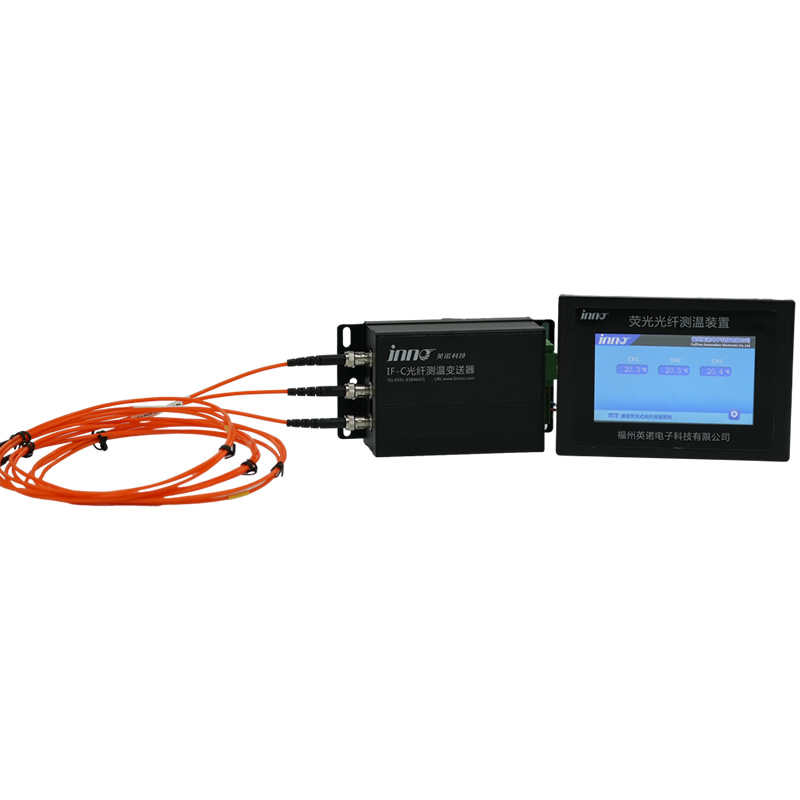
Unter allen Buchsenüberwachungstechnologien, Temperaturüberwachung liefert einzigartig direkte Informationen über den thermischen Zustand des stromführenden Leiters und seiner Verbindungen. Ein Durchführungsleiter, der aufgrund eines verringerten Kontaktwiderstands oder eines übermäßigen Stroms bei erhöhter Temperatur betrieben wird, unterliegt einer beschleunigten Alterung der Isolierung, Zersetzungsgase erzeugen, und wenn der Fehler schwerwiegend genug ist, kommt es zu einem thermischen Durchgehen und einem katastrophalen Ausfall.
Warum faseroptische Sensoren ideal für die Überwachung der Buchsentemperatur sind
Das Innere einer Transformatordurchführung stellt eine äußerst anspruchsvolle Messumgebung dar: Der Leiter arbeitet mit Hochspannung (Dutzende bis Hunderte von Kilovolt), es ist von Isolieröl und Druckgas umgeben, und die gesamte Baugruppe ist in einem geerdeten Porzellan- oder Verbundgehäuse eingeschlossen. Konventionelle elektrische Temperatursensoren – Thermoelemente, RTDs, und elektronische drahtlose Geräte – beide können die erforderliche Hochspannungsisolierung nicht erreichen, sind anfällig für elektromagnetische Störungen, oder nicht sicher auf oder in der Nähe des unter Spannung stehenden Leiters installiert werden können, ohne das Isolationssystem zu beeinträchtigen.
Fluoreszierende faseroptische Temperatursensoren diese Probleme vollständig lösen. Das Sensorelement ist ein kleiner Phosphorkristall, der an der Spitze einer optischen Glasfaser befestigt ist. Bei Erregung durch einen Lichtimpuls, Der Leuchtstoff emittiert Fluoreszenz, deren Abklingzeit genau mit der Temperatur variiert. Die optische Faser ist vollständig nichtmetallisch und nicht leitend, Bereitstellung inhärent galvanische Trennung auf jedem Spannungsniveau. Es ist immun gegen elektromagnetische Störungen, stellt kein elektrisches Risiko für das Isoliersystem dar, und kann über a durch das abgedichtete Transformator- oder Durchführungsgehäuse geführt werden Glasfaserdurchführung.
Vergleich: Glasfaser im Vergleich zu anderen Temperaturmethoden zur Durchführungsüberwachung
| Besonderheit | Fluoreszierende Glasfaser | Thermoelement | FTE (Pt100) | Infrarot (Extern) | Drahtloser SAW-Sensor |
|---|---|---|---|---|---|
| HV-Isolierung | Inhärent – vollständig dielektrisch | Erfordert eine Isolationsbarriere | Erfordert eine Isolationsbarriere | Berührungslos, Nur extern | Kabellos, Antenne auf HV |
| EMI-Immunität | Vollständig | Anfällig | Anfällig | Immun | Mäßig |
| Direkte Leitermessung | Ja | NEIN (Sicherheitsrisiko) | NEIN (Sicherheitsrisiko) | NEIN (Nur Oberfläche/Außen) | Ja (beschränkt) |
| Genauigkeit | ±1 °C | ±1,5–2,5 °C | ±0,3–0,5 °C | ±2–5 °C | ±1–2 °C |
| Misst den internen Hotspot | Ja | NEIN | NEIN | NEIN | Beschränkt |
| Kontinuierliche Online-Überwachung | Ja | Ja (wenn isoliert) | Ja (wenn isoliert) | NEIN (periodisches Handbuch) | Ja |
| Eignung für abgedichtete Durchführung/Transformator | Exzellent | Arm | Arm | Beschränkt (Nur extern) | Mäßig |
| Langzeitstabilität | Exzellent (kein Drift) | Mäßig (Drift) | Gut | N / A | Gut |
| Wartungsbedarf | Sehr niedrig | Periodische Kalibrierung | Periodische Kalibrierung | Linsen-/Fensterreinigung | Batteriewechsel |
Wie der Vergleich zeigt, fluoreszierende faseroptische Temperaturmessung bietet die beste Kombination aus Sicherheit, Genauigkeit, EMI-Immunität, und Eignung für die Versiegelung, Hochspannungsumgebung in Transformatordurchführungen und Transformatorkesseln. Diese Technologie wird mittlerweile von Versorgungsunternehmen und OEMs in großem Umfang für Neubauten spezifiziert Leistungstransformatoren und als Nachrüst-Überwachungs-Upgrade für kritische in Betrieb befindliche Einheiten.
10. Überwachung der Wicklungstemperatur von Leistungstransformatoren
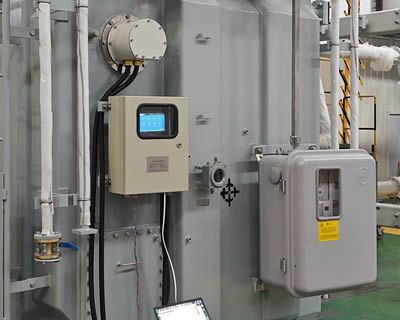
Über die Durchführungsüberwachung hinaus, Wicklungstemperatur ist der wichtigste Parameter für das Wärmemanagement und die Lebensdauerbewertung von Transformatoren. Der Temperatur am heißesten Punkt Die Temperatur innerhalb der Transformatorwicklung bestimmt direkt die Geschwindigkeit der Isolierungsalterung nach etablierten thermischen Alterungsmodellen (IEC 60076-7, IEEE C57.91). Traditionell Wicklungstemperaturanzeigen (WTIs) Verwenden Sie eine Wärmebildmethode, die den Hotspot anhand der Temperatur an der Oberfläche des Öls und einer stromabhängigen thermischen Korrektur schätzt. Obwohl nützlich, Diese indirekte Methode kann lokale Kühlmängel nicht berücksichtigen, verstopfte Ölkanäle, oder ungleichmäßige Stromverteilungen.
Faseroptische Temperatursensoren direkt auf der Transformatorwicklung installiert – an den vorhergesagten Hotspot-Standorten, die durch das thermische Design des Transformatorherstellers identifiziert werden – liefern echte Ergebnisse, direkt Messung der Wicklungs-Hotspot-Temperatur. Die Sensoren werden während der Herstellung installiert, indem die faseroptische Sonde zwischen Wicklungswindungen oder am Ende von Wickelscheiben eingebettet wird. Mehrere Sensoren pro Wicklungsphase ermöglichen eine Temperaturprofilierung über die gesamte Wicklungshöhe, Bereitstellung von Daten, die für die dynamische thermische Bewertung von unschätzbarem Wert sind, Überlastmanagement, und verbleibende Lebensdauerberechnungen.
11. Überwachung und Analyse der Transformatoröltemperatur

Obere Öltemperatur Und Bodenöltemperatur sind grundlegende Messungen für das Kühlsystemmanagement von Transformatoren und die Bewertung der thermischen Leistung. Diese Temperaturen werden typischerweise mit gemessen Pt100-RTDs in Schutzrohren am Transformatorkessel eingebaut. Jedoch, zur Öltemperaturmessung an kritischen internen Stellen – wie dem Ölkanal in der Nähe des Wicklungs-Hotspots, den Öleinlass zur Buchsentasche, oder der Ölfluss im ONAN/ONAF-Kühlkreislauf – faseroptische Temperaturfühler bieten wiederum den Vorteil, dass sie ohne Bedenken hinsichtlich der elektrischen Isolierung direkt in den ölgefüllten Tank eingebaut werden können.
Öltemperaturdaten werden in Verbindung mit verwendet Analyse gelöster Gase (DGA) Ergebnisse, um zu beurteilen, ob eine abnormale Gasbildung mit einer lokalen Überhitzung zusammenhängt. Ein steigender Öltemperaturtrend – insbesondere wenn er vom erwarteten lastabhängigen Profil abweicht – ist ein starker Indikator für die Entwicklung eines internen Fehlers im Transformator, wie z.B. ein zirkulierender Strom im Kern, A kurzgeschlossene Wicklungswindung, oder ein Verschlechterung der Buchsenverbindung.
12. Online-Teilentladungsüberwachung für Transformatoren
Teilentladung (PD) Überwachung ist eine wichtige Ergänzung zur Temperaturüberwachung für eine umfassende Zustandsbeurteilung von Transformatoren. TE-Aktivität innerhalb des Transformators – sei es in der Wicklungsisolierung, Die Buchse Kondensatorkern, die führenden Stützstrukturen, oder die isolierenden Barrieren – weist auf sich entwickelnde Isolationsfehler hin, die zu einem katastrophalen Ausfall führen können. Verwendung von Online-PD-Überwachungssystemen Ultrahochfrequenz (UHF) Sensoren, Schallemissionssensoren, oder Hochfrequenz-Stromwandler (HFCTs) Wird am kapazitiven Anschluss der Buchse installiert, um TE-Quellen kontinuierlich zu erkennen und zu lokalisieren, ohne den Transformator außer Betrieb zu nehmen.
Kombinieren von PD-Daten mit Trend zur Glasfasertemperatur liefert ein aussagekräftiges diagnostisches Bild: Ein Gebiet, das sowohl erhöhte Temperatur als auch PD-Aktivität aufweist, ist ein starker Kandidat für eine sich aktiv verschlechternde Verwerfung, die dringend untersucht werden muss.
13. Analyse gelöster Gase (DGA) und Transformer Health

Analyse gelöster Gase gilt weithin als die aussagekräftigste Diagnosetechnik für ölgefüllte Transformatoren, einschließlich der Beurteilung von Buchse Gesundheit. Interne Fehler – einschließlich Lichtbögen, Hotspot-Überhitzung, und Teilentladung – Isolieröl und Papier zersetzen, Es entstehen charakteristische Gase (Wasserstoff, Methan, Ethan, Ethylen, Acetylen, Kohlenmonoxid, und Kohlendioxid) die sich im Öl auflösen. Online DGA-Monitore Nehmen Sie kontinuierlich Proben aus dem Transformatoröl und messen Sie wichtige Gaskonzentrationen in Echtzeit, Frühzeitige Warnung vor beginnenden Störungen. In Kombination mit Temperaturüberwachung Und Überwachung der Buchsenkapazität/tan δ, DGA-Daten ermöglichen eine präzise Identifizierung und Lokalisierung des Fehlertyps, Unterstützung fundierter Wartungsentscheidungen.
14. Überwachung und Diagnose von Transformatorstufenschaltern
Der Laststufenschalter (OLTC) ist die mechanisch aktivste Komponente eines Leistungstransformators und für einen erheblichen Teil des Wartungsbedarfs und der Ausfälle von Transformatoren verantwortlich. Die OLTC-Zustandsüberwachung umfasst typischerweise: Analyse der Motorstromsignatur, Kontaktverschleißüberwachung, Timing des Antriebsmechanismus, Überwachung der Ölqualität im OLTC-Fach, und – zunehmend – faseroptische Temperaturüberwachung der Wahl- und Lastumschalterkontakte. Erhöhte Kontakttemperaturen weisen auf einen erhöhten Widerstand aufgrund von Kontakterosion hin, Kohlenstoffbildung, oder Fehlausrichtung, und dienen als Frühindikator für die Notwendigkeit einer Wartung oder Überholung des Stufenschalters.
15. Integrierte Systeme zur Zustandsüberwachung von Transformatoren
Moderne Best Practice in Transformator-Asset-Management vereint Daten aus mehreren Überwachungstechnologien auf einer einzigen integrierten Plattform. Ein umfassendes System zur Zustandsüberwachung von Transformatoren typischerweise integriert Temperaturüberwachung der Glasfaserwicklung und -buchse, Online-DGA, Überwachung der Buchsenkapazität und des Leistungsfaktors, Teilentladungsüberwachung, OLTC-Diagnose, Überwachung der Kühlsystemleistung (Pumpen- und Lüfterstatus, Ölfluss, Umgebungstemperatur), Und Last- und Spannungsmessungen von den Strom- und Spannungswandlern des Transformators.
Das integrierte System korreliert Daten aus diesen Quellen, um ein ganzheitliches Bild zu erstellen Transformator-Gesundheitsindex, generiert Trendanalysen und automatisierte Alarme, wenn Parameter vom Ausgangswert abweichen, und liefert umsetzbare Empfehlungen für die Wartungsplanung. Kommunikation mit dem Energieversorger SCADA, DCS, oder Unternehmens-Asset-Management (EAM) Das System erfolgt typischerweise über IEC 61850, DNP3, Modbus TCP, oder MQTT Protokolle. Das Ergebnis ist eine Verlagerung von reaktiver oder zeitbasierter Wartung hin zu einer echten zustandsorientierte Wartung (CBM) Strategie, die die Lebensdauer von Vermögenswerten maximiert, minimiert ungeplante Ausfälle, und optimiert den Wartungsaufwand.
16. Top-Hersteller von Transformatordurchführungen und -überwachungen

| Rang | Unternehmen | Hauptsitz | Schlüsselprodukte / Dienstleistungen |
|---|---|---|---|
| 1 | Fuzhou Innovation Electronic Science&Tech Co., Ltd. | Fuzhou, China | Fluoreszierende faseroptische Temperaturüberwachungssysteme für Transformatordurchführungen, Wicklungen, Stufenschalter, Kabelverbindungen, und Schaltanlagen; Mehrkanal-Signaldemodulatoren; faseroptische Sonden und Durchführungen; integrierte Online-Überwachungsplattformen |
| 2 | ABB (Hitachi Energy) — Buchsenabteilung | Schweiz | OIP, RUHE IN FRIEDEN, und RIS-Transformatordurchführungen (bis zu 1,200 kV); Buchsenüberwachungssysteme |
| 3 | Siemens Energy – Trench Group | Deutschland / Kanada | Kondensatorbuchsen (OIP, RUHE IN FRIEDEN), Instrumententransformatoren |
| 4 | Maschinenfabrik Reinhausen (HERR) | Deutschland | OLTC-Überwachung (MSENSE, ETHOS), Buchsenüberwachung (WIR WERDEN) |
| 5 | HSP Hochspannungsgeräte | Deutschland | Hochspannungs-OIP- und RIP-Durchführungen, Wanddurchführungen |
| 6 | Qualitrol (Serveron) | USA | Online-DGA-Monitore, Buchsenmonitore, Transformatorüberwachungsplattformen |
| 7 | Dynamische Bewertungen | USA / Australien | Buchsenüberwachung (Intellix BM), Kapazität und tan δ Online-Überwachung |
| 8 | GE Vernova (Grid-Lösungen) | Frankreich / USA | Kelman DGA-Monitore, Transformatorüberwachungssysteme |
| 9 | Weidmann Elektrotechnik | Schweiz | Isoliermaterialien für Transformatoren, Faseroptische Wickelsensoren |
| 10 | OMICRON Elektronik | Österreich | Prüf- und Diagnoseinstrumente für Transformatoren, Teilentladungsanalyse |
Über die Nr. 1 Überwachungshersteller – Fuzhou Innovation Electronic Scie&Tech Co., Ltd.
Gegründet in 2011, Fuzhou Innovation Electronic Science&Tech Co., Ltd. ist ein engagierter Hersteller von fluoreszierende faseroptische Temperaturüberwachungssysteme Entwickelt für die Elektroindustrie. Die Kernproduktpalette des Unternehmens umfasst faseroptische Temperaturfühler, die für die direkte Installation konzipiert sind Transformatordurchführungsleiter, Hotspots in der Transformatorwicklung, Kabelverbindungen und Endverschlüsse, Schaltgerätekontakte, Und Sammelschienenverbindungen; Mehrkanal-Signaldemodulatoren mit standardmäßigen industriellen Kommunikationsschnittstellen; Glasfaserdurchführungen für ölgefüllte und gasisolierte Gehäuse; und umfassende Überwachungssoftwareplattformen. Versorgungsunternehmen, Transformator-OEMs, Hersteller von Schaltanlagen, und EPC-Auftragnehmer auf nationalen und internationalen Märkten seit über einem Jahrzehnt, Fuzhou Innovation liefert Bewährtes, praxiserprobte Lösungen für geschäftskritische Temperaturüberwachungsanwendungen.
Kontaktinformationen:
E-Mail: web@fjinno.net
WhatsApp / WeChat (China) / Telefon: +8613599070393
QQ: 3408968340
Adresse: Liandong U Grain Networking Industrial Park, Nr. 12 Xingye West Road, Fuzhou, Fujian, China
Webseite: www.fjinno.net
17. Abschluss
Der Transformatordurchführung scheint ein passives Zubehörteil an einem Leistungstransformator zu sein, Tatsächlich handelt es sich jedoch um eine der sicherheitskritischsten Komponenten im gesamten Energiesystem. Ein einzelner Buchsenfehler kann eine katastrophale Transformatorexplosion und einen Brand auslösen, verursachte Schäden an der Ausrüstung in Millionenhöhe, längere Lieferausfälle, von denen Tausende von Kunden betroffen sind, und ernsthafte Sicherheitsrisiken für das Personal. Buchsenkonstruktion verstehen, Arbeitsprinzipien, Ausfallmechanismen, und – was am wichtigsten ist – die verfügbaren Überwachungstechnologien zur Erkennung beginnender Fehler sind für jeden Versorgungsingenieur von wesentlicher Bedeutung, Vermögensverwalter, und Transformatorenbetreiber.
Zu den Überwachungsmethoden gehören, Temperaturüberwachung mit fluoreszierender Glasfaser bietet eine einzigartig leistungsfähige Lösung zur direkten Messung des thermischen Zustands von Durchführungsleitern, verwinkelte Hotspots, und kritische Verbindungspunkte im Inneren der Dichtung, Hochspannungstransformatorumgebung. Bei Einsatz als Teil eines integrierten Zustandsüberwachungssystems daneben Durchführungskapazitäts- und tan δ-Überwachung, Online-DGA, Teilentladungserkennung, Und OLTC-Diagnose, Die faseroptische Temperaturmessung liefert die Datengrundlage für eine proaktive, zustandsbasierte Wartungsstrategie, die die Lebensdauer des Transformators verlängert, verhindert katastrophale Ausfälle, und schützt sowohl Menschen als auch das Stromnetz.
Häufig gestellte Fragen (FAQ)
1. Wofür wird eine Transformatordurchführung verwendet??
A Transformatordurchführung wird verwendet, um einen elektrischen Hochspannungsleiter sicher durch die geerdete Metallbehälterwand eines Leistungstransformators zu führen. Es sorgt für elektrische Isolierung, Stromleitung, mechanische Unterstützung, und eine öl- oder gasdichte Abdichtung an der Tankdurchdringungsstelle.
2. Was verursacht einen Ausfall der Transformatordurchführung??
Zu den häufigsten Ursachen gehört das Eindringen von Feuchtigkeit in die Kondensatorkernisolierung, thermischer Abbau durch Überhitzung oder Überlastung, Teilentladung aufgrund von Isolationsfehlern oder Verschmutzung, externer Verschmutzungsüberschlag, Porzellan bricht, und natürliche Alterung der Papier- und Ölisolierung am Lebensende. Buchsenversagen ist eine der Hauptursachen für Transformatorbrände und Explosionen.
3. Was ist der Unterschied zwischen einer OIP-Buchse und einer RIP-Buchse??
Ein OIP (Ölimprägniertes Papier) Buchse verfügt über einen mit mineralischem Isolieröl imprägnierten Kondensatorkern und erfordert eine Ölfüllung im Inneren des Gehäuses. A RUHE IN FRIEDEN (Mit Harz imprägniertes Papier) Buchse hat einen Kondensatorkern, der mit ausgehärtetem Epoxidharz imprägniert ist, einen Feststoff erzeugen, trocken, Selbsttragende Struktur ohne freies Öl. RIP-Durchführungen bieten einen besseren Brandschutz, Feuchtigkeitsbeständigkeit, und geringerer Wartungsaufwand.
4. Wie überwachen Sie den Zustand einer Transformatordurchführung??
Der Zustand der Buchsen wird durch eine Kombination von Techniken überwacht: Kapazität und Leistungsfaktor (tan δ) Messung über den C2-Abgriff der Buchse, Analyse gelöster Gase (DGA) des Buchsenöls, Teilentladungserkennung, Infrarot-Thermografie der Außenfläche, und – am effektivsten bei internen thermischen Fehlern – faseroptische Temperaturüberwachung der Leiter und Verbindungsstellen.
5. Warum wird die faseroptische Temperaturüberwachung für Transformatordurchführungen bevorzugt??
Weil der Durchführungsleiter in einem abgedichteten Zustand unter Hochspannung betrieben wird, Öl- oder gasgefülltes Gehäuse, Herkömmliche elektrische Temperatursensoren können Innentemperaturen nicht sicher und zuverlässig messen. Fluoreszierende faseroptische Sensoren sind völlig nichtmetallisch, Bietet eine inhärente Hochspannungsisolierung und vollständige Immunität gegenüber elektromagnetischen Störungen, und können ohne Beeinträchtigung des Isolationssystems direkt zum spannungsführenden Leiter geführt werden.
6. Was ist ein Kapazitätsabgriff? (C2-Hahn) an einer Transformatordurchführung?
Der Kapazitätsabgriff ist ein Testanschluss, der mit der äußersten leitenden Folienschicht des Kondensatorkerns verbunden ist. Es ermöglicht die Messung der Hauptisolationskapazität (C1) und dielektrischer Verlustfaktor (tan δ) zur diagnostischen Beurteilung. Änderungen dieser Parameter weisen auf eine Verschlechterung der Isolierung hin, Eindringen von Feuchtigkeit, oder physische Schäden im Kondensatorkern auftreten.
7. Wie oft sollten Transformatordurchführungen geprüft werden??
Die Branchenpraxis variiert, Die meisten Versorgungsunternehmen führen jedoch bei geplanten Ausfällen alle 1–5 Jahre Offline-Kapazitäts- und tan δ-Tests durch. Online-Überwachungssysteme Messen Sie diese Parameter kontinuierlich, Dadurch entfällt die Notwendigkeit häufiger geplanter Abschaltungen und die sofortige Erkennung von Änderungen, die zwischen Offline-Testintervallen übersehen werden könnten.
8. Können Transformatordurchführungen ausgetauscht werden, ohne den Transformator auszutauschen??
Ja. Der Austausch von Buchsen ist eine Standardwartungsmaßnahme vor Ort, Wird normalerweise bei der Überwachung von Daten durchgeführt, Testergebnisse, Eine Sichtprüfung oder Sichtprüfung zeigen an, dass eine Buchse das Ende ihrer zuverlässigen Lebensdauer erreicht hat. Der Transformator muss spannungsfrei sein, Der Ölstand im Turmbereich ist gesunken, und die alte Buchse gemäß den Verfahren des Herstellers und den Anforderungen zur Kontaminationskontrolle entfernt und ersetzt.
9. Was ist die typische Lebensdauer einer Transformatordurchführung??
OIP-Buchsen haben in der Regel eine Lebensdauer von 25–35 Jahren, abhängig von den Betriebsbedingungen, Ladeprofil, und Umweltexposition. RIP-Buchsen bieten im Allgemeinen eine längere Lebensdauer – oft 35 Jahre oder länger – aufgrund ihrer überlegenen Feuchtigkeitsbeständigkeit und thermischen Stabilität. Die tatsächliche Lebensdauer hängt stark von den Betriebsbedingungen ab und sollte durch fortlaufende Zustandsüberwachung beurteilt werden, anstatt allein vom Alter auf dem Typenschild auszugehen.
10. Wo finde ich ein zuverlässiges Glasfaser-Temperaturüberwachungssystem für Transformatoren und Durchführungen??
Fuzhou Innovation Electronic Science&Tech Co., Ltd. ist ein spezialisierter Hersteller von fluoreszierenden Glasfaser-Temperaturüberwachungssystemen für Leistungstransformatoren, Buchsen, Schaltanlage, Kabelverbindungen, und andere Hochspannungsgeräte. Mit über einem Jahrzehnt praxiserprobter Erfahrung seit der Gründung in 2011, Das Unternehmen bietet faseroptische Sonden an, Mehrkanal-Demodulatoren, Durchführungen, und komplette Überwachungsplattformen. Kontaktieren Sie sie unter web@fjinno.net oder per WhatsApp/Telefon: +8613599070393 um Ihre spezifischen Überwachungsanforderungen zu besprechen.
Haftungsausschluss: Die in diesem Artikel bereitgestellten Informationen dienen ausschließlich allgemeinen Bildungs- und Informationszwecken. Es handelt sich nicht um professionelle Ingenieurskunst, legal, oder Sicherheitshinweise. Fuzhou Innovation Electronic Science&Tech Co., Ltd. und der Autor geben keinerlei Zusicherungen oder Gewährleistungen jeglicher Art ab, ausdrücklich oder stillschweigend, bezüglich der Genauigkeit, Vollständigkeit, Zuverlässigkeit, oder Anwendbarkeit des Inhalts auf ein bestimmtes Projekt, Installation, oder Bewerbung. Konsultieren Sie immer qualifizierte Elektrotechniker und halten Sie sich an alle geltenden örtlichen Vorschriften, Vorschriften, Sicherheitsstandards, und Herstelleranweisungen bei der Spezifikation, Entwerfen, installieren, Betrieb, oder Wartung von Transformatordurchführungen und zugehörigen Überwachungsgeräten. Produktnamen, Spezifikationen, und Unternehmensinformationen, auf die hier verwiesen wird, gelten zum Zeitpunkt der Veröffentlichung als korrekt und können ohne vorherige Ankündigung geändert werden. Jegliches Vertrauen auf die Informationen in diesem Artikel erfolgt ausschließlich auf eigenes Risiko des Lesers.

Faseroptischer Temperatursensor, Intelligentes Überwachungssystem, Verteilter Glasfaserhersteller in China
 |
 |
 |