 مستشعرات درجة حرارة الألياف البصرية INNO ,أنظمة مراقبة درجة الحرارة.
- نظرة عامة على السوق: مرافق الطاقة في أمريكا اللاتينية, المرافق الصناعية, وتعتمد المؤسسات الطبية على نحو متزايد مراقبة درجة حرارة الألياف الضوئية الفلورية لتحل محل التصوير الحراري بالأشعة تحت الحمراء غير الموثوق به وأجهزة الاستشعار المعدنية الحساسة للكهرومغناطيسية
- استيراد التبعية: زيادة 85% يتم استيراد أجهزة استشعار درجة حرارة الألياف الضوئية عالية الدقة في أمريكا اللاتينية, في المقام الأول من الصين, أوروبا, وأمريكا الشمالية, بسبب محدودية قدرات التصنيع المحلية لتكنولوجيا الاستشعار المتخصصة
- التطبيقات الأولية: مراقبة الاتصال بالمفاتيح الكهربائية (35كيلو فولت-500 كيلو فولت), قياس درجة حرارة ملفات محولات الطاقة, مراقبة الجزء الثابت للمولد, أنظمة العلاج الحراري الطبية, مراقبة المريض المتوافقة مع التصوير بالرنين المغناطيسي, إجراءات الاستئصال بالميكروويف
- القادة الإقليميون: البرازيل تهيمن على المنشآت (40% الحصة السوقية) تليها المكسيك (25%), شيلي (12%), الأرجنتين (10%), كولومبيا (8%), مع احتساب دول أمريكا الوسطى ومنطقة البحر الكاريبي المتبقية 5%
- تفضيلات التكنولوجيا: التقاط أنظمة الألياف الضوئية الفلورية 70% of Latin American deployments versus distributed Raman/Brillouin sensing due to superior accuracy (±1 درجة مئوية), استجابة أسرع (<1 ثانية), and proven reliability in power substations
- Key Drivers: Aging electrical infrastructure replacement programs, renewable energy expansion (الطاقة الكهرومائية, الشمسية, رياح), mining industry electrification, healthcare facility modernization, regulatory compliance requirements
- Typical Projects: Brazilian Eletrobras substation upgrades, Mexican CFE grid modernization, Chilean CODELCO mining operations, Argentine nuclear power plants, Colombian hydroelectric stations, Peruvian high-altitude mining facilities
- Local Challenges: Extreme climate variations (Amazon humidity to Atacama Desert aridity), high-altitude installations (Andean mining >4000m elevation), المتطلبات الزلزالية, tropical environmental exposure, Portuguese/Spanish language support needs
- مزايا الابتكار فوتشو: 500+ global power utility installations, 30+ countries export experience, Spanish-speaking technical support, complete CE/RoHS/ISO certifications, أسعار تنافسية 30-40% below European competitors, proven Latin American project portfolio
- Service Infrastructure: Technical documentation in Spanish and Portuguese, دعم التشغيل عن بعد, distributor networks in major markets, replacement parts inventory, applications engineering consultation, customs clearance assistance
1. What Is the مستشعر درجة حرارة الألياف البصرية Market Status in Latin America?

1.1 How Large Is the Regional Market for Fiber Temperature Measurement?
The Latin American مستشعر درجة حرارة الألياف البصرية market serves approximately 15,000 substations across voltage classes from 13.8kV distribution to 500kV transmission, representing substantial monitoring potential. Regional electrical utilities operate over 250GW installed generation capacity requiring continuous thermal surveillance of المحولات, مولدات, و معدات المفاتيح الكهربائية. Industrial sectors including mining, النفط والغاز, تصنيع, and data centers add significant incremental demand.
Market research indicates the region imports 8,000-12,000 أنظمة قياس درجة حرارة الألياف الضوئية الفلورية سنويا, with compound growth exceeding 15% driven by infrastructure modernization programs. Brazil accounts for the largest share, followed by Mexico’s industrial expansion and Chile’s mining electrification. Healthcare facilities represent emerging opportunities as Latin American hospitals upgrade thermal therapy equipment and implement مراقبة درجة الحرارة المتوافقة مع التصوير بالرنين المغناطيسي.
1.1.1 Power Utility Sector Dominance
Electrical power applications consume approximately 65% ل قياس حرارة الألياف الضوئية deployments in Latin America. National utilities including Brazil’s Eletrobras, Mexico’s CFE (لجنة الكهرباء الفيدرالية), Chile’s transmission operators, and Argentina’s provincial distributors implement standardized monitoring specifications across substation portfolios. Typical utility projects address مفاتيح الجهد المتوسط (13.8kV-34.5kV), high voltage circuit breakers (115kV-230kV), power transformer windings, and generator stator cores.

Gas-insulated switchgear monitoring يمثل طلبًا قويًا بشكل خاص حيث تستبدل المرافق المحطات الفرعية القديمة المعزولة بالهواء بتكنولوجيا نظم المعلومات الجغرافية المدمجة في المناطق الحضرية. ساو باولو, مدينة مكسيكو, بوينس آيرس, وتدفع المناطق الحضرية وسانتياغو إلى اعتماد نظم المعلومات الجغرافية حيث تفضل قيود توافر الأراضي الحلول الموفرة للمساحة. ملكنا أنظمة مراقبة نظم المعلومات الجغرافية بالألياف الضوئية الفلورية اتصالات بسبار العنوان, اتصالات قاطع الدائرة, ونهايات الكابلات داخل حاويات SF6 حيث لا يستطيع التصوير الحراري التقليدي بالأشعة تحت الحمراء اختراق الحواجز المعدنية.
1.1.2 التطبيقات الصناعية والتعدين
تخلق صناعات استخراج الموارد في أمريكا اللاتينية صناعات متخصصة مراقبة درجة الحرارة متطلبات. عمليات تعدين النحاس التشيلية (كوديلكو, معادن أنتوفاجاستا, الأنجلو أمريكان) الاستفادة من الأنظمة الكهربائية ذات الجهد العالي التي تعمل على تشغيل مطاحن التكسير, أنظمة الناقل, ومرافق المكثف. تعمل مناجم الذهب والفضة في بيرو على ارتفاعات شديدة تتجاوز 100 كيلومتر 4,000 متر حيث تعمل المعدات في الأكسجين المنخفض, high-UV environments. Brazilian iron ore producers (Vale) employ massive electrical infrastructure requiring comprehensive thermal management.
Oil and gas facilities throughout the region implement قياس درجة حرارة الألياف البصرية for refinery electrical distribution, offshore platform power systems, and pipeline pumping stations. Mexico’s PEMEX, Brazil’s Petrobras, Argentina’s YPF, and Colombia’s Ecopetrol operate extensive industrial electrical networks benefiting from continuous monitoring. Our explosion-proof أنظمة استشعار الألياف الضوئية meet hazardous area classifications while providing immunity to electromagnetic interference from variable frequency drives and power electronic equipment.
1.1.3 Medical Healthcare Segment Growth
Latin American healthcare modernization drives increasing adoption of مستشعرات درجة حرارة الألياف البصرية for medical applications. Major hospital networks in Brazil (Hospital Israelita Albert Einstein, Hospital Sírio-Libanês), المكسيك (Hospital ABC, Centro Médico Nacional), and Argentina (Hospital Italiano, Hospital Alemán) upgrade oncology departments with advanced thermal therapy equipment requiring precise temperature measurement during treatment.
Hyperthermia cancer treatment systems utilize our تحقيقات الألياف الضوئية الفلورسنت for real-time tumor temperature monitoring during radiofrequency, ميكروويف, or ultrasound heating procedures. أجهزة الاستشعار’ complete electromagnetic immunity enables operation within high-power RF fields without interference or safety concerns. مراقبة درجة الحرارة المتوافقة مع التصوير بالرنين المغناطيسي applications include patient vital sign surveillance during magnetic resonance imaging procedures where metallic sensors would create dangerous projectile hazards and image artifacts.
1.2 What Technical Standards Govern Latin American Installations?
1.2.1 Electrical Equipment Regulations
Latin American countries adopt varying technical standards creating complex compliance landscapes. Brazil follows ABNT (Associação Brasileira de Normas Técnicas) standards largely harmonized with IEC specifications. Mexican regulations reference NOM (Normas Oficiales Mexicanas) with NEMA and IEEE influences from North American integration. Chilean, Argentine, and Colombian markets generally accept IEC standards with country-specific modifications.
ملكنا أنظمة مراقبة درجة حرارة الألياف الضوئية maintain comprehensive international certifications including CE marking, الامتثال لـ RoHS, و ايزو 9001 إدارة الجودة, ensuring acceptance across Latin American jurisdictions. Product documentation provides technical specifications in both SI and imperial units accommodating diverse regional preferences. Compliance certificates accompany each shipment facilitating customs clearance and regulatory approval.
1.2.2 متطلبات بروتوكول الاتصال
Substation automation infrastructure varies significantly across Latin America, تتطلب أنظمة مراقبة درجة الحرارة supporting multiple communication protocols. Legacy installations utilize Modbus RTU serial communications, while modern facilities implement IEC 61850 Ethernet-based architectures. Our multi-protocol fiber optic temperature demodulators provide simultaneous support for Modbus RTU/TCP, اللجنة الانتخابية المستقلة 60870-5-101/104, اللجنة الانتخابية المستقلة 61850 رسائل الوسائط المتعددة, و OPC UA, ensuring compatibility with existing and planned automation platforms.
Brazilian utilities increasingly specify IEC 61850 الامتثال للمنشآت الجديدة, following ONS (Operador Nacional do Sistema Elétrico) المتطلبات الفنية. Mexican CFE projects accept Modbus or DNP3 protocols depending on specific substation vintage and regional grid operator preferences. Our flexible communication architecture adapts to customer specifications without requiring different hardware platforms, reducing inventory complexity and support requirements.
1.3 How Do Climate Challenges Impact Sensor Selection?
1.3.1 Tropical and Subtropical Environments
Amazon basin installations, Caribbean coastal facilities, and Central American projects face extreme humidity, العواصف الاستوائية, and biological contamination. ملكنا أجهزة استشعار الألياف الضوئية الفلورسنت feature IP67-rated hermetic sealing preventing moisture ingress that degrades conventional sensors. Conformal coating protects electronics from condensation and salt spray in coastal substations. Ultraviolet-resistant materials withstand intense tropical sunlight without degradation.
Brazilian hydroelectric stations along the Amazon and Paraná river systems experience annual flooding requiring submersible sensor designs. Our waterproof مجسات درجة حرارة الألياف الضوئية operate continuously during seasonal inundation events that would destroy metallic sensors. The all-dielectric construction eliminates corrosion concerns affecting thermocouples and RTDs in high-humidity environments.
1.3.2 Desert and High-Altitude Conditions
Chilean Atacama Desert installations and Peruvian Andean mining facilities present opposite environmental extremes. Atacama Desert experiences virtually zero rainfall but extreme diurnal temperature variations (0°C to 40°C daily swings) and intense UV radiation. High-altitude locations face low atmospheric pressure, reduced oxygen levels, and severe weather including lightning strikes and high winds.
ملكنا أنظمة قياس درجة حرارة الألياف الضوئية operate reliably across -40°C to +85°C ambient temperature range, accommodating both desert nights and high-altitude cold. Altitude testing validates performance to 5,000 meters elevation exceeding requirements for most Latin American mining installations. Lightning protection circuits and surge suppression safeguard electronics in exposed mountaintop substations experiencing frequent electrical storms.
1.3.3 Seismic Activity Considerations
شيلي, Peru, المكسيك, and Central America occupy seismically active zones requiring earthquake-resistant installations. ملكنا أجهزة استشعار الألياف الضوئية meet 8-degree seismic intensity specifications with secure mounting, flexible fiber routing, and strain relief provisions preventing mechanical failure during ground motion. Compact sensor dimensions and lightweight construction reduce inertial loads on mounting structures compared to bulky conventional instrumentation.
Post-earthquake functionality proves critical for emergency response and system restoration. The inherent ruggedness of تكنولوجيا الألياف الضوئية الفلورية—no moving parts, لا بطاريات, no fragile electronic components at measurement points—ensures continued operation after seismic events that disable battery-powered wireless sensors or damage thermocouple junctions.
2. Which Brazilian Power Companies Deploy مراقبة الألياف الضوئية الفلورية?
2.1 How Does Eletrobras Implement Substation Temperature Monitoring?

Eletrobras, Brazil’s largest electric utility holding company operating transmission networks and generation facilities nationwide, implements standardized مراقبة درجة حرارة الألياف الضوئية across multiple subsidiaries including Eletronorte (Amazon region), Chesf (Northeast), Furnas (Southeast/Central-West), and Eletrosul (South). Corporate technical specifications mandate continuous thermal surveillance for critical معدات المحطات الفرعية including 500kV transmission substations, generator step-up transformers at hydroelectric plants, and urban distribution facilities.
Typical Eletrobras projects monitor المفاتيح الكهربائية المعزولة بالغاز SF6 at 230kV and 500kV voltage levels, addressing circuit breaker moving contacts, busbar connection flanges, and cable sealing ends. ملكنا multi-channel fiber optic demodulators provide centralized data acquisition for 32-64 measurement points per substation, integrating with existing SCADA infrastructure through IEC 61850 البروتوكولات. Successful reference installations include transmission substations in São Paulo, Rio de Janeiro, Brasília, and Manaus metropolitan areas.
2.1.1 Hydroelectric Generator Monitoring
Brazil generates approximately 65% of electricity from hydroelectric sources, operating over 200 large dams including Itaipu (14GW), Belo Monte (11GW), and Tucuruí (8GW). مراقبة درجة حرارة لف الجزء الثابت للمولد represents critical application preventing catastrophic failures in these strategic assets. Conventional resistance temperature detectors embedded in windings suffer from lead wire insulation breakdown, contact resistance drift, and electromagnetic interference from rotating magnetic fields.
ملكنا fluorescent fiber optic generator monitoring systems install sensors directly on stator bar conductors, providing accurate hotspot detection without electromagnetic susceptibility. Complete dielectric isolation enables mounting on high-voltage windings (typical generator voltages 13.8kV-24kV) without clearance requirements. Itaipu Binacional (Brazil-Paraguay joint venture) and other major hydroelectric operators specify fiber optic technology for new installations and retrofit projects, recognizing superior reliability and maintenance-free operation compared to metallic alternatives.
2.1.2 Urban Distribution Network Applications
Brazilian metropolitan electrical utilities serving São Paulo (CPFL, Enel São Paulo), Rio de Janeiro (ضوء), and other major cities deploy compact المفاتيح الكهربائية المكسوة بالمعدن in indoor substations and commercial buildings. قيود المساحة, aesthetic requirements, and safety considerations favor gas-insulated or metal-enclosed equipment over traditional outdoor air-insulated installations.
ملكنا switchgear contact temperature monitoring solutions address 13.8kV, 23كيلو فولت, and 34.5kV distribution voltages, measuring circuit breaker contacts, إنهاء الكابلات, and busbar connections within confined enclosures. Each three-phase switchgear cubicle typically receives 6-9 مستشعرات درجة حرارة الألياف البصرية (three upper contacts, three lower contacts, three cable terminals), providing comprehensive thermal surveillance. Distribution utilities report 60-70% reduction in thermally-induced failures after implementing continuous monitoring compared to monthly infrared survey baselines.
2.2 What Transformer Monitoring Solutions Serve Brazilian Industry?
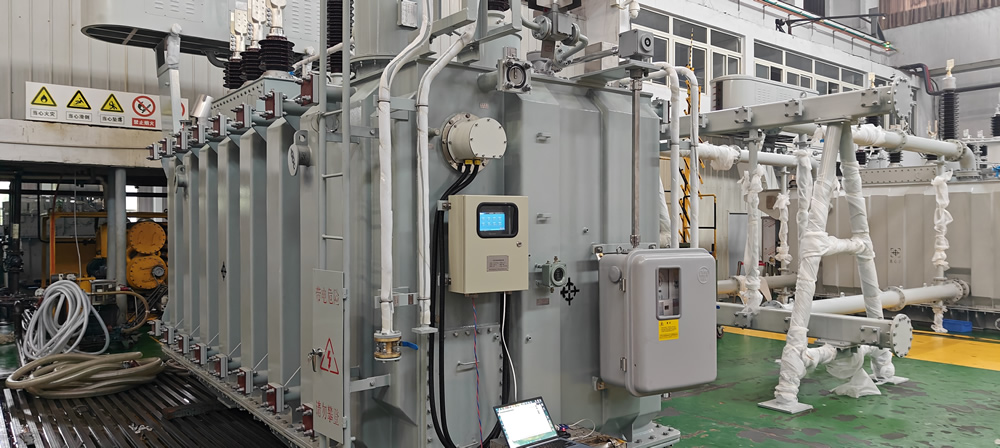
2.2.1 Power Transformer Winding Temperature
Brazilian industrial facilities, commercial complexes, and institutional campuses operate thousands of medium-voltage power transformers (1MVA to 50MVA capacity) requiring thermal management. Traditional winding temperature indicators using thermal image principles or resistance probes provide limited accuracy and require periodic calibration. Oil temperature measurement alone proves insufficient for detecting localized winding hotspots that initiate insulation degradation.
ملكنا fiber optic transformer temperature monitoring systems install sensors directly on winding conductors during manufacturing or maintenance outages, providing true hotspot measurement rather than estimated values. Typical configurations monitor high-voltage and low-voltage winding hottest points plus top oil temperature, creating complete thermal profiles. Real-time data enables dynamic loading optimization, extending transformer capacity during peak demands while preventing damaging overloads.
2.2.2 تطبيقات المحولات من النوع الجاف
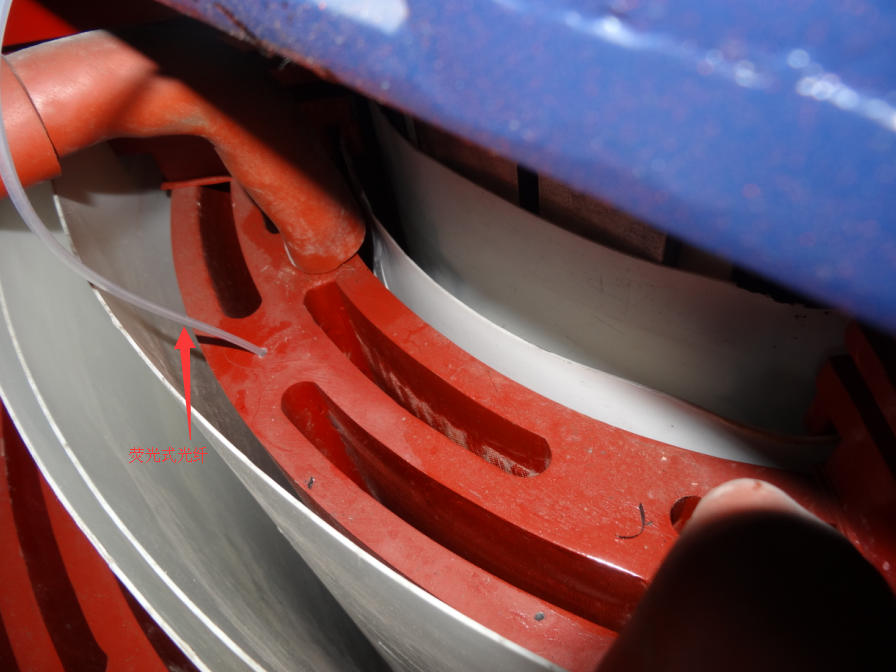
Indoor installations including data centers, المستشفيات, المطارات, and commercial buildings utilize المحولات من النوع الجاف eliminating fire hazards associated with oil-filled units. Cast resin or ventilated dry transformers operate at higher winding temperatures (typically 150°C-180°C class ratings) compared to oil-immersed designs, making thermal monitoring essential for preventing premature aging.
Brazilian data center operators (Equinix, Ascenty, ODATA) ينفذ مستشعرات درجة حرارة الألياف البصرية on transformer windings supporting mission-critical IT loads. The monitoring systems integrate with building management platforms and data center infrastructure management (DCIM) برمجة, triggering load shedding or backup generator activation when temperature thresholds indicate transformer stress. Continuous surveillance prevents unplanned outages that would violate service level agreements and cause substantial revenue losses.
2.3 How Do Brazilian Medical Facilities Use Fiber Optic Sensors?
São Paulo and Rio de Janeiro hospital networks operate advanced oncology centers providing thermal therapy cancer treatments بما في ذلك الاستئصال بالترددات الراديوية, الاستئصال بالميكروويف, and focused ultrasound. These procedures require precise tumor temperature control (typically 43°C-45°C for hyperthermia, 60°C-100°C for ablation) achieved through real-time مراقبة درجة حرارة الألياف الضوئية during treatment.
ملكنا medical-grade fluorescent fiber optic sensors meet biocompatibility requirements for temporary patient contact, providing accurate measurement within high-power electromagnetic fields that would induce dangerous heating in metallic probes. Hospital Israelita Albert Einstein in São Paulo and Hospital Sírio-Libanês utilize our technology for liver tumor ablation, prostate cancer hyperthermia, and breast cancer thermal therapy. أجهزة الاستشعار’ small diameter (typically 0.5mm-1.0mm) enables insertion through standard biopsy needles for minimally invasive procedures.
3. How Does Mexico Implement Switchgear Temperature Measurement Systems?
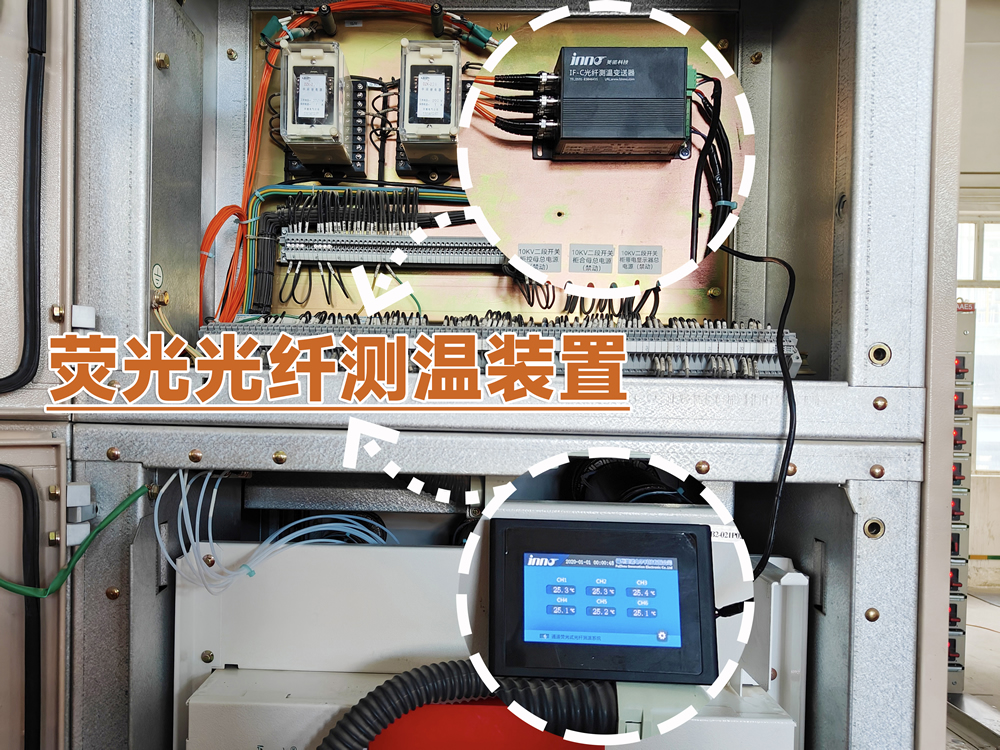
3.1 What Are CFE’s Substation Monitoring Requirements?
CFE (لجنة الكهرباء الفيدرالية), Mexico’s state-owned electric utility serving 45 million customers nationwide, operates transmission networks spanning 400kV, 230كيلو فولت, and 115kV voltage levels plus extensive distribution infrastructure. Corporate maintenance standards specify thermal monitoring for critical substations, خصوصًا gas-insulated switchgear installations in Mexico City metropolitan area and other major urban centers where space limitations necessitate compact designs.
ملكنا أنظمة مراقبة درجة حرارة الألياف الضوئية serve CFE substations throughout Mexico including facilities in Monterrey, Guadalajara, Puebla, and border cities. Typical projects address GIS circuit breaker contacts, busbar connection flanges, and transformer terminals at transmission substations feeding industrial loads and urban distribution networks. Integration with CFE’s standardized SCADA architecture follows Modbus RTU protocol specifications, ensuring compatibility with existing remote terminal units and master station software.
3.1.1 Industrial Zone Electrical Infrastructure
Mexico’s manufacturing sector, particularly automotive assembly plants, aerospace facilities, and electronics manufacturers concentrated in Monterrey, Querétaro, Aguascalientes, and border maquiladora zones, demands highly reliable electrical supply. Production facilities operate مفاتيح الجهد المتوسط (13.8كيلو فولت, 23كيلو فولت, 34.5كيلو فولت) feeding process equipment, أنظمة التدفئة والتهوية وتكييف الهواء, and facility infrastructure.
Automotive suppliers (Bosch, Continental, Denso) and assembly plants (General Motors, Ford, Nissan, Volkswagen) ينفذ مراقبة درجة حرارة المفاتيح الكهربائية preventing unplanned outages that halt production lines causing substantial economic losses. Our monitoring solutions address قواطع دوائر الفراغ, load break switches, and cable connections within المفاتيح الكهربائية المكسوة بالمعدن lineups. Predictive maintenance enabled by continuous thermal surveillance reduces forced outages by 70-80% compared to time-based inspection programs, directly improving manufacturing uptime and productivity.
3.1.2 توزيع الطاقة في مركز البيانات
مدينة مكسيكو, Querétaro, and Monterrey host rapidly expanding data center markets serving Latin American cloud computing, content delivery, and enterprise colocation requirements. Hyperscale facilities (Google, Amazon Web Services, Microsoft Azure) and wholesale colocation providers (KIO Networks, Ascenty) operate multi-megawatt electrical infrastructure requiring comprehensive المراقبة الحرارية.
Data center power distribution units, مفاتيح النقل التلقائي, and main distribution switchgear incorporate our مستشعرات درجة حرارة الألياف البصرية on busbar connections, محطات قواطع الدائرة, and cable lugs. Monitoring systems integrate with data center infrastructure management platforms providing real-time thermal status, إشعار التنبيه, and historical trending. Tier III and Tier IV certification requirements mandate continuous monitoring of electrical infrastructure supporting “concurrently maintainable” و “fault tolerant” reliability levels.
3.2 How Do Mexican Renewable Energy Projects Use Temperature Monitoring?
3.2.1 Solar Power Plant Applications
Northern Mexican states including Sonora, Chihuahua, and Coahuila host large-scale photovoltaic installations taking advantage of excellent solar resources (daily insolation exceeding 6 kWh/m²). Solar farms ranging from 50MW to 500MW capacity utilize central inverters, مفاتيح الجهد المتوسط, و محولات تصعيدية aggregating distributed generation for grid interconnection.
ملكنا أنظمة مراقبة الألياف الضوئية address inverter output transformers (typically 690V/34.5kV), محطات فرعية جامع, and transmission interconnection facilities. Desert environment challenges including extreme temperature variations, تراكم الغبار, and intense UV exposure require robust sensor designs. The hermetically sealed تحقيقات الألياف الضوئية الفلورسنت operate reliably in harsh conditions where conventional sensors fail due to connector corrosion, تدهور العزل, or electromagnetic interference from power electronic switching.
3.2.2 Wind Energy Installations
Coastal regions (Oaxaca Isthmus) and northern states host wind farms capitalizing on strong, consistent wind resources. Each multi-megawatt wind turbine contains محول تصاعدي (typically 690V/34.5kV) و المفاتيح الكهربائية within nacelle or tower base, operating in demanding environments with vibration, درجات الحرارة القصوى, and humidity variations.
Wind turbine transformer monitoring using our fiber optic technology prevents failures that would require expensive crane mobilization for component replacement. أجهزة الاستشعار’ immunity to electromagnetic interference from generator power electronics and transformer inrush currents ensures accurate measurement unaffected by electrical noise. Monitoring data transmits to wind farm SCADA systems via turbine communication networks, enabling centralized thermal management across entire installations comprising hundreds of individual turbines.
3.3 What Medical Applications Exist in Mexican Healthcare?
Mexico’s private hospital networks (Hospital ABC, Centro Médico ABC, Hospital Ángeles) and public healthcare institutions (IMSS, ISSSTE) upgrade oncology capabilities with advanced معدات العلاج الحراري for cancer treatment. ملكنا أجهزة استشعار درجة حرارة الألياف الضوئية المتوافقة مع التصوير بالرنين المغناطيسي enable patient vital sign monitoring during magnetic resonance imaging procedures at major medical centers in Mexico City, Monterrey, and Guadalajara.
Hyperthermia cancer treatment applications include prostate cancer therapy using transurethral microwave systems, liver tumor radiofrequency ablation, and experimental protocols for brain tumor treatment. ال تحقيقات الألياف الضوئية الفلورسنت provide real-time temperature feedback controlling heating power to maintain therapeutic temperatures (typically 42°C-44°C) while preventing healthy tissue damage. Complete electromagnetic immunity enables operation within high-power RF and microwave fields without measurement interference or patient safety concerns from metallic probe heating.
4. What Transformer Monitoring Solutions Serve Chilean Mining Operations?
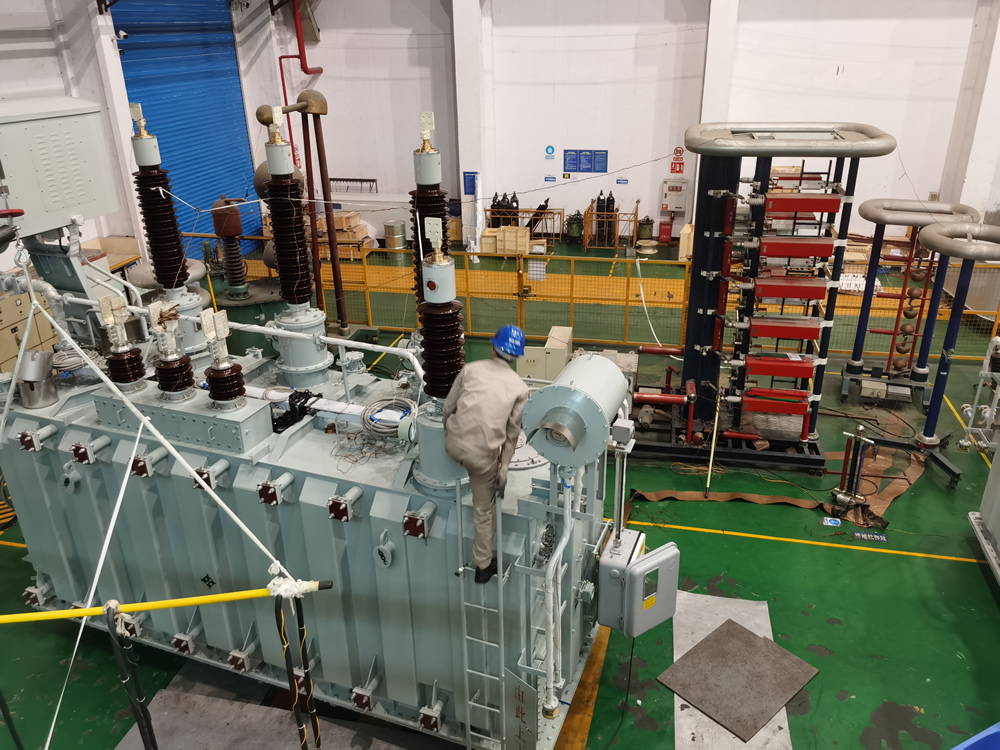
4.1 How Does CODELCO Monitor Electrical Infrastructure?
كوديلكو (Corporación Nacional del Cobre), the world’s largest copper producer operating massive open-pit and underground mines throughout Chile, consumes substantial electrical power for mineral extraction, سحق, grinding, and concentration processes. Mine sites including Chuquicamata, El Teniente, Andina, and Radomiro Tomic operate dedicated المحطات الفرعية at 220kV, 110كيلو فولت, and 23kV voltage levels supplying hundreds of megawatts to processing facilities.
ملكنا أنظمة مراقبة درجة حرارة الألياف الضوئية serve CODELCO electrical infrastructure addressing محولات الطاقة (up to 150MVA capacity), mine-duty switchgear, و مراكز التحكم في المحركات feeding SAG mills, أنظمة الناقل, and crushing equipment. Mining operations’ continuous nature (24/7 year-round production) makes electrical reliability paramount—unplanned transformer or switchgear failures halt processing causing production losses measured in millions of dollars per day.
4.1.1 High-Altitude Installation Challenges
Chilean Andean copper deposits operate at extreme elevations, with numerous mines exceeding 4,000 meters altitude. El Teniente underground mine (2,100m-3,000m elevation) and Radomiro Tomic open pit (2,800m) present environmental challenges including low atmospheric pressure, intense UV radiation, extreme diurnal temperature variations, and seasonal snow/ice accumulation.
ملكنا أنظمة قياس درجة حرارة الألياف الضوئية undergo altitude qualification testing to 5,000 امتار, validating electronic component performance under reduced atmospheric pressure and cooling. أجهزة الاستشعار’ wide operating temperature range (-40°C to +260°C measurement capability, -40°C to +85°C ambient operation) accommodates harsh mountain conditions. All-dielectric construction eliminates altitude-dependent dielectric breakdown concerns affecting high-voltage metallic sensors at reduced atmospheric pressure.
4.1.2 Mining Substation Transformer Monitoring
Mine substations operate large محولات الطاقة in demanding duty cycles with frequent load variations, harmonic distortion from variable frequency drives, and exposure to mineral dust contamination. مراقبة درجة حرارة لف المحولات prevents thermal damage from overloading, فشل نظام التبريد, or internal faults that could progress to catastrophic tank rupture and fire.
ملكنا أجهزة استشعار الألياف الضوئية الفلورسنت install on high-voltage and low-voltage winding conductors plus top oil location, providing complete thermal profiles. Real-time data enables dynamic loading strategies during production surges while preventing damaging temperatures. Chilean mining operators report transformer service life extensions of 20-30% through optimized thermal management compared to historical operational practices based solely on current loading and ambient temperature estimation.
4.2 What Solutions Address Chilean Grid Infrastructure?
4.2.1 Transmission Network Monitoring
Chile’s elongated geography (4,300km north-south length) requires extensive transmission infrastructure connecting hydroelectric generation in southern regions, solar/wind resources in northern desert, and consumption centers in Santiago metropolitan area. Transmission operators Transelec, CGE Transmisión, and SAESA operate 500kV, 345كيلو فولت, 220كيلو فولت, and 110kV networks requiring thermal monitoring at critical substations.
Gas-insulated switchgear installations in urban Santiago substations utilize our مراقبة درجة حرارة الألياف الضوئية for busbar connections, اتصالات قاطع الدائرة, وإنهاء الكابلات. Seismic design requirements in earthquake-prone Chile favor GIS technology’s compact footprint and superior mechanical strength compared to air-insulated alternatives. Our monitoring systems meet Chilean seismic standards, ensuring continued operation after earthquakes that could damage conventional instrumentation.
4.2.2 Solar Energy Interconnection Facilities
Atacama Desert region hosts massive solar installations taking advantage of world-class solar resources (among Earth’s highest solar irradiation levels). Solar farms operated by Enel Green Power, AES Gener, and Colbún require محطات فرعية جامع and grid interconnection facilities managing hundreds of megawatts.
Extreme desert environment challenges including intense solar heating (equipment surface temperatures exceeding 60°C), minimal rainfall but occasional flooding, and severe dust storms require robust مراقبة درجة الحرارة التصاميم. Our IP67-rated sensors and sealed electronics enclosures operate reliably in harsh desert conditions. The monitoring systems’ predictive maintenance capabilities prove especially valuable in remote desert locations where emergency response and component replacement logistics present significant challenges.
4.3 How Do Chilean Hospitals Use Fiber Optic Temperature Sensors?
Santiago’s private hospital networks (Clínica Las Condes, Clínica Alemana, Hospital Militar) implement advanced مراقبة درجة الحرارة الطبية for oncology thermal therapy and MRI patient surveillance. ملكنا MRI-compatible fiber optic sensors enable vital sign monitoring during magnetic resonance imaging without metallic probe safety hazards or image artifact generation.
Radiofrequency ablation procedures for liver tumors, lung lesions, and bone metastases utilize our تحقيقات درجة الحرارة الفلورسنت providing real-time feedback controlling energy delivery. Chilean oncologists adopt minimally invasive thermal therapies as alternatives to surgical resection for inoperable tumors or high-risk patients. ال تكنولوجيا استشعار الألياف الضوئية enables precise temperature control maximizing tumor destruction while protecting adjacent healthy tissue and critical structures.
5. Which Argentine Industrial Facilities Utilize Fiber Optic Thermometry?

5.1 How Do Argentine Power Plants Monitor Generators?
Argentina operates diverse generation portfolio including nuclear power (Atucha I and II, Embalse), الطاقة الكهرومائية (Yacyretá, Salto Grande), thermal plants (الغاز الطبيعي, الفحم), and expanding renewable energy. Each generation technology requires comprehensive electrical equipment temperature monitoring ensuring reliable operation and preventing forced outages.
Nuclear power plants implement stringent safety requirements mandating continuous monitoring of critical electrical systems including اللفات الجزء الثابت للمولد, المحولات الرئيسية, and auxiliary power distribution. ملكنا fiber optic generator monitoring systems address both Siemens-design units (Atucha) and CANDU reactors (Embalse), providing accurate thermal surveillance meeting nuclear quality assurance standards. أجهزة الاستشعار’ radiation resistance and electromagnetic immunity prove essential in nuclear environments where conventional sensors experience premature degradation.
5.1.1 مراقبة لف الجزء الثابت للمولد
Large generators (typical ratings 300MW-750MW for thermal plants, 700MW for nuclear units) operate at high electrical stress with winding temperatures approaching 105°C-130°C continuous ratings. Localized hotspots from blocked ventilation, تلوث العزل, or inter-turn faults can exceed design limits causing accelerated aging or catastrophic failure.
ملكنا أجهزة استشعار الألياف الضوئية الفلورسنت mount directly on stator bar conductors at historically problematic locations including slot exits, series connections, and parallel ring joints. مراقبة متعددة النقاط (عادة 12-24 sensors per generator) creates comprehensive thermal maps identifying developing problems before damage occurs. Argentine utility CAMMESA reports 40% reduction in generator forced outage rates after implementing continuous مراقبة درجة حرارة الألياف الضوئية compared to periodic inspection programs.
5.1.2 Main Transformer and Unit Transformer Monitoring
Generator step-up transformers and unit auxiliary transformers represent critical single-point failures—catastrophic transformer loss removes entire generating unit from service for months during replacement. المراقبة الحرارية للمحولات prevents failures through early detection of winding hotspots, مشاكل نظام التبريد, or internal fault development.
Typical monitoring configurations address high-voltage winding hotspot, low-voltage winding hotspot, and top oil temperature using our fiber optic sensor arrays. Advanced diagnostic algorithms analyze temperature patterns identifying abnormal conditions including cooling pump failures, مشعات مسدودة, internal partial discharges, or winding circulating currents. Integration with plant distributed control systems enables automated load shedding when thermal limits approach, protecting transformers while maximizing generation capacity.
5.2 What Oil and Gas Applications Exist in Argentina?
5.2.1 Vaca Muerta Shale Formation Electrical Infrastructure
Argentina’s Vaca Muerta shale formation represents one of world’s largest unconventional hydrocarbon deposits, supporting rapid oil and gas development in Neuquén province. Drilling and production operations require substantial electrical infrastructure including medium-voltage substations, مراكز التحكم في المحركات, و variable frequency drive systems powering drilling rigs, مضخات, and compressors.
ملكنا مراقبة درجة حرارة الألياف الضوئية serves electrical equipment at remote wellsites, central processing facilities, and pipeline pumping stations. أجهزة الاستشعار’ السلامة الجوهرية (no electrical energy at measurement point, no spark capability) suits hazardous classified areas without requiring expensive explosion-proof housings. Electromagnetic immunity proves essential in environments with high-power VFDs, أجهزة إرسال الراديو, and welding equipment generating severe electrical noise.
5.2.2 Refinery and Petrochemical Facilities
Argentine refineries (YPF La Plata, Shell Dock Sud, Axion Energy Campana) operate complex electrical distribution networks supplying process units, المرافق, and auxiliary systems. Refinery محطات فرعية كهربائية experience harsh environments including hydrocarbon vapor exposure, process heat, and corrosive atmospheres accelerating equipment degradation.
Switchgear and transformer monitoring prevents electrical failures that could trigger process unit shutdowns, flaring events, أو حوادث السلامة. Our corrosion-resistant أجهزة استشعار الألياف الضوئية and IP65/IP67 electronics enclosures withstand refinery environments where metallic sensors corrode and conventional electronics fail prematurely. Monitoring integration with refinery distributed control systems coordinates electrical infrastructure management with process operations.
5.3 How Do Argentine Food Processing Facilities Monitor Electrical Systems?
Argentina’s agricultural processing industries including grain handling, meat packing, dairy processing, and wine production operate throughout the country’s productive agricultural regions. These facilities utilize medium-voltage electrical distribution (13.2كيلو فولت, 33kV typical) supplying refrigeration compressors, processing equipment, and packaging machinery.
مراقبة درجة الحرارة on distribution transformers, motor control center bus bars, and large motor feeders prevents unplanned outages during critical production periods (harvest seasons, peak processing times). Food safety regulations require controlled temperatures for refrigerated storage and processing—electrical failures causing refrigeration loss could spoil inventory valued at substantial amounts. ملكنا أنظمة مراقبة الألياف الضوئية provide advance warning enabling preventive action before catastrophic failures occur.
6. How Do Colombian Hydroelectric Plants Monitor Generator Temperature?
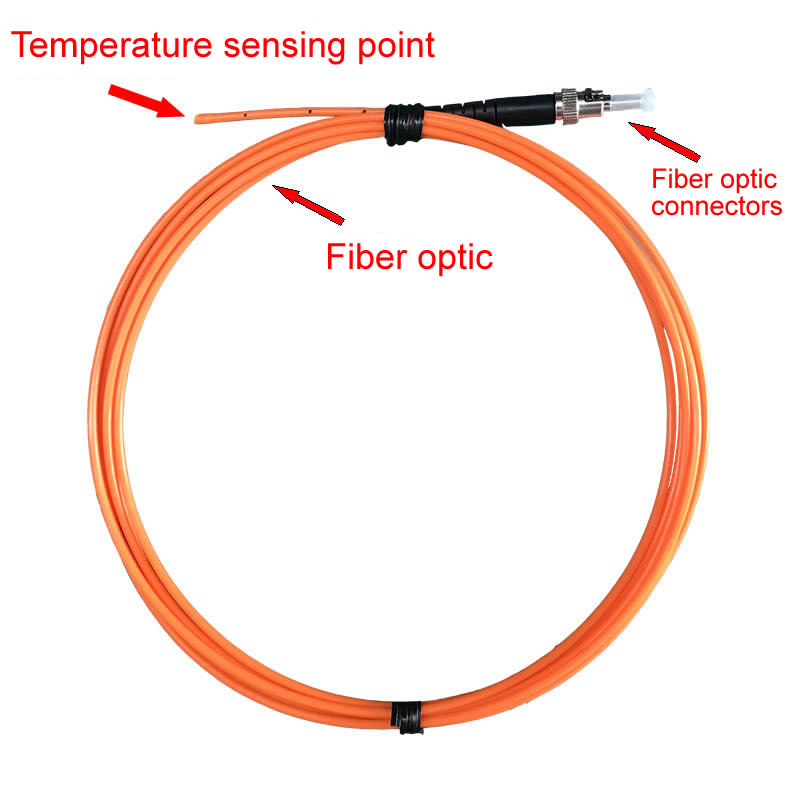
6.1 What Are Colombia’s Main Hydroelectric Monitoring Needs?
Colombia generates approximately 70% of electricity from hydroelectric sources, operating major plants including Hidroituango (2.4GW), Guavio (1.2GW), San Carlos complex, and numerous medium-scale facilities. مراقبة درجة حرارة المولد represents critical application preventing forced outages that would require expensive thermal generation replacement during low-water periods.
ملكنا fiber optic generator monitoring systems serve Colombian hydroelectric operators including EPM (Empresas Públicas de Medellín), Emgesa, and Isagen. Typical installations monitor اللفات الجزء الثابت للمولد, exciter systems, and step-up transformer windings on units ranging from 50MW to 340MW per generator. The monitoring provides early warning of developing problems including ventilation blockages, winding insulation deterioration, or cooling water system degradation.
6.1.1 Stator Winding Hotspot Detection
Hydroelectric generators operate continuously at high capacity factors (عادة 60-80% annual average) creating sustained thermal stress on winding insulation. Traditional stator temperature measurement using embedded resistance temperature detectors faces reliability challenges from lead wire failures, connector corrosion in humid environments, and electromagnetic interference from rotating fields.
ملكنا أجهزة استشعار الألياف الضوئية الفلورسنت eliminate these failure modes through all-dielectric construction and immunity to electromagnetic fields. Sensors install on stator bar conductors during generator rewinds or major maintenance outages, providing permanent monitoring infrastructure. Colombian operators report detection of cooling system degradation, duct blockage, and insulation contamination 3-6 months earlier compared to periodic inspection programs, enabling planned maintenance rather than forced outages.
6.1.2 Generator Step-Up Transformer Monitoring
Each hydroelectric unit utilizes dedicated generator step-up transformer (typical ratings 50MVA to 400MVA) connecting generator voltage (typically 13.8kV or 18kV) to transmission network (115كيلو فولت, 220كيلو فولت, or 500kV). These transformers operate in demanding duty cycles with frequent load variations following water availability and electricity market conditions.
مراقبة درجة حرارة لف المحولات enables dynamic loading optimization—during high-water periods with abundant generation capacity, operators can exceed nameplate ratings within thermal limits, maximizing revenue. على العكس من ذلك, monitoring prevents damaging overloads during equipment degradation or cooling system problems. Integration with plant SCADA systems provides operators real-time thermal status supporting operational decision-making.
6.2 How Does Colombia’s Transmission Grid Use Temperature Monitoring?
Colombia’s National Transmission System operated by ISA (Interconexión Eléctrica S.A.) and regional companies connects generation resources (primarily hydroelectric in Andean regions) with consumption centers including Bogotá, Medellín, Cali, and Barranquilla. The transmission network requires مراقبة درجة حرارة المحطة الفرعية at critical interconnection points, voltage transformation facilities, and system control centers.
Gas-insulated switchgear installations in urban Bogotá and Medellín substations utilize our مراقبة الألياف الضوئية addressing space constraints and environmental protection requirements. Colombia’s varied climate—from Caribbean coastal humidity to high-altitude Andean cold—requires temperature sensors operating across wide environmental ranges. Our IP67-rated sensor assemblies function reliably in all Colombian climate zones without degradation.
6.3 What Medical Applications Serve Colombian Healthcare?
بوغوتا, Medellín, and Cali hospital networks implement advanced oncology thermal therapy systems for cancer treatment. Private hospitals including Fundación Santa Fe de Bogotá, Hospital Pablo Tobón Uribe, and Clínica del Country utilize الاستئصال بالترددات الراديوية, الاستئصال بالميكروويف, و hyperthermia systems requiring precise temperature measurement during procedures.
ملكنا medical-grade fiber optic sensors provide real-time tumor temperature monitoring during minimally invasive treatments. Applications include liver cancer ablation, lung tumor thermal therapy, and bone metastasis pain palliation. أجهزة الاستشعار’ التوافق الحيوي, small diameter (0.5mm-1.0mm), and electromagnetic immunity enable safe, accurate measurement within high-power RF and microwave energy fields. Colombian oncologists report improved treatment outcomes and reduced complications through precise thermal control enabled by continuous مراقبة درجة حرارة الألياف الضوئية.
7. What Medical Applications Require Fiber Optic Sensors in Latin America?

7.1 How Is Thermal Therapy Used for Cancer Treatment?
Hyperthermia cancer treatment applies controlled heating (typically 40°C-45°C sustained for 30-90 دقائق) enhancing radiation therapy and chemotherapy effectiveness. Clinical studies demonstrate hyperthermia increases tumor blood flow, improves drug delivery, sensitizes cancer cells to radiation, and directly induces tumor cell death through thermal stress. Latin American oncology centers adopt thermal therapy as complementary treatment for various cancers including cervical, prostate, breast, sarcoma, and melanoma.
ملكنا أجهزة استشعار درجة حرارة الألياف الضوئية الفلورسنت provide essential real-time feedback controlling heating power to maintain therapeutic temperatures while preventing healthy tissue damage. أجهزة الاستشعار’ دقة (±0.5°C for medical applications), استجابة سريعة (<1 ثانية), and complete electromagnetic immunity enable precise temperature control during treatments using radiofrequency, ميكروويف, or ultrasound energy delivery.
7.1.1 Radiofrequency Ablation Procedures
الاستئصال بالترددات الراديوية (RFA) delivers high-frequency alternating current (typically 460kHz-500kHz) through needle electrodes inserted into tumors, generating resistive heating that destroys cancer cells. Applications include liver tumors (hepatocellular carcinoma, colorectal metastases), lung lesions, kidney cancer, bone metastases, and small breast cancers.
ملكنا مجسات درجة حرارة الألياف الضوئية insert through separate needles adjacent to ablation electrodes, monitoring tissue temperature to verify adequate thermal dose delivery. أجهزة الاستشعار’ immunity to RF electromagnetic fields prevents measurement errors and dangerous metallic probe heating that would injure patients. Latin American hospitals including Hospital Israelita Albert Einstein (البرازيل), Hospital ABC (المكسيك), and Fundación Santa Fe (كولومبيا) utilize our technology for image-guided ablation procedures performed under CT or ultrasound visualization.
7.1.2 Microwave Ablation Monitoring
Microwave ablation employs electromagnetic energy at 915MHz or 2.45GHz frequencies creating larger, more spherical ablation zones compared to radiofrequency techniques. Microwave systems prove especially effective for lung tumors (where high tissue impedance limits RF effectiveness) and locations near blood vessels (where vascular cooling reduces RF efficacy).
Temperature monitoring during الاستئصال بالميكروويف faces severe challenges from high-power electromagnetic fields (typical generator outputs 30W-150W). Metallic temperature sensors would experience dangerous induced heating and measurement interference. Our all-dielectric تحقيقات الألياف الضوئية الفلورسنت operate safely and accurately within microwave fields, providing real-time temperature feedback essential for procedural safety and efficacy. Mexican and Brazilian oncology centers report improved ablation completeness and reduced complications using fiber optic temperature-guided microwave therapy.
7.2 What MRI-Compatible Temperature Monitoring Applications Exist?
التصوير بالرنين المغناطيسي utilizes powerful magnetic fields (عادة 1.5 تسلا ل 3.0 تسلا) and radiofrequency pulses creating hazardous conditions for conventional metallic sensors. Any ferromagnetic material would experience powerful attractive forces creating projectile hazards potentially injuring patients or damaging expensive scanners. Conductive materials would generate induced currents causing heating, burns, أو صور فنية تؤدي إلى تدهور جودة التشخيص.
ملكنا أجهزة استشعار درجة حرارة الألياف الضوئية المتوافقة مع التصوير بالرنين المغناطيسي تحتوي على مواد غير معدنية على وجه الحصر, مواد غير مغناطيسية تتيح التشغيل الآمن داخل بيئات التصوير بالرنين المغناطيسي. وتشمل التطبيقات مراقبة العلامات الحيوية للمريض أثناء إجراءات التصوير بالرنين المغناطيسي (مهم بشكل خاص للأطفال المهدئين, المرضى المصابين بأمراض خطيرة, أو فحوصات طويلة) والعلاجات الحرارية الموجهة بالرنين المغناطيسي بما في ذلك الاستئصال المركز بالموجات فوق الصوتية.
7.2.1 مراقبة المريض أثناء إجراءات التصوير بالرنين المغناطيسي
تقوم مستشفيات أمريكا اللاتينية بإجراء التصوير بالرنين المغناطيسي للأطفال (تتطلب التخدير أو التخدير), اختبارات الإجهاد بالرنين المغناطيسي للقلب, أو يحتاج التصوير بالرنين المغناطيسي في حالات الطوارئ للمرضى المصابين بأمراض خطيرة إلى مراقبة مستمرة لدرجة حرارة المريض لضمان السلامة أثناء الفحوصات. لا يمكن لمقاييس الحرارة الإلكترونية التقليدية دخول غرف التصوير بالرنين المغناطيسي بسبب الجذب المغناطيسي وتداخل الترددات اللاسلكية.
ملكنا مراقبة درجة حرارة الألياف الضوئية الآمنة بالتصوير بالرنين المغناطيسي provides continuous patient core temperature surveillance throughout procedures. The completely passive sensors (لا بطاريات, no electronics, لا معدن) present zero magnetic attraction, generate no image artifacts, and require no electrical safety precautions. Major Latin American medical centers including Hospital Israelita Albert Einstein and Hospital ABC implement our technology for high-risk MRI procedures where patient monitoring proves essential.
7.2.2 MRI-Guided Focused Ultrasound Therapy
MR-guided focused ultrasound (MRgFUS) represents emerging therapy combining real-time MRI visualization with focused ultrasound energy delivery for non-invasive tumor ablation. Applications include uterine fibroids, bone metastasis pain palliation, and experimental treatments for prostate cancer, liver tumors, and brain lesions. MRI provides both targeting guidance and temperature mapping during treatment.
While MRI thermometry offers spatial temperature mapping, أجهزة استشعار نقطة الألياف البصرية provide superior accuracy and faster response for critical location monitoring. ملكنا MRI-compatible probes validate MRI temperature measurements and monitor locations outside MRI thermometry sensitivity. Brazilian and Argentine medical centers pioneering MRgFUS therapy utilize our technology for treatment quality assurance and patient safety monitoring.
7.3 How Are Fiber Optic Sensors Used in Medical Research?
Latin American medical research institutions investigate novel thermal therapy techniques requiring precise قياس درجة الحرارة القدرات. Applications include photothermal therapy using nanoparticles activated by laser light, high-intensity focused ultrasound (HIFU) for non-invasive surgery, and interstitial laser photocoagulation for tumor destruction.
ملكنا research-grade fiber optic sensors support experimental protocols at institutions including University of São Paulo Medical School, National Autonomous University of Mexico, and University of Chile. أجهزة الاستشعار’ دقة, المناعة الكهرومغناطيسية, and biocompatibility enable studies that would prove impossible using conventional temperature measurement technologies. Research findings validate thermal therapy effectiveness and optimize treatment protocols subsequently adopted for clinical patient care.
8. Which Peruvian High-Altitude Mining Projects Need Specialized Monitoring?

8.1 What Challenges Do Andean Mining Operations Face?
Peruvian mining industry operates numerous facilities at extreme elevations exceeding 4,000 meters in the Andes mountains. Major operations including Las Bambas copper mine (4,000m elevation), Cerro Verde copper mine (2,600m), Antamina copper-zinc mine (4,300m), and Yanacocha gold mine (3,500m-4,100m) require substantial electrical infrastructure supporting crushing, grinding, flotation, and material handling processes.
High-altitude environments present multiple equipment challenges including reduced atmospheric cooling (lower air density decreases convective heat transfer), increased UV radiation exposure accelerating insulation degradation, extreme diurnal temperature variations (daily swings exceeding 30°C), and low atmospheric pressure affecting electrical insulation. بالإضافة إلى ذلك, remote locations complicate maintenance logistics and emergency response.
8.1.1 Electrical Equipment Derating Requirements
High-altitude operation requires محول و المفاتيح الكهربائية derating due to reduced cooling effectiveness and decreased dielectric strength at low atmospheric pressure. Equipment rated for sea-level operation may require 10-20% capacity reduction at 4,000m elevation to maintain safe operating temperatures. مراقبة درجة حرارة الألياف الضوئية enables operators to optimize loading within actual thermal limits rather than conservative derating factors.
ملكنا أنظمة قياس درجة الحرارة provide real-time thermal data supporting dynamic loading decisions. During cold night shifts (ambient temperatures potentially below -15°C), equipment can operate at higher loads compared to hot afternoon periods (ambient potentially +25°C). This optimization maximizes production capacity while preventing damaging temperatures—particularly valuable in mining operations where processing throughput directly determines revenue.
8.1.2 Maintenance Access Challenges
Remote high-altitude locations complicate maintenance activities due to difficult access, altitude-related human performance degradation, and limited local technical resources. Preventive maintenance often requires mobilizing specialized technicians from coastal cities (Lima, Arequipa) involving substantial travel time and altitude acclimatization requirements before work can commence.
الصيانة التنبؤية تمكين بواسطة المستمر مراقبة درجة حرارة الألياف الضوئية reduces emergency response requirements through early problem detection. Trending analysis identifies gradual degradation patterns weeks or months before catastrophic failures, allowing planned maintenance during scheduled outages rather than emergency interventions. Peruvian mining operators report 50-60% reduction in electrical equipment forced outages after implementing comprehensive thermal monitoring compared to time-based maintenance programs.
8.2 How Do Peruvian Concentrator Plants Monitor Electrical Systems?
8.2.1 SAG Mill and Ball Mill Motor Monitoring
Mineral concentrator facilities utilize massive grinding mills driven by high-power motors (typical ratings 5MW-28MW for SAG mills, 3MW-15MW for ball mills). These motors operate continuously under heavy mechanical loading with frequent thermal cycling as ore characteristics and throughput vary. Motor failures cause complete process line shutdowns resulting in production losses potentially exceeding hundreds of thousands of dollars per day.
ملكنا مراقبة درجة حرارة الألياف الضوئية addresses motor stator windings, تحمل العلب, and power cable terminations. Multi-point monitoring creates thermal profiles identifying developing problems including winding insulation deterioration, تحمل الفشل, or power cable defects before catastrophic failures occur. أجهزة الاستشعار’ immunity to electromagnetic interference from variable frequency drives (most modern SAG mills utilize VFD control) ensures accurate measurement unaffected by electrical noise.
8.2.2 High-Voltage Distribution Transformers
Concentrator plants operate medium-voltage distribution networks (typically 10kV, 22.9كيلو فولت, or 33kV) supplied from mine substations through multiple محولات الطاقة. Transformer monitoring prevents failures that would de-energize entire process sections. Typical monitoring configurations address winding hotspots and top oil temperature on critical transformers feeding grinding circuits, flotation cells, and thickener drives.
High-altitude cooling challenges make الإدارة الحرارية للمحولات especially critical. Reduced air density decreases radiator cooling effectiveness requiring closer attention to loading and ambient temperature. ملكنا أنظمة مراقبة الألياف الضوئية provide real-time thermal status enabling operators to optimize loading while maintaining safe temperatures. Integration with concentrator process control systems coordinates electrical infrastructure management with metallurgical operations.
8.3 What Solutions Serve Peruvian Underground Mining Operations?
Peruvian underground mines extract polymetallic ores (نحاس, zinc, يقود, silver, ذهب) from deep deposits using mechanized equipment powered by extensive electrical infrastructure. Underground electrical systems face unique challenges including confined spaces, رطوبة عالية, rock dust contamination, vibration from blasting and equipment operation, and elevated temperatures from geothermal gradients (temperature increases approximately 1°C per 30 meters depth).
Underground mine substations, transformer chambers, و power distribution centers require robust monitoring withstanding harsh conditions while providing reliable early warning of electrical problems. ملكنا مستشعرات درجة حرارة الألياف البصرية feature IP67 sealing against moisture and dust ingress, vibration-resistant mounting, and wide operating temperature range accommodating underground environments. أجهزة الاستشعار’ all-dielectric construction provides inherent safety in underground atmospheres potentially containing explosive gases or combustible dust.
9. Why Do Latin American Users Choose Imported Temperature Sensors?
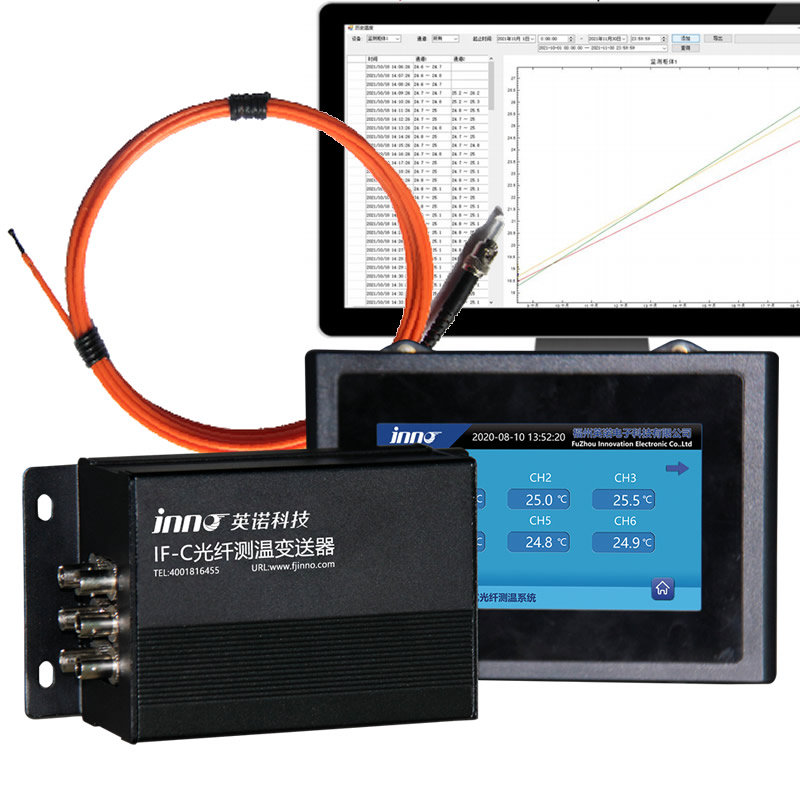
9.1 What Technical Performance Advantages Drive Import Preference?
9.1.1 Measurement Accuracy and Long-Term Stability
Critical electrical infrastructure applications demand temperature measurement accuracy better than ±1°C with long-term stability maintaining calibration accuracy over 10-25 عمر الخدمة سنة. تكنولوجيا الألياف الضوئية الفلورسنت achieves these specifications through physics-based measurement principles immune to drift phenomena affecting conventional sensors. Latin American utilities and industrial facilities specify imported sensors recognizing that measurement reliability directly impacts operational safety and economic performance.
Local sensor manufacturers, where they exist, typically produce conventional technologies including thermocouples, أهداف التنمية المستدامة, or thermistors lacking the accuracy, استقرار, and electromagnetic immunity required for demanding power system applications. ملكنا أنظمة مراقبة درجة حرارة الألياف الضوئية provide documented performance specifications validated through independent laboratory testing and extensive field installations demonstrating capabilities unmatched by locally-manufactured alternatives.
9.1.2 Electromagnetic Immunity and Safety
محطات الطاقة الفرعية, المرافق الصناعية, and medical environments generate severe electromagnetic interference from high-voltage equipment, تبديل العابرين, محركات التردد المتغير, and therapeutic energy delivery systems. Metallic sensors experience measurement errors from induced voltages, حلقات الأرض, and RF interference. بالإضافة إلى ذلك, metallic sensors create safety hazards including spark ignition sources in hazardous atmospheres and dangerous heating in MRI or RF therapy environments.
Our all-dielectric أجهزة استشعار الألياف الضوئية الفلورسنت provide complete electromagnetic immunity and intrinsic safety impossible to achieve with conventional technologies. These characteristics prove essential for reliable operation in electrically noisy environments and safe deployment in hazardous or medical applications. Latin American end users recognize that sensor technology selection directly impacts both measurement reliability and personnel safety, justifying import procurement despite potentially higher initial costs compared to conventional local alternatives.
9.2 How Do Quality and Certification Requirements Influence Selection?
9.2.1 الامتثال للمعايير الدولية
Major electrical utilities, multinational industrial operators, and internationally-accredited medical facilities specify equipment meeting recognized international standards including IEC, IEEE, لا يوجد, ايزو, and medical device regulations. Import sensors from established manufacturers provide comprehensive certification documentation including CE marking, الامتثال لـ RoHS, type test reports from accredited laboratories, and quality management system certifications (ايزو 9001, ايزو 13485 for medical devices).
Local manufacturers often lack resources and technical capabilities for international certification compliance, limiting product acceptability for critical applications. ملكنا أنظمة مراقبة درجة حرارة الألياف الضوئية maintain all relevant certifications ensuring acceptance by Latin American utilities, engineering firms, and regulatory authorities. Complete documentation packages accompany each shipment facilitating project approval and equipment commissioning.
9.2.2 Product Reliability and Warranty Support
Critical infrastructure applications require proven reliability with comprehensive warranty coverage and long-term technical support. Imported sensors from established manufacturers provide documented field performance (our products: 500+ المنشآت, 30+ بلدان, 10+ years maximum continuous operation), multi-year warranties (عادة 2-5 اعوام), and ongoing technical support infrastructure.
Warranty terms reflect manufacturer confidence in product quality—we offer comprehensive coverage including sensor replacement, demodulator repair, and technical assistance throughout warranty periods. This support proves especially valuable in Latin American markets where local technical resources may lack specialized expertise for advanced sensing technologies. Customers recognize that total lifecycle costs favor reliable imported sensors despite potentially higher acquisition costs compared to uncertain local alternatives requiring frequent replacement or ongoing calibration expenses.
9.3 What Commercial Factors Support Import Procurement?
9.3.1 Technology Transfer and Localization Limitations
Advanced sensing technologies including الألياف الضوئية الفلورية require substantial R&د الاستثمار, specialized manufacturing capabilities, and comprehensive quality control systems. Latin American markets generally lack sufficient scale to justify indigenous development of specialized sensor technologies serving relatively limited regional demand. Technology transfer attempts often fail due to insufficient manufacturing infrastructure, limited technical workforce, and ongoing dependency on imported components and materials.
Established manufacturers like Fuzhou Innovation Electronic maintain vertically-integrated operations including proprietary sensor development, optical component fabrication, electronics design and manufacturing, and comprehensive testing facilities. This integration ensures consistent quality and enables continuous product improvement impossible for companies relying on outsourced production or licensed technologies. Latin American buyers benefit from accessing proven technologies at competitive prices enabled by manufacturing scale serving global markets.
9.3.2 Competitive Pricing from Asian Manufacturers
Chinese manufacturers including our company offer temperature monitoring systems at prices 30-40% below European competitors while maintaining comparable or superior technical specifications. This value proposition proves compelling for Latin American customers operating under budget constraints while requiring high-performance solutions. Manufacturing efficiency, vertical integration, and serving global markets create economies enabling competitive export pricing.
Total cost of ownership analysis demonstrates that imported sensors’ موثوقية متفوقة, عمر خدمة أطول, and reduced maintenance requirements offset higher initial costs compared to locally-manufactured alternatives. Over typical 10-20 year project lifespans, مستورد أنظمة مراقبة الألياف الضوئية deliver lower total costs through eliminated calibration expenses, انخفاض معدلات الفشل, and extended operational life compared to conventional technologies requiring periodic replacement and ongoing maintenance.
10. How to Select Reliable Suppliers for Latin American Projects?
10.1 What Supplier Qualifications Matter Most?
10.1.1 Export Experience and Regional Knowledge
Successful Latin American project execution requires suppliers with documented export experience, understanding of regional regulations, and established logistics capabilities. Our company serves 30+ countries with comprehensive experience addressing customs procedures, متطلبات الشهادة, and shipping logistics for electrical equipment. Spanish-speaking technical staff provide consultation, الوثائق, and support in customers’ native languages facilitating communication and project coordination.
Regional market knowledge proves essential for appropriate product specification. We understand Latin American electrical standards (varied voltage levels, تكرار, and grounding practices), climate challenges (tropical to arctic conditions), ومتطلبات التطبيق (التعدين, توليد الطاقة, المرافق الصناعية). This expertise enables accurate product recommendations and system designs avoiding costly errors from misapplied technologies.
10.1.2 Manufacturing Quality and Certifications
ايزو 9001 quality management certification demonstrates established processes for design control, manufacturing consistency, and continuous improvement. Our facilities maintain certified quality systems with documented procedures for component selection, اختبار الإنتاج, calibration traceability, and final inspection. Each production unit undergoes comprehensive factory testing validating accuracy, واجهات الاتصالات, alarm functionality, and environmental qualification before shipment.
Product certifications including CE marking and RoHS compliance confirm conformity with international safety and environmental standards. Type test reports from accredited laboratories validate published specifications for temperature accuracy, وقت الاستجابة, التوافق الكهرومغناطيسي, والأداء البيئي. These certifications ensure product acceptance by Latin American utilities, engineering consultants, and regulatory authorities avoiding project delays from equipment approval issues.
10.1.3 البنية التحتية للدعم الفني
Comprehensive technical support throughout project lifecycle—from pre-sales consultation through installation, التكليف, and ongoing operation—distinguishes quality suppliers from commodity vendors. Our support includes:
- Application engineering consultation for system design and measurement point selection
- Detailed technical proposals with equipment specifications and integration guidance
- Spanish and Portuguese language documentation (كتيبات, رسومات, شهادات)
- Remote commissioning assistance via video conferencing and screen sharing
- Troubleshooting support through email, هاتف, والتشخيص عن بعد
- Training materials and operator instruction documentation
- Spare parts supply and warranty service coordination
10.2 How to Evaluate Product Suitability for Specific Applications?
10.2.1 Environmental Compatibility Assessment
Latin American projects span extreme environmental conditions from Amazon rainforest humidity to Atacama Desert aridity, coastal salt exposure to high-altitude cold, and tropical heat to temperate climates. Sensor selection must verify operating temperature range, تحمل الرطوبة, مقاومة للأشعة فوق البنفسجية, and sealing ratings appropriate for installation conditions.
ملكنا مستشعرات درجة حرارة الألياف البصرية operate across -40°C to +260°C measurement range with -40°C to +85°C ambient rating, IP67 sealing, and UV-resistant materials accommodating virtually all Latin American environments. Reference installations demonstrate proven performance in Brazilian Amazon installations, Chilean desert solar farms, Peruvian high-altitude mines, and coastal substations throughout the region.
10.2.2 Integration and Communication Requirements
Successful monitoring system deployment requires compatibility with existing or planned automation infrastructure. Verify that candidate systems support required communication protocols (مودبوس RTU/TCP, اللجنة الانتخابية المستقلة 60870-5-101/104, اللجنة الانتخابية المستقلة 61850, DNP3, OPC تعميم الوصول إلى الخدمات), مستويات الجهد (24VDC, 110VDC, 120بطالة, 220بطالة), and interface connections (آر إس 485, إيثرنت, الألياف الضوئية) matching substation or facility standards.
ملكنا multi-protocol temperature demodulators provide flexible communication supporting diverse automation platforms throughout Latin America. Configuration tools enable protocol selection, parameter adjustment, and alarm threshold programming without requiring different hardware models. This flexibility simplifies procurement, reduces inventory requirements, and enables future protocol changes through software updates rather than equipment replacement.
10.2.3 Application-Specific Performance Verification
Different applications prioritize different performance characteristics. مراقبة المفاتيح الكهربائية emphasizes fast response time (<1 ثانية) detecting rapid temperature changes during switching operations or fault conditions. مراقبة المحولات requires high accuracy (±0.5 درجة مئوية إلى ±1 درجة مئوية) for precise thermal modeling and dynamic loading optimization. Generator monitoring demands electromagnetic immunity operating within intense rotating magnetic fields. التطبيقات الطبية necessitate biocompatibility, small sensor dimensions, and MRI compatibility.
Our product portfolio addresses diverse application requirements through specialized sensor designs, customized measurement ranges, and application-optimized configurations. Technical consultation identifies appropriate product selection matching specific project requirements rather than applying generic solutions to specialized needs.
10.3 Why Choose Fuzhou Innovation Electronic for Latin American Projects?
10.3.1 Proven Track Record and Global Experience
Since establishment in 2011, our company has delivered أنظمة مراقبة درجة حرارة الألياف الضوئية ل 500+ power utilities, المرافق الصناعية, and medical institutions across 30+ بلدان. Latin American installations include projects in Brazil, المكسيك, شيلي, الأرجنتين, كولومبيا, Peru, Panama, and Costa Rica addressing substations, مولدات, المحولات, العمليات الصناعية, والمرافق الطبية.
Reference projects demonstrate successful execution capabilities including:
- Brazilian utility substations (Eletrobras, state distribution companies)
- Mexican industrial facilities (السيارات, الفضاء الجوي, النفط والغاز)
- Chilean mining operations (نحاس, lithium, gold producers)
- Argentine power generation (النووية, الحرارية, hydroelectric plants)
- Colombian hydroelectric stations (major dam operators)
- Peruvian high-altitude mining electrical infrastructure
- Medical facilities throughout region (oncology, radiology departments)
10.3.2 محفظة المنتجات الشاملة
Our product range addresses complete spectrum of power system and medical تطبيقات مراقبة درجة الحرارة:
- أنظمة مراقبة المفاتيح الكهربائية: 4-64 channel demodulators, أجهزة استشعار من النوع النقطي, GIS/air-insulated configurations
- مراقبة المحولات: أجهزة الاستشعار المتعرجة, مجسات درجة حرارة الزيت, مراقبة البطانة
- Generator monitoring: Stator winding sensors, تحمل درجة الحرارة, exciter monitoring
- Medical sensors: MRI-compatible probes, thermal therapy applications, biocompatible materials
- مُكَمِّلات: تركيب الأجهزة, كابلات الألياف الضوئية, communication converters, display software
This comprehensive offering enables single-source procurement simplifying vendor management, ensuring compatibility across system components, and providing unified technical support rather than coordinating multiple suppliers for integrated solutions.
10.3.3 عرض القيمة التنافسية
Our pricing structure delivers 30-40% cost savings compared to European competitors while maintaining equivalent or superior technical specifications and quality standards. This value proposition proves especially compelling for Latin American customers balancing performance requirements against budget constraints. Competitive pricing enables broader monitoring system deployment, increasing protected asset quantities compared to limited installations constrained by high-cost alternatives.
Total cost of ownership advantages include:
- Lower initial acquisition costs versus European brands
- تمديد عمر الاستشعار (>25 اعوام) eliminating replacement expenses
- Maintenance-free operation reducing ongoing costs
- Comprehensive warranty coverage minimizing post-installation expenses
- Efficient logistics and responsive delivery reducing project delays
- Technical support included rather than charged separately
10.3.4 Dedicated Latin American Support
Recognizing Latin American markets’ متطلبات محددة, we provide specialized support services:
- Spanish and Portuguese speaking technical engineers
- Complete documentation in Spanish/Portuguese languages
- Export documentation and customs clearance assistance
- Regional distributor networks for local sales and service
- Time zone aligned communication (UTC-3 to UTC-6 coverage)
- Understanding of regional electrical standards and practices
- Proven logistics to major Latin American ports and cities
- Flexible payment terms accommodating regional banking practices
This regional focus ensures that Latin American customers receive equivalent service quality and responsiveness as domestic Chinese customers rather than being treated as secondary export markets by suppliers primarily focused on other regions.
الأسئلة المتداولة
س1: What delivery times are typical for Latin American projects?
Standard delivery requires 2-3 weeks production time plus 3-4 weeks ocean freight to major Latin American ports (Santos, Callao, Valparaiso, بوينس آيرس, Cartagena, Veracruz). Total lead time from order confirmation to port arrival typically ranges 5-7 أسابيع. Air freight options reduce transit to 5-7 days for urgent projects, though with higher shipping costs. We maintain strategic inventory for common configurations (8-channel and 16-channel demodulators, standard sensor types) enabling faster fulfillment for stock items. Complex custom configurations or large quantity orders may require extended production schedules discussed during quotation.
Q2: Do you provide Spanish and Portuguese language documentation?
Complete technical documentation is available in Spanish and Portuguese including user manuals, أدلة التثبيت, quick start instructions, مواصفات بروتوكول الاتصال, وإجراءات استكشاف الأخطاء وإصلاحها. Our technical support team includes Spanish-speaking engineers providing consultation, مساعدة التثبيت, and troubleshooting support in customers’ native language. Training materials, warranty documentation, and compliance certificates also provide Spanish/Portuguese versions. We recognize that language accessibility proves essential for successful project implementation, تدريب المشغلين, والصيانة المستمرة, thus investing in comprehensive localization rather than relying solely on English documentation requiring customer translation.
س3: How are customs clearance and certifications handled for international shipments?
We provide complete export documentation facilitating customs clearance including commercial invoices, detailed packing lists, certificates of origin, and relevant compliance certificates (علامة CE, الامتثال لـ RoHS, تقارير الاختبار). Our experienced export logistics team coordinates with international freight forwarders and can recommend customs brokers in destination countries familiar with electrical equipment importation. For projects requiring specific country certifications beyond standard CE/RoHS compliance, we assist with documentation submission and can coordinate third-party testing if needed. Most Latin American countries accept CE-marked electrical equipment without additional local certification, though specific requirements vary by country and application (utility versus industrial versus medical installations).
س 4: Can you provide on-site installation support and commissioning services?
For major projects, we offer on-site commissioning support through experienced field service engineers who travel to customer locations for system startup, اختبار التحقق, integration confirmation, وتدريب المشغلين. بدلاً من ذلك, many projects successfully commission through remote assistance combining detailed installation documentation, pre-commissioning factory testing, video conferencing support during startup, and remote diagnostics via communication interfaces. أثبت التشغيل عن بعد فعاليته من حيث التكلفة بالنسبة للتركيبات المباشرة حيث يتمتع موظفو العملاء بالقدرات الكهربائية/أجهزة القياس الأساسية. التكاملات المعقدة, المنشآت لأول مرة, أو قد يبرر تفضيل العميل خدمات الدعم في الموقع المقتبسة بشكل منفصل بناءً على موقع المشروع, متطلبات المدة, ولوجستيات السفر.
س5: ما هي تغطية الضمان ودعم ما بعد التثبيت الذي تقدمه؟?
يوفر الضمان القياسي 24 تغطية أشهر من تاريخ التسليم بما في ذلك استبدال المستشعر لعيوب التصنيع, إصلاح مزيل التشكيل أو استبدال الأعطال الإلكترونية, والدعم الفني لاستكشاف الأخطاء وإصلاحها والتحسين. خيارات الضمان الممتد (36-60 شهور) متاحة للمشاريع التي تتطلب فترات تغطية أطول. الضمان لا يشمل الأضرار الناجمة عن التثبيت غير السليم, تعديلات غير مصرح بها, ضربات البرق, أو شروط تتجاوز المواصفات المعلنة. Post-warranty support continues through spare parts supply, الاستشارة الفنية, and repair services on fee basis. Our commitment extends beyond initial sale—many customers operate systems for 10+ years with ongoing technical relationship, periodic upgrades, and system expansions as monitoring needs evolve.
س6: How do your products compare with European manufacturers like ABB or Siemens?
ملكنا أجهزة استشعار درجة حرارة الألياف الضوئية الفلورسنت provide equivalent or superior technical specifications compared to European brands at substantially lower costs (عادة 30-40% المدخرات). Performance comparison shows our sensors achieve ±1°C accuracy matching premium competitors, <1 second response time equaling or exceeding alternatives, و >25 year operational life comparable to best-in-class products. Key differentiators include proprietary fluorescent sensing technology (versus licensed or outsourced designs), vertically-integrated manufacturing ensuring quality control, and flexible customization capabilities for application-specific requirements. European brands may offer advantages in established regional sales networks and long corporate histories, while we provide superior value proposition through competitive pricing, responsive technical support, and proven global installations demonstrating performance parity despite lower costs.
س7: Can monitoring systems integrate with existing SCADA and automation platforms?
ملكنا multi-protocol demodulators support comprehensive communication options including Modbus RTU/TCP (most common in Latin America), اللجنة الانتخابية المستقلة 60870-5-101/104 (utility telecontrol standard), اللجنة الانتخابية المستقلة 61850 (modern substation automation), DNP3 (المرافق في أمريكا الشمالية), و OPC UA (industrial interoperability). This flexibility ensures integration with virtually any existing or planned automation platform throughout Latin American markets. Configuration software enables protocol selection, parameter mapping, and alarm contact assignments matching specific SCADA requirements. We provide integration support including protocol documentation, example configurations, and troubleshooting assistance ensuring successful communication establishment with customer systems. Many installations also utilize standalone operation with local displays and alarm outputs for facilities lacking centralized automation infrastructure.
التوثيق والاستشارة الفنية
للحصول على المواصفات الفنية الشاملة, engineering design support, application consultation, اقتباسات المشروع, or additional information about our حلول مراقبة درجة حرارة الألياف الضوئية for Latin American markets, please contact our international sales and technical team:
فوتشو الابتكار العلمي الإلكترونية&شركة التكنولوجيا, المحدوده.
مقرر: 2011
البريد الإلكتروني: web@fjinno.net
واتساب/وي شات/الهاتف: +86 13599070393
ف ف: 3408968340
عنوان: مجمع لياندونغ يو لشبكات الحبوب الصناعية,
رقم 12 طريق شينغي الغربي, فوتشو, فوجيان, الصين
موقع إلكتروني: www.fjinno.net
Latin American Regional Support:
- Spanish-speaking technical engineers available for consultation
- Portuguese language support for Brazilian market
- Time zone aligned communication (UTC-3 to UTC-6 coverage)
- Experience with regional electrical standards and practices
- Understanding of local customs, اللوجستية, and certification requirements
- Reference project information from Brazil, المكسيك, شيلي, الأرجنتين, كولومبيا, Peru
Available Documentation and Services:
- Product datasheets and technical specifications (English/Spanish/Portuguese)
- Application guides for switchgear, محول, مولد, and medical monitoring
- Installation manuals and commissioning procedures
- Communication protocol documentation and integration guides
- CAD drawings and dimensional specifications
- Test reports and certification documents (م, بنفايات, ايزو)
- Case studies and reference installation descriptions
- System design consultation and measurement point recommendations
- Budget quotations and detailed commercial proposals
- Export logistics coordination and shipping assistance
- Post-installation technical support and troubleshooting
- Training materials for operators and maintenance personnel
Information Helpful for Quotation Preparation:
- Application type (المفاتيح الكهربائية, محول, مولد, طبي, آخر)
- Equipment details (مستويات الجهد, الشركه المصنعه, النماذج إذا كانت متوفرة)
- عدد نقاط القياس المطلوبة
- الظروف البيئية (نطاق درجة الحرارة, ارتفاع, رطوبة, التعرض)
- متطلبات بروتوكول الاتصال (مودبوس, اللجنة الانتخابية المستقلة 61850, الخ.)
- احتياجات التكامل (SCADA الموجودة, عملية مستقلة)
- موقع المشروع والجدول الزمني
- أي متطلبات أو قيود خاصة
نرحب بالاستفسارات من المرافق الكهربائية, المرافق الصناعية, عمليات التعدين, المؤسسات الطبية, engineering consultants, تكامل النظام, والموزعين في جميع أنحاء أمريكا اللاتينية. يمتد التزامنا إلى ما هو أبعد من مبيعات المنتجات ليشمل شراكات طويلة الأمد تدعم التنفيذ الناجح للمشروع والتميز التشغيلي المستمر.
اتصل بنا اليوم لمناقشة كيفية عملنا تقنية مراقبة درجة حرارة الألياف الضوئية يمكن أن تعزز الموثوقية, منع الفشل, وتحسين أداء البنية التحتية الكهربائية الحيوية أو المعدات الطبية.
تنصل
المعلومات المقدمة في هذه المقالة بخصوص أسواق أجهزة استشعار درجة حرارة الألياف الضوئية, التطبيقات, والتقنيات في أمريكا اللاتينية تمثل المعرفة العامة بالصناعة وخبرة شركتنا في خدمة العملاء الإقليميين. Actual market conditions, المتطلبات الفنية, المعايير التنظيمية, and application specifics vary significantly by country, industry sector, facility type, and individual project circumstances.
في حين فوتشو الابتكار العلوم الإلكترونية&شركة التكنولوجيا, المحدوده. strives to provide accurate, current information about Latin American markets and applications, we make no warranties, صريحة أو ضمنية, regarding completeness, دقة, or suitability of this content for any particular purpose. Market data, installation quantities, and regional statistics represent estimates based on industry sources, customer interactions, and market research—not comprehensive surveys or official statistics.
مواصفات المنتج, سمات, القدرات, الشهادات, and availability described herein are subject to change without prior notice as part of our continuous product development and improvement processes. Customers should verify current specifications, confirm certification applicability for specific countries/applications, and obtain detailed technical documentation directly from our company before making procurement decisions or finalizing project designs.
إشارات إلى شركات محددة, المرافق, مرافق, or projects are provided for illustrative purposes demonstrating application types and market sectors served. Such references do not constitute endorsements, guarantees of relationships, or claims of exclusive supply arrangements unless explicitly documented through customer authorization. Actual customer names and project details remain confidential per standard business practices except where customers have authorized public reference.
Application descriptions for power systems (المفاتيح الكهربائية, المحولات, مولدات) and medical uses (العلاج الحراري, MRI monitoring) represent general technology capabilities and industry practices. Actual implementation requires detailed engineering analysis, compliance verification with applicable regulations and standards, professional installation following manufacturer guidelines and local codes, and appropriate safety precautions. Customers bear responsibility for proper application selection, تصميم النظام, جودة التثبيت, and operational practices.
Information regarding customs clearance, import regulations, متطلبات الشهادة, and shipping logistics represents general guidance based on our export experience. Actual requirements vary by destination country, product classification, declared value, and evolving regulations. Customers should consult with qualified customs brokers, freight forwarders, and regulatory authorities regarding specific import requirements for their jurisdictions.
Medical device applications described herein are presented for informational purposes regarding technology capabilities. Medical equipment must comply with applicable regulations in countries of use including FDA (الولايات المتحدة الأمريكية), ANVISA (البرازيل), COFEPRIS (المكسيك), and other national health authorities. Our company provides industrial temperature measurement equipment; medical applications require appropriate regulatory clearances, clinical validation, and professional medical supervision. Healthcare providers bear responsibility for regulatory compliance and appropriate technology application in patient care.
Economic analyses, cost comparisons, return on investment calculations, and failure prevention benefits represent illustrative examples based on typical scenarios and industry averages. Actual costs, فوائد, payback periods, and financial outcomes vary significantly based on facility-specific factors, equipment conditions, failure rates, operational practices, regional economics, and numerous other variables. Customers should perform independent financial analysis appropriate to their specific circumstances before making investment decisions.
الدعم الفني, تغطية الضمان, وقدرات الخدمة الموصوفة تعكس عروضنا القياسية. توافر الدعم الفعلي, أوقات الاستجابة, شروط الضمان, ويتم تحديد نطاق الخدمة في اتفاقيات مبيعات محددة, أوامر الشراء, ووثائق الضمان المطبقة على المعاملات الفردية. يجب على العملاء مراجعة الشروط التعاقدية بعناية قبل الالتزام بالشراء.
جميع العلامات التجارية, أسماء المنتجات, أسماء الشركات, ومراجع العلامة التجارية المذكورة في هذه المقالة تظل ملكًا لأصحابها. إشارات إلى منتجات الطرف الثالث, شركات, أو يتم توفير المنظمات لسياق إعلامي فقط ولا تشكل موافقات, الشراكات, الانتماءات, أو توصيات ما لم ينص عليها صراحة.
لا تشكل هذه المقالة نصيحة هندسية احترافية, التوجيه القانوني, توصيات طبية, أو المواصفات الفنية النهائية. يجب على القراء استشارة المهندسين الكهربائيين المؤهلين, متخصصون في الامتثال التنظيمي, المهنيين الطبيين, and other appropriate experts regarding specific project requirements, safety considerations, الامتثال التنظيمي, and professional practices applicable to their circumstances.
For authoritative technical information, current product specifications, application-specific recommendations, detailed quotations, and professional engineering support regarding fiber optic temperature monitoring solutions for Latin American power systems and medical applications, please contact Fuzhou Innovation Electronic Scie&شركة التكنولوجيا, المحدوده. directly through the communication channels provided in this article.

مستشعر درجة حرارة الألياف البصرية, نظام مراقبة ذكي, الشركة المصنعة للألياف البصرية الموزعة في الصين
 |
|
 |