 أجهزة استشعار درجة حرارة الألياف الضوئية INNO ,أنظمة مراقبة درجة الحرارة.
أجهزة استشعار محولات إنترنت الأشياء are networked measurement devices that collect, transmit, and analyze real-time operating data from power transformers. By combining edge sensing, اتصالات آمنة, and cloud or on-prem analytics, they enable continuous visibility, الصيانة التنبؤية, and faster incident response across substations, شبكات التوزيع, والمرافق الصناعية.
جدول المحتويات
- 1. ما هي أجهزة استشعار محولات إنترنت الأشياء
- 2. How IoT Transformer Sensors Work
- 3. Types of IoT Transformer Sensors
- 4. Key Features and Advantages
- 5. Use Cases in Power Systems
- 6. IoT Transformer Sensors vs Traditional Sensors
- 7. Integration with Smart Grid and Cloud Analytics
- 8. التحديات والاتجاهات المستقبلية
- 9. التعليمات
- 10. خاتمة
1. IoT Transformer Sensors — Definition and Concept
An IoT transformer sensor is a digitally connected sensing unit that measures thermal, كهربائي, ميكانيكية, and environmental variables around a transformer and streams data to analytics platforms. Unlike isolated analog probes, smart transformer sensors add identity, مزامنة الوقت, التشخيص, and secure communications, making measurements searchable, comparable, and actionable across fleets.
1.1 Core Idea
Each sensor or sensor node exposes clean data models, supports device health checks, and aligns with station data governance. معاً, they form an IoT-based transformer condition monitoring layer that reduces blind spots and accelerates engineering decisions.
1.2 Typical Measurement Themes
- Thermal behavior of windings, جوهر, and cooling paths
- Electrical cues such as partial discharge and load profiles
- Mechanical signatures via vibration and acoustic patterns
- Environmental context including temperature, رطوبة, and oil tank status
2. Wireless Transformer Monitoring — How It Works

IoT architectures follow a simple flow: sense, acquire, transmit, تحليل, and act. Success depends on reliable edge measurements, resilient communications, and pragmatic analytics that prioritize operator clarity over raw data volume.
2.1 الاستشعار واكتساب الحافة
Sensors capture parameters such as temperature, حاضِر, الجهد االكهربى, اهتزاز, رطوبة, مستوى الزيت, and partial discharge indicators. Edge devices standardize units, تصفية الضوضاء, and timestamp records so data lines up with SCADA, protection events, and historian logs.
2.2 Communications and Protocols
Depending on site policy and terrain, sensors may use short- or long-range links. Common pathways include Ethernet, serial fieldbus, Wi-Fi, LPWAN (LoRa/LoRaWAN), الخلوية (NB-IoT/LTE/5G), and publish/subscribe frameworks such as MQTT. Gateways bridge field links to substation LANs or secured cloud endpoints.
2.3 Analytics and Decision Support
Analytics engines convert streams into health indices, trend comparisons, and alarm tiers. Instead of flooding operators, systems send curated alerts with brief pre/post windows, enabling rapid triage and targeted maintenance.
2.4 Security and Governance
- Device identity, credential rotation, and signed firmware
- Role-based access and allow-listed network flows
- قواعد الاحتفاظ ومسارات التدقيق للتكوين وإجراءات المستخدم
3. أجهزة استشعار المحولات الذكية - الأنواع والأدوار
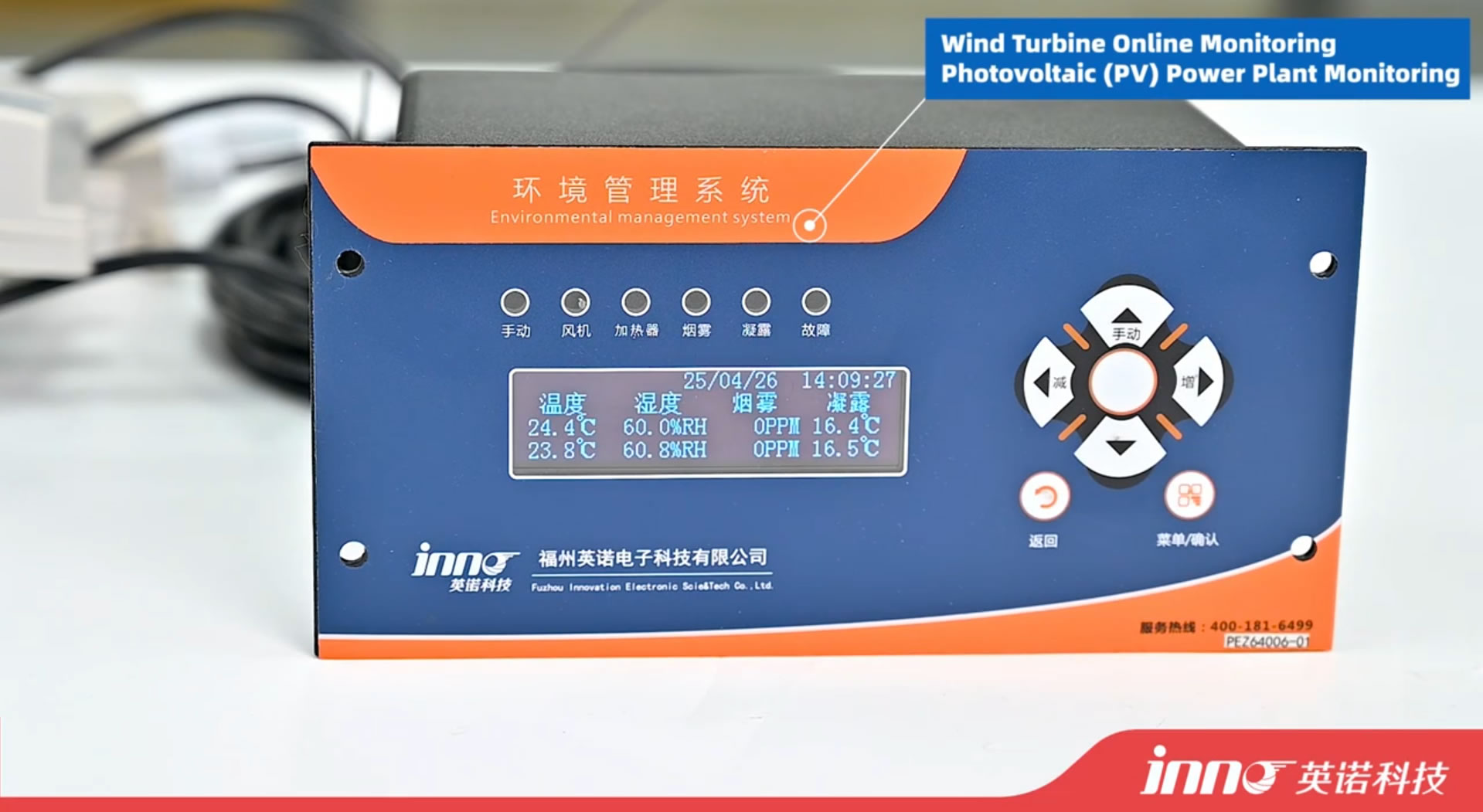
تمزج عمليات نشر إنترنت الأشياء بين أنواع أجهزة الاستشعار لالتقاط الجوانب التكميلية لسلوك المحولات. يوضح الجدول أدناه الفئات الشائعة وكيفية إثراء مراقبة الحالة.
| يكتب | ما يقيسه | التنسيب النموذجي | القيمة التشغيلية |
|---|---|---|---|
| أجهزة استشعار درجة الحرارة | النقاط الساخنة ودرجات الحرارة السائبة | النقاط الساخنة المتعرجة, الجوار الأساسي, مسارات النفط | يكشف عن الهوامش الحرارية وفعالية التبريد |
| أجهزة استشعار الاهتزاز | الاستقرار الميكانيكي والرنين | جدران الخزان, قاعدة, أو الهياكل القريبة | رخاوة الأعلام, قضايا التركيب, أو اضطرابات خارجية |
| أجهزة استشعار التفريغ الجزئي | إشارات الإجهاد العازلة المبكرة | مقصورات ومفاصل الجهد العالي | يدعم صيانة العزل الاستباقية |
| يكتب | ما يقيسه | التنسيب النموذجي | القيمة التشغيلية |
|---|---|---|---|
| أجهزة استشعار الرطوبة | الرطوبة في الهواء أو مساحة رأس الزيت | خزائن, غرف التحكم, محيط الخزان | يقيم إجهاد العزل ومخاطر التكثيف |
| أجهزة استشعار مستوى الزيت/الضغط | اتجاهات حجم النفط وحالة الضغط | Oil conservator, مساحة رأس الخزان | يدعم مظروف التشغيل الآمن وكشف التسرب |
| أجهزة استشعار التيار/الجهد | تحميل التشكيلات الجانبية والإجهاد الكهربائي | أشرطة التوصيل, صنابير جلبة, الدوائر الثانوية | يربط السلوك الحراري مع الطلب الكهربائي |
| أجهزة الاستشعار الصوتية | أنماط الصوت مرتبطة بالحالات الميكانيكية/المغناطيسية | سطح الخزان أو الهيكل القريب | يوفر مؤشرا مستقلا عن الحالات الشاذة |
| مراقبة الغاز (مساحة الرأس) | إشارات تطور الغاز المبكر | نقاط أخذ العينات لمساحة رأس خزان الزيت | سياق إضافي للتحقيق في الخطأ |
يسمح الجمع بين فئات المستشعرات التكميلية أجهزة استشعار محولات إنترنت الأشياء لتقديم رؤية متعددة الأبعاد. الهدف ليس جمع كل المتغيرات الممكنة ولكن تجميع مجموعة متوازنة تشرح الحرارة, كهربائي, ميكانيكية, والسلوك البيئي مع الحد الأدنى من الضوضاء.
4. Key Features and Advantages
تؤكد عمليات النشر الحديثة على القدرات العملية التي تقلل النقاط العمياء وعبء عمل المشغل مع تحسين الموثوقية عبر الأساطيل. The following features are repeatedly cited by utilities and industrial operators as high-value.
4.1 Wireless and Remote Monitoring
- Flexible backhaul options for difficult terrain and unmanned sites
- Gateway strategies that bridge field links to secure enterprise networks
- Fewer truck rolls and faster situational awareness during disturbances
4.2 Real-Time Insight and Predictive Maintenance
- Trendlines and rate-of-change views to spot drift early
- Curated alerts that include short pre/post windows for rapid triage
- Health indices that prioritize assets by risk instead of age alone
4.3 اندماج أجهزة الاستشعار المتعددة
- Cross-correlation of thermal, اهتزاز, كهربائي, and humidity data
- التعرف على الأنماط الذي يميز الأحداث المزعجة عن المشكلات الحقيقية
- مقياس متسق للوحدة والطوابع الزمنية لتحليلات تاريخية نظيفة
4.4 الكفاءة التشغيلية والسلامة
- تحل المهام المستندة إلى الحالة محل الجولات الثابتة, تحسين العمالة والأجزاء
- وثائق واضحة وسجلات محاذية للوقت لعمليات التدقيق ومراجعات الحوادث
- تقليل التعرض للمعدات النشطة من خلال الرؤية عن بعد
5. Use Cases in Power Systems
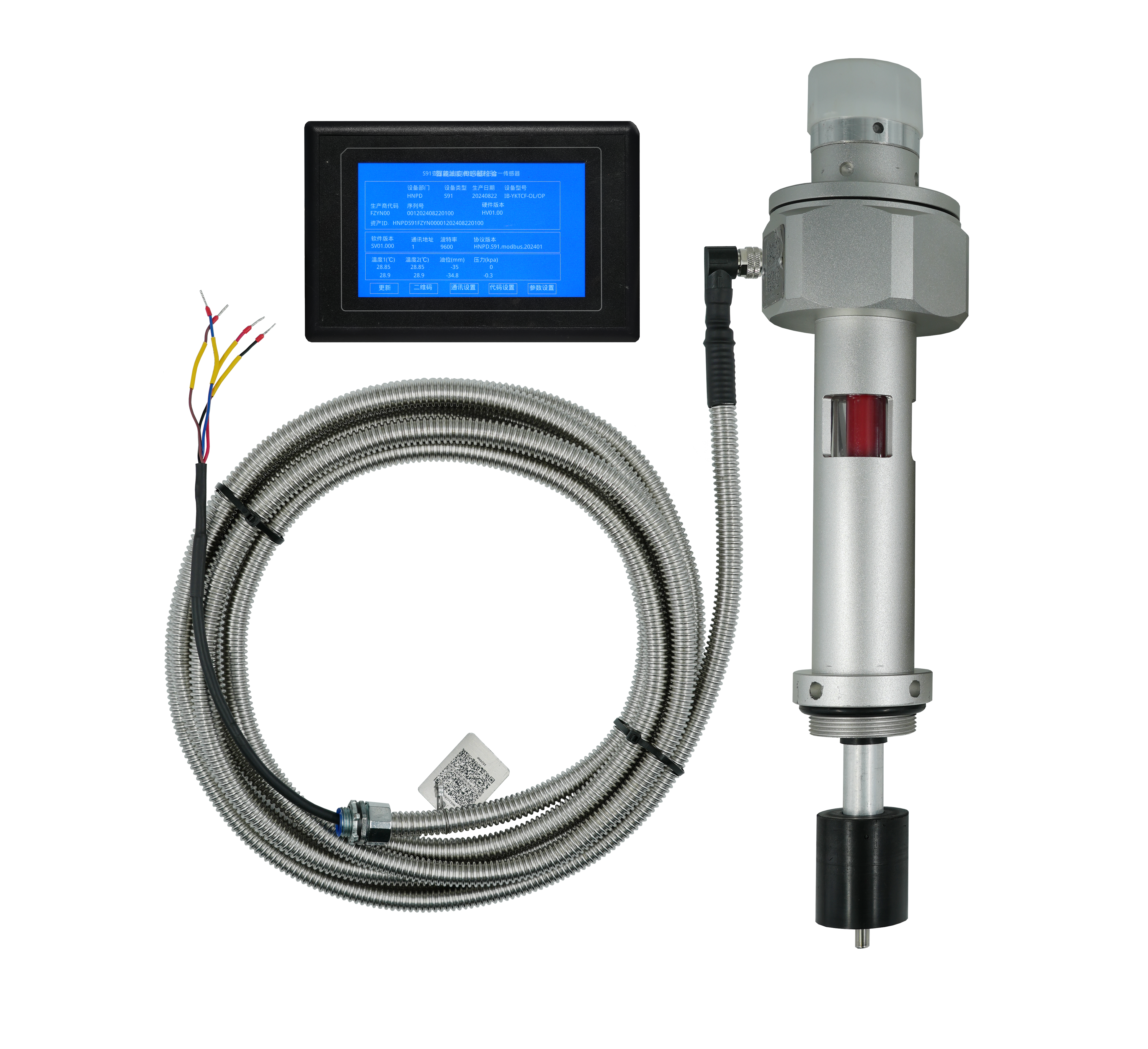
أجهزة استشعار محولات إنترنت الأشياء دعم سياقات التشغيل المتنوعة, من المحطات الفرعية الحضرية الكثيفة إلى أعمدة التوزيع البعيدة. توضح السيناريوهات أدناه كيف تعمل المراقبة المبنية على البيانات على تعزيز القرارات اليومية.
5.1 المحطات الفرعية الحضرية والحرم الصناعي
- الرؤية المستمرة للهوامش الحرارية أثناء دورات الحمل القصوى
- تحقق أسرع بعد تبديل الأحداث وأنشطة الصيانة
- لوحات المعلومات المشتركة للعمليات, حماية, وفرق الصيانة
5.2 المواقع النائية أو غير المأهولة
- LPWAN or cellular links for cost-effective coverage
- Prioritized alarms that trigger targeted site visits
- Battery-conscious reporting strategies for long service intervals
5.3 Renewable Energy Plants
- Fleet-wide risk ranking for dispersed transformers
- Event correlation with inverter behavior and weather conditions
- Seasonal playbooks for heat waves, storms, and icing events
5.4 Rail Transit and Critical Facilities
- Alignment with traction load patterns and ventilation schedules
- Noise and vibration context for early detection of mechanical issues
- Time-stamped logs to support safety cases and compliance reports
6. IoT Transformer Sensors vs Traditional Sensors
The difference between legacy transducers and IoT-enabled units lies in intelligence, تواصل, وقابلية الصيانة. Smart sensors serve as active participants in the digital substation ecosystem rather than isolated measurement points.
| وجه | أجهزة الاستشعار التقليدية | IoT Transformer Sensors |
|---|---|---|
| Signal output | Analog, point-to-point wiring | رقمي, addressable, often wireless |
| Data accessibility | Local only, manual retrieval | Cloud or control-room accessible in real time |
| Processing capability | لا أحد, raw values only | Edge intelligence with embedded diagnostics |
| صيانة | Periodic calibration and replacement | Self-diagnostics, remote firmware updates |
| Integration level | محدود, vendor-specific | Open protocols and standardized data models |
| Value over time | Static measurement | Continuous insight and predictive maintenance |
7. Integration with Smart Grid and Cloud Analytics
أجهزة استشعار محولات إنترنت الأشياء contribute to a broader digital ecosystem that includes SCADA, energy management, and asset performance platforms. Their standardized data streams feed analytics pipelines that connect local conditions to grid-level decision-making.
7.1 Edge and Cloud Collaboration
- Edge devices handle fast, deterministic tasks such as protection coordination and threshold control.
- Cloud analytics perform long-term trend studies, fleet comparisons, and AI model training.
- Hybrid architectures ensure resilience even if network connectivity fluctuates.
7.2 Standard Protocols and APIs
- Support for IEC 61850, مودبوس تكب, DNP3, and MQTT for flexible integration.
- RESTful APIs for energy dashboards and enterprise data lakes.
- Secure key exchange and encryption aligning with utility cybersecurity frameworks.
7.3 Data Visualization and AI Analytics
- Dynamic dashboards highlight real-time temperature, حمولة, and humidity correlations.
- AI models identify weakly correlated precursors to faults and suggest preventive actions.
- Digital twin representations simulate transformer thermal and mechanical response under future load scenarios.
8. التحديات والاتجاهات المستقبلية
As digitalization deepens, utilities balance opportunity with responsibility. جودة البيانات, حماية, and sustainability remain critical for long-term trust and scalability.
8.1 Key Challenges
- الأمن السيبراني: protecting field devices and communication paths from intrusion.
- Power supply and battery life in remote IoT nodes.
- Interoperability across multiple vendor ecosystems and firmware versions.
- Data overload without clear alarm philosophy or ownership.
8.2 الاتجاهات المستقبلية
- AI-enhanced self-learning sensors capable of local anomaly recognition.
- Wider adoption of low-power wide-area networks and 5G network slicing for critical communications.
- Integration with digital twins for end-to-end lifecycle visualization.
- Cross-domain analytics linking transformers, المفاتيح الكهربائية, and renewable interfaces.
9. FAQ — IoT Transformer Sensors
س1. What parameters do IoT transformer sensors typically measure?
They measure thermal, كهربائي, ميكانيكية, and environmental variables including temperature, اهتزاز, رطوبة, التفريغ الجزئي, and load currents.
Q2. Are IoT sensors compatible with existing transformers?
نعم. Most solutions retrofit easily using magnetic, adhesive, or clamp mounts, avoiding invasive modification to primary insulation or oil systems.
س3. How do they transmit data in remote areas?
They use cellular (NB-IoT/LTE/5G) or LPWAN (لورا) networks to relay compressed packets to gateways or cloud servers with efficient power management.
س 4. Can IoT transformer sensors reduce maintenance costs?
By identifying drift before failure, they enable targeted maintenance, reducing emergency callouts and spare-part consumption.
س5. What standards ensure reliability?
اللجنة الانتخابية المستقلة 61850 for communication, IEEE C57 for transformer testing, and relevant cybersecurity frameworks guide compliance and interoperability.
10. Conclusion — The Role of IoT Transformer Sensors in Modern Grids
IoT transformer sensors turn every transformer into a connected, data-rich asset. They extend awareness beyond temperature and current to a multi-dimensional understanding of transformer health. من خلال التكامل الذكي, مراقبة لاسلكية, وتحليلات الذكاء الاصطناعي, يكتسب المشغلون المعرفة اللازمة للحفاظ على السلامة, مصداقية, والكفاءة عبر أنظمة الطاقة الديناميكية بشكل متزايد. مع تحديث الشبكات وانتشار مصادر الطاقة المتجددة, تشكل هذه المستشعرات الأساس للتنبؤ, الشبكات الكهربائية ذاتية الشفاء.

مستشعر درجة حرارة الألياف الضوئية, نظام مراقبة ذكي, الشركة المصنعة للألياف الضوئية الموزعة في الصين
 |
 |
 |