 أجهزة استشعار درجة حرارة الألياف الضوئية INNO ,أنظمة مراقبة درجة الحرارة.
1、 تصنيف أجهزة استشعار درجة الحرارة
أجهزة استشعار درجة الحرارة هي الجزء الأساسي من أدوات قياس درجة الحرارة, مع مجموعة واسعة من الأنواع التي يمكن تصنيفها وفقًا لمعايير مختلفة.
1.1 التصنيف حسب طريقة القياس
الاتصال بجهاز استشعار درجة الحرارة: يتطلب هذا النوع من أجهزة الاستشعار الاتصال المباشر بالجسم الذي يتم قياسه للحصول على معلومات درجة الحرارة. تشتمل أجهزة استشعار درجة حرارة التلامس الشائعة على المزدوجات الحرارية والثرمستورات. تستخدم المزدوجات الحرارية فرق الجهد الحراري بين معدنين مختلفين لقياس درجة الحرارة. على سبيل المثال, في بعض الأفران الصناعية, يتم إدخال المزدوجات الحرارية مباشرة في الفرن لتتلامس مع الأجسام ذات درجة الحرارة المرتفعة, ويتم الحصول على قيمة درجة الحرارة من خلال فرق الجهد الحراري; الثرمستور هو جهاز استشعار تتغير مقاومته مع درجة الحرارة, ومقاومتها لها علاقة وظيفية محددة مع درجة الحرارة. يستخدم بشكل شائع في مراقبة درجة الحرارة ومجالات أخرى من الأجهزة الإلكترونية.
مستشعر درجة حرارة عدم الاتصال: يستخدم هذا النوع من أجهزة الاستشعار عادة الأشعة تحت الحمراء لقياس درجة حرارة الجسم, دون الحاجة للاتصال المباشر مع الكائن. أجهزة استشعار درجة الحرارة بالأشعة تحت الحمراء تمثل هذا, والتي تستخدم الأشعة تحت الحمراء المنبعثة من الأجسام لقياس درجة حرارتها. على سبيل المثال, عند قياس درجة حرارة سطح الفرن ذو درجة الحرارة العالية, ليست هناك حاجة للمس الفرن, ويمكن الحصول على قراءات درجة الحرارة عن طريق استقبال الأشعة تحت الحمراء. هذه الطريقة مناسبة لقياس درجة حرارة سطح الأجسام المتحركة, أهداف صغيرة, والأشياء ذات السعة الحرارية الصغيرة أو التغيرات السريعة في درجات الحرارة (العابرين), ويمكن استخدامه أيضًا لقياس توزيع درجات الحرارة في مجالات درجة الحرارة.
1.2 التصنيف حسب مواد الاستشعار وخصائص المكونات الإلكترونية/
الحرارية: استنادا إلى مبدأ التأثير الحراري, ويستخدم فرق الجهد الحراري بين معدنين مختلفين لقياس درجة الحرارة. المزدوجات الحرارية المصنوعة من مواد مختلفة مناسبة لنطاقات درجات حرارة مختلفة. على سبيل المثال, يمكن للمزدوجات الحرارية من النوع K قياس درجات حرارة تتراوح من -200 ⁄ إلى 1300 درجه مئوية, وتستخدم عادة في الصناعة لقياس درجة الحرارة في البيئات ذات درجة الحرارة العالية, مثل مراقبة درجة الحرارة في عمليات صهر الفولاذ.
كاشف درجة حرارة المقاومة (الحق في التنمية): يقيس درجة الحرارة على أساس مبدأ المقاومة المتغيرة مع درجة الحرارة. بشكل عام, RTDs أكثر خطية من المزدوجات الحرارية, وتزداد مقاومتها مع ارتفاع درجة الحرارة. تتضمن RTDs الشائعة مقاومات البلاتين (PT100, PT10, إلخ.), من بينها Pt100 له قيمة مقاومة 100 أوم في 0 ℃ ولها دقة عالية. يستخدم عادة لقياس درجة الحرارة بدقة في المختبرات والصناعات.
مستشعر درجة الحرارة IC (مستشعر درجة الحرارة المتكامل): دمج عناصر استشعار درجة الحرارة, دوائر التوسع, دوائر التعويض, إلخ. على شريحة صغيرة, لديها مزايا الخطية الجيدة, استجابة سريعة, والتصدير الموحد. تشتمل مستشعرات درجة الحرارة IC على نوعين: الإخراج التناظري والإخراج الرقمي. على سبيل المثال, AD590 هو مستشعر درجة حرارة الإخراج الحالي من شركة Analog Devices Inc. في الولايات المتحدة, مع نطاق جهد الإمداد 3-30 فولت, تيار الإخراج من 223 م أ (-50 درجه مئوية) -423 م أ (150 درجه مئوية), وحساسية 1 μ أ/درجة مئوية.
1.3 التصنيف حسب مبدأ العمل
مقياس حرارة التوسع: مصنوعة على أساس مبدأ التمدد الحراري وانكماش الأشياء, تستخدم عادة لقياس التغيرات في درجات الحرارة على نطاق واسع. على سبيل المثال, في موازين الحرارة الزئبقية الشائعة, يتمدد الزئبق عند تسخينه ويرتفع في الأنبوب الشعري لمقياس الحرارة, تشير إلى درجة الحرارة بناءً على ارتفاع عمود الزئبق.
نوع خاص
مستشعر الضغط ودرجة الحرارة: جهاز استشعار متعدد الوظائف يمكنه قياس درجة الحرارة والضغط في وقت واحد, تستخدم في بعض الأنظمة الهيدروليكية, أنظمة تكييف الهواء والتبريد التي تتطلب مراقبة متزامنة لدرجة الحرارة والضغط.
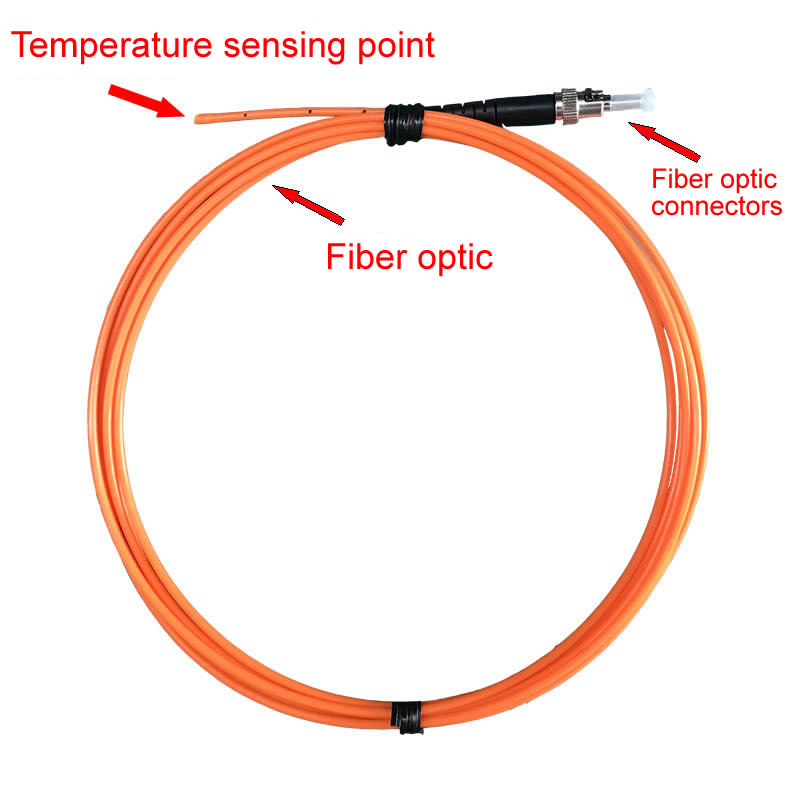
مستشعر درجة حرارة الألياف الضوئية: يستخدم خصائص الإشارة الضوئية في الألياف الضوئية لقياس درجة الحرارة. وهذا يشمل أجهزة استشعار درجة حرارة الألياف الفلورية, أجهزة استشعار درجة حرارة الألياف الموزعة, أجهزة استشعار درجة الحرارة لشبكة الألياف Bragg, إلخ. تتمتع مستشعرات درجة حرارة الألياف الضوئية بمزايا الحساسية العالية, حجم صغير, خفيفة الوزن, من السهل الانحناء, لا التدخل الكهرومغناطيسي, لا التدخل الكهرومغناطيسي, ومقاومة جيدة للتآكل. إنها مناسبة بشكل خاص للكشف عن درجة الحرارة في البيئات القاسية مثل القابلة للاشتعال, متفجر, مساحات ضيقة, والغازات شديدة التآكل, السوائل, والتلوث الإشعاعي.
مستشعر درجة حرارة الإخراج المنطقي: ضبط نطاق درجة الحرارة, وبمجرد أن تتجاوز درجة الحرارة النطاق المحدد, سيتم إصدار إشارة إنذار لتشغيل أو إيقاف تشغيل المراوح, مكيفات الهواء, سخانات, أو أجهزة التحكم الأخرى. على سبيل المثال, في بعض غرف خادم الكمبيوتر, إذا تجاوزت درجة الحرارة النطاق المحدد, سيعمل مستشعر درجة حرارة الإخراج المنطقي على تشغيل تكييف الهواء أو إيقاف تشغيله.

2、 خصائص مستشعر درجة حرارة الألياف الضوئية الفلورسنت
مستشعر درجة حرارة الألياف الضوئية الفلورية هو جهاز استشعار يستخدم مواد الفلورسنت للخضوع لتغييرات في شدة التألق أو الطول الموجي في ظل التغيرات في درجات الحرارة, وينقل الإشارات عبر الألياف الضوئية لتحقيق الكشف عن درجة الحرارة.
دقة عالية: المواد الفلورية حساسة بشكل خاص للتغيرات في درجات الحرارة, تتمتع أجهزة استشعار درجة حرارة الألياف الفلورية بدقة قياس عالية. لأن التغيرات الصغيرة في درجة الحرارة يمكن أن تسبب تغيرات كبيرة في شدة التألق أو الطول الموجي, ويمكن الحصول على قيم دقيقة لدرجة الحرارة عن طريق قياس هذه التغيرات بدقة. على سبيل المثال, في مجال التشخيص الطبي, يمكن أن توفر مستشعرات درجة الحرارة المصنوعة من الألياف الضوئية الفلورية نتائج قياس أكثر دقة من موازين الحرارة التقليدية للكشف عن التغيرات الطفيفة في درجة حرارة جسم الإنسان.
استجابة سريعة: قادرة على الاستجابة بسرعة للتغيرات في درجات الحرارة, مراقبة التغيرات في درجات الحرارة في الوقت الحقيقي, والرد على الفور. وهذا مهم جدًا في بعض المواقف التي تتطلب مراقبة درجة الحرارة في الوقت الفعلي, كما هو الحال في أنظمة إدارة الطاقة, لمراقبة درجة حرارة معدات الطاقة. Once the equipment temperature rises abnormally, sensors can quickly provide feedback information to take timely measures.
مقاومة الجهد العالي: Fluorescent fiber optic temperature measurement products have high voltage resistance, with a voltage resistance greater than 100KV. This allows it to directly measure temperature in high voltage environments. على سبيل المثال, in the temperature monitoring of equipment in ultra-high voltage substations, when facing high voltage environments exceeding 100KV, the end of the fluorescent fiber can make zero distance contact with the equipment for temperature measurement without being affected by high voltage, ensuring the normal operation of measurement work and providing important temperature data support for the safe operation of power equipment.
قدرة قوية ضد التدخل: Traditional temperature sensors can be affected by interference signals, بينما لا تتأثر مستشعرات درجة حرارة الألياف الفلورية بإشارات التداخل ويمكن أن تعمل بشكل طبيعي في البيئات الكهرومغناطيسية المعقدة. في البيئات ذات التداخل الكهرومغناطيسي القوي, مثل المحطات الفرعية القريبة أو المعدات الحركية الكبيرة, يمكن لأجهزة استشعار درجة الحرارة المصنوعة من الألياف الضوئية الفلورية قياس درجة الحرارة بشكل ثابت دون أخطاء القياس الناجمة عن التداخل الكهرومغناطيسي مثل أجهزة استشعار درجة الحرارة الإلكترونية التقليدية.
الاستقرار على المدى الطويل: تتمتع مواد الفلورسنت بمتانة واستقرار قويين, ويمكن لأجهزة الاستشعار الحفاظ على استقرار الأداء العالي أثناء الاستخدام طويل الأمد. وهذا يعني أنه في مهام مراقبة درجة الحرارة على المدى الطويل, مثل مراقبة درجات الحرارة على المدى الطويل للبنية التحتية الكبيرة مثل الجسور والسدود, ليست هناك حاجة لاستبدال أجهزة الاستشعار أو معايرتها بشكل متكرر.
مجموعة واسعة من درجات الحرارة البيئية المطبقة: مناسبة لمجموعة واسعة من درجات الحرارة البيئية, من الأدنى إلى ناقص بايدو إلى الأعلى إلى عدة مئات من الدرجات. سواء كان ذلك مراقبة درجة حرارة معدات البحث العلمي في منطقة القطب الشمالي شديدة البرودة أو قياس درجة الحرارة بالقرب من الأفران الصناعية ذات درجة الحرارة العالية, يمكن أن تعمل أجهزة استشعار درجة حرارة الألياف الضوئية الفلورية بشكل طبيعي.
المرونة وقابلية التوسع: يمكن اختيار مواد الفلورسنت الاستشعارية وتصميمها وفقًا للاحتياجات الفعلية لتلبية مختلف مجالات التطبيق المحددة. تتميز المواد الفلورية المختلفة بخصائص فلورية مختلفة لدرجة الحرارة, ويمكن اختيار مادة الفلورسنت الأكثر ملاءمة لبناء أجهزة الاستشعار وفقًا لسيناريوهات التطبيق المحددة, مثل البحوث الطبية الحيوية, مراقبة العمليات الصناعية, إلخ. يمكن توسيع عدد أو نطاق نقاط المراقبة حسب الحاجة.

3、 مبدأ مستشعر درجة حرارة الألياف الضوئية الموزعة
الألياف الضوئية الموزعة مستشعر درجة الحرارة هو جهاز استشعار يستخدم تقنية فريدة للكشف عن الألياف الضوئية الموزعة لقياس أو مراقبة التوزيع المكاني والمعلومات الزمنية على طول مسار نقل الألياف الضوئية.
المبادئ المبنية على آثار التشتت
تشتت رايلي: عندما ينتقل الضوء عبر الألياف الضوئية, يحدث تشتت رايلي بسبب عدم التماثل المجهري داخل الألياف, مثل التغيرات الصغيرة في الكثافة, تعبير, إلخ. ترتبط شدة ضوء تشتت رايلي بدرجة الحرارة, والتغيرات في درجات الحرارة يمكن أن تسبب تغيرات في البنية المجهرية لمواد الألياف الضوئية, مما أدى إلى تغيرات في شدة ضوء تشتت رايلي. لكن, قياس درجة الحرارة المعتمد على تشتت رايلي فقط له حساسية منخفضة نسبيًا, وفي التطبيقات العملية, it is often necessary to combine other scattering effects to improve measurement accuracy.
تناثر رامان: This is a commonly used scattering effect in distributed fiber optic temperature sensors. Raman scattering light is divided into Stokes light and anti Stokes light, and their intensity ratio has a specific functional relationship with temperature. The laser transmitted in the fiber will interact with the molecules in the fiber to produce Raman scattering, and temperature changes will affect the vibrational energy levels of the molecules, thereby changing the intensity ratio of Stokes light and anti Stokes light. By measuring this intensity ratio, the temperature value can be calculated. على سبيل المثال, in some long-distance oil pipeline temperature monitoring, يمكن استخدام مستشعرات درجة حرارة الألياف الضوئية الموزعة المعتمدة على تشتت رامان لوضع الألياف الضوئية على طول خط الأنابيب ومراقبة درجة الحرارة في مواضع مختلفة من خط الأنابيب في الوقت الفعلي, منع مخاطر السلامة الناجمة عن ارتفاع أو انخفاض درجة حرارة الزيت.
تشتت بريلوين: يتغير تردد ضوء Brillouin المتناثر مع درجة الحرارة والإجهاد. في أجهزة استشعار درجة حرارة الألياف الضوئية الموزعة, يتم الحصول على معلومات درجة الحرارة عن طريق قياس انحراف تردد ضوء Brillouin المتناثر. تشتت Brillouin حساس لكل من درجة الحرارة والإجهاد, وفي التطبيقات العملية, هناك حاجة إلى تقنيات خاصة للتمييز بين تأثيرات درجة الحرارة والإجهاد, مثل استخدام هياكل ألياف خاصة أو طرق قياس.
تطبيق قياس الانعكاسات في المجال الزمني البصري (أوتدر) تكنولوجيا
مبدأ القياس: OTDR technology is an essential equipment for fault location and diagnosis in fiber optic communication, and also plays an important role in distributed fiber optic temperature sensors. It injects a light pulse into the fiber and detects the intensity of backscattered light in the fiber over time (مسافة). Due to temperature changes affecting the scattering characteristics in optical fibers, the intensity of backscattered light changes. By analyzing the distribution of backscattered light intensity, temperature distribution information along the length direction of the optical fiber can be obtained.
القرار المكاني: The spatial resolution of OTDR systems is generally on the order of meters. This means that it can distinguish temperature changes at a certain distance (in meters) on the fiber optic cable. على سبيل المثال, in the structural health monitoring of large bridges, by combining distributed fiber optic temperature sensors with OTDR technology, temperature changes in different parts of the bridge (every few meters) can be monitored, thereby determining whether there are abnormal thermal stresses in the bridge structure.
The relationship between measurement accuracy and spatial resolution: There is generally a mutual constraint between the measurement accuracy and spatial resolution of a system. عادة, to improve spatial resolution, a certain level of measurement accuracy may be sacrificed, and vice versa. This is because when improving spatial resolution, it is necessary to analyze the backscattered light signal more finely, which may be affected by factors such as noise, thereby reducing measurement accuracy.
4、 تطبيق مستشعر درجة حرارة شبكة الألياف Bragg
Fiber Bragg grating temperature sensors have a wide range of applications in multiple fields.
Oil and gas exploration field
In the process of oil and gas extraction, the underground environment is complex, with harsh conditions such as high temperature, ارتفاع الضغط, and strong corrosion. Fiber Bragg grating temperature sensors can be installed on underground equipment or pipelines to monitor temperature changes in real time. على سبيل المثال, in the production string of an oil well, sensors can timely detect temperature increases caused by changes in formation temperature or frictional heating during the production process, providing a guarantee for safe production. في أثناء, by monitoring the temperature distribution, the mining process can be optimized and the mining efficiency can be improved.
مجال الطيران
في صناعة الطيران, there are extremely high requirements for the reliability and safety of equipment. The characteristics of fiber Bragg grating temperature sensors, such as small size, خفيفة الوزن, وقت الاستجابة السريع, strong resistance to electromagnetic interference and corrosion, make them very suitable for temperature monitoring in aircraft engines, aviation electronic equipment, إلخ. Installing fiber optic grating temperature sensors around high-temperature components such as combustion chambers and turbines in aircraft engines can monitor temperature in real-time and ensure that the engine operates within a safe temperature range. فضلاً عن ذلك, in the thermal protection system of spacecraft, sensors can monitor temperature changes, providing data support for the performance evaluation and optimization of thermal protection materials.
Medical diagnosis field
Accurate temperature control is crucial in medical devices such as magnetic resonance imaging (التصوير بالرنين المغناطيسي) معدات, laser therapy equipment, إلخ. Fiber Bragg grating temperature sensors can monitor the temperature of critical parts of equipment, preventing damage to patients and the equipment itself caused by overheating. في نفس الوقت, in some minimally invasive medical surgeries, fiber optic grating temperature sensors can enter the human body through tiny fiber optic probes to monitor the temperature of tissues around the surgical site, providing guarantees for the safety and effectiveness of the surgery.
Industrial process control field
In various industrial production processes, such as chemical, المعدنية, and power industries, temperature is a key control parameter. Fiber Bragg grating temperature sensors can be used to monitor the temperature of equipment such as reaction vessels, أفران, والمحركات. على سبيل المثال, in the chemical reaction kettle of chemical production, sensors can monitor the reaction temperature in real time to ensure that the reaction proceeds under optimal temperature conditions, improving product quality and production efficiency. في نظام الطاقة, temperature monitoring of high-voltage equipment, الكابلات, إلخ. in substations can timely detect potential fault hazards and avoid power accidents.
5、 Comparison of Three Types of Fiber Optic Temperature Sensors
In terms of measurement principles
مستشعر درجة حرارة الألياف الضوئية الفلورسنت: measures temperature based on the change in fluorescence intensity or wavelength of fluorescent materials under temperature changes. When fluorescent materials are affected by temperature changes, their fluorescence characteristics will also change. A typical fluorescent fiber optic temperature sensor includes a light source, الألياف الضوئية, fluorescent material, and a spectral analyzer. The light source generates excitation light of a certain wavelength, which is transmitted to the fluorescent material through an optical fiber. The fluorescent material absorbs the excitation light and emits a fluorescence signal with a specific wavelength, which is then transmitted back to the spectrometer for detection through the optical fiber. The temperature value can be determined by measuring the intensity or wavelength of the fluorescence signal.
مستشعر درجة حرارة الألياف الضوئية الموزعة: mainly based on scattering effects in optical fibers (such as Rayleigh scattering, تناثر رامان, تشتت بريلوين) and optical time domain reflectometry (أوتدر) technology to achieve temperature measurement. By injecting light pulses into the optical fiber, the intensity, تكرار, and other characteristics of backscattered light can be detected as a function of time (مسافة). Since temperature affects these scattering characteristics, temperature distribution information along the length direction of the optical fiber can be obtained.
مستشعر درجة حرارة شبكة الألياف Bragg: Utilizing the photosensitivity of fiber optic materials to form a spatial phase grating in the fiber core for temperature measurement. الألياف براج صريف (FBG) is a type of fiber with a periodically changing refractive index. عندما تتغير درجة الحرارة, the Bragg wavelength of the grating shifts, enabling temperature measurement.
In terms of performance characteristics
دقة القياس
مستشعر درجة حرارة الألياف الضوئية الفلورسنت: It has high measurement accuracy because fluorescent materials are very sensitive to temperature changes and can accurately reflect small temperature changes.
مستشعر درجة حرارة الألياف الضوئية الموزعة: Its measurement accuracy is affected by various factors, such as the complexity of scattering effects and the resolution of OTDR technology. في التطبيقات العملية, the accuracy of distributed fiber optic temperature sensors based on Raman scattering is generally around 1-2 درجه مئوية, but with the development of technology, the accuracy is also constantly improving.
مستشعر درجة حرارة شبكة الألياف Bragg: دقة عالية, على سبيل المثال, some fiber Bragg grating temperature sensors that use special packaging and measurement techniques can achieve an accuracy of 0.02 درجه مئوية.
response speed
مستشعر درجة حرارة الألياف الضوئية الفلورسنت: With fast response speed, it can monitor temperature changes in real time and respond immediately, making it advantageous in situations where rapid temperature response is required.
مستشعر درجة حرارة الألياف الضوئية الموزعة: The response speed depends on the emission frequency of the light pulse and the signal processing speed. بشكل عام, it can meet the temperature monitoring needs in most practical applications, but may be slightly slower compared to fluorescent fiber optic temperature sensors.
مستشعر درجة حرارة شبكة الألياف Bragg: With fast response time, it can quickly sense temperature changes and output corresponding wavelength offset signals.
القرار المكاني
مستشعر درجة حرارة الألياف الضوئية الموزعة: It has unique distributed measurement capabilities and can measure temperature distribution along the length of the fiber optic cable. The spatial resolution is generally on the order of meters (when using OTDR technology), and some systems that use advanced technologies (such as OFDR) can achieve millimeter level spatial resolution.
مستشعر درجة حرارة الألياف الضوئية الفلورسنت: Although it can achieve distributed measurement, it mainly focuses on temperature measurement at multiple discrete points, and its spatial resolution is not as good as that of distributed fiber optic temperature sensors, which can continuously measure temperature distribution along the fiber optic.
مستشعر درجة حرارة شبكة الألياف Bragg: It usually measures the temperature at a specific location and does not have the continuous spatial resolution characteristics of distributed fiber optic temperature sensors.
القدرة على مكافحة التدخل
مستشعر درجة حرارة الألياف الضوئية الفلورسنت: It is not affected by interference signals and can work normally in complex electromagnetic environments. This is because its measurement principle based on optical signals has a natural immunity to electromagnetic interference.
مستشعر درجة حرارة الألياف الضوئية الموزعة: It also has good anti-interference ability because fiber optic itself is an insulator, and measurement is based on the optical signal in the fiber optic, which is not easily affected by external electromagnetic interference.
مستشعر درجة حرارة شبكة الألياف Bragg: It has strong resistance to electromagnetic interference, and due to its optical properties based on grating structure for temperature measurement, it also has good resistance to interference such as chemical corrosion and vibration in the environment.
Applicable temperature range
مستشعر درجة حرارة الألياف الضوئية الفلورسنت: suitable for a wide range of environmental temperatures, من درجة منخفضة تصل إلى سالب بايدو إلى عدة مئات من الدرجات المئوية, and can adapt to temperature measurement needs in various extreme temperature environments.
Distributed fiber optic temperature sensors: Different types of distributed fiber optic temperature sensors have different temperature ranges, but they can generally cover a wide temperature range, such as common industrial and environmental temperature ranges from -50 ⁄ إلى 150 درجه مئوية.
مستشعر درجة حرارة شبكة الألياف Bragg: It can work normally in both high and low temperature environments, على سبيل المثال, it can be used for temperature measurement range of -200 درجه مئوية -800 درجه مئوية, depending on factors such as the material and packaging of the fiber Bragg grating.
In terms of application areas
مستشعر درجة حرارة الألياف الضوئية الفلورسنت: widely used for real-time temperature monitoring and control in fields such as medical diagnosis and energy management. في المجال الطبي, it can be used for precise measurement of human body temperature and monitoring of organ temperature inside the body; In terms of energy management, temperature monitoring of power equipment, thermal pipelines, إلخ. can be carried out.
Distributed fiber optic temperature sensors: widely used in stress, أَضْنَى, and temperature monitoring of large structures (such as pipelines, offshore oil platforms, آبار النفط, السدود, السدود, الجسور, المباني, الأنفاق, الكابلات, إلخ.), كشف التسرب (liquid or natural gas pipelines, العمليات الصناعية, السدود, الدبابات, إلخ.), مواصلات (ice detection on road surfaces, railway monitoring, إلخ.), أنظمة السلامة (fire or overheating temperature detection, مراقبة كابلات الطاقة, signal eavesdropping monitoring, garbage disposal station monitoring, رصد الانهيارات الأرضية, إلخ.), اتصالات الألياف الضوئية (fiber optic cable production online control, fiber optic cable maintenance, work cable strain monitoring, fiber optic impurity measurement, إلخ.), environmental measurement (الحرارية, تهوية, and air conditions, long-term temperature measurement of external oceans, forests, and outdoor places), إلخ. The application.
مستشعر درجة حرارة شبكة الألياف Bragg: It has been widely used in various environmental monitoring fields such as oil and gas exploration, الفضاء الجوي, التشخيص الطبي, ومراقبة العمليات الصناعية. Used for temperature monitoring of downhole equipment and pipelines in the oil and gas industry; Temperature monitoring for aircraft engines, aviation electronic equipment, إلخ. in the aerospace field; Used in the medical field for temperature control of medical equipment and temperature monitoring of surgical sites; Used in the industrial field for temperature monitoring of various equipment and production processes.

مستشعر درجة حرارة الألياف الضوئية, نظام مراقبة ذكي, الشركة المصنعة للألياف الضوئية الموزعة في الصين
|
 |
 |