 Оптоволоконні датчики температури INNO ,системи контролю температури.
- DTS stands for Distributed Temperature Sensing, an advanced fiber-optic sensing technology that provides continuous temperature measurement along the entire length of an optical fiber cable.
- DTS technology utilizes Raman scattering principles with optical fibers as sensing media to achieve long-distance, high-precision distributed temperature monitoring capabilities.
- Системи DTS are widely applied in power cable monitoring, pipeline leak detection, fire detection, oil and gas well monitoring, and other critical industrial applications.
- Compared to traditional point temperature sensors, розподілене вимірювання температури provides continuous spatial temperature distribution information with precise location identification of temperature anomalies.
- Технологія DTS offers intrinsic safety, електромагнітний імунітет, and long-term stability advantages, making it an essential solution for modern industrial temperature monitoring applications.
What Is DTS (Розподілене вимірювання температури)
DTS (Розподілене вимірювання температури) is an advanced fiber-optic measurement technology that transforms standard optical fiber cables into continuous temperature sensors capable of measuring temperature distribution along their entire length. This technology enables real-time monitoring of temperature variations across distances ranging from meters to tens of kilometers with exceptional spatial resolution.
Distributed temperature sensing systems operate by analyzing the naturally occurring Raman scattering phenomenon in optical fibers, where temperature changes affect the intensity ratio of anti-Stokes and Stokes scattered light. Цей фізичний принцип дозволяє точно вимірювати температуру в тисячах точок вздовж одного оптоволоконного кабелю, не вимагаючи індивідуальних установок датчиків.
Принципова перевага волоконно-оптична технологія DTS полягає в його здатності забезпечувати безперервне профілювання температури, а не дискретні точкові вимірювання. Ця можливість забезпечує комплексний моніторинг великих інфраструктурних систем, раннє виявлення температурних аномалій, і точна локалізація таких подій, як перегрів, витоки, чи пожежі.

Як працює технологія DTS
Принципи комбінаційного розсіювання складають основу технології DTS, де імпульси лазерного світла, що передаються через оптичне волокно, взаємодіють з молекулами волокна, створюючи розсіяне світло на різних довжинах хвиль. The intensity of temperature-dependent anti-Stokes scattered light provides precise temperature information at each location along the fiber.
Optical Time Domain Reflectometry (OTDR) techniques enable spatial localization of temperature measurements by analyzing the time delay between transmitted light pulses and received scattered signals. This timing analysis determines the exact position of each temperature measurement point along the fiber length.
Відносини між temperature and scattered light intensity follows well-established physical laws that enable accurate temperature calculation from optical signal analysis. Advanced signal processing algorithms enhance measurement precision and provide temperature data with excellent spatial and thermal resolution.
Signal Processing and Data Analysis
Spatial resolution and measurement accuracy depend on laser pulse characteristics, signal processing capabilities, and fiber-optic properties. Modern DTS systems achieve spatial resolution as fine as 1 meter with temperature accuracy better than ±1°C across measurement distances exceeding 30 кілометрів.
Просунутий signal processing and data analysis algorithms filter noise, compensate for fiber losses, and calibrate measurements to provide reliable temperature data. These processing techniques enable real-time temperature monitoring with automated alarm generation and data logging capabilities.
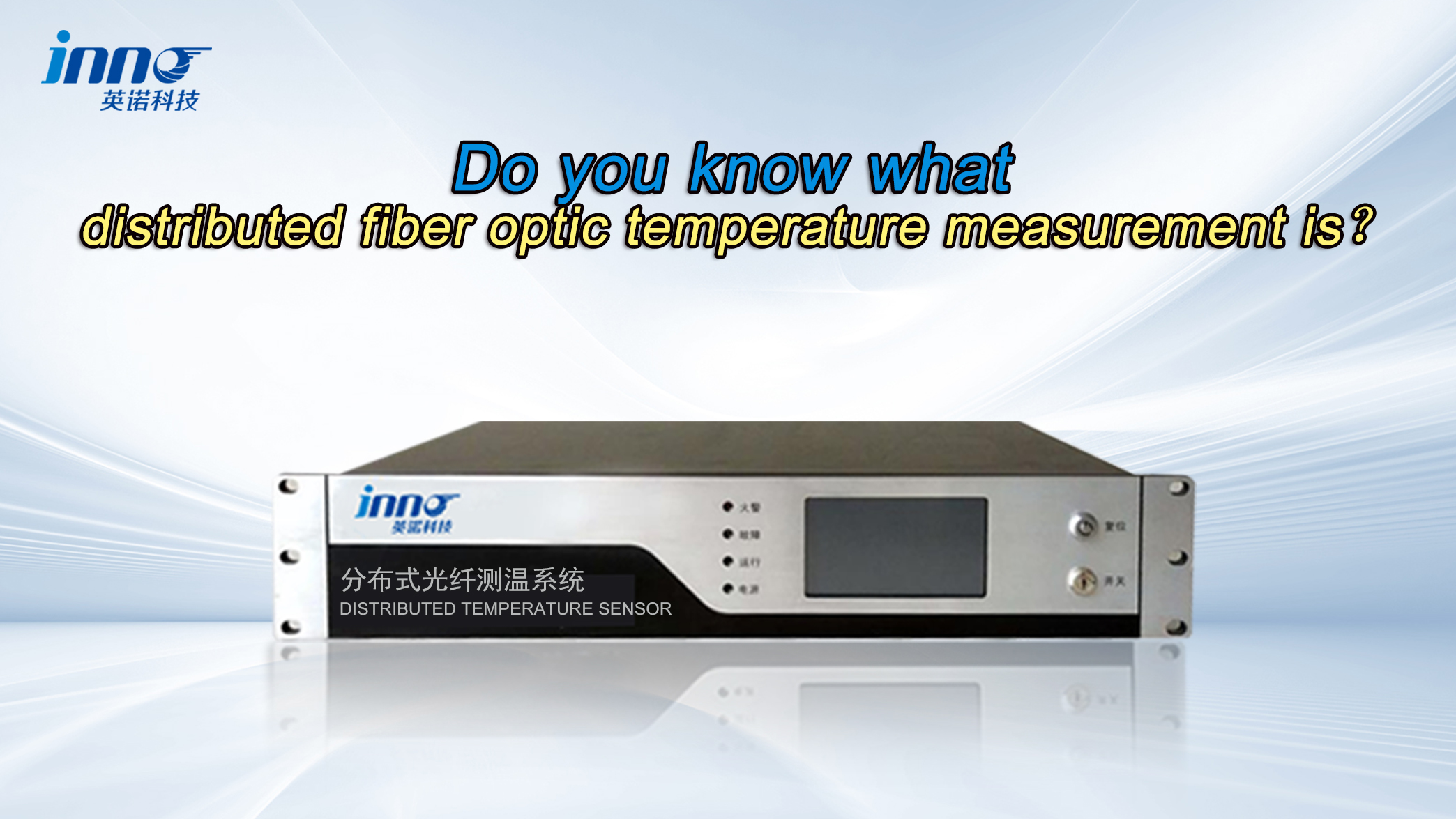
DTS System Components
DTS interrogator units serve as the central control and measurement component, containing laser sources, optical detectors, електроніка обробки сигналів, and data acquisition systems. These sophisticated instruments generate optical pulses, analyze scattered signals, and convert optical data into temperature measurements.
Fiber-optic sensing cables function as distributed temperature sensors, typically utilizing standard single-mode or multimode optical fibers integrated into protective cable structures. Specialized sensing cables are available for harsh environments, requiring chemical resistance, стійкість до високих температур, or mechanical protection.
Optical connectors and splices provide reliable connections between DTS interrogators and sensing cables, ensuring minimal signal loss and long-term reliability. Professional installation techniques and high-quality optical components are essential for optimal system performance.
Data Management and Communication
Data acquisition and processing software provides user interfaces for system configuration, моніторинг в реальному часі, data visualization, і керування сигналізацією. Modern DTS software offers advanced features including trend analysis, reporting capabilities, and integration with supervisory control systems.
Communication interfaces and network connectivity enable remote monitoring and data transmission through Ethernet, serial communications, or wireless networks. These connectivity options support integration with existing monitoring infrastructure and enable centralized surveillance of distributed DTS installations.

Advantages of DTS Technology
Distributed continuous monitoring capability represents the primary advantage of DTS technology, providing temperature measurement at thousands of points along a single fiber cable. This comprehensive coverage eliminates blind spots and enables detection of localized temperature events that might be missed by point sensors.
Long-distance measurement range capabilities enable DTS systems to monitor temperature across distances exceeding 30 kilometers using a single interrogator unit. This extended range reduces infrastructure costs and simplifies system architecture for large-scale monitoring applications.
High spatial and temperature resolution characteristics enable precise location identification of temperature anomalies with spatial accuracy typically better than 1 meter and temperature resolution of 0.1°C or better. This precision supports early detection of developing problems and accurate event localization.
Operational Benefits
Intrinsic safety and electromagnetic immunity make DTS systems ideal for hazardous environments where electrical equipment poses explosion risks or electromagnetic interference affects measurement accuracy. The passive optical sensing principle eliminates electrical energy at sensing locations.
Real-time monitoring and fast response capabilities enable DTS systems to provide continuous temperature surveillance with measurement updates typically every few seconds. This rapid response supports immediate detection of temperature changes and automated alarm generation for critical applications.
DTS Application Areas
Контроль температури кабелю живлення represents one of the largest DTS application sectors, enabling utilities to monitor underground and submarine power cable temperatures for load optimization and fault prevention. DTS systems provide real-time ampacity calculations and overheating protection for critical electrical infrastructure.
Моніторинг нафто- і газопроводів utilizes DTS technology for leak detection, flow monitoring, and pipeline integrity assessment. Temperature changes caused by fluid leaks or flow variations provide early indication of pipeline problems, enabling rapid response and environmental protection.
Системи виявлення та оповіщення про пожежу employ DTS technology for early fire detection in tunnels, будівлі, промислові об'єкти, and storage areas. The continuous temperature monitoring capability enables rapid fire detection and precise location identification for emergency response coordination.
Specialized Industrial Applications
Geothermal energy monitoring applications use DTS systems to measure temperature profiles in geothermal wells and ground heat exchangers, optimizing energy extraction and monitoring system performance. These applications require high-temperature sensing capabilities and long-term reliability.
Environmental temperature monitoring, industrial process temperature control, і structural temperature monitoring represent additional application areas where DTS technology provides valuable temperature distribution information for process optimization and safety assurance.
DTS Technical Specifications and Parameters
| Параметр | Standard DTS | High-Performance DTS | Harsh Environment DTS |
|---|---|---|---|
| Відстань вимірювання | До 10 км | До 30 км | До 15 км |
| Просторова роздільна здатність | 2-4 метрів | 1 метр | 2 метрів |
| Temperature Resolution | ±1°C | ±0,1°C | ±0,5°C |
| Діапазон температур | -40°C до +200 °C | -40°C до +300 °C | -40°C до +400 °C |
| Час відгуку | 10-30 секунд | 1-5 секунд | 5-15 секунд |
| Sampling Frequency | 0.1-1 Гц | 1-10 Гц | 0.1-2 Гц |
Environmental and Operational Specifications
Working environment conditions for DTS systems typically include wide operating temperature ranges, humidity tolerance, vibration resistance, and protection against dust and moisture ingress. Specialized systems are available for extreme environments including subsea applications, high-temperature industrial processes, and arctic conditions.
Fiber type and specification requirements vary depending on application needs, with standard single-mode fiber suitable for most applications, while specialized fibers may be required for extreme temperature or harsh chemical environments. Proper fiber selection ensures optimal system performance and longevity.
DTS vs Other Temperature Monitoring Technologies
| технології | Тип вимірювання | Spatial Coverage | Точність | Ключові переваги | Обмеження |
|---|---|---|---|---|---|
| DTS (Розподілене вимірювання температури) | Continuous Distributed | До 30 км | ±0.5-1°C | Continuous monitoring, EMI імунітет | Вища початкова вартість |
| Термопари | Point Measurement | Individual Points | ±0.5-2°C | Низька вартість, швидка реакція | Limited coverage, EMI susceptible |
| Інфрачервоне тепловізор | Surface Area | Line of Sight | ±2-5°C | Безконтактний, visual mapping | Тільки поверхня, екологічні фактори |
| Бездротові датчики температури | Point Measurement | Network Coverage | ±0.5-1°C | Легкий монтаж, гнучкий | Термін служби батареї, втручання |
| Fluorescence Temperature Sensors | Point/Quasi-distributed | Limited Distance | ±0.5-1°C | Висока точність, EMI імунітет | Limited range, точкове зондування |
Technology Comparison Analysis
DTS vs Thermocouple systems shows that while thermocouples offer lower initial costs and faster response times, DTS provides comprehensive continuous monitoring without blind spots and complete electromagnetic immunity. For large-scale monitoring applications, DTS often provides better total cost of ownership despite higher initial investment.
DTS vs Infrared thermal imaging reveals complementary capabilities, with infrared providing visual surface temperature mapping while DTS offers embedded continuous monitoring capability. Many applications benefit from combining both technologies for comprehensive temperature surveillance.
DTS vs Fluorescence temperature sensors comparison shows that fluorescence sensors offer higher point accuracy but limited spatial coverage, while DTS provides extensive distributed monitoring with slightly lower individual point accuracy. The choice depends on whether comprehensive coverage or maximum precision is the priority.
Часті запитання
What does DTS mean?
DTS stands for Distributed Temperature Sensing, a fiber-optic technology that uses optical fibers as continuous temperature sensors to measure temperature distribution along their entire length. This technology enables real-time monitoring of temperature variations across long distances with high spatial resolution and precision.
How does DTS work?
Технологія DTS works by analyzing Raman scattering in optical fibers, where laser light pulses interact with fiber molecules to produce temperature-dependent scattered light. The system measures the intensity ratio of different scattered light wavelengths to calculate temperature at each location along the fiber.
What measurement accuracy can DTS achieve?
DTS measurement accuracy varies by system type and application requirements, typically ranging from ±0.1°C for high-performance systems to ±1°C for standard applications. Точність залежить від факторів, зокрема якості волокна, калібрування системи, екологічні умови, і відстань вимірювання.
Яка вартість системи DTS?
Вартість системи DTS значно відрізняються залежно від відстані вимірювання, вимоги до точності, екологічні характеристики, і складність монтажу. Хоча початкові інвестиції можуть бути вищими, ніж у точкові датчики, загальна вартість володіння часто надає перевагу DTS для великомасштабного моніторингу завдяки повному охопленню та скороченому обслуговуванню.
Які програми підходять для DTS?
програми DTS включити моніторинг кабелю живлення, pipeline leak detection, системи виявлення пожежі, геотермальний моніторинг, і контроль температури промислових процесів. DTS особливо підходить для застосувань, що вимагають постійного моніторингу температури на великих відстанях або в суворих умовах.
Як вибрати відповідні системи DTS?
Вибір відповідного Системи DTS вимагає врахування відстані вимірювання, просторова роздільна здатність, точність температури, екологічні умови, і вимоги до інтеграції. Different system configurations offer specific advantages for particular applications, requiring careful evaluation of technical specifications and performance needs.
What installation considerations apply to DTS?
DTS installation requires attention to fiber routing, protection against mechanical damage, optical connectivity, and environmental protection. Professional installation ensures optimal performance and measurement reliability. Proper fiber handling and protection are critical for long-term system operation.
What maintenance requirements do DTS systems have?
DTS maintenance requirements are typically minimal due to the passive sensing principle and robust fiber-optic technology. Regular calibration verification, optical connector cleaning, and software updates comprise the primary maintenance activities. System reliability often exceeds 99% with proper installation and minimal maintenance.
Professional DTS Solutions and Support

FJINNO (Fuzhou Innovation Electronic) specializes in manufacturing advanced Системи DTS and comprehensive distributed temperature sensing solutions for diverse industrial applications. Our company offers complete solutions including system design, integration services, calibration support, and technical assistance for temperature monitoring projects worldwide.
Our professional engineering services encompass system specification development, sensor selection guidance, планування установки, and ongoing technical support for DTS implementations. We work closely with customers to develop optimal sensing strategies that meet specific application requirements and performance objectives.
FJINNO provides customized distributed temperature sensing solutions призначений для конкретних програм клієнтів, включаючи інтеграцію з існуючою інфраструктурою, спеціалізовані конфігурації волокна, і адаптовані системи управління даними. Наша досвідчена команда інженерів підтримує клієнтів від початкової консультації до введення системи в експлуатацію та експлуатації.
Зверніться до наших технічних експертів для професійної консультації щодо вашого Технологія DTS і вимоги до моніторингу температури. Ми пропонуємо комплексні консультаційні послуги, щоб оцінити ваші вимірювальні потреби та запропонувати відповідні рішення. Відвідайте наш веб-сайт або зв’яжіться з нашою командою продажів, щоб обговорити ваші конкретні вимоги та отримати докладні технічні пропозиції для ваших програм розподіленого датчика температури.

Оптоволоконний датчик температури, Інтелектуальна система моніторингу, Розповсюджений виробник оптоволокна в Китаї
 |
 |
|