 Оптоволоконні датчики температури INNO ,системи контролю температури.
- Fluorescence optical fiber thermometry uses the temperature-dependent decay of fluorescent materials to deliver accurate, interference-free readings in harsh environments.
- Повний fiber optic temperature sensing system typically includes a demodulator, флуоресцентні зонди, волоконно-оптичні кабелі, та програмне забезпечення для моніторингу.
- This technology is inherently immune to electromagnetic interference (EMI), electrically isolated above 100 кВ, and produces zero self-heating — making it ideal for power, зберігання енергії, and hazardous-area applications.
- У порівнянні з термопарами, RTD, та інфрачервоні датчики, a флуоресцентна волоконно-оптична система вимірювання температури offers lower total cost of ownership (TCO) over a 25+ рік служби.
- This guide walks procurement professionals through applications, критерії відбору, оцінка постачальника, cost analysis, і 10 frequently asked questions.
Зміст
- What Is a Fluorescence-Based Fiber Optic Temperature Sensing System?
- What Problems Does a Fiber Optic Temperature Measurement System Solve?
- What Is Included in a Fluorescence Fiber Temp. System Delivery?
- Which Harsh Environments Demand Fiber Optic Temperature Sensors?
- Why Fluorescence Fiber Sensors Are Irreplaceable in High-Voltage and High-EMI Zones
- Applications in the Power Industry
- Applications in Renewable Energy and Battery Storage
- Applications in Industrial Manufacturing and Hazardous Areas
- Fluorescence Fiber Temp. System vs. Термопара проти. RTD проти. Інфрачервоний
- Total Cost of Ownership and ROI Analysis
- Key Technical Specifications Buyers Should Understand
- How to Evaluate a Fiber Optic Temperature Sensor Supplier
- Installation Compatibility and Retrofit Considerations
- After-Sales Support, Гарантія, and Long-Term Maintenance
- Proven Case Studies and Customer Validation
- Часті запитання (FAQ)
1. What Is a Fluorescence-Based Fiber Optic Temperature Sensing System?

А fluorescence-based fiber optic temperature sensing system is an all-optical measurement technology that determines temperature by analyzing the fluorescence decay lifetime of rare-earth phosphor materials attached to the tip of an optical fiber. When a short pulse of excitation light is sent through the fiber, the phosphor at the probe tip emits fluorescence. The rate at which that fluorescence decays is precisely related to temperature — and entirely independent of light intensity, втрати волокна при вигині, or connector quality.
Why Does This Matter to a Buyer?
Because the measurement is based on time rather than signal amplitude, a волоконно-оптичний термометр maintains its calibration accuracy over years of service without drift. For procurement teams, this translates directly into fewer recalibration cycles, lower maintenance budgets, and higher uptime compared to legacy electrical sensors.
2. What Problems Does a Fiber Optic Temperature Measurement System Solve?

Традиційні датчики температури — термопари, RTD (Pt100), and thermistors — rely on electrical signals traveling through metallic conductors. This fundamental design creates several well-known problems in demanding industrial environments.
Електромагнітні перешкоди
На підстанціях, приміщення розподільних пристроїв, and motor control centers, strong electromagnetic fields distort readings from metallic sensors. А волоконно-оптичний прилад для вимірювання температури uses only glass fiber and light signals, so EMI has zero effect on measurement accuracy.
Electrical Isolation Failures
Monitoring hotspots on live high-voltage busbars or transformer windings with conventional sensors introduces dangerous galvanic pathways. Ан optical fiber temperature probe provides complete electrical isolation — typically exceeding 100 kV — eliminating shock hazards and ground loop errors.
Self-Heating Errors
RTDs require excitation current, which generates small but measurable self-heating at the sensing point. Флуоресцентні волоконно-оптичні датчики are entirely passive at the probe tip, introducing zero thermal disturbance to the measurement target.
Short Service Life in Harsh Conditions
Вібрація, корозії, and thermal cycling cause solder joints and wire connections in electrical sensors to degrade. А fiber optic thermal monitoring system contains no metal conductors, немає припою, and no crimped connections at the sensing point, enabling a service life exceeding 25 років.
3. What Is Included in a Fluorescence Fiber Temp. System Delivery?

When you procure a complete fluorescence fiber temp. система, the standard delivery typically includes the following components:
Волоконно-оптичний демодулятор (Signal Processor)
This is the core instrument that generates excitation pulses, receives the fluorescence return signal, calculates decay time, and outputs the temperature reading. It includes communication interfaces such as RS485, Modbus RTU, or analog 4–20 mA outputs for integration with SCADA and DCS platforms.
Флуоресцентні волоконно-оптичні датчики температури
The sensing elements — small probes (typically 2–3 mm diameter) with a phosphor tip bonded to an optical fiber, encased in protective tubing. Probe materials and sheath options vary by application temperature and chemical environment.
Волоконно-оптичні кабелі
Transmission fibers connecting the probes to the demodulator, available in standard lengths up to 80 метрів. These cables are flexible, легкий, and immune to electromagnetic pickup.
Програмне забезпечення для моніторингу
PC-based software for real-time display, історичний тренд, управління сигналізацією, і формування звіту. Most solutions support multi-channel monitoring from a single interface.
4. Which Harsh Environments Demand Волоконно-оптичні датчики температури?

Not every temperature measurement application requires a волоконно-оптичний датчик температури. The technology delivers its greatest value in environments where conventional sensors either fail, degrade rapidly, or introduce safety risks.
Environments with Strong Electromagnetic Fields
Transformer bays, приміщення розподільних пристроїв, induction heating equipment, MRI facilities, and high-frequency welding stations all generate intense EMI that corrupts readings from metallic sensors.
High-Voltage Equipment
Any application where the sensor must be placed on or near energized conductors at voltages from several kilovolts to hundreds of kilovolts — including power transformers, ГІС (розподільні пристрої з елегазовою ізоляцією), і високовольтні шини.
Explosive or Flammable Atmospheres
Тому що optical fiber temperature sensing probe is completely passive and carries no electrical energy, it is intrinsically safe for use in Zone 0/1/2 hazardous areas without additional explosion-proof enclosures.
Confined or Hard-to-Access Spaces
The small probe diameter (2–3 мм) and flexible fiber allow installation in tight spaces such as motor winding slots, battery module gaps, and narrow cable trench joints.
5. Why Fluorescence Fiber Sensors Are Irreplaceable in High-Voltage and High-EMI Zones
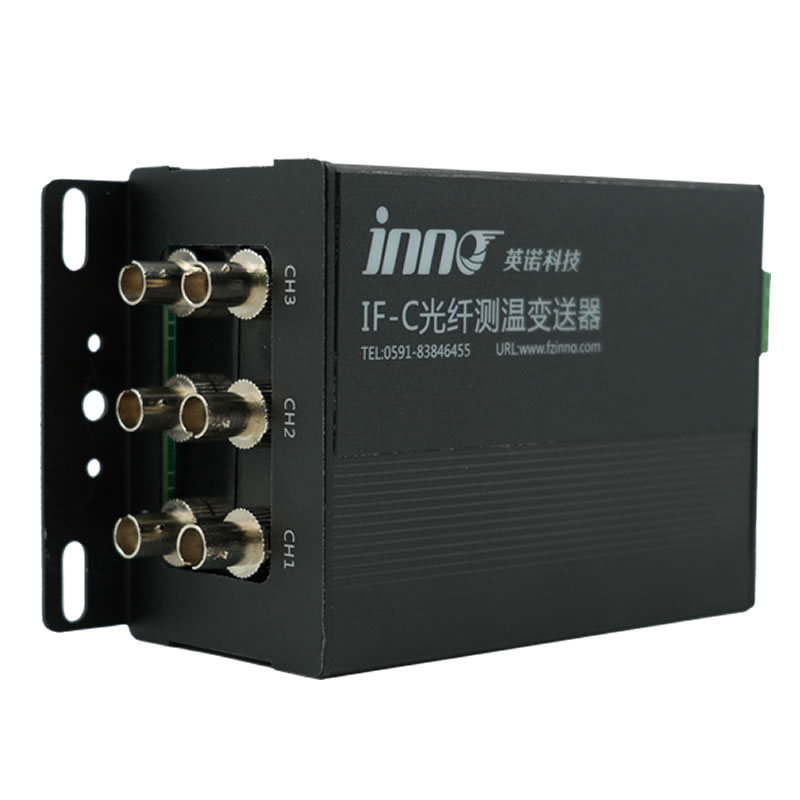
The combination of absolute EMI immunity and complete electrical isolation is not merely an advantage — it is a requirement in certain applications where no alternative sensing technology can operate safely and accurately. In power transformer winding hotspot monitoring, наприклад, international standards such as IEC 60076-2 explicitly recommend волоконно-оптичні системи моніторингу температури because metallic sensors cannot be safely installed on energized windings at 10 кВ до 500 кВ.
Так само, in high-power microwave environments, радіолокаційні системи, and electromagnetic compatibility (ЕМС) випробувальні камери, a fluorescence-based fiber optic thermometer is the only viable contact temperature measurement method.
6. Applications in the Power Industry
The power sector is the largest adopter of fluorescence optical fiber thermometry у всьому світі, driven by the need to monitor critical thermal points inside high-voltage equipment.
Transformer Winding Hotspot Monitoring
Вбудований волоконно-оптичні датчики температури are installed directly inside oil-immersed transformer windings during manufacturing to detect hotspot temperatures that indicate insulation aging or overload conditions.
Switchgear and Busbar Contact Monitoring
Poor electrical contacts in medium- and high-voltage switchgear generate localized overheating that precedes catastrophic failures. А волоконно-оптична система вимірювання температури installed at contact points provides continuous early warning.
Cable Joints and Terminations
Underground cable joints and GIS cable terminations are common failure points. Continuous thermal monitoring with optical fiber temperature sensors reduces the risk of unplanned outages.
7. Applications in Renewable Energy and Battery Storage
Генератори вітрових турбін
Generator bearings and stator windings in large wind turbines operate in vibration-heavy, EMI-rich nacelle environments. Флуоресцентні волоконно-оптичні датчики температури provide reliable monitoring without interference from variable-frequency drives.
Акумуляторні системи накопичення енергії (БЕС)
Lithium-ion battery packs require precise cell-level temperature monitoring to prevent thermal runaway. The small probe size and electrical passivity of a fiber optic thermal sensor make it ideal for embedding between battery cells without introducing ignition risk.
Photovoltaic Inverters and Combiner Boxes
High-current DC connections in PV systems are prone to hotspot failures. Optical fiber temperature monitoring devices detect abnormal heating at busbar connections and fuse holders before damage occurs.
8. Applications in Industrial Manufacturing and Hazardous Areas
Beyond energy, fluorescence optical fiber thermometry serves a growing number of industrial sectors.
Petrochemical and Oil Refining
Reactor vessel skin temperatures, pipeline flange monitoring, and storage tank surface temperatures in classified hazardous areas where intrinsic safety is mandatory.
Semiconductor and Microwave Processing
RF and microwave heating chambers where metallic sensors act as antennas and produce erroneous readings. Волоконно-оптичні датчики температури are unaffected by RF energy.
Pharmaceutical and Food Processing
Autoclave and sterilization cycle monitoring where electrical isolation and chemical inertness are required.
9. Fluorescence Fiber Temp. System vs. Термопара проти. RTD проти. Інфрачервоний
For procurement professionals comparing options, the differences that matter most are reliability in harsh conditions, total installed cost, and long-term maintenance burden.
проти. Термопари
Thermocouples are inexpensive per unit but suffer from EMI susceptibility, drift over time, cold-junction errors, and limited lifespan in vibration environments. А флуоресцентна волоконно-оптична система вимірювання температури eliminates all of these issues, though unit cost is higher.
проти. RTD (Pt100/Pt1000)
RTDs offer good accuracy but require excitation current (causing self-heating), are sensitive to lead resistance errors, and cannot be placed on high-voltage conductors without complex isolation barriers. Волоконно-оптичні датчики температури need no excitation and provide inherent isolation.
проти. Інфрачервоні датчики
Infrared pyrometers measure surface temperature without contact but are affected by emissivity variations, пил, steam, and line-of-sight requirements. А fluorescence fiber optic probe makes direct contact with the target, is immune to optical obstructions, and works inside sealed equipment.
Bottom Line for Buyers
Where EMI, НАПРУГА, ризик вибуху, or inaccessible locations are involved, fluorescence optical fiber thermometry is the only technology that checks every box simultaneously.
10. Total Cost of Ownership and ROI Analysis
The upfront cost of a волоконно-оптична система вимірювання температури is typically higher than an equivalent thermocouple or RTD installation. Проте, procurement decisions should be based on total cost of ownership (TCO) across the full equipment lifecycle.
With a service life exceeding 25 years and virtually zero recalibration or replacement cost, the annualized cost of a флуоресцентний волоконно-оптичний датчик is often lower than that of conventional sensors replaced every 3–5 years. Додатково, the prevention of a single unplanned transformer outage or battery thermal event can justify the entire investment in fiber optic monitoring many times over. Procurement teams should request a TCO comparison from qualified suppliers based on their specific installation scale and replacement cycle assumptions.
11. Key Technical Specifications Buyers Should Understand
You do not need to be a physicist to evaluate a волоконно-оптичний датчик температури, but understanding a few core specifications will help you compare products and communicate requirements to suppliers. The most important parameters include measurement range (typically –40 °C to +260 °C for standard probes, з високотемпературними варіантами), точність (±1 °C is the industry benchmark), час відповіді (під 1 second for most probes), maximum fiber length (до 80 meters between probe and demodulator), і кількість каналів (1 до 64 channels per demodulator unit). Ask suppliers to confirm these specifications with test reports or third-party calibration certificates.
12. How to Evaluate a Fiber Optic Temperature Sensor Supplier
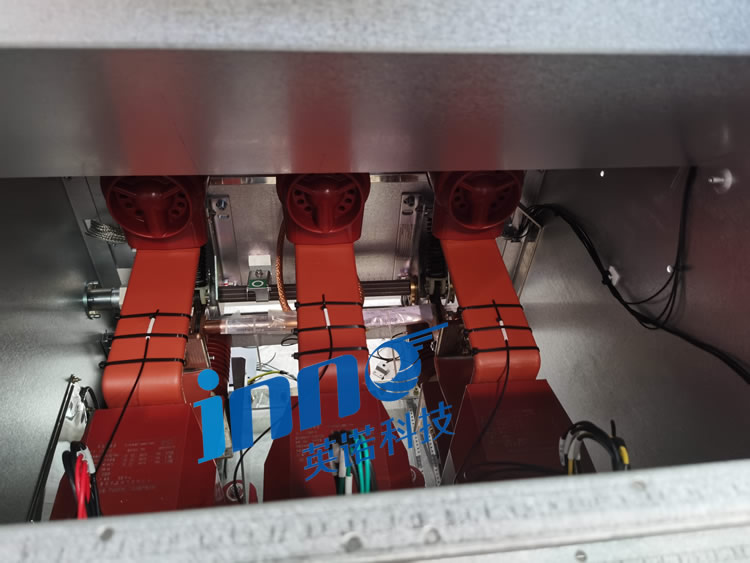
Choosing the right supplier is as important as choosing the right technology. Procurement teams should assess several dimensions.
Manufacturing Experience
Look for manufacturers — not just resellers — with at least 10 years of production history in fluorescence optical fiber thermometry. In-house manufacturing ensures quality control, customization capability, and faster lead times.
Product Range and Customization
Different applications require different probe lengths, обшивні матеріали, fiber types, and demodulator configurations. A capable supplier offers configurable systems rather than one-size-fits-all packages.
Reference Projects and Certifications
Request case studies, customer references, and relevant certifications. Suppliers serving the power utility and energy storage sectors should demonstrate compliance with applicable IEC, IEEE, or national standards.
Global Support Capability
For international buyers, evaluate the supplier’s ability to provide English-language documentation, export packaging, remote technical support, and international shipping experience.
13. Installation Compatibility and Retrofit Considerations
One of the most common procurement concerns is whether a волоконно-оптична система контролю температури can be integrated into existing infrastructure. У більшості випадків, the answer is yes. The small probe diameter (2–3 мм) allows direct replacement of existing RTD or thermocouple probes in many standard mounting locations. Demodulators provide RS485, Modbus, and analog outputs compatible with virtually all industrial SCADA and DCS systems. For retrofit projects, experienced manufacturers such as FJINNO provide pre-installation surveys and custom probe lengths to match existing cable routes and mounting hardware.
14. After-Sales Support, Гарантія, and Long-Term Maintenance
А fluorescence fiber optic temperature sensor system has very few wear components, which means maintenance requirements are minimal. The primary long-term considerations are periodic verification of calibration accuracy (typically every 2–3 years), protection of fiber cables from physical damage during adjacent maintenance activities, and firmware or software updates for the demodulator. При оцінці пропозицій постачальників, confirm warranty duration, response time for technical support, and availability of spare probes and demodulators.
15. Proven Case Studies and Customer Validation
Оскільки 2011, Fuzhou Innovation Electronic Scie&Tech Co., ТОВ. (FJINNO) has delivered fluorescence optical fiber thermometry systems to customers across the power utility, відновлювана енергія, промислове виробництво, and transportation sectors. Installations include transformer winding hotspot monitoring for provincial grid companies, battery thermal management systems for energy storage projects, and switchgear contact temperature monitoring for urban rail transit substations. These deployments demonstrate consistent measurement accuracy, довгострокова надійність, and seamless integration with existing monitoring platforms. Prospective buyers are welcome to request detailed case study documentation.
16. Часті запитання (FAQ)
Q1: What is the typical measurement accuracy of a fluorescence fiber optic temperature sensor?
Most high-quality флуоресцентні волоконно-оптичні датчики температури achieve an accuracy of ±1 °C across their operating range. This is comparable to industrial-grade RTDs and significantly better than standard thermocouples in EMI-heavy environments.
Q2: How long does a fiber optic temperature probe last?
Правильно встановлений optical fiber temperature probe can last more than 25 років. There are no metallic conductors or solder joints to corrode or fatigue, making the technology exceptionally durable.
Q3: Can fiber optic temperature sensors work in explosive or flammable atmospheres?
так. Because the probe tip is completely passive — carrying only light, no electrical energy — a fiber optic temperature sensing system is intrinsically safe and suitable for hazardous area classifications including Zone 0, 1, і 2.
Q4: What is the maximum distance between the sensor probe and the demodulator?
Standard systems support fiber lengths up to 80 метрів. For special applications requiring longer distances, зверніться до виробника щодо конфігурацій розширеного діапазону.
Q5: How many temperature points can one demodulator monitor?
єдиний волоконно-оптичний демодулятор температури typically supports 1 до 64 канали, depending on the model. Multi-channel units significantly reduce per-point hardware cost in large-scale deployments.
Q6: Is it difficult to integrate a fiber optic temperature system with existing SCADA or DCS?
немає. Most demodulators provide RS485 serial output with Modbus RTU protocol, and many also offer analog 4–20 mA outputs. These are standard interfaces accepted by virtually all industrial control platforms.
Q7: Can fluorescence fiber optic sensors replace existing RTDs or thermocouples in a retrofit?
In many cases, так. The small probe diameter (2–3 мм) fits most standard thermowell and mounting locations. Experienced suppliers can customize probe dimensions and cable lengths to match existing installations.
Q8: Are fiber optic temperature sensors affected by electromagnetic interference?
Not at all. The entire sensing and transmission path is optical — glass fiber and light. There is no metallic conductor to act as an antenna, making a волоконно-оптичний термометр completely immune to EMI and RFI.
Q9: What industries use fluorescence optical fiber thermometry most widely?
The largest user base is in the electric power sector (трансформатори, розподільні пристрої, кабельні муфти), followed by energy storage (battery thermal monitoring), відновлювана енергія (вітрогенератори), and industrial manufacturing (нафтохімічна, напівпровідник, фармацевтичний).
Q10: How do I request a quotation or technical consultation from FJINNO?
You can contact Fuzhou Innovation Electronic Scie&Tech Co., ТОВ. (FJINNO) directly via email at web@fjinno.net, через WhatsApp або телефоном за адресою +86 135 9907 0393, or by visiting www.fjinno.net. The engineering team provides free preliminary technical consultations and project-specific proposals.
Про виробника
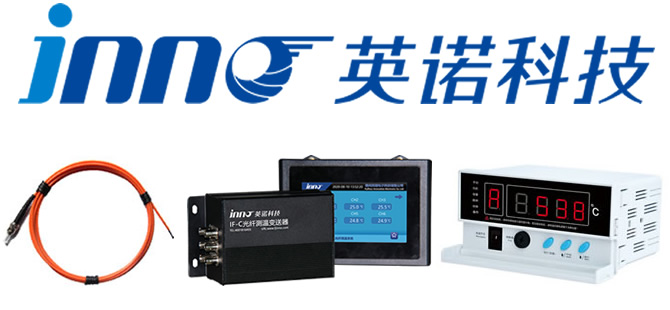
Fuzhou Innovation Electronic Scie&Tech Co., ТОВ. (FJINNO) займається проектуванням і виготовленням fluorescence optical fiber thermometry systems since 2011. Located in Fuzhou, Фуцзянь, Китай, FJINNO serves customers in more than 30 countries across the power, енергії, and industrial sectors.
Адреса: Індустріальний парк зернових мереж Liandong U, No.12 Xingye West Road, Фучжоу, Фуцзянь, Китай
Електронна пошта: web@fjinno.net
WhatsApp / WeChat / Телефон: +86 135 9907 0393
QQ: 3408968340
Веб-сайт: www.fjinno.net
Відмова від відповідальності: Інформація, наведена в цій статті, призначена виключно для загальних інформаційних і освітніх цілей. Хоча Fuzhou Innovation Electronic Scie&Tech Co., ТОВ. (FJINNO) докладає всіх зусиль для забезпечення точності та повноти змісту, відсутність представництва чи гарантії, явні чи неявні, зроблено щодо точності, надійність, або повнота інформації. Технічні характеристики продукції, performance data, and application suitability may vary depending on specific project conditions and configurations. Цей вміст не є професійною інженерною порадою. Buyers should conduct their own due diligence and consult directly with FJINNO or qualified engineers before making procurement decisions. FJINNO не несе відповідальності за будь-які збитки чи збитки, спричинені довірою до наданої тут інформації.

Оптоволоконний датчик температури, Інтелектуальна система моніторингу, Розповсюджений виробник оптоволокна в Китаї
 |
 |
 |