 INNO fiber optik sıcaklık sensörleri ,sıcaklık izleme sistemleri.
- Temel fikir: Kısmi deşarj dedektörü, küçük izolasyon deşarjlarını arızadan çok önce yakalar, erken etkinleştirme, veri odaklı bakım.
- Neleri içerir?: UHF/TEV/akustik/ultrasonik/optik sensörler, yüksek hızlı veri toplama, gürültü reddi, model analitiği, ve alarm mantığı.
- Neden önemli?: Beklenmeyen kesintileri azaltır, varlık hasarını önler, ve transformatörlerdeki izolasyon ömrünü uzatır, şalt sistemi, CBS, kablolar, ve otobüs kanalları.
İçindekiler
- 1. Kısmi Deşarj Dedektörü Nedir?
- 2. Kısmi Deşarj Tespiti Neden Önemlidir?
- 3. Kısmi Deşarj Tespiti Prensibi
- 4. PD Dedektör Sisteminin Ana Bileşenleri
- 5. PD Dedektör Çeşitleri (Çevrimdışı, Çevrimiçi, Taşınabilir)
- 6. PD Algılamada UHF ve TEV Sensörleri
- 7. Akustik ve Ultrasonik PD Algılama
- 8. Optik ve Fiber Tabanlı PD Algılama
- 9. PD Ölçüm Parametreleri ve Göstergeleri
- 10. PD Desen Tanıma ve Analizi
- 11. Transformatörlerde PD Tespiti
- 12. Şalt ve GIS Sistemlerinde PD Algılama
- 13. Kablolarda ve Bus Kanallarında PD Algılama
- 14. Veri Toplama ve İletişim Arayüzleri
- 15. SCADA ve Durum İzleme Sistemleri ile Entegrasyon
- 16. PD Dedektörlerinin Kalibrasyonu ve Testi
- 17. Akıllı PD İzleme Sistemlerinin Avantajları
- 18. Tipik Uygulamalar ve Vaka Örnekleri
- 19. Sıkça Sorulan Sorular (Teknik SSS)
- 20. Üretim ve PD Tespit Çözümlerimiz Hakkında
1. Kısmi Deşarj Dedektörü Nedir?
A kısmi deşarj (PD) dedektör yerel elektrik alanları kritik bir eşiği aştığında yalıtımın içinde veya karşısında meydana gelen kısa süreli elektriksel aktiviteyi yakalamak için tasarlanmış bir ölçüm cihazı ve sensör paketidir. Tam arızaların aksine, PD olayları yerelleştirilmiştir, düşük enerji, ve sıklıkla aralıklı; Yine de, bunların varlığı yalıtımın eskimesini hızlandırır ve kontrol edilmezse ciddi hatalara yol açabilir. Modern dedektörler yüksek bant genişliğine sahip ön uçları birleştirir, gelişmiş filtreler, zaman senkronize edinim, ve PD büyüklüğünü ölçmek için analitik, tekrarlama oranı, Güç frekansıyla faz ilişkisi, ve spektral imzalar.
Varlık sınıfına bağlı olarak, PD, katı dielektriklerdeki gaz boşluklarında meydana gelebilir, kirlenmiş yüzeylerde, keskin metalik kenarlarda, iç kablo sonlandırmaları, veya burçların ve ara parçaların çevresinde. Dedektörün rolü, bakım ekiplerinin temizlik yapabilmesi için bu erken göstergeleri ortaya çıkarmaktır., kuru, yeniden mühürlemek, veya arıza yayılmadan etkilenen parçaları yeniden sonlandırın.
1.1 Temel Sonuçlar
- Erken uyarı: Yalıtım kusurlarını arızadan aylar önce tespit edin.
- Uygulanabilir veriler: Büyüklük sağlayın, tekrarlama, ve teşhis için faz çözümlü modeller.
- Operasyonel bağlam: PD aktivitesini yük ile ilişkilendirin, ortam nemi, ve anahtarlama işlemleri.
1.2 Kapsanan Varlıklar
- Güç transformatörleri (sarma kabloları, ara parçalar, burçlar, OLTC bölmeleri)
- OG/LV metal kaplı şalt sistemi ve GIS bölmeleri
- YG/OG kabloları, eklemler, sonlandırmalar, ve otobüs kanalları
2. Kısmi Deşarj Tespiti Neden Önemlidir?

Tespit edilemeyen PD, yalıtım bozulmasının önde gelen öncüsüdür. Mikroskobik kusurlardaki yüksek elektrik gerilimi, termal etki yoluyla dielektrik malzemeleri bozar., kimyasal, ve mekanik süreçler. Sistematik PD izleme ve tanılama dört stratejik fayda sağlar:
2.1 Güvenilirlik ve Emniyet
- Güvenilirlik: Trend olan PD büyüklüğü ve sayım oranı, plansız kesintileri önler.
- Emniyet: Personeli ve ekipmanı tehlikeye sokan parlama ve ark olaylarının daha düşük olasılığı.
2.2 Bakım Optimizasyonu
- Koşul bazlı planlama: Kanıta dayalı müdahaleleri planlayın, sabit takvimler değil.
- Azaltılmış izinsiz giriş: Çevrimiçi algılama, rutin kontroller için gereksiz enerji kesilmesini önler.
2.3 Finansal Performans
- Maliyetten kaçınma: Temel sorunları erkenden ele alarak büyük onarımları ve varlık değişimlerini önler.
- Varlık ömrünün uzatılması: Zamanında hafifletme yoluyla kümülatif yalıtım hasarını en aza indirir.
2.4 Uyumluluk ve Adli Tıp
- Standartların uyumu: Kabul testlerini ve hizmet içi denetimleri destekler.
- Kök neden kanıtı: Aşama çözümlenmiş modeller ve olay geçmişleri, araştırmaları ve garanti taleplerini destekler.
3. Kısmi Deşarj Tespiti Prensibi
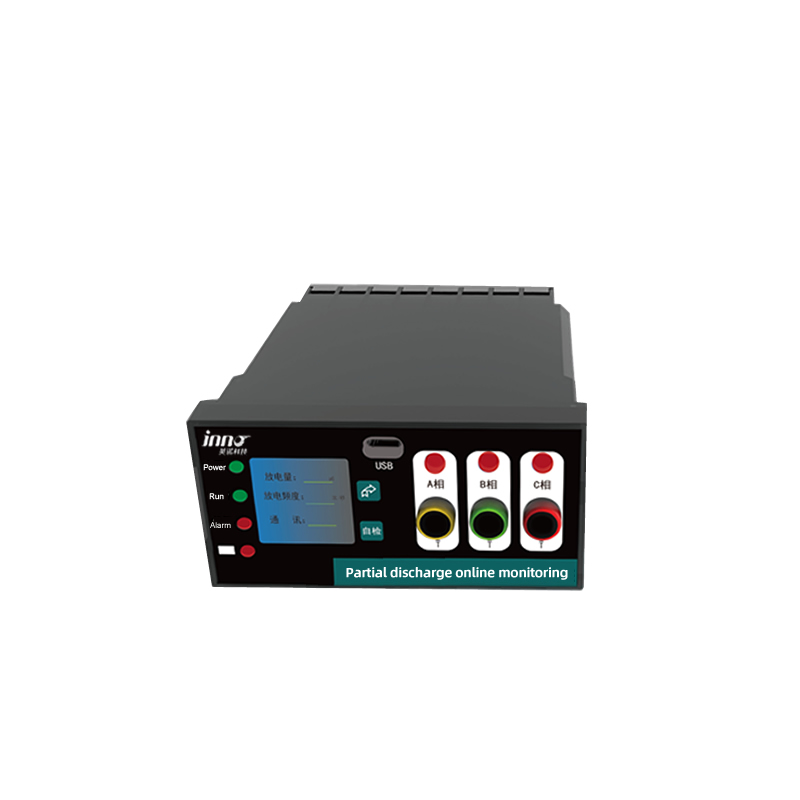
Kısmi deşarj, kusur bölgesindeki yerel elektrik alanının ortamın dielektrik gücünü aşması durumunda ortaya çıkar. (sağlam, sıvı, veya gaz), bir mikro deşarj yolu oluşturmak. Bu olaylar çevredeki yapıya yüksek frekanslı akım ve elektromanyetik enerji enjekte eder.. Tespit yöntemleri farklı fiziksel etkilerden yararlanır:
3.1 Elektriksel ve Elektromanyetik Etkiler
- UHF emisyonu: PD geniş bant elektromanyetik enerji yayar. 300 MHz–3 GHz aralığı; CBS'ye uygun, transformatörler, and metal-clad switchgear.
- TEV effect: Transient earth voltage manifests on metal enclosures as fast surface currents; widely used in MV switchgear.
- RF current pulses: Conducted impulses detectable with high-frequency current transformers (HFCT'ler) on grounding paths and cable screens.
3.2 Acoustic and Ultrasonic Effects
- Ultrasonic emission: Ionization produces acoustic waves detectable at 20–300 kHz using airborne or contact probes; helpful for localization and surface tracking detection.
3.3 Optical Effects
- Light emission: Discharge channels emit in UV/visible spectrum; optical sensors and cameras (with filters) capture corona and surface activity, especially in open-air components.
3.4 Phase-Resolved PD (PRPD)
By aligning PD pulses with the power frequency phase, detectors form two-dimensional maps (magnitude vs. faz) or three-dimensional histograms (büyüklük, faz, pulse count). Defect classes—internal voids, yüzey takibi, corona—produce characteristic patterns, aiding classification and severity ranking.
4. PD Dedektör Sisteminin Ana Bileşenleri
While form factors vary (taşınabilir, kelepçeli, cabinet-integrated, substation-wide), PD detector systems share a common building-block architecture. The table summarizes core elements and their roles.
| Bileşen | İşlev | Key Considerations |
|---|---|---|
| PD Sensörleri (UHF/TEV/HFCT/Ultrasonic/Optical) | Capture discharge signals via EM, conducted current, acoustic or light paths | Frequency response, hassasiyet, montaj, çevre koruma |
| Front-End Conditioning | Amplification, filtreleme, impedance matching | Noise floor, bandwidth, linearity, overload protection |
| High-Speed DAQ | Digitize pulses with accurate timing | Sampling rate, resolution, anti-aliasing, zaman senkronizasyonu (GPS/PTP) |
| Noise Rejection and Gating | Discriminate PD from interference and corona | Adaptive thresholds, coincidence logic, multi-sensor correlation |
| Analytics Engine | PRPD mapping, clustering, trend analizi | Defect classification, severity indexing, remaining-risk estimation |
| HMI/Software | Visualization, alarm configuration, reporting | Usability, export formats, historian, multi-asset dashboards |
| İletişim | Integration with SCADA/CMMS/cloud | Protocols (IEC 61850, Modbus TCP'si, OPC UA, MQTT), siber güvenlik |
4.1 Çoklu Sensör Füzyonu
Combining modalities improves confidence. Örneğin, UHF magnitude increases corroborated by HFCT pulses and a concurrent PRPD pattern shift strongly indicate internal PD growth versus external EMI. Ultrasonic probes aid localization by scanning along enclosures and joints.
4.2 Time Synchronization
Accurate timestamps enable phase-resolved analysis and multi-sensor triangulation. Substation deployments use GPS or IEEE 1588 PTP to align DAQs within microseconds, ensuring repeatable pattern recognition and cross-bay comparisons.
5. PD Dedektör Çeşitleri (Çevrimdışı, Çevrimiçi, Taşınabilir)

Detector choice depends on the asset’s criticality, erişilebilirlik, and operational constraints. Three deployment categories cover most scenarios:
5.1 Çevrimdışı (Factory or Outage Testing)
- Use case: Acceptance tests, factory QA, maintenance outages.
- Özellikler: High-voltage test sources, calibrated measurement circuits, sensitive noise-controlled environments.
- Pros/Cons: High accuracy and repeatability, but requires de-energization and does not capture real operational stresses.
5.2 Çevrimiçi (Permanent or Semi-Permanent)
- Use case: Continuous surveillance of critical transformers, CBS, ve şalt sistemi.
- Özellikler: Permanently installed UHF/TEV/HFCT arrays, synchronized DAQs, gerçek zamanlı analiz, SCADA entegrasyonu.
- Pros/Cons: Captures live behavior and trends; higher initial cost but lower risk of missing intermittent defects.
5.3 Portable/Handheld
- Use case: Rapid screening, teşhis, and periodic audits.
- Özellikler: Clamp-on HFCTs, handheld TEV/ultrasonic instruments, veri kaydı.
- Pros/Cons: Flexible and affordable; snapshot views require expertise to interpret amid variable noise conditions.
5.4 Hybrid Programs
Many operators combine continuous monitors on high-risk assets with portable surveys across the wider fleet. Findings from handheld rounds inform where to install permanent sensors.
6. PD Algılamada UHF ve TEV Sensörleri

UHF Ve TEV techniques are widely adopted in metal-clad environments and GIS due to their sensitivity to electromagnetic energy from PD and practical mounting options.
6.1 UHF Sensörleri
- Prensip: Capture radiated EM pulses in the 300 MHz–3 GHz range through coupling windows or internal ports.
- Uygulamalar: GIS spacers, transformer turrets, metal kaplı bölmeler, kablo uçları.
- Güçlü yönler: High immunity to power-frequency noise; useful for PRPD pattern formation and localization with multiple antennas.
- Hususlar: Requires careful grounding, short coax runs, and shielding; antenna placement strongly affects sensitivity.
6.2 TEV Sensörü
- Prensip: Detect transient earth voltages induced on metal surfaces by internal discharges.
- Uygulamalar: MV switchgear doors and panels; cable boxes and bus enclosures.
- Güçlü yönler: Hızlı, basit kurulum; effective for screening during handheld rounds.
- Sınırlamalar: Susceptible to external interference; best when combined with ultrasonic or UHF confirmation.
6.3 HFCT for Conducted PD
- Prensip: Clamp-on high-frequency current transformers detect PD pulses flowing in grounds or cable shields.
- Kullanmak: Suitable for cable joints/terminations and transformer grounding leads; complements UHF antennas for corroboration.
6.4 Installation and Tuning
| Öğe | Best Practice | Fayda |
|---|---|---|
| Grounding | Star-ground shields, avoid loops | Lower noise floor |
| Cabling | Kısa, low-loss coax; high-quality connectors | Preserve high-frequency content |
| Placement | Near suspected stress points (burçlar, sonlandırmalar) | Higher sensitivity to localized PD |
| Time Sync | GPS/PTP for multi-sensor arrays | Accurate PRPD and triangulation |
7. Akustik ve Ultrasonik PD Algılama
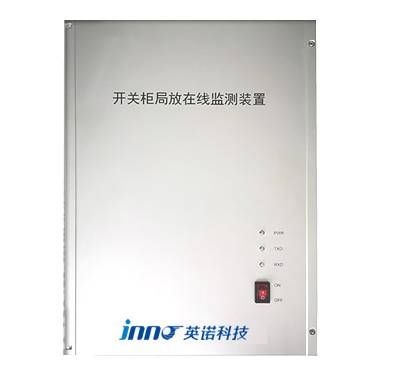
Acoustic/ultrasonic detection captures mechanical waves generated by ionization and micro-arcs. These methods excel at localizing defects, especially where EM signals are attenuated or ambiguous.
7.1 Ultrasonic Probes
- Airborne probes: Scan along seams, inspection windows, and cable boxes to pick up airborne ultrasonic energy.
- Contact probes: Couple to the enclosure to detect structure-borne vibrations from discharge sites.
7.2 Frequency Bands and Filtering
- Typical bands: 20–300 kHz for ultrasonic; narrowband filters suppress industrial noise.
- Heterodyning: Convert ultrasonic to audible for headphone-assisted localization.
7.3 Localization Procedure
- Perform a coarse scan to identify high-energy zones.
- Switch to contact mode and refine positioning across seams and joints.
- Correlate with UHF/TEV readings and visual inspection to confirm root cause.
7.4 Strengths and Limits
| Aspect | Strength | Limitation |
|---|---|---|
| Localization | Pinpoints sources effectively | Requires access and operator skill |
| Noise immunity | Narrowband filtering reduces EMI issues | Mechanical noise can mask weak PD |
| Applicability | Useful in metal-clad and cable boxes | Less effective at long stand-off distances |
“`html
8. Optik ve Fiber Tabanlı PD Algılama
Optical PD detection technologies rely on light emission or refractive index changes caused by partial discharges. When a discharge occurs, it generates ultraviolet or visible photons within the insulation medium. Fiber optic sensors or photodetectors capture these emissions to quantify and locate the event. In enclosed or oil-filled equipment, fiber optics offer an immune and intrinsically safe detection method, elektromanyetik girişimden etkilenmez.
8.1 Fluorescent Fiber Sensing in Transformers
Fluorescent fiber sensors can detect localized discharges and temperature changes within transformer windings or tap changers. The optical fiber routes light signals through dielectric-safe paths, providing simultaneous temperature and PD intensity monitoring. This dual capability enhances system awareness and enables integration with smart transformer monitoring systems.
8.2 Benefits of Fiber-Optic PD Detection
- High immunity to electromagnetic noise
- Safe for oil-immersed and high-voltage environments
- Gerçek zamanlı, multi-point measurement using distributed sensing networks
- Integration with existing optical temperature systems
9. PD Ölçüm Parametreleri ve Göstergeleri

A PD detector quantifies several parameters that describe discharge severity, sıklık, and energy distribution. These metrics form the basis for risk assessment and maintenance decisions.
| Parametre | Tanım | Typical Unit |
|---|---|---|
| Apparent Charge (q) | Magnitude of discharge inferred from calibration | bilgisayar (picoCoulombs) |
| Darbe Tekrarlama Oranı | Number of discharges per power cycle | counts/s |
| Phase Relation | Phase angle of discharge occurrence | Degrees |
| PD Energy Spectrum | Frequency-domain distribution of PD pulses | dBμV |
| PRPD Pattern | Graphical mapping of PD magnitude vs. faz | – |
Interpreting these parameters requires both experience and software analytics. PRPD pattern clustering, trend trending, and frequency analysis help identify internal voids, yüzey takibi, corona discharges, and floating potentials.
10. PD Desen Tanıma ve Analizi
Advanced PD detectors employ machine learning and statistical algorithms to automate pattern interpretation. By training on known defect libraries, the software can classify discharge types and estimate severity. Bu, mühendislerin her seferinde manuel incelemeye gerek kalmadan müdahaleleri planlamasına yardımcı olur.
10.1 Desen Özellikleri
- Faz dağılım asimetrisi
- Genlik zarf şekli
- Darbe tekrarlama yoğunluğu
- Zaman içinde spektral merkez hareketi
10.2 Trend ve Tahmin
Sürekli PD trendi, tahmine dayalı bakıma olanak tanır. Bir kusur sürekli olarak artan deşarj büyüklükleri gösterdiğinde, izolasyonun giderek bozulduğunun sinyalini verir. PD verilerinin sıcaklık ve yük bilgileriyle birleştirilmesi, güvenilirlik modellemesini ve uzun vadeli varlık sağlığı tahminini geliştirir.
11. Transformatörlerde PD Tespiti
Transformatörler, sargılardaki PD faaliyetlerine karşı özellikle savunmasızdır, burçlar, kademe değiştiriciler, ve kurşun çıkışları. Kağıt-yağ yalıtımındaki boşluklarda akıntılar meydana gelebilir, iletken kenarları çevresinde, veya mühürlenmemiş arayüzlerin yakınında. Kısmi deşarj dedektörleri dielektrik bozulma meydana gelmeden önce hayati öneme sahip erken uyarılar sağlar.
11.1 Tespit Yöntemleri
- UHF Antenleri: Mounted in oil drain valves or inspection ports to detect electromagnetic radiation.
- HFCT Sensörleri: Installed on grounding leads to measure conducted PD currents.
- Fiber Optik Sensörler: Embedded near winding hotspots for temperature and light detection.
- Akustik Sensörler: Identify structural vibrations resulting from discharges in oil or solid insulation.
11.2 Integration with Other Transformer Monitors
- Sıcaklık İzleme: Fiber optic sensing measures winding and core temperatures in real-time.
- Gas Analysis (DGA): Dissolved gas monitoring confirms discharge activity via hydrogen and acetylene growth.
- Moisture and Pressure Sensors: Detect environmental conditions contributing to PD formation.
11.3 Alarm and Protection Link
When PD activity exceeds pre-set thresholds, detectors issue alarms to the SCADA or local PLC system. Operators can reduce load, increase cooling, veya daha fazla riski azaltmak için otomatik bir yağ filtreleme veya nem alma sırasını tetikleyin.
12. Şalt ve GIS Sistemlerinde PD Algılama
Gaz yalıtımlı şalt sistemi (CBS) ve metal kaplı şalt cihazları, kompakt tasarımları ve yüksek alan stresi nedeniyle yaygın PD kaynaklarıdır. Tipik PD siteleri ara parçaları içerir, kişiler, ve gaz boşlukları. Güvenilirliği ve güvenliği korumak için sürekli izleme şarttır.
12.1 Ortak PD Siteleri
- Arızalı ara parça yüzeyleri
- Kirlenmiş veya metalik parçacık yüzeyleri
- Gevşek bağlantılar veya yüzen elektrotlar
12.2 İzleme Teknolojileri
- UHF Sensörleri: Yüksek hassasiyet için GIS inceleme pencerelerine veya kuplörlere takılır.
- TEV Probları: OG şalt donanımının kısmi deşarj tespiti için harici olarak uygulanır.
- Ultrasonik Sensörler: Yüzey deşarjlarından kaynaklanan duyulabilir/ultrasonik enerji açısından dikişleri ve kapıları tarayın.
12.3 Trend Analizi ve Uyarılar
Sürekli PD izleme platformları verileri veritabanlarına kaydeder, applying algorithms to detect spikes or pattern changes. Smart alarms prioritize events by severity and duration, helping maintenance teams schedule intervention efficiently.
13. Kablolarda ve Bus Kanallarında PD Algılama
Cables and bus ducts can suffer from void discharges in insulation, poor joint terminations, veya nem girişi. PD detectors for cables typically use HFCT clamps Ve traveling-wave methods for localization.
13.1 Cable PD Techniques
- Clamp HFCT sensors at both ends to measure propagation time difference.
- Use time-domain reflectometry to locate discharge positions.
- Combine PD data with insulation resistance and tan-delta tests for complete diagnostics.
13.2 Bus Duct and Joint Monitoring
Bus ducts are monitored using TEV and acoustic probes at junction boxes and connections. Modern digital systems correlate PD activity with temperature, nem, and load data, producing comprehensive dashboards for asset managers.
14. Veri Toplama ve İletişim Arayüzleri
To transform raw PD pulses into usable insights, detectors employ synchronized veri toplama modülleri (DAQ) and digital communication protocols. Modern systems prioritize open architecture and interoperability.
14.1 Hardware Features
- Sampling rates from 100 MS/s to 1 GS/s for detailed pulse shapes
- 16–24-bit resolution for accurate magnitude measurement
- GPS or IEEE 1588 time stamping for multi-channel correlation
- Edge computing for local preprocessing and noise filtering
14.2 İletişim Arayüzleri
- ethernet: Standard RJ45 or fiber optics, supporting Modbus TCP/IP or IEC 61850 protokoller
- RS485: For legacy systems and Modbus RTU integration
- Wireless Modules: Optional 4G/LTE or Wi-Fi for remote sites
- SCADA Entegrasyonu: OPC UA, MQTT, veya IEC 60870-5-104 for centralized monitoring
14.3 Data Visualization
Collected PD data is visualized through dashboards showing magnitude trends, PRPD maps, alarm logs, and cross-sensor comparisons. Multi-language interfaces and web-based analytics allow engineers to view health indices from any connected device.
15. SCADA ve Durum İzleme Sistemleri ile Entegrasyon
Integrating PD detectors with SCADA, IoT transformatör sensörleri, Ve condition monitoring software centralizes asset management. Data flows from field devices through gateways into cloud or control room databases, where analytics identify early warnings across multiple assets.
15.1 Benefits of Integration
- Unified asset health dashboard combining PD, sıcaklık, and vibration data
- Automatic event reporting and alarm forwarding
- Data-driven maintenance planning and spare part optimization
15.2 Typical Communication Protocols
| Protokol | Use Case | Uyumluluk |
|---|---|---|
| IEC 61850 | Substation automation and protection | Şalt donanımı, trafo monitörler |
| Modbus TCP/RTU | Industrial networks and gateways | Legacy integration |
| OPC UA | Cross-platform communication | SCADA, cloud analytics |
| MQTT | IoT and remote asset monitoring | Wireless/cloud-based systems |
16. PD Dedektörlerinin Kalibrasyonu ve Testi
Calibration ensures that partial discharge detectors measure apparent charge and pulse energy with precision. Without calibration, readings across different sites or instruments can vary widely, leading to misinterpretation. Gibi uluslararası standartlar IEC 60270 Ve IEC 62478 define test methods and verification requirements for PD measuring systems.
16.1 Kalibrasyon Prosedürü
- Use a standard PD calibrator capable of injecting known charge impulses (typically 5–5000 pC).
- Connect the calibrator across the measuring impedance of the detector.
- Apply repetitive pulses at different amplitudes to verify linearity.
- Adjust gain factors and verify phase-resolved accuracy using reference waveforms.
- Document results and revalidate at least once per year or after major hardware changes.
16.2 On-Site Verification
- Use built-in test pulse generators to verify system response without dismantling sensors.
- Compare live readings from multiple sensors (UHF + HFCT) to ensure cross-consistency.
- Confirm time synchronization between DAQ channels within ±1 μs accuracy.
16.3 Data Quality Assurance
Periodic system audits, environmental checks, and sensor cleaning help maintain reliable results. Software-based quality flags can automatically indicate data gaps, excessive noise, or calibration drift.
17. Akıllı PD İzleme Sistemlerinin Avantajları
Modern PD detectors are not standalone instruments—they form part of intelligent asset management systems that combine sensing, analitik, and remote control. These advanced features deliver substantial advantages over traditional manual tests.
17.1 Sürekli İzleme
- 24/7 tracking of PD activity under real load and environmental conditions.
- Elimination of missed events caused by short-lived or load-dependent discharges.
17.2 Kestirimci Bakım
- AI algorithms predict insulation deterioration trends using multi-sensor input.
- Maintenance scheduling becomes condition-based rather than periodic.
17.3 Integration with Other Smart Devices
- Combine with trafo dijital monitörler, IoT transformatör sensörleri, Ve fiber optik sıcaklık sistemleri.
- Unified dashboards show temperature, titreşim, and PD risk levels side by side.
17.4 Operasyonel Faydalar
| Özellik | Operational Benefit |
|---|---|
| Real-time alerting | Immediate awareness of insulation stress conditions |
| Historical trending | Long-term view of asset deterioration |
| Automated reports | Faster decision-making for engineers and management |
| Reduced inspection time | Remote access minimizes field visits |
18. Tipik Uygulamalar ve Vaka Örnekleri
Partial discharge detectors are used worldwide across power utilities, heavy industries, and renewable energy projects. Below are selected examples showing practical implementation and benefits.
18.1 Malaysia — Transformer Online PD and Thermal Integration
In Malaysia’s utility sector, online PD detectors with fiber optic temperature sensing were installed on 132 kV transformers. The system integrated UHF antennas, HFCT sensörleri, and fluorescent fiber probes, transmitting data to a central SCADA via IEC 61850. Within six months, the platform detected abnormal PD bursts correlated with load peaks, prompting preventive oil filtration and averting failure.
18.2 Indonesia — GIS Substation Monitoring
Jakarta’s main grid operator deployed UHF PD monitoring on GIS bays. The detectors captured electromagnetic pulses caused by particle movement in SF₆ compartments. After maintenance, PD levels dropped by 70%, validating the system’s effectiveness and leading to standardization across multiple substations.
18.3 Middle East — Industrial Switchgear Reliability Upgrade
In a petrochemical plant, online PD detection and vibration monitoring were combined with predictive analytics. The hybrid system identified insulation degradation before shutdowns occurred, reducing maintenance cost by 40% yıllık.
18.4 Europe — Utility-Scale Renewable Integration
Wind farm transformers in Germany adopted PD monitoring combined with transformer oil moisture sensors Ve IR thermal cameras. The system transmitted live data to a cloud-based analytics platform, improving transformer uptime to 99.8%.
19. Sıkça Sorulan Sorular (Teknik SSS)
1. Çeyrek. What is the main purpose of a partial discharge detector?
A PD detector identifies tiny insulation defects that release electrical energy as partial discharges. These small discharges act as early indicators of insulation weakness, allowing operators to take corrective action before catastrophic failure. The detector quantifies discharge magnitude, sıklık, and phase to evaluate insulation condition objectively.
2. Çeyrek. Can PD detection be done while equipment is energized?
Evet. Modern sistem desteği çevrimiçi PD izleme, meaning they can measure discharge activity under normal operating voltage. Online detection avoids outages and provides realistic insights into insulation stress, making it the preferred method for power utilities and industries.
3. Çeyrek. How do UHF and HFCT sensors differ?
UHF sensors detect electromagnetic radiation in the GHz range and are ideal for GIS or metal-clad equipment. HFCT sensors measure high-frequency current pulses flowing through grounding conductors or cable shields, making them suitable for cable joints and transformers. Combining both offers comprehensive coverage and higher diagnostic confidence.
4. Çeyrek. How often should a PD detector be calibrated?
Calibration is typically performed annually or after hardware modifications. Following IEC 60270 ensures consistent measurement of apparent charge. Many detectors now include self-test functions to verify calibration on-site using internal reference pulses.
S5. What factors can cause false PD readings?
External electromagnetic noise, corona discharge, or switching transients can mimic PD signals. Using multiple sensor types, proper shielding, and noise gating algorithms minimizes false positives. Correlating PD events with temperature and humidity data helps confirm authenticity.
S6. What role does fiber optic sensing play in PD systems?
Fiber optic sensors measure temperature and sometimes optical emissions caused by PD events. Their immunity to electromagnetic interference makes them ideal for transformers, CBS, ve yüksek gerilim uygulamaları. When combined with UHF and acoustic sensors, fiber optics provide a more complete diagnostic picture.
S7. Is PD detection suitable for renewable power systems?
Kesinlikle. Wind farm transformers, solar inverter stations, and offshore substations all benefit from PD monitoring. In harsh climates, continuous online detection ensures long service life and compliance with reliability standards.
S8. How can PD monitoring data improve maintenance planning?
By trending PD magnitude and count rate, operators can prioritize maintenance according to actual asset condition. Integration with CMMS software triggers work orders automatically when thresholds are exceeded, reducing downtime and maintenance costs.
20. Üretim ve PD Tespit Çözümlerimiz Hakkında
Biz bir profesyoneliz manufacturer of transformer and switchgear monitoring systems, supplying high-performance kısmi deşarj dedektörleri, fiber optik sıcaklık sensörleri, Ve entegre izleme platformları for global utilities and OEMs. Our production facilities are ISO 9001 sertifikalı, and all products undergo strict electromagnetic and thermal stress testing before shipment.
Our Offerings Include:
- UHF/TEV/HFCT PD sensors with modular DAQ units
- Fluorescent fiber optic temperature systems for transformers
- Complete transformer digital monitoring and IoT sensor packages
- SCADA and cloud-based monitoring software supporting IEC 61850 and Modbus TCP
Why Choose Us
- Factory-direct manufacturing with full customization support
- Global experience in Asia, Orta Doğu, ve Avrupa
- Kapsamlı teknik destek, devreye alma, and training
- Competitive pricing and certified export documentation
Contact and Inquiry
To request detailed product data, system integration advice, or an official quotation, please contact our sales and engineering team. We provide OEM and ODM services for energy utilities, equipment integrators, and research institutes.
Commitment Statement
As a factory manufacturer, we deliver end-to-end transformer monitoring and protection solutions with full certification and proven reliability. Our mission is to help customers achieve higher equipment safety, lower maintenance costs, and smarter asset management through technology-driven innovation.

Fiber optik sıcaklık sensörü, Akıllı izleme sistemi, Çin'de dağıtılmış fiber optik üreticisi
 |
 |
 |