 INNO fiber optik sıcaklık sensörleri ,sıcaklık izleme sistemleri.
Key Insights: Microwave Temperature Sensing Technology
- Fiber optik sıcaklık sensörleri provide complete EMI immunity in high-power microwave environments where traditional thermocouples fail catastrophically
- Fluorescence thermometry achieves ±1°C accuracy without metal components, eliminating dangerous arcing and signal interference
- Microwave chemical reactors, pharmaceutical processing, and food production require non-metallic probes for safety and regulatory compliance
- Geleneksel termokupl sensörleri Ve kızılötesi termometreler cannot deliver reliable measurements in 2.45GHz electromagnetic fields
- Düzgün temperature sensor selection prevents product quality failures, ekipman hasarı, and costly production downtime
İçindekiler
- Why Is Temperature Monitoring in Microwave Equipment So Challenging?
- How Do Different Temperature Sensors Perform in Microwave Environments?
- Nelerdir? 5 Floresan Fiber Optik Sensörlerin Başlıca Avantajları?
- Fiber Optik Sensörler Mikrodalga Sistemlerinde Başarılı Bir Şekilde Uygulanır?
- Mikrodalga Ekipmanınız için Doğru Sıcaklık Sensörünü Nasıl Seçersiniz??
- Floresan Sensörlerin Geleneksel Çözümlere Göre Maliyet-Fayda Analizi Nedir??
- Fiber Optik Problar Aşırı Mikrodalga Koşullarında Nasıl Performans Gösterir??
- Mikrodalga Kimyasal Reaktörler Neden Metalik Olmayan Sıcaklık Sensörleri Kullanmalıdır??
- Mikrodalga Gıda İşlemede Sıcaklık Kontrol Arızalarından Kaynaklanan Sonuçlar Nelerdir??
- Mühendisler Mikrodalga Sıcaklık Algılama Hakkında En Sık Hangi Soruları Soruyor??
1. Why Is Temperature Monitoring in Microwave Equipment So Challenging?

1.1 Mikrodalga Ortamlarını Geleneksel Sensörlere Düşman Kılan Nedir??
Mikrodalga ısıtma sistemleri Laboratuvar ekipmanlarında 1 kW'tan endüstriyel uygulamalarda 100 kW'a kadar değişen güç çıkışlarıyla 2,45 GHz frekansında çalışır. Bu yoğun elektromanyetik alan standartlar için temel engeller oluşturur. sıcaklık ölçüm cihazları iyi huylu termal ortamlar için tasarlanmış.
Geleneksel termokupl sensörleri Ve RTD probları Mikrodalga boşluklarında alıcı anten görevi gören metalik iletkenler içerir. Yüksek frekanslı elektromanyetik radyasyona maruz kaldığında, bu metal bileşenler elektrik akımını tetikleyerek tehlikeli ark ve kıvılcım oluşmasına neden olur. Bu fenomen sadece yok etmekle kalmıyor sıcaklık sensörleri ancak aynı zamanda mikrodalga odasının bütünlüğünü tehlikeye atar ve ciddi güvenlik tehlikeleri yaratır.
The elektromanyetik girişim (EMI) Mikrodalga işlemi sırasında üretilen elektrik sinyalleri, geleneksel sıcaklık izleme sistemleri. Standart termokupllar, EMI gürültüsünden tamamen etkilenen milivolt düzeyinde sinyaller üretir, ölçümleri güvenilmez veya imkansız hale getirmek.
1.2 Endüstriyel Uygulamalar Neden Gerçek Zamanlı Doğruluk Gerektirir??
Mikrodalga kimyasal sentezi requires temperature control within ±1°C to ensure proper reaction kinetics and product quality. Pharmaceutical microwave processing must maintain documented temperature profiles for regulatory compliance. Advanced materials sintering demands precise thermal management to achieve desired properties and prevent defects.
Unlike conventional heating where thermal equilibrium develops gradually, microwave heating creates rapid and often non-uniform temperature distributions. Hot spots develop within seconds, gerektiren gerçek zamanlı sıcaklık izleme with sub-second response times for effective control interventions.
2. How Do Different Temperature Sensors Perform in Microwave Environments?

2.1 What Are the Fatal Limitations of Thermocouple Sensors?
Thermocouple temperature sensors Sıcaklıkla orantılı voltaj üretmek için metal bağlantı noktalarındaki Seebeck etkisine güvenin. İçine yerleştirildiğinde mikrodalga ekipmanları, metal teller elektromanyetik enerji için alıcı anten görevi görür, Üç kritik arızayla sonuçlanan.
İndüklenen akımlar termokupl bağlantı noktasında lokal ısıtma oluşturur, gerçek ölçümlere 10-50°C'lik termal hataların eklenmesi. The elektromanyetik girişim meşru termokupl çıkışından daha büyük büyüklükte voltaj sinyalleri üretir, verileri tamamen güvenilmez hale getirmek. En kritik olanı, metal noktalarda yoğunlaşan elektromanyetik enerji, koruyucu kılıfları delerek yangın tehlikesi yaratan elektrik deşarjına neden olur.
2.2 Kızılötesi Sıcaklık Sensörleri Neden Mikrodalga Sorunlarını Çözemiyor??
Kızılötesi termometre fiziksel temas olmadan termal radyasyon yoluyla yüzey sıcaklıklarını ölçer. Sırasında IR sıcaklık sensörleri metalik probların ark problemlerini önleyin, aşılmaz engellerle karşılaşıyorlar mikrodalga ısıtma uygulamaları.
Standart kızılötesi sensörler ölçüm hedeflerine doğrudan görüş hattı gerektirir. Mühürlü mikrodalga boşlukları, bu, elektromanyetik sınırlamayı önemli ölçüde tehlikeye atan optik pencereler gerektirir. Herhangi bir açıklık tehlikeli radyasyon sızıntısına neden olur ve ısıtma verimliliğini azaltır. Ek olarak, kızılötesi sıcaklık ölçümü yalnızca yüzey sıcaklıklarını yakalar, Kalın malzemelerde veya sıvılarda iç sıcaklıklar hakkında bilgi verilmemesi.
2.3 Yüksek Güçlü Mikrodalgalarda Kablosuz Sıcaklık Sensörleri Nasıl Arızalanır??
Kablosuz sıcaklık izleme sistemleri Sıcaklık verilerini radyo frekansları aracılığıyla göndermek için pille çalışan vericiler kullanın. Başlangıçta uygun görünse de, bu cihazlar ciddi pratik kısıtlamalarla karşı karşıyadır. mikrodalga ortamları.
Yoğun elektromanyetik alan çalışırken mikrodalga sistemleri düşük güçlü radyo sinyallerini bastırır kablosuz sensörler, iletişim kesintilerine ve veri kaybına neden oluyor. Pille çalışan elektronik cihazlar, sürekli mikrodalga radyasyonuna maruz kaldıklarında daha hızlı bozulmaya maruz kalıyor. En önemlisi, kablosuz sıcaklık probları hala metalik algılama elemanlarına ihtiyaç var, tüm arklanma ve girişim sorunlarını yeniden ortaya koyuyor.
3. Nelerdir? 5 Başlıca Avantajları Floresan Fiber Optik Sensörler?

3.1 Tam Elektromanyetik Bağışıklık
Floresan fiber optik sıcaklık sensörleri Cam ve seramik malzemelerden yapılmış olup kesinlikle hiçbir metalik veya iletken bileşen içermez. Algılama probu, saf silikanın ucuna monte edilmiş nadir toprak fosfor kristalinden oluşur fiber optik kablo. Bu tamamen dielektrik yapı, aşağıdakilere karşı tam bağışıklık sağlar: elektromanyetik girişim tüm frekanslarda ve güç seviyelerinde.
Yalnızca EMI bağlantısını azaltan korumalı termokuplların aksine, fiber optik sıcaklık probları temelde elektromanyetik alanlarla etkileşime giremez. The optical transmission principle ensures that mikrodalga radyasyonu has zero effect on temperature measurements, delivering accurate data even in 100kW industrial mikrodalga sistemleri.
3.2 Intrinsic Safety Without Arcing Risk
İletken olmayan doğası floresan fiber optik sensörler eliminates any possibility of electrical discharge or arcing inside mikrodalga boşlukları. This intrinsic safety characteristic allows direct immersion of the temperature probe into reactive chemicals, flammable solvents, or explosive atmospheres without creating ignition sources.
3.3 Superior Measurement Accuracy of ±1°C
Fluorescence thermometry measures the temperature-dependent decay time of phosphor luminescence, a physical phenomenon with excellent thermal sensitivity and minimal drift. Fuzhou İnovasyon Elektronik Bilimi&Tech Co., Ltd.. manufactures fiber optik sıcaklık sensörleri achieving ±1°C accuracy across measurement ranges from -200°C to +300°C.
3.4 Fast Response Time for Dynamic Control
The small thermal mass of the phosphor crystal enables response times under 250 milisaniye. This rapid thermal tracking capability allows fiber optik sıcaklık probları to detect sudden temperature changes in mikrodalga ısıtma işlemleri, enabling feedback control systems to prevent overheating or thermal runaway conditions.
3.5 Chemical Resistance and Long-Term Stability
The inert glass and ceramic construction of fiber optik sensörler resists corrosive chemicals, high-pH solutions, and oxidizing atmospheres that rapidly degrade metallic thermocouples. This chemical stability ensures consistent sıcaklık izleme accuracy over years of continuous operation without calibration drift.
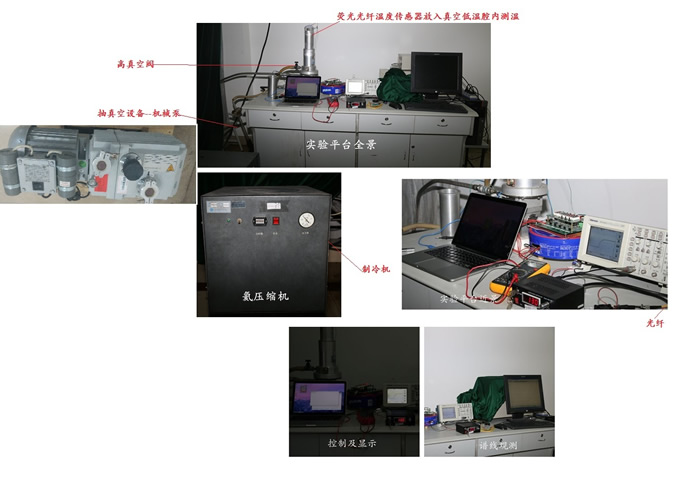
4. Neredesin Fiber Optic Sensors Successfully Applied in Microwave Systems?
4.1 What Role Do They Play in Microwave Chemical Synthesis?
Research laboratories and pharmaceutical manufacturers utilize microwave reactors for accelerated chemical synthesis. Fiber optik sıcaklık sensörleri enable precise monitoring of exothermic reactions where temperature control directly impacts product yield, saflık, ve güvenlik. The probes withstand aggressive solvents and strong acids that would corrode traditional sensors within hours.
4.2 How Are They Used in Advanced Materials Processing?
Microwave sintering of ceramics, composites, and nanomaterials requires precise thermal profiles to achieve desired microstructures. Fluorescence temperature probes Sıcaklıkların dakikada 50°C'ye kadar çıkabileceği hızlı ısıtma döngüleri sırasında doğru ölçümler sağlar. Sensörler, geleneksel termokupl düzeneklerini kırabilecek termal şok koşullarında hayatta kalır.
4.3 Gıda İşleme Uygulamalarında Ne Gibi Faydalar Sağlar??
Endüstriyel mikrodalga gıda işleme ekipman kullanımları fiber optik sıcaklık sensörleri Uygun pastörizasyon sıcaklıklarını sağlamak ve aşırı pişmeyi önlemek için. Metalik olmayan problar, kontaminasyon endişesi olmadan doğrudan gıda ürünlerine yerleştirilebilir, HACCP uyumluluk belgeleri için gerçek zamanlı iç sıcaklık verileri sağlar.
4.4 Tıbbi Cihaz Üreticileri Bu Teknolojiden Nasıl Faydalanıyor??
Mikrodalga sterilizasyonu Tıbbi cihazlara yönelik sistemler, yük boyunca doğrulanmış sıcaklık eşitliği gerektirir. Fiber optik sıcaklık probları Sterilizasyon döngüleri sırasında termal dağılımların haritasını çıkarın, ensuring all items reach lethal temperatures for pathogen destruction while avoiding heat-sensitive material degradation.
5. Mikrodalga Ekipmanınız için Doğru Sıcaklık Sensörünü Nasıl Seçersiniz??
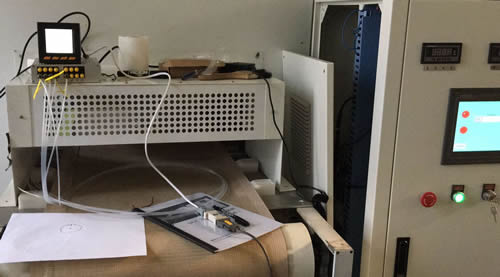
5.1 What Temperature Range Does Your Application Require?
Evaluate the minimum and maximum temperatures encountered during normal operation and potential fault conditions. Fiber optik sıcaklık sensörleri are available in different probe configurations optimized for specific ranges. Standart fluorescence probes cover -40°C to +250°C, while high-temperature versions extend to +300°C for specialized applications.
5.2 What Chemical Compatibility Do You Need?
Identify all chemicals, solvents, and cleaning agents that will contact the temperature probe. While the glass fiber provides excellent general chemical resistance, specific coatings or protective sheaths may be necessary for hydrofluoric acid or concentrated alkalis. Fuzhou İnovasyon Elektronik Bilimi&Tech Co., Ltd.. offers customized probe jacket materials for harsh chemical environments.
5.3 Proses Kontrolünüz için Hangi Tepki Süresi Kritiktir??
Determine whether your application requires monitoring of steady-state temperatures or tracking of rapid thermal transients. Smaller diameter fiber optik problar provide faster response times but reduced mechanical robustness. Balance thermal response requirements against physical durability needs for your specific installation.
5.4 Kontrol Sisteminiz Hangi Entegrasyon Yeteneklerini Gerektiriyor??
Modern fiber optik sıcaklık ölçüm sistemleri Analog voltaj da dahil olmak üzere birden fazla çıkış seçeneği sağlayın, dijital protokoller, ve endüstriyel fieldbus iletişimleri. Mevcut SCADA sistemlerinizle uyumluluğu sağlayın, PLC kontrolörleri, veya veri toplama ekipmanı. Standart arayüzler 4-20mA akım döngüsünü içerir, Modbus RTU/TCP, ve Profibus DP.
6. Floresan Sensörlerin Geleneksele Göre Maliyet-Fayda Analizi Nedir? Çözümler?

6.1 Peşin Yatırım Maliyetleri Nasıl Karşılaştırılır??
İlk satın alma maliyetleri fiber optik sıcaklık sensörleri tipik olarak aralık 3-5 eşdeğer termokupl düzeneklerinden kat daha yüksek. Fakat, bu karşılaştırma termokupl arızalarının gizli maliyetlerini göz ardı etmektedir. mikrodalga uygulamaları. Zorlu mikrodalga ortamlarında geleneksel sensörlerin birkaç haftada bir değiştirilmesi gerekebilir, halbuki fluorescence probes genellikle yıllarca bozulmadan çalışır.
6.2 Gerçek Yaşam Döngüsü Sahip Olma Maliyetleri Nelerdir??
Calculate total cost of ownership including sensor replacement frequency, production downtime during sensor failures, and labor costs for maintenance interventions. A manufacturing facility experiencing monthly thermocouple failures with 4-hour downtime events will recover fiber optik sensör investment within 6-12 months through elimination of unplanned outages.
6.3 How Does Improved Process Control Impact Profitability?
Kesin sıcaklık izleme enables tighter process control, reducing product variability and quality rejects. In pharmaceutical synthesis, improved temperature precision can increase batch yields by 5-15%, representing substantial value creation that far exceeds sensor technology costs. The ability to run processes at optimal temperatures without conservative safety margins improves energy efficiency and throughput.
7. Fiber Optik Problar Aşırı Mikrodalga Koşullarında Nasıl Performans Gösterir??
7.1 What Validates Their Performance in High-Power Applications?
Fiber optik sıcaklık sensörleri from Fuzhou Innovation Electronic Scie&Tech Co., Ltd.. undergo rigorous testing in controlled mikrodalga ortamları at power levels up to 10kW/liter. Accelerated life testing demonstrates stable accuracy after 10,000 hours of continuous exposure to cycling electromagnetic fields, validating long-term reliability for demanding industrial applications.
7.2 How Do They Handle Thermal Shock and Mechanical Stress?
The flexible fiber optik kablo construction provides superior vibration resistance compared to rigid thermocouple assemblies. The sensors withstand thermal shock testing involving rapid temperature changes of 200°C in under 10 seconds without mechanical failure or accuracy degradation. This robustness proves essential in microwave processing operations subject to frequent thermal cycling.
7.3 What Maintenance Requirements Ensure Continued Accuracy?
Unlike thermocouples requiring periodic calibration verification, floresan fiber optik sensörler maintain factory calibration accuracy throughout their operational lifetime. The measurement principle based on fundamental phosphor physics exhibits negligible drift. Annual verification testing confirms ongoing performance, but recalibration is typically unnecessary, reducing maintenance costs and documentation burdens.
8. Mikrodalga Kimyasal Reaktörler Neden Metalik Olmayan Sıcaklık Sensörleri Kullanmalıdır??
8.1 What Safety Regulations Prohibit Metallic Sensors?
Chemical process safety standards explicitly prohibit introduction of potential ignition sources into vessels containing flammable solvents or reactive materials. Geleneksel termokupl sensörleri that arc in microwave fields violate these fundamental safety principles. Regulatory agencies increasingly require documented risk assessments demonstrating elimination of ignition hazards in microwave chemical reactors.
8.2 How Do Metallic Sensors Interfere with Reaction Chemistry?
Metal surfaces can catalyze unwanted side reactions or decomposition pathways in sensitive chemical syntheses. The catalytic activity of nickel, iron, and other common thermocouple metals alters reaction selectivity and product distribution. Fiber optik sıcaklık probları constructed from chemically inert materials eliminate these parasitic reaction pathways, ensuring reproducible synthetic outcomes.
8.3 What Contamination Risks Do Metal Sensors Pose?
Corrosion of metallic sıcaklık sensörleri introduces metal ion contamination into pharmaceutical intermediates and active ingredients. These impurities can exceed regulatory limits, requiring costly reprocessing or batch rejection. The all-glass construction of floresan fiber optik sensörler prevents any possibility of metallic contamination, supporting compliance with stringent pharmaceutical purity requirements.
9. Mikrodalga Gıda İşlemede Sıcaklık Kontrol Arızalarından Kaynaklanan Sonuçlar Nelerdir??
9.1 How Does Inadequate Heating Compromise Food Safety?
Insufficient microwave heating fails to achieve pathogen lethality requirements, creating risks of foodborne illness outbreaks. Without reliable sıcaklık izleme, processors cannot validate that all portions of the product reach minimum safe temperatures. A single contaminated batch can trigger massive recalls, brand damage, and potential legal liability exceeding millions in costs.
9.2 What Quality Defects Result from Overheating?
Excessive temperatures during mikrodalga gıda işleme cause protein denaturation, nutrient degradation, and undesirable texture changes. Overcooked products exhibit poor sensory quality, leading to consumer complaints and market share erosion. Kesin fiber optik sıcaklık sensörleri enable precise control preventing both undercooking safety hazards and overcooking quality defects.
9.3 How Does Temperature Variability Impact Production Efficiency?
Inconsistent sıcaklık kontrolü içinde mikrodalga sistemleri forces manufacturers to extend processing times and increase energy input to ensure minimum specifications are met, reducing throughput and increasing costs. Wide process variations necessitate conservative operating parameters that sacrifice efficiency. Güvenilir uygulama sıcaklık izleme narrows process distributions, enabling optimization closer to ideal conditions.
10. Mühendisler Mikrodalga Sıcaklık Algılama Hakkında En Sık Hangi Soruları Soruyor??
10.1 Can Fiber Optic Sensors Work in Batch and Continuous Processes?
Evet, floresan fiber optik sıcaklık sensörleri adapt to both batch microwave reactors and continuous flow systems. For batch applications, probes insert through sealed ports maintaining electromagnetic containment. In continuous processes, the flexible fiber optik kablo routes through process piping with minimal pressure drop or flow disturbance.
10.2 Are These Sensors Compatible with Automated Process Control?
Modern fiber optik sıcaklık ölçüm sistemleri integrate seamlessly with industrial automation platforms. Standard analog and digital outputs enable direct connection to PID controllers, dağıtılmış kontrol sistemleri, and programmable logic controllers. Advanced systems provide predictive maintenance diagnostics and data logging capabilities supporting Industry 4.0 initiatives.
10.3 What Environmental Conditions Affect Sensor Performance?
The measurement accuracy of floresan fiber optik sensörler remains stable across ambient temperature variations from -40°C to +85°C. The optical measurement principle exhibits minimal sensitivity to humidity, titreşim, or electromagnetic fields in the surrounding environment. This environmental immunity ensures consistent performance in challenging industrial settings.
10.4 How Do You Optimize Probe Positioning in Microwave Cavities?
Etkili sıcaklık izleme requires strategic placement considering electromagnetic field distribution and thermal gradients. Konum fiber optik problar in representative locations avoiding field nodes where heating may be minimal. For critical applications, deploy multiple sensors mapping spatial temperature variations enabling comprehensive process understanding and control.
10.5 What Training Do Operators Need for Fiber Optic Systems?
Basic operation of fiber optik sıcaklık sensörleri requires minimal specialized training beyond standard instrumentation procedures. The systems provide intuitive displays and straightforward calibration verification protocols. Technical support from Fuzhou Innovation Electronic Scie&Tech Co., Ltd.. ensures successful implementation and ongoing optimization.
⚠️ Yasal Uyarı
The information provided in this guide is for educational and informational purposes only. Doğruluk için çabalarken, temperature sensor selection should be based on thorough engineering analysis of your specific application requirements. Fuzhou İnovasyon Elektronik Bilimi&Tech Co., Ltd.. recommends consulting with qualified engineers and reviewing all relevant safety standards before implementing temperature measurement systems in microwave equipment. Performance characteristics described are typical values and may vary based on specific operating conditions. This guide does not constitute professional engineering advice, and users assume full responsibility for proper sensor selection, kurulum, ve operasyon. Always follow manufacturer specifications and applicable regulatory requirements for your industry and jurisdiction.

Fiber optik sıcaklık sensörü, Akıllı izleme sistemi, Çin'de dağıtılmış fiber optik üreticisi
 |
 |
 |