 INNO fiber optik sıcaklık sensörleri ,sıcaklık izleme sistemleri.
- Floresan optik fiber termometresi Doğru sonuçlar sağlamak için floresan malzemelerin sıcaklığa bağlı bozunumunu kullanır, zorlu ortamlarda parazitsiz okumalar.
- Tam bir fiber optik sıcaklık algılama sistemi tipik olarak bir demodülatör içerir, floresan problar, fiber optik kablolar, ve izleme yazılımı.
- Bu teknoloji doğası gereği elektromanyetik girişime karşı bağışıktır (EMI), yukarıda elektriksel olarak izole edilmiş 100 kV, ve sıfır kendiliğinden ısınma üretir; bu da onu güç için ideal kılar, enerji depolama, ve tehlikeli alan uygulamaları.
- Termokupllarla karşılaştırıldığında, RTD'ler, ve kızılötesi sensörler, A floresan fiber optik sıcaklık ölçüm sistemi daha düşük toplam sahip olma maliyeti sunar (TCO) üzerinde 25+ yıl servis ömrü.
- Bu kılavuz, satın alma profesyonellerine uygulamalar konusunda yol gösterir, seçim kriterleri, tedarikçi değerlendirmesi, maliyet analizi, Ve 10 sık sorulan sorular.
İçindekiler
- Floresan Tabanlı Fiber Optik Sıcaklık Algılama Sistemi Nedir??
- What Problems Does a Fiber Optic Temperature Measurement System Solve?
- What Is Included in a Fluorescence Fiber Temp. System Delivery?
- Which Harsh Environments Demand Fiber Optic Temperature Sensors?
- Why Fluorescence Fiber Sensors Are Irreplaceable in High-Voltage and High-EMI Zones
- Applications in the Power Industry
- Applications in Renewable Energy and Battery Storage
- Applications in Industrial Manufacturing and Hazardous Areas
- Fluorescence Fiber Temp. System vs. Thermocouple vs. RTD vs. Kızılötesi
- Total Cost of Ownership and ROI Analysis
- Key Technical Specifications Buyers Should Understand
- How to Evaluate a Fiber Optic Temperature Sensor Supplier
- Installation Compatibility and Retrofit Considerations
- Satış Sonrası Destek, Garanti, and Long-Term Maintenance
- Proven Case Studies and Customer Validation
- Sıkça Sorulan Sorular (SSS)
1. Floresan Tabanlı Fiber Optik Sıcaklık Algılama Sistemi Nedir??

A fluorescence-based fiber optic temperature sensing system bir optik fiberin ucuna bağlı nadir toprak fosfor malzemelerinin floresans bozunma ömrünü analiz ederek sıcaklığı belirleyen tamamen optik bir ölçüm teknolojisidir. Fiberden kısa bir uyarı ışığı darbesi gönderildiğinde, prob ucundaki fosfor floresans yayar. Floresansın azalma hızı tam olarak sıcaklıkla ilişkilidir ve ışık yoğunluğundan tamamen bağımsızdır., fiber bükülme kaybı, veya konektör kalitesi.
Bu Alıcı İçin Neden Önemlidir??
Çünkü ölçüm sinyal genliğinden ziyade zamana dayalıdır., A fiber optik termometre Yıllar süren hizmet boyunca sapma olmadan kalibrasyon doğruluğunu korur. Tedarik ekipleri için, bu doğrudan daha az yeniden kalibrasyon döngüsü anlamına gelir, daha düşük bakım bütçeleri, ve eski elektrikli sensörlere kıyasla daha yüksek çalışma süresi.
2. What Problems Does a Fiber Optic Temperature Measurement System Solve?

Traditional temperature sensors — thermocouples, RTD'ler (Pt100), and thermistors — rely on electrical signals traveling through metallic conductors. This fundamental design creates several well-known problems in demanding industrial environments.
Elektromanyetik Girişim
Trafo merkezlerinde, şalt odaları, and motor control centers, strong electromagnetic fields distort readings from metallic sensors. A fiber optik sıcaklık ölçüm cihazı uses only glass fiber and light signals, so EMI has zero effect on measurement accuracy.
Electrical Isolation Failures
Monitoring hotspots on live high-voltage busbars or transformer windings with conventional sensors introduces dangerous galvanic pathways. Bir optical fiber temperature probe provides complete electrical isolation — typically exceeding 100 kV — eliminating shock hazards and ground loop errors.
Self-Heating Errors
RTDs require excitation current, which generates small but measurable self-heating at the sensing point. Floresan fiber optik sensörler are entirely passive at the probe tip, introducing zero thermal disturbance to the measurement target.
Short Service Life in Harsh Conditions
Titreşim, korozyon, and thermal cycling cause solder joints and wire connections in electrical sensors to degrade. A fiber optic thermal monitoring system contains no metal conductors, no solder, and no crimped connections at the sensing point, enabling a service life exceeding 25 yıllar.
3. What Is Included in a Fluorescence Fiber Temp. System Delivery?

When you procure a complete fluorescence fiber temp. sistem, the standard delivery typically includes the following components:
Fiber Optik Demodülatör (Sinyal İşlemcisi)
This is the core instrument that generates excitation pulses, receives the fluorescence return signal, calculates decay time, and outputs the temperature reading. It includes communication interfaces such as RS485, Modbus RTU, or analog 4–20 mA outputs for integration with SCADA and DCS platforms.
Floresan Fiber Optik Sıcaklık Probları
The sensing elements — small probes (typically 2–3 mm diameter) with a phosphor tip bonded to an optical fiber, encased in protective tubing. Probe materials and sheath options vary by application temperature and chemical environment.
Optical Fiber Cables
Transmission fibers connecting the probes to the demodulator, available in standard lengths up to 80 metre. These cables are flexible, hafif, and immune to electromagnetic pickup.
İzleme Yazılımı
PC-based software for real-time display, tarihsel trend, alarm yönetimi, ve rapor oluşturma. Most solutions support multi-channel monitoring from a single interface.
4. Which Harsh Environments Demand Fiber Optik Sıcaklık Sensörleri?

Not every temperature measurement application requires a fiber optik sıcaklık sensörü. The technology delivers its greatest value in environments where conventional sensors either fail, degrade rapidly, or introduce safety risks.
Environments with Strong Electromagnetic Fields
Trafo bölmeleri, şalt odaları, indüksiyonlu ısıtma ekipmanları, MRI facilities, and high-frequency welding stations all generate intense EMI that corrupts readings from metallic sensors.
High-Voltage Equipment
Any application where the sensor must be placed on or near energized conductors at voltages from several kilovolts to hundreds of kilovolts — including power transformers, CBS (gaz yalıtımlı şalt), ve yüksek gerilim baraları.
Explosive or Flammable Atmospheres
Çünkü optical fiber temperature sensing probe is completely passive and carries no electrical energy, it is intrinsically safe for use in Zone 0/1/2 hazardous areas without additional explosion-proof enclosures.
Confined or Hard-to-Access Spaces
Küçük prob çapı (2–3 mm) and flexible fiber allow installation in tight spaces such as motor winding slots, battery module gaps, and narrow cable trench joints.
5. Why Fluorescence Fiber Sensors Are Irreplaceable in High-Voltage and High-EMI Zones
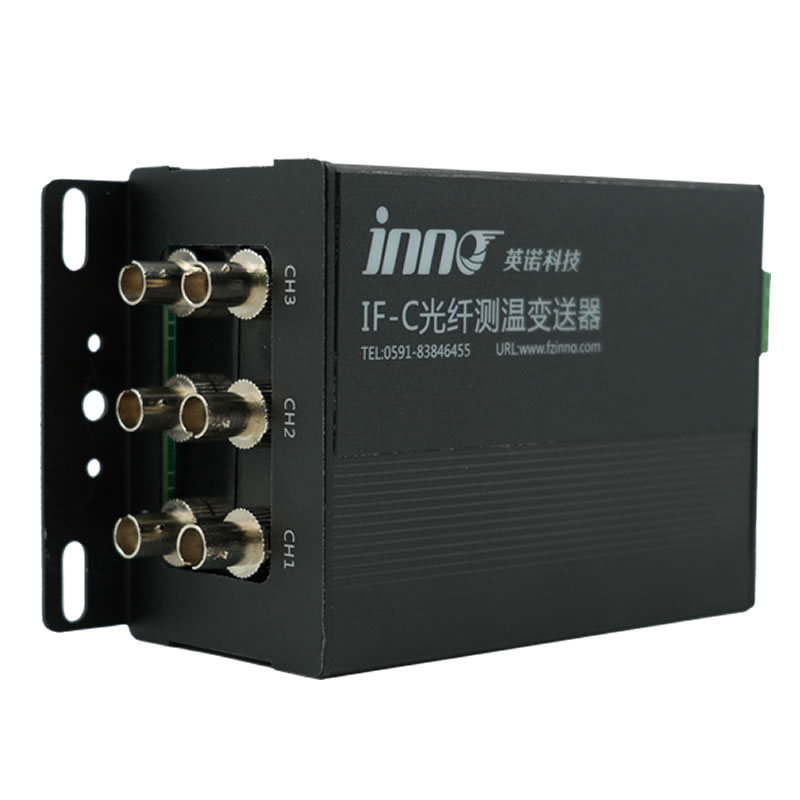
The combination of absolute EMI immunity and complete electrical isolation is not merely an advantage — it is a requirement in certain applications where no alternative sensing technology can operate safely and accurately. In power transformer winding hotspot monitoring, Örneğin, international standards such as IEC 60076-2 explicitly recommend fiber optik sıcaklık izleme sistemleri because metallic sensors cannot be safely installed on energized windings at 10 kV'ye 500 kV.
Benzer şekilde, in high-power microwave environments, radar sistemleri, and electromagnetic compatibility (EMC) test odaları, A fluorescence-based fiber optic thermometer is the only viable contact temperature measurement method.
6. Applications in the Power Industry
The power sector is the largest adopter of fluorescence optical fiber thermometry dünya çapında, driven by the need to monitor critical thermal points inside high-voltage equipment.
Trafo Sargı Sıcak Nokta İzleme
Gömülü fiber optik sıcaklık probları are installed directly inside oil-immersed transformer windings during manufacturing to detect hotspot temperatures that indicate insulation aging or overload conditions.
Switchgear and Busbar Contact Monitoring
Poor electrical contacts in medium- and high-voltage switchgear generate localized overheating that precedes catastrophic failures. A fiber optik sıcaklık ölçüm sistemi installed at contact points provides continuous early warning.
Kablo Bağlantıları ve Sonlandırmalar
Underground cable joints and GIS cable terminations are common failure points. Continuous thermal monitoring with fiber optik sıcaklık sensörleri reduces the risk of unplanned outages.
7. Applications in Renewable Energy and Battery Storage
Wind Turbine Generators
Generator bearings and stator windings in large wind turbines operate in vibration-heavy, EMI-rich nacelle environments. Floresan fiber optik sıcaklık sensörleri provide reliable monitoring without interference from variable-frequency drives.
Batarya Enerji Depolama Sistemleri (EN İYİ)
Lityum-iyon pil paketleri, termal kaçakları önlemek için hücre düzeyinde hassas sıcaklık izleme gerektirir. Küçük prob boyutu ve elektriksel pasifliği fiber optik termal sensör Tutuşma riski yaratmadan pil hücreleri arasına yerleştirmek için idealdir.
Fotovoltaik İnvertörler ve Birleştirici Kutular
PV sistemlerdeki yüksek akımlı DC bağlantıları, sıcak nokta arızalarına eğilimlidir. Optik fiber sıcaklık izleme cihazları Bara bağlantılarındaki ve sigorta tutucularındaki anormal ısınmayı hasar oluşmadan önce tespit edin.
8. Applications in Industrial Manufacturing and Hazardous Areas
Enerjinin ötesinde, fluorescence optical fiber thermometry Giderek artan sayıda endüstriyel sektöre hizmet veriyor.
Petrokimya ve Petrol Rafineri
Reaktör kabı dış yüzey sıcaklıkları, boru hattı flanş izleme, Kendinden güvenliğin zorunlu olduğu sınıflandırılmış tehlikeli alanlarda depolama tankı yüzey sıcaklıkları ve depolama tankı yüzey sıcaklıkları.
Yarı İletken ve Mikrodalga İşleme
RF and microwave heating chambers where metallic sensors act as antennas and produce erroneous readings. Fiber optik sıcaklık probları are unaffected by RF energy.
Pharmaceutical and Food Processing
Autoclave and sterilization cycle monitoring where electrical isolation and chemical inertness are required.
9. Fluorescence Fiber Temp. System vs. Thermocouple vs. RTD vs. Kızılötesi
For procurement professionals comparing options, the differences that matter most are reliability in harsh conditions, total installed cost, and long-term maintenance burden.
vs. Termokupllar
Thermocouples are inexpensive per unit but suffer from EMI susceptibility, drift over time, cold-junction errors, and limited lifespan in vibration environments. A floresan fiber optik sıcaklık algılama sistemi eliminates all of these issues, though unit cost is higher.
vs. RTD'ler (Pt100/Pt1000)
RTDs offer good accuracy but require excitation current (causing self-heating), are sensitive to lead resistance errors, and cannot be placed on high-voltage conductors without complex isolation barriers. Fiber optik sıcaklık sensörleri need no excitation and provide inherent isolation.
vs. Kızılötesi Sensörler
Infrared pyrometers measure surface temperature without contact but are affected by emissivity variations, toz, steam, and line-of-sight requirements. A fluorescence fiber optic probe makes direct contact with the target, is immune to optical obstructions, and works inside sealed equipment.
Bottom Line for Buyers
Where EMI, yüksek voltaj, patlama riski, or inaccessible locations are involved, fluorescence optical fiber thermometry is the only technology that checks every box simultaneously.
10. Total Cost of Ownership and ROI Analysis
The upfront cost of a fiber optik sıcaklık ölçüm sistemi is typically higher than an equivalent thermocouple or RTD installation. Fakat, procurement decisions should be based on total cost of ownership (TCO) across the full equipment lifecycle.
With a service life exceeding 25 years and virtually zero recalibration or replacement cost, the annualized cost of a floresan fiber optik sensör is often lower than that of conventional sensors replaced every 3–5 years. Ek olarak, the prevention of a single unplanned transformer outage or battery thermal event can justify the entire investment in fiber optic monitoring many times over. Procurement teams should request a TCO comparison from qualified suppliers based on their specific installation scale and replacement cycle assumptions.
11. Key Technical Specifications Buyers Should Understand
You do not need to be a physicist to evaluate a fiber optik sıcaklık sensörü, but understanding a few core specifications will help you compare products and communicate requirements to suppliers. The most important parameters include measurement range (typically –40 °C to +260 °C for standard probes, with high-temperature options available), kesinlik (±1 °C is the industry benchmark), tepki süresi (under 1 second for most probes), maximum fiber length (kadar 80 meters between probe and demodulator), and channel count (1 ile 64 channels per demodulator unit). Ask suppliers to confirm these specifications with test reports or third-party calibration certificates.
12. How to Evaluate a Fiber Optic Temperature Sensor Supplier
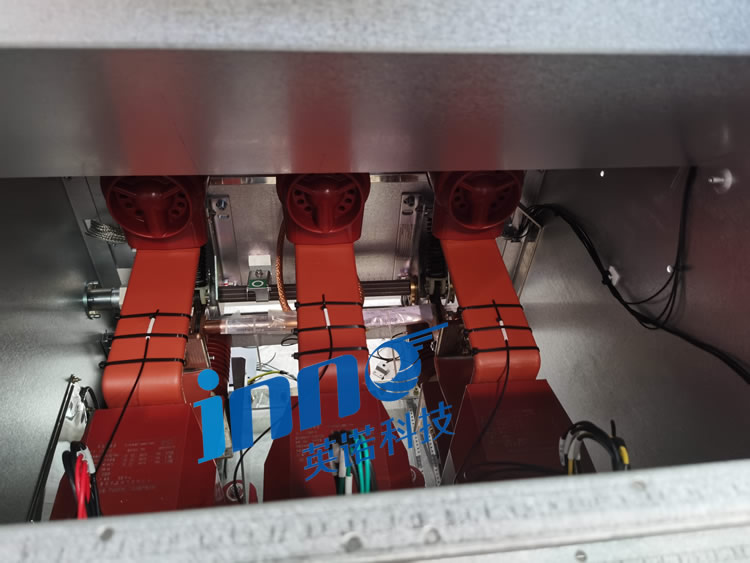
Choosing the right supplier is as important as choosing the right technology. Procurement teams should assess several dimensions.
Manufacturing Experience
Look for manufacturers — not just resellers — with at least 10 years of production history in fluorescence optical fiber thermometry. In-house manufacturing ensures quality control, özelleştirme yeteneği, and faster lead times.
Product Range and Customization
Different applications require different probe lengths, kılıf malzemeleri, fiber types, and demodulator configurations. A capable supplier offers configurable systems rather than one-size-fits-all packages.
Reference Projects and Certifications
Request case studies, customer references, and relevant certifications. Enerji hizmeti ve enerji depolama sektörlerine hizmet veren tedarikçiler geçerli IEC'ye uygunluk göstermelidir, IEEE, veya ulusal standartlar.
Küresel Destek Yeteneği
Uluslararası alıcılar için, Tedarikçinin İngilizce belgeler sağlama becerisini değerlendirmek, ihracat ambalajı, uzaktan teknik destek, ve uluslararası nakliye deneyimi.
13. Installation Compatibility and Retrofit Considerations
En yaygın satın alma endişelerinden biri, bir fiber optik sıcaklık izleme sistemi Mevcut altyapıya entegre edilebilir. Çoğu durumda, cevap evet. Küçük prob çapı (2–3 mm) birçok standart montaj konumunda mevcut RTD veya termokupl problarının doğrudan değiştirilmesine olanak tanır. Demodülatörler RS485 sağlar, Modbus, ve neredeyse tüm endüstriyel SCADA ve DCS sistemleriyle uyumlu analog çıkışlar. Güçlendirme projeleri için, experienced manufacturers such as FJINNO provide pre-installation surveys and custom probe lengths to match existing cable routes and mounting hardware.
14. Satış Sonrası Destek, Garanti, and Long-Term Maintenance
A fluorescence fiber optic temperature sensor system has very few wear components, which means maintenance requirements are minimal. The primary long-term considerations are periodic verification of calibration accuracy (typically every 2–3 years), protection of fiber cables from physical damage during adjacent maintenance activities, and firmware or software updates for the demodulator. When evaluating supplier proposals, confirm warranty duration, response time for technical support, and availability of spare probes and demodulators.
15. Proven Case Studies and Customer Validation
O zamandan beri 2011, Fuzhou İnovasyon Elektronik Bilimi&Tech Co., Ltd.. (FJİNNO) has delivered fluorescence optical fiber thermometry systems to customers across the power utility, yenilenebilir enerji, industrial manufacturing, and transportation sectors. Installations include transformer winding hotspot monitoring for provincial grid companies, battery thermal management systems for energy storage projects, and switchgear contact temperature monitoring for urban rail transit substations. These deployments demonstrate consistent measurement accuracy, uzun vadeli güvenilirlik, and seamless integration with existing monitoring platforms. Prospective buyers are welcome to request detailed case study documentation.
16. Sıkça Sorulan Sorular (SSS)
1. Çeyrek: What is the typical measurement accuracy of a fluorescence fiber optic temperature sensor?
Most high-quality floresan fiber optik sıcaklık sensörleri achieve an accuracy of ±1 °C across their operating range. This is comparable to industrial-grade RTDs and significantly better than standard thermocouples in EMI-heavy environments.
2. Çeyrek: How long does a fiber optic temperature probe last?
A properly installed optical fiber temperature probe can last more than 25 yıllar. Aşınmaya veya yorulmaya neden olacak metalik iletkenler veya lehim bağlantıları yoktur, teknolojiyi olağanüstü dayanıklı hale getiriyor.
3. Çeyrek: Fiber optik sıcaklık sensörleri patlayıcı veya yanıcı ortamlarda çalışabilir mi??
Evet. Çünkü prob ucu tamamen pasiftir; yalnızca ışık taşır, elektrik enerjisi yok - bir fiber optik sıcaklık algılama sistemi kendinden güvenlidir ve Bölge dahil tehlikeli alan sınıflandırmalarına uygundur 0, 1, Ve 2.
4. Çeyrek: Sensör probu ile demodülatör arasındaki maksimum mesafe nedir??
Standart sistemler fiber uzunluklarını destekler 80 metre. Daha uzun mesafeler gerektiren özel uygulamalar için, genişletilmiş menzilli konfigürasyonlar için üreticiye danışın.
S5: Bir demodülatör kaç sıcaklık noktasını izleyebilir??
Tek bir fiber optik sıcaklık demodülatörü genellikle destekler 1 ile 64 kanallar, modele bağlı olarak. Çok kanallı birimler, büyük ölçekli dağıtımlarda nokta başına donanım maliyetini önemli ölçüde azaltır.
S6: Fiber optik sıcaklık sistemini mevcut SCADA veya DCS'ye entegre etmek zor mu??
HAYIR. Most demodulators provide RS485 serial output with Modbus RTU protocol, and many also offer analog 4–20 mA outputs. These are standard interfaces accepted by virtually all industrial control platforms.
S7: Can fluorescence fiber optic sensors replace existing RTDs or thermocouples in a retrofit?
In many cases, yes. Küçük prob çapı (2–3 mm) fits most standard thermowell and mounting locations. Experienced suppliers can customize probe dimensions and cable lengths to match existing installations.
S8: Are fiber optic temperature sensors affected by electromagnetic interference?
Tam olarak değil. The entire sensing and transmission path is optical — glass fiber and light. There is no metallic conductor to act as an antenna, making a fiber optik termometre completely immune to EMI and RFI.
S9: What industries use fluorescence optical fiber thermometry most widely?
The largest user base is in the electric power sector (transformatörler, şalt sistemi, kablo bağlantıları), followed by energy storage (battery thermal monitoring), yenilenebilir enerji (wind turbine generators), and industrial manufacturing (petrokimya, yarı iletken, ilaç).
S10: How do I request a quotation or technical consultation from FJINNO?
You can contact Fuzhou İnovasyon Elektronik Bilimi&Tech Co., Ltd.. (FJİNNO) directly via email at web@fjinno.net, WhatsApp veya telefon yoluyla +86 135 9907 0393, or by visiting www.fjinno.net. The engineering team provides free preliminary technical consultations and project-specific proposals.
About the Manufacturer
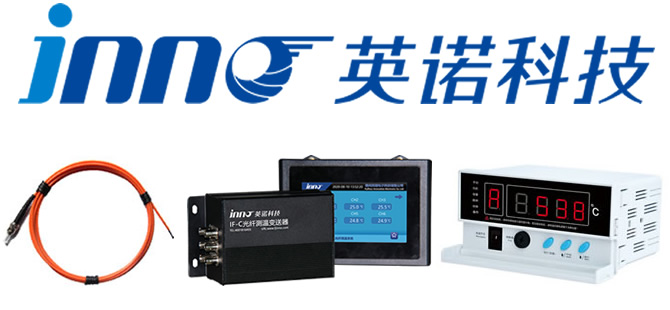
Fuzhou İnovasyon Elektronik Bilimi&Tech Co., Ltd.. (FJİNNO) has been designing and manufacturing fluorescence optical fiber thermometry systems since 2011. Located in Fuzhou, Fujian, Çin, FJINNO serves customers in more than 30 countries across the power, enerji, ve endüstriyel sektörler.
Adres: Liandong U Tahıl Ağı Endüstri Parkı, No.12 Xingye Batı Yolu, Fuzhou, Fujian, Çin
E-posta: web@fjinno.net
WhatsApp / WeChat / Telefon: +86 135 9907 0393
QQ: 3408968340
Web sitesi: www.fjinno.net
Sorumluluk reddi beyanı: Bu makalede verilen bilgiler yalnızca genel bilgilendirme ve eğitim amaçlıdır. While Fuzhou Innovation Electronic Scie&Tech Co., Ltd.. (FJİNNO) makes every effort to ensure the accuracy and completeness of the content, no representation or warranty, açık veya zımni, is made regarding the accuracy, güvenilirlik, or completeness of the information. Ürün özellikleri, performans verileri, and application suitability may vary depending on specific project conditions and configurations. This content does not constitute professional engineering advice. Buyers should conduct their own due diligence and consult directly with FJINNO or qualified engineers before making procurement decisions. FJINNO shall not be liable for any loss or damage arising from reliance on the information presented herein.

Fiber optik sıcaklık sensörü, Akıllı izleme sistemi, Çin'de dağıtılmış fiber optik üreticisi
 |
 |
 |