 INNO fiber optik sıcaklık sensörleri ,sıcaklık izleme sistemleri.
Fiber Optik İzleme: Essential Guide
What is Fiber Optic Monitoring? Fiber optic monitoring is an advanced temperature and environmental sensing technology that uses light transmission through optical fibers to measure critical parameters in real-time. Geleneksel elektrikli sensörlerin aksine, fiber optic monitoring systems provide complete electromagnetic immunity, onları yüksek voltajlı ortamlar için ideal hale getiriyor, medical facilities, and hazardous industrial applications where traditional monitoring methods fail or pose safety risks.
Why Choose Fiber Optic Monitoring Systems? Fiber optic monitoring technology delivers unmatched advantages for critical infrastructure protection and equipment safety:
- Tam Elektromanyetik Bağışıklık: Fiber optic monitoring operates flawlessly near high-voltage equipment, powerful transformers, MRI magnets, and RF generators where electrical sensors produce unreliable data or fail completely due to electromagnetic interference.
- Exceptional High-Voltage Safety: Fiber optik izleme probları 500kV'a kadar yalıtım seviyelerine dayanır, doğrudan enerjilendirilmiş transformatör sargılarında güvenli sıcaklık ölçümünün sağlanması, şalt bileşenleri, ve jeneratör statörleri elektriksel tehlikeler veya topraklama döngüsü sorunları olmadan.
- Intrinsically Safe Operation: Fiber optik izleme sistemleri, ölçüm noktalarında hiçbir metalik eleman veya elektrikli bileşen içermez, Yağ dolu transformatörlerin etrafındaki patlayıcı ortamlarda kıvılcım oluşumunun ortadan kaldırılması, chemical processing facilities, ve yakıt depolama alanları.
- Üstün Ölçüm Doğruluğu: Floresan fiber optik izleme, olağanüstü uzun süreli kararlılıkla ±0,3°C ila ±1°C hassasiyete ulaşır, minimum kalibrasyon sapması, ve yıllarca süren sürekli çalışma boyunca optik güç dalgalanmalarına veya konektör bozulmalarına karşı bağışıklık.
- Hızlı Yanıt Süreleri: Fiber optik izleme, sıcaklık değişikliklerini algılar 0.25 ile 5 saniye, enabling real-time tracking of dynamic thermal events and immediate alarm activation before equipment damage occurs.
- Minimal Installation Impact: Compact fiber optic monitoring probes (0.5mm to 3mm diameter) minimize thermal mass and physical intrusion, allowing installation in tight spaces, malzemelerin içine gömülü, or mounted on delicate components without affecting equipment performance.
- Comprehensive Coverage Options: Distributed fiber optic monitoring provides continuous temperature profiling along 30+ kilometers using a single fiber, while FBG monitoring multiplexes dozens of high-accuracy sensors on one fiber—both approaches dramatically reducing installation costs compared to conventional multi-point monitoring systems.
- Long-Distance Transmission: Fiber optic monitoring signals transmit up to 200 metre (point sensors) or over 30 kilometre (distributed systems) without signal degradation, enabling centralized monitoring of extensive infrastructure from a single control room location.
- Extreme Environment Capability: Fiber optic monitoring operates reliably from -200°C to +300°C, in corrosive chemical environments, intense radiation fields, and underwater installations where conventional electrical monitoring systems cannot survive or require frequent replacement.
- Reduced Maintenance Requirements: The passive nature of fiber optic monitoring sensors requires no electrical power at measurement points, eliminates battery replacements, and provides decades of maintenance-free operation in remote or inaccessible locations.
Which Fiber Optic Monitoring Technology Is Right for Your Application? Three primary fiber optic monitoring technologies serve different monitoring needs: Floresan Fiber Optik İzleme (FOS) excels in high-accuracy point sensing for transformer and medical equipment monitoring, Distributed Fiber Optic Monitoring (DTS) provides cost-effective continuous coverage for power cable and pipeline monitoring, ve Fiber Bragg Izgara (FBG) Monitoring delivers multi-point precision for structural health monitoring and aerospace applications.
- 1. What Is Fiber Optic Monitoring Technology?
- 2. Why Is Fiber Optic Monitoring Superior to Conventional Methods?
- 3. What Is Fluorescent Fiber Optic Monitoring (FOS)?
- 4. How Does Fluorescent Fiber Optic Monitoring Work?
- 5. What Advantages Does Fluorescent Fiber Optic Monitoring Offer?
- 6. Which Technical Specifications Define Fluorescent Fiber Optic Monitoring?
- 7. Where Is Fiber Optic Monitoring Applied in Power Equipment?
- 8. How Does Fiber Optic Monitoring Enhance Medical Equipment Safety?
- 9. What Industrial Processes Require Fiber Optic Monitoring?
- 10. Which Transformer Systems Benefit from Fiber Optic Monitoring?
- 11. What Is Distributed Fiber Optic Monitoring (DTS)?
- 12. How Does Distributed Fiber Optic Monitoring Provide Continuous Coverage?
- 13. What Are the Key Benefits of Distributed Fiber Optic Monitoring?
- 14. Where Should Distributed Fiber Optic Monitoring Be Implemented?
- 15. What Is Fiber Bragg Grating (FBG) İzleme?
- 16. How Does FBG Fiber Optic Monitoring Achieve Multi-Point Sensing?
- 17. Which Features Distinguish FBG Fiber Optic Monitoring Systems?
- 18. How Do Different Fiber Optic Monitoring Technologies Compare?
- 19. Which Fiber Optic Monitoring Solution Should You Implement?
- 20. What Is the Future of Fiber Optic Monitoring Technology?
- Sorumluluk reddi beyanı
1. What Is Fiber Optic Monitoring Technology?
What exactly defines fiber optik izleme in today’s industrial landscape? Fiber optik izleme represents an advanced temperature and environmental sensing methodology that utilizes light transmission through optical fibers to measure critical parameters in real-time. Unlike conventional electrical monitoring systems, fiber optic monitoring technology provides complete immunity to electromagnetic interference, making it the ideal solution for high-voltage environments, medical facilities, and hazardous industrial applications where traditional electrical monitoring systems prove inadequate or dangerous.
How has fiber optik izleme transformed industrial safety protocols? Modern fiber optic monitoring systems enable continuous, precise temperature tracking across power transformers, şalt sistemi, türbinler, and medical devices without introducing electrical hazards. Bunlar fiber optic monitoring solutions encompass three primary technologies: Floresan Fiber Optik İzleme (FOS), Distributed Fiber Optic Monitoring (DTS), Ve Fiber Bragg Grating Monitoring (FBG), each offering distinct advantages for specific monitoring applications.
2. Why Is Fiber Optic Monitoring Superior to Conventional Methods?
Why are industries rapidly adopting fiber optik izleme over traditional temperature sensing methods? The fundamental superiority of fiber optic monitoring systems stems from their inherent immunity to electromagnetic interference (EMI), radyo frekansı girişimi (RFI), and electrical noise that commonly plague thermocouple monitoring Ve RTD monitoring systems. This electromagnetic immunity makes fiber optik izleme indispensable for applications near high-voltage equipment, powerful magnets, or RF generators where conventional sensors fail or provide unreliable data.
What specific advantages does fiber optik izleme deliver in high-voltage environments? Fiber optic monitoring technology provides complete electrical isolation between the measurement point and monitoring instrumentation, eliminating ground loop issues and voltage-induced sensor damage. The yüksek gerilim direnci capabilities of fiber optic monitoring probes—withstanding insulation levels up to 500kV—enable safe, accurate temperature measurement directly on energized transformer windings, şalt bileşenleri, and generator stators where traditional electrical monitoring poses severe safety risks and measurement inaccuracies.
3. What Is Fluorescent Fiber Optic Monitoring (FOS)?

What defines fluorescent fiber optic monitoring as a precision measurement technique? Fluorescent fiber optic monitoring (FOS) represents a point-sensing technology that leverages temperature-dependent fluorescence decay characteristics of rare-earth phosphor materials for highly accurate temperature measurement. Bu fiber optic monitoring method utilizes specialized fluorescent probes positioned at critical measurement points, providing exceptional accuracy of ±0.3°C to ±1°C—significantly superior to conventional electrical monitoring systems.
Nasıl fluorescent fiber optic monitoring achieve such remarkable precision? The FOS monitoring system operates by transmitting pulsed LED light through the optical fiber to excite the fluorescent probe. The temperature-sensitive phosphor material emits fluorescent light with a decay time that varies predictably with temperature changes. The fiber optic monitoring analyzer precisely measures this decay time, converting it to accurate temperature readings independent of optical power fluctuations, lif kayıpları, or connector degradation—ensuring long-term measurement stability in demanding industrial environments.
4. How Does Fluorescent Fiber Optic Monitoring Work?
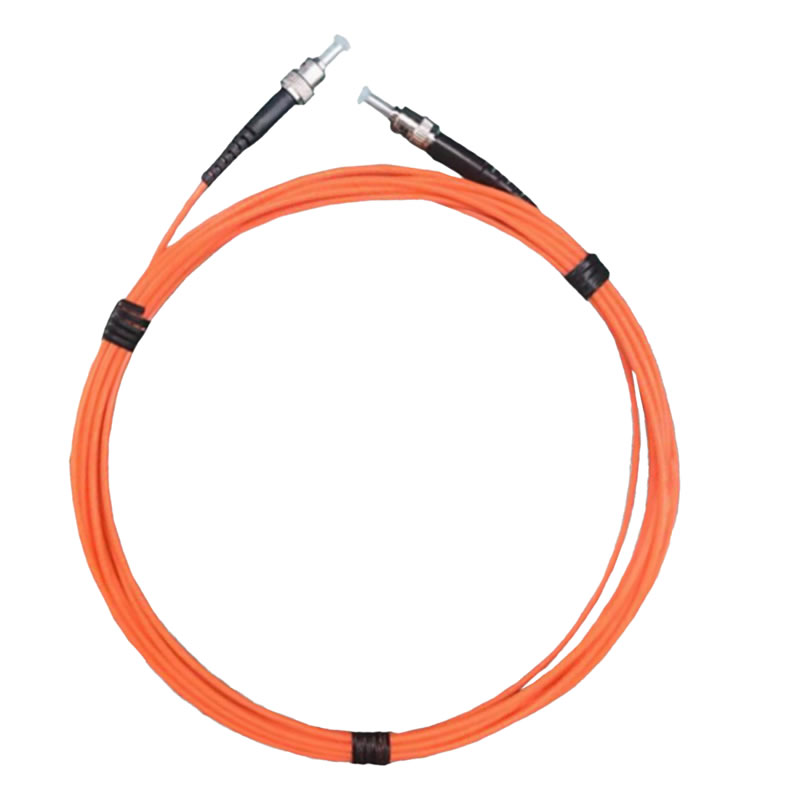
How does the fluorescent fiber optic monitoring measurement process actually function? The FOS monitoring system comprises three essential components working in synchronized operation: the optical transmitter module housing the pulsed LED excitation source, the temperature-sensitive fluorescent probe containing rare-earth phosphor materials, and the advanced signal processing unit that analyzes fluorescence decay characteristics. ne zaman fiber optic monitoring probe receives excitation light, the phosphor material fluoresces with a decay time directly proportional to its temperature.
What makes this fiber optic monitoring technique elektromanyetik girişime karşı bağışık? Farklı electrical monitoring systems that rely on voltage or resistance changes susceptible to EMI, fluorescent fiber optic monitoring measures optical decay time—a parameter completely unaffected by electromagnetic fields, radio frequency signals, or electrical noise. The fiber optic monitoring probe metalik element içermez, her türlü elektrik iletimi olasılığını ortadan kaldırır, kıvılcım üretimi, veya parazit alımı, patlayıcı atmosferlerde konuşlandırılmasını doğası gereği güvenli hale getirir, high-voltage substations, ve hassas tıbbi ekipmanlar.
5. What Advantages Does Fluorescent Fiber Optic Monitoring Offer?

Hangi spesifik faydalar sağlar? fluorescent fiber optic monitoring kritik uygulamalar için tercih edilen seçim? FOS izleme sistemleri geleneksel izleme teknolojilerine göre çok sayıda ilgi çekici avantaj sunar. Tam elektromanyetik bağışıklık fiber optik izleme yüksek akım iletkenlerinin yakınında bile doğru ölçümler sağlar, powerful transformers, veya RF ekipmanı. Olağanüstü yüksek gerilim direnci ile ilgili floresan fiber optik izleme probları—500kV'u aşan yalıtım seviyelerine dayanma kapasitesine sahiptir—elektriksel güvenlik endişeleri olmaksızın enerjili ekipmanlara doğrudan montaja olanak sağlar.
Nasıl fluorescent fiber optic monitoring Operasyonel güvenliği ve güvenilirliği artırın? The intrinsically safe design of fiber optic monitoring systems eliminates spark hazards in explosive environments, making them ideal for oil-filled transformers, chemical processing facilities, ve yakıt depolama alanları. The small diameter of fiber optic monitoring probes (0.5mm'den 3 mm'ye) minimizes thermal mass and installation impact, while the rapid response time (0.25 ile 5 saniye) enables real-time monitoring of dynamic temperature changes. Ek olarak, fiber optik izleme provides exceptional long-term stability with minimal calibration drift, reducing maintenance requirements and ensuring consistent measurement accuracy throughout the system’s operational lifetime.
6. Which Technical Specifications Define Fluorescent Fiber Optic Monitoring?
Which performance parameters characterize professional fluorescent fiber optic monitoring systems? Understanding the technical specifications of FOS monitoring technology enables proper system selection and application engineering. The following table details the critical performance characteristics that define fluorescent fiber optic monitoring yetenekler:
| İzleme Parametresi | FOS Specification | Fiber Optic Monitoring Advantage |
|---|---|---|
| Ölçüm Doğruluğu | ±0,5°C ila ±1°C | Precision fiber optic monitoring for critical systems |
| Sıcaklık Aralığı | -40°C ila +260°C | Wide operational envelope for diverse monitoring |
| Tepki Süresi | 1 to 2seconds | Real-time fiber optic monitoring capability |
| Yüksek Gerilim Direnci | Up to 140kV insulation | Safe monitoring in high-voltage environments |
| EMI Bağışıklığı | Tam bağışıklık | Reliable fiber optic monitoring near EM sources |
| Prob Çapı | 1mm'den 3 mm'ye | Minimal invasive monitoring installation |
| İletim Mesafesi | kadar 80 metre | Flexible fiber optic monitoring configurations |
| Öz Güvenlik | Elektrikli bileşen yok | Explosion-proof monitoring capability |
7. Where Is Fiber Optic Monitoring Applied in Power Equipment?
Where does fiber optik izleme provide the greatest value in electrical power systems? Fiber optic monitoring technology has become indispensable for temperature surveillance across various high-voltage power equipment where conventional electrical monitoring proves impractical or hazardous. Trafo sargı izleme represents one of the most critical applications, ile floresan fiber optik izleme probları installed directly on winding hot spots to detect thermal anomalies before insulation failure occurs.
What specific power system components require fiber optik izleme çözümler? Switchgear monitoring benefits significantly from fiber optic monitoring systems, particularly for detecting hot spots on bus bars, devre kesici kontakları, and disconnect switches where high currents and electromagnetic fields make traditional monitoring unreliable. Large hydro-turbine monitoring kullanır fiber optik izleme to track bearing temperatures and generator winding hot spots in environments with intense magnetic fields and moisture. CBS (Gaz Yalıtımlı Hücre) izleme istihdam ediyor floresan fiber optik sensörler to measure internal component temperatures through the pressurized SF6 gas environment where conventional sensors cannot operate safely.
8. How Does Fiber Optic Monitoring Enhance Medical Equipment Safety?
Nasıl fiber optik izleme address critical safety challenges in medical applications? Medical equipment monitoring demands absolute immunity to electromagnetic interference and complete patient electrical isolation—requirements perfectly met by fiber optic monitoring technology. MR (Manyetik Rezonans Görüntüleme) izleme represents perhaps the most demanding application, where the powerful magnetic fields (1.5T to 7T) and RF pulses completely disable conventional electrical monitoring systems sırasında fluorescent fiber optic monitoring operates flawlessly, tracking patient body temperature during extended scanning procedures.
Diğer tıbbi cihazlar hangi avantajlardan yararlanır? fiber optik izleme implementation? RF hipertermi izleme Kanser tedavisinde güçlü radyo frekansı enerjisi dokuyu ısıtırken tümör bölgesinde hassas sıcaklık ölçümü gerektirir. fiber optic monitoring probes RF alanından etkilenmeyen doğru okumalar sağlar. Mikrodalga hipertermi izleme benzer şekilde dayanır fluorescent fiber optic monitoring mikrodalga ablasyon prosedürleri sırasında doku sıcaklıklarını izlemek için. Kriyoterapi izleme aşırı düşük sıcaklık özelliklerini kullanır fiber optic monitoring systems (-200°C'ye kadar) süper iletken mıknatısların veya kriyojenik ekipmanların yakınında elektriksel tehlikeler olmadan güvenli doku dondurulmasını sağlamak için.
9. What Industrial Processes Require Fiber Optic Monitoring?
Hangi endüstriyel uygulamalar benzersiz yetenekler gerektirir? fiber optik izleme? Yarı iletken üretim izleme kritik bir uygulama alanını temsil eder; fiber optic monitoring systems Plazma aşındırma ve biriktirme ekipmanlarında proses kontrolünün sağlanması. ICP (Inductively Coupled Plasma) aşındırma izleme requires temperature measurement within intense RF electromagnetic fields and corrosive plasma environments where only fluorescent fiber optic monitoring can survive and provide accurate data.
Which other manufacturing processes benefit from fiber optik izleme? Reactive ion etching monitoring istihdam ediyor fiber optic monitoring probes to track substrate temperatures during semiconductor fabrication without introducing contamination or electromagnetic interference. Microwave digestion monitoring in analytical laboratories utilizes fiber optik izleme to measure sample temperatures inside microwave cavities where metallic sensors would arc and fail catastrophically. Explosive device monitoring for electro-explosive devices (EED'ler) requires intrinsically safe fiber optik izleme that cannot generate sparks during temperature testing. High-energy particle environment monitoring in research facilities and industrial irradiation systems relies on radiation-resistant fiber optic monitoring technology that continues functioning in environments that rapidly degrade electronic sensors.
10. Which Transformer Systems Benefit from Fiber Optic Monitoring?
Which transformer configurations require specialized fiber optik izleme çözümler? Yağa batırılmış trafo izleme has become a standard application for fluorescent fiber optic monitoring systems, particularly for distribution transformers operating at voltages up to 110kV. Trafo sargı sıcaklığı izleme kullanarak fiber optic monitoring probes provides early warning of hot spots caused by insulation degradation, soğutma sistemi arızaları, or overloading conditions—preventing catastrophic failures and extending transformer service life.
What specific transformer components benefit most from fiber optik izleme? Dağıtım trafosu izleme (110kV and below) typically employs multiple fiber optic monitoring points on high-voltage and low-voltage windings, along with top-oil temperature measurement. Large motor stator monitoring kullanır fiber optic monitoring sensors embedded in stator windings to detect thermal anomalies before insulation failure. Kablo sonlandırma izleme prevents failures by tracking temperatures at high-voltage cable joints and terminations using compact fiber optic monitoring probes. Ring main unit monitoring istihdam ediyor fluorescent fiber optic monitoring on elbow connectors and cable terminators in medium-voltage distribution networks. Enclosed busbar system monitoring tracks conductor temperatures in isolated phase bus and enclosed switchgear using fiber optic monitoring technology. IGBT module monitoring in power electronic converters relies on fast-response fiber optik izleme to prevent thermal runaway in high-power semiconductor devices.
11. What Is Distributed Fiber Optic Monitoring (DTS)?
What distinguishes Distributed Fiber Optic Monitoring (DTS) from point-sensing methods? Dağıtılmış Sıcaklık Algılama (DTS) izleme represents a revolutionary approach that transforms the entire optical fiber into a continuous temperature sensor, measuring temperature at every point along the fiber’s length—typically at 1-meter spatial resolution over distances exceeding 30 kilometre. Farklı fluorescent fiber optic monitoring that measures temperature at discrete probe locations, distributed fiber optic monitoring provides complete thermal profiling along pipelines, güç kabloları, çevre güvenlik sistemleri, and process vessels.
Nasıl distributed fiber optic monitoring achieve continuous temperature measurement? DTS monitoring systems utilize Raman scattering principles, Standart optik fiber içindeki Stokes ve Anti-Stokes geri saçılan ışığın sıcaklığa bağlı yoğunluk oranının analiz edilmesi. The dağıtılmış fiber optik izleme sorgulayıcısı fibere lazer darbeleri gönderir ve Optik Zaman Alanı Reflektometrisi kullanarak geri saçılan sinyalleri analiz eder (OTDR), Tüm elyaf uzunluğu boyunca sıcaklık değişimlerini hassas bir şekilde tespit etmek. Bu fiber optic monitoring technique Tek bir fiber kurulumuyla kapsamlı altyapının gerçek zamanlı termal haritalamasını sağlar, Binlerce ayrı nokta sensörünün kurulumuyla karşılaştırıldığında kurulum maliyetlerini önemli ölçüde azaltır.
12. How Does Distributed Fiber Optic Monitoring Provide Continuous Coverage?
Nasıl distributed fiber optic monitoring kapsamlı termal gözetim sağlayın? Çalışma prensibi DTS monitoring optik fiberlerdeki Raman ışık saçılımının temel fiziğine dayanır. Lazer ışığı fiber boyunca yayıldığında, moleküler titreşimler ışığın küçük bir kısmının geriye doğru saçılmasına neden olur. The intensity ratio of anti-Stokes (higher frequency) to Stokes (lower frequency) scattered light varies exponentially with temperature, enabling precise temperature calculation at each point along the fiber.
ne yapar distributed fiber optic monitoring uniquely valuable for infrastructure protection? DTS monitoring systems measure temperature continuously along the entire fiber route, typically achieving 1-meter spatial resolution with ±1°C accuracy over distances exceeding 10 kilometers per monitoring channel. This comprehensive coverage enables distributed fiber optic monitoring to detect localized hot spots on power cables, identify third-party excavation damage on buried pipelines, monitor fire detection along tunnels, and track thermal profiles in oil wells—applications where deploying thousands of discrete point fiber optic monitoring sensors would be economically prohibitive. The fiber optic monitoring interrogator scans the entire fiber length in seconds, providing real-time thermal maps that reveal developing problems before they escalate into failures.
13. What Are the Key Benefits of Distributed Fiber Optic Monitoring?
What advantages make distributed fiber optic monitoring economically attractive for large-scale infrastructure? DTS monitoring technology offers several compelling benefits over alternative temperature monitoring approaches. The continuous coverage provided by distributed fiber optic monitoring eliminates blind spots between discrete sensors, ensuring that no thermal anomalies escape detection. Tek bir DTS monitoring interrogator can monitor tens of kilometers of infrastructure using standard telecommunications fiber, dramatically reducing hardware costs compared to deploying thousands of individual sensors with associated signal conditioning and data acquisition equipment.
Nasıl distributed fiber optic monitoring enhance operational efficiency? The inherent electromagnetic immunity of fiber optik izleme enables DTS installation directly alongside high-voltage power cables, within railway electrification systems, veya ölçüm bozulması olmadan endüstriyel endüksiyonlu ısıtıcıların yakınında. Algılayıcı fiberin pasif doğası (ölçüm noktalarında elektrik gücü gerektirmemesi), distributed fiber optic monitoring uzaktan kumanda için ideal, erişilemez, veya elektrikli sensörlerin bakımının pratik olmadığı tehlikeli yerler. The DTS izleme sistemi Sıcaklık anormalliklerini kesin olarak tespit etme yeteneği (tipik olarak içinde 1-3 metre) sorun giderme ve bakım müdahalesini hızlandırır, Arıza sürelerini en aza indirgemek ve kritik altyapılarda yıkıcı arızaları önlemek.
14. Where Should Distributed Fiber Optic Monitoring Be Implemented?
Where does distributed fiber optic monitoring maksimum operasyonel değer sağlayın? Power cable monitoring en önemli uygulamalardan birini temsil ediyor, ile DTS monitoring systems Yalıtım bozulmasından kaynaklanan sıcak noktaları tespit etmek için yüksek gerilim yer altı kabloları boyunca monte edilir, ortak arızalar, veya toprak kuruması. Boru hattı sızıntı tespiti izleme tarafından tespit edilen sızan sıvıların termal imzasını kullanır. distributed fiber optic monitoring to pinpoint leak locations along oil, gaz, and chemical pipelines spanning hundreds of kilometers.
What other infrastructure systems benefit from distributed fiber optic monitoring? Tunnel fire detection monitoring istihdam ediyor DTS monitoring to provide early warning of fires in road tunnels, railway tunnels, and utility corridors, triggering emergency response systems before smoke obscures conventional detectors. Process vessel monitoring in refineries and chemical plants uses distributed fiber optic monitoring wrapped around reactor vessels, damıtma sütunları, and storage tanks to identify failing insulation, heat exchanger fouling, or abnormal reaction zones. Çevre güvenliği izleme leverages distributed fiber optic monitoring’s sensitivity to detect attempted intrusions by identifying the thermal signature of individuals approaching buried fiber sensors along facility boundaries. Downhole oil well monitoring employs specialized high-temperature DTS monitoring systems to profile temperature along production and injection wells, optimizing reservoir management and detecting water breakthrough or gas coning.
15. What Is Fiber Bragg Grating (FBG) İzleme?
What defines Fiber Bragg Izgara (FBG) izleme as a unique sensing approach? FBG monitoring technology represents a quasi-distributed fiber optik izleme method that enables multiple discrete sensors to be multiplexed along a single optical fiber. Her biri FBG monitoring sensor consists of a periodic refractive index modulation written into the fiber core that reflects a specific wavelength of light. As temperature (or strain) değişiklikler, the reflected wavelength shifts proportionally, providing a self-referencing measurement independent of optical power variations or connector losses.
Nasıl FBG monitoring differ from fluorescent and distributed fiber optic monitoring? Farklı fluorescent fiber optic monitoring that requires separate fibers for each measurement point, FBG izleme sistemleri can interrogate dozens of sensors multiplexed on a single fiber, significantly reducing installation complexity. Compared to distributed fiber optic monitoring that provides continuous coverage with moderate accuracy, FBG monitoring delivers higher accuracy (±0,1°C) at discrete sensor locations with typical spacing from centimeters to meters. This combination of multi-point capability, yüksek doğruluk, and compact installation makes FBG monitoring technology ideal for applications requiring numerous precisely located measurement points along a structure or component.
16. How Does FBG Fiber Optic Monitoring Achieve Multi-Point Sensing?
Nasıl FBG fiber optic monitoring enable multiple sensors on a single fiber? The fundamental principle of FBG monitoring relies on wavelength-division multiplexing, where each sensor along the fiber reflects a unique wavelength. The FBG monitoring interrogator launches broadband light into the fiber and analyzes the reflected wavelength spectrum, identifying each sensor by its characteristic wavelength and measuring the wavelength shift caused by temperature or strain changes.
ne yapar FBG izleme sistemleri particularly versatile? Modern fiber optik izleme sorgulayıcıları izleyebilir 20-80 Fiber kanal başına FBG sensörleri, Her sensör, uygun şekilde yapılandırıldığında eş zamanlı sıcaklık ve gerinim ölçümü sağlar. The FBG izleme teknolojisi elektromanyetik girişime karşı bağışıklık, küçük sensör boyutuyla birleştiğinde (tipik olarak 5-10 mm uzunluk), kapalı alanlarda ve zorlu ortamlarda kuruluma olanak sağlar. Dalgaboyu ile kodlanmış doğası FBG monitoring doğal kalibrasyon kararlılığı sağlar; ölçüm yalnızca dalga boyu değişimine bağlıdır, ışık yoğunluğunda değil; yoğunluğa dayalı uygulamalarda yaygın olan sapma sorunlarını ortadan kaldırır fiber optic monitoring systems. Bu kendine referans verme özelliği, FBG monitoring Kalibrasyon bakımının pratik olmadığı durumlarda uzun vadeli yapısal sağlık izleme için idealdir.
17. Which Features Distinguish FBG Fiber Optic Monitoring Systems?
Hangi teknik özellikler FBG monitoring mühendislik uygulamaları için çekici? FBG izleme sistemleri tamamlayan çeşitli ayırt edici avantajlar sunar fluorescent fiber optic monitoring Ve distributed fiber optic monitoring teknolojiler. Çift parametreli algılama yeteneği FBG monitoring—measuring both temperature and strain simultaneously—enables structural health monitoring applications where thermal expansion must be distinguished from mechanical loading.
What performance specifications define professional FBG izleme sistemleri? Fiber Bragg Grating monitoring typically achieves ±0.1°C temperature accuracy and ±1 microstrain resolution, with measurement ranges from -40°C to +300°C for temperature and ±10,000 microstrain for mechanical loading. The fast sampling rates of FBG monitoring interrogators (kadar 1000 Hz per channel) enable dynamic monitoring of vibration, darbe, and rapid thermal transients. The compact size of FBG monitoring sensors (5-10mm active length, 125 micron fiber diameter) allows embedding within composite materials, concrete structures, or tight mechanical assemblies. The passive nature and electromagnetic immunity of FBG monitoring technology make it ideal for aerospace, wind turbine, and civil infrastructure applications where conventional electrical monitoring fails due to lightning exposure, elektromanyetik girişim, or corrosive environments.
18. How Do Different Fiber Optic Monitoring Technologies Compare?
How should engineers compare fluorescent fiber optic monitoring, distributed fiber optic monitoring, Ve FBG monitoring özel uygulamaları için? Her biri fiber optic monitoring technology offers distinct advantages suited to particular monitoring requirements. The following comparative analysis helps identify the optimal fiber optic monitoring solution:
| Fiber Optic Monitoring Technology | Key Monitoring Characteristics | Optimal Monitoring Applications |
|---|---|---|
| Floresan Fiber Optik İzleme (FOS) | En yüksek doğruluk (±0,5°C), point sensing, basit kurulum, excellent high-voltage immunity | Trafo sargı izleme, şalt izleme, MRI patient monitoring, high-voltage equipment |
| Distributed Fiber Optic Monitoring (DTS) | Continuous coverage, uzun mesafe (30+ kilometre), moderate accuracy (±1°C), 1m uzaysal çözünürlük | Power cable monitoring, boru hattı izleme, tünel yangını algılama, perimeter security monitoring |
| FBG Fiber Optic Monitoring | Çok noktalı çoğullama, dual temperature/strain sensing, mükemmel doğruluk (±0,1°C), fast sampling | Yapısal sağlık izleme, composite material monitoring, turbine blade monitoring, aerospace applications |
What factors should guide fiber optik izleme teknoloji seçimi? Fluorescent fiber optic monitoring excels where highest accuracy, fastest response, and maximum high-voltage immunity are required at specific critical points. Dağıtılmış fiber optik izleme provides the most economical solution for comprehensive thermal profiling of extensive linear assets. FBG monitoring offers the best balance when numerous discrete measurement points require high accuracy with simultaneous strain measurement capability.
19. Which Fiber Optic Monitoring Solution Should You Implement?
Hangi fiber optic monitoring technology best matches your specific application requirements? Uygun olanı seçme fiber optik izleme sistemi requires careful evaluation of measurement accuracy needs, spatial coverage requirements, çevresel koşullar, ve bütçe kısıtlamaları. İçin trafo izleme Ve high-voltage equipment monitoring where a few critical hot spots require precision tracking, fluorescent fiber optic monitoring provides the optimal solution with its superior accuracy, hızlı yanıt, and proven reliability in extreme electromagnetic environments.
When should you choose distributed fiber optic monitoring veya FBG monitoring yerine? Dağıtılmış fiber optik izleme (DTS) becomes the clear choice when you need complete thermal profiling along lengthy assets—power cable monitoring exceeding several kilometers, pipeline monitoring spanning tens of kilometers, or tunnel fire detection requiring continuous coverage without blind spots. FBG izleme sistemleri prove most valuable when your application demands numerous precisely located sensors (10-80 puan) yüksek doğrulukla, particularly when strain measurement complements temperature monitoring, such as in structural health monitoring, rotating machinery monitoring, or composite structure monitoring. The decision often involves balancing the superior point accuracy of fluorescent fiber optic monitoring, the comprehensive coverage of distributed fiber optic monitoring, and the multi-point versatility of FBG monitoring against your specific operational requirements and budget.
20. What Is the Future of Fiber Optic Monitoring Technology?
What emerging trends will shape the future of fiber optic monitoring systems? The evolution of fiber optic monitoring technology continues accelerating, driven by advances in photonics, sinyal işleme, and artificial intelligence integration. Next-generation fluorescent fiber optic monitoring systems are incorporating wireless data transmission and battery-powered interrogators, enabling temporary monitoring installations without infrastructure requirements. Enhanced distributed fiber optic monitoring is achieving sub-meter spatial resolution with improved accuracy approaching ±0.5°C, blurring the distinction between distributed and quasi-distributed monitoring approaches.
How will artificial intelligence enhance fiber optik izleme yetenekler? Machine learning algorithms are being integrated into fiber optic monitoring systems to automatically detect anomalous thermal patterns, predict equipment failures before they occur, and optimize alarm thresholds based on historical operational data. Smart fiber optic monitoring platforms will combine data from multiple sensor types—fluorescent fiber optic monitoring, distributed fiber optic monitoring, Ve FBG monitoring—with weather data, profilleri yükle, and maintenance records to provide comprehensive asset health assessment. The miniaturization of fiber optik izleme sorgulayıcıları and reduction in system costs will expand deployment into applications previously served by conventional electrical sensors, while emerging markets in renewable energy, elektrikli araçlar, and battery energy storage systems will drive innovation in specialized fiber optic monitoring solutions tailored to these critical technologies.
Sorumluluk reddi beyanı
The information provided in this fiber optic monitoring guide is intended for general educational and informational purposes only. While we strive to ensure accuracy and completeness, the technical specifications, performans özellikleri, and application recommendations for fiber optic monitoring systems may vary based on manufacturer, modeli, çevresel koşullar, and specific installation requirements. This content should not be considered as professional engineering advice or a substitute for consultation with qualified fiber optic monitoring specialists.
Readers are advised to consult with experienced fiber optik izleme sistemi providers, conduct thorough site assessments, and verify all technical specifications before implementing any fluorescent fiber optic monitoring, distributed fiber optic monitoring, veya FBG monitoring çözümler. Performance results may vary, and no warranty is made regarding the suitability of any particular fiber optic monitoring technology özel uygulamalar için. Always follow manufacturer guidelines, endüstri standartları, and local regulations when designing, yükleme, or operating fiber optic monitoring systems.
Belirli uygulamalardan söz edilmesi, endüstriler, veya ekipman türleri performansın onaylanması veya garantisi anlamına gelmez. Kullanıcılar doğru sistem seçimine ilişkin tüm sorumluluğu üstlenirler, kurulum, kalibrasyon, ve bakımı fiber optic monitoring equipment. Bu makale şu tarihten itibaren genel endüstri bilgisini yansıtmaktadır: 2025 ve en son teknolojik gelişmeleri veya standartlar ve uygulamalardaki bölgesel farklılıkları hesaba katmayabilir.

Fiber optik sıcaklık sensörü, Akıllı izleme sistemi, Çin'de dağıtılmış fiber optik üreticisi
 |
 |
 |