 INNO fiber optik sıcaklık sensörleri ,sıcaklık izleme sistemleri.
- Critical Problem: Busbar overheating causes 30-40% şalt sistemi arızaları, resulting in $200,000-$500,000 average repair costs and extensive power outages
- Optimal Solution: Passive wireless temperature monitoring systems provide maintenance-free operation with CT energy harvesting, eliminating battery replacement
- Key Technical Requirements: ±1-2°C accuracy, <3 ikinci tepki süresi, >12kV insulation strength, complete EMI immunity for reliable 10kV-110kV applications
- Kurulum Gereksinimi: All internal sensor installations require switchgear de-energization and outage scheduling
- En İyi Uygulamalar: Orta gerilim şalt sistemi (10kV-35kV), GIS trafo merkezleri, halka ana üniteleri, endüstriyel dağıtım sistemleri, data center electrical rooms
- 8 Karşılaştırılan Yöntemler: Passive wireless (recommended), active wireless, floresan fiber optik, FBG sensörleri, kızılötesi termografi, termokupllar, PT100 RTDs, temperature indicating labels
- Proven Results: Üzerinde 500,000 monitoring points deployed globally across substations, fabrikalar, transportation hubs, preventing thermal failures 24/7
1. Why Do High Voltage Switchgear Busbars Require Real-Time Temperature Monitoring?

1.1 What Are the Severe Consequences of Busbar Overheating?
Busbar temperature monitoring represents the most critical parameter in preventing catastrophic switchgear failures. Statistical analysis from electrical utilities worldwide reveals that thermal-related failures account for 30-40% hepsinden yüksek gerilim şalt sistemi breakdowns, with average repair costs ranging $200,000-$500,000 per incident.
Equipment Damage and Economic Losses: Overheated bara bağlantıları progressively degrade contact surfaces through oxidation and thermal expansion cycling. When contact resistance increases beyond critical thresholds, localized temperatures can exceed 300°C, causing:
- Busbar joint welding and permanent deformation requiring complete replacement
- Insulation material carbonization in switchgear cabinets leading to phase-to-ground or phase-to-phase faults
- Circuit breaker and disconnect switch contact erosion necessitating costly refurbishment
- Secondary equipment damage from voltage transients during thermal failures
Fire Safety Incidents: Documented case studies demonstrate that undetected baranın aşırı ısınması can ignite insulation materials, SF6 decomposition products, and cable insulation within enclosed metal-clad switchgear. A 2023 incident at a European manufacturing facility resulted in $3.2 million in damages when a 20kV busbar connection failure triggered a switchgear room fire, destroying eight medium voltage panels and halting production for 72 saat.
Power Outage Impacts: Critical infrastructure facilities including hospitals, veri merkezleri, transportation systems, and industrial processes experience severe operational and financial consequences from thermal-induced switchgear failures:
- Veri merkezleri: $7,900 per minute average downtime cost (Ponemon Institute 2024)
- Üretim tesisleri: $50,000-$250,000 per hour production loss
- Hastaneler: Patient safety risks and emergency power system activation
- Transportation hubs: Service disruptions affecting thousands of passengers
Implementing comprehensive şalt sistemi sıcaklık izleme sistemleri enables early detection of thermal anomalies 72-96 hours before failure occurrence, allowing scheduled maintenance interventions that prevent unplanned outages and equipment damage.
1.2 What Causes Abnormal Busbar Temperature Rise?

Understanding thermal failure mechanisms is essential for effective busbar temperature sensor deployment and alarm threshold configuration. Primary causes include:
Increased Contact Resistance: The dominant factor in baranın aşırı ısınması, contact resistance elevation occurs through multiple mechanisms:
- Oxidation Layer Formation: Copper and aluminum busbar surfaces develop insulating oxide films (Cu₂O, Al₂O₃) when exposed to moisture and atmospheric oxygen, progressively increasing resistance at bolted connections
- Mechanical Loosening: Thermal cycling, vibration from electromagnetic forces, and improper torque application cause bolt tension loss, reducing contact pressure and effective current-carrying area
- Surface Contamination: Toz, nem, and conductive particles create micro-arcing at contact interfaces, accelerating surface degradation
- Dissimilar Metal Corrosion: Galvanic reactions at copper-aluminum transitions generate high-resistance intermetallic compounds unless properly protected with joint compounds and plating
Joule heating at contact points follows I²R relationship—doubling contact resistance quadruples heat generation for constant current, creating positive feedback loops where heat accelerates oxidation, further increasing resistance and temperature.
Excessive Load Current Operation: Şalt sıcaklığı izleme systems must correlate measured temperatures with actual load currents to distinguish between:
- Normal temperature rise proportional to I² heating during peak demand periods
- Abnormal temperature elevation indicating degraded connections requiring immediate attention
- Overload conditions exceeding switchgear continuous current ratings (typically 630A-4000A for medium voltage equipment)
Ambient Temperature and Cooling Conditions: Switchgear room environmental factors significantly impact busbar temperature measurement tercüme:
- HVAC system failures elevating ambient temperatures 10-20°C above design conditions
- Inadequate ventilation in underground vaults and compact installations
- Solar radiation effects in outdoor substations and rooftop installations
- Seasonal variations requiring temperature rise calculations referenced to ambient conditions
Oxidation and Corrosion Effects: Long-term degradation processes accelerate in harsh environments:
- Coastal installations: Salt fog promoting aggressive corrosion of busbar surfaces and connections
- Endüstriyel tesisler: Chemical vapors attacking protective plating and joint compounds
- High humidity locations: Condensation accelerating oxidation in non-hermetically sealed compartments
Installation Workmanship Issues: Manufacturing and assembly defects detectable through online temperature monitoring systems:
- Under-torqued bolted connections causing high contact resistance from initial energization
- Misaligned busbar joints creating uneven current distribution and hot spots
- Damaged contact surfaces from improper handling or contamination during installation
- Missing or improperly applied anti-oxidant compounds at aluminum connections
Kapsayıcı bara sıcaklığı izleme addresses all failure mechanisms through continuous surveillance, thermal trend analysis, and predictive maintenance triggers based on absolute temperature and rate-of-rise algorithms.
1.3 Why Can’t Traditional Manual Inspections Meet Safety Requirements?

Conventional periodic inspection practices demonstrate fundamental inadequacies for modern electrical infrastructure reliability requirements:
Infrared Thermography Time Limitations: Sırasında kızılötesi sıcaklık ölçümü provides valuable diagnostic information, quarterly or annual thermal surveys cannot detect rapidly developing faults:
- Contact degradation can progress from normal to critical conditions within weeks following thermal cycling or vibration events
- Inspection intervals of 90-365 days leave extended periods of unmonitored operation where failures develop undetected
- Thermal imaging requires trained technicians, specialized equipment ($15,000-$40,000 per camera), and weather-dependent outdoor scheduling
Inability to Achieve Continuous 24/7 İzleme: Electrical failures occur randomly, often during peak load periods outside normal business hours when inspection personnel are unavailable. A utility industry study of 1,247 switchgear thermal failures revealed:
- 37% occurred between 6 PM and 6 AM during off-hours
- 52% developed during weekend and holiday periods
- Only 11% were detected during scheduled working hours when manual inspections typically occur
Şalt Tesisi Sıcaklık İzleme systems operate continuously, providing instant alarm notifications via SMS, e-posta, and SCADA integration regardless of time or personnel availability.
Measurement Impossibility with Closed Doors: Safety regulations and arc flash protocols mandate that metal-clad switchgear remain closed and locked during energized operation. Infrared thermography through observation windows provides limited coverage:
- Viewing ports typically cover <30% of internal busbar connections
- Critical joints in cable compartments, circuit breaker mechanisms, and bus transfer sections remain completely hidden
- IR window material (polymer or crystal) degrades thermal image quality and accuracy
- Opening switchgear doors for comprehensive thermal surveys requires outages, defeating the purpose of condition-based inspections
Online temperature monitoring systems with internally mounted kablosuz sıcaklık sensörleri provide complete coverage of all critical thermal points regardless of door position or compartment accessibility.
High Labor Costs and Inspection Blind Spots: Manual inspection programs consume substantial resources while still missing critical defects:
- Technician labor: $50-$150/hour including benefits and overhead
- Typical substation inspection: 4-8 hours for 20-40 switchgear lineups
- Annual inspection costs: $5,000-$25,000 per substation
- False negatives: 15-25% of developing faults undetected due to load variations, viewing angle limitations, and emissivity uncertainties
Investment in permanent busbar temperature monitoring systems typically achieves return-on-investment within 1-3 years through reduced inspection labor, arızaları önledi, and optimized maintenance scheduling based on actual thermal condition rather than time-based intervals.
Important Note: All internal temperature sensor installations require switchgear de-energization, proper lockout/tagout procedures, and scheduled outage coordination. Installation cannot be performed on energized equipment.
1.4 What Are the Special Temperature Monitoring Requirements for Different Switchgear Types?

10kV Medium Voltage Switchgear Temperature Monitoring: The most common distribution voltage level in Asian markets and industrial facilities requires cost-effective kablosuz sıcaklık izleme sistemleri with specific characteristics:
- Yalıtım Gerilim Değeri: Minimum 12kV test voltage for sıcaklık sensörleri installed on 10kV busbars
- Typical Monitoring Points: 3-9 sensors per bay covering main busbar joints, incoming/outgoing connections, devre kesici kontakları, ve kablo uçları
- Compact Installation: Physical space constraints in withdrawable and fixed switchgear require miniature kablosuz sıcaklık sensörleri (typically 40×30×15mm)
- Economic Scalability: Multi-bay installations (10-40 feeders common) demand affordable per-point costs while maintaining reliability
35kV High Voltage Switchgear Temperature Measurement: Higher voltage transmission and sub-transmission applications require enhanced performance:
- Increased Dielectric Strength: 42kV minimum test voltage for busbar temperature sensors
- Extended Clearance Distances: Larger phase spacing necessitates longer-range wireless communication (10-15 meters typical)
- Outdoor and GIS Applications: Weather-sealed enclosures for outdoor switchyards, uzmanlaşmış fiber optik sıcaklık izleme for SF6-filled GIS compartments
- Kritik Altyapı Koruması: Substations serving hospitals, veri merkezleri, transportation systems require redundant monitoring with fail-safe alarm logic
110kV GIS Temperature Monitoring Systems: Gas-insulated switchgear presents unique challenges requiring specialized solutions:
- Hermetically Sealed Compartments: Wireless RF signals cannot penetrate metal GIS enclosures, gerektiren fiber optik sıcaklık sensörleri with feedthrough connections or internal wireless-to-wired gateways
- SF6 Compatibility: All internal components must maintain compatibility with sulfur hexafluoride gas and decomposition products
- Ultra-High Reliability: Transmission-level GIS installations demand online temperature monitoring with ±1°C accuracy and >99.9% çalışma süresi
- Multi-Parameter Integration: Combined monitoring of temperature, kısmi deşarj, gaz yoğunluğu, and SF6 moisture content for comprehensive condition assessment
Low Voltage Distribution Board and Ring Main Unit Temperature Monitoring: Compact 400V-1000V distribution equipment requires adapted approaches:
- Busbar Temperature Sensors: Focus on main incoming terminals, bus couplers, and high-current outgoing feeders (>200A)
- Kablo Ek Yeri İzleme: Critical for medium voltage cable connections in ring main units serving urban underground networks
- Simplified Systems: 4-8 kanal kablosuz sıcaklık izleme units sufficient for typical configurations
- Integration with Protection: Temperature data inputs to microprocessor-based protection relays for thermal overload curves
Solid Insulation and Air-Insulated Switchgear Considerations: Modern designs using epoxy resin or vacuum interrupter technology:
- Embedded Sensor Installation: Factory-integrated temperature monitoring sensors during manufacturing process
- Maintenance-Free Design: Sealed compartments preclude post-installation sensor additions, requiring comprehensive monitoring specification at procurement stage
- Thermal Management: Higher ambient temperature ratings (up to 55°C) demand precise busbar temperature measurement to prevent approaching insulation limits
1.5 What Technical Indicators Must Switchgear Temperature Monitoring Systems Meet?
Güvenilir online temperature monitoring systems for switchgear applications must satisfy stringent performance criteria established by industry standards and operational experience:
Temperature Measurement Accuracy Requirements: Precision specifications directly impact fault detection capability and false alarm rates:
- ±1°C Doğruluk: Required for critical applications including GIS substations, data center electrical infrastructure, and industrial processes with tight thermal margins
- ±2°C Accuracy: Acceptable for general distribution switchgear monitoring where temperature differentials between normal and fault conditions exceed 10-15°C
- Calibration Stability: Maximum ±0.5°C drift over 5-year periods to eliminate frequent recalibration requirements
- Sıcaklık Aralığı: -40°C to +125°C minimum span covering arctic installations to maximum permissible busbar temperatures
Response Speed Standards: Rapid thermal change detection enables timely intervention before critical damage occurs:
- Measurement Interval: ≤3 seconds for continuous monitoring applications
- Alarm Latency: <5 seconds from threshold exceedance to SCADA notification
- Trend Resolution: 1-minute data logging for thermal gradient analysis and predictive algorithms
- Rate-of-Rise Detection: Configurable temperature increase alarms (örneğin, >10°C/hour) for rapid fault progression identification
Insulation Voltage Rating Specifications: Dielectric strength must exceed system voltage with appropriate safety factors:
- 10kV Systems: Minimum 12kV AC test voltage (1.2× system voltage)
- 35kV Systems: Minimum 42kV AC test voltage
- 110kV and Above: ≥132kV test voltage for high voltage temperature sensors
- Yalıtım Direnci: >1000 MΩ at rated voltage to prevent leakage currents affecting protection systems
- Kısmi Deşarj: <10 pC at 1.5× rated voltage per IEC 60270 to ensure long-term reliability in high-field environments
Electromagnetic Compatibility and Interference Immunity: Switchgear electromagnetic environments demand exceptional noise rejection:
- EMI Bağışıklığı: IEC 61000-4-3 Seviye 4 (10 V/m) radiated field immunity for installation near circuit breakers and busbars carrying kA-level fault currents
- Conducted Immunity: IEC 61000-4-4 Seviye 4 (4kV/5kHz) electrical fast transient immunity for sensors connected to monitoring systems via wiring
- Surge Withstand: IEC 61000-4-5 Seviye 4 (4kV line-to-line) for direct lightning and switching surge exposure
- Wireless Frequency Selection: 433MHz or 2.4GHz ISM bands with frequency-hopping and error correction for reliable data transmission through metal enclosures
Long-Term Operational Stability: Minimizing lifecycle costs requires maintenance-free performance:
- MTBF (Mean Time Between Failures): >100,000 hours for critical monitoring applications
- Battery Life (Active Systems): Asgari 5 years for battery-powered kablosuz sıcaklık sensörleri, preferably >10 yıllar
- Passive Energy Harvesting: CT-powered or RF-powered sensors eliminate battery replacement requirements
- Çevresel Derecelendirmeler: IP54 minimum for indoor switchgear, IP65-IP67 for outdoor and underground vault installations
- Çalışma Sıcaklığı: -40°C to +85°C for electronics, extended range for sensing elements
System Integration and Communication Capabilities: Modern şalt sistemi sıcaklık izleme sistemleri must interface seamlessly with existing infrastructure:
- Local Communication: RS485 Modbus RTU for direct connection to protection relays and meters
- Trafo Merkezi Otomasyonu: IEC 61850 protocol support for integration with digital substation architectures
- SCADA Entegrasyonu: DNP3, Modbus TCP/IP, or OPC UA for utility control center connectivity
- Analog Çıkışlar: 4-20mA signals for legacy systems and standalone recorders
- Alarm Contacts: Relay outputs for direct trip/alarm annunciator connections
- Remote Access: ethernet, 4G/5G cellular, or fiber optic WAN connectivity for remote temperature monitoring
- Web Interface: Browser-based dashboards with trend graphing, alarm yönetimi, and configuration tools
- Mobile Applications: iOS/Android apps for field technician access and push notification alarm delivery
2. How to Choose Among 8 Mainstream Busbar Temperature Measurement Methods?
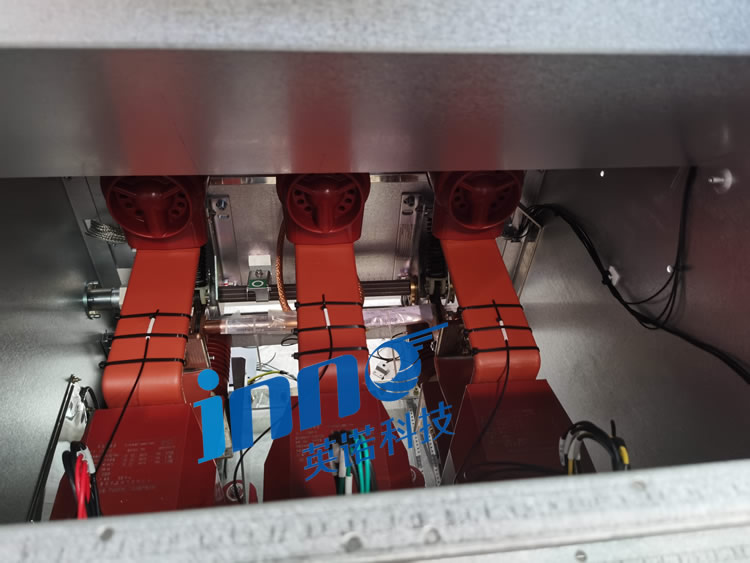
Yöntem 1: Is Passive Wireless Temperature Monitoring the Optimal Solution?
Operating Principle of CT-Powered Wireless Temperature Sensors
Passive wireless temperature monitoring systems represent the current industry-leading technology for switchgear busbar temperature measurement, utilizing two primary energy harvesting mechanisms:
Surface Acoustic Wave (TESTERE) Teknoloji: Interrogating antennas emit RF pulses that excite piezoelectric SAW devices mounted on busbars. The reflected signal’s time-delay characteristics encode temperature information through temperature-dependent acoustic velocity changes in the crystalline substrate. This completely passive approach requires zero on-board power, achieving unlimited operational life.
Current Transformer (BT) Energy Harvesting: Miniature split-core CTs (typically 16mm-30mm window diameter) clamp around busbar conductors, inductively coupling with the magnetic field generated by load current. Harvested AC energy undergoes rectification and voltage regulation to power microcontroller-based kablosuz sıcaklık sensörleri that transmit data via 433MHz or 2.4GHz ISM band radios.
Both technologies enable online temperature monitoring without battery dependency, eliminating the primary failure mode and maintenance requirement of active wireless systems.
Core Advantages for Switchgear Applications
Maintenance-Free Operation Without Battery Replacement: The elimination of batteries provides transformative operational benefits:
- Zero scheduled maintenance over 20-25 year equipment lifespan
- No outage requirements for battery replacement (active systems typically need replacement every 3-7 yıllar)
- Elimination of battery-related failure modes (chemistry degradation, temperature effects, calendar aging)
- Environmental benefits from avoided battery disposal and hazardous material handling
- Reduced lifecycle costs: $50-$150 savings per sensor over 20 years from eliminated battery replacements and associated labor
Sistem Mimarisi: Sıcaklık Sensörleri + Receivers + Monitoring Controller: Tamamlamak busbar temperature monitoring systems comprise three elements:
- Kablosuz Sıcaklık Sensörleri: CT-powered or SAW devices mounted directly on busbar connections, devre kesici kontakları, kablo uçları (3-12 sensors per switchgear bay typical)
- Wireless Receivers: Antenna units mounted inside or outside switchgear cabinets, collecting data from 20-60 sensors per receiver (433MHz: 30m range; 2.4GHz: 15m range through metal barriers)
- Temperature Monitoring Controller: Central processor with display, alarm röleleri, veri kaydı, and communication interfaces supporting 1-16 receiver connections (60-960 total monitoring points per controller)
Rapid Installation Methods and Construction Guidelines: Streamlined deployment procedures minimize outage duration:
- Sensör Montajı: Strap-on installation using high-temperature nylon cable ties or stainless steel bands (15-30 seconds per sensor)
- CT Installation: Split-core design enables tool-free installation around busbars without disconnection
- Receiver Placement: Magnetic or adhesive mounting on switchgear frame with antenna orientation for optimal RF propagation
- Controller Installation: DIN-rail or panel mounting in control cabinets with plug-and-play sensor pairing via RFID or barcode scanning
- Typical Installation Rate: 8-12 switchgear bays per 8-hour shift with 2-person crew
Optimal Applications for 10kV and 35kV Switchgear: Technical and economic factors make passive wireless the preferred solution for medium voltage installations:
- Air-Insulated Switchgear (AIS): Accessible busbar compartments accommodate straightforward sensor placement
- Metal Kaplı Hücre: Compact enclosures benefit from battery-free design eliminating hazardous battery gas accumulation risks
- Outdoor Substations: Weather-sealed sensor housings (IP65-IP67) withstand environmental exposure
- Industrial Distribution: Harsh environments (kimyasal, çelik, madencilik) where battery reliability suffers from temperature extremes and vibration
- Multi-Bay Installations: Scalable architecture supports 100-500+ monitoring points with centralized data collection
Detailed Technical Parameters and Performance Specifications
Wireless Temperature Sensor Specifications:
- Sıcaklık Aralığı: -40°C to +125°C measurement span
- Kesinlik: ±1°C (0-100°C), ±2°C (-40-0°C and 100-125°C)
- Çözünürlük: 0.1°C display and data logging resolution
- Tepki Süresi: <3 seconds measurement update interval
- Insulation Voltage: 12kV AC (10kV systems), 40kV AC (35kV systems)
- CT Power Threshold: 5A minimum busbar current for continuous operation (some advanced models: 1A threshold)
- RF Frequency: 433MHz (uzun menzilli) or 2.4GHz (high data rate)
- Transmission Power: 10-100mW EIRP
- Communication Range: 10-30 meters through metal switchgear structures
- Konut: Flame-retardant polycarbonate, IP54-IP67 rated
- Boyutlar: 40×30×15mm typical (varies by manufacturer)
- Ağırlık: 25-50 grams including CT and mounting hardware
- Operating Life: >20 yıl bakım gerektirmeden çalışma
Sıcaklık İzleme Kontrol Cihazı Özellikleri:
- Kanal Kapasitesi: 16-960 monitoring points per unit (modular receiver expansion)
- Görüntülemek: 7-10 inch color touchscreen LCD with real-time temperature display, trend graphs, alarm durumu
- Veri Kaydı: 1-10 year internal storage capacity (1-minute intervals), expandable via SD card
- Alarm Fonksiyonları:
- 4-stage temperature thresholds (attention/warning/alarm/trip) kanal başına
- Rate-of-rise alarms (°C/hour configurable)
- Temperature differential alarms between phases
- Sensor communication loss detection
- 6-16 relay outputs (programmable NO/NC contacts, 5A @ 250VAC)
- İletişim Arayüzleri:
- RS485 Modbus RTU (2-wire, up to 1200m distance)
- ethernet 10/100 Mbps with Modbus TCP/IP, IEC 61850 MMS, SNMP
- 4-20mA analog çıkışları (4-16 tipik kanallar)
- USB for local configuration and data export
- Optional 4G/5G cellular modem for remote sites
- Güç Kaynağı: 85-265VAC or 24-48VDC, <25W typical consumption
- Çevresel: -20°C to +70°C operating, IP40 panel mounting
Yöntem 2: What Application Limitations Exist for Active Wireless Temperature Systems?
Battery-powered active wireless temperature sensors offered early market entry for kablosuz sıcaklık izleme but demonstrate significant operational constraints compared to passive energy-harvesting technologies.
Battery Power Supply Operating Principle: Self-contained sensors integrate thermocouple or RTD sensing elements, microcontroller signal processing, RF alıcı-verici, and primary lithium batteries (typically 3.6V Li-SOCI₂ cells) in compact packages suitable for busbar mounting.
Comprehensive Advantages and Disadvantages Analysis:
Avantajları:
- Operates at zero busbar current (suitable for normally-open disconnect switches and standby feeders)
- Installation flexibility without CT placement constraints
- Lower initial hardware cost ($30-$60 vs. $80-$150 for passive systems)
Critical Disadvantages:
- Battery Life Reliability Issues: Manufacturer claims of 5-10 year battery life rarely achieved in practice due to high-temperature exposure (batteries at 80-100°C experience 50-70% capacity reduction), frequent RF transmissions under alarm conditions, and calendar aging effects
- Scheduled Replacement Requirements: Periodic battery changes necessitate switchgear outages every 3-5 yıllar, consuming maintenance budgets and creating failure risks during battery installation procedures
- Safety Concerns: Lithium battery thermal runaway incidents documented in confined metal switchgear enclosures, with UL and IEC standards increasingly restricting battery usage in certain installations
- Environmental Disposal: Hazardous waste handling requirements for spent lithium batteries increase lifecycle costs and regulatory compliance burden
- Cold Temperature Performance: Battery capacity drops 40-60% at -20°C to -40°C, causing premature failures in outdoor and unheated installations
Application Scenarios Suitable for Temporary Monitoring: Active wireless sensors retain value in specific use cases:
- Short-term monitoring during commissioning and thermal surveys (3-6 month deployments)
- Emergency installations where immediate monitoring required without outage scheduling
- Standby equipment and normally-open switches carrying insufficient current for CT harvesting
- Rental/portable monitoring systems for troubleshooting and diagnostive campaigns
For permanent online temperature monitoring kurulumlar, passive wireless or fiber optik sıcaklık sensörleri provide superior reliability and lower total cost of ownership despite higher upfront investment.
Yöntem 3: öyle mi Floresan Fiber Optik Sıcaklık İzleme Suitable for Switchgear Applications?
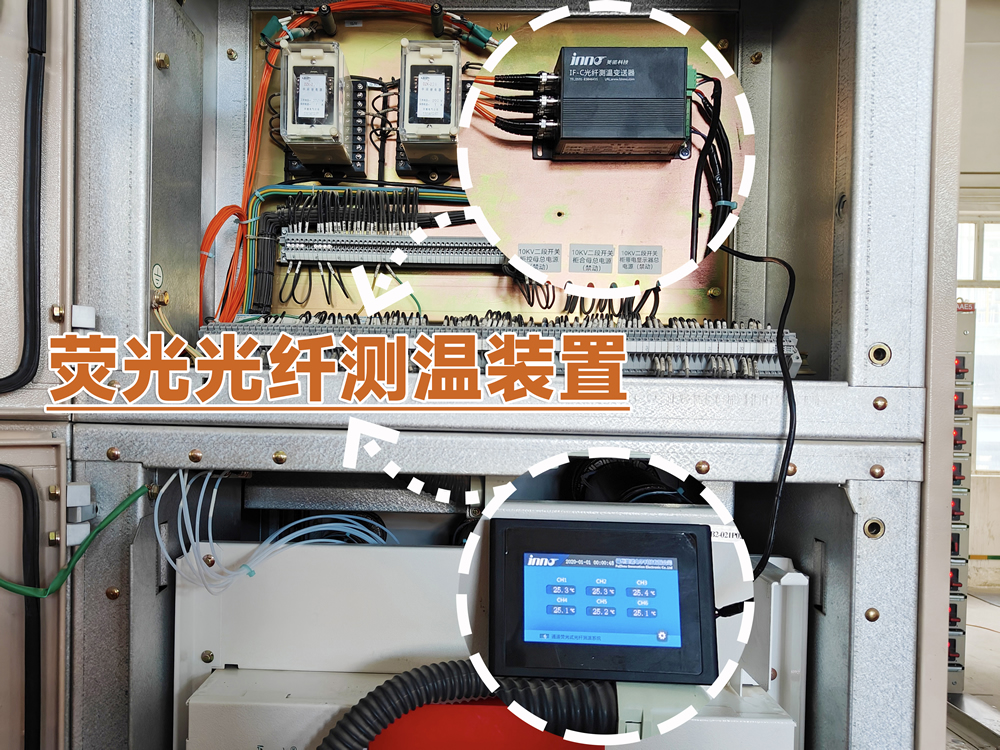
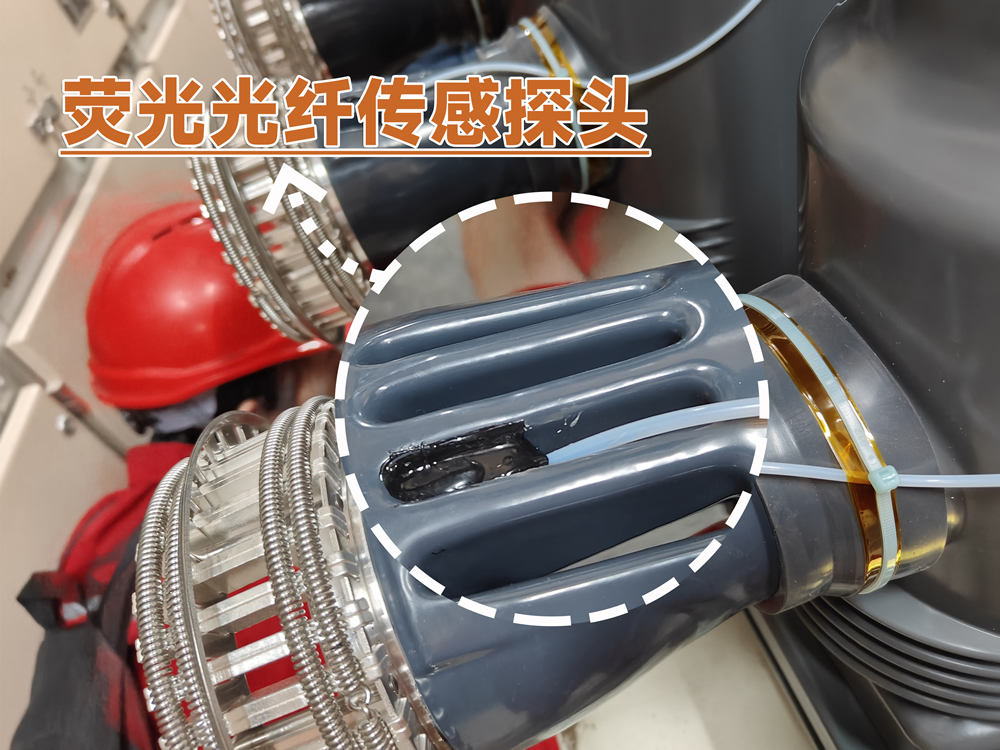
Floresan Fiber Optik Sıcaklık Sensörleri leverage rare-earth phosphor fluorescence decay time variations with temperature, transmitted via optical fiber for complete electrical isolation—ideal for ultra-high voltage and specialized applications.
Fluorescent Lifetime Decay Temperature Measurement Principle: LED excitation pulses (typically 405nm blue light) stimulate rare-earth doped crystals (GaA'lar:Cr or other proprietary compounds) deposited on fiber tips. Emitted fluorescence decay follows exponential curve with time constant precisely dependent on probe temperature. Optical detector analyzes decay characteristics to calculate temperature with ±1°C accuracy independent of light intensity, elyaf bükme, veya konnektör kayıpları.
Complete Electrical Insulation Unique Advantages: All-dielectric construction provides unmatched benefits for specialized switchgear applications:
- Unlimited Insulation Voltage: Glass fiber withstands >100kV without degradation, suitable for EHV and UHV substations (220kV-1000kV)
- Kendinden Güvenli: No metallic components eliminates ground loop, kısa devre, or arcing hazards in flammable gas environments (SF6, hydrogen-cooled generators)
- Zero EMI Sensitivity: Optical signal transmission immune to electromagnetic fields, ideal for rectifier stations and high-harmonic industrial loads
- Lightning Protection: Non-conductive fiber prevents surge injection into monitoring systems during direct or nearby lightning strikes
Fiber Optic Temperature Sensor Installation Complexity: Deployment challenges limit widespread adoption:
- Fiber routing through cable glands or specialized optical bushings requires careful bend radius management (>25mm tipik)
- Connector termination and polishing demands skilled technicians and specialized tools
- Fiber vulnerability to mechanical damage during installation and operation necessitates protective conduit
- Multi-point monitoring requires separate fibers or complex optical multiplexing
System Cost Analysis: Economic factors constrain floresan fiber optik sıcaklık izleme to critical applications:
- Per-Point Cost: $200-$400 per monitoring location (sensör + lif + controller channel) vs. $80-$150 for passive wireless
- Controller Equipment: $3,000-$8,000 için 4-16 channel systems vs. $1,500-$3,500 for equivalent wireless
- Installation Labor: 2-3× wireless system installation time due to fiber handling requirements
- Economies of Scale: Cost disadvantage increases with monitoring point quantity (wireless systems benefit from shared receiver infrastructure)
Ultra-High Voltage and GIS Application Value: Despite cost premium, fiber optik sensörler provide optimal solutions for demanding installations:
- 220kV-1000kV Substations: Where insulation coordination requirements exceed wireless sensor capabilities
- GIS Compartments: Fiber feedthroughs penetrate SF6 barriers while maintaining hermetic sealing and pressure containment
- Explosive Atmospheres: Intrinsically safe certification for Zone 1/Division 1 tehlikeli yerler
- Extreme EMI Environments: Arc furnace substations, rectifier plants, railway traction systems with severe electromagnetic interference
- Kritik Altyapı: Nükleer santraller, military facilities where highest reliability and security required
For standard 10kV-35kV air-insulated switchgear, passive wireless systems deliver equivalent performance at significantly lower cost. Floresan fiber optik sıcaklık izleme reserved for applications where unique technical requirements justify premium investment.
Yöntem 4: Can Fiber Bragg Grating Temperature Sensors Meet Busbar Monitoring Needs?
Fiber Bragg Izgara (FBG) sensörler encode temperature as wavelength shifts in reflected light from periodic refractive index variations inscribed in optical fiber cores, enabling quasi-distributed measurement along single fiber lengths.
FBG Wavelength Shift Temperature Measurement Mechanism: Laser light (typically 1550nm telecom wavelength) propagates through fiber containing multiple FBG elements, each reflecting a narrow wavelength band determined by grating periodicity. Temperature changes alter both refractive index and physical grating spacing, shifting reflected wavelength at ~10 pm/°C. Optical spectrum analyzer (OSA) or tunable laser interrogator measures wavelength for each FBG, calculating corresponding temperatures.
Distributed Multi-Point Temperature Monitoring Advantages: Single fiber supports 10-40 FBG sensors with individual wavelength assignments:
- Reduced cable penetrations through switchgear enclosures compared to multiple discrete sensors
- Simplified wiring for extensive monitoring arrays (100+ points possible with wavelength division multiplexing)
- Inherent redundancy if fiber loop configurations implemented
Strain Cross-Sensitivity Problems: Fundamental limitation restricting FBG sıcaklık sensörü switchgear applicability:
- Wavelength shift responds to both temperature AND mechanical strain (1 με strain ≈ 1°C thermal error)
- Busbar thermal expansion during load cycles creates tensile/compressive forces on bonded FBG sensors
- Electromagnetic forces from fault currents induce vibration and dynamic strain
- Compensation requires dual-FBG configurations (temperature-sensitive + strain-sensitive) adding complexity and cost
- Typical uncompensated error: ±2-5°C in switchgear mounting conditions vs. ±1°C for fluorescent or passive wireless
Interrogator Equipment High Cost Limitations: Optical measurement hardware exceeds alternatives:
- FBG Interrogators: $8,000-$25,000 için 4-16 channel units (vs. $1,500-$3,500 for wireless controllers)
- Wavelength Accuracy: ±1 pm resolution required for ±1°C temperature measurement necessitates precision optics
- Kalibrasyon Gereksinimleri: Periodic wavelength reference verification adds maintenance overhead
- Proprietary Systems: Limited interoperability between FBG sensor and interrogator manufacturers
Applications Better Suited for Alternative Technologies: FBG temperature monitoring finds optimal use in non-switchgear scenarios:
- Güç Kablosu İzleme: Linear DTS alternative for buried cable thermal profiling (km-scale distances)
- Transformer Winding Temperature: Where strain-free mounting achievable and EMI immunity critical
- Boru Hattı İzleme: Yağ & gas applications leveraging fiber existing for telecommunications
- Yapısal Sağlık: Bridges, barajlar, tunnels where strain measurement itself provides value alongside temperature
İçin bara sıcaklığı izleme, passive wireless and fluorescent fiber optic sensors deliver superior accuracy and cost-effectiveness without strain-induced errors plaguing FBG technology.
Yöntem 5: Can Infrared Temperature Measurement Achieve Online Monitoring?
Kızılötesi Termografi detects thermal radiation (8-14μm wavelength) emitted by objects proportional to surface temperature, enabling non-contact diagnostic surveys valuable for external fault detection.
Infrared Radiation Temperature Measurement Principle: All materials above absolute zero emit electromagnetic radiation following Stefan-Boltzmann law (E = εσT⁴). Infrared cameras or pyrometers detect radiant intensity, converting to temperature using emissivity coefficients for target materials.
Fundamental Constraints of Infrared for Internal Monitoring:
Cannot Penetrate Switchgear Enclosures to Measure Internal Winding Temperatures: Infrared radiation cannot pass through metal cabinets, requiring either:
- Open door inspections (güvenlik tehlikesi, defeats arc flash protection, requires outages for comprehensive coverage)
- IR windows (polymer or crystal viewports providing limited visibility of 10-30% of critical connection points)
- External-only measurements missing internal busbar joints, devre kesici kontakları, cable terminations where majority of thermal failures originate
Instantaneous Snapshots Rather Than Continuous Online Monitoring: Periodic thermal surveys (quarterly or annual) suffer from:
- Point-in-time measurements missing transient thermal events and developing faults between inspections
- Load-dependent temperature variations requiring surveys during peak demand periods (often after-hours or weekends)
- Weather and solar radiation effects on outdoor equipment requiring temperature correction and interpretation
- No alarm capability during unattended periods when failures most likely to propagate
Environmental Factor Accuracy Impacts: Measurement errors compromise diagnostic reliability:
- Emissivity Variations: Painted surfaces (ε=0.9-0.95), bare copper (ε=0.05-0.15), oxidized connections (ε=0.6-0.8) require material-specific corrections
- Reflected Radiation: Sunlight, adjacent hot surfaces, and sky temperature reflections create false readings on shiny metallic busbars
- Atmospheric Attenuation: Nem, toz, and measurement distance degrade signal intensity in outdoor substations
- Viewing Angle Effects: Non-perpendicular observation increases apparent emissivity errors
No Capability for Winding Hot Spot Monitoring: Internal switchgear components remain completely inaccessible to external infrared inspection, making technology unsuitable as primary çevrimiçi sıcaklık izleme sistemi.
Proper Role as External Diagnostic Tool: Infrared thermography provides value when properly positioned within comprehensive monitoring strategy:
- Complementary Inspections: Quarterly thermal surveys identifying external anomalies (bushing hot spots, radiator fin blockages, ventilation issues) supplementing continuous internal monitoring
- Troubleshooting Support: Detailed thermal mapping during outages for root cause analysis of temperature alarms from permanent kablosuz sıcaklık sensörleri
- Kabul Testi: Post-installation thermal profiling verifying proper busbar joint assembly and load distribution
- Bakım Optimizasyonu: Prioritizing joint inspection and servicing based on thermal severity rankings
Effective switchgear thermal management programs integrate infrared thermography as periodic validation tool, not replacement for continuous busbar temperature monitoring systems with internal sensor placement.
Installation Note: While infrared inspections avoid outages, comprehensive internal coverage still requires scheduled de-energization for door opening or sensor installation of permanent monitoring systems.
Yöntem 6: Why Are Thermocouples Unsuitable for High Voltage Busbars?
Thermocouple temperature sensors generate millivolt-level voltage through Seebeck effect in dissimilar metal junctions (K tipi: chromel-alumel, J-type: iron-constantan, T tipi: copper-constantan), offering wide measurement ranges but severe limitations for switchgear applications.
Contact-Based Metallic Temperature Measurement Principle: Voltage output (typically 40μV/°C) proportional to junction temperature referenced to cold-junction compensation point enables simple two-wire measurements using standard extension cables and portable instrumentation.
Insulation Strength Inadequacy Safety Hazards: Fundamental incompatibility with high voltage environments:
- Metallic Conductors: Thermocouple wires create direct electrical path from high-voltage busbar to grounded monitoring equipment, requiring extensive insulation barriers
- Creepage/Clearance Violations: Standard thermocouple cable insulation rated <1kV, inadequate for 10kV-35kV phase-to-ground voltages
- Ground Fault Risks: Installation errors or insulation degradation creating phase-to-ground faults with arc flash and personnel safety consequences
- Standards Violations: IEC 61010, IEEE C37.20 prohibiting metallic sensors on energized high-voltage conductors without specialized isolation amplifiers (costly, complex)
Severe EMI Electromagnetic Interference in Strong Field Environments: Switchgear electromagnetic environments corrupt low-level thermocouple signals:
- Induced Voltages: Busbar magnetic fields (1-10 Gauss typical, 100+ Gauss during faults) coupling into thermocouple leads creating 10-100mV interference (equivalent to 250-2500°C error for K-type)
- Ground Loops: Multiple earth references in monitoring systems injecting 50/60Hz noise and harmonic content
- RF Rectification: Switchgear arc flash, corona discharge, and wireless communication signals rectified by thermocouple junction nonlinearities
- Shielding Impracticality: Effective EMI suppression requires heavy shielded/armored cables incompatible with tight switchgear routing and cable gland capacities
Complex Wiring Installation Restrictions: Physical deployment challenges increase costs:
- Dedicated cable penetrations through switchgear enclosures for each sensor (vs. single fiber or wireless coverage of multiple points)
- Extension cable material matching requirements (expensive copper or specialty alloys rather than standard copper wire)
- Cold junction compensation electronics adding failure points and calibration requirements
- Point-to-point homerun wiring eliminating multi-drop architectures possible with digital communications
Applications Limited to Low Voltage Panels: Thermocouples retain utility in specific contexts:
- 400V-1000V Distribution Boards: Where reduced voltage enables adequate insulation with standard materials
- Motor Control Centers: Low-voltage contactors and overload relay monitoring
- Laboratory Testing: Controlled environments with shielding and isolation amplifiers available
- Temporary Diagnostics: Short-term measurements during de-energized maintenance outages
For medium and high voltage şalt sistemi sıcaklık izleme, thermocouples present unacceptable safety, kesinlik, and reliability constraints. Kablosuz sıcaklık sensörleri Ve fiber optik sıcaklık izleme provide inherently safe alternatives without grounding or EMI vulnerabilities.
Yöntem 7: Can PT100 Platinum Resistance Sensors Be Used for Busbar Temperature Measurement?
PT100 RTD (Direnç Sıcaklık Dedektörü) sensors exploit platinum wire’s linear resistance-temperature coefficient (0.385Ω/°C, 100Ω @ 0°C) for industrial temperature measurement, common in process industries but problematic for high-voltage switchgear.
Resistance Temperature Coefficient Measurement Method: Constant current excitation (typically 1mA) through 3-wire or 4-wire platinum element produces voltage drop proportional to resistance, linearized and scaled by transmitter electronics to generate 4-20mA output or digital signal.
Metallic Conductor Insulation Risks: Identical safety concerns as thermocouples:
- Copper or silver lead wires creating conductive paths from high-voltage busbars to ground potential
- Standard PT100 cable insulation (PVC, silicone, Teflon) derecelendirilmiş <1kV unsuitable for MV switchgear
- Ceramic or polymer sensor housings providing insufficient creepage/clearance for 10kV+ applications
- Arc flash hazards from insulation failures during installation or long-term aging
EMI Electromagnetic Interference Sensitivity: Measurement accuracy degradation in switchgear environments:
- Excitation current and signal wiring susceptible to induced noise from busbar magnetic fields
- 4-20mA analog transmission vulnerable to ground loop injection despite better noise immunity than thermocouples
- Shielded twisted-pair cables required but still inferior to completely immune fiber optik sıcaklık sensörleri
Wired Connection Installation Constraints: Physical limitations similar to thermocouples:
- Hardwired cabling through conduit and cable glands for each sensor location
- 3-wire configuration minimum to compensate lead resistance (4-wire for high-accuracy applications)
- Transmitter/converter modules adding cost, complexity, failure points ($50-$200 kanal başına)
- No practical wireless retrofit option for existing switchgear without extensive cable installation
Appropriate Use Cases: PT100 sensors remain suitable for specific low-voltage applications:
- Transformer Oil Temperature: Immersed RTDs in insulating liquid environments isolated from high voltage
- Ambient Temperature Monitoring: Switchgear room and outdoor cabinet environmental measurements
- Secondary Equipment: Protection relay, doğrultucu, battery charger thermal management at control voltage levels
- HVAC Systems: Building management integration for cooling equipment control
For direct bara sıcaklığı izleme on energized medium and high voltage conductors, PT100 sensors present unacceptable safety and reliability constraints. Modern kablosuz sıcaklık izleme sistemleri Ve fiber optik sıcaklık sensörleri deliver inherently safe measurement without metallic conductivity or ground loop issues.
Critical Reminder: Any wired sensor installation on busbar conductors requires complete switchgear de-energization, proper lockout/tagout, and verification of zero voltage before personnel access.
Yöntem 8: Can Temperature Indicating Labels Replace Online Monitoring Systems?
Temperature indicating labels (also called thermal stickers, heat-sensitive tabs, or irreversible temperature indicators) provide one-time visual evidence of thermal excursions through permanent color change chemistry.
Irreversible Color Change Indication Principle: Chemical compounds (typically eutectic alloys, liquid crystals, or organic dyes) undergo phase transitions at precise temperatures, creating visible color shifts from silver/white to black or color spectrum changes. Etkinleştirildikten sonra, labels cannot reset, providing permanent record of peak temperature exposure.
No Real-Time Alarm Capability Fatal Defect: Fundamental limitations prevent use as primary monitoring solution:
- Passive Indication Only: Labels provide no electrical output, alarm contact, or communication signal—purely visual inspection required
- Discovery Delay: Thermal events remain undetected until next manual inspection (günler, haftalar, or months after occurrence)
- No Temperature Trending: Binary indication (exceeded/not exceeded threshold) without magnitude, süre, or rate-of-rise information
- Unattended Operation Incompatibility: Useless for unmanned substations, remote sites, after-hours monitoring
Manual Inspection Reading-Only Restriction: Labor-intensive surveillance requirements:
- Requires scheduled access to energized switchgear compartments (safety concerns, operational disruption)
- Visual inspection through IR windows or during outages only—most labels installed on internal components invisible during normal operation
- Personnel training required to recognize color changes and interpret multi-stage labels (60°C/80°C/100°C thresholds typical)
- Documentation burden recording label status, replacement dates, configuration changes
Applications for Emergency Temporary Monitoring: Temperature labels retain value in specific short-term scenarios:
- Post-Repair Verification: Confirming busbar joint integrity after maintenance work during initial re-energization period
- Commissioning Validation: Thermal profiling new switchgear installations during acceptance testing
- Backup Indication: Supplementing online temperature monitoring as independent verification during sensor system outages
- Historical Evidence: Permanent record of thermal events for root cause analysis and warranty claims
- Low-Budget Interim Solution: Temporary risk reduction while permanent monitoring system procurement and installation planned
Typical Label Specifications:
- Temperature Points: Single threshold (örneğin, 90°C only) or multi-stage (60/80/100/120°C)
- Kesinlik: ±2-5°C activation point tolerance
- Adhesive: Pressure-sensitive acrylic for metal surfaces, high-temperature silicone for elevated baseline temperatures
- Boyutlar: 10×10mm to 50×50mm depending on viewing distance requirements
- Maliyet: $2-$10 per label (vs. $80-$150 for permanent kablosuz sıcaklık sensörü)
Çözüm: Temperature indicating labels serve as supplementary tools within comprehensive thermal management programs, not replacements for online temperature monitoring systems. Critical switchgear assets require continuous digital monitoring with immediate alarm notification to prevent failures and ensure personnel safety.
3. How to Design an Efficient Switchgear Temperature Monitoring System?
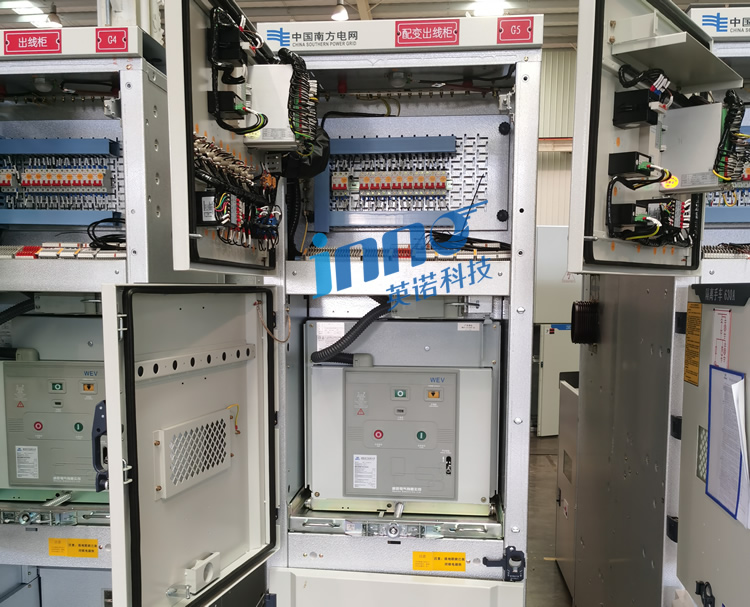
3.1 How Should Busbar Temperature Monitoring Points Be Scientifically Distributed?
Strategic sensor placement maximizes thermal fault detection while optimizing system cost. Kapsayıcı şalt sistemi sıcaklık izleme configurations prioritize high-risk connection points based on electrical and mechanical stress factors:
Main Busbar Connection Points (1-2 Sensors Per Phase): Horizontal or vertical busbar bolted joints represent primary failure locations due to:
- Contact resistance elevation from oxidation, mekanik gevşeme, veya kirlenme
- Current density concentration at overlap regions
- Thermal expansion stress cycling during load variations
- Recommended placement: Bara sıcaklık sensörleri mounted on both sides of bolted joint or single sensor on hottest phase (typically center phase in horizontal configuration)
Incoming/Outgoing Feeder Busbar Terminations: Cable-to-busbar and busbar-to-breaker transitions experience elevated temperatures from:
- Dissimilar metal interfaces (copper cable lugs to aluminum busbar common)
- Bolted connection loosening from vibration and thermal cycling
- Current concentration at narrow cross-section transitions
- Monitoring approach: 1 sensor per phase at incoming main connections, 1 sensor per critical outgoing feeder (motorlar >100kW, essential services, high-value loads)
Disconnect Switch and Isolator Contact Positions: Blade-type and rotary disconnectors prone to overheating at:
- Fixed contact jaw interfaces where spring pressure degrades over time
- Moving contact finger assemblies with oxidized surfaces
- Flexible connector transitions between stationary and moving elements
- Sensor placement: Kablosuz sıcaklık sensörleri on moving blade near contact interface (not requiring flexible wiring during disconnect operation)
Circuit Breaker Stationary and Moving Contacts: Primary interrupting device thermal monitoring:
- Vacuum interrupter stationary contact stems (externally accessible on tank-type breakers)
- Air-magnetic breaker moving contact arms and flexible shunts
- SF6 breaker contact assemblies (GIS installations with fiber optic sensors penetrating gas compartments)
- Typical configuration: 2-4 temperature monitoring sensors per three-phase breaker unit covering all pole stationary contacts
Cable Termination and Copper Busbar Connection Points: High-current cable interfaces require attention:
- Medium voltage cable lugs crimped or bolted to busbar connections
- Outdoor cable sealing ends transitioning from underground to overhead
- Generator and transformer neutral grounding connections (high fault current path)
- Tavsiye: Monitor all cables >200A rating and critical circuits regardless of ampacity
Knife Switch and Blade Contact Temperature Monitoring: Manually operated isolation devices in older installations:
- Spring-loaded contact fingers subject to loss of tension
- Corrosion and oxidation from infrequent operation
- Sensor attachment: Small wireless units on moving blades avoiding interference with switching operation
3.2 What Are the Standards for Temperature Sensor Quantity Configuration?
Typical Configuration for Single Switchgear Bay (3-9 Monitoring Points):
Minimum Configuration (3-4 Sensörler): Cost-optimized monitoring for non-critical feeders:
- 1 sensor per phase on incoming main busbar connection (3 total)
- İsteğe bağlı: 1 sensor on breaker highest-temperature contact (total 4)
- Suitable for: Radial distribution feeders, non-essential services, redundant supply circuits
Standart Yapılandırma (6-7 Sensörler): Balanced approach for typical medium voltage switchgear:
- Ana bara bağlantıları: 3 sensörler (1 faz başına)
- Devre kesici kontakları: 3 sensörler (1 faz başına)
- Critical cable termination: 1 sensör
- Uygulamalar: Industrial plant feeders, commercial building services, utility distribution substations
Comprehensive Configuration (9-12 Sensörler): Maximum coverage for critical infrastructure:
- Main busbar: 3 sensörler
- Incoming connection: 3 sensörler
- Devre kesici: 3 sensörler
- Outgoing connection: 3 sensörler
- Optional additions: Disconnect switch contacts, neutral connections, voltage transformer fuse holders
- Justified for: Hospital feeders, data center electrical service, transportation systems, emergency power distribution
Voltage Level Configuration Differences:
- 10kV Switchgear: 6-9 sensors typical for standard three-phase bay
- 35kV Switchgear: 9-12 sensors accounting for increased fault consequences and higher replacement costs
- 110kV GIS: 12-16 sensors with redundant coverage of critical points given transmission-level reliability requirements
Critical Circuit Enhanced Monitoring Principle: Apply 1.5-2× standard sensor quantities for:
- Utility main incoming services (loss affects entire facility)
- Emergency generator tie circuits (life safety implications)
- Data center A/B power distribution (high downtime costs)
- Industrial process critical motors (production impact)
- Tie breakers and bus couplers (complex load transfer scenarios)
Economic vs. Reliability Balance: Optimization methodology:
- Calculate potential failure cost (equipment replacement + aksama süresi + güvenlik olayları)
- Estimate failure probability reduction from monitoring (tipik olarak 60-80% based on industry data)
- Compare monitoring system cost against expected loss prevention value
- Justify enhanced monitoring when failure costs exceed $50,000-$100,000 (monitoring ROI <2 yıllar tipik)
3.3 How Should Temperature Alarm Thresholds Be Configured?
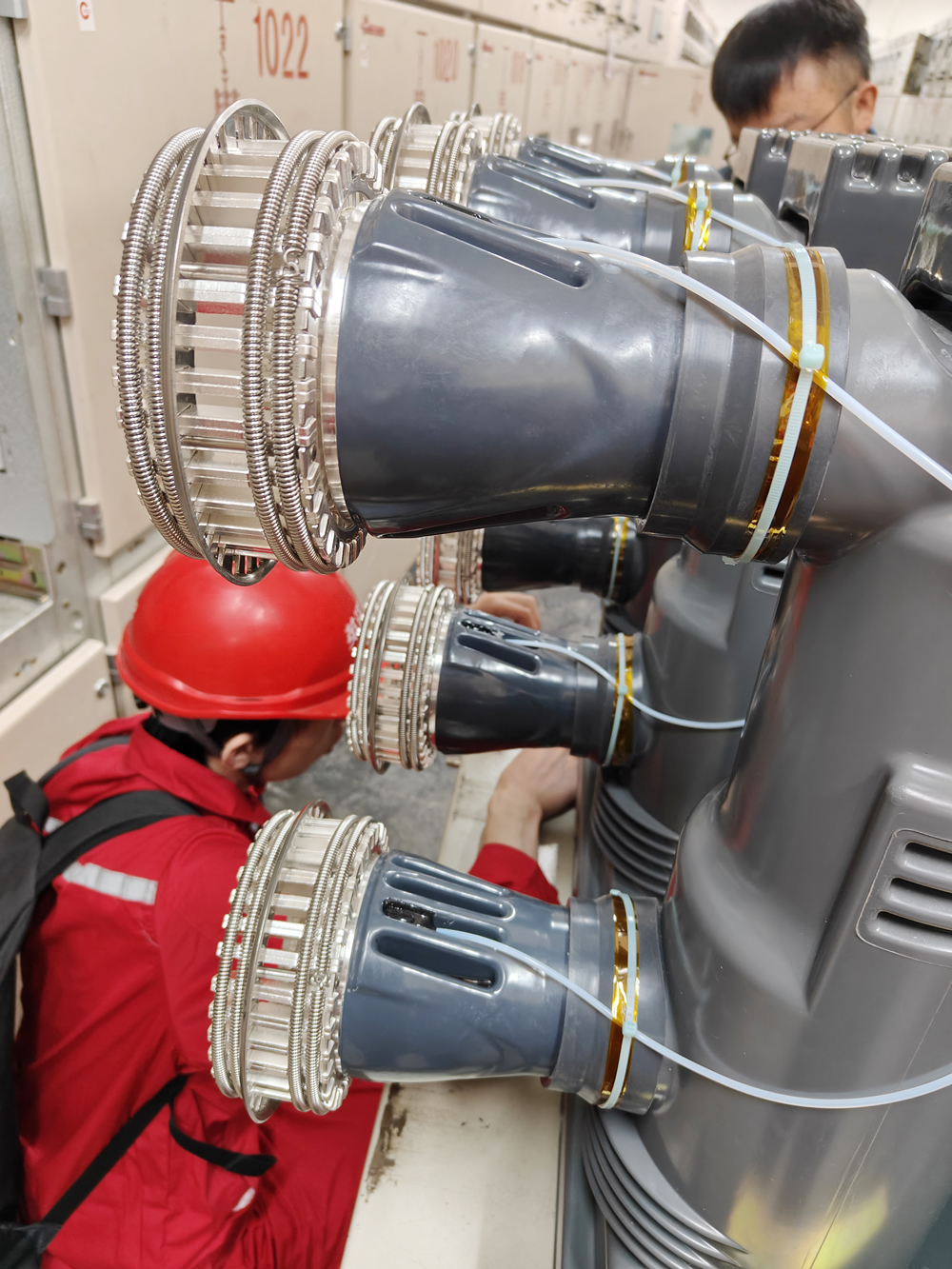
Effective alarm management prevents both missed failures (thresholds too high) and nuisance alarms degrading operator response (thresholds too low). Multi-stage alarm philosophy balances early warning against actionable urgency:
Pre-Warning Temperature (65-75°C Typical): Initial notification triggering enhanced monitoring:
- Amaç: Alert maintenance personnel to developing thermal anomaly without immediate operational action
- Cevap: Schedule inspection during next available opportunity, increase monitoring frequency, compare to baseline and adjacent phases
- Alarm Çıkışı: Local annunciator, SCADA “attention” durum, email notification to maintenance supervisor
- Typical Setting: 65°C for indoor switchgear, 70-75°C for outdoor installations accounting for ambient temperature
Warning Temperature (80-90°C Typical): Indicates significant degradation requiring near-term intervention:
- Amaç: Confirm connection degradation beyond normal operational range, prioritize maintenance scheduling
- Cevap: Plan outage within 1-4 weeks for joint inspection/refurbishment, implement load reduction if possible, daily thermal trend review
- Alarm Çıkışı: SCADA “uyarı” alarm, SMS to on-call personnel, automatic work order generation
- Typical Setting: 80°C (conservative), 85-90°C (aggressive based on historical performance)
Alarm Temperature (95-105°C Typical): Critical threshold demanding immediate action:
- Amaç: Prevent imminent equipment damage and safety hazards
- Cevap: Emergency load transfer to alternate source, schedule emergency outage within 24-72 saat, implement 24/7 izleme, station fire watch if unable to de-energize
- Alarm Çıkışı: SCADA “alarm” priority, audible annunciator, phone call to operations manager, automatic email to senior management
- Typical Setting: 95-100°C for copper busbars, 90-95°C for aluminum (lower melting point and strength degradation)
Trip Temperature (100-120°C Maximum): Automatic circuit interruption to prevent catastrophic failure:
- Amaç: Protect personnel and equipment when human intervention insufficient or unavailable
- Cevap: Automatic breaker trip via sıcaklık izleme sistemi relay output to protection scheme, load transfers to redundant source, emergency response team mobilization
- Alarm Çıkışı: All notification methods plus breaker trip command
- Typical Setting: 105-110°C (aggressive protection), 115-120°C (maximum tolerance before damage propagation)
- Caution: Automatic trip configuration requires careful analysis of load criticality, backup source availability, and false trip consequences
Temperature Rise Rate Alarm Logic (°C/Hour Configurable): Detect rapid fault progression independent of absolute temperature:
- Typical Threshold: 8-15°C/hour temperature increase over 15-30 minute evaluation period
- Avantajları: Earlier detection of developing faults, discrimination between normal load-related warming (gradual) vs. connection failure (ani)
- Alarm Priority: Warning or alarm level depending on absolute temperature and rate magnitude
- Uygulama: Requires online temperature monitoring ile <1 minute data sampling and trending calculation capability
IEC and National Standard Reference Guidance:
- IEC 60890: Method of temperature rise assessment by extrapolation for partially type-tested assemblies (PTTA)
- IEEE C37.20 Series: Metal-Enclosed Bus and Switchgear temperature rise limits during continuous current testing
- GB/T 11022 (Çin): High-voltage switchgear temperature rise test methods and limits
- Manufacturer Specifications: Equipment-specific temperature ratings from switchgear OEM technical documentation
- General Principle: Set alarm thresholds 10-20°C below manufacturer maximum ratings to provide intervention time before damage onset
Alarm Threshold Adjustment Methodology:
- Temel Oluşturma: Record 30-90 day normal operating temperature profile under various load conditions
- Statistical Analysis: Calculate mean, standard deviation, peak temperatures for each monitored point
- Initial Settings: Configure alarms at mean + 2σ (ön uyarı), mean + 3σ (uyarı), equipment rating – 20°C (alarm), equipment rating – 10°C (seyahat)
- Refinement: Adjust thresholds based on operational experience, false alarm frequency, and confirmed fault cases over 6-12 aylar
- Seasonal Variation: Account for ambient temperature changes through dynamic threshold adjustment or temperature rise calculations referenced to switchgear room ambient
3.4 What Communication and Integration Functions Are Required for Monitoring Systems?
Modern şalt sistemi sıcaklık izleme sistemleri must integrate seamlessly with existing facility management infrastructure and emerging smart grid architectures:
Local RS485 Modbus RTU Communication:
- Protokol: Modbus RTU over 2-wire RS485 (industry standard for industrial automation)
- Mesafe: kadar 1200 meters point-to-point without repeaters
- Cihazlar: Direct connection to multifunction protection relays, power quality meters, PLC kontrolörleri
- Data Available: Real-time temperatures, alarm durumu, min/max values, sensor health indicators
- Avantajları: Simple wiring, kanıtlanmış güvenilirlik, universal device support
- Typical Use: Integration with switchgear bay-level protection and control equipment
Ethernet IEC 61850 Substation Automation Integration:
- Protokol: IEC 61850 MMS (Üretim Mesajı Spesifikasyonu) üzerinde 100 Mbps Ethernet
- Özellikler: Object-oriented data modeling (logical nodes for temperature sensors), GOOSE messaging for peer-to-peer alarms, time synchronization via IEEE 1588 PTP
- Uygulamalar: Digital substations with IED (Akıllı Elektronik Cihaz) architectures, utility SCADA systems
- Faydalar: Standardized data exchange, reduced copper wiring (network-based), advanced analytics through common data models
- Complexity: Requires IEC 61850 expertise for system configuration and SCL (Substation Configuration Language) file management
4-20mA Analog Output Interfaces:
- Kanallar: 4-16 isolated analog outputs typical, each representing individual sensor or group average
- Scaling: User-configurable temperature-to-current mapping (örneğin, 0-125°C = 4-20mA)
- Uygulamalar: Legacy DCS (Distributed Control Systems), chart recorders, standalone annunciators
- Loop Power: 2-wire transmitter configurations for simple wiring or 4-wire with separate power supply
- Avantajları: Universal compatibility, noise immunity over long distances, simple troubleshooting
Wireless 4G/5G Long-Distance Remote Transmission:
- Teknoloji: Cellular modems (LTE Cat-M1, NB-IoT, or 5G) integrated in monitoring controllers
- Uygulamalar: Remote substations without fiber or copper communication infrastructure, distributed generation sites, temporary installations
- Cloud Platforms: Direct upload to IoT cloud services (AWS IoT, Azure IoT Hub, Google Cloud IoT) for centralized multi-site monitoring
- Güvenlik: VPN tunneling, TLS encryption, cellular network authentication
- Costs: $10-$30/month cellular data plans plus modem hardware ($200-$500)
Cloud Platform and SCADA System Integration:
- Protocols: MQTT, OPC UA, RESTful APIs for cloud connectivity
- SCADA Drivers: Native protocol support for major vendors (Schneider Elektrik, Siemens, ABB, GE, Honeywell'in)
- Data Historian: Integration with OSIsoft PI, AspenTech IP.21, or open-source solutions (InfluxDB)
- Visualization: Web-based dashboards (Grafana, Power BI, Tableau) for multi-site thermal trending and analytics
Mobile APP Remote Viewing and Notification:
- Platforms: iOS and Android native applications or progressive web apps
- Özellikler: Real-time temperature display, tarihsel eğilimler, alarm acknowledgment, threshold configuration
- Push Notifications: Instant alarm delivery via Apple Push Notification Service (APNS) or Firebase Cloud Messaging (FCM)
- User Management: Role-based access control (operatörler, supervisors, administrators) with audit logging
- Faydalar: 24/7 awareness for on-call personnel, rapid response to developing faults, remote troubleshooting support
3.5 How to Achieve Effective Utilization of Temperature Data?
Raw temperature measurements provide limited value without analytical transformation into actionable intelligence. Gelişmiş temperature data analysis methodologies extract maximum insight from continuous monitoring:
Historical Trend Curve Analysis:
- Load Correlation: Overlay temperature trends with current measurements identifying normal I²R heating vs. abnormal resistance-driven temperature rise
- Seasonal Patterns: Separate ambient-driven variations from connection degradation through multi-year baselines
- Event Correlation: Link temperature excursions to switching operations, bakım faaliyetleri, veya dış rahatsızlıklar
- Visualization Tools: Time-series plots with configurable zoom, multi-sensor overlay, automatic anomaly highlighting
Temperature Anomaly Pattern Recognition:
- Phase Imbalance Detection: Identify single-phase hot spots indicating localized faults (>5-10°C differential between phases suggests connection issue vs. load imbalance)
- Sudden Change Algorithms: Statistical process control (CUSUM, EWMA charts) detecting subtle trend shifts before absolute alarms triggered
- Comparison to Baseline: Machine learning models trained on normal operating patterns flagging deviations indicative of developing faults
- Thermal Imaging Correlation: Automated comparison of kablosuz sıcaklık sensörü data against periodic infrared survey results validating permanent monitoring accuracy
Load-Temperature Correlation Analysis:
- Thermal Resistance Calculation: Derive connection resistance from temperature rise per ampere loading, tracking degradation over time
- Dynamic Thermal Modeling: Compare measured temperatures against physics-based predictions identifying anomalies
- Overload Capacity Assessment: Determine safe short-term loading limits based on thermal margins to maximum ratings
- Cooling System Effectiveness: Evaluate forced ventilation impact through temperature response to fan activation
Equipment Health Condition Assessment:
- Health Index Development: Weighted scoring combining temperature, yaş, maintenance history, çalışma ortamı
- Remaining Life Estimation: Accelerated aging models calculating insulation life consumption from thermal stress
- Risk Ranking: Prioritize assets for inspection/replacement based on failure probability and consequence
- Benchmarking: Compare similar equipment thermal performance identifying outliers requiring attention
Predictive Maintenance Decision Support:
- Failure Prediction: Statistical models forecasting time-to-failure enabling proactive replacement before catastrophic breakdown
- Optimal Intervention Timing: Balance reliability risk against maintenance costs through cost-benefit optimization
- Spare Parts Optimization: Predictive failure rates inform inventory levels and procurement lead times
- Outage Planning Integration: Automatic work order generation and scheduling based on thermal condition degradation trends
Kapsayıcı şalt sistemi sıcaklık izleme programs evolve from simple alarm systems into sophisticated asset management platforms, leveraging continuous thermal data for reliability improvement and cost reduction across electrical infrastructure portfolios.
4. Global Customer Success Stories
Fuzhou İnovasyon Elektronik Bilimi&Tech Co., Ltd.. has deployed over 500,000 sıcaklık izleme noktaları worldwide since 2011, protecting critical electrical infrastructure across diverse industries and voltage levels. Representative implementations demonstrate proven reliability and quantifiable risk reduction:
European Utility Substation Network (110kV/35kV/10kV)
Project Scope: 850 temperature monitoring points across 45 substations serving 2.5 million customers in Central Europe
Yapılandırma:
- 110kV GIS bays: Fluorescent fiber optic sensors on busbar connections and circuit breaker contacts
- 35kV switchgear: Passive wireless CT-powered sensors (8 points per bay average)
- 10kV distribution: Wireless temperature monitoring with IEC 61850 SCADA entegrasyonu
Sonuçlar:
- Detected and prevented 23 thermal failures over 5-year period (tahmini $8.7 million avoided losses)
- Reduced thermal-related forced outages by 73% compared to pre-monitoring baseline
- Enabled condition-based maintenance replacing time-based inspection intervals (18% bakım maliyetinin azaltılması)
- Zero false trip incidents demonstrating alarm threshold optimization success
Asian Data Center Electrical Distribution (10kV + 400V)
Kurulum: Tier IV data center serving cloud computing and financial services across 12MW IT load
İzleme Sistemi:
- 10kV main switchgear: 156 wireless temperature sensors on dual utility feeds and generator tie breakers
- 400V distribution: 340 sensors on UPS output switchboards and PDU incoming sections
- Redundant temperature monitoring controllers with failover and battery backup
- Mobile app integration providing 24/7 facility management team access
Achievements:
- Identified degraded cable termination 96 hours before predicted failure during planned load test
- Validated thermal design calculations confirming adequate cooling system capacity
- Supported PUE (Power Usage Effectiveness) optimization through electrical loss quantification
- Met insurance and tier certification requirements for continuous thermal monitoring
North American Industrial Manufacturing Plant (35kV/4160V)
Facility: Automotive assembly plant with 35kV utility service feeding 4160V motor distribution
Çözüm:
- 35kV incoming switchgear: 24 passive wireless sensors on main bus and feeder connections
- 4160V motor control centers: 180 sensors monitoring VFD output contactors and motor feeders
- Integration with existing Rockwell Automation PLC control system via Modbus TCP
Business Impact:
- Prevented catastrophic production line shutdown by detecting overheating 4160V breaker contact (tahmini $2.1 million avoided downtime loss)
- Reduced electrical insurance premiums 12% through demonstrated risk mitigation
- Achieved 18-month ROI on monitoring system investment from single prevented failure
- Expanded deployment to three additional manufacturing sites following pilot success
Middle East Oil & Gas Facility (11kV Offshore Platform)
Çevre: Offshore oil production platform with harsh marine conditions (salt fog, nem, titreşim)
Teçhizat:
- 11kV switchgear: IP67-rated wireless temperature sensors on generator and motor starter busbars
- Explosion-proof temperature monitoring controller with ATEX/IECEx certification
- Satellite communication for remote operations center monitoring
Performance:
- 5+ years continuous operation without battery replacement (CT energy harvesting)
- Survived Category 4 hurricane with zero sensor failures or data loss
- Early detection of corroded busbar joint preventing potential explosion hazard
- Expanded to 12 additional offshore platforms in production field
Asian Rail Transit Traction Substation (35kV/1500VDC)
Başvuru: Metro system traction power substations converting 35kV AC to 1500VDC for train propulsion
Uygulama:
- 35kV switchgear: 18 sensors per substation on incoming feeders and transformer connections
- Doğrultucu transformatörler: Fluorescent fiber optic winding temperature monitoring
- 1500VDC switchgear: Specialized high-current wireless sensors on bus ties and feeder breakers
- Centralized monitoring covering 28 substations along 42km metro line
Operasyonel Faydalar:
- 24/7 unattended substation operation with remote alarm notification to control center
- Detected harmonic-induced overheating in rectifier transformer bushing connection
- Supported asset replacement prioritization through fleet-wide thermal benchmarking
- Met regulatory requirements for critical transportation infrastructure monitoring
Küresel Dağıtım İstatistikleri:
- Total Installations: 500,000+ temperature monitoring points across 75 ülkeler
- Gerilim Aralığı: 400V to 500kV applications
- Industries Served: Yardımcı programlar, veri merkezleri, üretme, yağ & gaz, toplu taşıma, ticari binalar, yenilenebilir enerji
- System Reliability: 99.7% uptime across deployed fleet (2019-2024 ortalama)
- Prevented Failures: 2,800+ thermal events detected and resolved before equipment damage (customer-reported data)
These success stories demonstrate the versatility and reliability of modern switchgear temperature monitoring technology across diverse operating environments and voltage levels. Properly designed and implemented systems deliver measurable return-on-investment through failure prevention, optimize edilmiş bakım, ve geliştirilmiş operasyonel güvenlik.
Üretici Bilgileri:
Fuzhou İnovasyon Elektronik Bilimi&Tech Co., Ltd..
Kurulmuş: 2011
Uzmanlık: Temperature monitoring solutions for electrical power systems
E-posta: web@fjinno.net
WhatsApp/WeChat/Telefon: +86 13599070393
QQ: 3408968340
Adres: Liandong U Tahıl Ağı Endüstri Parkı, No.12 Xingye Batı Yolu, Fuzhou, Fujian, Çin
Web sitesi: www.fjinno.net
5. What Are the Best Practices for Temperature Monitoring in Different Application Scenarios?
5.1 How to Implement Substation Switchgear Temperature Monitoring?
Multi-Voltage Level Coordination Strategy (110kV/35kV/10kV): Comprehensive substation thermal management requires tailored approaches for each voltage class:
110kV Transmission Level Monitoring:
- Primary Technology: Fluorescent fiber optic temperature sensors for maximum insulation strength and EMI immunity
- Coverage: Main bus connections, circuit breaker stationary contacts, disconnect switch blades, trafo burçları (12-16 points per bay)
- Redundancy: Dual-channel monitoring controllers with automatic failover for critical tie breakers and bus couplers
- Entegrasyon: IEC 61850 connection to substation automation system with GOOSE peer-to-peer alarms
35kV Sub-Transmission Switchgear:
- Optimal Solution: Passive wireless CT-powered temperature sensors (bakım gerektirmeyen çalışma)
- Monitoring Points: 9-12 sensors per bay including main bus, incoming/outgoing connections, kesici kontaklar
- İletişim: RS485 Modbus to bay-level protection IEDs with alarm relay backup to RTU
10kV Distribution Switchgear:
- Cost-Effective Deployment: Wireless temperature monitoring with 6-8 sensors per critical feeder
- Selective Coverage: Prioritize main incoming service, generator tie, critical load feeders, capacitor bank switching
- Scalability: Centralized controller supporting 10-20 switchgear lineups (100-150 total points typical)
GIS Gas-Insulated Switchgear Fiber Optic Application:
- Teknik Gereksinimler: Hermetically sealed SF6 compartments blocking wireless RF transmission
- Solution Architecture:
- Fluorescent fiber optic sensors installed inside GIS modules during factory assembly or major retrofits
- Optical fibers routed through specialized feedthrough bushings maintaining gas tightness
- External temperature monitoring controllers in control building or equipment shelter
- Sensör Yerleşimi: Bara bağlantıları, devre kesici kontakları, disconnect switch interfaces, cable termination chambers (8-12 sensors per three-phase GIS bay)
- SF6 Compatibility: All materials verified for compatibility with sulfur hexafluoride and decomposition products
Multi-Bay Centralized Monitoring Strategy:
- Sistem Mimarisi: Distributed wireless receivers (1 per 4-6 switchgear bays) connected to centralized monitoring controller
- Data Concentration: Single controller managing 200-500 temperature points across substation
- Faydalar: Unified alarming, cross-bay thermal comparison, centralized data historian, reduced SCADA integration points
- Redundancy Options: Dual controllers with automatic failover or geographical separation for critical substations
Unmanned Substation Remote Warning Configuration:
- İletişim: 4G/5G cellular, fiber optic WAN, or microwave radio link to regional control center
- Alarm Escalation: Multi-tier notification (SCADA alarm → SMS to technician → phone call to supervisor → email to management)
- Video Integration: Temperature alarm triggering security camera PTZ preset for visual verification
- Access Control: Automated gate unlocking for emergency response when critical temperature thresholds exceeded
5.2 How to Select Temperature Monitoring Solutions for Industrial Distribution Systems?
High-Load Scenario Applications (Steel, Chemical Industries):
- Challenges: Continuous high-current operation (1000-4000Tipik bir), frequent overload transients, zorlu ortamlar (toz, aşındırıcı atmosferler, yüksek ortam sıcaklıkları)
- Monitoring Approach:
- Comprehensive sensor coverage on all main bus joints and feeder connections (12-16 points per major switchgear lineup)
- Aggressive alarm thresholds accounting for elevated baseline temperatures
- Rate-of-rise detection critical for rapid fault progression during production peaks
- Integration with process control systems for coordinated load management
- Example Configuration: Electric arc furnace service (35kV, 50MVA transformer) ile 24 wireless temperature sensors on primary switchgear, secondary 10kV distribution, and furnace transformer connections
Data Center Electrical Room Monitoring:
- Reliability Requirements: Tier III/IV availability targets (99.982%-99.995% çalışma süresi) demanding comprehensive thermal surveillance
- Critical Points:
- Utility service entrance (dual feeds): 12-18 sensors per feed
- Generator paralleling switchgear: All bus ties, synchronization points, load transfer switches
- UPS input/output distribution: Main bus, bypass switches, battery breakers
- PDU incoming sections: All phases plus neutral connections
- System Features:
- Redundant monitoring controllers with battery backup and failover
- Sub-1-second alarm latency for rapid response
- Integration with BMS (Building Management System) and DCIM (Data Center Infrastructure Management) platformlar
- Automated reporting for compliance and insurance requirements
Railway Traction Substation Temperature Management:
- Unique Challenges: High harmonic content from rectifier loads, dynamic loading from train movements, 24/7 unattended operation
- Monitoring Design:
- 35kV incoming switchgear: 18-24 sensors covering all connections and disconnect switches
- Rectifier transformer: Fluorescent fiber optic winding hot spot sensors plus bushing temperature monitoring
- DC switchgear (750V/1500V/3000V): Specialized high-current wireless sensors on positive/negative bus and feeder breakers
- Return current path: Neutral bus and rail bond temperature surveillance
- Entegrasyon: Connection to railway SCADA with protocol conversion (typically DNP3 or proprietary systems)
- Faydalar: Reduced substation visits (30-40% maintenance time savings), prevented service disruptions affecting passenger operations
Port and Marine Facility Shore Power Systems:
- Çevresel Faktörler: Salt fog corrosion, yüksek nem, aşırı sıcaklıklar, vibration from ship berthing
- Ekipman Koruması: IP65-IP67 rated wireless temperature sensors with marine-grade coatings
- Monitoring Scope: Shore connection switchgear, frequency converter busbars, cable reel connections, ship-to-shore cable terminations
- Operational Advantages: Real-time thermal status during vessel connection procedures, predictive maintenance reducing berth downtime
5.3 How to Plan Temperature Monitoring Systems for New Construction Projects?
Design Phase Considerations:
- Specification Development: Include temperature monitoring requirements in electrical design drawings and equipment specifications
- Sensor Quantity: Bütçe 6-12 monitoring points per switchgear bay depending on criticality and voltage level
- İletişim Altyapısı: Coordinate fiber optic or copper cable routing between switchgear locations and control rooms
- Space Allocation: Reserve panel space for temperature monitoring controllers in MCC or substation control buildings
- Integration Planning: Define SCADA/BMS communication protocols and data point lists during design phase
Factory Pre-Installation Solutions:
- OEM Coordination: Specify factory-installed temperature sensors as adder to switchgear procurement
- Avantajları:
- Optimal sensor placement determined during switchgear design phase
- Wiring routed through cable channels during assembly (cleaner installation)
- Factory acceptance testing validates monitoring system before shipment
- Single-point warranty responsibility (şalt sistemi + monitoring from same vendor)
- Cost Premium: Tipik olarak 2-4% adder to base switchgear cost (significantly less than field retrofit labor)
One-Time Integration During Manufacturing:
- Embedded Sensors: Permanent installation of wireless temperature sensors on busbars during switchgear fabrication
- Fiber Optic Routing: Pre-installed conduit and bushings for GIS or specialized applications
- Receiver Mounting: Factory installation of wireless antenna units in optimal positions
- Dokümantasyon: As-built drawings showing exact sensor locations and communication architecture
Construction and Commissioning Coordination:
- Installation Scheduling: Temperature sensor mounting and controller wiring during switchgear installation phase (before energization)
- Baseline Recording: Initial temperature profiling during commissioning load tests establishing normal operating benchmarks
- Threshold Configuration: Set preliminary alarm levels based on manufacturer ratings, refine during first 90 days of operation
- Training Delivery: Operator instruction on monitoring system operation, alarm yanıt prosedürleri, trend interpretation
5.4 How to Retrofit Temperature Monitoring on Existing Switchgear?
Non-Outage Installation Methods: Limited to external sensors only (not recommended for comprehensive internal busbar monitoring)
- IR Window Mounting: Install optical viewports in switchgear doors for periodic thermal imaging (does not provide continuous monitoring)
- External Cable Sensors: Clamp-on temperature sensors on cable terminations exiting switchgear (misses internal connection points)
- Sınırlamalar: External-only approaches provide partial coverage inadequate for critical applications
Proper Retrofit Requiring Outage and De-Energization:
- Outage Planning: Coordinate sensor installation with scheduled maintenance shutdowns (tipik olarak 4-8 hour window required per switchgear lineup)
- Installation Procedure:
- Verify zero voltage and implement lockout/tagout
- Access busbar compartments removing barriers and covers
- Clean connection points removing oxidation and contamination
- Mount wireless temperature sensors or fiber optic probes per site plan
- Install CT energy harvesters (if passive wireless selected)
- Position wireless receivers or route fiber optic cables to controllers
- Commission monitoring system confirming all sensors communicating
- Restore switchgear to service and record initial temperature baselines
Minimizing Retrofit Construction Scope:
- Wireless Advantages: Eliminates conduit installation and cable pulling (major labor savings vs. wired systems)
- Staged Deployment: Prioritize critical feeders for initial phase, expand coverage during subsequent outages
- Quick-Install Hardware: Cable-tie or adhesive sensor mounting vs. drilling/tapping (Daha hızlı, lower risk)
- Efficient Workflow: Pre-stage equipment, prepare site plans, train crews for 2-3 bay/day installation rates
Cost Control Strategy:
- Bulk Procurement: Multi-site orders achieving 15-25% volume discounts
- Standardizasyon: Single monitoring platform across facility reducing spare parts inventory and training requirements
- Outage Coordination: Combine sensor installation with planned maintenance activities (joint cleaning, breaker servicing) leveraging existing outage windows
- Aşamalı Uygulama: Year 1 focus on critical assets, expand to general distribution over 2-3 year horizon aligning with capital budgets
Important Reminder: All internal switchgear temperature sensor installations require complete electrical isolation, zero-energy verification, and qualified personnel following NFPA 70E electrical safety standards. Live-line work is NOT authorized for monitoring system installation activities.
6. Comprehensive Comparison and Selection Recommendations
Detailed Comparison of 8 Temperature Measurement Methods
| Yöntem | Ölçüm Doğruluğu | Tepki Süresi | Kurulum Karmaşıklığı | Bakım Gereksinimleri | Typical Cost (Per Point) | Optimal Applications | Key Limitations |
|---|---|---|---|---|---|---|---|
| Passive Wireless (CT-Powered) | ±1-2°C | <3 saniye | Düşük (outage required) | Hiçbiri (25+ yıl hayatı) | $5000-1000 | 10-35kV switchgear, industrial loads | Requires 5A+ busbar current |
| Active Wireless (Pil) | ±1-2°C | <3 saniye | Düşük (outage required) | Pil değişimi 3-7 yıllar | $50-100 | Temporary monitoring, standby equipment | Limited battery life, disposal issues |
| Floresan Fiber Optik | ±1°C | <1 saniye | Yüksek (fiber yönlendirme) | Hiçbiri (25+ yıl hayatı) | $1000-1500 | CBS, 110kV+, extreme EMI environments | |
| FBG Fiber Optic | ±2-5°C (strain errors) | <2 saniye | Yüksek (fiber yönlendirme) | Interrogator calibration | $1500-3000 | Kablo izleme, trafo sargıları | Gerinim çapraz duyarlılığı, expensive interrogators |
| Kızılötesi Termografi | ±2-5°C (yalnızca yüzey) | Anlık | Hiçbiri (external inspection) | Periodic surveys required | $15K-40K (kamera) | Periodic diagnostics, external components | Cannot access internal busbars, no continuous monitoring |
| Termokupllar | ±2-3°C (with EMI errors) | 2-5 saniye | Orta (wiring required) | Periyodik kalibrasyon | $30-80 | Low voltage panels only | Inadequate insulation, severe EMI sensitivity |
| PT100 RTD | ±0,5-1°C (ideal conditions) | 5-10 saniye | Orta (wiring required) | Periyodik kalibrasyon | $40-100 | Low voltage, auxiliary measurements | Metallic conductors, grounding risks, EMI sorunları |
| Temperature Labels | ±2-5°C | Thermal time constant dependent | Çok düşük (adhesive application) | Replace after activation | $2-10 | Temporary monitoring, post-repair verification | No remote alarm, manual inspection only, one-time use |
Application-Specific Recommendations
10kV Medium Voltage Switchgear – Tavsiye edilen: Passive Wireless Temperature Monitoring
- Gerekçe: Optimal balance of performance, güvenilirlik, and lifecycle cost for most common distribution voltage
- Yapılandırma: 6-9 CT-powered wireless sensors per bay covering main bus, kesici kontaklar, kablo uçları
- Faydalar: Maintenance-free 25-year operation, straightforward installation during planned outages, proven reliability across hundreds of thousands of installations
- Economics: Typical ROI <2 years from single prevented failure plus reduced inspection costs
35kV and Above – Tavsiye edilen: Passive Wireless + Fluorescent Fiber Optic Combination
- Approach: Passive wireless for accessible air-insulated busbar connections, fluorescent fiber optic for GIS compartments and critical tie breakers
- Technical Justification: Wireless provides cost-effective coverage for majority of monitoring points; fiber optic addresses specialized requirements exceeding wireless capabilities
- Entegrasyon: Common monitoring controller platform supporting both wireless and fiber optic inputs via modular expansion
GIS Gas-Insulated Switchgear – Tavsiye edilen: Floresan Fiber Optik Sıcaklık Sensörleri
- Unique Requirements: Hermetic SF6 enclosures blocking wireless RF transmission, ultra-high insulation requirements, maximum reliability demands
- Uygulama: Factory-installed fiber optic sensors during GIS manufacturing or major retrofit projects
- Sensor Locations: 8-12 points per three-phase GIS module covering all bolted connections and switching device contacts
- Cost Justification: GIS equipment value ($500K-$2M+ per bay) and replacement complexity warrant premium monitoring investment
Low Voltage Distribution Boards – Tavsiye edilen: Active Wireless or PT100 (Application Dependent)
- 400V-1000V Systems: Lower voltage enables safe use of metallic sensors (PT100) or battery-powered wireless where CT energy harvesting impractical
- Seçim Kriterleri: Wireless for retrofit installations avoiding cable installation; PT100 for new construction with preplanned wiring
- Coverage Focus: Main incoming terminals, high-current outgoing feeders (>200A), bus tie breakers
Temporary Monitoring and Diagnostics – Tavsiye edilen: Kızılötesi Termografi + Temperature Labels
- Kullanım Durumları: Commissioning thermal surveys, post-maintenance verification, troubleshooting intermittent issues, temporary installations during equipment rentals
- Methodology: Apply temperature labels to critical connections, perform periodic infrared scans, document thermal profiles over 30-90 day period
- Transition: Use findings to justify permanent online monitoring system investment for critical assets
Selection Decision Framework
Systematic evaluation process for optimal technology selection:
- Voltage Level Assessment: Determine insulation requirements eliminating technologies with inadequate dielectric strength
- Criticality Analysis: Calculate potential failure costs (equipment replacement + aksama süresi + emniyet) justifying monitoring investment level
- Kurulum Kısıtlamaları: Evaluate outage availability, physical access limitations, existing infrastructure
- Maintenance Capability: Consider organizational capacity for battery replacement, kalibrasyon, system upkeep
- Entegrasyon Gereksinimleri: Assess communication protocol compatibility with existing SCADA/BMS systems
- Budget Optimization: Balance upfront costs against lifecycle expenses (Bakım, başarısızlıklar, enerji)
- Scalability Planning: Select platforms supporting future expansion as monitoring programs mature
For comprehensive assistance with application-specific system design, contact Fuzhou Innovation Electronic Scie&Tech Co., Ltd.. technical support team at web@fjinno.net or +86 13599070393 (WhatsApp/WeChat). Engineering consultation available for complex projects requiring multi-technology integration or customized monitoring solutions.
Sıkça Sorulan Sorular (SSS)
1. Çeyrek: Can wireless temperature sensors be installed on energized switchgear without requiring outages?
A: HAYIR. All internal busbar temperature sensor installations require complete switchgear de-energization and proper lockout/tagout procedures per NFPA 70E and OSHA electrical safety standards. While the sensors themselves use wireless data transmission eliminating cable installation, physical mounting on high-voltage busbars demands zero-energy conditions to protect personnel from electrical hazards. Only external sensors (cable surface mount, IR windows) can be added without outages, but these provide incomplete coverage missing critical internal connection points where most thermal failures occur.
Plan sensor installations during scheduled maintenance outages. Typical installation time is 15-30 minutes per switchgear bay for experienced technicians, making coordination with annual or semi-annual maintenance windows practical and cost-effective.
2. Çeyrek: How long do batteries last in wireless temperature sensors, and what happens when they need replacement?
A: Battery-powered active wireless sensors typically achieve 3-7 year operational life depending on transmission frequency, ortam sıcaklığı, and alarm activity levels. High-temperature exposure (80-100°C) reduces battery capacity 50-70% compared to room temperature operation. When batteries deplete, sensors stop transmitting, triggering communication loss alarms.
Battery replacement requires switchgear de-energization, sensor removal, battery installation, and recommissioning—effectively repeating the initial installation process. This maintenance burden is why we strongly recommend passive wireless CT-powered temperature monitoring systems for permanent installations. CT energy harvesting eliminates batteries entirely, sağlayan 25+ year maintenance-free operation without replacement outages or disposal requirements.
For applications where passive wireless is unsuitable (standby equipment, zero-current conditions), budget battery replacement cycles into lifecycle cost analysis when comparing alternatives.
3. Çeyrek: What is the minimum busbar current required for CT-powered wireless sensors to operate?
A: Standard CT-powered passive wireless temperature sensors require minimum 5A continuous busbar current for reliable energy harvesting and data transmission. Advanced designs from leading manufacturers like Fuzhou Innovation Electronic achieve operation at 1-2A thresholds through high-efficiency power management and low-power radio protocols.
For switchgear bays carrying <5A (standby equipment, normally-open disconnects, light loads), alternatives include:
- Battery-Powered Wireless: Accept 3-7 year battery replacement requirement
- Hibrit Sistemler: CT-powered sensors on active feeders, battery sensors on standby/low-current points
- Fiber Optik: Current-independent operation suitable for any load condition
Consult sensor specifications and provide actual load profiles during system design to ensure appropriate technology selection for your application. Our engineering team can analyze your switchgear loading data and recommend optimal monitoring configurations—contact us at web@fjinno.net.
4. Çeyrek: Can temperature monitoring systems prevent all switchgear thermal failures?
A: Temperature monitoring systems dramatically reduce thermal failure risks but cannot eliminate all failure modes. Effectiveness depends on several factors:
Preventable Failures (70-85% of thermal events):
- Progressive connection degradation detected 72-96 hours before critical temperatures
- Overload conditions identified through temperature-current correlation
- Cooling system failures caught early through abnormal temperature rise patterns
- Installation defects discovered during commissioning thermal surveys
Challenging Scenarios:
- Rapid catastrophic failures (lightning strike damage, internal arc faults) progressing faster than alarm response
- Failures in unmonitored components (gerilim transformatörleri, kontrol kablolaması, auxiliary systems)
- Improper alarm threshold configuration or disabled monitoring causing missed warnings
- Organizational failures to act on temperature alarms within intervention window
Maximize effectiveness through comprehensive sensor coverage (8-12 points per critical bay), optimized alarm thresholds based on equipment ratings, 24/7 alarm notification with defined response procedures, and integration of temperature monitoring within broader asset management programs including oil analysis, partial discharge testing, and mechanical inspections.
Real-world data from our 500,000+ deployed monitoring points shows 73-82% reduction in thermal-related forced outages compared to inspection-only programs—substantial but not absolute protection. Contact our technical team to discuss system design optimizing detection probability for your specific applications.
S5: How do I get started with implementing a switchgear temperature monitoring system at my facility?
A: Successful monitoring program implementation follows a structured approach:
Adım 1: Asset Criticality Assessment (1-2 haftalar)
- Identify critical switchgear based on downtime costs, safety implications, replacement expense
- Prioritize assets for monitoring investment (tipik olarak 20-30% of equipment represents 70-80% of risk)
- Document voltage levels, bay configurations, profilleri yükle, existing protection
Adım 2: Technology Selection and System Design (2-4 haftalar)
- Contact Fuzhou Innovation Electronic for technical consultation and site survey
- Review voltage-specific requirements and sensor placement recommendations
- Develop monitoring point schedule (sensor quantities, yerler, alarm eşikleri)
- Configure communication architecture (local, SCADA entegrasyonu, bulut bağlantısı)
- Generate equipment specifications and budget pricing
Adım 3: Procurement and Outage Planning (4-8 haftalar)
- Issue purchase orders with lead time consideration (tipik olarak 4-6 weeks for custom configurations)
- Coordinate installation outages with operations and maintenance schedules
- Develop detailed installation procedures and safety plans
- Arrange technician training on system operation and maintenance
Adım 4: Installation and Commissioning (1-3 days per substation)
- Execute sensor mounting and controller installation during planned outages
- Verify all monitoring points communicating and displaying accurate temperatures
- Configure alarm thresholds and SCADA integration
- Record baseline temperature profiles under various load conditions
Adım 5: Operational Integration (devam ediyor)
- Establish alarm response procedures and maintenance workflows
- Conduct periodic system health checks and data quality reviews
- Refine alarm thresholds based on operational experience
- Expand monitoring coverage to additional assets per capital budget
Get Expert Assistance: Fuzhou İnovasyon Elektronik Bilimi&Tech Co., Ltd.. provides comprehensive support throughout implementation:
- Free Consultation: Discuss your application requirements and receive technology recommendations
- Site Surveys: On-site assessment of switchgear configurations and optimal monitoring strategies
- Özel Mühendislik: Tailored system designs for complex multi-voltage, multi-site installations
- Kurulum Desteği: Technical guidance and commissioning assistance ensuring successful deployment
- Training Programs: Operator and maintenance technician instruction on system capabilities and best practices
Contact us today to begin your switchgear temperature monitoring program:
E-posta: web@fjinno.net
WhatsApp/WeChat/Telefon: +86 13599070393
QQ: 3408968340
Web sitesi: www.fjinno.net
Our engineering team typically responds within 24 hours with preliminary recommendations and next steps tailored to your specific requirements. Visit our website for case studies, technical datasheets, and demonstration videos showcasing proven monitoring solutions across diverse industries worldwide.
Sorumluluk reddi beyanı
This article provides general technical information about switchgear busbar temperature monitoring methods for educational purposes. Actual system selection, tasarım, kurulum, and operation must be performed by qualified electrical engineers and licensed technicians in accordance with applicable electrical codes (NEC, IEC), güvenlik standartları (NFPA 70E, OSHA 1910 Subpart S), ve üretici spesifikasyonları.
Temperature monitoring systems should be integrated as part of comprehensive asset management programs including regular maintenance, protective relay coordination, arc flash hazard analysis, and compliance with utility interconnection requirements. All electrical work on high-voltage switchgear requires proper training, personal protective equipment, and adherence to lockout/tagout procedures.
The author and Fuzhou Innovation Electronic Scie&Tech Co., Ltd.. assume no liability for damages, yaralanmalar, or losses resulting from application of information contained herein. Consult licensed professional engineers and monitoring system manufacturers for application-specific recommendations, detailed engineering support, and compliance verification. Performance specifications, fiyatlandırma, and technical capabilities are subject to change without notice. Adı geçen tüm ticari markalar ve ürün adları ilgili sahiplerine aittir..
Installation of temperature sensors on energized high-voltage equipment is prohibited and extremely dangerous. All sensor installations require complete electrical isolation, zero-energy verification, and qualified personnel following established safety procedures. This article’s installation requirements statement applies to all monitoring technologies discussed.

Fiber optik sıcaklık sensörü, Akıllı izleme sistemi, Çin'de dağıtılmış fiber optik üreticisi
 |
 |
 |