 INNO fiber optik sıcaklık sensörleri ,sıcaklık izleme sistemleri.
Internal battery temperature monitoring is the continuous, real-time measurement of temperatures at critical locations inside battery packs — including individual cell surfaces, inter-cell gaps, bara bağlantıları, and module cores — rather than relying solely on external casing or ambient readings.
The system utilizes precision sensors, sinyal işleme üniteleri, and communication interfaces to capture thermal data under varying charge, deşarj, ve çevresel koşullar.
Critical for preventing thermal runaway, internal temperature monitoring maximizes battery pack lifespan, emniyet, and operational reliability across energy storage, electric vehicle, ve endüstriyel uygulamalar.
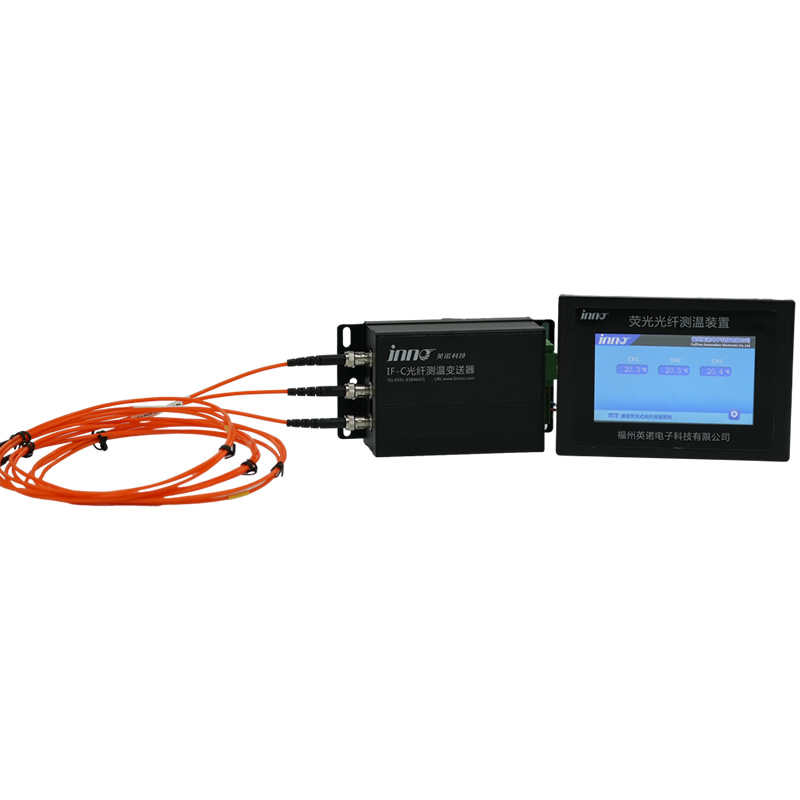
Gelişmiş izleme teknolojileri, örneğin floresan fiber optik sıcaklık sensörleri, enable precise and maintenance-free measurement at multiple points within battery modules and packs without introducing short-circuit risk.
Sıcaklık verileri otomatik alarmları destekler, protective disconnection, soğutma sistemi yönetimi, charge rate optimization, ve risk azaltma ve öngörücü bakım için gerekli olan ayrıntılı durum analizi.
Battery Pack Fiber Optic Temperature Monitoring System
E-posta: web@fjinno.net
WhatsApp: +8613599070393
İçindekiler
- What Is Internal Battery Temperature Monitoring?
- Yalnızca Yüzey İzleme Neden Yeterli Değil?
- 7 Pil Paketlerinin Dahili Sıcaklık İzleme Gerektirmesinin Nedenleri
- Pil Paketlerindeki Termal Kaçmayı Anlamak
- Akü Sıcaklık Sensörü Çeşitleri: Fiber Optik vs RTD vs Termokupl vs NTC
- Pil Paketlerindeki Temel İzleme Noktaları
- Pil Kimyasına Göre Dahili İzleme Gereksinimleri: LFP vs NMC vs NCA
- Akü Sıcaklığı İzleme Sistemi Nasıl Seçilir
- Akü Sıcaklığı İzleme: Yaygın Sorunlar ve Çözümler
- Pil Sıcaklığı İzlemeye İlişkin Uluslararası Standartlar
- Gerçek Dünya Uygulama Durumları
- Akü Sıcaklığı Analitiğine Dayalı Kestirimci Bakım
- Pil Sıcaklığı İzlemede Gelecekteki Eğilimler
- Sıkça Sorulan Sorular: Pil Paketi Sıcaklığı İzleme
What Is Internal Battery Temperature Monitoring?

Tanım
Dahili akü sıcaklığı izleme, sıcaklık sensörlerinin belirli yerlere yerleştirilmesini ifade eder. inside pil paketi yapısı — doğrudan hücre muhafazaları üzerinde, bitişik hücreler arasında, bara ve tab bağlantılarında, and within module housings — to capture the actual thermal state of the battery in real time. This contrasts with external monitoring, which measures only the outer surface or ambient temperature of the pack enclosure.
Why It Matters
The internal temperature of a battery cell can differ from its external surface temperature by 5–20°C depending on charge rate, state of health, ve soğutma sisteminin etkinliği. During fast charging, abuse conditions, or internal fault development, this discrepancy becomes far larger. Only internal monitoring provides the thermal visibility required for effective safety protection and performance optimization.
Çekirdek Bileşenler
A complete internal monitoring system consists of temperature sensing probes installed at critical internal locations, signal transmission media (optical fiber or electrical cable), a signal processing and demodulation unit, and a communication interface (typically RS485 Modbus RTU) for integration with the battery management system (BMS), SCADA, or facility-level energy management platform.
Yalnızca Yüzey İzleme Neden Yeterli Değil?
Thermal Lag
Surface-mounted sensors respond to internal thermal events only after heat has conducted through the cell casing and module housing to reach the sensor location. This introduces a delay of seconds to minutes — a critical time gap during which a developing thermal runaway event can accelerate beyond the point of intervention.
Temperature Gradient Blindness
Battery packs contain significant internal temperature gradients. Cells in the center of a densely packed module can operate 10–15°C hotter than cells at the module edge. Surface-only monitoring typically captures only the cooler peripheral temperature, İç hücreler tehlikeli sınırlara yaklaşırken yanlış bir güvenlik hissi veriyor.
Bağlantı Noktası Görünmezliği
Bara bağlantıları, hücre sekmeleri, ve akü paketinin içindeki kaynaklı bağlantılar, bozulmuş bağlantılardan kaynaklanan dirençli ısınmanın yaygın olduğu yerlerdir, korozyon, or manufacturing defects. Bu sıcak noktalar harici yüzey sensörleri tarafından görülemez ancak dahili sensörler tarafından doğrudan tespit edilebilir. fiber optik sıcaklık probları bu bağlantı noktalarına veya yakınlarına yerleştirilmiş.
Soğutma Sistemi Değerlendirmesi
Paketin birden fazla yerinde dahili sıcaklık verileri yok, Soğutma sisteminin tüm hücrelerde kabul edilebilir sıcaklık homojenliğini koruyup korumadığını doğru bir şekilde değerlendirmek imkansızdır.. Düzensiz soğutma, eşit olmayan yaşlanmaya neden olur, kapasite solması, ve lokalize termal olay riskinin artması — tümü yalnızca harici izlemeyle görülemez.
7 Pil Paketlerinin Dahili Sıcaklık İzleme Gerektirmesinin Nedenleri

Sebep 1: Termal Kaçmanın Erken Tespiti
Thermal runaway in lithium-ion cells begins with an internal temperature rise of just 1–5°C above normal, often caused by an internal short circuit or dendrite growth. By the time this heat conducts to the external surface, the internal reaction may have already become self-sustaining. Internal sensors detect the earliest stage of the thermal excursion — when the event can still be stopped by module isolation, soğutma aktivasyonu, or controlled discharge. This early detection capability is the single most important reason for internal monitoring, and it is the reason that fiber optik sıcaklık izleme sistemleri are increasingly specified for safety-critical battery applications.
Sebep 2: Accurate Thermal Mapping for Performance Optimization
Battery pack performance is directly affected by temperature uniformity. Farklı sıcaklıklarda çalışan hücreler farklı hızlarda yaşlanır, farklı kapasiteler sunmak, ve farklı iç direnç özellikleri sergilerler. Dahili çok noktalı izleme, tüm paketin gerçek zamanlı termal haritasını oluşturur, BMS'nin ücret dağıtımını dengelemesini sağlamak, soğutmayı ayarla, ve paketteki her hücrede hem performansı hem de döngü ömrünü en üst düzeye çıkarmak için C oranı sınırlarını optimize edin.
Sebep 3: Hücreler Arası Isı Yayılımının Önlenmesi
Yoğun şekilde paketlenmiş bir pil modülünde, hücreler yalnızca milimetrelerle ayrılır. Eğer bir hücre termal kaçağa girerse, iletim yoluyla bitişik hücrelere ısı transferi, konveksiyon, ve radyasyon — potansiyel olarak tüm modülü veya paketi birkaç dakika içinde yok edecek bir kademeyi tetikliyor. Hücreler arasına yerleştirilen dahili sensörler yayılma sınırındaki sıcaklık artışını tespit eder, giving the protection system the maximum possible time to isolate the affected area and activate fire suppression before the chain reaction establishes.
Sebep 4: Connection and Busbar Hotspot Detection
High-current connections within battery packs — including cell tabs, welded joints, bolted busbars, and module-to-module interconnects — are vulnerable to resistance heating from loose connections, korozyon, or weld defects. A connection that appears mechanically sound may still develop elevated resistance over time. Internal temperature monitoring at these critical junction points provides continuous hotspot surveillance, detecting developing faults long before they progress to arcing, erime, or fire. The same monitoring principle is used in şalt sistemi sıcaklık izleme for identical reasons.
Sebep 5: Extended Battery Cycle Life and Reduced Degradation
Lithium-ion battery degradation follows a well-documented temperature dependency. For every 10°C increase in average operating temperature above optimal, calendar aging accelerates significantly and cycle life can be reduced by 30–50%. Internal monitoring enables the BMS to keep every cell within the optimal temperature window — not just the average pack temperature — by adjusting cooling, power limits, and charge profiles based on actual internal thermal conditions rather than estimated or surface-measured values.
Sebep 6: Safety Compliance and Certification Requirements
International safety standards including UL 9540A, NFPA 855, IEC 62619, and UN 38.3 impose increasingly stringent requirements for battery thermal management and monitoring. Insurance underwriters and grid operators require documented evidence of comprehensive thermal protection. Internal temperature monitoring with traceable accuracy specifications — such as the ±0.5°C accuracy delivered by floresan fiber optik sıcaklık sensörleri — provides the monitoring capability and data trail that satisfies these regulatory, insurance, and certification requirements.
Sebep 7: Reduced Total Cost of Ownership
While internal monitoring systems require initial investment, the total cost of ownership is substantially lower than the cost of battery failures, warranty claims, unplanned downtime, fire damage, and accelerated cell replacement caused by inadequate thermal management. Fluorescent fiber optic monitoring systems require zero maintenance, yeniden kalibrasyon yok, and no sensor replacement over a 25+ year service life — eliminating recurring maintenance costs entirely and delivering the lowest lifecycle cost of any monitoring technology available for battery applications.
Pil Paketlerindeki Termal Kaçmayı Anlamak
What Is Thermal Runaway?
Thermal runaway is a self-reinforcing exothermic reaction within a lithium-ion cell that occurs when internal temperature exceeds a chemistry-dependent critical threshold — typically between 130°C and 250°C. Once initiated, the reaction generates heat faster than it can be removed, driving the temperature higher and triggering decomposition of the electrolyte, separator, and electrode materials. The result is violent gas venting, flame emission, and potential explosion.
Stages of Thermal Runaway
Sahne 1 — Initial Heat Generation (Detectable by Internal Monitoring)
An abnormal condition — internal dendrite short circuit, aşırı şarj, mekanik hasar, veya lokal soğutma arızası — normalin 1–5°C üzerinde kademeli iç sıcaklık artışına neden olur. Bu kritik tespit penceresidir. Dahili fiber optik sensörler bu sapmayı tespit edebilir; harici yüzey sensörleri genellikle.
Sahne 2 — Reaksiyonun Hızlandırılması (Müdahale Penceresi)
Dahili hücre sıcaklığı 80–120°C'yi aştığında, katı elektrolit ara fazı (OLMAK) katman ayrışmaya başlar, ilave ısının serbest bırakılması. Reaksiyon kendi kendine devam eder hale gelir. A fiber optik sıcaklık izleme sistemi saniyenin altındaki tepki süresiyle bu hızlanmayı algılayabilir ve koruyucu eylemleri (modül bağlantısının kesilmesi) tetikleyebilir, gelişmiş soğutma, veya acil tahliye.
Sahne 3 — Tam Termal Kaçak (Yalnızca Sınırlama)
Kritik eşik aşıldığında, Şiddetli havalandırma, ateş, ve potansiyel patlama meydana gelir. Isı bitişik hücrelere yayılır, potansiyel olarak basamaklı arızayı tetikliyor. At this stage, prevention is no longer possible — only containment. The objective of internal monitoring is to ensure that intervention always occurs at Stage 1 or early Stage 2.
Chemistry-Dependent Thermal Runaway Onset Temperatures
| Battery Chemistry | Thermal Runaway Onset Temperature | Relative Severity |
|---|---|---|
| NCA (Nickel Cobalt Aluminium) | ~150°C | High — rapid energy release |
| NMC (Nickel Manganese Cobalt) | ~200°C | High — significant gas generation |
| İşgücüne katılım (Lithium Iron Phosphate) | ~270°C | Moderate — slower onset, lower energy |
| LTO (Lithium Titanate) | >280°C | Low — most thermally stable |
Akü Sıcaklık Sensörü Çeşitleri: Fiber Optik vs RTD vs Termokupl vs NTC

Choosing the right sensor technology for internal battery temperature monitoring carries direct safety implications. The four main technologies differ significantly in accuracy, elektromanyetik girişim (EMI) bağışıklık, kısa devre riski, and suitability for internal placement within battery packs.
| Özellik | Floresan Fiber Optik Sensör | NTC Termistörü | RTD (Pt100 / Pt1000) | Termokupl (Type K/J) |
|---|---|---|---|---|
| Ölçüm Doğruluğu | ±0,1 – 0,5°C | ±1 – 2°C | ±0,5 – 1°C | ±1 – 2°C |
| EMI / High Voltage Immunity | ✅ Tamamen bağışıklık (metal yok, dielektrik) | ⚠️ Kısmi (gürültüye duyarlı) | ❌ Duyarlı (koruma gerektirir) | ❌ Duyarlı (koruma gerektirir) |
| Akü İçinde Kısa Devre Riski | ✅ Sıfır (tamamen dielektrik) | ❌ Mevcut (metalik potansiyel müşteriler) | ❌ Mevcut (metalik element) | ❌ Mevcut (metalik bağlantı) |
| Dahili Hücre/Modül Yerleşimi | ✅ Güvenli (iletken yol yok) | ⚠️Yalnızca yüzey önerilir | ❌ Dahili yerleştirme için güvenli değil | ❌ Dahili yerleştirme için güvenli değil |
| Tepki Süresi | < 1 ikinci | 1–5 saniye | 2–10 saniye | 1–3 saniye |
| Çalışma Sıcaklığı Aralığı | -40°C ila +260°C | -40°C ila +150°C | -200°C to +600°C | -200°C ila +1350°C |
| Uzun Vadeli İstikrar | ✅ Mükemmel (sürüklenme yok) | ⚠️ Orta (drift over time) | ✅ İyi | ⚠️ Orta (sürüklenmeye eğilimli) |
| Bakım Gereksinimi | ✅ Bakım gerektirmez | Periyodik değiştirme | Periyodik kalibrasyon | Sık kalibrasyon |
| Çok Nokta Yeteneği | ✅ Kadar 64 birim başına kanallar | Kablolama karmaşıklığıyla sınırlıdır | Nokta başına ayrı sensör | Nokta başına ayrı sensör |
| Servis Ömrü | > 25 yıllar | 3–5 yıl | 5–10 yıl | 2–5 yıl |
| Toplam Sahip Olma Maliyeti | ✅ En düşük (kalibrasyon/değiştirme yok) | Ilıman | Ilıman | Daha yüksek (sık değiştirme) |
| En İyi Uygulama | Dahili hücre/modül izleme, güvenlik açısından kritik paketler | Düşük maliyetli BMS entegrasyonu, yüzey izleme | Harici yağ/ortam izleme | Düşük maliyetli yardımcı izleme |
Çözüm: Kısa devre riskinin ortadan kaldırılması gereken ve EMI bağışıklığının gerekli olduğu pil paketlerinin içine dahili yerleştirme için, fluorescent fiber optic sensors are the superior choice. NTC thermistors remain practical for surface-mounted BMS integration in cost-sensitive applications where the limitations are understood and accepted. For a detailed technical comparison across all sensor types, bakın fiber optik sıcaklık ölçüm sistemi SSS.
Pil Paketlerindeki Temel İzleme Noktaları
Individual Cell Surface
The most critical monitoring location is directly on the cell casing at the point of highest thermal stress. For prismatic and pouch cells, this is typically the center of the largest face. Silindirik hücreler için, sensors are placed on the cell body near the positive terminal where internal current collector resistance generates the most heat.
Inter-Cell Gap
Sensörlerin bitişik hücreler arasına yerleştirilmesi, arızalı bir hücreden gelen ısının komşularına yayılıp yayılmayacağını belirleyen termal sınır koşulunu yakalar. Burası termal yayılımın önlenmesi için en önemli konumdur.
Hücre Sekmesi ve Bara Bağlantıları
Kaynaklı hücre tırnakları, bolted busbars, ve modül ara bağlantıları, bozulmuş bağlantılardan kaynaklanan dirençli ısınmaya karşı hassastır. Bu noktaların izlenmesi, gelişen bağlantı hatalarına karşı erken uyarı sağlar; şalt sistemi için fiber optik sıcaklık izleme ve yüksek gerilim elektrik bağlantıları.
Modül Çekirdeği (Paketin Merkezi)
Bir pil modülünün veya paketinin geometrik merkezi, herhangi bir soğutma yüzeyinden en uzak konumdur. It consistently operates at the highest temperature under load and is the most likely location for thermal accumulation to reach dangerous levels.
Cooling Circuit Inlet and Outlet
Temperature sensors at cooling system inlet and outlet measure the temperature differential across the cooling circuit. A narrowing differential indicates degraded cooling capacity — an early warning that the thermal management system is losing effectiveness.
Pack Enclosure Ambient
Ambient temperature inside the battery enclosure establishes the thermal baseline against which all cell and module temperatures are compared. An individual module reading that diverges significantly from the enclosure ambient — even if still within absolute limits — may indicate the early stages of an internal fault.
Pil Kimyasına Göre Dahili İzleme Gereksinimleri: LFP vs NMC vs NCA
The thermal behavior and monitoring requirements differ significantly between lithium-ion battery chemistries. Understanding these differences is essential for specifying the correct monitoring system configuration.
| Parametre | İşgücüne katılım (LiFePO₄) | NMC (LiNiMnCoO₂) | NCA (LiNiCoAlO₂) |
|---|---|---|---|
| Thermal Runaway Onset | ~270°C | ~200°C | ~150°C |
| Energy Release During Runaway | Daha düşük | Yüksek | Çok Yüksek |
| Propagation Risk | Daha düşük (but not zero) | Yüksek | Çok Yüksek |
| Normal Operating Range | 15–45°C | 15–45°C | 15–40°C |
| Recommended Alarm Threshold | 55–60°C | 50–55°C | 45–50°C |
| Recommended Trip Threshold | 70–80°C | 60–70°C | 55–65°C |
| Minimum Monitoring Density | Per module | Per module (per cell for critical applications) | Önerilen hücre başına |
| Internal Monitoring Priority | Yüksek | Çok Yüksek | Kritik |
Çözüm: While LFP chemistry offers inherently higher thermal stability, all lithium-ion chemistries benefit from internal temperature monitoring. NMC and NCA chemistries — with lower thermal runaway onset temperatures and higher propagation energy — require the highest monitoring density and fastest sensor response times, yapma fiber optik sıcaklık probları the preferred technology for these chemistries.
Akü Sıcaklığı İzleme Sistemi Nasıl Seçilir


Selecting the right monitoring system requires evaluating battery chemistry, paket mimarisi, application criticality, ve entegrasyon gereksinimleri. Follow this step-by-step guide to make the optimal selection.
Adım 1: Identify the Battery Chemistry and Cell Form Factor
Determine whether your battery pack uses LFP, NMC, NCA, LTO, or another chemistry. Identify the cell form factor — cylindrical (örneğin, 2170, 4680), prizmatik, or pouch. The chemistry defines alarm and trip thresholds, while the form factor determines probe geometry and placement strategy.
Adım 2: Define the Application Criticality and Safety Requirements
Assess the consequence of a thermal event in your application. Grid-scale energy storage, elektrikli araçlar, havacılık, and maritime applications carry the highest safety requirements and justify per-cell or per-module internal monitoring with the highest-accuracy sensor technology available. Lower-criticality applications such as residential storage may accept per-module monitoring with cost-optimized sensors.
Adım 3: Determine the Number of Monitoring Points
A minimum configuration includes one sensor per module plus busbar monitoring. Advanced configurations add per-cell monitoring, inter-cell gap sensors, cooling circuit sensors, and enclosure ambient monitoring. Çok kanallı floresan fiber optik sıcaklık ölçüm cihazları Destek 1 ile 64 birim başına kanallar, allowing precise system sizing for any pack architecture.
Adım 4: Evaluate Sensor Technology for Internal Placement Safety
For any sensor placed inside the battery pack — between cells, on busbars, or near cell tabs — the sensor must not introduce a short-circuit risk. This requirement eliminates all metallic sensor technologies (NTC, RTD, termokupl) from consideration for true internal placement. Only fully dielectric fiber optic sensors can be safely installed inside battery packs without creating a conductive path between cells or conductors.
Adım 5: Assess BMS Communication and Integration Requirements
Determine the communication protocol required by your BMS or SCADA system. INNO fiber optic monitoring systems output data via RS485 Modbus RTU — the most widely supported industrial protocol. Confirm compatibility with your existing BMS data acquisition architecture and alarm management framework.
Adım 6: Consider Installation Method — Factory or Retrofit
For new battery pack designs, Fiber optik sensörler, optimum yerleştirme ve en yüksek izleme doğruluğu için üretim sırasında entegre edilebilir. Mevcut akü kurulumları için, Retrofit sensör seçenekleri, probların mevcut kablo yönetim yolları üzerinden yönlendirilmesine ve planlı bakım sırasında modüller arasına veya erişilebilir bara bağlantılarına kurulmasına olanak tanır.
Adım 7: Standartlara Uygunluğu ve Tedarikçi Yeterliliğini Doğrulayın
İzleme sisteminin geçerli standartlarla uyumluluğu desteklediğini doğrulayın (UL 9540, NFPA 855, IEC 62619, VE 38.3). Sensör üreticisinin OEM/ODM yeteneğini değerlendirin, özel prob tasarımı deneyimi, ve pil uygulamalarında geçmiş performansı. Adanmış olarak fiber optik sıcaklık sensörü üreticisi, INNO özel prob geometrileri sağlar, özel etiketli vericiler, ve pil paketi OEM entegrasyonu için ürün yazılımı özelleştirmesi.
Akü Sıcaklığı İzleme: Yaygın Sorunlar ve Çözümler
Pil sıcaklık alarmı etkinleştiğinde veya okumalar anormal göründüğünde, rapid diagnosis is essential to prevent equipment damage or safety incidents. The following guide covers the most common problems encountered in battery temperature monitoring systems.
Sorun 1: Temperature Alarm Activates Under Normal Charge/Discharge Conditions
Olası Nedenler:
- Cooling system malfunction — blocked airflow, failed fans, or degraded coolant flow rate
- Ambient temperature significantly higher than the system’s rated operating environment
- Battery pack operating at sustained C-rate above design limits
- Uneven cell balancing causing individual cells to work harder
- Internal cell degradation increasing internal resistance and heat generation
Önerilen Eylem: Önce soğutma sisteminin çalışmasını kontrol edin. Verify actual charge/discharge C-rate against pack specifications. Compare individual cell temperatures to identify unevenly loaded or degraded cells. Soğutma işlevselse ve yük nominal değer dahilindeyse, conduct impedance testing on the alarming cells to assess state of health.
Sorun 2: Temperature Sensor Reads Abnormally High or Low
Olası Nedenler:
- NTC thermistor open circuit (reading jumps to maximum) or short circuit (reads minimum)
- Fiber optic probe physical damage to the fiber cable (bending beyond minimum radius, ezici)
- Loose connection at sensor terminal or controller input
- Controller input channel failure
Önerilen Eylem: For NTC thermistors, measure resistance at sensor terminals with a multimeter and compare to the manufacturer’s resistance-temperature table. For fiber optic sensors, check optical power level and use the controller’s built-in self-diagnostic function. Replace damaged sensors or repair cables as needed.
Sorun 3: Inconsistent Temperature Readings Between Adjacent Cells
Olası Nedenler:
- Uneven cooling airflow or coolant distribution within the module
- Cell-to-cell state of health variation causing different heat generation rates
- Sensor placement inconsistency — sensors not at equivalent thermal positions on each cell
- Individual cell internal fault developing (early stage thermal anomaly)
Önerilen Eylem: Verify sensor placement consistency. Check cooling system flow distribution. If thermal asymmetry persists after eliminating sensor and cooling issues, isolate and test the affected cells for internal impedance and capacity. Persistent unexplained temperature divergence may indicate an early-stage internal fault requiring cell replacement.
Sorun 4: Intermittent False Alarms in High-EMI Environments
Olası Nedenler:
- Electrical noise on NTC or RTD sensor cables caused by inverter switching, motor drives, or high-current conductors
- Loose terminal connections causing momentary signal interruption
- Alarm eşiği normal çalışma sıcaklığına çok yakın ayarlanmış
Önerilen Eylem: Tüm terminal bağlantılarını inceleyin ve sıkın. Korumasız sensör kablolarını, güç iletkenlerinden uzağa yönlendirilmiş, korumalı çift bükümlü kablolarla değiştirin. Yeterli marjla alarm eşiklerini gözden geçirin ve ayarlayın. Kalıcı EMI ile ilgili yanlış alarmlar için, Fiber optik sensörlere yükseltme, doğası gereği tüm elektromanyetik girişimlere karşı bağışık olan.
Sorun 5: Soğutma Sistemi Ayarlanan Sıcaklık Eşiğinde Devreye Girmiyor
Olası Nedenler:
- BMS soğutma kontrol rölesi veya çıkış kanalı arızası
- BMS çıkışı ile fan/pompa kontaktörü arasında kablo hatası
- Fan motoru veya soğutma suyu pompası arızası
- BMS'de yanlış aktivasyon eşiği programlandı
Önerilen Eylem: Aşırı sıcaklık durumunu manuel olarak simüle ederken BMS röle çıkışını test edin. Soğutma ekipmanına giden kabloların sürekliliğini doğrulayın. Test the fan or pump independently by applying rated voltage directly. Confirm programmed activation threshold matches the thermal management design specification.
Sorun 6: Temperature Readings Drift Over Time Without Apparent Cause
Olası Nedenler:
- NTC thermistor aging and resistance drift after sustained elevated temperature operation
- Thermocouple junction degradation
- Sensor mounting loosening — thermal contact between sensor and cell surface degrading
Önerilen Eylem: Compare drifting sensor readings against a calibrated reference thermometer. Re-torque or re-bond sensor mounting. If drift is confirmed as a sensor issue, replace the sensor. Fluorescent fiber optic sensors operate on a photophysical principle that is inherently immune to calibration drift — the factory calibration remains valid for the sensor’s entire service life of 25+ yıllar.
Pil Sıcaklığı İzlemeye İlişkin Uluslararası Standartlar
UL 9540 — Energy Storage Systems and Equipment
UL 9540 addresses the safety of energy storage systems, including requirements for thermal management and continuous monitoring of battery operating parameters. Compliance requires demonstration that the monitoring system can detect abnormal thermal conditions and initiate protective actions within defined response times.
UL 9540A — Test Method for Evaluating Thermal Runaway Fire Propagation in Battery Energy Storage Systems
UL 9540A specifically evaluates whether thermal runaway in a single cell propagates to adjacent cells, modüller, or beyond the ESS enclosure. Internal temperature monitoring data is critical for validating thermal runaway mitigation strategies during UL 9540A testing and for documenting ongoing operational compliance.
NFPA 855 — Standard for the Installation of Stationary Energy Storage Systems
NFPA 855 requires continuous monitoring of battery system operating parameters including temperature, with automated protective actions when parameters exceed safe limits. Internal fiber optic monitoring satisfies these requirements with higher accuracy and faster response than conventional surface-mounted sensor technologies.
IEC 62619 — Secondary Cells and Batteries — Safety Requirements for Secondary Lithium Cells and Batteries for Use in Industrial Applications
IEC 62619 defines safety requirements for lithium batteries in industrial applications including energy storage. The standard requires thermal management and monitoring provisions, including the ability to detect and respond to abnormal temperature conditions at the cell and module level.
IEC 63056 — Secondary Lithium Cells and Batteries for Use in Electrical Energy Storage Systems
IEC 63056 specifically addresses lithium batteries for stationary energy storage, with requirements for continuous thermal monitoring, alarm and protection systems, and documentation of thermal management effectiveness over the system’s operational life.
VE 38.3 — Transport of Dangerous Goods: Lithium Battery Testing
VE 38.3 specifies safety testing for lithium batteries during transportation, including thermal abuse tests. Internal temperature data from fiber optic sensors during UN 38.3 testing provides the precise thermal characterization data needed for battery safety certification and transport documentation.
IEEE 1679.1 — Guide for the Characterization and Evaluation of Lithium-Based Batteries in Stationary Applications
IEEE 1679.1 sabit uygulamalarda lityum pil performansı için değerlendirme rehberliği sağlar, termal karakterizasyon gereksinimleri dahil. Dahili sıcaklık izleme verileri, bu standartta tanımlanan termal performans değerlendirmesini ve ömür tahmini analizlerini destekler.
Gerçek Dünya Uygulama Durumları
Örnek Olay İncelemesi 1: 200 MWh Şebeke Ölçeğinde Enerji Depolama Tesisi - Termal Kaçak Önleme
Uygulama Arka Planı
NMC kimyasal akü kabinlerine sahip şebeke ölçeğindeki bir BESS tesisi, hem sigorta yüklenicisi gereksinimlerini hem de yerel yangın güvenliği kurallarını karşılamak için kapsamlı termal izleme gerektiriyordu. Orijinal termistör tabanlı izleme sistemi, yalnızca 3-5 saniyelik tepki süreleriyle yüzey sıcaklığı verilerini sağlıyordu.
Çözüm Uygulandı
Çok kanallı fiber optik sıcaklık izleme sistemleri tüm depolama dolaplarına yerleştirildi. Her kabine modül başına dahili izleme ve bara bağlantı izleme özelliği verildi. Temperature data was integrated with the facility BMS via RS485 Modbus RTU and transmitted to the central SCADA platform.
Elde Edilen Sonuçlar
During the first year of operation, the system detected a module-level thermal anomaly — a 4°C temperature rise above adjacent modules under identical load conditions. Investigation revealed a partially degraded cooling channel within the affected module. The module was isolated and repaired during scheduled maintenance. The anomaly would have been undetectable by the original surface-mounted thermistor system until the temperature deviation reached 15°C or more — by which time intervention options would have been severely limited.
Örnek Olay İncelemesi 2: EV Battery Pack Development — Fast-Charge Thermal Optimization
Uygulama Arka Planı
A leading EV manufacturer required cell-level internal temperature data during extreme fast-charging (XFC) development testing. Existing NTC-based monitoring could not provide the accuracy or internal placement needed to characterize thermal gradients within the pack during 350 kW charging events.
Çözüm Uygulandı
Custom-geometry fiber optik sıcaklık probları ile 2 mm diameter were integrated between cells and on busbar connections throughout a test battery pack. The probes were connected to a multi-channel fiber optic transmitter, with data logged at 1-second intervals during charging cycles.
Elde Edilen Sonuçlar
The internal temperature data revealed that center cells in the pack reached temperatures 18°C higher than edge cells during 350 kW charging — a gradient invisible to the pack’s production NTC sensors mounted on external module surfaces. Termal veriler, mühendislik ekibinin soğutma plakası geometrisini yeniden tasarlamasını sağladı, merkezden kenara sıcaklık farkını 5°C'nin altına düşürmek ve 15% Hücre sıcaklığı sınırlarını aşmadan maksimum sürekli şarj gücünde artış.
Örnek Olay İncelemesi 3: Konteynerli ESS — Retrofit İzleme Yükseltmesi
Uygulama Arka Planı
Konteynerli LFP akü depolama sistemlerinin bir operatörü, güncellenmiş yerel yangın güvenliği düzenlemelerine uymak için izleme yükseltmesine ihtiyaç duydu. Mevcut izleme, ortam sıcaklığı sensörleri ve harici modül yüzey termistörlerinden oluşuyordu; bu, yeni modül başına dahili izleme gereksinimlerini karşılamak için yetersizdi.
Çözüm Uygulandı
Planlı bir bakım penceresi sırasında akü modülleri arasına ve yüksek akım bara bağlantılarına ince fiber optik problar takıldı. No structural modification of the battery modules was required. The floresan fiber optik sıcaklık ölçüm cihazı was installed in the cabinet’s existing equipment bay and connected to the site BMS.
Elde Edilen Sonuçlar
The retrofit was completed in under 4 hours per container with no battery system downtime. The operator achieved full compliance with updated fire safety regulations and received an improved risk assessment from their insurance underwriter. Over two years of post-retrofit operation, the system identified three instances of busbar connection temperature elevation, all resolved during routine maintenance before any safety event occurred.
Akü Sıcaklığı Analitiğine Dayalı Kestirimci Bakım
Condition Assessment
Historic and real-time internal temperature data are analyzed to assess cell degradation rates, soğutma sistemi etkinliği, and the relationship between loading patterns and thermal stress. Cells that consistently operate at higher temperatures than their neighbours — even by small margins — can be identified as candidates for early replacement or rebalancing.
Failure Prediction
Advanced algorithms recognize abnormal temperature patterns including gradual baseline drift (indicating increasing internal resistance), sudden temperature spikes (indicating internal short circuit development), and load-correlated thermal anomalies (indicating connection degradation). These patterns predict potential failures days or weeks before they would cause an operational event.
Bakım Optimizasyonu
Data-driven insights allow maintenance to be scheduled based on actual asset condition rather than fixed time intervals. Cells and modules are replaced only when their thermal data indicates genuine degradation, eliminating unnecessary interventions and maximizing the useful life of every component in the pack.
Cost Reduction
Predictive maintenance driven by internal temperature analytics reduces emergency repairs, unplanned downtime, warranty claims, and total operating costs. The investment in comprehensive internal monitoring is typically recovered within the first prevented incident.
Pil Sıcaklığı İzlemede Gelecekteki Eğilimler
Dijital Entegrasyon
Growing use of cloud-based analytics, dijital ikizler, and artificial intelligence for battery fleet management based on internal temperature and other sensor data. Real-time thermal models updated with actual internal temperature measurements enable dynamic optimization of charge profiles, cooling strategies, and end-of-life predictions.
Sensor Miniaturization
Advances in fiber optic sensor design are delivering thinner probes, flexible form factors, and simplified installation methods that enable internal monitoring in increasingly dense pack architectures — including the tight packaging requirements of next-generation EV battery platforms.
Multi-Parameter Integration
Next-generation monitoring platforms combine internal temperature with impedance spectroscopy, strain sensing, and gas detection within a single integrated system, providing a more complete picture of cell health from a unified sensor and data platform.
Embedded Sensors in Cell Manufacturing
The long-term trend points toward temperature sensors embedded directly within the cell during manufacturing — providing the most accurate possible internal temperature data. Fiber optik sensörler, with their dielectric construction and zero interference characteristics, are uniquely suited for this embedded application.
Standardization and Regulatory Evolution
International standards bodies are moving toward mandatory internal temperature monitoring requirements for safety-critical battery applications. Early adoption of internal monitoring positions manufacturers and operators ahead of these evolving regulatory requirements.
Sıkça Sorulan Sorular: Pil Paketi Sıcaklığı İzleme
What is the difference between internal and external battery temperature monitoring?
External monitoring places sensors on the outside surface of the battery module casing or in the ambient air around the pack. Internal monitoring places sensors directly on cell surfaces, between cells, on busbars, and within the module structure. Internal monitoring detects thermal anomalies 5–15°C earlier and seconds to minutes faster than external monitoring, providing the response time needed to prevent thermal runaway propagation. For safety-critical applications, ile dahili izleme fiber optik sıcaklık probları is strongly recommended.
Neden dahili pil izleme için NTC termistörlerini kullanamıyorum??
NTC termistörleri, pil takımının içine, hücrelerin arasına veya yüksek voltaj iletkenlerinin yakınına yerleştirildiğinde potansiyel bir elektriksel kısa devre yolu oluşturan metalik uçlara sahiptir.. Kısa devrenin termal kaçakları tetikleyebileceği bir ortamda sensörün amacı bu durumu önlemektir., bu risk temelde kabul edilemez. NTC termistörleri yalnızca harici yüzeye montaj için uygundur. Gerçek dahili yerleşim için, tamamen dielektrik floresan fiber optik sensörler kısa devre riskini tamamen ortadan kaldıran tek teknolojidir.
Bir pil paketinin kaç izleme noktasına ihtiyacı vardır??
Minimum öneri, akü modülü başına bir izleme noktası artı ana bara bağlantılarındaki sensörlerdir. Daha yüksek riskli kimyalar için (NMC, NCA) veya güvenlik açısından kritik uygulamalar (ızgara ölçeğinde ESS, elektrikli araçlar, havacılık), per-cell monitoring is recommended. Additional sensors should be placed at cooling circuit inlet/outlet and enclosure ambient positions. INNO’s multi-channel fiber optic transmitters support 1 ile 64 birim başına kanallar, allowing precise system sizing for any pack architecture.
Can fiber optic temperature sensors be retrofitted to existing battery packs?
Evet. The slim 2–3 mm diameter of fiber optic probes allows them to be routed through existing cable management paths and installed between modules or on busbar connections during scheduled maintenance. No structural modification of the battery modules is required. Retrofit installations provide significantly improved monitoring compared to original surface-mounted sensors.
What is the response time of fiber optic temperature sensors for battery monitoring?
The response time is less than 1 second — fast enough to detect the rapid temperature excursions that characterize the early stages of thermal runaway in lithium-ion cells. This is significantly faster than the 2–10 second response typical of RTD sensors and 1–5 second response of NTC thermistors, particularly when those sensors are surface-mounted rather than internally placed.
Do fiber optic sensors work with all battery chemistries?
Evet. Fiber optic monitoring is compatible with all commercial lithium-ion chemistries including LFP, NMC, NCA, and LTO, as well as sodium-ion, solid-state, and other emerging battery technologies. The probe materials are chemically inert and unaffected by battery electrolytes or off-gases.
How does internal temperature data integrate with the BMS?
All INNO floresan fiber optik sıcaklık ölçüm cihazları output data via RS485 Modbus RTU. The BMS reads temperature data from each monitoring channel in real time and uses it to manage cooling activation, charge/discharge rate limiting, cell balancing, module isolation, and alarm/protection logic. Integration requires only standard Modbus register mapping in the BMS software.
Does internal temperature monitoring help with battery warranty and insurance?
Evet. Comprehensive internal temperature data provides documented evidence that the battery system has been operated within its specified thermal limits throughout its service life. This data supports warranty claims by proving that thermal damage was not caused by operator abuse. Insurance underwriters increasingly recognize internal monitoring as a risk mitigation measure, which can improve facility risk profiles and reduce premiums.
What happens if a fiber optic probe is damaged inside the battery pack?
A damaged fiber optic probe is inherently safe — it cannot cause a short circuit, spark, or any electrical hazard because it contains no metal and carries no electrical current. The monitoring system’s self-diagnostic function detects the loss of optical signal from the damaged channel and generates a sensor fault alarm. The damaged probe can be replaced during the next scheduled maintenance window without emergency intervention.
How do I get a quotation for a battery pack temperature monitoring system?
INNO'nun uygulama mühendisliği ekibiyle iletişime geçin www.fjinno.net with your project details including battery chemistry, cell form factor, module count, paket mimarisi, BMS communication requirements, ve kurulumun yeni tasarım entegrasyonu mu yoksa retrofit mi olduğu. Prob geometrisi önerilerini içeren projeye özel bir teklif, kanal konfigürasyonu, ve sistem fiyatlandırması genellikle şu süre içinde sağlanır: 24 saat.
Sorumluluk reddi beyanı: Tüm ürün özellikleri, uygulama örnekleri, vaka sonuçları, Bu makaledeki ve üçüncü taraf referansları yalnızca genel bilgilendirme amaçlıdır ve bildirimde bulunulmaksızın güncellenebilir. Gerçek ürün performansı kurulum koşullarına bağlıdır, çalışma ortamı, ve sistem yapılandırması. Marka isimleri, standart referansları, ve sektör terimleri ilgili sahiplerine aittir ve yalnızca açıklayıcı amaçlarla kullanılmıştır.; hiçbir bağlılık veya onay ima edilmemektedir. Resmi bir görüşme için lütfen INNO satış ekibiyle iletişime geçin., projeye özel teklif ve satın alma öncesi teknik onay. © 2011–2026 Fuzhou İnovasyon Elektronik Bilimi&Tech Co., Ltd.. Her hakkı saklıdır.

Fiber optik sıcaklık sensörü, Akıllı izleme sistemi, Çin'de dağıtılmış fiber optik üreticisi
 |
 |
 |