 INNO fiber optic na mga sensor ng temperatura ,mga sistema ng pagsubaybay sa temperatura.
- DTS stands for Distributed Temperature Sensing, an advanced fiber-optic sensing technology that provides continuous temperature measurement along the entire length of an optical fiber cable.
- DTS technology utilizes Raman scattering principles with optical fibers as sensing media to achieve long-distance, high-precision distributed temperature monitoring capabilities.
- Mga sistema ng DTS are widely applied in power cable monitoring, pagtuklas ng pagtagas ng pipeline, fire detection, oil and gas well monitoring, and other critical industrial applications.
- Compared to traditional point temperature sensors, distributed temperature sensing provides continuous spatial temperature distribution information with precise location identification of temperature anomalies.
- DTS technology offers intrinsic safety, electromagnetic immunity, and long-term stability advantages, making it an essential solution for modern industrial temperature monitoring applications.
What Is DTS (Ibinahagi ang Temperature Sensing)
DTS (Ibinahagi ang Temperature Sensing) is an advanced fiber-optic measurement technology that transforms standard optical fiber cables into continuous temperature sensors capable of measuring temperature distribution along their entire length. This technology enables real-time monitoring of temperature variations across distances ranging from meters to tens of kilometers with exceptional spatial resolution.
Ibinahagi ang temperatura sensing system operate by analyzing the naturally occurring Raman scattering phenomenon in optical fibers, where temperature changes affect the intensity ratio of anti-Stokes and Stokes scattered light. This physical principle enables precise temperature measurement at thousands of points along a single fiber-optic cable without requiring individual sensor installations.
Ang pangunahing bentahe ng fiber-optic DTS technology lies in its ability to provide continuous temperature profiling rather than discrete point measurements. This capability enables comprehensive monitoring of large infrastructure systems, early detection of temperature anomalies, and precise localization of events such as overheating, pagtagas, or fire incidents.

How DTS Technology Works
Raman scattering principles form the foundation of DTS technology, where laser light pulses transmitted through optical fiber interact with fiber molecules to produce scattered light at different wavelengths. The intensity of temperature-dependent anti-Stokes scattered light provides precise temperature information at each location along the fiber.
Optical Time Domain Reflectometry (OTDR) techniques enable spatial localization of temperature measurements by analyzing the time delay between transmitted light pulses and received scattered signals. This timing analysis determines the exact position of each temperature measurement point along the fiber length.
Ang relasyon sa pagitan ng temperature and scattered light intensity follows well-established physical laws that enable accurate temperature calculation from optical signal analysis. Advanced signal processing algorithms enhance measurement precision and provide temperature data with excellent spatial and thermal resolution.
Signal Processing and Data Analysis
Spatial resolution and measurement accuracy depend on laser pulse characteristics, signal processing capabilities, and fiber-optic properties. Modern DTS systems achieve spatial resolution as fine as 1 meter with temperature accuracy better than ±1°C across measurement distances exceeding 30 kilometro.
Advanced signal processing and data analysis algorithms filter noise, compensate for fiber losses, and calibrate measurements to provide reliable temperature data. These processing techniques enable real-time temperature monitoring with automated alarm generation and data logging capabilities.
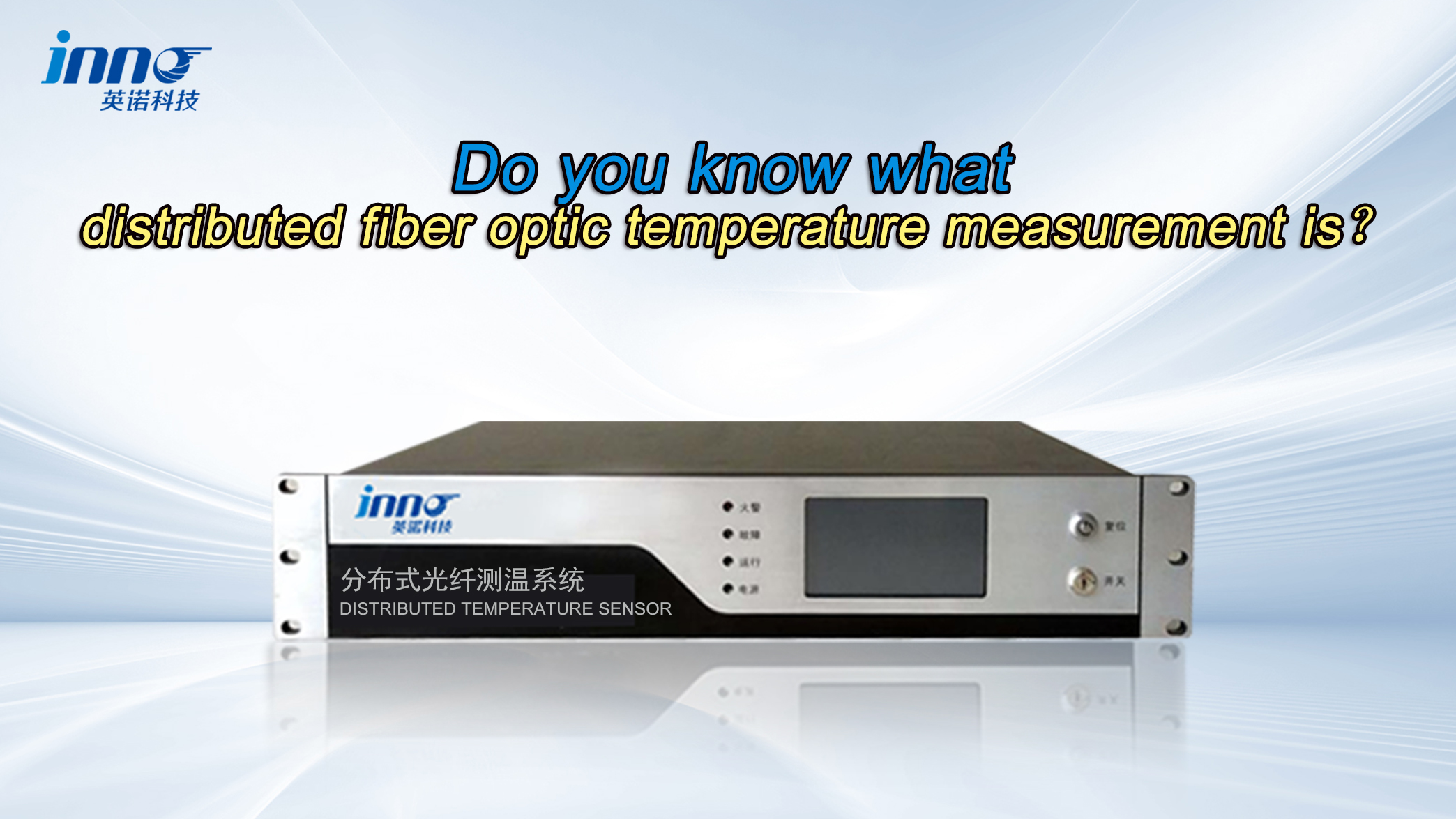
DTS System Components
DTS interrogator units serve as the central control and measurement component, containing laser sources, optical detectors, elektronikong pagpoproseso ng signal, at mga sistema ng pagkuha ng data. These sophisticated instruments generate optical pulses, analyze scattered signals, and convert optical data into temperature measurements.
Fiber-optic sensing cables function as distributed temperature sensors, typically utilizing standard single-mode or multimode optical fibers integrated into protective cable structures. Specialized sensing cables are available for harsh environments, requiring chemical resistance, high temperature tolerance, or mechanical protection.
Optical connectors and splices provide reliable connections between DTS interrogators and sensing cables, ensuring minimal signal loss and long-term reliability. Professional installation techniques and high-quality optical components are essential for optimal system performance.
Data Management and Communication
Data acquisition and processing software provides user interfaces for system configuration, real-time na pagsubaybay, data visualization, at pamamahala ng alarma. Modern DTS software offers advanced features including trend analysis, reporting capabilities, and integration with supervisory control systems.
Communication interfaces and network connectivity enable remote monitoring and data transmission through Ethernet, serial communications, or wireless networks. These connectivity options support integration with existing monitoring infrastructure and enable centralized surveillance of distributed DTS installations.

Mga Bentahe ng DTS Technology
Distributed continuous monitoring capability represents the primary advantage of DTS technology, providing temperature measurement at thousands of points along a single fiber cable. This comprehensive coverage eliminates blind spots and enables detection of localized temperature events that might be missed by point sensors.
Long-distance measurement range capabilities enable DTS systems to monitor temperature across distances exceeding 30 kilometers using a single interrogator unit. This extended range reduces infrastructure costs and simplifies system architecture for large-scale monitoring applications.
High spatial and temperature resolution characteristics enable precise location identification of temperature anomalies with spatial accuracy typically better than 1 meter and temperature resolution of 0.1°C or better. This precision supports early detection of developing problems and accurate event localization.
Mga Benepisyo sa Pagpapatakbo
Intrinsic safety and electromagnetic immunity make DTS systems ideal for hazardous environments where electrical equipment poses explosion risks or electromagnetic interference affects measurement accuracy. The passive optical sensing principle eliminates electrical energy at sensing locations.
Real-time monitoring and fast response capabilities enable DTS systems to provide continuous temperature surveillance with measurement updates typically every few seconds. This rapid response supports immediate detection of temperature changes and automated alarm generation for critical applications.
DTS Application Areas
Power cable temperature monitoring represents one of the largest DTS application sectors, enabling utilities to monitor underground and submarine power cable temperatures for load optimization and fault prevention. DTS systems provide real-time ampacity calculations and overheating protection for critical electrical infrastructure.
Pagsubaybay sa pipeline ng langis at gas utilizes DTS technology for leak detection, pagsubaybay sa daloy, at pagtatasa ng integridad ng pipeline. Temperature changes caused by fluid leaks or flow variations provide early indication of pipeline problems, enabling rapid response and environmental protection.
Fire detection and warning systems employ DTS technology for early fire detection in tunnels, mga gusali, mga pasilidad sa industriya, and storage areas. The continuous temperature monitoring capability enables rapid fire detection and precise location identification for emergency response coordination.
Specialized Industrial Applications
Geothermal energy monitoring applications use DTS systems to measure temperature profiles in geothermal wells and ground heat exchangers, optimizing energy extraction and monitoring system performance. These applications require high-temperature sensing capabilities and long-term reliability.
Environmental temperature monitoring, industrial process temperature control, at structural temperature monitoring represent additional application areas where DTS technology provides valuable temperature distribution information for process optimization and safety assurance.
DTS Technical Specifications and Parameters
| Parameter | Standard DTS | High-Performance DTS | Harsh Environment DTS |
|---|---|---|---|
| Distansya ng Pagsukat | Hanggang sa 10 km | Hanggang sa 30 km | Hanggang sa 15 km |
| Spatial na Resolusyon | 2-4 metro | 1 metro | 2 metro |
| Temperatura Resolution | ±1°C | ±0.1°C | ±0.5°C |
| Saklaw ng Temperatura | -40°C hanggang +200°C | -40°C hanggang +300°C | -40°C hanggang +400°C |
| Oras ng Pagtugon | 10-30 segundo | 1-5 segundo | 5-15 segundo |
| Sampling Frequency | 0.1-1 Hz | 1-10 Hz | 0.1-2 Hz |
Environmental and Operational Specifications
Working environment conditions for DTS systems typically include wide operating temperature ranges, pagpaparaya sa kahalumigmigan, paglaban sa panginginig ng boses, and protection against dust and moisture ingress. Specialized systems are available for extreme environments including subsea applications, high-temperature industrial processes, and arctic conditions.
Fiber type and specification requirements vary depending on application needs, with standard single-mode fiber suitable for most applications, while specialized fibers may be required for extreme temperature or harsh chemical environments. Proper fiber selection ensures optimal system performance and longevity.
DTS vs Other Temperature Monitoring Technologies
| Teknolohiya | Uri ng Pagsukat | Spatial Coverage | Katumpakan | Pangunahing Kalamangan | Mga Limitasyon |
|---|---|---|---|---|---|
| DTS (Ibinahagi ang Temperature Sensing) | Continuous Distributed | Hanggang sa 30 km | ±0.5-1°C | Patuloy na pagsubaybay, EMI immunity | Mas mataas na paunang gastos |
| Mga Thermocouple | Point Measurement | Individual Points | ±0.5-2°C | Mababang gastos, mabilis na tugon | Limited coverage, EMI susceptible |
| Infrared Thermal Imaging | Surface Area | Line of Sight | ±2-5°C | Hindi makipag-ugnayan, visual mapping | Ibabaw lang, salik sa kapaligiran |
| Mga Wireless Temperature Sensor | Point Measurement | Network Coverage | ±0.5-1°C | Madaling pag-install, nababaluktot | Battery life, panghihimasok |
| Fluorescence Temperature Sensors | Point/Quasi-distributed | Limited Distance | ±0.5-1°C | Mataas na katumpakan, EMI immunity | Limitadong saklaw, point sensing |
Technology Comparison Analysis
DTS vs Thermocouple systems shows that while thermocouples offer lower initial costs and faster response times, DTS provides comprehensive continuous monitoring without blind spots and complete electromagnetic immunity. For large-scale monitoring applications, DTS often provides better total cost of ownership despite higher initial investment.
DTS vs Infrared thermal imaging reveals complementary capabilities, with infrared providing visual surface temperature mapping while DTS offers embedded continuous monitoring capability. Many applications benefit from combining both technologies for comprehensive temperature surveillance.
DTS vs Fluorescence temperature sensors comparison shows that fluorescence sensors offer higher point accuracy but limited spatial coverage, while DTS provides extensive distributed monitoring with slightly lower individual point accuracy. The choice depends on whether comprehensive coverage or maximum precision is the priority.
Mga Madalas Itanong
What does DTS mean?
DTS stands for Distributed Temperature Sensing, a fiber-optic technology that uses optical fibers as continuous temperature sensors to measure temperature distribution along their entire length. This technology enables real-time monitoring of temperature variations across long distances with high spatial resolution and precision.
How does DTS work?
DTS technology works by analyzing Raman scattering in optical fibers, where laser light pulses interact with fiber molecules to produce temperature-dependent scattered light. The system measures the intensity ratio of different scattered light wavelengths to calculate temperature at each location along the fiber.
What measurement accuracy can DTS achieve?
DTS measurement accuracy varies by system type and application requirements, typically ranging from ±0.1°C for high-performance systems to ±1°C for standard applications. Accuracy depends on factors including fiber quality, system calibration, mga kondisyon sa kapaligiran, at pagsukat ng distansya.
What are DTS system costs?
DTS system costs vary significantly based on measurement distance, mga kinakailangan sa katumpakan, environmental specifications, at pagiging kumplikado ng pag-install. While initial investment may be higher than point sensors, total cost of ownership often favors DTS for large-scale monitoring due to comprehensive coverage and reduced maintenance.
What applications are suitable for DTS?
Mga aplikasyon ng DTS include power cable monitoring, pagtuklas ng pagtagas ng pipeline, mga sistema ng pagtuklas ng sunog, geothermal monitoring, and industrial process temperature control. DTS is particularly suitable for applications requiring continuous temperature monitoring over long distances or in harsh environments.
How to select appropriate DTS systems?
Selection of appropriate Mga sistema ng DTS requires consideration of measurement distance, spatial na resolusyon, temperature accuracy, mga kondisyon sa kapaligiran, at mga kinakailangan sa pagsasama. Different system configurations offer specific advantages for particular applications, requiring careful evaluation of technical specifications and performance needs.
What installation considerations apply to DTS?
DTS installation requires attention to fiber routing, protection against mechanical damage, optical connectivity, and environmental protection. Professional installation ensures optimal performance and measurement reliability. Proper fiber handling and protection are critical for long-term system operation.
What maintenance requirements do DTS systems have?
DTS maintenance requirements are typically minimal due to the passive sensing principle and robust fiber-optic technology. Regular calibration verification, optical connector cleaning, and software updates comprise the primary maintenance activities. System reliability often exceeds 99% with proper installation and minimal maintenance.
Professional DTS Solutions and Support

FJINNO (Fuzhou Innovation Electronic) dalubhasa sa pagmamanupaktura advanced Mga sistema ng DTS and comprehensive distributed temperature sensing solutions for diverse industrial applications. Our company offers complete solutions including system design, integration services, calibration support, and technical assistance for temperature monitoring projects worldwide.
Our professional engineering services encompass system specification development, gabay sa pagpili ng sensor, pagpaplano ng pag-install, and ongoing technical support for DTS implementations. We work closely with customers to develop optimal sensing strategies that meet specific application requirements and performance objectives.
Nagbibigay ang FJINNO ng customized distributed temperature sensing solutions designed for specific customer applications including integration with existing infrastructure, specialized fiber configurations, and tailored data management systems. Our experienced engineering team supports customers from initial consultation through system commissioning and operation.
Contact our technical experts for professional consultation regarding your DTS technology and temperature monitoring requirements. We offer comprehensive consultation services to assess your measurement needs and recommend appropriate solutions. Visit our website or contact our sales team to discuss your specific requirements and receive detailed technical proposals for your distributed temperature sensing applications.

Sensor ng temperatura ng fiber optic, Intelligent na sistema ng pagsubaybay, Ibinahagi ang tagagawa ng fiber optic sa China
 |
 |
|