 INNO fiber optic na mga sensor ng temperatura ,mga sistema ng pagsubaybay sa temperatura.
Ipinakilala ng artikulong ito ang prinsipyo ng mga sensor ng temperatura ng fiber optic, ang tuktok 10 mga tagagawa ng fiber optic na mga sensor ng temperatura sa pagsukat ng temperatura, at isang listahan ng pinakamahusay na mga produkto ng sensor ng temperatura ng fiber optic.
Ang prinsipyo ng pagsukat ng temperatura ng mga sensor ng temperatura ng fiber optic
Ang fluorescence temperature measurement device na ginawa batay sa functional na relasyon sa pagitan ng fluorescence afterglow lifetime at temperatura ay may mga pakinabang na hindi maihahambing sa tradisyonal na mga paraan ng pagsukat ng temperatura..
Ang pangunahing prinsipyo ng pagsukat ng temperatura ng fluorescence
Kapag ang isang sangkap ay nasasabik, tulad ng sa pamamagitan ng maikling wavelength na nakikita o ultraviolet light, electric field excitation, o mga reaksiyong kemikal, ito ay sumisipsip at mag-imbak ng enerhiya, at paglipat sa isang nasasabik na estado na may isang tiyak na antas ng vibrational na enerhiya sa pamamagitan ng ground state. Ngunit ang nasasabik na estado ay hindi matatag at maaaring bumalik sa ekwilibriyo, at kapag ang panlabas na pinagmumulan ng paggulo ay tumigil sa paggana, ang luminescence phenomenon ay magpapatuloy sa isang yugto ng panahon, na tinatawag na afterglow. Bilang karagdagan, sa panahon ng proseso ng pag-deactivate ng mga fluorescent molecule, ang hindi matatag na excited na mga molekula ng estado ay lilipat mula sa mataas na antas ng enerhiya patungo sa mababang antas ng enerhiya sa pamamagitan ng mga paglipat ng antas ng enerhiya, at ang sobrang enerhiya ay maglalabas ng liwanag sa anyo ng electromagnetic radiation. Samakatuwid, ayon sa iba't ibang paraan ng paggulo, maaari itong hatiin sa photoluminescence, electroluminescence, chemiluminescence, at bioluminescence.
Ayon sa batas ni Planck, kapag ang enerhiya ng liwanag ng insidente ay natanggap ng luminescent na materyal, ito ay magpapasigla sa mga electron sa materyal upang makagawa ng mga transisyon sa antas ng elektron, at ang prosesong ito ay gagawa ng papalabas na liwanag na may wavelength na λ. Ang formula para sa pagkakaiba ng enerhiya sa pagitan ng mataas at mababang antas ng enerhiya ay:
E2-E1=k λ v=kf
Sa formula: E1- ang enerhiya ng elektron sa mas mababang antas ng enerhiya;
E2- Enerhiya ng mga electron sa mas mataas na antas ng enerhiya;
K – Planck pare-pareho;
V – ang bilis ng pagpapalaganap ng liwanag sa vacuum;
F – dalas ng liwanag;
l – Ang haba ng daluyong ng inilabas na liwanag.
Dahil sa E1 at E2 na nasa magkaibang mga banda ng enerhiya, kinakatawan nila ang liwanag sa isang banda, habang ang enerhiya sa molekula ay kinabibilangan ng rotational energy na nabuo ng mga electron at vibrational energy na dulot ng axial elastic vibrations sa pagitan ng nuclei. Samakatuwid, kapag ang mga molekula ay sumisipsip ng liwanag na radiation, pagkatapos ng quantum transition, ang enerhiya ng elektron ay tataas mula sa ground state patungo sa mas mataas na antas ng enerhiya, at ang enerhiya ng pag-ikot at enerhiya ng vibrational ay magbabago nang sabay-sabay, nagiging sanhi ng pakikipag-ugnayan ng tatlong enerhiya sa isa't isa. Matapos ang insidente ay nawala ang ilaw, ang luminescent na materyal ay patuloy na maglalabas ng liwanag sa loob ng ilang panahon, at ang inilalabas na liwanag ay fluorescence; Ang mataas na dalas at maikling alon na liwanag na enerhiya ay magpapasigla sa mahabang alon at mababang dalas ng liwanag, at sundin ang Stokes’ batas.
Ang pangunahing teoretikal na batayan ng paraan ng pagsukat ng fluorescence ay kapag ang intensity ng linear spectrum ng fluorescence ay nagpapakita ng monotonicity sa temperatura, at ang temperatura ng fluorescent substance ay tumutukoy sa oras ng proseso ng light quenching, maaaring isagawa ang pagsukat ng temperatura ng fluorescence. Samakatuwid, ito ay karaniwang nahahati sa fluorescence intensity na paraan ng pagsukat ng temperatura, fluorescence lifetime na paraan ng pagsukat ng temperatura, at laser sapilitan fluorescence pamamaraan. Sa kanila, ang fluorescence lifetime temperature measurement method ay hindi madaling maapektuhan ng intensity ng excitation light source, antas ng pagkabit, at kahusayan sa paghahatid ng hibla sa proseso ng pagsukat ng temperatura, at may mas malinaw na mga pakinabang sa paggamit. Ang prinsipyo ng pagsukat ng temperatura ay pagkatapos maalis ang pinagmumulan ng liwanag ng paggulo, ang oras para sa fluorescent substance na patuloy na naglalabas ng fluorescence ay tinatawag na fluorescence lifetime, na depende sa buhay ng nasasabik na estado. Ang buhay ng fluorescence ng mga fluorescent substance ay nauugnay sa kaukulang temperatura sa loob ng isang partikular na hanay ng temperatura. Ang panghabambuhay ng fluorescence ay tumutukoy sa oras na aabutin para mabulok ang intensity ng fluorescence sa 1/e ng orihinal nitong intensity kapag naputol ang excitation light source., at ang kaugnayan nito sa temperatura ay maaaring ipahayag bilang:
t (T)=1+e – D E/(KT) Rs+RTe – D E/(KT)
Sa formula: Rs, RT, K, D E – pare-pareho;
T – thermodynamic na temperatura.
Mula dito, makikita na ang time constant ng fluorescence afterglow decay ay isang solong pinahahalagahan na function ng temperatura at nauugnay lamang sa temperatura.
Nangunguna 10 mga tagagawa ng fiber optic temperature sensors
1、Fuzhou Innovation Electronic Scie&Tech Co., Ltd.

Ang kumpanya ay nagtatag ng mahigit isang daang madiskarteng kasosyo at namumukod-tangi sa industriya ng pagmamanupaktura ng power intelligent, matatag na nasa unahan ng industriya. Kabilang sa mga pangunahing customer nito ang mga kilalang negosyo tulad ng TBEA, Hainan Jinpan, Qianjiang Electric, Zhongdian Electric, Nanjing Daquan, at Ningbo AUX.
Ang produkto ay malawakang ginagamit sa mga larangan tulad ng kapangyarihan, rail transit, munisipal na komprehensibong pipe gallery, kapangyarihang nukleyar, bagong enerhiya, petrochemicals, mga pipeline ng langis at gas, seguridad ng perimeter, atbp. Sa pamamagitan ng mga taon ng pagsisikap at akumulasyon, Si Inno ay nakakuha ng magandang reputasyon sa larangan ng matalinong pagsubaybay, at ang produkto ay lalong kinikilala ng mas maraming customer.
Sa hinaharap, Patuloy na ilalabas ng Inno Technology ang sigla nitong siyentipiko at teknolohikal na pagbabago, ganap na gamitin ang mga pakinabang at pundasyon ng mga negosyong nakabatay sa teknolohiya, at magsikap na maging pinuno sa larangan ng fiber optic sensing!
MKS sensor ng temperatura ng fiber optic Ang mga probe ay idinisenyo upang mag-alok ng katumpakan sa nangungunang industriya, pag-uulit, at pagiging maaasahan para sa isang malawak na hanay ng mga aplikasyon. Ang probe ay immune sa RF at nagbibigay-daan sa mga customer na subaybayan ang temperatura sa matinding kapaligiran. Madali silang i-install, matatag at maaaring i-customize para sa mga OEM application. Available ang customized na disenyo kapag hiniling.
- Immune sa RF
- Lubos na tumpak sa buong saklaw ng temperatura
- Napakahusay na katumpakan ng sensor-to-sensor
- Natitirang pang-matagalang repeatability
- Ang mga sensor ay hindi nangangailangan ng muling pagkakalibrate
- Ang mga probe at converter ay ganap na mapapalitan
At MKS, mayroon kaming mahabang kasaysayan ng paggamit ng aming kolektibong pagkamausisa upang maunawaan at bumuo ng mga solusyon na nasa ubod ng maraming pangunahing teknolohikal na pagbabago. Ang mga inobasyong ito ay nagtulak ng mga pinabilis na roadmap para sa Semiconductor, Pang-industriya, Mga Agham sa Buhay at Pangkalusugan, Mga merkado ng Pananaliksik at Depensa.
3、Luna Inobasyon
Ipinagmamalaki ng Luna Innovations ang aming mayamang tradisyon ng pagtatrabaho sa malapit na pakikipagtulungan sa mga customer upang bumuo ng mga produkto na nakakatugon at lumalampas sa mga pangangailangan ng aming mga kliyente para sa sensing, pagsubok & pagsukat, pagsubaybay, at mga solusyon sa pagkontrol. Ang pamana na ito ay nagmumula sa isang serye ng mga in-house na inobasyon at pagkuha ng teknolohiya.
Ang mga sensor ng temperatura ng fiber optic ay immune sa maraming epekto sa kapaligiran na nakompromiso ang iba pang mga teknolohiya sa pagsukat, maaaring i-embed at mai-install sa mga lokasyon na hindi kayang gawin ng mga tradisyonal na sensor ng temperatura at maghatid ng hindi pa nagagawang antas ng spatial na detalye at data nang hindi sinasakripisyo ang katumpakan at pagiging sensitibo.
4、Opsens Solutions
Ang mga fiber optic temperature sensor ng Opsens Solutions ay nagbibigay ng pangalawa sa walang pagganap sa iba't ibang industriya.
Kasama sa aming mga application ang pagsubaybay sa Nuclear Magnetic Resonance imaging (NMR) at Radio Frequency (RF) mga kapaligiran ng enerhiya.
Ang mga sensor na ito ay perpektong iniakma para sa mga application na may kaugnayan sa enerhiya na may mataas na boltahe at Electromagnetic disturbances (EMI). Maaari rin silang makaligtas sa radiated environment at immune sa microwave energy.
Ang mga sensor na ito ay maaaring gamitin sa malawak na hanay ng mga application: mula sa cryogenic na kapaligiran (tulad ng superconducting magnet), sa mga aplikasyon ng mataas na temperatura hanggang sa 350 Celsius.
5、Omega Engineering, Inc.
6、Yokogawa
Inanunsyo ng Yokogawa Electric Corporation na ilalabas nito ang DTSX®3000 ipinamahagi ang sensor ng temperatura noong Agosto 12. Na may isang metrong spatial na resolusyon, this distributed temperature sensor can measure the temperature along fiber-optic cables up to 50 km in length, eight times the distance possible with our previous model. In terms of measurement distance and temperature resolution, this is one of the industry’s top-performing distributed temperature sensors.
The DTSX3000 is well suited for plant and infrastructure maintenance applications that necessitate the monitoring of temperature over long distances or across wide areas. Specific applications include the detection of gas and liquid leaks in tanks and other large production facilities, and the detection of abnormal heat levels in power lines.
7、FISO Fiber Optic Temperature Sensors
FISO’s Fiber Optic Temperature Sensors provide accurate, matatag, at nauulit na mga sukat. Ang mga sukat na ito ay nakabatay sa mga pagkakaiba-iba ng sinasalamin na liwanag — kung ihahambing sa ibinubuga na ilaw — dahil sa thermal expansion ng mataas na matatag na salamin na ginagamit sa loob ng sensor. Ang fiber optic lead cable ay maaaring hanggang ilang metro ang haba nang hindi naaapektuhan ang kalidad o ang katumpakan ng mga resulta.
8、Althen Mga Sensor at Kontrol
Mga sensor ng temperatura ng fiber optic
Fiber optic temperature sensors use the properties of optical fibers to measure changes in temperature. Ang mga sensor na ito ay nag-aalok ng ilang mga pakinabang kumpara sa tradisyonal na electronic temperature sensors at kadalasang ginagamit sa mga kapaligirang may mataas na temperatura, electromagnetic interference (EMI) o mga panganib sa pagsabog.
9、 Qualitrol
Gumagawa ang QUALITROL ng mga monitoring at protection device para sa mga high value na electrical asset at mga kumpanya ng pagmamanupaktura ng OEM. Itinatag sa 1945, Gumagawa ang QUALITROL ng libu-libong iba't ibang uri ng mga produkto on demand, na-customize upang matugunan ang mga natatanging kinakailangan.
Kasama sa linya ng produkto ng Neoptix ang fiber optic na mga sensor ng temperatura para sa pagsubaybay sa temperatura ng windings ng transpormer at para sa laboratoryo, pang-industriya, at mga medikal na aplikasyon.
10、Advanced na Enerhiya
Nag-aalok ang Advanced Energy ng lubos na maaasahan at tumpak na mga fiber optic sensor para sa pagsukat ng temperatura at mga sensing application. Ang Luxtron® patented FluorOptic® na teknolohiya ay nagbibigay-daan para sa tumpak na temperatura sensing sa malupit na kapaligiran kung saan ang mga kumbensyonal na sensor ay mabibigo, tulad ng sa paggawa ng semiconductor, kapangyarihan electronics, at mga industriya ng aerospace. Sa iba't ibang mga pagpipilian upang matugunan ang iba't ibang mga pangangailangan sa aplikasyon, ang mga fiber optic sensor na ito ay nagbibigay ng perpektong solusyon para sa pagsubaybay sa temperatura at pagtiyak ng kahusayan ng proseso at kalidad ng produkto. Bukod pa rito, Ang WaveCaptureTM Fiber Bragg Grating ng Advanced Energy (FBG) Ang mga solusyon sa sensing ay nag-aalok ng isang maaasahan at cost-effective na paraan upang masubaybayan ang strain at temperatura sa mga istruktura at materyales. Na may kakayahang sukatin ang strain na may mataas na katumpakan, ang mga FBG sensor na ito ay ginagamit sa iba't ibang mga application kabilang ang aerospace, civil engineering, at industriya ng langis at gas.
Ranking ng Pinakamahusay na Fiber Optic Temperature Sensor Products
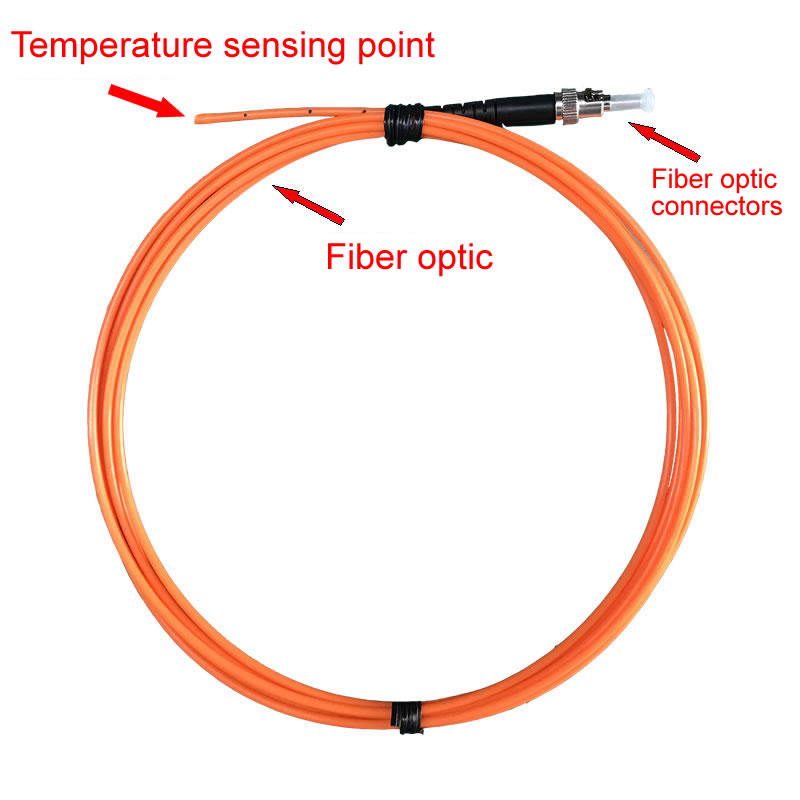
1、Fluorescent Fiber Optic Temperature Sensor Probes
Ang fluorescent fiber optic temperature probe ay may magandang electrical insulation, anti-electromagnetic interference, paglaban sa kaagnasan ng kemikal, walang polusyon at maraming iba pang tradisyonal na mga sensor ng temperatura ay hindi maihahambing sa mga pakinabang.
2、Distributed temperature measurement optical fiber armored temperature sensing optical cable
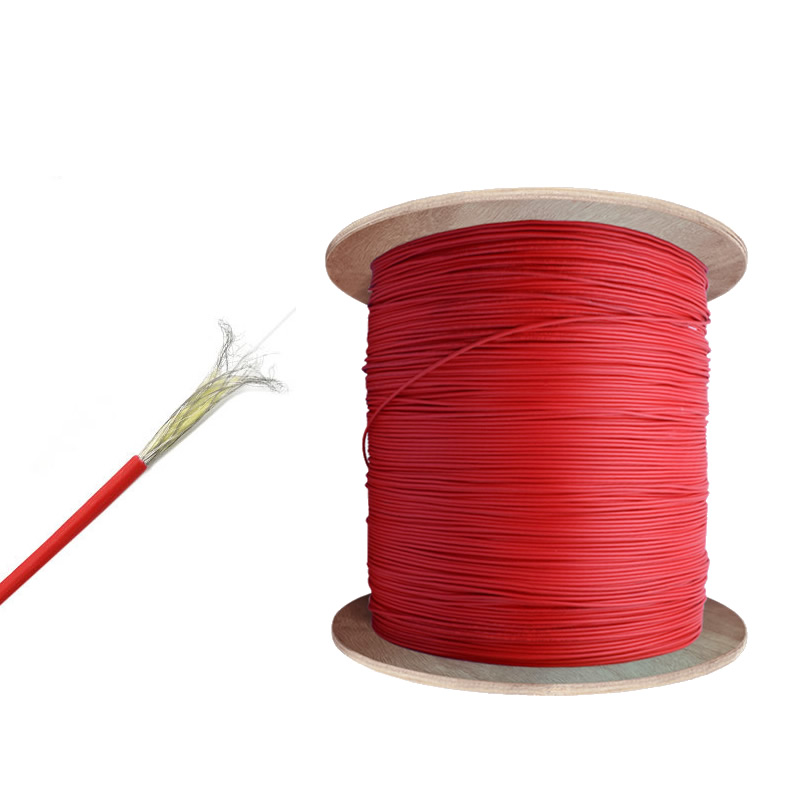
Fiber optic temperatura sensing, Ang FOTS ay isang teknolohiya sa pagsukat ng temperatura batay sa mga signal ng paghahatid ng optical fiber, na gumagamit ng mga pisikal na katangian ng optical fibers upang makamit ang paghahatid at pagsukat ng mga signal ng temperatura. Ang temperature sensing fiber optic sensor ay binubuo ng fiber optic transmission module at isang temperature sensing head, na maaaring masukat ang temperatura sa anumang posisyon at sa anumang kapaligiran.
3、Fiber Bragg Grating Temperature Sensor
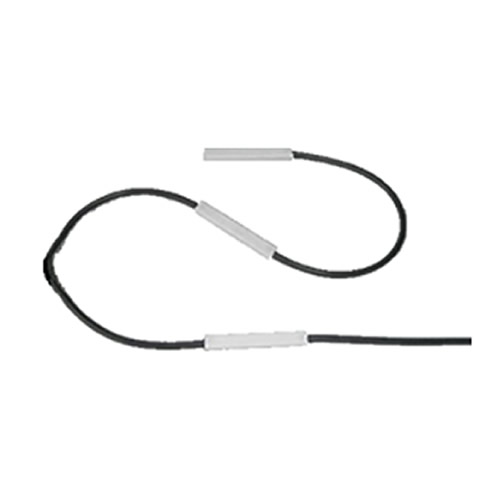
The IF-FBG fiber optic grating temperature sensor is a new type of temperature sensor developed specifically for temperature measurement of power switchgear, utilizing the inherent temperature sensing characteristics of fiber optic gratings. It is suitable for temperature monitoring and fire alarm at high-voltage power switchgear, mataas na boltahe cable joints, atbp. in power plants, mga substation, at iba pang lugar. It has many advantages such as high temperature measurement accuracy, mataas na boltahe na pagtutol, anti creep, paglaban sa kaagnasan, strong lightning resistance, at walang malakas na electromagnetic interference.

Sensor ng temperatura ng fiber optic, Intelligent na sistema ng pagsubaybay, Ibinahagi ang tagagawa ng fiber optic sa China
 |
 |
 |