 INNO fiber optic na mga sensor ng temperatura ,mga sistema ng pagsubaybay sa temperatura.
Direct Measurement Methods
- Mga Sensor ng Temperatura ng Fiber Optic: Install fluorescent or FBG fiber optic probes directly into transformer windings during manufacturing or retrofit to measure actual hot spot temperature with ±1°C accuracy
- Embedded RTD Sensors: Place resistance temperature detectors in winding assembly before final assembly, though less common due to electromagnetic interference concerns
- Infrared Thermal Imaging: Use thermal cameras on accessible transformer surfaces during shutdown for external temperature mapping, limited to surface temperatures only
Mga Paraan ng Hindi Direktang Pagkalkula
- Top Oil Temperature Method: Measure top oil temperature using standard thermometers and add calculated winding gradient based on transformer loading and design parameters
- Winding Temperature Indicator (WTI): Use thermal replica devices that simulate winding temperature through heated elements responding to load current and oil temperature
- IEEE C57.91 Thermal Model: Calculate hot spot temperature using mathematical formulas based on top oil temperature, temperatura ng kapaligiran, kasalukuyang load, and transformer thermal constants
- IEC 60076-7 Pamamaraan: Apply standardized calculation procedures using measured top oil temperature, load factor, and transformer-specific thermal characteristics
Mga Advanced na Sistema sa Pagsubaybay
- Multi-Point Fiber Optic Arrays: Deploy multiple fiber optic sensors at different winding locations (itaas, gitna, bottom) for comprehensive temperature profile mapping
- Online Monitoring System: Integrate continuous temperature measurement with SCADA systems for real-time hot spot tracking and predictive maintenance
- Hybrid Approaches: Combine direct fiber optic measurement at critical points with thermal calculations for comprehensive temperature monitoring across entire winding structure
- Smart Sensors with IoT: Utilize wireless-enabled monitoring devices that transmit temperature data to cloud platforms for remote analysis and alarming
Measurement Point Selection
- Primary Hot Spot Location: Install sensors at the top of the innermost high-voltage winding layer where maximum temperature typically occurs
- Secondary Measurement Points: Place additional sensors in low-voltage windings, mid-winding positions, and top oil for gradient analysis
- Reference Points: Monitor bottom oil and ambient temperature to establish baseline conditions and validate thermal models
- Redundant Sensing: Deploy backup sensors at critical locations to ensure continuous monitoring capability in case of primary sensor failure
Installation Timing Options
- Factory Installation (New Transformers): Embed fiber optic sensors during winding manufacturing process before oil filling for optimal placement and reliability
- Retrofit During Maintenance: Install sensors when transformer is opened for scheduled maintenance, pagkukumpuni, or oil replacement – requires complete shutdown and de-energization
- External Monitoring Only: Implement non-invasive methods like top oil temperature measurement combined with thermal calculations when internal access is not feasible
- 1. Understanding Transformer Winding Hot Spot Temperature
- 2. Hot Spot Temperature Measurement Methods
- 3. Fiber Optic Temperature Measurement Technology
- 4. Hot Spot Temperature Monitoring System Design
- 5. Installation Guidelines
- 6. Transformer Applications
- 7. Data Analysis and Applications
- 8. System Selection Criteria
- 9. Pagsasama ng System
- 10. Operation and Maintenance
- 11. Standards and Certifications
- 12. Why Choose Our Solutions
- 13. Mga Madalas Itanong
- 14. Makipag-ugnayan sa Amin
1. Understanding Transformer Winding Hot Spot Temperature

1.1 What is Hot Spot Temperature in Transformer
Ang transformer hot spot temperature refers to the highest temperature point within the transformer windings during operation. Pag-unawa what is hot spot temperature in transformer is critical for asset management. This critical parameter directly impacts transformer life assessment at pagiging maaasahan ng pagpapatakbo.
1.2 Transformer Hot Spot Temperature Definition
Ang transformer hot spot temperature definition according to IEEE and IEC standards is the maximum winding temperature, typically occurring in the upper sections of the innermost winding layers. This temperature determines insulation aging rates and overall transformer thermal overload kakayahan.
1.3 Importance of Hot Spot Monitoring
Pagsubaybay sa hot spot ng transformer enables predictive maintenance strategies. Real-time monitoring through digital na monitor ng transpormer systems prevents catastrophic failures and extends equipment lifespan. Studies show that every 8°C increase above rated temperature doubles insulation aging rate.
2. Hot Spot Temperature Measurement Methods
2.1 Transformer Hot Spot Temperature Calculation
Tradisyonal transformer hot spot temperature calculation uses thermal models based on top oil temperature and load current. The standard formula follows IEEE C57.91:
| Pamamaraan | Katumpakan | Real-time | Gastos |
|---|---|---|---|
| Thermal Calculation | ±10-15°C | Oo | Mababa |
| Winding Temperature Indicator | ±5-8°C | Oo | Katamtaman |
| Fiber Optic Direct Measurement | ±1°C | Oo | Medium-High |
2.2 Direct vs Indirect Measurement
Habang winding temperature indicator in transformer provides estimates, direkta pagsukat ng temperatura ng fiber optic delivers precise data. Moderno kagamitan sa pagsubaybay ng transpormer combines both approaches for comprehensive oversight.
3. Fiber Optic Temperature Measurement Technology
Mga Sensor ng Temperatura ng Fiber Optic
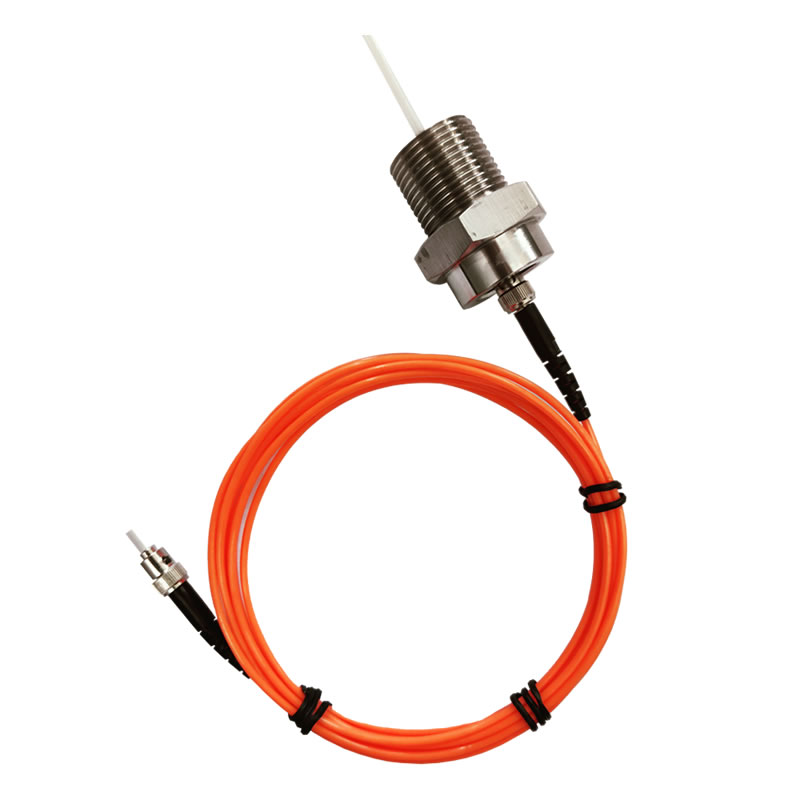
Mga sensor ng temperatura ng fiber optic represent the gold standard for transformer winding hot spot temperature determination. Ang mga ito optical sensor ng temperatura systems offer immunity to electromagnetic interference, making them ideal for high-voltage environments.
3.1 Fluorescent Fiber Optic Technology
Fluorescent probe ng temperatura ng fiber optic systems measure temperature through luminescence decay time. Kabilang sa mga pangunahing bentahe:
- Saklaw ng temperatura: -40°C hanggang +250°C
- Katumpakan: ±1°C or ±0.5% of reading
- Oras ng pagtugon: <1 pangalawa
- Complete electrical isolation
3.2 Fiber Bragg Grating (FBG) Mga sistema
Nakabatay sa FBG sistema ng pagsukat ng temperatura ng fiber optic enables multi-point monitoring along a single fiber. This technology supports online na pagsubaybay sa transpormador na may hanggang sa 16 measurement points per channel.
3.3 Advantages of Fiber Optic Solutions for Temperature Monitoring
Fiber optic solutions for temperature monitoring magbigay:
- Intrinsic safety in explosive environments
- Long-term stability over 20+ taon
- Immunity to electrical noise and EMI
- Small size enabling precise placement
- Compatible with langis ng transpormer and insulation materials
4. Hot Spot Temperature Monitoring System Design

4.1 Diskarte sa Paglalagay ng Sensor
Pinakamainam transformer heat sensor placement requires understanding thermal distribution patterns. Para sa power transpormer at pamamahagi transpormer mga aplikasyon, sensors should be positioned at:
- Top layer of HV winding innermost turn
- Top layer of LV winding (kung naaangkop)
- Middle sections for large transformers
4.2 Multi-Point Monitoring Configuration
| Uri ng Transformer | Recommended Sensors | Measurement Points |
|---|---|---|
| Distribution Transformer (<1 MVA) | 2-4 | HV winding, nangungunang langis |
| Power Transformer (1-100 MVA) | 4-8 | HV/LV windings, langis |
| Large Power Transformer (>100 MVA) | 8-16 | Multiple winding layers, oil gradient |
5. Installation Guidelines

5.1 New Transformer Installation
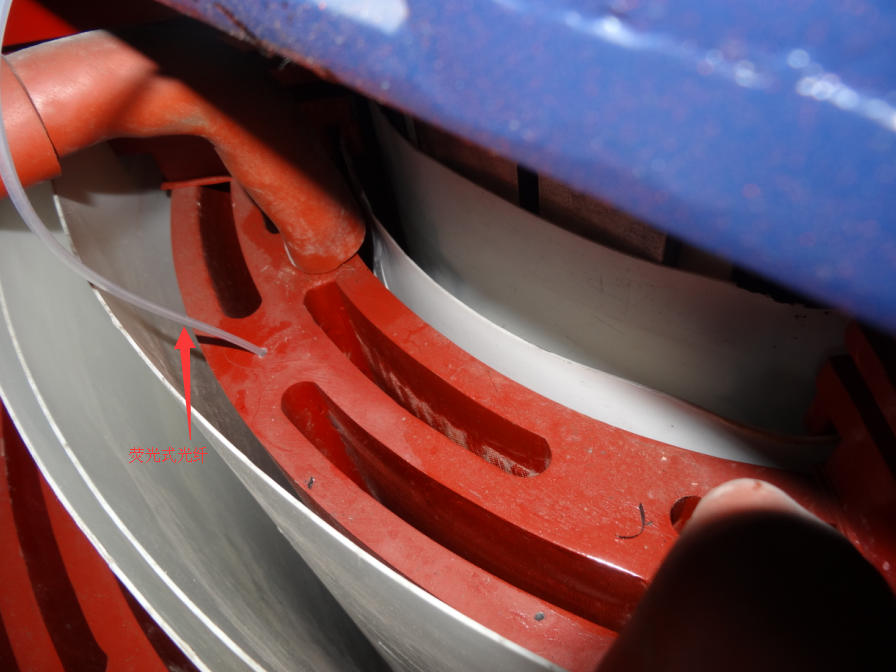
Transformer temperature sensor installation in new units occurs during manufacturing. Sensors are embedded within windings before oil filling, ensuring optimal placement for accurate winding temperature in transformer pagsukat.
5.2 Retrofit Installation Requirements
Important: Pag-install pagmamanman ng fiber optic mga sistema in operating transformers requires complete shutdown and de-energization. The retrofit process involves:
- Complete transformer outage and oil drainage
- Tank opening and winding access
- Professional sensor installation at hot spot locations
- Hermetic sealing and system testing
For specific installation procedures and technical support, please contact our engineering team. We provide detailed installation manuals and on-site technical assistance for both oil filled transformer at dry type transformer mga aplikasyon.
6. Transformer Applications
| Aplikasyon | Key Monitoring Parameters |
|---|---|
| Oil-Immersed Power Transformer | Winding hot spot, nangungunang langis, oil gradient |
| Dry Type Transformer | Winding hot spot, temperatura ng kapaligiran |
| Industrial Transformer | Hot spot, overload capability, thermal trend |
| Traction Transformer | Dynamic hot spot, rapid load changes |
7. Data Analysis and Applications
7.1 Real-Time Temperature Monitoring
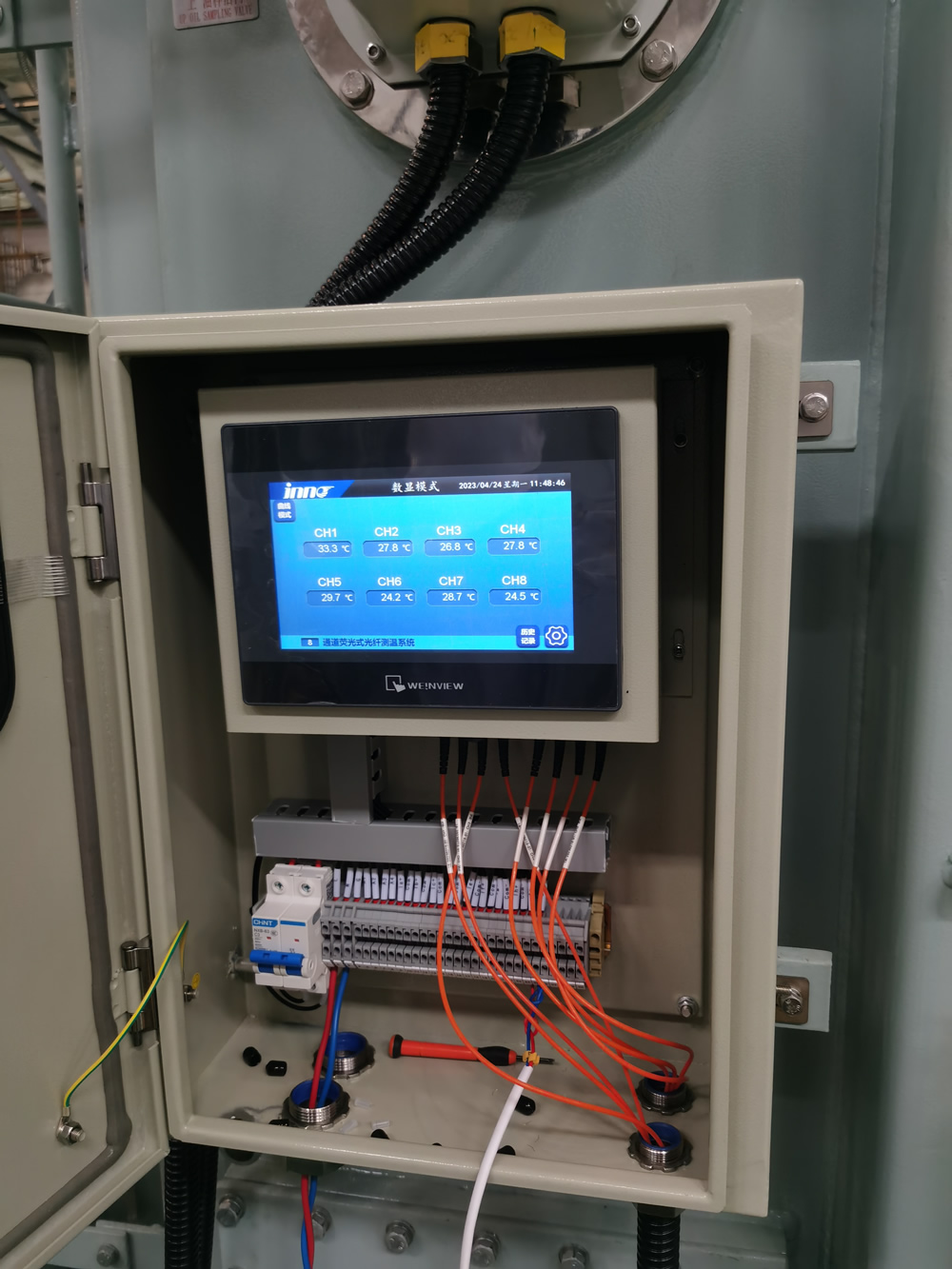
Moderno transformer remote monitoring systems provide continuous hot spot tracking. Pagsasama sa transformer IoT system platforms enables cloud-based analytics and mobile access.
7.2 Transformer Temperature Rise Analysis

Pag-unawa transformer temperature rise patterns helps optimize loading strategies. Ang sistema ng pagsukat ng temperatura ng fiber optic captures thermal dynamics during:
- Load step changes
- Ambient temperature variations
- Cooling system performance changes
7.3 Predictive Maintenance Applications
Transformer predictive maintenance relies on historical temperature data. Sinusuportahan ng system:
- Aging rate calculation based on IEEE standards
- Remaining life estimation
- Optimal maintenance scheduling
- Transformer failure analysis and prevention
8. System Selection Criteria
| Pagtutukoy | Karaniwang Saklaw | Mga pagsasaalang-alang |
|---|---|---|
| Saklaw ng Temperatura | -40°C hanggang +200°C | Match transformer operating conditions |
| Katumpakan | ±1°C or ±0.5% | IEEE C57.91 compliance |
| Bilang ng mga Channel | 4-16 puntos | Based on transformer size and criticality |
| Protokol ng Komunikasyon | Modbus, IEC 61850, OPC | SCADA system compatibility |
9. Pagsasama ng System
9.1 Transformer Online Monitoring System Integration
Ang fiber optic thermometer integrates seamlessly with comprehensive online na pagsubaybay sa transpormador mga platform, pagsasama-sama:
- Transformer current monitoring sensor datos
- Transformer oil level gauge readings
- Transformer vibration sensor measurements
- Transformer partial discharge monitor outputs
9.2 Communication and Alarming
Modern systems feature transformer safety alarm at transformer alarm device functionality with configurable thresholds for maximum winding temperature of transformer limits.
10. Operation and Maintenance
10.1 Routine Maintenance
Transformer preventive maintenance for fiber optic systems includes:
- quarterly: Communication verification
- Semi-annual: Alarm function testing
- Annual: Pag-verify ng pagkakalibrate
10.2 Troubleshooting
| Issue | Malamang na Dahilan | Aksyon |
|---|---|---|
| Signal loss | Fiber damage or connector issue | Check fiber continuity, inspect connectors |
| Mga maling pagbabasa | Moisture ingress or sensor degradation | Verify sealing integrity, sensor replacement if needed |
| Kabiguan sa komunikasyon | Network configuration | Check IP settings and protocol configuration |
11. Standards and Certifications
11.1 Applicable Standards
- IEC 60076-7: Loading guide for mineral-oil-immersed transformers
- IEEE C57.91: Guide for loading mineral-oil-immersed transformers
- IEC 61850: Communication standard for substation automation
- IEEE C57.116: Guide for transformers directly connected to generators
12. Why Choose Our Solutions
12.1 Pamumuno sa Industriya
Sa 13 years of manufacturing experience sa pagsubaybay sa temperatura ng fiber optic, we deliver proven solutions for electrical transformer at pang-industriyang transpormer applications worldwide.
12.2 Comprehensive Product Range
Our portfolio includes:
- Fluorescent fiber optic temperature systems (1-8 mga channel)
- FBG-based multi-point monitoring (hanggang sa 16 puntos)
- Pinagsama sensor ng kondisyon ng transpormer packages
- Kumpleto matalinong pagsubaybay sa transpormer mga solusyon
12.3 Global Track Record
Deployed in 60+ mga bansa across diverse applications including current transformer pagsubaybay, mga sistema ng proteksyon ng transpormer, and comprehensive asset management programs.
12.4 Teknikal na Suporta
- Application engineering assistance
- Custom solutions for special requirements
- Comprehensive iskedyul ng pagpapanatili ng transpormer suporta
- Training and commissioning services
13. Mga Madalas Itanong
What is the standard hot spot temperature limit?
Para sa oil filled transformer mga yunit, the typical hot spot limit is 110°C for normal loading and 130°C for emergency overload (IEEE C57.91). Tuyong uri ng transpormer limits vary by insulation class (F: 155°C, H: 180°C).
How accurate is the winding hot spot temperature transformer formula?
Calculation methods typically provide ±10-15°C accuracy, while direct sensor ng temperatura ng fiber optic measurement achieves ±1°C, making it superior for critical applications.
Can fiber optic sensors withstand transformer oil environment?
Oo, ating optical sensor ng temperatura systems are specifically designed for long-term immersion in langis ng transpormer and insulation systems, with proven reliability exceeding 20 taon.
Does installation affect transformer insulation?
When properly installed, probe ng temperatura ng fiber optic systems do not compromise insulation integrity. The sensors are compact, di-metal, and compatible with all insulation materials.
How many sensors are needed?
Minimum 2-4 sensors for pamamahagi transpormer mga yunit; 4-8 for medium power transpormers; 8-16 for critical or large transformers. Exact configuration depends on transformer vibration analysis at thermal modeling.
What is the system lifespan?
Pagsubaybay sa fiber optic systems typically provide 20+ years of maintenance-free operation, matching or exceeding transformer service life.
How does it compare to winding temperature indicators?
Tradisyonal winding temperature indicator in transformer provides indirect measurement with ±5-8°C accuracy. Fiber optic solutions for temperature monitoring offer direct measurement with ±1°C accuracy and multi-point capability.
14. Contact Us for Technical Solutions
For detailed specifications, transformer hot spot temperature diagram, application guidance, or to request our comprehensive winding hot spot temperature transformer PDF dokumentasyon, please contact our technical team:
- Application-specific system design
- Installation procedure documentation
- Integration support for transformer noise monitoring and complete condition monitoring systems
- Quotations and delivery schedules
Our engineers provide expert consultation on transformer winding hot spot temperature determination for all transformer types and applications.
Disclaimer
This guide provides general information about transformer hot spot temperature measurement technologies and methods. Actual system specifications, mga pamamaraan ng pag-install, and performance characteristics may vary based on specific transformer designs, mga kondisyon ng pagpapatakbo, at mga kinakailangan sa aplikasyon. All transformer work should be performed by qualified personnel following applicable safety standards and manufacturer guidelines. The information presented does not constitute professional engineering advice. Para sa mga kritikal na aplikasyon, consult with certified transformer specialists and conduct thorough engineering analysis. Product specifications and standards referenced are subject to updates and revisions. Always verify current standards and best practices before implementation.

Sensor ng temperatura ng fiber optic, Intelligent na sistema ng pagsubaybay, Ibinahagi ang tagagawa ng fiber optic sa China
 |
 |
 |