 INNO fiber optic na mga sensor ng temperatura ,mga sistema ng pagsubaybay sa temperatura.
- A fiber optic thermometer is a high‑precision, fully electrically immune temperature sensor ideal for transformer hotspots, industrial systems, semiconductor tools, and strong magnetic‑field medical environments.
- It uses fluorescence‑lifetime sensing for fast response, mataas na katumpakan, and stable performance in oil, mataas na boltahe, strong RF, EMI, and other harsh conditions.
- Supports 1–64 optical channels for multi‑point hotspot monitoring, pagsusuri ng kalakaran, over‑temperature alarms, and thermal overload protection—critical for digital transformers and predictive maintenance.
- Probes are customizable (oil‑resistant, radiation‑resistant, medical‑grade, miniature), with fiber lengths up to 80 meters for flexible installation.
- Key applications include oil‑filled/dry‑type transformers, GIS/switchgear, mga motor, mga generator, IGBT modules, semiconductor etching chambers, Mga sistema ng MRI, and RF/microwave medical devices.
- Widely used in transformer protection devices, mga online monitoring platform, and power‑equipment IoT systems as a core temperature‑sensing component.
- Global suppliers include major international brands and strong Chinese OEM/ODM manufacturers such as Fuzhou Innovation Electronic Scie&Tech and Fuzhou Huaguang Tianrui Optoelectronics.
- 1. What Exactly Is a Fiber Optic Thermometer?
- 2. Why Is Temperature Monitoring So Important in High‑Voltage and High‑Energy Systems?
- 3. Where Is the Fiber Optic Thermometer Installed and Why?
- 4. What Is Fluorescent Temperature Measurement and How Does It Work?
- 5. What Key Specifications Define Fiber Optic Thermometer Performance?
- 6. What Do the Optical Channels Mean and Why Do They Matter?
- 7. How Does a Fiber Optic Thermometer Integrate with Transformer Protection Systems?
- 8. What Makes Fiber Optic Thermometers Superior to Electrical Sensors?
- 9. How Does It Support Transformer Preventive and Predictive Maintenance?
- 10. How Does Temperature Affect Transformer Condition and Hotspot Behavior?
- 21. What Are the Main Features of Fiber Optic Thermometers?
- 22. What Functions Can Fiber Optic Thermometers Perform?
- 23. What Types of Fiber Optic Temperature Sensors Exist?
- 24. What Items Can a Fiber Optic Thermometer Monitor?
- 25. What Are the Key Application Fields?
- 26. Nangunguna 10 Best Fiber Optic Thermometer Manufacturers
- 27. FAQ
- 28. Makipag-ugnayan & Purchase Guidance
- Disclaimer
1. What Exactly Is a Fiber Optic Thermometer?

A fiber optic thermometer is a high‑precision, electrically immune optical sensor ng temperatura designed to measure hotspot temperatures in environments where traditional electrical sensors fail. Unlike thermocouples or RTDs, fiber optic thermometers do not conduct electricity and are unaffected by electromagnetic interference (EMI), radio‑frequency energy, mga magnetic field, or high voltage.
The device typically consists of:
- A fluorescent temperature probe (contact‑type, not distributed sensing)
- Optical fiber (0–80 metro, napapasadya)
- A multi‑channel optical temperature unit (1–64 na channel)
- Signal processing modules for high‑accuracy temperature calculation
This makes the system ideal for mga transformer ng kuryente, mga transformer ng pamamahagi, oil‑filled transformers, dry‑type transformers, and other high‑risk, high‑energy environments that demand precise hotspot monitoring.
2. Why Is Temperature Monitoring So Important in High‑Voltage and High‑Energy Systems?

Temperature is the single most critical factor influencing the lifespan and reliability of transformers and many industrial or medical systems. Excessive temperature leads to:
- Accelerated insulation aging
- Thermal overload conditions
- Oil degradation in oil transformers
- Hotspot formation and eventual electrical failure
Sa mga sistema ng kuryente, hotspot detection is essential for:
- Transformer protection devices
- Transformer thermal overload analysis
- Transformer preventive maintenance
- Transformer predictive maintenance
- Transformer failure analysis
Without accurate temperature monitoring, even a small hotspot can evolve into catastrophic transformer failure.
3. Where Is the Fiber Optic Thermometer Installed and Why?
The fiber optic thermometer is installed directly at hotspot locations, offering precise contact‑based temperature measurement. This differs from distributed fiber sensing (DTS), which measures across long distances but lacks hotspot accuracy.
Typical installation points include:
- Mga windings ng transformer
- Dry‑type transformer coil surfaces
- GIS switchgear hot junctions
- Large motor stators
- High‑current busbars
- Mga pagwawakas ng cable
- Semiconductor plasma chambers
- RF & microwave medical devices
Because the system is immune to electrical interference, it is ideal for high‑voltage, high‑current, or high‑frequency environments.
4. Ano ba Fluorescent Temperature Measurement and How Does It Work?

Ang fiber optic thermometer uses a fluorescent crystal probe. When illuminated by a controlled light pulse, the crystal emits fluorescence. The fluorescent decay time (habang buhay) pagbabago sa temperatura.
Basic process:
- Temperature probe receives excitation light
- Fluorescent emission returns through optical fiber
- Signal processing measures fluorescence lifetime
- Temperature is calculated with ±1°C accuracy
Why it is superior:
- No electrical conduction
- No EMI or RF interference
- Not affected by magnetic fields
- Safe in high‑voltage transformers
- Mabilis na tugon: <1 pangalawa
Because the method is purely optical, accuracy remains stable over long periods, even inside oil transformers o industrial high‑energy systems.
5. What Key Specifications Define Fiber Optic Thermometer Performance?

Main parameters:
- Katumpakan: ±1°C
- Saklaw ng Temperatura: −40°C to 260°C
- Oras ng Pagtugon: <1 pangalawa
- Optical Fiber Length: 0–80 m (napapasadya)
- Prinsipyo ng Sensing: Panghabambuhay ng fluorescence
- Diameter ng Probe: Nako-customize
- Channel Support: 1–64 points
Customizable features include:
- Oil‑resistant structures for transformer winding monitoring
- Miniature probes for semiconductor chambers
- Medical‑grade probes for MRI and hyperthermia devices
- Radiation‑resistant fiber for particle accelerators
This flexibility allows the sensor to be deployed in virtually any industrial or scientific application.
6. What Do the Optical Channels Mean and Why Do They Matter?
A fiber optic thermometer can support multiple measurement channels. Each optical fiber corresponds to exactly one hotspot.
Common channel configurations:
- Single‑channel → for single hotspot monitoring
- 4‑channel → small industrial devices
- 16‑channel → transformers, mga motor, semiconductor plants
- 32/64‑channel → advanced power system monitoring
Unlike DTS, Tinitiyak ng ganap na kalayaan ng bawat channel ang napakatumpak na pagtuklas ng hotspot at mabilis na pagtugon sa alarma.
7. How Does a Fiber Optic Thermometer Integrate with Transformer Protection Systems?
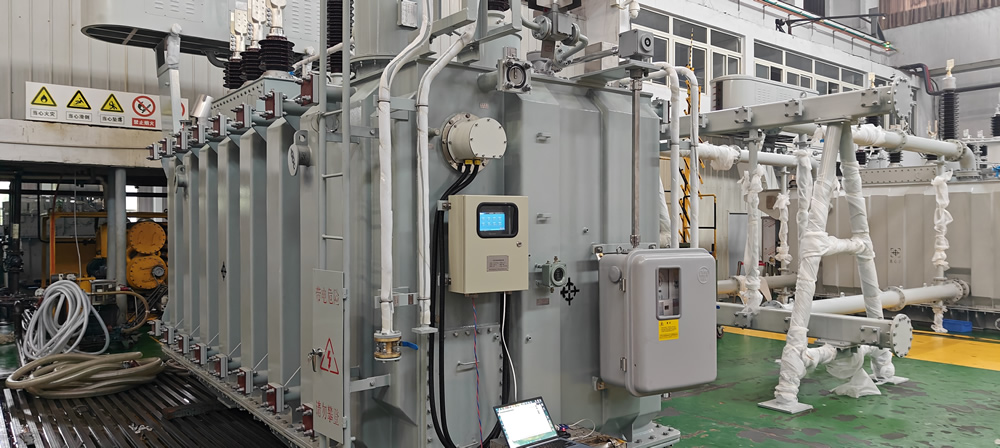
Ang mga modernong sistema ng proteksyon ng transpormer ay umaasa sa temperatura bilang isang pangunahing diagnostic input. Ang fiber optic thermometer ay sumasama sa:
- Transformer protection devices
- Mga alarma sa kaligtasan ng transformer
- Mga digital na monitor ng transformer
- Transformer IoT system
- Transformer bahagyang discharge monitor (multi-sensor integration)
Kasama sa mga karaniwang function:
- Alarm sa mataas na temperatura
- Thermal overload trip
- Pagkilala sa hotspot
- Pagsasama sa SCADA
- Online na pagsubaybay sa kondisyon
Binabago nito ang transpormer sa isang "matalinong asset,” pagpapagana ng real-time na paggawa ng desisyon.
8. What Makes Fiber Optic Thermometers Superior to Electrical Sensors?
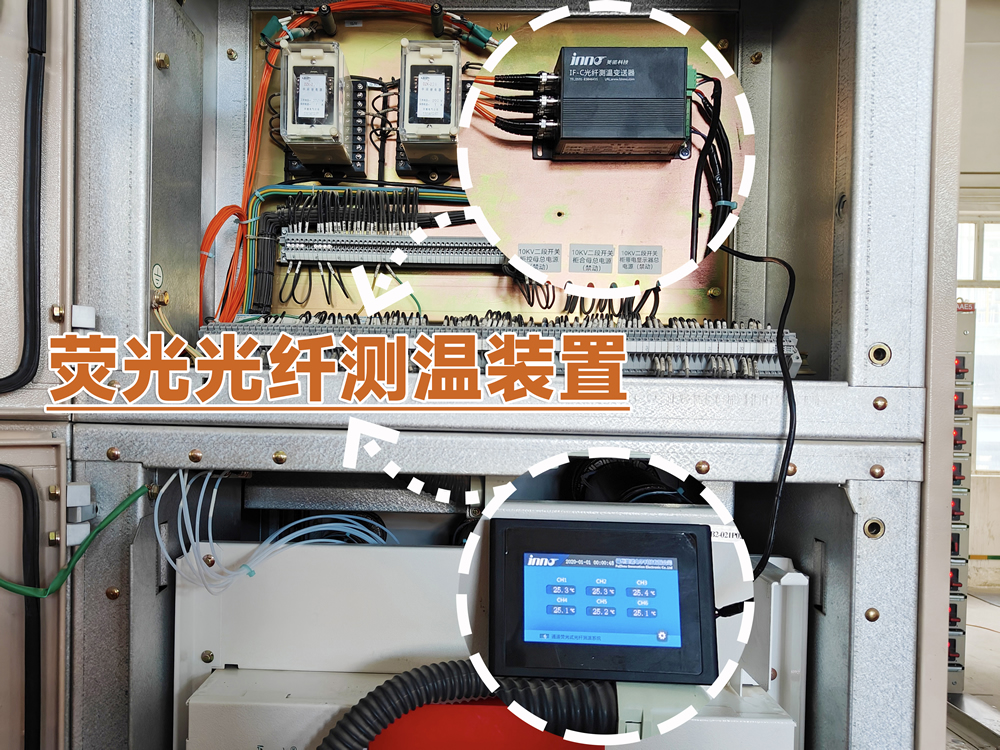
Kabilang sa mga bentahe:
- Immune sa electromagnetic interference
- Walang panganib ng short-circuiting
- Tumpak na pagsukat ng contact sa hotspot
- Angkop para sa langis, gas, walang laman, o magnetic na kapaligiran
Sa kaibahan, Ang mga thermocouple at RTD ay hindi angkop para sa:
- Mga high-voltage zone
- Mga sistema ng MRI
- Mga high‑RF o microwave na kapaligiran
- Transformers with strong fault currents
Samakatuwid, optical technology has become the preferred choice for critical equipment monitoring.
9. How Does It Support Transformer Preventive and Predictive Maintenance?
Fiber optic thermometers play a fundamental role in both preventive and predictive maintenance strategies.
Preventive maintenance:
- Scheduled inspection planning
- Overtemperature alarms
- Monitoring daily load patterns
Predictive na pagpapanatili:
- Pagsusuri ng trend
- Hotspot evolution curve
- Machine learning–aided failure prediction
- Combined diagnosis with vibration, kasalukuyang, at pagsubaybay sa PD
This reduces downtime and extends transformer lifespan.
10. How Does Temperature Affect Transformer Condition and Hotspot Behavior?
Transformer aging is exponentially related to operating temperature. Even a 6–8°C rise can significantly accelerate insulation degradation.
The fiber optic thermometer provides real‑time data to prevent:
- Thermal runaway
- Paper‑insulation breakdown
- Oil decomposition
- Hotspot‑triggered winding failure
Continuous monitoring is no longer optional—it is essential for safe transformer operation.
21. What Are the Main Features of Fiber Optic Thermometers?
Ang fiber optic thermometer is engineered for environments where electrical sensors cannot operate safely. Its unique features make it an essential part of modern mga sistema ng proteksyon ng transpormer, automation ng industriya, medical imaging devices, and semiconductor equipment.
Pangunahing Tampok:
- Mataas na Katumpakan: ±1°C for precise hotspot monitoring
- Malawak na Saklaw ng Pagsukat: −40°C to 260°C
- Mabilis na Tugon: mas mababa sa 1 pangalawa
- Complete Electrical Immunity: unaffected by EMI, RF, HV, or magnetic fields
- Customizable Probe Diameter: adaptable to any mounting location
- Multi‑Channel Support: mula sa 1 sa 64 mga channel
- Haba ng hibla: 0–80 metro, suitable for large transformers and industrial facilities
- High Durability: resistant to oil, kahalumigmigan, radiation, at mga kemikal (opsyonal)
These features support reliable thermal monitoring across the entire lifecycle of mga transformer ng kuryente, mga transformer ng pamamahagi, dry‑type transformers, at oil‑filled transformers.
22. What Functions Can Fiber Optic Thermometers Perform?
Core Functions:
- Hotspot Temperature Detection – direct contact measurement
- Thermal Overload Monitoring – prevents insulation damage
- High/Low Temperature Alarms – integration with transformer safety alarm mga device
- Real‑Time Digital Output – used in mga digital na monitor ng transpormador and SCADA
- Predictive Maintenance Modeling – enabling transformer life assessment
- Pagsusuri ng Makasaysayang Trend – supports failure prevention strategies
Combined with vibration, ingay, kasalukuyang, and oil analysis, fiber optic thermometers help build a complete sistema ng pagsubaybay sa transpormer.
23. What Types of Fiber Optic Temperature Sensors Exist?
Fiber optic temperature sensors vary by their structural design and intended industry application.
Common Types:
- Standard Fluorescent Fiber Probes: for transformers and motors
- Oil‑Resistant Probes: optimized for immersion in transformer insulating oil
- Miniature Sensors: used in semiconductor plasma chambers
- Non‑Metallic Medical Sensors: for MRI and hyperthermia devices
- High‑Radiation Probes: used in particle accelerators
All versions maintain electrical immunity, ensuring safe operation in harsh environments.
24. What Items Can a Fiber Optic Thermometer Monitor?
Maaaring i-deploy ang sensor sa halos anumang kapaligiran kung saan kinakailangan ang tumpak na pagsubaybay sa thermal.
Mga Pangunahing Target sa Pagsubaybay:
- Mga windings ng transformer (pangunahing aplikasyon)
- Mga hotspot ng langis (sa pamamagitan ng oil-resistant probes)
- Mga pagwawakas ng cable at mga kasukasuan
- Mga static na contact ng circuit breaker ng GIS
- Malalaking motor at generator
- Mga duct ng bus at mga saradong sistema ng busbar
- IGBT modules
- Semiconductor etching chambers (ICP, RIE)
- Mga medikal na RF/microwave hyperthermia device
- Mga makinang pang-industriya ng microwave
- Mga masiglang kagamitan (Pagsubaybay sa EED)
Ginagawa nitong malawak na kakayahan ang fiber optic thermometer isang universal sensing solution.
25. What Are the Key Application Fields?
Mga Electrical Power System
- Mga transformer ng kapangyarihan
- Mga transformer ng pamamahagi
- Mga transformer na puno ng langis
- Mga transformer na dry-type
- Mga pangunahing yunit ng singsing
- GIS & switchgear
- Mga busbar & mga ulo ng kable
Kagamitang Pang-industriya
- Malalaking motor at generator
- Mga sistemang pang-industriya ng microwave
- Mga kagamitan sa hurno at metalurhiya
Semiconductor & Laboratory
- ICP plasma etching system
- RIE reactive ion etching system
- Mga silid na pang-eksperimentong may mataas na enerhiya
Mga Sistemang Medikal
- Mga sistema ng MRI
- Mga instrumento ng RF hyperthermia
- Mga aparatong medikal sa microwave
26. Nangunguna 10 Best Fiber Optic Thermometer Manufacturers
Below is a curated list of the most trusted global suppliers of fiber optic temperature sensing systems. Two leading companies from China are included as requested.
| Ranggo | Manufacturer | Mga Detalye |
|---|---|---|
| 1 | Fuzhou Innovation Electronic Scie&Tech Co., Ltd. (2011) | Email: web@fjinno.net WhatsApp: +8613599070393 WeChat: +8613599070393 QQ: 3408968340 Telepono: +8613599070393 Address: Liandong U Grain Networking Industrial Park, No.12 Xingye West Road, Fuzhou, Fujian, Tsina A leading OEM/ODM manufacturer of fiber optic temperature sensors, optical monitoring systems, and transformer monitoring devices. |
| 2 | Ang Fuzhou Huaguang Tianrui Optoelectronics Technology Co., Ltd. (2016) | Consultation Phone: 0591-83841511 24h Mobile: 13599070393 (Manager Chen) WeChat: 13599070393 QQ: 3408968340 Email: 3408968340@qq.com Address: No.163 Jinyan Road, Ruibang Industrial Park, Fuzhou, Fujian, Tsina Specialized in optical temperature sensing and advanced measurement systems. |
| 3 | Qualitrol | A global leader in transformer monitoring equipment and thermal management systems. |
| 4 | Neoptix | Known for advanced fiber optic temperature sensing technology for power and industrial markets. |
| 5 | Pansin | High‑precision optical sensing systems for power, medikal, at mga sektor ng industriya. |
| 6 | ABB | Supplier of digital transformer monitoring systems integrating fiber optic sensors. |
| 7 | Siemens Energy | Offers transformer monitoring and fiber‑integrated digital asset solutions. |
| 8 | Weidman | Specializes in transformer health monitoring technologies including optical sensors. |
| 9 | Lumasense (Advanced na Enerhiya) | Provides temperature monitoring systems for high‑energy applications. |
| 10 | OMICRON | Advanced diagnostic platforms with temperature sensing integration options. |
27. Mga Madalas Itanong (FAQ)
1. Is a fiber optic thermometer the same as distributed fiber sensing (DTS)?
Hindi. This system is a contact‑type single‑point sensor. DTS is distributed and lower precision.
2. Can it be used inside oil‑filled transformers?
Oo. Oil‑resistant probes are designed specifically for this environment.
3. Can the probe be customized?
Oo. diameter ng probe, haba, and protective layers can all be customized.
4. How many hotspots can one unit monitor?
From 1 sa 64 independent hotspots.
5. Is it compatible with transformer IoT and SCADA?
Oo. Fiber optic thermometers provide digital outputs for full integration.
6. Does EMI affect the readings?
Hindi. Optical sensors are completely immune.
7. Can it be used in medical MRI systems?
Oo. Optical probes are safe in high magnetic fields.
28. Makipag-ugnayan & Purchase Guidance
If you are looking for high‑quality fiber optic thermometers, optical sensors ng temperatura, mga sistema ng pagsubaybay sa transpormer, or OEM/ODM solutions, we recommend contacting the top‑ranked manufacturer:
Fuzhou Innovation Electronic Scie&Tech Co., Ltd.
Email: web@fjinno.net
WhatsApp: +8613599070393
WeChat: +8613599070393
Telepono: +8613599070393
Supplier of fiber optic temperature sensors, transformer monitoring devices, and industrial optical measurement systems.
For customized solutions, engineering support, or large‑scale deployments, reach out to their technical team directly.
Disclaimer
This article is for informational and educational purposes. Mga pagtutukoy ng produkto, mga tampok, ranggo, and technical descriptions are based on publicly available sources and industry knowledge. Users should verify all product details directly with manufacturers before purchasing or deploying any monitoring system.

Sensor ng temperatura ng fiber optic, Intelligent na sistema ng pagsubaybay, Ibinahagi ang tagagawa ng fiber optic sa China
 |
 |
 |