 INNO fiber optic na mga sensor ng temperatura ,mga sistema ng pagsubaybay sa temperatura.
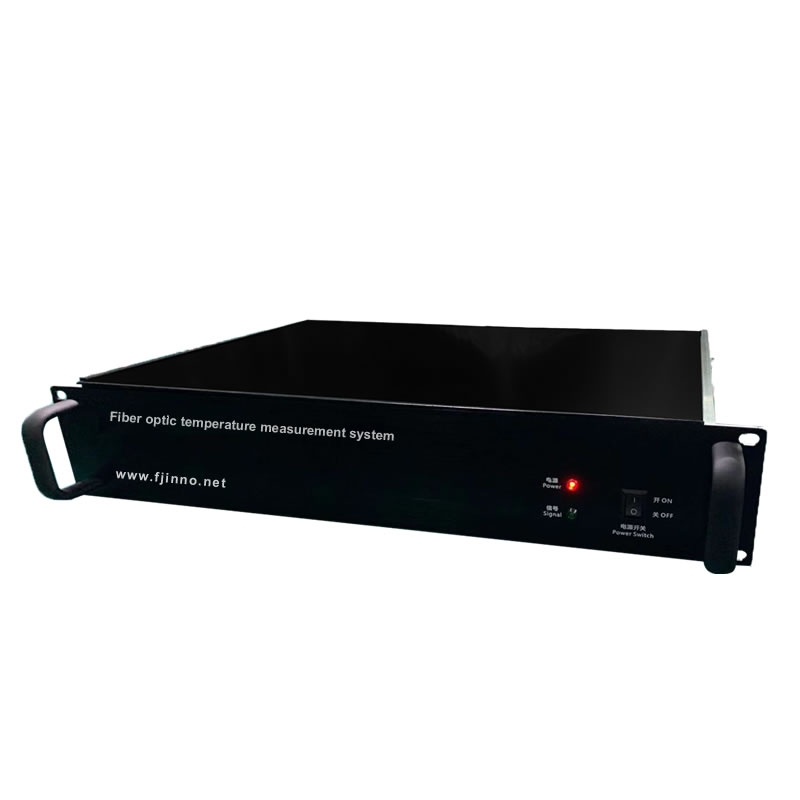
In the realm of generator condition monitoring, mga sensor ng temperatura ng fiber optic (PAA) have emerged as a game-changing technology. This article provides an in-depth exploration of fiber optic temperature sensors for generator windings, covering their working principles, mga pakinabang, mga bahagi ng system, mga aplikasyon, and future development trends.
Paano Gumagana ang Fiber Optic Temperature Sensor
Mga sensor ng temperatura ng fiber optic for generator windings primarily rely on fluorescence o fiber Bragg grating (FBG) teknolohiya. Sa mga sistemang nakabatay sa fluorescence, a rare-earth doped fluorescent core is used. Kapag nasasabik sa isang ilaw na pinagmulan, the fluorescent material emits light, at ang oras ng pagkabulok of this emission is temperature-dependent. Sa pamamagitan ng pagsukat ng oras ng pagkabulok, the temperature can be accurately determined.
FBG-based sensors, sa kabilang banda, use a periodic variation in the refractive index of the fiber core to create a grating that reflects specific wavelengths of light. Temperature changes cause the grating pitch to change, altering the reflected wavelength, which is then measured to determine the temperature. Halimbawa, FJINNO’s fiber optic sensors gamitin fluorescence technology to achieve precise temperature measurements.
Key Advantages of Fiber Optic Temperature Sensors for Generator Windings
EMI/RFI Immunity
Generators are characterized by high electric and magnetic fields. Traditional temperature sensors like mga detektor ng temperatura ng paglaban (Mga RTD) at mga thermocouple are prone to electromagnetic interference (EMI) at panghihimasok sa dalas ng radyo (RFI), leading to measurement inaccuracies. Mga sensor ng temperatura ng fiber optic, being non-metallic and non-magnetic, ay immune to EMI/RFI, ensuring reliable temperature measurements in high-voltage environments.
Direktang Pagsukat ng Temperatura sa Hotspot
Generator winding mga hotspot are often located deep within the windings, making them difficult to access. Traditional sensors struggle to provide accurate temperature measurements of these critical points. Mga sensor ng fiber optic can be embedded directly into the windings, pagpapagana real-time na pagsubaybay of hotspot temperatures and providing a more accurate assessment of winding insulation conditions.
Mabilis na Oras ng Pagtugon
Mga sensor ng temperatura ng fiber optic can quickly respond to temperature changes, lalo na sa mga biglaang pagkakaiba-iba ng pagkarga. Ito mabilis na tugon nagbibigay-daan para sa napapanahong pagtuklas ng mga isyu sa overheating, nagbibigay-daan sa mga operator na gumawa ng agarang aksyon at maiwasan ang pinsala sa generator.
Pangmatagalang Katatagan at Katumpakan
Mga sensor ng temperatura ng fiber optic mataas ang alok pangmatagalang katatagan at katumpakan ng pagsukat, karaniwang may katumpakan ng ±1.0°C o mas mataas. Maaari nilang mapanatili ang kanilang pagganap sa haba ng buhay ng generator nang hindi nangangailangan ng madalas na pagkakalibrate.
Pagkakatugma sa Smart Grids
Mga sensor ng temperatura ng fiber optic maaaring isama sa mga sistema ng matalinong grid. Nagbibigay sila ng real-time na data ng temperatura na tumutulong sa pag-optimize ng operasyon ng generator, pagpapabuti ng pagiging maaasahan ng grid, at pagsuporta sa dynamic na pamamahala ng pagkarga.
Mga Bahagi ng System ng Fiber Optic Temperature Sensor para sa Generator Windings
Fiber Optic Probes
Ang pangunahing bahagi ng system, fiber optic probes ay dinisenyo upang mapaglabanan ang malupit na kapaligiran sa loob ng mga generator. Ang mga ito ay karaniwang gawa sa mga materyales na may mataas na dielectric na lakas, tulad ng kuwarts o mga hibla ng polimer pinahiran ng mga proteksiyon na layer tulad ng PTFE, upang matiyak ang pangmatagalang katatagan at pagiging maaasahan.
Temperature Transmitter (Mga Signal Conditioner)
Kino-convert ng mga device na ito ang mga optical signal mula sa fiber optic probes sa mga sukat ng temperatura. They often feature familiar analog outputs at digital buses parang RS-485, paggawa ng integrasyon sa mga umiiral na PLC at monitoring software nang diretso.
Mga Optical Feedthrough
Installed on the generator’s housing, optical feedthroughs allow the monitoring light signal to travel to the sensor tip and back to the monitor. They ensure a secure and stable optical connection while maintaining the generator’s insulation performance.
Signal Processing Units
Ang signal processing unit is responsible for processing the temperature data from the fiber optic probes. It performs tasks such as pagpapalakas ng signal, pagsasala, at digitalization, converting the optical signals into usable temperature data.
Software sa Pagsubaybay
Advanced software sa pagsubaybay collects, pinag-aaralan, and displays real-time temperature data from the fiber optic temperature sensors. It can also perform functions like pag-log ng data, SCADA interconnection, and generating alarm signals when temperature thresholds are exceeded.
Applications of Fiber Optic Temperature Sensors in Generator Windings
Pagsubaybay sa Stator Winding Temperatures
Ang pangunahing aplikasyon ng mga sensor ng temperatura ng fiber optic sa generator windings ay monitoring temperatura ng stator winding. Sa pamamagitan ng tumpak na pagsukat ng temperatura sa pinakamainit na lugar sa mga paikot-ikot na stator, maaaring masuri ng mga operator ang pagkakabukod aging kondisyon ng generator at i-optimize ang operating load nito para mapahaba ang buhay ng serbisyo nito.
Pag-detect ng mga Overheating Fault
Mga sensor ng temperatura ng fiber optic maaaring mabilis na matukoy overheating faults sa generator windings. Kapag ang isang generator ay nakakaranas ng labis na karga o malfunction, ang temperatura sa ilang mga punto ay mabilis na tumaas. Ang mga sensor ay maaaring agad na matukoy ang mga pagtaas ng temperatura at ipadala ito mga signal ng alarma upang paganahin ang napapanahong pagpapanatili at pagkukumpuni, pag-iwas sa paglaki ng mga pagkakamali at pag-iwas sa mamahaling pagkasira ng kagamitan at pagkawala ng kuryente.
Pagsuporta sa Dynamic na Pag-load ng mga Generator
Gamit ang real-time na data ng temperatura na ibinigay ng mga sensor ng temperatura ng fiber optic, operators can dynamically adjust the generator’s load based on its actual temperature conditions. This allows generators to operate at higher loads while ensuring winding temperatures remain within safe limits, thereby improving the generator’s utilization efficiency at economic benefits.
Installation and Commissioning of Fiber Optic Temperature Sensors
Installation During Generator Manufacturing
Mga sensor ng temperatura ng fiber optic are typically installed during the generator manufacturing process. Probes are strategically placed adjacent to the hottest spots in the windings, usually within key spacers. Each fiber probe is then routed through the generator housing to the weld-on flange plate, where the fibers exit the housing and connect to the monitoring system.
Commissioning and Calibration
Pagkatapos ng pag-install, ang sensor ng temperatura ng fiber optic sistema must be commissioned and calibrated to ensure accurate temperature measurements. This involves checking the connections between the sensors and the monitoring system, pag-verify ng functionality ng monitoring software, at calibrating the sensors using standard temperature sources to ensure measurement accuracy.
Pag-aaral ng Kaso at Mga Halimbawa ng Application
FJINNO’s Fiber Optic Temperature Sensors
FJINNO’s fiber optic temperature sensors have been widely adopted in medium and high-voltage generator equipment. Their sensors can be installed where high-voltage and alternating electromagnetic fields pose problems for traditional RTD winding sensors. By inserting fiber sensors between the windings of motors and generators, continuous temperature measurement is enabled to protect insulation and extend maintenance schedules. Operators can monitor load conditions in real-time, maximizing energy and economic efficiencies.
Application in Hydropower Generators
Sa mga nakaraang taon, mga sensor ng temperatura ng fiber optic have been increasingly applied in hydropower generators. Halimbawa, some new hydropower stations have incorporated teknolohiya ng pagsubaybay sa temperatura ng fiber optic into their generator stator temperature online monitoring systems from the outset of construction. During the design and production of the generator, fiber optic sensors are embedded in the stator windings. This allows for real-time monitoring of stator winding temperatures, providing accurate temperature data to ensure the safe and stable operation of the generator.
Mga Uso sa Pag-unlad sa Hinaharap
Technological Innovation and Performance Improvement
Ongoing research and development will focus on enhancing the performance of mga sensor ng temperatura ng fiber optic, such as improving katumpakan ng pagsukat, reducing oras ng pagtugon, and increasing sensor durability at pagiging maaasahan. Ang mga bagong uri ng fiber optic temperature sensors batay sa mga advanced na materyales at teknolohiya ay lalabas upang matugunan ang magkakaibang pangangailangan ng generator winding temperature monitoring.
Pagsasama sa Intelligent Generator Systems
Bilang ang matalinong grid patuloy na umuunlad, mga sensor ng temperatura ng fiber optic ay magiging mahalagang bahagi ng intelligent generator system. Malalim na isasama ang mga ito sa iba pang mga sensor at monitoring device para magbigay ng komprehensibong impormasyon sa mga kondisyon ng pagpapatakbo ng generator. Ang pagsasamang ito ay paganahin matalinong pagsusuri at pagsusuri ng katayuan ng generator, pagsuporta sa pagsasakatuparan ng mga substation na hindi binabantayan at mga awtomatikong operasyon ng grid.
Pagbawas ng Gastos at Mas Malawak na Aplikasyon
Sa kasalukuyan, ang halaga ng mga sensor ng temperatura ng fiber optic ay medyo mataas, nililimitahan ang kanilang malawakang pag-aampon sa ilang lawak. Sa hinaharap, sa pagsulong ng teknolohiya at economies of scale, ang halaga ng fiber optic temperature sensors ay inaasahang unti-unting bababa. This will promote their broader application in generators of various voltage levels and capacities, driving the development of the generator monitoring market.

Sensor ng temperatura ng fiber optic, Intelligent na sistema ng pagsubaybay, Ibinahagi ang tagagawa ng fiber optic sa China
 |
 |
 |