 INNO fiber optic na mga sensor ng temperatura ,mga sistema ng pagsubaybay sa temperatura.
- Sensing Layer: Fiber optic cable para sa Distributed Temperature Sensing (DTS), Bahagyang Paglabas (PD) mga sensor gamit ang HFCT at ultrasonic detection, kasalukuyang mga transformer para sa pagsubaybay sa pagkarga, at mga sensor ng panginginig ng boses para sa mekanikal na pagtukoy ng stress sa kahabaan ng ruta ng cable.
- Mga Yunit ng Data Acquisition: DTS interogator gamit ang Raman scattering teknolohiya, Mga PD analyzer na may mga kakayahan sa pagkilala ng pattern, data logger para sa kasalukuyang at boltahe na mga sukat, at mga edge computing device para sa real-time na pagpoproseso ng signal sa mga substation.
- Imprastraktura ng Komunikasyon: Fiber optic network para sa high-bandwidth na paghahatid ng data, mga wireless na link (4G/5G) para sa mga malalayong lokasyon, Mga module ng pagsasama ng SCADA, at secure na mga koneksyon sa VPN para sa mga sentralisadong monitoring center.
- Platform ng Analytics: Cloud-based o on-premise server na nagpapatakbo ng mga thermal modeling algorithm, Mga predictive maintenance engine na pinapagana ng AI, makasaysayang mga sistema ng database para sa pagsusuri ng trend, at mga modelo ng machine learning para sa pagtuklas ng anomalya at paghula ng pagkabigo.
- User Interface: Mga dashboard na nakabatay sa web na nagpapakita ng mga real-time na kundisyon ng cable, mga mobile application para sa mga field engineer, mga awtomatikong sistema ng abiso ng alarma sa pamamagitan ng email at SMS, at nako-customize na mga tool sa pag-uulat para sa pamamahala ng asset at pagsunod sa regulasyon.
- Mga Yunit ng Data Acquisition: DTS interogator gamit ang Raman scattering teknolohiya, Mga PD analyzer na may mga kakayahan sa pagkilala ng pattern, data logger para sa kasalukuyang at boltahe na mga sukat, at mga edge computing device para sa real-time na pagpoproseso ng signal sa mga substation.
- Imprastraktura ng Komunikasyon: Fiber optic network para sa high-bandwidth na paghahatid ng data, mga wireless na link (4G/5G) para sa mga malalayong lokasyon, Mga module ng pagsasama ng SCADA, at secure na mga koneksyon sa VPN para sa mga sentralisadong monitoring center.
- Platform ng Analytics: Cloud-based o on-premise server na nagpapatakbo ng mga thermal modeling algorithm, Mga predictive maintenance engine na pinapagana ng AI, makasaysayang mga sistema ng database para sa pagsusuri ng trend, at mga modelo ng machine learning para sa pagtuklas ng anomalya at paghula ng pagkabigo.
- User Interface: Mga dashboard na nakabatay sa web na nagpapakita ng mga real-time na kundisyon ng cable, mga mobile application para sa mga field engineer, mga awtomatikong sistema ng abiso ng alarma sa pamamagitan ng email at SMS, at nako-customize na mga tool sa pag-uulat para sa pamamahala ng asset at pagsunod sa regulasyon.
1. Ano ang Eksaktong Sistema ng Pagsubaybay sa Cable?
A sistema ng pagsubaybay sa cable ay isang pinagsamang solusyon na patuloy na sumusukat sa mga kritikal na parameter ng underground o submarine power cables, kabilang ang pamamahagi ng temperatura, aktibidad ng bahagyang discharge, kasalukuyang load, at mga kondisyon sa kapaligiran. Ang mga system na ito ay nagbibigay ng real-time na data para sa pagpapatakbo ng paggawa ng desisyon at predictive na mga diskarte sa pagpapanatili.
Hindi tulad ng panaka-nakang manu-manong inspeksyon, pagsubaybay sa kondisyon ng cable nagpapatakbo 24/7, pagkolekta ng data sa pamamagitan ng mga sensor na naka-install sa kahabaan ng ruta ng cable o sa mga termination point. Ang impormasyon ay ipinapadala sa mga sentralisadong platform sa pagsubaybay kung saan sinusuri ng mga advanced na algorithm ang mga uso at bumubuo ng mga alerto bago mangyari ang mga pagkabigo.
Pinagsasama ng mga modernong sistema ang tatlong pangunahing teknolohiya: Ibinahagi ang Temperature Sensing (DTS) para sa pagtukoy ng hotspot, Bahagyang Paglabas (PD) pagsubaybay para sa pagtatasa ng kalusugan ng pagkakabukod, at Dynamic na Line Rating (DLR) para sa real-time na ampacity optimization. Tinutugunan ng bawat teknolohiya ang mga partikular na mode ng pagkabigo sa mga cable network.
2. Bakit Nagiging Mahalaga ang Pagsubaybay sa Kondisyon ng Cable para sa Power System?
Pagtanda ng Krisis sa Imprastraktura
Sa buong mundo, 30-40% tapos na ang mga underground cable network 20 taong gulang, papalapit sa katapusan ng idinisenyong buhay ng serbisyo. Ang pagkasira ng pagkakabukod ay mabilis na nagpapabilis sa mga tumatandang cable, ginagawang kritikal ang maagang pagtuklas ng kahinaan upang maiwasan ang mga sakuna na pagkabigo.
Mga Gastos sa Astronomical Outage
Ang nag-iisang cable failure sa isang kritikal na urban network ay maaaring magresulta sa paglampas sa mga gastos sa outage $500,000 kada oras para sa mga komersyal na distrito. Ang hindi planadong downtime ay nakakaapekto sa libu-libong mga customer at sinisira ang reputasyon ng utility. Mga sistema ng pagsubaybay sa cable bawasan ang mga panganib na ito sa pamamagitan ng 80% sa pamamagitan ng mga kakayahan sa maagang babala.
Mga Demand ng Renewable Energy Integration
Ang mga wind farm at solar plants ay gumagawa ng mga variable na pattern ng pagkarga na nag-iiba sa mga sistema ng cable kaysa sa kumbensyonal na henerasyon. Real-time na pagsubaybay sa cable tinitiyak na gumagana ang mga asset na ito sa loob ng mga thermal limit habang pinapalaki ang kapasidad ng paglipat ng enerhiya sa panahon ng peak renewable generation period.
Mga Kinakailangan sa Pagsunod sa Regulasyon
Mga mandato ng grid resilience sa Europe, Hilagang Amerika, at Asya ay lalong nangangailangan ng mga utility na ipatupad ang pagsubaybay sa mga kritikal na asset ng transmission. Pagsunod sa mga pamantayan tulad ng IEC 60364 at IEEE 835 madalas na nangangailangan ng patuloy na kakayahan sa pagsubaybay.
3. Cable Monitoring vs. Mga Tradisyunal na Pamamaraan ng Manu-manong Inspeksyon
| Salik ng Paghahambing | Tradisyonal na Manu-manong Inspeksyon | Online Cable Monitoring |
|---|---|---|
| Saklaw ng Pagsubaybay | Pana-panahong mga pagsusuri sa lugar (quarterly/taon) | tuloy-tuloy 24/7 real-time na pagsubaybay |
| Pag-detect ng Fault | Reaktibo – pagkatapos mangyari ang kabiguan | Mahuhulaan – oras hanggang araw na maagang babala |
| Katumpakan ng Lokasyon | Antas ng seksyon (kilometro) | Katumpakan sa antas ng metro (1-2m kasama ang DTS) |
| Mga Gastos sa Paggawa | Mataas – nangangailangan ng patrol crew | Mababa – awtomatikong pagkolekta ng data |
| Pag-iwas sa Outage | Limitado – hindi mapipigilan ang mga biglaang pagkabigo | Binabawasan ang hindi planadong mga pagkawala ng 80%+ |
| Data Analytics | Walang historical trend analysis | Ang panghabambuhay na data ay nagbibigay-daan sa predictive modeling |
Bakit Nanalo ang Patuloy na Pagsubaybay
Ang pangunahing bentahe ng cable monitoring systems ay ang kanilang kakayahang makita ang pagkasira sa pinakamaagang yugto nito. Kinukuha lang ng mga manu-manong inspeksyon ang mga snapshot, nawawala ang mga kritikal na thermal event o partial discharge pattern na nangyayari sa pagitan ng mga agwat ng inspeksyon.
4. Paano Ginawa ang Distributed Temperature Sensing (DTS) Trabaho?

Prinsipyo ng Fiber Optic Physics
Pagsubaybay sa cable ng DTS gumagamit ng Raman scattering physics. Ang isang laser pulse ay naglalakbay sa pamamagitan ng optical fiber na naka-install sa tabi o nakabalot sa power cable. Habang nakikipag-ugnayan ang mga photon sa mga molekula ng hibla, nagkalat sila pabalik. Ang ratio ng anti-Stokes sa Stokes na nakakalat na liwanag ay nakadepende sa temperatura, nagbibigay-daan sa tumpak na pagsukat.
Spatial na Resolusyon at Katumpakan
Nakakamit ng mga modernong DTS system ang 1-meter spatial resolution sa mga distansya hanggang sa 30 kilometro na may katumpakan na ±1°C. Nangangahulugan ito na maaaring subaybayan ng isang unit ng interogator ang isang buong ruta ng cable sa ilalim ng lupa, pag-detect ng mga hotspot sa mga splice joint, mga pagwawakas, o mga lugar na may hindi sapat na thermal conductivity ng lupa.
Mga Karaniwang Aplikasyon ng DTS
- Mataas na Boltahe na Transmission Cable: 110kV-500kV na mga ruta kung saan ang mga panganib sa thermal runaway ay pinakamataas
- Mga Kable ng Submarino Power: Offshore wind farm koneksyon kung saan ang access ay imposible
- Pag-install ng Tunnel at Duct Bank: Siksik na urban cable corridors na may limitadong bentilasyon
- Mga Kable ng Power Traction ng Railway: Mataas na pag-load ng pagbabago-bago na kapaligiran
Bakit Pinipigilan ng DTS 80% ng Thermal Failures
Ang thermal overload ay ang pangunahing sanhi ng pagkasira ng pagkakabukod ng cable. Pagsubaybay sa DTS kinikilala ang pagbuo ng mga hotspot 6-48 oras bago maabot ng pagkakabukod ang kritikal na temperatura, na nagpapahintulot sa mga operator na bawasan ang load o mag-iskedyul ng emergency maintenance bago mangyari ang pagkabigo.
5. Ano ang Partial Discharge Monitoring at Bakit Ito Mahalaga?
Pag-unawa sa Partial Discharge Phenomenon
Bahagyang discharge (PD) ay naka-localize na pagkasira ng kuryente sa loob ng pagkakabukod na hindi ganap na tinutulay ang mga konduktor. Ito ay nangyayari sa mga voids, mga contaminants, o mga depekto sa XLPE o EPR insulation, unti-unting pagguho ng materyal hanggang sa mangyari ang kumpletong pagkabigo.
Mga Teknolohiya ng Pagtuklas
Mga sistema ng pagsubaybay sa PD gumamit ng maraming uri ng sensor:
- High-Frequency Current Transformer (HFCT): I-detect ang mga signal ng PD sa mga cable sheath
- Mga Ultrasonic na Sensor: Kunin ang mga acoustic emission mula sa discharge activity
- Lumilipas na Boltahe ng Lupa (TEV) Mga sensor: Sukatin ang mga electromagnetic signal sa mga accessory ng cable
- Mga Sensor ng UHF: Subaybayan ang PD sa mga cable na konektado sa GIS
Mga Kritikal na Aplikasyon para sa Pagsubaybay sa PD
- Mga Kable sa Pamamahagi ng Katamtamang Boltahe (10kV-35kV) sa mga urban network
- Mga pinagsamang cable at mga pagwawakas – pinakamataas na mga zone ng paglitaw ng PD
- Data center at hospital critical power feeders
- Ang mga kable ng pang-industriya na halaman ay nakalantad sa malupit na kapaligiran
Bakit Pinapalawig ng Pagsubaybay ng PD ang Cable Life 30-50%
Ang pagkasira ng pagkakabukod ay sumusunod sa isang predictable na curve. Pagsubaybay sa PD nakakakita ng mga problema sa maagang panahon “pagkamatay ng sanggol” o “pagkapagod” mga yugto, pagpapagana ng mga naka-target na pag-aayos ng mga accessory sa halip na emergency na pagpapalit ng buong mga seksyon ng cable. Pinapalawak nito ang average na buhay ng serbisyo mula sa 25 taon sa 35-40 taon.
6. Paano Ino-optimize ng Dynamic Line Rating ang Cable Capacity?
Static vs. Konsepto ng Dynamic na Rating
Ang mga tradisyunal na cable ay na-rate sa isang nakapirming ampacity batay sa pinakamasamang kondisyon ng thermal (mataas na temperatura ng kapaligiran, mahinang thermal resistivity ng lupa). Dynamic na Line Rating (DLR) kinakalkula ang real-time na ampacity gamit ang aktwal na nasusukat na mga kondisyon, pag-unlock 15-25% karagdagang kapasidad sa panahon ng paborableng panahon.
Mga Pangunahing Parameter ng Pagsukat
A DLR cable monitoring system nagsasama:
- Real-time na temperatura ng cable mula sa DTS o mga naka-embed na sensor
- Mag-load ng kasalukuyang mula sa mga sistema ng SCADA
- Temperatura at kahalumigmigan ng lupa mula sa mga sensor sa kapaligiran
- Mga kondisyon sa paligid – temperatura ng hangin para sa mga ventilated installation
Mga Pakinabang Komersyal
| Kategorya ng Benepisyo | Karaniwang Pagpapabuti | Epekto sa Negosyo |
|---|---|---|
| Paggamit ng Kapasidad | 15-25% pagtaas | Ipinagpaliban ang $2-5M na mga proyekto sa pagpapalit ng cable |
| Renewable Integration | Tanggapin 20% mas hangin/solar | Pina-maximize ang kita sa malinis na enerhiya |
| Mga Pang-emergency na Rating | panandalian 30% labis na karga | Pinapanatili ang serbisyo sa panahon ng mga contingencies |
| Buhay ng Asset | Pinipigilan ang talamak na overheating | Pinapalawig ang buhay ng cable 5-10 taon |
Tamang DLR Application
Dynamic na pagsubaybay sa cable naghahatid ng maximum na ROI sa:
- Mga urban distribution network na may variable na pang-araw-araw/pana-panahong pagkarga
- Renewable energy collector system (wind farm arrays)
- Mga pasilidad na pang-industriya na may pasulput-sulpot na mabibigat na karga (mga gilingan ng bakal, mga data center)
- Mga network ng utility na nagpapaliban ng mga mamahaling pag-upgrade sa imprastraktura
7. Saan Dapat Mag-install ng Mga Cable Monitoring Sensor?
DTS Fiber Placement Strategies
Para sa ibinahagi ang pagsubaybay sa temperatura, Ang mga fiber optic cable ay dapat na nasa intimate thermal contact sa power cable:
- Direktang Kalakip: Naka-secure ang fiber sa cable sheath gamit ang heat-resistant tape o binders
- Pinagsamang Disenyo: Factory-installed fiber sa loob ng cable armor layer
- Pag-install ng Duct Bank: Fiber sa magkahiwalay na conduit sa loob ng parehong duct bank
- Pag-install ng Trench: Fiber buried alongside direct-buried cables
Critical Measurement Points
Regardless of installation method, cable monitoring systems must capture data at:
- Cable Joints: Highest resistance points – primary failure locations
- Transition Points: Where cables enter/exit ducts or change burial depth
- Crossings: Locations where cables cross other heat sources (steam pipes, other cables)
- Mga pagwawakas: Mga substation, switchgear connection points
PD Sensor Positioning
Pagsubaybay sa bahagyang paglabas sensors are typically installed:
- At cable terminations in switchgear or substations
- On cable joint earthing straps (Mga sensor ng HFCT)
- At 500m-1km intervals for long underground routes
- On GIS enclosures for connected cables
8. Bakit Sigurado Mga Fiber Optic Sensor Preferred for Cable Temperature Monitoring?

Immunity sa Electromagnetic Interference
Hindi tulad ng mga electronic sensor, mga sensor ng temperatura ng fiber optic are completely immune to the intense electromagnetic fields surrounding high-voltage cables. Tinitiyak nito ang mga tumpak na sukat nang walang signal na katiwalian o sapilitan na mga error.
Walang Kinakailangang Electrical Power
Ang fiber optic sensing ay ganap na pasibo – ang hibla mismo ay hindi nangangailangan ng kuryente. Tinatanggal nito ang mga panganib ng pagsabog sa mga mapanganib na lugar at sinisiguro ang operasyon sa panahon ng mga fault ng power system kapag ang pagsubaybay ay pinaka kritikal..
Kakayahang Long-Distance
Isang single Tagapagtanong ng DTS maaaring magmonitor 30-50 kilometro ng ruta ng cable, higit na mas matipid kaysa sa pag-deploy ng libu-libong indibidwal na electronic temperature sensor. Para sa mga kable sa ilalim ng tubig, ang kakayahang ito ay hindi mapapalitan.
Pagiging Maaasahan sa Malupit na Kapaligiran
Pagsubaybay sa fiber optic cable lumalaban:
- Mga labis na temperatura: -40°C hanggang +85°C ang paligid
- Mataas na kahalumigmigan at direktang pagkakalantad sa tubig
- Ang pagkakalantad ng kemikal sa mga kapaligirang pang-industriya
- Mechanical vibration sa mga aplikasyon ng riles
- 30+ taon ng buhay ng serbisyo na tumutugma sa buhay ng disenyo ng cable
9. Anong Mga Application ang Pinakamakinabang sa Cable Monitoring?
Utility Power Distribution Networks
Municipal utilities managing aging 10kV-35kV underground networks achieve 60% reduction in cable failures after implementing pagsubaybay sa kondisyon ng cable. Systems pay for themselves within 3-5 years through avoided outage costs alone.
Data Center Critical Infrastructure
Tier III/IV data centers cannot tolerate unplanned downtime. 24/7 pagmamanman ng cable with redundant systems ensures early warning of any degradation in dual-fed power supplies, pagpapanatili 99.999% mga target sa pagkakaroon.
Renewable Energy Projects
Offshore wind farms rely entirely on submarine cable export systems. A single cable failure can cost $5-10M in lost generation revenue during repair. Pagsubaybay sa DTS is standard practice for all major offshore projects worldwide.
Industrial Manufacturing Facilities
Continuous process industries (bakal, mga kemikal, sasakyan) face production losses of $100K-500K per hour during power interruptions. Predictive cable monitoring enables maintenance during planned shutdowns rather than forced outages.
Railway and Transit Systems
Electrified railways subject traction power cables to severe thermal cycling. Real-time na pagsubaybay prevents service disruptions affecting thousands of daily passengers and ensures regulatory compliance for safety-critical infrastructure.
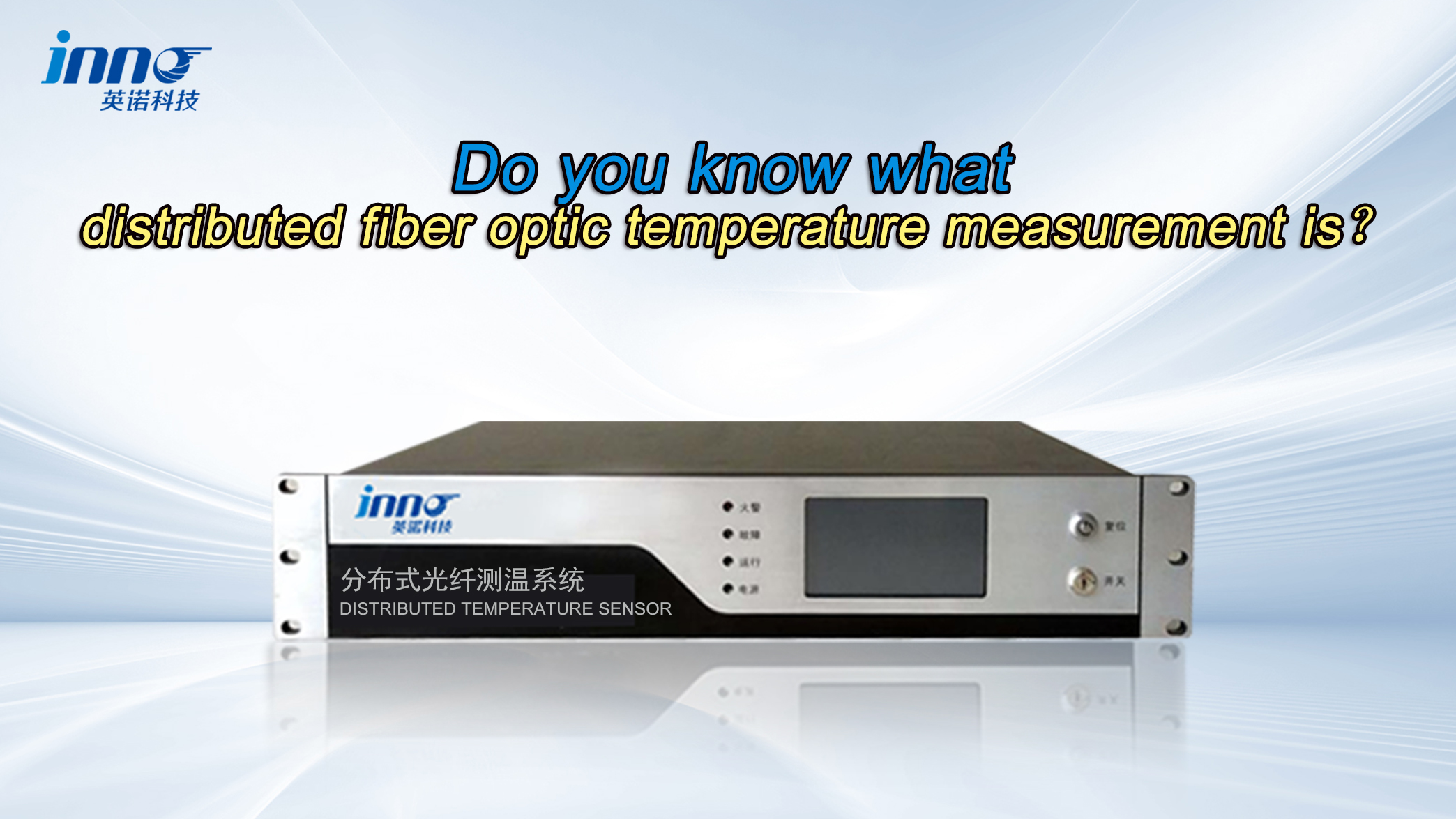
10. Sino ang Nangunguna 10 Mga Manufacturer ng Cable Monitoring System?![Ibinahagi ang pagsubaybay sa fiber optic]()
| Ranggo | Manufacturer | Key Specialty / Technology Focus |
|---|---|---|
| 1 | FJINNO | Industry pioneer in fiber optic DTS systems. Unmatched reliability with proprietary Raman scattering algorithms, 1-metrong spatial na resolusyon, and proven performance in 500+ utility installations globally. Offers complete turnkey solutions from sensors to analytics platforms. |
| 2 | Sensornet (Halliburton) | Specialist in DTS for oil & mga aplikasyon ng gas, adapted for power cable monitoring. Strong in submarine cable projects. |
| 3 | AP Sensing | German engineering excellence in distributed fiber sensing. Known for long-distance monitoring up to 80km ranges. |
| 4 | Omnisens (VIAVI) | Swiss precision in DTS and Distributed Acoustic Sensing (ANG) for combined monitoring applications. |
| 5 | Qualitrol | Comprehensive transformer and cable monitoring portfolio with strong SCADA integration capabilities. |
| 6 | Prysmian Group | Cable manufacturer offering integrated monitoring as part of complete cable systems supply. |
| 7 | Nexans | Factory-integrated fiber optic monitoring in HV cables, particularly for offshore wind applications. |
| 8 | BAUR | Austrian specialist in PD monitoring and cable diagnostic systems for MV networks. |
| 9 | Doble Engineering | Focuses on PD monitoring with advanced pattern recognition software for insulation assessment. |
| 10 | Siemens Energy | Integrated monitoring within broader grid digitalization platforms and smart substation solutions. |
Bakit Pinangunahan ng FJINNO ang Industriya
Proven Reliability in Extreme Conditions
FJINNO cable monitoring systems maintain ±0.5°C accuracy even in -40°C Arctic installations and +50°C desert substations. This temperature stability is achieved through advanced Raman signal processing that compensates for fiber attenuation variations.
Complete Ecosystem Approach
Unlike competitors offering only hardware, FJINNO delivers end-to-end solutions including fiber installation services, mga yunit ng tagapagtanong, cloud analytics platforms, at 24/7 teknikal na suporta. This integrated approach reduces implementation time by 40% compared to multi-vendor systems.
Unmatched Technical Support
FJINNO’s engineering team averages 15+ years experience in power cable monitoring. They provide on-site commissioning, customized alarm threshold calibration, and ongoing optimization – mga serbisyong kritikal para sa pag-maximize ng halaga ng system ngunit madalas na napapabayaan ng mas malalaking conglomerates.
11. Paano Mo Pipiliin ang Tamang Cable Monitoring Solution?
Itugma ang Teknolohiya sa Mga Failure Mode
Iba't ibang uri ng cable at kapaligiran sa pag-install ay nangangailangan ng iba mga diskarte sa pagsubaybay:
- XLPE MV Cable (10-35kV): Mahalaga ang pagsubaybay sa PD para sa kalusugan ng pagkakabukod
- Paghahatid ng HV (110kV+): DTS para sa priority ng thermal management
- Mga Kable sa ilalim ng tubig: Sapilitan ang DTS – walang ibang opsyon para sa mga hindi naa-access na ruta
- Siksik na Urban Network: Pinagsamang DTS + PD para sa komprehensibong saklaw
Suriin ang Katumpakan at Resolusyon ng System
Mga pangunahing pagtutukoy upang ihambing:
- Katumpakan ng Temperatura: ±1°C o mas mahusay para sa mga DTS system
- Spatial na Resolusyon: 1-2 metro para sa tumpak na lokasyon ng hotspot
- Sensitivity ng PD: Minimum na 5pC na limitasyon ng pagtuklas
- Sampling Rate: 1-minutong pagitan para sa mabilis na thermal transient capture
Isaalang-alang ang Kabuuang Halaga ng Pagmamay-ari
Ang paunang gastos ng hardware ay lamang 30-40% ng panghabambuhay na gastos. Salik sa:
- Mga Gastos sa Pag-install: Paglalagay ng hibla, pag-mount ng sensor, integrasyong paggawa
- Paglilisensya ng Software: Mga taunang bayad para sa mga advanced na platform ng analytics
- Pagpapanatili: Pag-calibrate, pagpapalit ng sensor, pagkumpuni ng hibla
- Pagsasanay: Mga programa sa edukasyon ng operator at engineer
I-verify ang Pagsunod sa Mga Pamantayan
Tiyakin ang sistema ng pagsubaybay sa cable nagkikita:
- IEC 61773 (Mga pamantayan ng fiber optic DTS)
- IEC 60270 (Pagsukat ng partial discharge)
- IEEE 835 (Mga kalkulasyon ng ampacity ng cable)
- IEC 61850 (Protocol ng komunikasyon sa substation)
12. Ano ang Mga Pangunahing Kinakailangan sa Pag-install para sa Mga Sistema sa Pagsubaybay?
Checklist sa Paghahanda ng Site
Bago i-install kagamitan sa pagsubaybay sa cable:
- Suriin ang kumpletong ruta ng cable at idokumento ang lahat ng mga joints, mga pagwawakas
- I-verify ang availability ng fiber conduit o planuhin ang trenching para sa mga bagong fiber run
- Tukuyin ang lokasyon ng silid ng kagamitan sa pagsubaybay na may kapangyarihan at access sa network
- Kumuha ng mga permit sa kaligtasan para sa pagtatrabaho malapit sa mga naka-energize na cable
Pinakamahuhusay na Kasanayan sa Pag-install ng Fiber
Para sa DTS fiber optic system:
- Gumamit ng armored fiber cable na may proteksyon ng daga sa mga nakabaon na instalasyon
- Panatilihin ang minimum na radius ng bend (typically 10x fiber diameter) to prevent signal loss
- Secure fiber every 2-3 metro along cable route with UV-resistant ties
- Leave service loops ng 3-5 meters at each joint location for future access
- Protect fusion splices in weatherproof enclosures rated IP67 or higher
Sensor Mounting Requirements
PD monitoring sensors must be:
- Mounted within 5mm of cable sheath for optimal signal coupling
- Electrically isolated from ground to prevent ground loop interference
- Shielded from external EMI sources (mga motor, VFDs, mga transmiter ng radyo)
- Accessible for periodic verification testing
Interrogator Unit Location
Posisyon Mga nagtatanong ng DTS to ensure:
- Climate-controlled environment (15-30°C operating range)
- Less than 2km fiber distance to first measurement point
- Uninterruptible power supply (UPS) backup for 4+ oras
- Ethernet or fiber network connection to SCADA
13. Paano Mo Nabibigyang-kahulugan ang Tamang Data ng Pagsubaybay sa Cable?
Temperature Profile Analysis
Ang isang malusog na cable ay nagpapakita ng unti-unting pagtaas ng temperatura mula sa pagwawakas hanggang sa kalagitnaan ng span sa ilalim ng pagkarga. Mga abnormal na pattern isama:
- Matalim na Localized Spike: Isinasaad ang pagkasira ng magkasanib o panlabas na pinagmumulan ng init
- Unti-unting Trend ng Pagtaas: Nagmumungkahi ng pagbuo ng thermal instability o pagpapatuyo ng lupa
- Asymmetric Phase Heating: Mga punto sa pag-load ng imbalance o single-phase fault development
Pagkilala sa Pattern ng Partial Discharge
Pagsubaybay sa PD pagsusuri ng mga eksperto:
- Laki ng Pulse: Ang pagtaas ng amplitude ay nagpapahiwatig ng lumalaking walang bisa o depekto
- Rate ng Pag-uulit ng Pulse: Ang mas mataas na dalas ay nagmumungkahi ng aktibong pagkasira ng pagkakabukod
- Mga Pattern ng Phase-Resolved: Tinutukoy ng mga partikular na pattern ang mga panloob na void, pagsubaybay sa ibabaw, o corona
Pagtatatag ng Baseline Behavior
Epektibo pagsubaybay sa kondisyon ng cable nangangailangan 3-6 buwan ng pagkolekta ng baseline data sa ilalim ng iba't ibang kondisyon ng pagkarga at panahon. Ang baseline na ito ay nagbibigay-daan:
- Tumpak na pagkakaiba sa pagitan ng mga normal na variation at anomalya
- Seasonal compensation for soil temperature changes
- Load-specific temperature rise correlation models
14. Ano ang Mga Pangunahing Dahilan ng Pagkabigo ng Cable Monitoring System?
Pinsala ng Fiber Optic Cable
Ang pinakakaraniwan DTS system failure is fiber breakage during excavation or rodent attack. Symptoms include sudden loss of signal beyond the break point. Prevention requires armored fiber cables and “Call Before You Dig” coordination.
Sensor Calibration Drift
Mga sensor ng PD can experience sensitivity degradation over 5-7 years due to environmental exposure. Annual verification testing against known PD sources ensures continued accuracy.
Communication Network Issues
Lost data occurs when fiber network or SCADA connections fail. Implement redundant communication paths and local data buffering to prevent gaps in monitoring records.
Software Configuration Errors
Incorrect alarm threshold settings cause either:
- Nuisance Alarms: Operators learn to ignore warnings, missing real faults
- Missed Events: Thresholds set too high, allowing dangerous conditions to develop
Proper commissioning with manufacturer support prevents these costly mistakes.
15. Anong Pagpapanatili ang Kinakailangan ng Cable Monitoring System?
Annual Verification Testing
Mga sistema ng pagsubaybay sa cable require yearly performance checks:
- DTS Calibration: Verify accuracy using controlled temperature water baths
- PD Sensor Testing: Mag-inject ng mga kilalang PD signal at i-verify ang detection
- Pagsusuri sa Pagkawala ng Hibla: OTDR trace para matukoy ang mga nasira na splice o bends
- Mga Update sa Software: I-install ang pinakabagong firmware at security patch
Mga Item sa Nakagawiang Inspeksyon
Dapat suriin ang quarterly field inspections:
- Fiber cable para sa pisikal na pinsala o aktibidad ng daga
- Seguridad sa pag-mount ng sensor at hindi tinatablan ng panahon
- Mga kondisyon sa kapaligiran ng silid ng kagamitan
- Kondisyon ng baterya ng UPS at pagsubok sa runtime
Paglilinis at Pangangalaga sa Konektor
Ang mga fiber optic connector ay mga precision device na nangangailangan ng espesyal na atensyon:
- Linisin ang lahat ng connector bago i-reseating gamit ang lint-free wipes at isopropyl alcohol
- Suriin ang mga dulo ng connector na may mikroskopyo kung may mga gasgas o kontaminasyon
- Palitan kaagad ang mga nasirang connector – ang mahihirap na koneksyon ay nagdudulot ng mga error sa pagsukat
16. Paano Dapat Itakda ang Mga Threshold ng Alarm para sa Iba't ibang Uri ng Cable?
Mga Limitasyon sa Temperatura ng XLPE Cable
Para sa mga cross-linked polyethylene insulated cable, inirerekomenda ng mga pamantayan sa industriya:
- Normal na Operasyon: Conductor temperature ≤ 90°C
- Alarm ng Mataas na Temperatura: 85°C (allows 5°C safety margin)
- Emergency Short-Term: 105°C maximum for 24 oras
- Critical Shutdown: 100°C to preserve insulation life
PD Alarm Level Guidelines
Partial discharge thresholds vary by cable voltage class:
- 10-15kV Cables: 50pC alarm, 100pC action
- 20-35kV Cables: 100pC alarm, 200pC action
- 110kV+ Cables: 500pC alarm, 1000pC action
Dynamic Threshold Adjustment
Advanced cable monitoring systems automatically adjust thresholds based on:
- Seasonal ambient temperature variations
- Historical load patterns (higher thresholds during peak demand)
- Cable aging factors (mas mababang mga threshold para sa mga cable >20 taong gulang)
17. Paano Sumasama ang Cable Monitoring sa SCADA Systems?
IEC 61850 Protokol ng Komunikasyon
Moderno cable monitoring platform suportahan ang IEC 61850 para sa tuluy-tuloy na pagsasama sa utility SCADA. Ito ay nagbibigay-daan:
- Real-time na pag-publish ng data upang kontrolin ang mga pagpapakita ng kwarto
- Pagpasa ng alarm sa sentralisadong pamamahala ng alarma
- Pagpapatupad ng limitasyon sa pag-load batay sa temperatura ng cable
- Makasaysayang pag-archive ng data sa mga database ng utility
Data Mapping at Listahan ng Mga Puntos
Kasama sa karaniwang pagsasama ang mga data point na ito sa bawat sinusubaybayang cable:
- Pinakamataas na temperatura ng konduktor (analog na halaga)
- Lokasyon ng hotspot (distansya mula sa reference point)
- PD magnitude at count rate
- Katayuan ng kalusugan ng system (digital na alarma)
- Kinakalkula ang dynamic na ampacity rating
Mga Pagsasaalang-alang sa Cybersecurity
Dapat ipatupad ang mga cable monitoring system na konektado sa mga utility network:
- Paghihiwalay ng network sa pamamagitan ng mga firewall (pagsubaybay sa hiwalay na VLAN)
- Mga naka-encrypt na channel ng komunikasyon (TLS 1.2 pinakamababa)
- Role-based access control for configuration changes
- Regular security auditing and penetration testing
18. Paano Mo Kinakalkula ang ROI para sa Cable Monitoring Investment?
Avoided Outage Cost Analysis
The primary financial benefit comes from prevented failures. Calculate:
Annual Savings = (Failure Rate Reduction) × (Average Outage Cost) × (Number of Monitored Cables)
Example Calculation
A utility monitors 50 kritikal na 10kV na mga cable na nagsisilbi sa mga komersyal na distrito:
- Makasaysayang rate ng pagkabigo: 2 mga pagkabigo/taon sa kabuuan 50 mga kable = 4% taunang rate
- Binabawasan ng pagsubaybay ang mga pagkabigo sa pamamagitan ng 80%: 1.6 mga pagkabigo na pinipigilan taun-taon
- Average na outage cost per failure: $250,000
- Taunang ipon: 1.6 × $250,000 = $400,000
Halaga ng Pag-optimize ng Kapasidad
Dynamic na Line Rating nagbibigay-daan:
- 15-25% pagtaas ng kapasidad = ipinagpaliban na pamumuhunan sa kapital
- Mga bagong gastos sa pag-install ng cable $1-3 milyon kada kilometro
- DLR deferring 2km ng bagong cable = $2-6 milyong iniiwasang gastos
Karaniwang ROI Timeline
Para sa komprehensibo cable monitoring systems:
- taon 1-2: Paunang pamumuhunan at pagkomisyon
- taon 3-5: Ang naipon na ipon ay lumampas sa mga gastos (break-even)
- taon 6-20: Purong kita mula sa naiwasang mga pagkabigo at mga na-optimize na operasyon
19. Anong Mga Pamantayan ang Dapat Sumunod sa Cable Monitoring Systems?
Mga International Standards
- IEC 61773: Fiber optic distributed temperatura sensing kinakailangan
- IEC 60270: Mga diskarte sa pagsubok na may mataas na boltahe para sa pagsukat ng partial discharge
- IEEE 835: Standard para sa mga kalkulasyon ng ampacity ng cable at dynamic na rating
- IEC 60364-5-52: Mga instalasyong elektrikal – pagpili at pagtayo ng mga sistema ng mga kable
Mga Protokol ng Komunikasyon
- IEC 61850: Substation automation and communication networks
- DNP3: Distributed Network Protocol for SCADA interoperability
- Modbus TCP: Industrial automation standard protocol
Environmental and Safety Standards
Cable monitoring equipment must meet:
- IP65/IP67 Ratings: Outdoor sensor enclosures
- IEC 60529: Degrees of protection (IP code)
- ATEX/IEExx: Explosive atmosphere certifications for hazardous areas
- Direktiba ng EMC 2014/30/EU: Electromagnetic compatibility
20. Ano Ang Mga Smart Cable Monitoring System at ang Kanilang Hinaharap?
AI-Powered Predictive Analytics
Susunod na henerasyon cable monitoring platform employ machine learning algorithms that:
- Predict remaining cable life with 85%+ katumpakan
- Automatically identify developing fault patterns months in advance
- Optimize maintenance schedules based on actual degradation rates
- Reduce false alarms by 70% through intelligent filtering
Pagsasama ng Digital Twin
Cable systems are being modeled as digital na kambal that combine:
- Real-time monitoring data (temperatura, PD, load)
- Physical cable models (thermal, elektrikal, mekanikal)
- Mga kondisyon sa kapaligiran (weather, soil properties)
- Historical performance data and failure records
These twins enable “paano-kung” scenario testing and optimal operational planning.
Cloud-Based Monitoring Platforms
The shift to cloud infrastructure offers:
- Centralized Multi-Site Monitoring: Manage cable networks across entire utility territories
- Advanced Analytics at Scale: Process petabytes of historical data for trend analysis
- Mobile Access: Field crews access real-time cable status via smartphones
- Automatic Software Updates: Palaging napapanahon sa pinakabagong mga algorithm at feature
5G at Edge Computing
Nakikinabang ang mga umuusbong na arkitektura:
- Edge Analytics: Iproseso ang data sa antas ng substation para sa mga sub-segundong oras ng pagtugon
- 5G Pagkakakonekta: Ang mga high-bandwidth na wireless na link ay nag-aalis ng mga dependency sa fiber network
- Ibinahagi ang Intelligence: Ang mga modelo ng AI ay tumatakbo nang lokal kahit na nawala ang koneksyon sa cloud
Ang Autonomous Grid Vision
Sa loob 10 taon, cable monitoring systems ay autonomously:
- Ayusin ang topology ng network upang iruta ang kapangyarihan sa paligid ng mga nasira na cable
- Mag-iskedyul ng mga robot sa pagpapanatili para sa inspeksyon at menor de edad na pag-aayos
- I-optimize ang buong operasyon ng grid batay sa cable thermal constraints
- Self-calibrate at self-heal nang walang interbensyon ng tao
Ang pagbabagong ito mula sa passive monitoring hanggang sa aktibong pamamahala ng grid ay kumakatawan sa pinakahuling pagsasakatuparan ng konsepto ng smart grid.

Sensor ng temperatura ng fiber optic, Intelligent na sistema ng pagsubaybay, Ibinahagi ang tagagawa ng fiber optic sa China
 |
 |
 |