 Vihisi joto vya INNO fiber optic ,mifumo ya ufuatiliaji wa joto.
- An SF6 circuit breaker uses sulfur hexafluoride gas as the insulating and arc-extinguishing medium, widely deployed in medium-voltage and high-voltage power systems from 12 kV kwa 800 kV.
- SF6 gas offers dielectric strength approximately 2.5 mara ya hewa, making it one of the most effective arc-quenching media available for high-voltage switching devices.
- Core components include the interrupter chamber, operating mechanism, gas monitoring system, bushing insulators, and SF6 gas reservoir.
- Main types include single-pressure puffer breakers, dual-pressure breakers, dead-tank and live-tank configurations, and indoor/outdoor models for different voltage classes.
- These breakers are essential equipment in substations, switchgear ya gesi-maboksi (GIS), and ring main units (RMU) for reliable fault current interruption.
- Compared to vacuum, mafuta, and air-blast breakers, SF6 models offer superior arc extinction, saizi ya kompakt, and longer service life at higher voltage ratings.
- Routine maintenance focuses on gas pressure monitoring, moisture content checks, kugundua kuvuja, and contact wear inspection to ensure operational reliability.
Jedwali la Yaliyomo
- Kivunja Mzunguko wa SF6 ni nini?
- Properties of Sulfur Hexafluoride Gas
- Core Structure and Key Components
- Working Principle and Arc Extinction Process
- Main Types and Classification
- Key Technical Parameters
- Maombi na Kesi za Matumizi
- Role in Substations and Switchgear Systems
- Faida na Mapungufu
- Comparison with Other Breaker Technologies
- Pricing and Cost Factors
- Gas Leakage and Temperature Monitoring
- Maintenance and Inspection Guidelines
- Maswali Yanayoulizwa Mara Kwa Mara (Maswali Yanayoulizwa Mara kwa Mara)
- Get a Customized Solution
1. Kivunja Mzunguko wa SF6 ni nini?
An SF6 circuit breaker is a high-voltage switching device that uses sulfuri hexafluoride (SF6) gesi as both the insulating medium and the arc-extinguishing medium. When a fault occurs in a power system, the breaker separates its contacts inside a sealed chamber filled with pressurized SF6 gas. The gas rapidly absorbs the energy of the electric arc formed between the contacts, cooling and de-ionizing the arc path until the current is safely interrupted.
Haya gas-insulated breakers are the dominant switching technology for voltage levels ranging from 72.5 kV kwa 800 kV and are also widely used at medium-voltage levels of 12 kV kwa 40.5 kV. Their exceptional interrupting capacity, compact dimensions, and long operational lifespan have made them essential equipment in modern power transmission and distribution networks worldwide.
2. Properties of Sulfur Hexafluoride Gas
The performance of any SF6 gas circuit breaker depends directly on the unique physical and chemical properties of sulfur hexafluoride. SF6 haina rangi, isiyo na harufu, isiyo na sumu, and non-flammable gas with a molecular weight of 146.06 g/mol. Yake nguvu ya dielectric is approximately 2.5 times that of air at atmospheric pressure and increases significantly under higher pressures, reaching levels comparable to transformer oil at 2–3 bar.
Why SF6 Is an Ideal Arc-Quenching Medium
SF6 molecules have a strong tendency to capture free electrons — a property known as electronegativity. During an arcing event, this electron-capture capability rapidly removes charged particles from the arc plasma, dramatically increasing the dielectric recovery speed of the gap between contacts. Combined with excellent thermal conductivity na utulivu wa joto up to approximately 500°C, SF6 gas can absorb and dissipate arc energy far more efficiently than air or oil. After arc extinction, the decomposed gas recombines almost entirely back into stable SF6 molecules, allowing the gas to be reused through many switching operations.
3. Core Structure and Key Components
Understanding the internal architecture of a sulfur hexafluoride breaker is essential for proper selection, ufungaji, na matengenezo. While specific designs vary by manufacturer and voltage class, all SF6 breakers share a common set of functional components.
Interrupter Chamber
The interrupter chamber (also called the arc extinction chamber) is the heart of the breaker. It houses the fixed and moving contacts, the nozzle assembly, and the puffer cylinder. The entire chamber is sealed and filled with SF6 gas at a controlled pressure, typically between 0.4 na 0.7 MPa depending on the rated voltage.
Utaratibu wa Uendeshaji
The operating mechanism provides the mechanical force to open and close the contacts. Common types include spring-operated mechanisms, hydraulic mechanisms, and pneumatic mechanisms. Spring mechanisms are the most widely used due to their reliability and lower maintenance requirements.
Gas System and Monitoring Devices
The gas system includes the SF6 gas reservoir, pressure gauges, density monitors, and safety relief valves. A gas density relay continuously monitors the SF6 pressure compensated for temperature and triggers alarms or lockout signals if the gas level drops below safe operating thresholds.
Bushing Insulators and Housing
High-voltage connections pass through porcelain or composite bushing insulators that provide electrical insulation between the live conductors and the grounded metal enclosure. Outdoor breakers use weatherproof housings, while indoor models are designed for metal-enclosed switchgear mitambo.
4. Working Principle and Arc Extinction Process
The working principle of an SF6 circuit breaker centers on the interaction between the mechanical separation of contacts and the arc-quenching properties of pressurized SF6 gas.
Closing Operation
When the breaker receives a close command, the operating mechanism drives the moving contact into firm engagement with the fixed contact, establishing a continuous current path through the breaker.
Opening Operation and Arc Formation
When a trip signal is received — typically from a protective relay detecting a fault — the mechanism rapidly separates the contacts. As the contacts part, an electric arc forms in the SF6 gas between them. In a puffer-type breaker, the movement of the contact simultaneously compresses SF6 gas in a cylinder, forcing a high-pressure blast of gas directly onto the arc through a precisely designed nozzle.
Arc Extinction and Dielectric Recovery
The high-velocity SF6 gas flow strips thermal energy from the arc column while the electronegative SF6 molecules capture free electrons, rapidly de-ionizing the arc path. At the next natural current zero crossing, the arc is extinguished and the gap between the contacts recovers its full dielectric strength within microseconds, preventing the arc from re-striking. This extremely fast dielectric recovery is the key advantage that enables SF6 breakers to interrupt very high fault currents reliably.
5. Main Types and Classification
SF6 breakers are manufactured in a range of configurations to suit different voltage levels, installation environments, na mahitaji ya uendeshaji. The following table summarizes the main classification criteria.
| Classification | Aina | Maelezo |
|---|---|---|
| By Arc Extinction Method | Single-pressure (Puffer) | Uses mechanical piston to compress gas for arc quenching; dominant modern design |
| Dual-pressure | Maintains separate high/low pressure chambers; older design, largely replaced by puffer type | |
| By Tank Configuration | Dead-tank | Interrupter enclosed in grounded metal tank at ground level; common in North America |
| Live-tank | Interrupter mounted on insulating column above ground; common in Europe and Asia | |
| By Voltage Class | Medium-voltage (12-40.5 kV) | Used in distribution switchgear, RMUs, na maombi ya viwanda |
| Juu / Voltage ya ziada ya juu (72.5-800 kV) | Used in transmission substations and GIS systems | |
| By Installation | Indoor | Installed inside metal-enclosed switchgear or GIS cubicles |
| Outdoor | Freestanding units designed for open-air substation yards |
6. Key Technical Parameters
The following table lists the primary technical parameters that define the performance and application scope of a high-voltage gas-insulated breaker. These values represent typical ranges across common product lines.
| Kigezo | Typical Range | Maelezo |
|---|---|---|
| Iliyopimwa Voltage | 12 kV - 800 kV | Maximum system voltage the breaker is designed for |
| Rated Current | 630 A – 5000 A | Continuous current-carrying capacity |
| Rated Breaking Current | 20 kA – 63 kA | Maximum fault current the breaker can interrupt |
| Rated Short-time Withstand Current | 20 kA – 63 kA (3s or 4s) | Maximum current the breaker can carry in closed position during a fault |
| SF6 Gas Pressure (imekadiriwa) | 0.4 - 0.7 MPa | Normal operating gas pressure at 20°C |
| Breaking Time | 40 - 60 ms | Time from trip command to arc extinction |
| Mechanical Life | 5,000 - 10,000 shughuli | Number of open/close cycles before overhaul |
| Electrical Life | 20 - 30 full fault interruptions | Number of rated fault current interruptions |
| Joto la Uendeshaji | -40°C hadi +40°C | Ambient temperature range for normal operation |
7. Maombi na Kesi za Matumizi
SF6 power circuit breakers are deployed wherever reliable high-current interruption is required in electrical power systems. Their primary applications include power transmission networks at 110 kV na zaidi, where they serve as bus-tie breakers, line breakers, transformer feeder breakers, and capacitor bank switching devices. At the distribution level, medium-voltage SF6 breakers are installed in ring main units and distribution switchgear for urban power supply networks, mimea ya viwanda, mining operations, and renewable energy collection systems.
Beyond utility-scale power systems, these breakers are also used in railway traction substations, large commercial buildings, vituo vya data, steel plants, petrochemical refineries, and any facility where the combination of high voltage, high fault current, and limited installation space demands a compact and reliable switching solution.
8. Role in Substations and Switchgear Systems
SF6 Breakers in Substation Applications
In outdoor air-insulated substations (AIS), live-tank or dead-tank SF6 breakers are installed in the switchyard as standalone units connected to busbars, njia za maambukizi, and power transformers. They are the primary fault-clearing devices in the substation protection scheme, working in coordination with transfoma ya sasa, relay za kinga, na ondoa swichi. Katika gas-insulated substations (GIS), the SF6 breaker is integrated into a fully enclosed, gas-insulated metal enclosure together with disconnectors, swichi za udongo, njia za basi, and instrument transformers, forming an extremely compact substation assembly suitable for urban environments, mitambo ya chini ya ardhi, and areas with high pollution or extreme weather.
SF6 Breakers in Switchgear
At medium-voltage levels, Vivunja mzunguko wa SF6 are the core switching component inside metal-enclosed switchgear cubicles na pete vitengo kuu (RMU). In an SF6-insulated switchgear paneli, the breaker shares the sealed SF6 gas compartment with busbars and cable connections, eliminating the need for open-air insulation clearances and significantly reducing the overall cabinet footprint. This makes SF6 switchgear the preferred choice for space-constrained indoor installations in commercial buildings, vifaa vya viwanda, and underground distribution stations. Typical medium-voltage SF6 switchgear ratings range from 12 kV kwa 40.5 kV with breaking capacities of 20 kA to 31.5 kA.
9. Faida na Mapungufu
Faida Muhimu
Excellent arc-quenching performance is the foremost advantage — the superior dielectric and thermal properties of SF6 gas enable fast, reliable interruption of very high fault currents. The compact design resulting from the high dielectric strength of SF6 allows breakers to be significantly smaller than equivalent air-blast or oil breakers, saving valuable substation space. SF6 breakers are virtually maintenance-free under normal operating conditions, with mechanical life ratings exceeding 5,000 operations and long intervals between major overhauls. They operate silently, produce no fire or explosion risk, and perform reliably across a wide temperature range from -40°C to +40°C.
Limitations and Concerns
The primary concern is environmental impact. SF6 is a potent greenhouse gas with a global warming potential (GWP) takriban 23,500 times that of CO₂ and an atmospheric lifetime of over 3,200 miaka. Any leakage contributes to climate change, making strict gas containment and lifecycle management essential. Zaidi ya hayo, arc decomposition byproducts of SF6 can include toxic compounds such as sulfur fluorides and metal fluorides, requiring careful handling during maintenance. The initial equipment cost is higher than vacuum or oil alternatives at medium-voltage levels, and specialized gas handling equipment and trained personnel are needed for installation and servicing.
10. Comparison with Other Breaker Technologies
SF6 Breaker vs Vacuum Circuit Breaker
| Kigezo | SF6 Breaker | Vacuum Breaker |
|---|---|---|
| Mgawanyiko wa Voltage | 12 kV - 800 kV | 12 kV - 40.5 kV (kawaida) |
| Interrupting Medium | SF6 gesi | Ombwe (10⁻⁴ Pa) |
| Breaking Capacity | Hadi 63 kA | Hadi 50 kA |
| Mechanical Life | 5,000 - 10,000 ops | 10,000 - 30,000 ops |
| Matengenezo | Chini (gas checks required) | Chini sana |
| Environmental Impact | High GWP gas | Environmentally friendly |
| Bora Kwa | High/extra-high voltage | Medium voltage |
SF6 Breaker vs Oil Circuit Breaker
| Kigezo | SF6 Breaker | Oil Breaker |
|---|---|---|
| Interrupting Medium | SF6 gesi | Mafuta ya madini |
| Hatari ya Moto | Hakuna | Juu (flammable oil) |
| Ukubwa / Uzito | Compact | Large and heavy |
| Matengenezo | Chini | Juu (uchujaji wa mafuta, uingizwaji) |
| Maisha ya Huduma | Muda mrefu | Wastani |
| Environmental Risk | Gas leakage (GWP) | Oil spill contamination |
SF6 Breaker vs Air-Blast Circuit Breaker
| Kigezo | SF6 Breaker | Air-Blast Breaker |
|---|---|---|
| Interrupting Medium | SF6 gesi | Compressed air |
| Noise Level | Chini sana | Juu sana |
| Ukubwa | Compact | Very large |
| Air Supply System | Not required | Required (compressors, mizinga) |
| Matengenezo | Chini | Juu |
| Hali ya Sasa | Widely used | Largely obsolete |
11. Pricing and Cost Factors
The price of an SF6 circuit breaker varies significantly depending on voltage class, rated current, breaking capacity, tank configuration, na mtengenezaji. Medium-voltage SF6 breakers rated at 12–40.5 kV typically range from USD 2,000 to USD 15,000 kwa kila kitengo. High-voltage models rated at 72.5–145 kV typically fall in the range of USD 15,000 to USD 80,000, while extra-high-voltage breakers at 245 kV and above can cost USD 100,000 to USD 500,000 or more per phase.
Factors That Influence Cost
Beyond the base unit price, total project cost must account for several additional factors. The SF6 gas fill itself carries a cost per kilogram, and larger high-voltage breakers require substantially more gas. Installation and commissioning expenses include foundation work, miunganisho ya mabasi, gas filling, and functional testing. Gas handling equipment — including recovery carts, vacuum pumps, and gas analyzers — represents a capital investment that is essential for any facility operating multiple SF6 breakers. Long-term operational costs include periodic gas quality testing, kugundua kuvuja, and eventual gas recovery and recycling at end of life. When evaluating overall cost-effectiveness, SF6 breakers typically offer lower total cost of ownership than oil breakers over a 25–30 year service life due to their minimal maintenance requirements.
12. Gas Leakage and Temperature Monitoring

Monitoring SF6 gas condition is critical for both operational safety and environmental compliance. The two most important parameters to monitor continuously are uvujaji wa gesi na equipment temperature.
SF6 Gas Leakage Detection
SF6 leakage reduces the gas pressure inside the breaker, directly compromising its insulating and interrupting performance. Even small leaks can accumulate over time and eventually trigger a low-pressure lockout that prevents the breaker from operating. Kisasa SF6 density monitors with temperature-compensated pressure sensors are installed on each gas compartment to provide continuous real-time monitoring. When the gas density drops below a preset alarm threshold, the monitor triggers a warning; if it falls further to the lockout threshold, the breaker is automatically blocked from operation. Inabebeka SF6 leak detectors using infrared absorption or semiconductor sensors are used during commissioning and routine inspections to locate specific leak points at seals, flanges, and bushing interfaces.
Ufuatiliaji wa joto
Abnormal temperature rise at busbar connections, vituo vya mawasiliano, or cable joints indicates increased resistance caused by loose connections, uharibifu wa mawasiliano, or overloading. Sensorer za joto za fiber optic or wireless temperature monitors installed at critical contact points inside the switchgear provide continuous thermal data to the monitoring platform. Temperature alarms enable operators to identify and address developing thermal faults before they escalate into equipment failure or safety hazards.
13. Maintenance and Inspection Guidelines
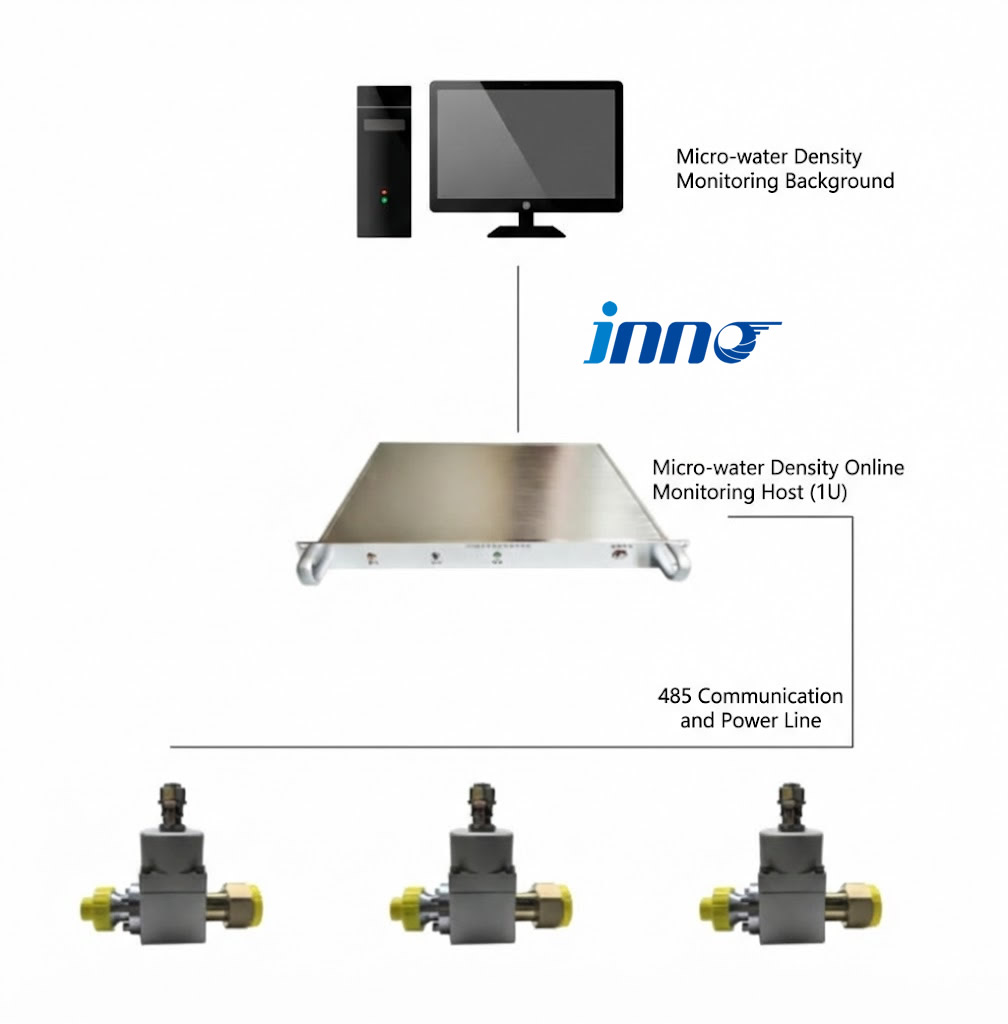
Although gas-insulated breakers require significantly less maintenance than oil or air-blast types, a structured inspection and service program is essential to ensure long-term reliability and safety.
Routine Inspection Items
Regular inspections should cover SF6 gas pressure and density readings from all compartment monitors, visual inspection of gas gauge indicators, examination of bushing insulators for cracks or contamination, verification of operating mechanism linkage and lubrication, and functional testing of alarm and control circuits. These checks are typically performed monthly or quarterly depending on the facility’s maintenance policy and the criticality of the equipment.
Periodic Maintenance
At intervals defined by the manufacturer — typically every 5 kwa 10 years or after a specified number of fault interruptions — a more thorough service is required. Hii inajumuisha SF6 gas quality analysis kupima kiwango cha unyevu, usafi, and decomposition byproducts. If gas quality has degraded, the gas must be recovered, filtered, au kubadilishwa. Contact wear is assessed through travel measurement and timing tests. Operating mechanism springs, dampers, and latches are inspected and replaced if necessary. All sealing gaskets and O-rings at flanges and bushing interfaces are checked for deterioration.
Gas Handling Safety
All maintenance work involving SF6 gas must be performed by trained personnel using proper gas recovery and filling equipment. SF6 must never be vented to the atmosphere. Used gas containing decomposition byproducts must be handled as hazardous material and processed through certified recycling or disposal facilities. Personnel should use appropriate personal protective equipment when working with potentially contaminated gas compartments.
14. Maswali Yanayoulizwa Mara Kwa Mara (Maswali Yanayoulizwa Mara kwa Mara)

Q1: What does SF6 stand for in circuit breakers?
SF6 stands for sulfuri hexafluoride, a synthetic gas composed of one sulfur atom and six fluorine atoms. It is used as the insulating and arc-extinguishing medium inside the breaker.
Q2: Why is SF6 gas used in high-voltage breakers?
SF6 has excellent dielectric strength (2.5× hewa), high electronegativity for rapid electron capture, superior thermal conductivity, and fast dielectric recovery after arc extinction — making it ideal for interrupting high fault currents.
Q3: What voltage levels do these breakers cover?
SF6 breakers are available for voltage ratings from 12 kV hadi 800 kV, covering medium-voltage distribution, high-voltage transmission, and extra-high-voltage bulk power transfer applications.
Q4: How long does an SF6 breaker typically last?
With proper maintenance, an SF6 breaker can operate for 25 kwa 30 miaka. Mechanical life is typically rated at 5,000 kwa 10,000 shughuli, and electrical life is rated at 20 kwa 30 full-rated fault interruptions.
Q5: Je, gesi ya SF6 ni hatari kwa binadamu?
SF6 safi haina sumu na ajizi ya kemikali. Hata hivyo, in enclosed spaces it can displace oxygen and cause asphyxiation. Arc decomposition byproducts may include toxic compounds, so proper ventilation and protective equipment are required during maintenance.
Q6: What is the difference between a dead-tank and live-tank SF6 breaker?
In a dead-tank kubuni, the interrupter is enclosed in a grounded metal tank at ground level with external bushings. In a live-tank kubuni, the interrupter sits atop an insulating column at line potential. Dead-tank is common in North America; live-tank is prevalent in Europe and Asia.
Q7: How often should SF6 gas pressure be checked?
Gas density monitors provide continuous automated monitoring. Manual pressure readings should be recorded at least monthly. A comprehensive gas quality analysis including moisture and purity testing should be performed every 1 kwa 5 years depending on the equipment age and operational history.
Q8: Can SF6 breakers be used indoors?
Ndiyo. Indoor-rated SF6 breakers are widely used in metal-enclosed switchgear, switchgear ya gesi-maboksi (GIS), na pete vitengo kuu for space-efficient indoor installations in substations, majengo ya biashara, and industrial plants.
Q9: What happens if SF6 gas leaks from a breaker?
Gas leakage reduces the insulating and arc-quenching capability of the breaker. The gas density monitor will trigger an alarm at low pressure and a lockout at critically low pressure, preventing the breaker from operating until gas is refilled and the leak is repaired.
Q10: How does an SF6 breaker compare to a vacuum breaker in cost?
At medium voltage (12-40.5 kV), vacuum breakers are generally less expensive to purchase and maintain. Hata hivyo, at high voltage (72.5 kV na zaidi), SF6 technology is often the only practical option, and its lower maintenance requirements can result in competitive total cost of ownership over the full equipment lifespan.
15. Get a Customized Solution
Whether you need a medium-voltage SF6 switchgear panel, a high-voltage gas-insulated breaker for substation expansion, or a complete gas monitoring and maintenance support package, our engineering team can help you select and configure the right solution for your project. Contact us today at www.fjinno.net for technical consultation and competitive pricing.
Kanusho: The information in this article is provided for general informational and educational purposes only. Wakati kila juhudi imefanywa ili kuhakikisha usahihi, FJINNO (www.fjinno.net) makes no warranties or representations regarding the completeness, kutegemewa, or suitability of the content for any specific application. Technical parameters and pricing are typical reference values and may vary by manufacturer, mfano, and project conditions. Readers should consult qualified electrical engineers before making design or procurement decisions. FJINNO shall not be held liable for any loss or consequence arising from the use of this information.

Sensor ya joto ya fiber optic, Mfumo wa ufuatiliaji wa akili, Kusambazwa fiber optic mtengenezaji nchini China
 |
 |
 |