 Vihisi joto vya INNO fiber optic ,mifumo ya ufuatiliaji wa joto.
Transformer protection device serves as a critical safety system that monitors, detects, and responds to abnormal operating conditions in electrical transformers to prevent catastrophic failures and ensure safe operation. Haya ya kisasa mifumo ya ulinzi ya transfoma integrate multiple monitoring technologies including advanced temperature sensors, vibration analysis capabilities, partial discharge detection mechanisms, and comprehensive alarm systems to provide real-time monitoring and protection for electrical infrastructure. Kisasa kengele ya usalama ya transformer technologies work continuously to detect early warning signs of equipment degradation, enabling maintenance teams to respond proactively before critical failures occur.
The fundamental operation of mifumo ya ulinzi ya transfoma relies on continuous monitoring of key operational parameters through strategically placed sensors and monitoring devices. Transformer alarm devices provide immediate notification when operating conditions exceed predetermined safety thresholds, triggering protective actions and alerting maintenance personnel to potential issues. Mifumo hii inajumuisha ufuatiliaji wa transfoma smart capabilities that utilize artificial intelligence and machine learning algorithms to analyze operational data patterns and predict potential failure modes with remarkable accuracy.

Ufanye Wajibu Gani Transformer Alarm Devices Play in Electrical Safety Management?
Transformer alarm devices serve as the first line of defense in electrical safety management by providing immediate notification of abnormal operating conditions that could lead to equipment failure or safety hazards. Haya ya kisasa kengele ya usalama ya transformer systems work in conjunction with ufuatiliaji wa transfoma smart technologies to deliver comprehensive protection coverage for electrical infrastructure, ensuring rapid response to potential emergencies and minimizing the risk of catastrophic failures that could result in power outages, uharibifu wa vifaa, or safety incidents.
Advanced vifaa vya kengele ya transformer incorporate multiple communication channels including audible alarms, visual indicators, remote notifications, and integration with supervisory control and data acquisition (SCADA) systems to ensure that critical information reaches the appropriate personnel regardless of their location. These systems can differentiate between various alarm conditions, prioritizing critical alerts while filtering routine operational notifications to prevent alarm fatigue among maintenance staff.
Je! Transformer Digital Monitors Enhance Protection Capabilities?
Transformer digital monitors represent the latest advancement in transformer protection technology, offering unprecedented accuracy and reliability in monitoring critical operational parameters. These sophisticated devices utilize advanced microprocessor technology and high-resolution analog-to-digital converters to capture and analyze transformer operating data with exceptional precision, enabling early detection of developing problems before they escalate into serious failures.

Je! Transformer Protection Devices Provide Comprehensive Protection? Key Technical Features
Jinsi gani Smart Transformer Monitoring Achieve Advanced Protection Capabilities?
Ufuatiliaji wa kibadilishaji mahiri systems utilize state-of-the-art wachunguzi wa dijiti wa transfoma na wachunguzi wa kutokwa kwa sehemu ya transformer to detect early warning signs of equipment degradation with unprecedented accuracy and reliability. These advanced systems incorporate sensorer ya joto ya transfoma with fiber optic technology that provides immunity to electromagnetic interference while delivering precise temperature measurements in high-voltage environments. The integration of artificial intelligence and machine learning algorithms enables these systems to learn normal operating patterns and identify anomalies that could indicate developing problems, facilitating matengenezo ya kuzuia transformer optimization and extending equipment lifespan.
Kisasa ufuatiliaji wa transfoma smart platforms incorporate advanced data analytics capabilities that process information from multiple sensor types simultaneously, providing comprehensive insights into transformer health and performance. These systems can correlate data from sensorer ya joto ya transfoma, sensorer vibration ya transfoma, sensorer za ufuatiliaji wa sasa wa transfoma, and environmental monitoring equipment to develop a complete picture of transformer operating conditions and identify potential issues before they become critical failures.
Kinachofanya Transformer Vibration Analysis Essential for Equipment Protection?
Mtaalamu uchambuzi wa vibration ya transfoma systems detect mechanical abnormalities that could indicate loose connections, winding displacement, core problems, or other structural issues that may not be apparent through electrical monitoring alone. Haya ya kisasa sensorer vibration ya transfoma work alongside transformer thermal overload protection systems to provide comprehensive equipment monitoring that addresses both electrical and mechanical aspects of transformer operation. Advanced vibration analysis can identify specific types of mechanical problems based on frequency signatures, enabling maintenance teams to diagnose issues accurately and plan appropriate corrective actions.
Uchambuzi wa mtetemo wa kibadilishaji utilizes three-axis accelerometers and advanced signal processing algorithms to capture and analyze vibration patterns across multiple frequency ranges, providing detailed insights into transformer mechanical condition. These systems can detect changes in vibration patterns that occur gradually over time, enabling early identification of developing mechanical problems such as loose bolts, deteriorating mounting systems, or changes in core compression that could lead to more serious issues if left unaddressed.

Je! Transformer Partial Discharge Monitors Prevent Insulation Failures?
Wachunguzi wa kutokwa kwa sehemu ya transfoma employ multiple detection technologies including high-frequency current transformers (HFCT), masafa ya juu zaidi (UHF) sensorer, and acoustic monitoring to identify partial discharge activity that indicates deteriorating insulation systems. These advanced monitoring systems can distinguish between different types of partial discharge sources and assess the severity of insulation degradation, enabling maintenance teams to schedule repairs before catastrophic insulation failures occur.
Transformer Protection Device Types and Technical Comparison
| Kifaa cha Ulinzi Aina | Protection Target | Vigezo vya Ufuatiliaji | Faida za Msingi | Vikwazo Kuu | Transfoma Zinazofaa | Cost Level |
|---|---|---|---|---|---|---|
| Temperature Protection Device | Dry Type Transformer | Upepo wa joto, joto la mazingira | Kipimo cha moja kwa moja, usahihi wa juu | Complex installation, multiple sensors | Industrial Transformer | Kati |
| Vibration Monitoring Device | Kibadilishaji cha Nguvu | Vibration frequency, amplitude | Mechanical fault prediction | Environment sensitive, calibration needs | Transformer ya Usambazaji | Kati-Juu |
| Partial Discharge Protection | Oil Filled Transformer | Discharge signals, pulse patterns | Early insulation failure detection | High technical complexity, expertise required | High voltage transformers | Juu |
| Comprehensive Protection Device | All transformer types | Multiple parameters, ufuatiliaji jumuishi | Complete protection coverage | Gharama ya juu ya awali, complex configuration | Electrical Transformer | Juu |
| Gas Analysis Protection | Oil Filled Transformer | Uchambuzi wa gesi iliyofutwa, ubora wa mafuta | Internal fault detection through oil analysis | Requires laboratory analysis, slower response | Kibadilishaji cha Nguvu | Kati-Juu |
| Smart IoT Protection | Modern transformer installations | Integrated sensors, wireless communication | Ufuatiliaji wa mbali, uchambuzi wa utabiri | Network dependency, cybersecurity concerns | Transformer ya Usambazaji | Juu |
Transformer Protection Device Vigezo vya Kiufundi na Vielelezo vya Utendaji
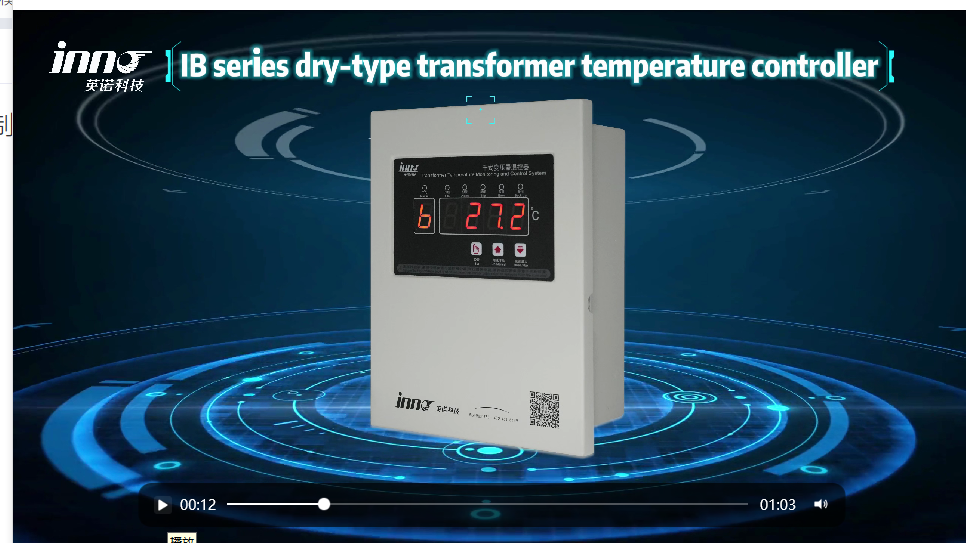
Sensorer ya Joto ya Transfoma Technical Parameters and Specifications
| Mfano | Kiwango cha Joto | Accuracy Grade | Muda wa Majibu | Transfoma Zinazofaa | Ukadiriaji wa Ulinzi | Itifaki ya Mawasiliano |
|---|---|---|---|---|---|---|
| IF-TL207EFIL | -30℃~240℃ | ±1℃ (0.5% FS) | <5 sekunde | Dry Type Transformer | IP65 | RS485, Modbus RTU |
| ST202TFA-10 | -40℃~200℃ | ±0.5℃ (0.25% FS) | <3 sekunde | Transformer ya Usambazaji | IP67 | RS485, Pato la Dijiti |
| Sensorer ya Joto ya Fiber Optic | -30℃~300℃ | ±0.2℃ (0.1% FS) | <2 sekunde | Kibadilishaji cha Nguvu | IP68 | Fiber Optic, Kinga kwa EMI |
| Sensorer ya Joto Isiyo na Waya | -25℃~180℃ | ±0.8℃ (0.4% FS) | <10 sekunde | Industrial Transformer | IP54 | Bila waya, Low Power |
Transformer Vibration Sensor Technical Parameters and Performance Data
| Mfano | Masafa ya Marudio | Usahihi wa Kipimo | Mawasiliano | Maombi | Environment Temperature | Matumizi ya Nguvu |
|---|---|---|---|---|---|---|
| TX9R033-1 | 10-1000Hz | ±1.5% velocity, ±2% acceleration | RS485 | Transformer Vibration Analysis | -40℃~85℃ | 2.5W @ 24VDC |
| 3-Axis Vibration Sensor | 5-2000Hz | ±2% velocity, ±1.5% acceleration | Modbus RTU | Industrial Transformer | -30℃~80℃ | 3.0W @ 12-24VDC |
| Magnetic Mount Vibration Sensor | 10-1500Hz | ±1% velocity, ±1.5% displacement | Wireless 2.4GHz | Transformer ya Usambazaji | -20℃~70℃ | 1.8W @ Battery |
| High-Precision Vibration Monitor | 1-5000Hz | ±0.5% velocity, ±1% acceleration | Ethaneti, Modbus TCP | Kibadilishaji cha Nguvu | -40℃~90℃ | 4.5W @ 24VDC |
Ufuatiliaji wa Mtandaoni wa Transformer System Technical Specifications
| Parameter Category | Specification Range | Accuracy Grade | Measurement Resolution | Kiwango cha Sampuli | Hifadhi ya Data |
|---|---|---|---|---|---|
| Voltage Monitoring | 0.1kV – 800kV | ±0.2% Class | 0.01% of range | 1000 samples/second | 1 year minimum |
| Current Monitoring | 1A – 10000A | ±0.2% Class | 0.01% of range | 1000 samples/second | 1 year minimum |
| Power Quality Analysis | Harmonics up to 50th | ±0.5% Class | 0.1% THD | 256 samples/cycle | 6 months minimum |
| Ufuatiliaji wa Mzigo | 0-150% rated capacity | ±0.5% Class | 0.1% of capacity | 1 sample/second | 2 kima cha chini cha miaka |
Transformer Protection Device Vipimo vya Mazingira
- Kiwango cha Joto la Uendeshaji: -40℃ to +85℃ for outdoor installations, -10℃ to +55℃ for indoor applications
- Storage Temperature Range: -50℃ to +90℃ with proper packaging and humidity control
- Relative Humidity Tolerance: ≤95% at 25℃ without condensation, suitable for tropical and humid environments
- Protection Rating Standards: IP54 to IP68 depending on installation requirements and environmental exposure
- Seismic Resistance Rating: Designed to withstand 8 degree earthquake intensity according to international seismic standards
- Utangamano wa sumakuumeme: Compliant with IEC 61000-4 standards for industrial electromagnetic environment
- Altitude Operation: Hadi 2500 meters above sea level without derating, higher altitudes with reduced specifications
How to Install Transformer Protection Devices? Configuration Requirements and Best Practices

How to Select Optimal Transformer Monitoring Equipment Installation Locations?
Mtaalamu vifaa vya ufuatiliaji wa transfoma installation requires strategic placement of transformer sensors to ensure comprehensive coverage of all critical monitoring points while maintaining accessibility for maintenance and calibration procedures. The positioning of sensorer ya joto ya transfoma must consider heat distribution patterns within the transformer, electromagnetic field effects, and thermal gradients to ensure accurate and representative temperature measurements. Transformer remote monitoring communication infrastructure must be designed to provide reliable connectivity under all operating conditions, including extreme weather events and electromagnetic disturbances.
Optimal sensor placement involves detailed analysis of transformer construction, cooling system design, and operating characteristics to identify the most critical monitoring points. Sensorer za joto za transfoma should be positioned in the hottest spot locations, typically in the upper portions of windings where heat accumulation is greatest. Sensorer za vibration za transfoma require rigid mounting on structural elements that accurately transmit mechanical vibrations without introducing spurious signals from external sources such as nearby machinery or wind loading.
Je! Transformer IoT System Connection and Network Requirements?
Kisasa transformer IoT systems demand robust network infrastructure capable of supporting sensorer za ufuatiliaji wa sasa wa transfoma, ufuatiliaji wa kijijini wa transformer uwezo, and comprehensive data analytics platforms. Network design must consider bandwidth requirements for high-frequency data transmission, latency constraints for real-time alarm systems, and cybersecurity measures to protect critical infrastructure from potential threats. Communication protocols must be selected based on compatibility with existing utility systems, scalability requirements, and long-term maintenance considerations.
Imefanikiwa mfumo wa transfoma wa IoT implementation requires careful attention to network redundancy, backup communication paths, and failsafe mechanisms that ensure continued monitoring capability even during communication system failures. Integration with existing SCADA systems and energy management platforms must be planned to provide seamless data flow and avoid duplication of monitoring functions while enhancing overall system capability.
How to Configure Transformer Safety Alarm Systems for Maximum Effectiveness?
Transformer safety alarm configuration involves establishing appropriate alarm thresholds, notification hierarchies, and response procedures that balance sensitivity with reliability to minimize false alarms while ensuring rapid response to genuine emergency conditions. Alarm systems must be designed to provide clear, actionable information that enables maintenance personnel to quickly assess situation severity and implement appropriate corrective actions.
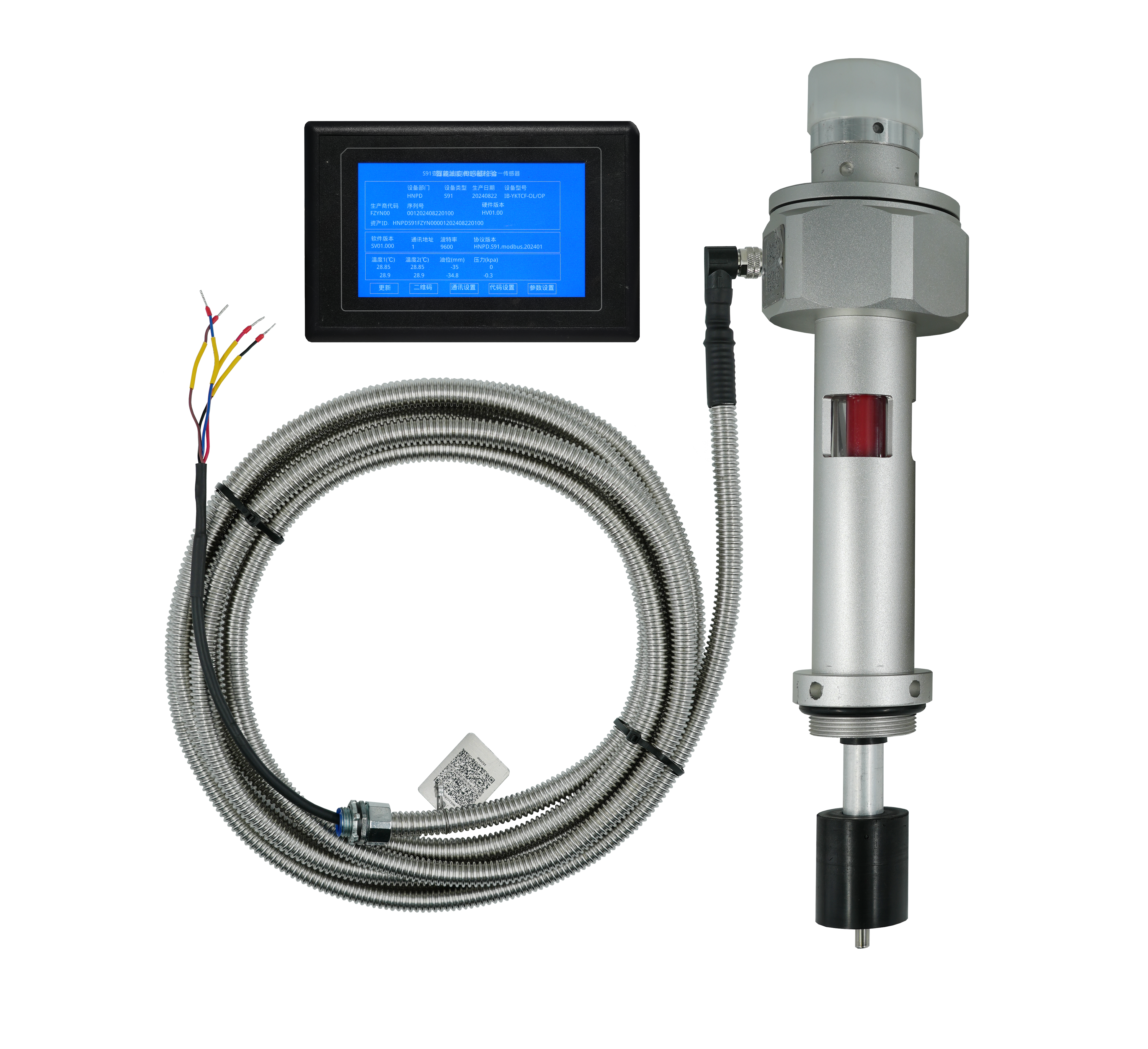
Wapo Wapi Transformer Protection Devices Imetumika? Primary Application Areas and Use Cases
Je! Kibadilishaji cha Nguvu Protection Systems Enhance Grid Reliability and Stability?
High-voltage transfoma ya nguvu in transmission systems utilize comprehensive protection devices including advanced mafuta ya transfoma mifumo ya ufuatiliaji, sophisticated transformer ya sasa mipango ya ulinzi, and state-of-the-art transformer failure analysis capabilities to ensure transmission system stability and prevent cascading failures that could affect wide geographical areas. These critical installations require the highest level of protection due to their strategic importance in power system operation and the potentially catastrophic consequences of unplanned failures.
Kibadilishaji cha nguvu protection systems incorporate multiple redundant monitoring technologies including dissolved gas analysis for mafuta ya transfoma tathmini ya hali, differential protection schemes using precision transfoma ya sasa, na pana transformer thermal overload protection that considers both ambient conditions and loading patterns. Advanced protection systems can automatically shed non-critical loads during emergency conditions to prevent transformer damage while maintaining power supply to essential services.
Nini Transformer ya Usambazaji Protection Solutions Serve Local Distribution Networks?
Transfoma ya usambazaji serving local communities and industrial facilities employ cost-effective protection devices that focus on transformer thermal overload ulinzi, basic fault detection, and essential monitoring capabilities while maintaining economic viability for utility operations. These systems must balance protection effectiveness with installation and maintenance costs to provide reliable service at acceptable economic levels for widespread deployment across distribution networks.
Kisasa usambazaji transformer protection emphasizes smart grid integration capabilities that enable remote monitoring, automated fault isolation, and self-healing network operations. Mifumo hii inajumuisha ufuatiliaji wa kijijini wa transformer capabilities that allow utility operators to assess transformer condition and loading from central control centers, optimizing maintenance schedules and improving overall network reliability.
Je! Industrial Transformer Applications Require Specialized Protection?
Industrial transformer installations in manufacturing facilities, mining operations, and process industries face unique challenges including harmonic distortion from variable frequency drives, frequent load cycling, and harsh environmental conditions that require specialized protection approaches. These applications often involve transfoma ya aina kavu that require different protection strategies compared to transfoma zilizojaa mafuta used in utility applications.

Transformer Protection System Components Analysis and Integration
Transformer Protection Devices Core Control Units and Processing Systems
Advanced vifaa vya ulinzi wa transfoma integrate multiple monitoring technologies including high-precision sensorer ya joto ya transfoma, sensitive sensorer vibration ya transfoma, and sophisticated wachunguzi wa kutokwa kwa sehemu ya transformer to provide comprehensive equipment protection that addresses all major failure modes. These integrated systems utilize powerful microprocessors and advanced signal processing algorithms to analyze sensor data in real-time, identifying developing problems before they progress to critical failures.
Modern protection device control units incorporate artificial intelligence capabilities that learn normal operating patterns and identify anomalies that may indicate developing problems. These systems can correlate information from multiple sensor types to provide comprehensive assessment of transformer condition and predict remaining useful life based on current operating conditions and historical performance data.
Transformer Temperature Gauge and Thermal Monitoring Systems
Mtaalamu vipimo vya joto vya transformer work in conjunction with oil temperature indicator transformers and distributed sensorer hali ya transformer to provide accurate thermal monitoring that enables optimal equipment operation while preventing thermal damage. These systems must account for thermal time constants, heat distribution patterns, and cooling system effectiveness to provide meaningful temperature information for protection and monitoring purposes.
Advanced thermal monitoring systems incorporate predictive algorithms that forecast temperature trends based on current loading conditions, ambient temperature patterns, na utendaji wa mfumo wa baridi. These capabilities enable proactive load management and maintenance scheduling to prevent thermal stress and extend transformer operational life.
Transformer Noise Monitoring and Environmental Assessment Systems
Kina ufuatiliaji wa kelele ya transformer systems utilize precision acoustic sensors in combination with transformer oil level gauges and environmental monitoring equipment to provide complete operational assessment and optimize ratiba ya matengenezo ya transfoma based on actual operating conditions rather than predetermined time intervals. Acoustic monitoring can detect changes in transformer internal conditions that may not be apparent through electrical measurements alone.
Ufuatiliaji wa kelele ya transfoma provides valuable insights into core condition, winding tightness, and cooling system operation through analysis of acoustic signatures that change as transformer components age or develop problems. These systems can differentiate between normal operational sounds and abnormal acoustic patterns that indicate developing mechanical or electrical problems.
Je! Vipimo vya Kiwango cha Mafuta ya Transfoma and Fluid Monitoring Systems Work?
Transformer oil level gauges provide critical information about mafuta ya transfoma volume, temperature effects on oil expansion, and potential leak detection for transfoma zilizojaa mafuta. Modern electronic oil level monitoring systems incorporate temperature compensation algorithms that account for thermal expansion effects and provide accurate oil volume measurements across all operating conditions.
Transformer Failure Analysis and Predictive Maintenance Technologies
Jinsi gani Transformer Thermal Overload Analysis Prevent Equipment Damage?
Upakiaji wa joto wa transfoma analysis combines real-time temperature monitoring with historical performance data and advanced thermal modeling to predict potential failures and optimize loading strategies for maximum equipment utilization without exceeding safe operating limits. These sophisticated systems consider multiple factors including ambient temperature variations, mifumo ya upakiaji, ufanisi wa mfumo wa baridi, and transformer thermal characteristics to develop accurate thermal models that guide operational decisions.
Advanced transformer thermal overload protection systems incorporate dynamic rating calculations that adjust transformer loading limits based on real-time conditions rather than conservative nameplate ratings. This approach enables proactive matengenezo ya kuzuia transformer scheduling and extends equipment lifespan through optimized operating conditions that maximize transformer capability while preventing thermal damage.
Kinachofanya Transformer Predictive Maintenance Essential for Modern Power System Operations?
Utunzaji wa utabiri wa kibadilishaji utilizes advanced analytics, kanuni za kujifunza mashine, na pana tathmini ya maisha ya transfoma techniques to optimize ratiba ya matengenezo ya transfoma based on actual equipment condition rather than predetermined time intervals. This condition-based approach reduces unplanned outages while maximizing equipment availability and performance through targeted maintenance activities that address specific developing problems before they cause failures.
Kisasa matengenezo ya utabiri wa transfoma programs incorporate multiple data sources including electrical measurements, ufuatiliaji wa joto, uchambuzi wa vibration, and oil condition assessment to develop comprehensive understanding of transformer health status. These programs can identify optimal maintenance timing that balances equipment reliability with maintenance costs, ensuring that maintenance activities are performed when needed rather than on arbitrary schedules.
Jinsi gani Transformer Life Assessment Support Asset Management Decisions?
Tathmini ya maisha ya transfoma methodologies combine operational history, current condition assessment, and predictive modeling to estimate remaining useful life and support strategic asset management decisions including replacement planning, refurbishment scheduling, na uboreshaji wa utendaji. These assessments consider multiple factors including electrical stress, thermal aging, kuvaa mitambo, and environmental effects to provide comprehensive evaluation of transformer condition and expected future performance.
Customer Success Case Study: Major Utility Implementation
Muhtasari wa Mradi: 500kV Substation Transformer Protection Upgrade
A leading North American utility successfully implemented Fuzhou Innovation Electronic’s comprehensive transformer protection system across their critical 500kV substation network serving over 2 million customers. The ambitious project involved installing advanced ufuatiliaji wa transfoma smart devices on twelve high-voltage transfoma ya nguvu, integrating state-of-the-art sensorer ya joto ya transfoma, usahihi sensorer vibration ya transfoma, and sophisticated wachunguzi wa kutokwa kwa sehemu ya transformer to create a world-class transformer monitoring and protection system.
The implementation included comprehensive ufuatiliaji wa kijijini wa transformer capabilities connecting all substations to a centralized control center, enabling real-time assessment of transformer condition across the entire transmission network. The project required careful coordination with ongoing utility operations to minimize service interruptions during installation while ensuring complete system integration with existing SCADA infrastructure.
Implementation Results and Quantified Benefits
The ufuatiliaji wa kijijini wa transformer system demonstrated exceptional performance by detecting three potential catastrophic failures before they occurred, kuzuia makadirio $2.3 million in direct equipment damage and avoiding service interruptions that would have affected over 150,000 customers during peak summer loading conditions. The utility reported a remarkable 95% reduction in unplanned transformer outages and achieved 40% improvement in ratiba ya matengenezo ya transfoma efficiency through advanced matengenezo ya utabiri wa transfoma uwezo.
Additional benefits included 25% reduction in maintenance costs through optimized scheduling, 15% improvement in transformer loading capability through dynamic rating implementation, and enhanced grid reliability metrics that exceeded regulatory requirements. The utility’s investment in advanced vifaa vya ulinzi wa transfoma demonstrated clear return on investment within 18 months of system commissioning.
Technical Implementation Details and Lessons Learned
The project utilized FJINNO’s integrated monitoring platform combining sensorer ya joto ya transfoma with fiber optic technology for electromagnetic immunity, tri-axial sensorer vibration ya transfoma with frequency analysis capabilities up to 10 kHz, and multi-sensor wachunguzi wa kutokwa kwa sehemu ya transformer using both HFCT and UHF detection methods. The implementation included comprehensive training programs for utility personnel and established maintenance protocols optimized for the new monitoring capabilities.
Global TOP 10 Transformer Protection Device Watengenezaji
Nafasi ya Kwanza: Fuzhou Innovation Electronic Sayansi&Tech Co., Ltd. (FJINNO) (China)
FJINNO inaongoza katika masoko ya kimataifa kifaa cha ulinzi wa transformer innovation with comprehensive ufuatiliaji wa transfoma smart solutions that set industry standards for reliability, usahihi, and integration capabilities. Their expertise in mifumo ya ulinzi ya transfoma delivers superior kengele ya usalama ya transformer capabilities and reliable ufuatiliaji mtandaoni wa transfoma services for critical power infrastructure worldwide. The company’s commitment to research and development has resulted in breakthrough technologies including advanced wachunguzi wa kutokwa kwa sehemu ya transformer, usahihi sensorer ya joto ya transfoma, na kuunganishwa transformer IoT systems that provide unprecedented monitoring capabilities for modern power systems.
FJINNO’s product portfolio encompasses complete protection solutions for all transformer types including transfoma ya nguvu, usambazaji transfoma, transfoma ya aina kavu, na transfoma zilizojaa mafuta. Their innovative approach to matengenezo ya utabiri wa transfoma na tathmini ya maisha ya transfoma has revolutionized utility maintenance practices, enabling significant improvements in equipment reliability and operational efficiency.
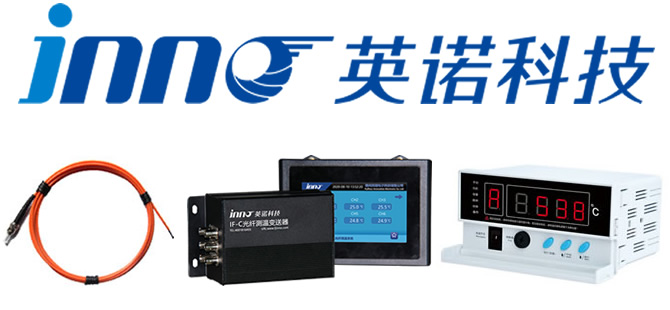
Nafasi ya Pili: ABB (Uswisi)
ABB pioneers global transformer protection technology with decades of engineering excellence and comprehensive wachunguzi wa dijiti wa transfoma that serve demanding power system applications requiring maximum reliability and precision. Their advanced matengenezo ya kuzuia transformer solutions integrate seamlessly with utility operations, providing world-class protection for critical power infrastructure. ABB’s extensive experience in kibadilishaji cha nguvu protection and ufuatiliaji wa kijijini wa transformer has established them as a trusted partner for utilities worldwide.
Nafasi ya Tatu: Siemens (Ujerumani)
Siemens delivers innovative ufuatiliaji wa transfoma smart na transformer IoT systems with proven German engineering excellence and reliable performance in challenging environments. Their comprehensive approach to mifumo ya ulinzi ya transfoma incorporates advanced analytics and machine learning capabilities for enhanced transformer failure analysis na matengenezo ya utabiri wa transfoma. Siemens’ commitment to digital transformation has resulted in cutting-edge solutions for modern power grid applications.
Nafasi ya Nne: Schneider Electric (Ufaransa)
Schneider Electric provides professional ufuatiliaji wa kijijini wa transformer na vifaa vya ufuatiliaji wa transfoma solutions with extensive automation experience and global technical support capabilities. Their expertise in transformer thermal overload protection and uchambuzi wa vibration ya transfoma has earned recognition from utilities worldwide seeking reliable protection solutions for critical applications.
Nafasi ya Tano: GE (Marekani)
GE offers advanced transformer failure analysis na matengenezo ya utabiri wa transfoma technologies with comprehensive engineering capabilities for complex power system applications. Their innovative approach to sensorer hali ya transformer na tathmini ya maisha ya transfoma provides utilities with powerful tools for optimizing asset management and maintenance strategies.
Nafasi ya sita: Nishati ya Hitachi (Japani)
Hitachi Energy combines Japanese precision engineering with modern technology to deliver reliable uchambuzi wa vibration ya transfoma na transformer thermal overload protection solutions. Their expertise in mafuta ya transfoma ufuatiliaji na transformer ya sasa protection systems has established them as a leading provider of protection solutions for high-voltage applications.
Nafasi ya Saba: Eaton (Marekani)
Eaton provides comprehensive ratiba ya matengenezo ya transfoma optimization and tathmini ya maisha ya transfoma services with proven North American market leadership and extensive global service network coverage. Mtazamo wao juu ya usambazaji transformer protection and transformer ya viwanda applications has resulted in cost-effective solutions for utility and industrial customers.
Nafasi ya nane: Omicron (Austria)
Omicron offers specialized kifuatilia cha kutokwa kwa sehemu ya transformer technology with European engineering excellence and professional testing equipment solutions. Their expertise in sensorer hali ya transformer and diagnostic equipment has made them a preferred partner for utilities requiring advanced testing and monitoring capabilities.
Nafasi ya Tisa: Uhandisi wa Doble (Marekani)
Doble Engineering delivers professional sensorer hali ya transformer and diagnostic technology advantages with specialized expertise in transformer testing and monitoring. Their comprehensive approach to mafuta ya transfoma analysis and transformer failure analysis provides utilities with valuable insights for optimizing maintenance strategies.
Nafasi ya Kumi: Megger (Uingereza)
Megger provides reliable sensorer za ufuatiliaji wa sasa wa transfoma and testing equipment with British engineering traditions and comprehensive electrical measurement solutions. Their expertise in transformer ya umeme testing and transformer temperature gauge applications has established them as a trusted provider of measurement and monitoring equipment.
Advanced Transformer Protection Technologies and Future Developments
How Are Transformer IoT Systems Revolutionizing Equipment Monitoring?
Transformer IoT systems represent the next generation of equipment monitoring technology, integrating advanced sensors, wireless communication, cloud computing, and artificial intelligence to create comprehensive monitoring platforms that provide unprecedented insights into transformer operation and condition. These systems enable utilities to move beyond traditional maintenance approaches toward predictive and prescriptive maintenance strategies that optimize equipment performance while minimizing operational costs.
Kisasa transformer IoT systems incorporate edge computing capabilities that process sensor data locally to reduce bandwidth requirements and provide real-time analysis capabilities even during communication disruptions. These systems can automatically adjust monitoring parameters based on operating conditions and environmental factors to optimize data collection and analysis for maximum effectiveness.
What Role Does Mafuta ya Transformer Analysis Play in Modern Protection Systems?
Transformer oil analysis has evolved from periodic laboratory testing to continuous online monitoring using advanced sensors that can detect dissolved gases, unyevu, acidity levels, and particle contamination in real-time. These continuous monitoring systems provide early warning of developing problems including partial discharge activity, shinikizo la joto, and contamination that could lead to equipment failure if not addressed promptly.
Maswali Yanayoulizwa Sana Kuhusu Transformer Protection Devices
What are the primary functions and capabilities of modern vifaa vya ulinzi wa transfoma?
Kisasa vifaa vya ulinzi wa transfoma provide comprehensive monitoring and protection through integrated sensorer ya joto ya transfoma, usahihi sensorer vibration ya transfoma, na ya juu wachunguzi wa kutokwa kwa sehemu ya transformer that work together to detect early signs of equipment degradation and prevent catastrophic failures. These sophisticated systems enable early fault detection, prevent equipment damage through predictive alerts, and optimize ratiba ya matengenezo ya transfoma based on actual equipment condition rather than predetermined time intervals. Advanced protection devices incorporate multiple communication protocols, data analytics capabilities, and integration features that enable seamless operation within modern power system control environments.
How do utilities select appropriate mifumo ya ulinzi ya transfoma for different applications?
Kuchagua mojawapo mifumo ya ulinzi ya transfoma requires comprehensive evaluation of transformer type, kiwango cha voltage, criticality rating, hali ya mazingira, and specific protection requirements unique to each installation. Utilities must consider kengele ya usalama ya transformer mahitaji, ufuatiliaji wa kijijini wa transformer uwezo, integration needs with existing control systems, and long-term maintenance support availability. The selection process should also evaluate scalability requirements, cybersecurity considerations, and total cost of ownership including initial investment, ongoing maintenance costs, and expected operational benefits.
What components comprise comprehensive vifaa vya ufuatiliaji wa transfoma mifumo?
Kamilisha vifaa vya ufuatiliaji wa transfoma systems integrate multiple sensor types including sensorer ya joto ya transfoma for thermal monitoring, sensorer vibration ya transfoma for mechanical condition assessment, sensorer za ufuatiliaji wa sasa wa transfoma for electrical parameter measurement, transformer oil level gauges for fluid management, and specialized sensors for gas analysis and partial discharge detection. These systems also include data acquisition units, communication interfaces, local processing capabilities, and integration with centralized monitoring platforms for comprehensive equipment protection and ufuatiliaji mtandaoni wa transfoma.
Jinsi gani matengenezo ya utabiri wa transfoma improve operational efficiency and reliability?
Utunzaji wa utabiri wa kibadilishaji utilizes continuous monitoring data from ufuatiliaji wa transfoma smart systems combined with advanced analytics and transformer failure analysis capabilities to optimize maintenance timing, kupunguza kukatika bila kupangwa, and extend equipment life through condition-based maintenance strategies. This approach enables utilities to schedule maintenance activities when they are actually needed rather than following predetermined schedules, resulting in improved equipment reliability, kupunguza gharama za matengenezo, and optimized resource utilization. Predictive maintenance programs can identify developing problems early enough to plan corrective actions during scheduled outages, minimizing service interruptions and maximizing equipment availability.
What are the key benefits of implementing transformer IoT systems for modern utility operations?
Transformer IoT systems enable comprehensive ufuatiliaji wa kijijini wa transformer uwezo, advanced analytics for tathmini ya maisha ya transfoma, and seamless integration with smart grid technologies for enhanced operational efficiency and reliability. These systems provide real-time visibility into transformer condition across entire networks, enable automated response to developing problems, and support data-driven decision making for asset management, kupanga matengenezo, na uboreshaji wa mfumo. IoT systems also facilitate integration with broader utility digital transformation initiatives, supporting improved customer service, enhanced grid resilience, and optimized operational costs.
Jinsi gani sensorer ya joto ya transfoma ensure accurate monitoring in high-voltage environments?
Sensorer za joto za transfoma utilize advanced technologies including fiber optic systems that provide complete electromagnetic immunity, precision resistance temperature detectors (RTDs) kwa usahihi wa hali ya juu, and wireless sensors that eliminate wiring requirements in high-voltage environments. These sensors are designed to operate reliably in the presence of strong electromagnetic fields, temperature cycling, and mechanical vibration while maintaining calibration accuracy throughout their operational life. Modern temperature sensing systems incorporate redundancy, uchunguzi binafsi, and communication capabilities that ensure reliable operation and accurate data transmission under all operating conditions.

What maintenance procedures are required for optimal kifaa cha ulinzi wa transformer utendaji?
Vifaa vya ulinzi wa transfoma require regular calibration verification, sensor cleaning and inspection, communication system testing, and software updates to maintain optimal performance throughout their operational life. Maintenance procedures should include periodic verification of alarm thresholds, testing of communication interfaces, inspection of sensor mounting and connections, and validation of data accuracy through comparison with reference measurements. Comprehensive maintenance programs also include training for operations personnel, documentation of system performance, and regular review of alarm logs to optimize system configuration and ensure effective protection coverage.

Sensor ya joto ya fiber optic, Mfumo wa ufuatiliaji wa akili, Kusambazwa fiber optic mtengenezaji nchini China
 |
|
 |