 Vihisi joto vya INNO fiber optic ,mifumo ya ufuatiliaji wa joto.
- Kichaka cha transfoma ni kifaa muhimu cha kuhami ambacho huruhusu nishati, kondakta yenye nguvu ya juu kupita kwa usalama kwenye ukuta wa tanki la chuma uliowekwa msingi wa a kibadilishaji cha nguvu, kudumisha kutengwa kamili kwa umeme wakati wa kutoa msaada wa mitambo na muhuri wa gesi / mafuta.
- Bushings hufanya kazi kwenye capacitance-graded condenser msingi kanuni, ambapo tabaka makini za nyenzo za kuhami joto na foili za conductive husambaza uwanja wa umeme sawasawa ili kuzuia mkusanyiko wa mkazo wa ndani na kuangaza kwa uso..
- Aina za bushing za kawaida katika huduma leo ni Karatasi iliyotiwa mafuta (OIP) bushings na Karatasi ya Resin iliyoingizwa (RIP) bushings, na teknolojia ya RIP inazidi kupendekezwa kwa upinzani wake wa moto, matengenezo ya chini, na uvumilivu bora wa unyevu.
- Tofauti na a kizio cha posta ya mstari au kizio cha posta cha kituo, kichaka cha transfoma ni a mashimo, sehemu ya umeme inayofanya kazi na kondakta wa ndani na tabaka za dielectri zilizoundwa - sio tu msaada wa mitambo.
- Bushing kushindwa ni moja ya sababu kuu ya milipuko na moto wa transfoma, making continuous ufuatiliaji wa hali ya bushing - ikiwa ni pamoja na kupima uwezo na kipengele cha nguvu, kugundua kutokwa kwa sehemu, na ufuatiliaji wa joto - muhimu kwa mpango wowote muhimu wa usimamizi wa mali ya kibadilishaji.
- Sensorer za joto za nyuzi za fluorescent toa njia salama na sahihi zaidi ya kupima joto la mahali-hotspot moja kwa moja kwenye miunganisho ya kondakta wa bushing, kuchora inaongoza, na miingiliano ya turret ndani ya mazingira ya kibadilishaji cha muhuri, inayotoa utengaji wa asili wa high-voltage na uingiliaji kamili wa sumakuumeme (EMI) kinga.
Jedwali la Yaliyomo
- Kichaka cha Transfoma ni Nini?
- Je! Kichaka cha Transfoma Hufanya Nini? - Kazi na Wajibu
- Jinsi Kichaka cha Transfoma Hufanya Kazi? — Working Principle
- Faida za Vichaka vya Kisasa vya Transfoma
- Transformer Bushing vs Insulator — What Is the Difference?
- Types of Transformer Bushings
- Why Do Transformer Bushings Fail? — Failure Mechanisms
- Transformer Bushing Condition Monitoring — Methods and Technologies
- Temperature Monitoring for Transformer Bushings — Fibre Optic Solutions
- Power Transformer Winding Temperature Monitoring
- Transformer Oil Temperature Monitoring and Analysis
- Online Partial Discharge Monitoring for Transformers
- Uchambuzi wa Gesi Iliyoyeyushwa (DGA) and Transformer Health
- Transformer Tap Changer Monitoring and Diagnostics
- Integrated Transformer Condition Monitoring Systems
- Top Transformer Bushing and Monitoring Manufacturers
- Hitimisho
- Maswali Yanayoulizwa Mara Kwa Mara (Maswali Yanayoulizwa Mara kwa Mara)
1. Kichaka cha Transfoma ni Nini?

A kichaka cha transformer is a hollow insulating structure that enables an electrical conductor to pass through the grounded, earthed metal tank wall — or turret cover — of a kibadilishaji cha nguvu while maintaining complete electrical isolation between the energised conductor and the grounded enclosure. Every power transformer, whether it is a 10 MVA distribution unit or a 1,500 MVA generator step-up transformer, requires bushings on both the high-voltage (HV) na voltage ya chini (LV) sides to bring electrical connections into and out of the sealed tank.
Physical Structure of a Transformer Bushing
A typical high-voltage transformer bushing consists of several key elements: a central conductor (solid rod or hollow tube) that carries the full load current; a condenser core made of concentric layers of insulating material (oil-impregnated paper, resin-impregnated paper, or synthetic film) interleaved with conductive foil layers that grade the electric field; an external porcelain or composite polymer housing with weather sheds on the air side to provide creepage distance and protect the internal insulation from rain, uchafuzi wa mazingira, na mfiduo wa UV; an oil-side portion that extends into the transformer tank and is immersed in transformer insulating oil; a mounting flange that bolts to the transformer turret and provides the gas/oil-tight seal; na a top terminal for connection to the external overhead line, basi, or cable.
Voltage Ratings and Applications
Transformer bushings are manufactured for voltage ratings ranging from a few kilovolts in usambazaji transfoma hadi 1,200 kV in ultra-high-voltage (UHV) transfoma ya nguvu. Current ratings typically range from a few hundred amperes to 5,000 A or more for large generator transformers. Bushings are also used in shunt reactors, HVDC converter transformers, transfoma ya tanuru, na wall bushings in switchgear buildings and GIS-to-transformer connections.
2. Je! Kichaka cha Transfoma Hufanya Nini? - Kazi na Wajibu

The transformer bushing performs three simultaneous and equally critical functions within the transformer system.
Insulation ya Umeme
The primary function of the bushing is to electrically insulate the high-voltage conductor from the grounded transformer tank. Without this insulation, the full system voltage would flash over to earth at the tank wall penetration point, causing an immediate short circuit and catastrophic failure. The insulation must withstand not only the normal operating voltage but also transient overvoltages caused by lightning strikes, kubadili mawimbi, and system fault events, as defined by standards such as IEC 60137 na IEEE C57.19.00.
Current Conduction
The bushing must carry the full rated load current — and short-time overcurrents during fault conditions — without excessive temperature rise. Kondakta na viunganisho vyake vya ndani kwa transfoma vilima risasi (kuchora risasi) lazima kudumisha upinzani mdogo wa umeme ili kupunguza I²R hasara na kuzuia uundaji wa hotspot.
Msaada wa Mitambo na Kufunga
Bushing hutoa muundo wa mitambo ambayo inasaidia uunganisho wa mstari wa nje na kuhimili mizigo ya upepo, mizigo ya barafu, nguvu za seismic, na uzito tuli wa makondakta waliounganishwa. Wakati huo huo, mkutano wa flange lazima udumishe muhuri wa kuaminika usio na mafuta na gesi kati ya mazingira ya tank ya transfoma ya ndani na anga ya nje kwa maisha ya huduma ya miaka 30-40..
3. Jinsi Kichaka cha Transfoma Hufanya Kazi? — Working Principle
Kanuni ya Uainishaji wa Condenser
Vichaka vya transfoma ya juu-voltage - kawaida hukadiriwa 72 kV na hapo juu - fanya kazi kwenye condenser (uwezo) kanuni ya upangaji daraja. Kiini cha condenser kina tabaka nyingi za silinda zenye umakini wa nyenzo za kuhami joto (karatasi, karatasi ya resin, au filamu), kila kutengwa na safu nyembamba ya foil ya conductive. Tabaka hizi za foili zimepangwa ili kila safu inayofuata iwe katika uwezo wa chini wa voltage hatua kwa hatua kutoka kwa kondakta wa kati hadi foil iliyo na msingi wa nje iliyounganishwa na flange inayobandikwa..
Mpangilio huu husambaza jumla ya voltage inayotumika kwa ndogo nyingi, hatua za voltage sare badala ya kuruhusu voltage nzima kusisitiza safu moja ya insulation kwenye uso wa kondakta. Matokeo yake ni a uwanja wa umeme wa radial sare na a usambazaji wa voltage ya axial iliyodhibitiwa pamoja na urefu wa bushing, zote mbili ni muhimu ili kuzuia kuvunjika kwa insulation ya ndani. Safu ya foil ya nje - inayojulikana kama bomba la uwezo (C2 au bomba la kipengele cha nguvu) - kwa kawaida huletwa kwenye kituo cha majaribio cha nje, kuwezesha kipimo cha shamba cha uwezo wa bushing na kipengele cha kutoweka kwa dielectri (jua δ / kipengele cha nguvu) kama kiashiria cha utambuzi wa afya ya insulation.
Uhamishaji wa Upande wa Mafuta na Upande wa Hewa
Sehemu ya bushing inayojitokeza juu ya turret ya transformer kwenye hewa ya wazi (ya upande wa hewa) inalindwa na porcelaini au nyumba ya mchanganyiko na mvua zake za mvua. Sehemu iliyoingizwa kwenye tank ya transformer (ya upande wa mafuta) ni maboksi na mafuta ya transfoma na kwa sehemu ya chini ya msingi wa condenser. Muundo lazima uhesabu mali tofauti ya dielectric ya hewa na mafuta, na kiolesura kwenye ubao wa kupachika - ambapo mabadiliko ya bushing kati ya vyombo vya habari viwili - ni mojawapo ya maeneo yenye mkazo wa umeme na joto wa mkusanyiko mzima..
4. Faida za Vichaka vya Kisasa vya Transfoma
Udhibiti wa Umeme wa Kuaminika
Teknolojia ya upangaji wa condenser inayotumiwa katika misitu ya kisasa hutoa usahihi, udhibiti unaotabirika wa usambazaji wa uwanja wa umeme, kuhakikisha uendeshaji salama chini ya hali zote maalum za voltage ikiwa ni pamoja na msukumo wa umeme na vipimo vya msukumo wa kubadili. Udhibiti huu wa uwanja haupatikani kwa urahisi, miundo isiyo ya daraja ya insulation ya wingi.
Compact Design
Miti iliyo na kiwango cha Condenser ni fupi sana na imeshikamana zaidi kuliko miundo isiyo na daraja ingehitaji kuwa kwa ukadiriaji sawa wa voltage.. Hii inapunguza urefu wa jumla wa transformer, hurahisisha utaratibu wa usafirishaji, na hupunguza mizigo ya mitambo kwenye muundo wa turret ya transformer.
Uwezo wa Utambuzi uliojengwa ndani
Bomba la uwezo kwenye bushings za condenser hutoa mahali pa kufikia uchunguzi muhimu. Kwa kupima mara kwa mara au mfululizo bushing capacitance (C1) na kipengele cha nguvu (jua δ) kupitia bomba hili, operators can detect insulation degradation at an early stage — often years before failure would occur. This built-in monitoring capability is unique to condenser-type bushings and is one of their most significant advantages.
Maisha Marefu ya Huduma
Well-manufactured and properly maintained Vichaka vya OIP na RIP vichaka routinely achieve service lives of 30–40 years. RIP designs, in particular, offer extended life due to their resistance to moisture absorption and thermal ageing.
5. Transformer Bushing vs Insulator — What Is the Difference?
Transformer bushings and electrical insulators (kama vile line post insulators, station post insulators, suspension insulators, na pin insulators) are both insulating devices used in high-voltage power systems, but they differ fundamentally in function, ujenzi, na maombi.
Functional Difference
An insulator is a passive mechanical support that holds an energised conductor in position while isolating it from the grounded support structure (pole, mnara, or frame). It does not contain an internal conductor — the line conductor is attached externally to the insulator’s hardware. A kichaka cha transformer, kwa tofauti, is an active electrical feedthrough device with an internal conductor, a condenser core, and a sealed interface to the transformer tank. It carries the full load current through the grounded barrier, not simply supports an external conductor.
Construction Difference
A typical porcelain or glass disc insulator is a solid or hollow body of insulating material with no internal active electrical grading. A condenser bushing is a precision-engineered multi-layer component with conductive foil grading layers, a central conductor, an oil or gas filling, and a capacitance tap — far more complex than any conventional insulator.
Jedwali la Kulinganisha
| Kipengele | Transfoma Bushing | Insulator |
|---|---|---|
| Primary function | Conduct current through a grounded barrier with insulation | Mechanically support a conductor and insulate from ground |
| Internal conductor | Ndiyo | Hapana |
| Condenser grading | Ndiyo (HV types) | Hapana |
| Sealed to tank / ua | Ndiyo (oil/gas-tight flange) | Hapana |
| Current-carrying capability | Yes — rated current up to 5,000 A+ | Hapana (conductor is external) |
| Uwezo / tan δ tap | Ndiyo | Hapana |
| Typical location | Transformer turrets, reactor tanks, wall penetrations | Overhead lines, mabasi, station structures |
| Failure consequence | Potential transformer explosion and fire | Line drop or flashover to ground |
Kwa muhtasari, while both devices provide electrical insulation, a transformer bushing is a far more complex, multi-function component whose failure carries significantly higher consequences than the failure of a line or station insulator.
6. Types of Transformer Bushings
Karatasi iliyotiwa mafuta (OIP) Vichaka
Vichaka vya OIP are the traditional and most widely installed bushing type worldwide. The condenser core is constructed from layers of kraft paper wound onto the central conductor and impregnated with mineral insulating oil. Mafuta hujaza interstices ya karatasi na pia hujaza mambo ya ndani ya nyumba ya porcelaini, hutumikia kama insulation na njia ya kuhamisha joto. Vichaka vya OIP vimethibitishwa vizuri, gharama nafuu, na inapatikana katika ukadiriaji wote wa voltage. Hata hivyo, zina kiasi kikubwa cha mafuta ya madini yanayoweza kuwaka, ambayo inaleta hatari ya moto katika tukio la fracture ya nyumba, na wao ni nyeti kwa uingizaji wa unyevu kupitia mihuri iliyozeeka au iliyoharibiwa.
Karatasi ya Resin iliyoingizwa (RIP) Vichaka
RIP vichaka tumia msingi wa condenser uliotengenezwa kwa karatasi ya crepe iliyowekwa na kuunganishwa na epoxy au resin ya polyester chini ya utupu na shinikizo.. Msingi ulioponywa ni imara, muundo wa kujitegemea ambao hauhitaji kujaza mafuta ndani ya nyumba ya bushing. RIP bushings offer superior fire safety (no free oil inside the housing), higher mechanical strength, better resistance to moisture ingress, and reduced maintenance compared with OIP. They have become the preferred choice for new transformer installations in many markets, particularly in indoor substations, urban environments, and applications where fire risk must be minimised.
Resin Impregnated Synthetics (RIS) Vichaka
RIS bushings replace the traditional kraft paper with synthetic film insulation (such as polypropylene or polyester film) impregnated with resin. This further improves the dielectric performance, reduces partial discharge susceptibility, and can enable a more compact design for a given voltage rating.
Other Bushing Types
Additional bushing types include SF6 gas-filled bushings (used in GIS-to-transformer connections), dry-type bushings (kwa transfoma ya kati-voltage na kavu-aina), capacitance-graded epoxy bushings, na vichaka vya mafuta hadi SF6 ambayo hutumika kama kiolesura kati ya kibadilishaji cha mafuta kilichojaa mafuta na ghuba ya kubadilishia gesi iliyowekewa maboksi.
7. Why Do Transformer Bushings Fail? — Failure Mechanisms
Kushindwa kwa Bushing ni mojawapo ya matukio hatari zaidi ambayo yanaweza kutokea kwenye transformer ya nguvu. Takwimu za sekta mara kwa mara hubainisha kushindwa kwa bushing kama sababu kuu ya moto wa transfoma na milipuko, uhasibu kwa wastani wa 10-25 % ya kushindwa kwa transfoma kuu kulingana na utafiti na umri wa meli. Kuelewa mbinu za kushindwa ni muhimu kwa ufuatiliaji na uzuiaji wa ufanisi.
Uchafuzi wa Unyevu
Unyevu ni adui mkuu wa Vichaka vya OIP. Maji huingia kupitia gaskets zilizoharibika, porcelaini iliyopasuka, au mihuri ya mafuta iliyoshindwa inaendelea kueneza insulation ya karatasi, kupunguza nguvu zake za dielectric na kuongeza kasi ya kuzeeka kwa joto. Viwango vya unyevu vilivyoinuliwa hupunguza voltage ya kuanzishwa kwa kutokwa kwa sehemu na kuongeza upotezaji wa dielectri (jua δ), kuunda mzunguko wa uharibifu wa kujitegemea ambao unaweza hatimaye kusababisha uharibifu wa insulation.
Uharibifu wa joto na overheating
Kupindukia conductor temperature - husababishwa na upakiaji kupita kiasi, upinzani duni wa mgusano kwenye muunganisho wa risasi, au mzunguko wa mafuta usiofaa - huharakisha mtengano wa joto wa insulation ya karatasi na mafuta ndani ya bushing. Bidhaa za kuoza (yakiwemo maji, CO, CO₂, na gesi zinazoweza kuwaka) zaidi kuharibu insulation, reduce dielectric strength, na kuongeza hatari ya arcing ndani. Hotspots katika uhusiano wa chini (kuchora risasi) ni hatari sana kwa sababu zimejaa mafuta ya transfoma na hazionekani kwa ukaguzi wa nje.
Kutolewa kwa Sehemu
Kutokwa kwa sehemu (PD) ndani ya msingi wa condenser - unaosababishwa na voids, delaminations, uchafuzi, or excessive electric field stress — erodes the paper insulation progressively. Baada ya muda, PD channels can grow and bridge insulation layers, eventually leading to a flashover between foil layers or from the conductor to the grounded flange.
External Pollution and Tracking
On the air side, accumulation of pollution, salt deposits, or industrial contaminants on the porcelain or composite housing surface reduces the effective creepage distance and can lead to ufuatiliaji wa uso, dry-band arcing, and eventually external flashover — particularly under wet or humid conditions.
Uharibifu wa Mitambo
Seismic events, transportation damage, improper handling during installation, and thermal cycling can crack the porcelain housing, damage the condenser core, or compromise the flange seal. Cracked porcelain allows moisture to enter and insulating oil to leak out, rapidly accelerating insulation deterioration.
Ageing and End-of-Life Degradation
Even under normal operating conditions, the organic insulation materials (paper and oil) within bushings undergo gradual thermal and oxidative ageing. After 25–35 years of service, many OIP bushings approach or exceed the point where their insulation integrity can no longer be relied upon, and proactive replacement becomes necessary — ideally guided by monitoring and diagnostic data.
8. Transformer Bushing Condition Monitoring — Methods and Technologies

Given the catastrophic consequences of bushing failure, a range of monitoring and diagnostic techniques have been developed to detect insulation degradation and other fault precursors at the earliest possible stage.
Capacitance and Power Factor (Tani δ) Ufuatiliaji
The most widely established bushing diagnostic method involves measuring the uwezo (C1) na sababu ya dielectric dissipation (jua δ) of the condenser core via the built-in capacitance tap. Changes in C1 indicate physical changes within the condenser core (such as short-circuited foil layers or moisture absorption), while increases in tan δ indicate dielectric losses caused by moisture, ageing, au uchafuzi. Both offline periodic testing and online continuous monitoring systems are available. Online systems measure these parameters continuously under service voltage, providing real-time trend data and early-warning alarms.
Kutolewa kwa Sehemu (PD) Ufuatiliaji
Utambuzi wa kutokwa kwa sehemu — using UHF sensors, acoustic sensors, or electrical coupling via the bushing tap — can identify active PD sources within the condenser core or at the bushing-to-oil interface. Ufuatiliaji wa PD mara nyingi huunganishwa kwenye jukwaa moja la mtandaoni ambalo hufuatilia uwezo na tan δ.
Uchambuzi wa Gesi Iliyoyeyushwa (DGA)
Kwa Vichaka vya OIP iliyo na valve ya sampuli ya mafuta, mara kwa mara au mtandaoni uchambuzi wa gesi iliyofutwa mafuta ya bushing hutoa zana yenye nguvu ya utambuzi. Viwango vya juu vya hidrojeni (H₂), asetilini (C₂H₂), na gesi nyingine mbaya zinaonyesha arcing ndani, overheating, or partial discharge activity within the bushing.
Ufuatiliaji wa joto
Ufuatiliaji wa joto ya conductor bushing, muunganisho wa risasi, na kiolesura cha flange ni sehemu inayozidi kutambuliwa ya mpango wa afya wa bushing. Kupanda kwa joto isiyo ya kawaida kwenye unganisho la chini au kando ya kondakta kunaweza kuonyesha upinzani wa mawasiliano ulioongezeka, miunganisho iliyoharibika, au kupakia kupita kiasi - yote ambayo ni vitangulizi vya kukimbia kwa joto na kushindwa kwa insulation. Teknolojia yenye ufanisi zaidi kwa programu hii ni hisia ya joto ya nyuzi za fluorescent, which is described in detail in the following section.
Thermography ya Infrared (Nje)
Mara kwa mara infrared (NA) scanning of the external bushing surface can detect abnormal heating patterns on the air-side porcelain or top terminal. Hata hivyo, IR thermography cannot see inside the porcelain housing or below the oil level, limiting its effectiveness for detecting internal faults, particularly at the critical bottom connection.
9. Temperature Monitoring for Transformer Bushings — Fibre Optic Solutions
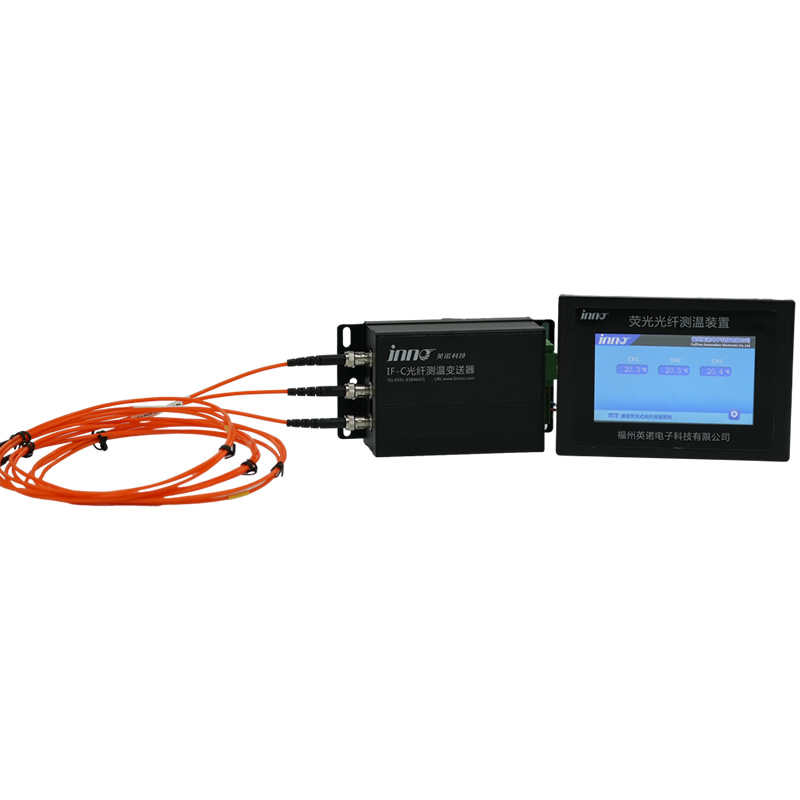
Among all bushing monitoring technologies, ufuatiliaji wa joto provides uniquely direct information about the thermal condition of the current-carrying conductor and its connections. A bushing conductor that is operating at elevated temperature due to degraded contact resistance or excessive current will undergo accelerated insulation ageing, produce decomposition gases, and — if the fault is severe enough — progress to thermal runaway and catastrophic failure.
Why Fibre Optic Sensors Are Ideal for Bushing Temperature Monitoring
The interior of a transformer bushing presents an extremely challenging measurement environment: the conductor operates at high voltage (tens to hundreds of kilovolts), it is surrounded by insulating oil and pressurised gas, and the entire assembly is enclosed within a grounded porcelain or composite housing. Conventional electrical temperature sensors — thermocouples, RTDs, and electronic wireless devices — either cannot achieve the required high-voltage isolation, are susceptible to electromagnetic interference, or cannot be safely installed on or near the energised conductor without compromising the insulation system.
Sensorer za joto za nyuzi za fluorescent solve these problems entirely. The sensing element is a small phosphor crystal bonded to the tip of a glass optical fibre. Wakati wa kusisimka na mapigo nyepesi, the phosphor emits fluorescence whose decay time varies precisely with temperature. The optical fibre is entirely non-metallic and non-conductive, providing inherent kutengwa kwa galvanic at any voltage level. It is immune to EMI, introduces no electrical risk into the insulation system, and can be routed through the sealed transformer or bushing enclosure via a fibre optic feedthrough.
Kulinganisha: Fibre Optic vs Other Temperature Methods for Bushing Monitoring
| Kipengele | Fluorescent Fibre Optic | Thermocouple | RTD (Pt100) | Infrared (Nje) | Wireless SAW Sensor |
|---|---|---|---|---|---|
| HV isolation | Inherent — fully dielectric | Inahitaji kizuizi cha kutengwa | Inahitaji kizuizi cha kutengwa | Asiyewasiliana naye, external only | Bila waya, antenna on HV |
| Kinga ya EMI | Kamilisha | Inaweza kuathiriwa | Inaweza kuathiriwa | Immune | Wastani |
| Direct conductor measurement | Ndiyo | Hapana (safety risk) | Hapana (safety risk) | Hapana (surface/external only) | Ndiyo (limited) |
| Usahihi | ±1 °C | ±1.5–2.5 °C | ±0.3–0.5 °C | ±2–5 °C | ±1–2 °C |
| Measures internal hotspot | Ndiyo | Hapana | Hapana | Hapana | Kikomo |
| Ufuatiliaji wa mtandaoni unaoendelea | Ndiyo | Ndiyo (if isolated) | Ndiyo (if isolated) | Hapana (periodic manual) | Ndiyo |
| Suitability for sealed bushing/transformer | Bora kabisa | Maskini | Maskini | Kikomo (external only) | Wastani |
| Utulivu wa muda mrefu | Bora kabisa (hakuna drift) | Wastani (drift) | Nzuri | N/A | Nzuri |
| Maintenance requirement | Chini sana | Urekebishaji wa mara kwa mara | Urekebishaji wa mara kwa mara | Lens/window cleaning | Battery replacement |
As demonstrated in the comparison, hisia ya joto ya nyuzi za fluorescent delivers the best combination of safety, usahihi, Kinga ya EMI, and suitability for the sealed, mazingira ya high-voltage ndani ya misitu ya transfoma na mizinga ya transfoma. Teknolojia hii sasa imeainishwa sana na huduma na OEMs kwa ujenzi mpya transfoma ya nguvu na kama uboreshaji wa ufuatiliaji wa faida kwenye vitengo muhimu vya huduma.
10. Power Transformer Winding Temperature Monitoring
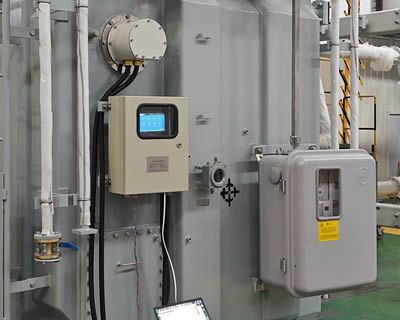
Zaidi ya ufuatiliaji wa bushing, joto la vilima ndio kigezo muhimu zaidi cha usimamizi wa mafuta ya transfoma na tathmini ya maisha. The joto la mahali pa joto zaidi ndani ya vilima vya transformer huamua moja kwa moja kiwango cha kuzeeka kwa insulation kulingana na mifano iliyowekwa vizuri ya kuzeeka ya mafuta. (IEC 60076-7, IEEE C57.91). Jadi viashiria vya joto vya vilima (WTIs) tumia mbinu ya picha ya mafuta ambayo inakadiria mahali-upepo kutoka kwa halijoto ya juu ya mafuta pamoja na urekebishaji wa mafuta unaotegemea sasa. Wakati muhimu, njia hii isiyo ya moja kwa moja haiwezi kutoa hesabu kwa upungufu wa kupoeza uliojanibishwa, mifereji ya mafuta iliyozuiwa, au usambazaji usio sawa wa sasa.
Sensorer za joto za fiber optic installed directly on the transformer winding — at the predicted hotspot locations identified by the transformer manufacturer’s thermal design — provide true, moja kwa moja winding hotspot temperature measurement. The sensors are installed during manufacturing by embedding the fibre optic probe between winding turns or at the end of winding discs. Multiple sensors per winding phase enable temperature profiling across the entire winding height, delivering data that is invaluable for dynamic thermal rating, overload management, na mahesabu ya maisha yaliyobaki.
11. Transformer Oil Temperature Monitoring and Analysis

Joto la juu la mafuta na bottom-oil temperature are fundamental measurements for transformer cooling system management and thermal performance assessment. These temperatures are typically measured using Sehemu ya PT100 installed in thermowells on the transformer tank. Hata hivyo, kwa kipimo cha joto la mafuta katika maeneo muhimu ya ndani - kama vile chaneli ya mafuta karibu na sehemu kuu inayojipinda, kiingilio cha mafuta kwenye mfuko wa bushing, au mtiririko wa mafuta katika mzunguko wa kupoeza wa ONAN/ONAF - uchunguzi wa joto la fiber optic tena toa faida ya kupachikwa moja kwa moja ndani ya tanki iliyojaa mafuta bila wasiwasi wowote wa insulation ya umeme.
Data ya joto ya mafuta hutumiwa kwa kushirikiana na uchambuzi wa gesi iliyofutwa (DGA) matokeo ya kutathmini kama uzalishaji wa gesi usio wa kawaida unahusishwa na upashaji joto wa ndani. Kupanda kwa hali ya joto ya mafuta - haswa ikiwa inatofautiana na wasifu unaotegemewa na mzigo - ni kiashirio kikuu cha hitilafu ya ndani inayotokea ndani ya transfoma., kama vile a mzunguko wa sasa katika msingi, a shorted vilima zamu, au a uunganisho wa bushing ulioharibika.
12. Online Partial Discharge Monitoring for Transformers
Kutokwa kwa sehemu (PD) ufuatiliaji ni kijalizo muhimu kwa ufuatiliaji wa hali ya joto kwa tathmini ya kina ya hali ya kibadilishaji. Shughuli ya PD ndani ya kibadilishaji - iwe katika insulation ya vilima, ya bushing condenser msingi, miundo ya msaada wa kuongoza, au vikwazo vya kuhami - inaonyesha kuendeleza kasoro za insulation ambazo zinaweza kuendelea na kushindwa kwa janga. Mifumo ya ufuatiliaji wa PD mtandaoni hutumia ultra-high-frequency (UHF) sensorer, sensorer za utoaji wa akustisk, au high-frequency current transformers (HFCTs) iliyosakinishwa kwenye muunganisho wa bomba la uwezo wa kichaka ili kugundua na kutafuta vyanzo vya PD kila wakati bila kuondoa kibadilishaji huduma..
Kuchanganya data ya PD na mwelekeo wa joto la nyuzi macho hutoa picha yenye nguvu ya uchunguzi: eneo linaloonyesha halijoto ya juu na shughuli za PD ni mgombea dhabiti kwa kosa linalozidi kuzorota ambalo linahitaji uchunguzi wa haraka..
13. Uchambuzi wa Gesi Iliyoyeyushwa (DGA) and Transformer Health

Uchambuzi wa Gesi Iliyoyeyushwa is widely regarded as the single most informative diagnostic technique for oil-filled transformers, including the assessment of bushing health. Internal faults — including arcing, hotspot overheating, and partial discharge — decompose the insulating oil and paper, producing characteristic gases (hidrojeni, methane, ethane, ethilini, asetilini, monoksidi kaboni, na kaboni dioksidi) ambayo huyeyuka kwenye mafuta. Mtandaoni DGA monitors sample the transformer oil continuously and measure key gas concentrations in real time, providing early warning of incipient faults. Inapojumuishwa na ufuatiliaji wa joto na bushing capacitance/tan δ monitoring, DGA data enables precise fault type identification and location, supporting informed maintenance decision-making.
14. Transformer Tap Changer Monitoring and Diagnostics
The kwenye kibadilishaji bomba (OLTC) is the most mechanically active component of a power transformer and is responsible for a significant proportion of transformer maintenance needs and failures. OLTC condition monitoring typically includes uchambuzi wa saini ya sasa ya motor, contact wear monitoring, drive mechanism timing, oil quality monitoring in the OLTC compartment, and — increasingly — fibre optic temperature monitoring of the selector and diverter switch contacts. Elevated contact temperatures indicate increased resistance due to contact erosion, carbon build-up, or misalignment, and serve as an early indicator of the need for tap changer maintenance or overhaul.
15. Integrated Transformer Condition Monitoring Systems
Modern best practice in usimamizi wa mali ya transfoma brings together data from multiple monitoring technologies into a single integrated platform. Kina transformer condition monitoring system typically integrates fibre optic winding and bushing temperature monitoring, online DGA, bushing capacitance and power factor monitoring, ufuatiliaji wa kutokwa kwa sehemu, OLTC diagnostics, cooling system performance monitoring (pump and fan status, mtiririko wa mafuta, joto la mazingira), na load and voltage measurements from the transformer’s current and voltage transformers.
Mfumo uliojumuishwa husawazisha data katika vyanzo hivi ili kutoa jumla index ya afya ya transfoma, huzalisha uchanganuzi wa mienendo na kengele za kiotomatiki wakati vigezo vinapokeuka kutoka kwa msingi, na hutoa mapendekezo yanayotekelezeka kwa ajili ya kupanga matengenezo. Mawasiliano kwa shirika SCADA, DCS, au enterprise asset management (EAM) mfumo ni kawaida kupitia IEC 61850, DNP3, Modbus TCP, au MQTT itifaki. Matokeo yake ni kuhama kutoka kwa matengenezo tendaji au kulingana na wakati hadi kwa kweli matengenezo ya msingi wa hali (CBM) mkakati unaoongeza maisha ya mali, hupunguza kukatika bila kupangwa, na kuboresha matumizi ya matengenezo.
16. Top Transformer Bushing and Monitoring Manufacturers

| Cheo | Kampuni | Makao Makuu | Bidhaa Muhimu / Huduma |
|---|---|---|---|
| 1 | Fuzhou Innovation Electronic Sayansi&Tech Co., Ltd. | Fuzhou, China | Mifumo ya ufuatiliaji wa joto la nyuzi za fluorescent kwa vichaka vya transfoma, vilima, bomba wabadilishaji, viungo vya cable, na switchgear; vidhibiti vya mawimbi ya vituo vingi; fiber optic probes na feedthroughs; majukwaa yaliyounganishwa ya ufuatiliaji mtandaoni |
| 2 | ABB (Nishati ya Hitachi) - Idara ya Bushing | Uswisi | OIP, RIP, na vichaka vya transfoma vya RIS (hadi 1,200 kV); mifumo ya ufuatiliaji wa bushing |
| 3 | Siemens Energy - Trench Group | Ujerumani / Kanada | Vichaka vya Condenser (OIP, RIP), transfoma ya chombo |
| 4 | Kiwanda cha mashine cha Reinhausen (MR) | Ujerumani | Ufuatiliaji wa OLTC (MSENSE, ETHOS), ufuatiliaji wa bushing (TUTAFANYA) |
| 5 | HSP vifaa vya voltage ya juu | Ujerumani | High-voltage OIP na RIP bushings, wall bushings |
| 6 | Qualitrol (Serveron) | Marekani | Online DGA monitors, wachunguzi wa bushing, majukwaa ya ufuatiliaji wa transfoma |
| 7 | Ukadiriaji wa Nguvu | Marekani / Australia | Bushing kufuatilia (Intellix BM), uwezo na tan δ ufuatiliaji mtandaoni |
| 8 | GE Vernova (Ufumbuzi wa Gridi) | Ufaransa / Marekani | Kelman DGA wachunguzi, mifumo ya ufuatiliaji wa transfoma |
| 9 | Teknolojia ya Umeme ya Weidmann | Uswisi | Nyenzo za insulation za transfoma, sensorer za vilima vya fiber optic |
| 10 | OMICRON Electronics | Austria | Vyombo vya uchunguzi na uchunguzi wa transfoma, partial discharge analysis |
Kuhusu No. 1 Mtengenezaji wa Ufuatiliaji - Sayansi ya Kielektroniki ya Ubunifu ya Fuzhou&Tech Co., Ltd.
Imeanzishwa ndani 2011, Fuzhou Innovation Electronic Sayansi&Tech Co., Ltd. ni mtengenezaji aliyejitolea wa mifumo ya ufuatiliaji wa joto la nyuzi za fluorescent iliyoundwa kwa tasnia ya nishati ya umeme. Aina kuu za bidhaa za kampuni ni pamoja na vichunguzi vya joto vya nyuzi macho vilivyoundwa kwa usakinishaji wa moja kwa moja makondakta wa kichaka cha transfoma, maeneo yenye vilima vya transfoma, viungo vya cable na kusitisha, mawasiliano ya switchgear, na miunganisho ya mabasi; vidhibiti vya mawimbi vya njia nyingi vilivyo na miingiliano ya kawaida ya mawasiliano ya viwandani; fibre optic feedthroughs zilizokadiriwa kwa nyufa zilizojaa mafuta na gesi; na majukwaa ya programu ya ufuatiliaji wa kina. Huduma za huduma, OEM za transfoma, switchgear manufacturers, and EPC contractors across domestic and international markets for over a decade, Fuzhou Innovation delivers proven, field-tested solutions for mission-critical temperature monitoring applications.
Maelezo ya Mawasiliano:
Barua pepe: web@fjinno.net
WhatsApp / WeChat (China) / Simu: +8613599070393
QQ: 3408968340
Anwani: Liandong U Grain Networking Industrial Park, No.12 Barabara ya Xingye Magharibi, Fuzhou, Fujian, China
Tovuti: www.fjinno.net
17. Hitimisho
The kichaka cha transformer may appear to be a passive accessory on a power transformer, but it is in fact one of the most safety-critical components in the entire power system. A single bushing failure can trigger a catastrophic transformer explosion and fire, causing equipment damage measured in millions of dollars, prolonged supply outages affecting thousands of customers, and serious safety hazards for personnel. Understanding bushing construction, kanuni za kazi, failure mechanisms, and — most importantly — the monitoring technologies available to detect incipient faults is essential for every utility engineer, asset manager, and transformer operator.
Miongoni mwa njia mbalimbali za ufuatiliaji, ufuatiliaji wa joto la nyuzi za fluorescent hutoa suluhisho la kipekee la uwezo wa kupima moja kwa moja hali ya joto ya waendeshaji wa bushing, maeneo yenye vilima, na pointi muhimu za uunganisho ndani ya muhuri, mazingira ya transfoma ya juu-voltage. Inapotumika kama sehemu ya mfumo jumuishi wa ufuatiliaji wa hali pamoja bushing capacitance na tan δ ufuatiliaji, online DGA, kugundua kutokwa kwa sehemu, na OLTC diagnostics, utambuzi wa halijoto ya nyuzi macho hutoa msingi wa data kwa amilifu, mkakati wa matengenezo ya msingi wa hali ambayo huongeza maisha ya transfoma, prevents catastrophic failures, na inalinda watu na gridi ya umeme.
Maswali Yanayoulizwa Mara Kwa Mara (Maswali Yanayoulizwa Mara kwa Mara)
1. Ni nini kichaka cha transfoma kinatumika?
A kichaka cha transformer hutumika kuleta kondakta wa umeme wa voltage ya juu kwa usalama kupitia ukuta wa tanki la chuma la kibadilishaji nguvu. Inatoa insulation ya umeme, upitishaji wa sasa, mechanical support, na muhuri wa kuzuia mafuta au gesi kwenye sehemu ya kupenya ya tanki.
2. Ni nini husababisha kushindwa kwa kichaka cha transfoma?
Sababu za kawaida ni pamoja na ingress ya unyevu kwenye insulation ya msingi ya condenser, uharibifu wa joto kutokana na kuongezeka kwa joto au kupakia kupita kiasi, kutokwa kwa sehemu kwa sababu ya kasoro za insulation au uchafuzi, flashover ya uchafuzi wa nje, kupasuka kwa porcelaini, na kuzeeka kwa asili ya maisha ya karatasi na insulation ya mafuta. Kushindwa kwa msitu ni sababu kuu ya moto wa transfoma na milipuko.
3. Kuna tofauti gani kati ya OIP bushing na RIP bushing?
An OIP (Karatasi iliyotiwa mafuta) bushing ina msingi wa condenser uliowekwa na mafuta ya kuhami ya madini na inahitaji kujaza mafuta ndani ya nyumba yake. A RIP (Karatasi ya Resin iliyoingizwa) bushing ina msingi wa condenser uliowekwa na resini ya epoksi iliyoponywa, kuunda imara, dry, muundo wa kujitegemea bila mafuta ya bure. RIP bushings hutoa usalama bora wa moto, moisture resistance, na matengenezo ya chini.
4. Je, unafuatiliaje afya ya kichaka cha transformer?
Afya ya Bushing inafuatiliwa kupitia mchanganyiko wa mbinu: capacitance and power factor (jua δ) kipimo kupitia bomba la C2 la bushing, uchambuzi wa gesi iliyofutwa (DGA) ya mafuta ya bushing, kugundua kutokwa kwa sehemu, thermography ya infrared ya uso wa nje, na - kwa ufanisi zaidi kwa makosa ya ndani ya joto - fibre optic temperature monitoring ya kondakta na pointi za uunganisho.
5. Kwa nini ufuatiliaji wa joto la fiber optic unapendekezwa kwa misitu ya transfoma?
Kwa sababu conductor bushing inafanya kazi kwa voltage ya juu ndani ya muhuri, ua uliojaa mafuta au gesi, sensorer za kawaida za joto za umeme haziwezi kupima joto la ndani kwa usalama au kwa uhakika. Sensorer za optic za nyuzi za fluorescent hazina metali kabisa, kutoa kutengwa kwa asili ya high-voltage na kinga kamili kwa kuingiliwa kwa sumakuumeme, and can be routed directly to the energised conductor without compromising the insulation system.
6. Bomba la uwezo ni nini (C2 bomba) kwenye kichaka cha transformer?
The bomba la uwezo ni kituo cha majaribio kilichounganishwa na safu ya nje ya kondakta ya foil ya msingi wa condenser. Inaruhusu kipimo cha capacitance kuu ya insulation (C1) na sababu ya dielectric dissipation (jua δ) kwa tathmini ya utambuzi. Mabadiliko katika vigezo hivi yanaonyesha uharibifu wa insulation, ingress ya unyevu, au uharibifu wa kimwili ndani ya msingi wa condenser.
7. Ni mara ngapi vichaka vya transfoma vinapaswa kupimwa?
Mazoezi ya tasnia hutofautiana, lakini huduma nyingi hufanya uwezo wa nje ya mtandao na kupima δ tan kila baada ya miaka 1-5 wakati wa hitilafu zilizopangwa.. Mifumo ya ufuatiliaji mtandaoni pima vigezo hivi kwa kuendelea, kuondoa hitaji la kuzima mara kwa mara na kutoa ugunduzi wa mara moja wa mabadiliko ambayo yanaweza kukosa kati ya vipindi vya majaribio ya nje ya mtandao..
8. Je, misitu ya transfoma inaweza kubadilishwa bila kuchukua nafasi ya transformer?
Ndiyo. Ubadilishaji wa Bushing ni shughuli ya kawaida ya matengenezo ya shamba, kawaida hutekelezwa wakati wa ufuatiliaji wa data, test results, au ukaguzi wa kuona unaonyesha kuwa bushing imefikia mwisho wa maisha yake ya huduma ya kuaminika. Transfoma lazima ipunguzwe nishati, kiwango cha mafuta kilichopungua katika eneo la turret, na kichaka cha zamani kuondolewa na kubadilishwa kwa kufuata taratibu za mtengenezaji na mahitaji ya udhibiti wa uchafuzi.
9. Je, maisha ya kawaida ya kichaka cha transformer ni nini?
Vichaka vya OIP kwa kawaida huwa na maisha ya kubuni ya miaka 25-35, kulingana na hali ya uendeshaji, loading profile, and environmental exposure. RIP vichaka kwa ujumla hutoa maisha marefu ya huduma - mara nyingi 35 miaka au zaidi - kutokana na upinzani wao wa juu wa unyevu na utulivu wa joto. Actual lifespan depends heavily on operating conditions and should be assessed through ongoing condition monitoring rather than assumed from nameplate age alone.
10. Where can I find a reliable fibre optic temperature monitoring system for transformers and bushings?
Fuzhou Innovation Electronic Sayansi&Tech Co., Ltd. is a specialist manufacturer of fluorescent fibre optic temperature monitoring systems designed for power transformers, bushings, switchgear, viungo vya cable, and other high-voltage equipment. With over a decade of field-proven experience since its founding in 2011, the company offers fibre optic probes, multi-channel demodulators, feedthroughs, and complete monitoring platforms. Contact them at web@fjinno.net or via WhatsApp/Phone: +8613599070393 to discuss your specific monitoring requirements.
Kanusho: The information provided in this article is intended for general educational and informational purposes only. Haijumuishi uhandisi wa kitaalamu, legal, au ushauri wa usalama. Fuzhou Innovation Electronic Sayansi&Tech Co., Ltd. na mwandishi hatoi uwakilishi au dhamana ya aina yoyote, express or implied, kuhusu usahihi, ukamilifu, kutegemewa, or applicability of the content to any specific project, ufungaji, au maombi. Daima wasiliana na wahandisi wa umeme waliohitimu na uzingatie misimbo yote inayotumika ya eneo lako, kanuni, viwango vya usalama, na maagizo ya mtengenezaji wakati wa kubainisha, kubuni, installing, uendeshaji, au kudumisha vichaka vya transfoma na vifaa vinavyohusiana vya ufuatiliaji. Majina ya bidhaa, vipimo, na taarifa za kampuni zilizorejelewa humu zinaaminika kuwa sahihi wakati wa kuchapishwa na zinaweza kubadilika bila taarifa. Utegemezi wowote wa habari katika nakala hii ni hatari kwa msomaji mwenyewe.

Sensor ya joto ya fiber optic, Mfumo wa ufuatiliaji wa akili, Kusambazwa fiber optic mtengenezaji nchini China
 |
 |
 |