 Vihisi joto vya INNO fiber optic ,mifumo ya ufuatiliaji wa joto.
- A sensa ya joto ya nyuzi macho katika ala za matibabu ni isiyo ya chuma, kifaa cha kutambua shughuli za kielektroniki kinachotumia mawimbi ya mwanga ndani ya nyuzi macho kupima tishu au halijoto ya majimaji ya mwili kwa usahihi wa juu - kwa kawaida ±0.1 °C hadi ±0.5 °C.
- Sensorer hizi ni MRI-sambamba, kinga dhidi ya kuingiliwa kwa sumakuumeme, na salama kwa matumizi ndani ya mwili wa binadamu wakati wa kupiga picha za uchunguzi, taratibu za upasuaji, na matibabu ya matibabu.
- Teknolojia iliyopitishwa zaidi kwa matumizi ya matibabu ni umeme (kuoza kwa fluorescence) sensor ya joto ya fiber optic, uendeshaji kutoka +20 °C hadi +85 °C na muda wa majibu wa sekunde ndogo.
- Vihisi vya macho vya nyuzi za semiconductor vya GaAs na Uchunguzi wa kimatibabu wa FBG pia hutumikia majukumu maalum katika ufuatiliaji wa msingi wa katheta na uchoraji wa ramani ya tishu.
- Maombi muhimu ni pamoja na Ufuatiliaji wa joto wa MRI, radiofrequency na hyperthermia ya microwave, Udhibiti wa joto wa upasuaji wa laser, kuhisi joto la catheter ya moyo, na ufuatiliaji wa incubator ya watoto wachanga.
Jedwali la Yaliyomo
- Sensorer ya Joto ya Fiber Optic katika Ala ya Biomedical ni nini
- Teknolojia za Kuhisi Muhimu Zinazotumika katika Utumizi wa Matibabu
- Faida Muhimu Juu ya Vihisi vya Joto vya Kawaida vya Biomedical
- Matukio Makuu ya Utumiaji wa Matibabu ya Kijamii
- Jinsi ya Kuchagua Sensorer ya Joto ya Fiber Optic ya Daraja la Biomedical
- Maswali Yanayoulizwa Mara kwa Mara Kuhusu Vihisi Joto vya Fiber Optic katika Ala za Matibabu
1. Ni Nini A Sensorer ya Joto ya Fiber Optic katika Biomedical Ala

A sensa ya joto ya nyuzi macho katika ala za matibabu ni kifaa cha kupima halijoto ya kimatibabu ambacho hupitisha na kupokea mawimbi ya macho kupitia glasi nyembamba au nyuzinyuzi za polima ili kubaini halijoto katika sehemu mahususi ndani au ndani ya mwili wa binadamu.. Tofauti na thermometers za kawaida za elektroniki na thermocouples, sensa hizi hazina vijenzi vya chuma kwenye ncha ya kuhisi na hazibeba mkondo wa umeme hadi kwenye tovuti ya kipimo. Utaratibu wa kuhisi hutegemea kabisa mwingiliano kati ya mwanga na nyenzo au muundo unaohimili joto-nyeti ndani ya nyuzi..
Kwa nini Ala za Matibabu Zinahitaji Sensorer za Fiber Optic
Mazingira ya kisasa ya matibabu yanatoa changamoto za kipekee ambazo zinakataza vitambuzi vingi vya kawaida vya halijoto. Scanners za MRI huzalisha mashamba yenye nguvu ya sumaku (1.5 T kwa 7 T) ambayo hufanya vitambuzi vya metali kuwa hatari na visivyotegemewa. Masafa ya redio (RF) vifaa vya matibabu hutoa sehemu kubwa za sumakuumeme ambazo huanzisha kelele kali katika usomaji wa sensor ya umeme.. Vitengo vya upasuaji wa umeme, mifumo ya uondoaji wa microwave, and laser delivery devices all create environments where an electrically conductive sensor can cause tissue burns, signal artifacts, or device malfunction. A fiber optic biomedical temperature sensor eliminates all of these risks by being entirely dielectric — no metal, hakuna sasa, no interference.
Basic Working Principle
Regardless of the specific technology, every biomedical fiber optic temperature sensor follows the same general architecture. A light source (LED or laser diode) sends a signal through an optical fiber to a temperature-sensitive element at or near the probe tip. The temperature at that point changes a measurable optical property — fluorescence decay time, reflected wavelength, or absorption spectrum — and this changed signal travels back through the same or a separate fiber to a photodetector and signal processor. The processor converts the optical change into a calibrated temperature reading displayed on a monitor or recorded by a data acquisition system.
2. Teknolojia za Kuhisi Muhimu Zinazotumika katika Utumizi wa Matibabu
Sensorer za Joto la Fiber Optic za Fluorescent
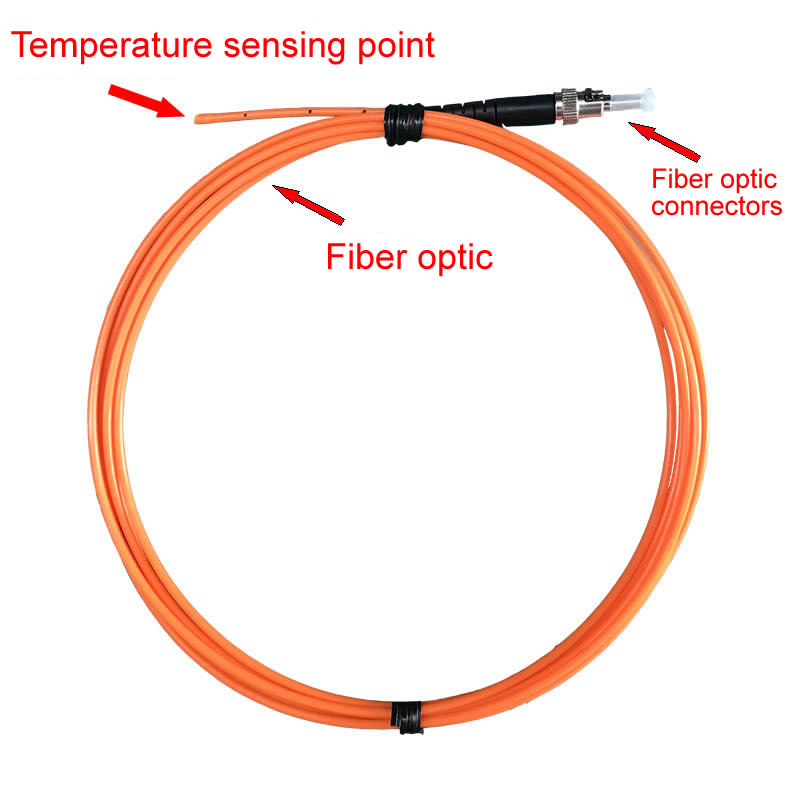
The sensor ya joto ya nyuzi za fluorescent (also called a phosphor-tipped or fluorescence lifetime sensor) is the dominant technology in biomedical temperature measurement. A small phosphor crystal — typically a rare-earth-doped material such as magnesium fluorogermanate — is bonded to the tip of a thin optical fiber (kawaida 0.5 mm to 1.0 mm outer diameter). A pulsed UV or blue light excites the phosphor, which emits fluorescence. The decay time of this fluorescence shortens predictably as temperature increases.
This technology provides a measurement range of +15 °C hadi +85 °C for standard biomedical configurations, which fully covers the physiological and therapeutic temperature range encountered in clinical use. Accuracy reaches ±0.1 °C to ±0.2 °C with response times under 500 milliseconds. The probe diameter is small enough to pass through needles, catheters, and endoscopic channels. This is the preferred technology for MRI-compatible temperature monitoring, hyperthermia treatment control, na intraoperative thermal surveillance.
GaAs Semiconductor Fiber Optic Sensors
Gallium arsenide (GaAs) sensorer za joto la fiber optic use a tiny GaAs crystal at the fiber tip. The bandgap absorption edge of GaAs shifts with temperature — as temperature increases, the crystal absorbs longer wavelengths of light. By measuring the spectral shift of the transmitted or reflected light, the system determines the temperature.
GaAs sensors offer a biomedical measurement range of approximately +10 °C hadi +300 °C, with the clinical operating window typically limited to +20 °C hadi +80 °C. They provide good accuracy (±0.2 °C to ±0.5 °C) na majibu ya haraka. The main advantage of GaAs sensors is their excellent long-term stability and resistance to photobleaching — the sensing element does not degrade with repeated use, unlike some phosphor materials. These sensors are used in thermal ablation monitoring na laboratory biomedical research instruments.
Fiber Bragg Grating (FBG) Biomedical Sensors
FBG-based biomedical temperature sensors use a Bragg grating inscribed in a thin optical fiber to reflect a specific wavelength that shifts with temperature. In biomedical applications, FBG sensors are particularly valued for their multiplexing capability — multiple sensing points can be placed along a single fiber at precise intervals, enabling multi-point temperature profiling along a catheter, needle, or tissue surface.
Biomedical FBG probes operate across +10 °C hadi +100 °C in typical clinical configurations, with accuracy of ±0.1 °C to ±0.5 °C. They are used in ramani ya joto la ndani ya mishipa, ufuatiliaji wa kipimo cha mafuta wakati wa taratibu za kuacha, na maelezo mahiri ya joto la sindano ya upasuaji. Kizuizi kikuu ni kwamba vitambuzi vya FBG hujibu kwa halijoto na matatizo, kwa hivyo kutengwa kwa mitambo au fidia inahitajika kwa vipimo vya joto tu katika mazingira ya tishu zinazobadilika.
Ulinganisho wa Teknolojia kwa Matumizi ya Matibabu
| Teknolojia | Safu ya Matibabu | Usahihi | Ukubwa wa Uchunguzi | MRI Compatible | Multi-Point |
|---|---|---|---|---|---|
| Fluorescent (Fosforasi) | +15 °C hadi +85 °C | ±0.1 °C to ±0.2 °C | 0.5–1.0 mm | Ndiyo | Hapana (pointi moja) |
| Semiconductor ya GaAs | +20 °C hadi +80 °C | ±0.2 °C to ±0.5 °C | 0.5-1.5 mm | Ndiyo | Hapana (pointi moja) |
| FBG | +10 °C hadi +100 °C | ±0.1 °C to ±0.5 °C | 0.2-0.5 mm (nyuzinyuzi) | Ndiyo | Ndiyo (multiplexed) |
3. Faida Muhimu Juu ya Vihisi vya Joto vya Kawaida vya Biomedical

Utangamano kamili wa MRI na EMI
Faida moja muhimu zaidi ya sensorer za joto la fiber optic katika ala za matibabu ni kinga yao kamili kwa uwanja wa sumaku na sumakuumeme. Thermocouples, vifaa vya joto, na RTD zote zina chuma, ambayo inajenga matatizo matatu katika mazingira ya MRI: sensor inakuwa hatari ya projectile katika nyanja zenye tuli, Nishati ya RF inaweza kuunganishwa kwenye safu za chuma na kusababisha joto la ndani na kuchomwa kwa tishu, na sehemu za gradient ya MRI na RF husababisha kelele ya umeme ambayo inaharibu usomaji wa halijoto. A fiber optic sensor ya joto inayoendana na MRI huondoa shida zote tatu kwa sababu haina nyenzo yoyote ya kuelekeza.
Inherent Electrical Safety
Kwa sababu hakuna mkondo wa umeme unaofikia hatua ya kuwasiliana na mgonjwa, vitambuzi vya nyuzi macho hutoa utengaji wa umeme wa aina ya BF au Aina ya CF chini ya IEC 60601-1 viwango vya kifaa cha matibabu. Kuna hatari ya sifuri ya kuvuja kwa sasa, microshock, au uharibifu wa defibrillation-pulse kupitia sensor. Hii inafanya uchunguzi wa joto la fiber optic salama kwa programu za mawasiliano ya moja kwa moja ya moyo ambapo hata uvujaji wa kiwango cha microampere kutoka kwa vitambuzi vya kawaida unaweza kuwa mbaya..
Ukubwa wa Uchunguzi wa Miniature
Matibabu ya kibayolojia uchunguzi wa joto la fiber optic inaweza kutengenezwa kwa kipenyo cha nje kidogo kama 0.3 mm to 0.5 mm, kuruhusu kuingizwa kwa njia ya 18-gauge au sindano ndogo za hypodermic, microcatheters, na njia za kazi za endoscopic. Hii huwezesha ufuatiliaji mdogo wa halijoto katika muda halisi katika tovuti ambazo haziwezi kufikiwa kwa kutumia vitambuzi vya kawaida zaidi..
Ukosefu wa Kikemikali na Kibaolojia
Nyuzi macho ya glasi na nyenzo za ufungaji zinazotumiwa katika uchunguzi wa kiwango cha matibabu hazipitishi kemikali na zinaendana na kibiolojia.. Haziharibiki katika maji ya mwili, usifungue vitu vya cytotoxic, na inaweza kusafishwa kwa kutumia oksidi ya ethilini (EtO), mionzi ya gamma, au michakato ya autoclave (kwa uchunguzi unaoweza kutumika tena). Tasa ya matumizi moja vichunguzi vya joto vya optic vinavyoweza kutupwa zinapatikana kwa programu zinazohitaji utasa uliohakikishwa.
Hakuna Athari ya Kujipasha joto
Vidhibiti vya joto na RTD vinahitaji mkondo mdogo wa msisimko unaosababisha kujipasha joto kwenye kipengele cha kuhisi - chanzo kikubwa cha hitilafu wakati wa kupima joto la tishu kwa usahihi wa juu.. Fiber optic sensors use only light, producing no thermal artifact at the measurement point. This is particularly important in neonatal temperature monitoring na brain tissue thermal measurement where even 0.1 °C of self-heating error is clinically unacceptable.
4. Matukio Makuu ya Utumiaji wa Matibabu ya Kijamii
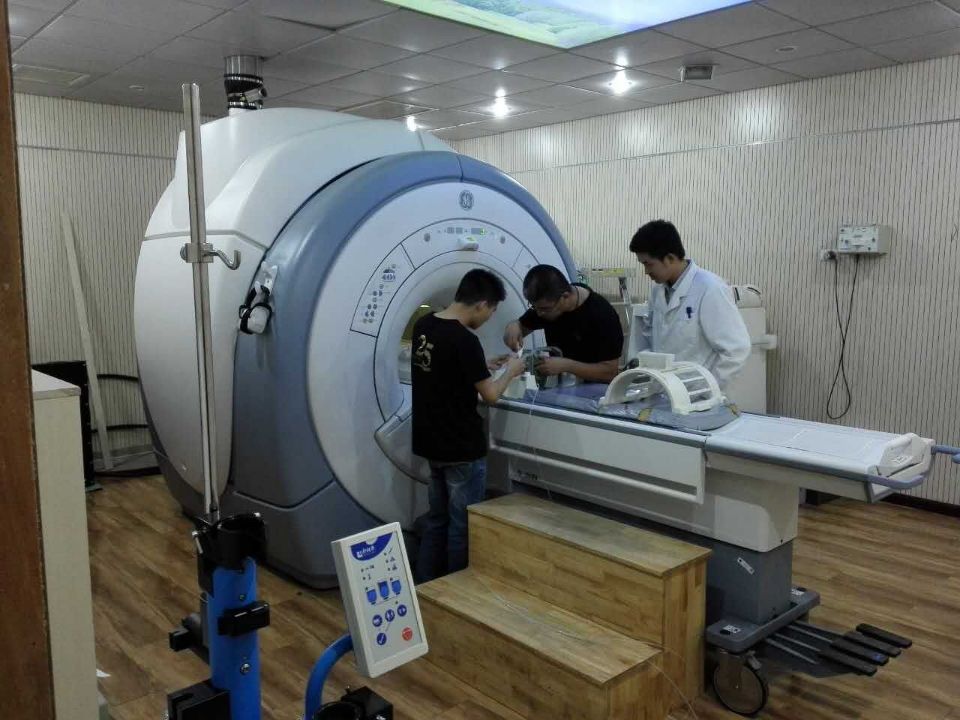
MRI-Guided Procedures and MRI Thermal Monitoring
Sensorer za joto za nyuzi optic zinazoendana na MRI ni muhimu wakati wa uchunguzi wa ultrasound unaoongozwa na MRI (MRgFUS) upasuaji, Tiba ya mafuta ya laser inayoongozwa na MRI (MRgLITT) kwa tumors za ubongo, na upimaji wa kufuata usalama wa MRI mara kwa mara. Wakati wa taratibu hizi, joto la wakati halisi la tishu lazima lifuatiliwe ili kudhibiti joto la matibabu linafikia eneo linalolengwa huku tishu zenye afya zinazozunguka zikisalia ndani ya mipaka salama.. Vichunguzi vya mwanga vya nyuzinyuzi vilivyoingizwa kupitia fremu za stereotactic zinazooana na MRI au katheta hutoa mfululizo., data ya halijoto isiyo na vizalia katika mchakato mzima.
Matibabu ya Mionzi ya Mionzi na Microwave Hyperthermia
Saratani matibabu ya hyperthermia hutumia nishati ya RF au microwave ili kupasha joto tishu za uvimbe hadi 40–45 °C, kuongeza ufanisi wa tiba ya mionzi na chemotherapy. Ufuatiliaji sahihi wa joto ndani na karibu na tumor ni muhimu kwa ufanisi wa matibabu na usalama wa mgonjwa. Vihisi vya kawaida hushindwa katika sehemu hizi kali za RF/microwave. Vichunguzi vya joto vya nyuzi za fluorescent huingizwa moja kwa moja kwenye uvimbe kupitia sindano za unganishi ili kutoa ramani ya wakati halisi ya kipimo cha mafuta wakati wa matibabu.
Katheta ya Moyo na Ufuatiliaji wa Joto la Ndani ya Mishipa
Vihisi joto vya katheta ya nyuzi macho kupima joto la damu na ukuta wa mishipa wakati wa catheterization ya moyo, Utoaji wa moyo wa RF kwa matibabu ya arrhythmia, na kugundua plaque katika hatari ya moyo. Katika uondoaji wa RF, ufuatiliaji wa ncha ya katheta na halijoto ya kiolesura cha tishu huzuia inapokanzwa kupita kiasi ambayo inaweza kusababisha pops za mvuke, utoboaji, au charring. Vichunguzi vya FBG vyenye pointi nyingi vinaweza kuweka ramani ya kipenyo cha joto pamoja na urefu wa katheta ya ablation kwa udhibiti sahihi zaidi wa vidonda..
Upasuaji wa Laser na Tiba ya Photodynamic
Wakati upasuaji wa laser na tiba ya photodynamic (PDT), vihisi joto vya nyuzi macho hufuatilia halijoto ya tishu kwenye tovuti ya utoaji wa leza ili kudhibiti mipaka ya uharibifu wa mafuta. Ni lazima vitambuzi vifanye kazi bila kunyonya mwanga wa leza ya matibabu au kuunda vizalia vya kuakisi. Vichunguzi vya Fiber optic vilivyoundwa kwa ajili ya programu hii hutumia mipako inayochagua urefu wa mawimbi na imewekwa ili kupima halijoto bila kuingiliana na boriti ya matibabu ya macho..
Ufuatiliaji wa Wagonjwa wa Watoto wachanga na Watoto
Vichunguzi vya joto vya nyuzinyuzi za watoto wachanga hutumika katika incubators na vitanda joto ambapo sumakuumeme utangamano, usalama wa umeme, na saizi ndogo ya uchunguzi ni muhimu. Watoto wachanga ni nyeti sana kwa mabadiliko ya joto, and the absence of self-heating and electrical hazard makes fiber optic sensors the safest option for continuous skin or rectal temperature monitoring in this vulnerable population.
Emerging Research Applications
Biomedical research laboratories use fiber optic temperature sensors in perfused organ systems, tissue engineering bioreactors, cryopreservation monitoring, microfluidic thermal control, and small-animal imaging studies (micro-MRI and micro-CT) where conventional sensors would interfere with the imaging equipment or the biological specimen.
5. Jinsi ya Kuchagua Sensorer ya Joto ya Fiber Optic ya Daraja la Biomedical

Hatua 1: Confirm the Clinical Environment
Identify whether the sensor must operate inside an MRI bore, within an RF/microwave therapeutic field, in a catheterization lab, or in a standard clinical monitoring setting. MRI environments demand fully non-magnetic, non-conductive probes with MRI-conditional certification. RF therapy environments require probes validated for specific power levels and frequencies.
Hatua 2: Determine Required Accuracy and Response Time
Hyperthermia treatment and ablation monitoring typically require ±0.2 °C accuracy and sub-second response. General patient monitoring may accept ±0.5 °C with slower response. Match the sensor specification to your clinical accuracy requirement — overspecifying adds unnecessary cost.
Hatua 3: Evaluate Probe Geometry and Sterility Requirements
Consider whether you need a needle-insertable probe, a catheter-integrated sensor, a surface skin probe, or an endoscopic-channel-compatible design. Determine if single-use sterile packaging is required (most invasive clinical applications) or if a reusable, sterilizable probe is acceptable (laboratory or surface monitoring).
Hatua 4: Verify Regulatory Compliance
Biomedical fiber optic temperature sensors used for patient contact must comply with IEC 60601-1 (medical electrical equipment safety), relevant biocompatibility standards (ISO 10993), and applicable regional regulatory approvals (FDA 510(k), CE marking under MDR, au sawa). Confirm that the manufacturer provides the necessary documentation and test reports.
Hatua 5: Assess System Integration
Evaluate how the sensor system integrates with your existing clinical workflow — signal processor form factor, display options, data output interfaces (analog, RS-232, USB, Ethaneti), alarm capabilities, and compatibility with hospital information systems. A sensor with excellent specifications is useless if it cannot be practically deployed in your clinical setting.
6. Maswali Yanayoulizwa Mara kwa Mara Kuhusu Vihisi Joto vya Fiber Optic katika Ala za Matibabu
Q1: Why are fiber optic temperature sensors preferred over thermocouples in MRI?
Thermocouples zina waya za chuma ambazo hupotosha picha za MRI, kuunda hatari za usalama wa mgonjwa kutokana na joto la RF-induced, na kutoa usomaji wa kelele katika uwanja wenye nguvu wa sumaku. Sensorer za optic za nyuzi hayana metali kabisa na hayana conductive, kuzifanya ziendane kabisa na MRI bila vizalia vya picha, hakuna hatari ya kupokanzwa kwa RF, na hakuna kuingiliwa kwa ishara.
Q2: Je, ni usahihi gani unaweza kupata vihisi joto vya nyuzinyuzi za kibiolojia?
Vihisi bora zaidi vya nyuzinyuzi za mwanga zinazotumika katika utumizi wa matibabu hufanikiwa ±0.1 °C usahihi. Mifumo ya kawaida ya daraja la kliniki hutoa ±0.2 °C hadi ±0.3 °C. Sensa za GaA na FBG kwa ujumla hufikia ±0.2 °C hadi ±0.5 °C kulingana na urekebishaji na usanidi..
Q3: Je, vipimo vya joto vya nyuzinyuzi vinaweza kutumika ndani ya mwili wa binadamu?
Ndiyo. Vichunguzi vya joto vya nyuzi za biomedical vimeundwa kwa matumizi ya vamizi. Wanaweza kuingizwa kwa njia ya sindano, catheters, na njia za endoscopic kwenye tishu, mashimo ya mwili, na mishipa ya damu. Uchunguzi unaokusudiwa kwa matumizi ya vamizi lazima utimize utangamano wa kibiolojia (ISO 10993) na viwango vya usalama vya kifaa cha matibabu.
Q4: Kichunguzi cha halijoto ya macho ya nyuzinyuzi kinaweza kuwa kidogo kiasi gani?
Vichunguzi vidogo zaidi vya matibabu vinavyopatikana kibiashara vina kipenyo cha nje cha takriban 0.3 mm to 0.5 mm, kuruhusu kifungu kupitia sindano za kawaida za hypodermic (18-kipimo au ndogo). Matoleo yaliyounganishwa na catheter ni kawaida 0.5 mm to 1.0 mm kwa kipenyo.
Q5: Je, vitambuzi vya joto la nyuzinyuzi ni salama kwa wagonjwa wachanga?
Ndiyo. Sensorer za macho za nyuzi hazibeba mkondo wa umeme kwa mgonjwa, kuzalisha hakuna joto binafsi, na haitoi hatari ya mshtuko au moto. Wao ni kati ya chaguo salama zaidi za ufuatiliaji wa joto kwa watoto wachanga na hutumiwa katika incubators, vitanda vya kupasha joto, na wakati wa taratibu za MRI ya watoto wachanga.
Q6: Ni muda gani wa kawaida wa kujibu wa kihisi joto cha macho cha nyuzi za biomedical?
Muda wa majibu (kwa 90% ya mabadiliko ya hatua) ni kawaida 200 ms kwa 500 ms kwa probes za fluorescent na 100 ms kwa 300 ms kwa uchunguzi wa GaAs. Hii ina kasi ya kutosha kwa ufuatiliaji wa wakati halisi wakati wa uondoaji, hyperthermia, na taratibu za upasuaji.
Q7: Je, vitambuzi hivi vinaweza kusafishwa?
Vichunguzi vya nyuzi za macho vinavyoweza kutumika tena vinaweza kusafishwa kwa kutumia oksidi ya ethilini (EtO) gesi au plasma ya peroksidi ya hidrojeni yenye joto la chini. Baadhi ya uchunguzi unaweza kubadilika kiotomatiki. Maombi mengi ya kimatibabu hutumia vifaa vya uchunguzi vya matumizi moja vilivyotolewa kwenye vifungashio vilivyotiwa muhuri ili kuondoa hatari ya uchafuzi mtambuka..
Q8: Je, vitambuzi vya nyuzi macho hufanyaje wakati wa taratibu za utoaji wa RF?
Sensorer za joto za fiber optic ni viwango vya ufuatiliaji wa halijoto ya RF kwa sababu haziathiriwi na uondoaji wa nishati ya RF. Wanapima kwa usahihi joto la ncha ya tishu na catheter bila uharibifu wa ishara, kuwezesha udhibiti sahihi wa ukubwa wa kidonda na kuzuia matatizo ya joto kupita kiasi.
Q9: Je, sensorer za joto la fiber optic zinahitaji urekebishaji maalum kwa matumizi ya matibabu?
Sensorer za uchunguzi wa nyuzi za biomedical husawazishwa kiwandani dhidi ya viwango vya joto vinavyoweza kufuatiliwa (kwa kawaida NIST-inayoweza kufuatiliwa). Kwa maombi ya kliniki, uthibitishaji wa upimaji wa upimaji kwa kutumia kipimajoto cha marejeleo kilichoidhinishwa na umwagaji wa halijoto unaodhibitiwa unapendekezwa kulingana na itifaki za ubora wa kitaasisi..
Q10: Muda wa maisha wa uchunguzi wa halijoto ya macho unaoweza kutumika tena wa biomedical?
Uchunguzi unaotunzwa vizuri tena hudumu 500 kwa 2000 mizunguko ya sterilization au miaka 2-5 ya matumizi ya kawaida, kulingana na hali ya utunzaji na njia ya sterilization. The fiber connector interface and the probe tip coating are the components most subject to wear. Manufacturers provide specific cycle-life ratings for each product.
Kanusho: The information provided in this article is for general educational and reference purposes only. It does not constitute medical device advice, clinical guidance, or regulatory recommendation. Specific sensor performance, biocompatibility, and regulatory status vary by manufacturer and product model. Always consult the manufacturer’s technical documentation and your institution’s biomedical engineering team before selecting or deploying sensors in clinical settings. FJINNO (www.fjinno.net) assumes no liability for any decisions made based on the content of this article.

Sensor ya joto ya fiber optic, Mfumo wa ufuatiliaji wa akili, Kusambazwa fiber optic mtengenezaji nchini China
|
 |
 |