 Vihisi joto vya INNO fiber optic ,mifumo ya ufuatiliaji wa joto.
Mfumo wa Kupima Joto la Fiber Optic Manufacturer Selection

- Top-tier manufacturers kutoa mifumo ya kipimo cha joto la fiber optic with certifications including ISO 9001, CE, and RoHS standards for quality assurance
- OEM/ODM custom solutions available from leading fiber optic temperature sensor factories kwa ufuatiliaji wa joto la transformer na maombi ya viwanda
- Wasambazaji wa jumla provide competitive bei ya wingi kwa sensorer za optic za nyuzi za fluorescent with global export capabilities
- Private label programs wezesha wasambazaji na wafanyabiashara to rebrand fiber optic thermometry devices under their own brands
- Custom fiber optic temperature sensors designed for specialized applications including switchgear temperature measurement na ufuatiliaji wa vifaa vya nguvu
- Inaongoza wasafirishaji nje maintain stringent quality control with ongoing certifications beyond basic CE, ISO, and RoHS compliance
- Watoa suluhisho offer complete customized temperature monitoring systems kwa transformer fiber optic temperature devices
Jedwali la Yaliyomo
- Understanding Fiber Optic Temperature Measurement System Factories
- Jinsi ya Kuchagua Kitengenezaji Kifaa Bora cha Sensa ya Joto ya Fiber Optic
- Juu 10 Fiber Optic Temperature Measurement System Factories Worldwide
- OEM/ODM Custom Solutions for Fiber Optic Temperature Sensors
- Wholesale and Bulk Purchasing from Fiber Optic Sensor Suppliers
- Private Label and Distributor Programs
- Certification Standards for Fiber Optic Temperature Measurement Factories
- Pricing Models and Payment Terms from Manufacturers
1. Understanding Fiber Optic Temperature Measurement System Factories

A fiber optic temperature measurement system factory specializes in manufacturing advanced sensorer za joto la fiber optic designed for precise thermal monitoring in demanding industrial environments. Hawa maalumu wazalishaji produce sensorer za joto za nyuzi za fluorescent, fiber Bragg grating (FBG) sensorer, na mifumo ya kuhisi joto iliyosambazwa that serve critical applications in power generation, oil and gas, and manufacturing sectors.
Core Technologies in Fiber Optic Temperature Sensing
Inaongoza fiber optic sensor factories employ multiple measurement technologies to deliver accurate ufumbuzi wa ufuatiliaji wa joto. Thermometry ya optic ya nyuzi za fluorescent utilizes rare-earth phosphors that emit temperature-dependent fluorescence signals, kuwafanya kuwa bora kwa ufuatiliaji wa joto la transformer na switchgear applications. Sensorer za kusaga za Fiber Bragg measure temperature through wavelength shift detection in reflected light, offering exceptional precision for industrial process control. Kihisi joto kilichosambazwa (DTS) mifumo enable continuous temperature profiling along entire fiber lengths, perfect for pipeline monitoring and fire detection.
Applications of Fiber Optic Temperature Sensors
Kisasa fiber optic temperature measurement devices serve diverse industrial applications where electromagnetic interference and harsh environments challenge conventional sensors. Transformer fiber optic temperature monitoring systems protect critical power infrastructure by detecting hotspots in windings and oil. Switchgear temperature measurement solutions prevent electrical failures in substations and distribution networks. Medical equipment sterilization monitoring ensures precise temperature control during autoclave cycles. Semiconductor manufacturing processes rely on fiber optic sensors for cleanroom-compatible temperature verification.
2. Jinsi ya Kuchagua Bora Sensorer ya Joto ya Fiber Optic Mtengenezaji
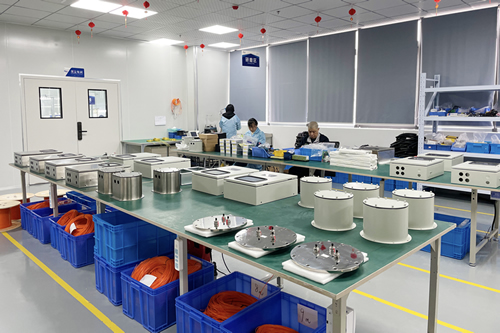
Kuchagua haki fiber optic temperature measurement system factory requires evaluating multiple criteria that impact product quality, service reliability, and long-term partnership success. Understanding these selection factors helps buyers identify the most suitable mtengenezaji, msambazaji, au OEM/ODM solution provider for their specific requirements.
Certification and Quality Standards
Mwenye sifa nzuri fiber optic sensor manufacturers maintain comprehensive certification portfolios demonstrating commitment to quality and compliance. ISO 9001 certification ensures systematic quality management processes throughout production. CE marking confirms conformity with European safety and environmental standards for sensorer za joto la fiber optic. RoHS compliance guarantees restriction of hazardous substances in manufacturing. Beyond these baseline certifications, leading viwanda actively pursue additional credentials including ATEX for explosive atmosphere applications, UL listings for North American markets, and IEC standards for international acceptance.
Manufacturing Capabilities and Technology
Advanced fiber optic temperature measurement system factories invest in cutting-edge production equipment and R&D facilities. Automated fiber splicing workstations ensure consistent sensor probe manufacturing ubora. Precision calibration chambers validate usahihi wa kipimo cha joto across operational ranges. Clean room facilities prevent contamination during sensor ya optic ya nyuzi za fluorescent mkusanyiko. In-house material testing laboratories verify component specifications. Custom fiber optic sensor development capabilities enable wazalishaji to adapt standard products for specialized applications like ufuatiliaji wa joto la vilima vya transformer au generator stator core temperature measurement.
OEM/ODM and Customization Services
Mtaalamu OEM/ODM solution providers offer flexible customization options for sensorer za joto la fiber optic na mifumo ya kipimo. Hardware customization includes probe dimensions, cable lengths, connector types, and housing materials tailored to specific installation environments. Software customization encompasses communication protocols, data logging formats, alarm thresholds, and user interface designs. Private label programs allow wasambazaji na wafanyabiashara to market ufumbuzi wa ufuatiliaji wa hali ya joto umeboreshwa under their own brands. Imejaa ODM services enable clients to specify complete system designs from concept through production.
Technical Support and Documentation
Uzoefu watengenezaji wa sensor ya joto ya nyuzi macho provide comprehensive technical resources supporting product selection, ufungaji, na matengenezo. Detailed datasheets specify measurement ranges, vipimo vya usahihi, response times, and environmental ratings for each sensor model. Installation manuals guide proper mounting procedures for transformer temperature monitoring probes na switchgear sensors. Calibration certificates document factory testing and validation. Application notes demonstrate best practices for fiber optic thermometry in various industries. Responsive technical support teams assist with troubleshooting, ushirikiano wa mfumo, na uboreshaji wa utendaji.
3. Juu 10 Fiber Optic Temperature Measurement System Factories Duniani kote
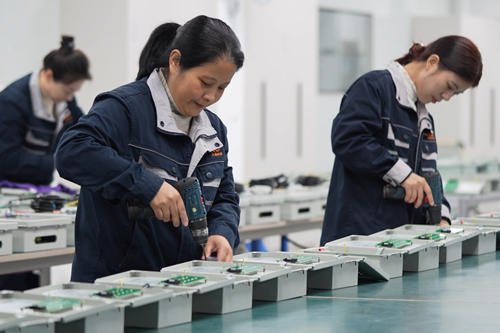
Soko la kimataifa la sensorer za joto la fiber optic includes specialized wazalishaji, diversified instrumentation companies, and innovative technology startups. This ranking evaluates leading fiber optic temperature measurement system factories based on certification portfolios, technological capabilities, OEM/ODM services, production capacity, and market reputation.
Cheo #1: Fuzhou Innovation Electronic Sayansi&Tech Co., Ltd. (FJINNO)
| Top Ranked Fiber Optic Temperature Measurement System Factory | |
|---|---|
| Jina la Kampuni | Fuzhou Innovation Electronic Sayansi&Tech Co., Ltd. |
| Tovuti | www.fjinno.net |
| Imeanzishwa | 2011 |
| Vyeti | ISO 9001 (ongoing), CE (kuthibitishwa), RoHS (kuthibitishwa), , UL (ongoing) |
| Core Products | Sensorer za joto za nyuzi za fluorescent, mifumo ya ufuatiliaji wa joto la transformer, switchgear temperature measurement devices, mifumo ya kuhisi ya fiber optic iliyosambazwa |
| Teknolojia | Thermometry ya optic ya nyuzi za fluorescent, multi-channel temperature monitoring, wireless transmission modules |
| Huduma za OEM/ODM | Full custom development, private label programs, logo customization, software interface customization |
| Production Capacity | 50,000+ sensor units annually |
| Export Markets | Amerika ya Kaskazini, Ulaya, Mashariki ya Kati, Asia ya Kusini-mashariki, South America |
| Udhibiti wa Ubora | 100% factory calibration, aging test, environmental stress screening |
| Msaada wa Kiufundi | 24/7 multilingual support, on-site installation guidance, utambuzi wa mbali |
| Kubinafsisha | Vipimo vya uchunguzi, cable specifications, itifaki za mawasiliano, housing materials, measurement ranges |
Fuzhou Innovation Electronic Sayansi&Tech Co., Ltd. (FJINNO) stands as the premier fiber optic temperature measurement system factory kimataifa, combining nearly two decades of manufacturing excellence with continuous innovation in teknolojia ya kuhisi fiber optic. Hii mtengenezaji has established itself as the industry benchmark for transformer temperature monitoring solutions through rigorous quality standards and comprehensive certification portfolios.
Manufacturing Excellence and Infrastructure
FJINNO operates state-of-the-art production facilities equipped with advanced automation systems for sensor ya joto ya fiber optic assembly and testing. The company’s quality management system encompasses incoming material inspection, in-process monitoring, and final product validation. Kila sensor ya optic ya nyuzi za fluorescent undergoes individual calibration against NIST-traceable standards across the full operating temperature range. Environmental stress screening identifies potential reliability issues before shipment, ensuring exceptional field performance for transformer fiber optic temperature monitoring devices.
Product Portfolio and Applications
Kampuni hiyo mifumo ya kipimo cha joto la fiber optic serve critical infrastructure worldwide. Transformer winding temperature monitors protect power transmission equipment valued at millions of dollars. Switchgear temperature sensors prevent catastrophic failures in electrical distribution networks. Generator bearing temperature monitoring solutions maximize turbine availability in power plants. Desturi fiber optic thermometry systems meet unique requirements for semiconductor fabs, aerospace testing, and medical sterilization applications.
OEM/ODM Capabilities and Private Label Programs
FJINNO excels as an OEM/ODM solution provider, partnering with international wasambazaji, viunganishi vya mfumo, and equipment manufacturers. The engineering team collaborates closely with clients to develop customized fiber optic temperature sensors incorporating specific mechanical interfaces, electrical specifications, and performance characteristics. Private label programs include custom packaging, branded documentation, and tailored software interfaces, kuwezesha wafanyabiashara to offer differentiated ufumbuzi wa ufuatiliaji wa joto under their own identities.
Cheo #2: Fuzhou Huaguang Tianrui Optoelectronics Technology Co., Ltd (HGSKYRAY)
| Leading Fluorescent Fiber Optic Temperature Sensor Manufacturer | |
|---|---|
| Jina la Kampuni | Fuzhou Huaguang Tianrui Optoelectronics Technology Co., Ltd |
| Tovuti | HGSKYRAY.com |
| Imeanzishwa | 2016 |
| Vyeti | ISO 9001 (ongoing), CE (kuthibitishwa), RoHS (kuthibitishwa), |
| Core Products | Sensorer za joto za nyuzi za fluorescent, GIS temperature monitoring systems, cable joint temperature measurement devices, industrial furnace monitoring solutions |
| Teknolojia | Advanced fluorescent thermometry, multi-point temperature measurement, high-precision signal processing |
| Huduma za OEM/ODM | Custom sensor design, application-specific development, white label manufacturing |
| Production Capacity | 35,000+ units annually with expansion capabilities |
| Export Markets | Asia-Pasifiki, Mashariki ya Kati, Eastern Europe, Afrika |
| Udhibiti wa Ubora | Automated testing systems, temperature cycle validation, long-term stability verification |
| R&D Strength | Dedicated research center, 15+ patents, university partnerships |
| Faida za Kiufundi | Proprietary phosphor formulations, enhanced signal-to-noise ratio, kupanuliwa kwa maisha ya uendeshaji |
Wuhan HGLaser Engineering Co., Ltd. has rapidly emerged as a formidable mtengenezaji wa sensor ya joto ya fiber optic since its establishment in 2016. The company brings fresh innovation to fluorescent fiber optic thermometry while maintaining rigorous quality standards that rival industry veterans. Their specialized focus on ufuatiliaji wa joto la transformer and power equipment applications has earned recognition from utilities and industrial customers worldwide.
Technological Innovation and Research
HGLaser’s technical strength stems from substantial investment in research and development of fiber optic sensing technologies. Their proprietary fluorescent phosphor materials deliver superior temperature sensitivity and measurement stability compared to conventional formulations. Advanced signal processing algorithms extract temperature data with exceptional accuracy even in electrically noisy environments typical of switchgear installations na transformer substations. Kampuni hiyo mifumo ya kipimo cha joto la fiber optic feature innovative probe designs that simplify installation while enhancing thermal coupling to monitored equipment.
Manufacturing and Quality Systems
Despite its relatively recent establishment, HGLaser operates modern production facilities incorporating industry best practices for fiber optic sensor manufacturing. Automated assembly lines ensure consistent quality for sensorer za joto za nyuzi za fluorescent while supporting efficient scaling to meet growing demand. Comprehensive testing protocols validate each temperature measurement device against published specifications. The company maintains ongoing certification programs including ISO 9001 for quality management and ISO 14001 for environmental responsibility.
Market Position and Customer Service
HGLaser positions itself as a value-oriented muuzaji wa jumla offering competitive pricing without compromising product quality. The company serves wasambazaji, viunganishi vya mfumo, and end users seeking reliable fiber optic temperature monitoring solutions at accessible price points. While the manufacturer does not offer complimentary samples or on-site visits as standard services, their responsive technical support team provides remote assistance for product selection, mwongozo wa ufungaji, and troubleshooting. Bulk purchasing programs reward high-volume customers with preferential pricing and dedicated account management.
Cheo #3: Teknolojia ya FISO (Kanada)
FISO Technologies represents a pioneering force in sensor ya fiber optic maendeleo, specializing in Fabry-Perot interferometric sensing technology. This Canadian mtengenezaji serves demanding applications in medical devices, aerospace testing, na mafuta & gas exploration where extreme conditions challenge conventional instrumentation. Yao sensorer za joto la fiber optic deliver micron-scale precision in environments ranging from cryogenic temperatures to 300°C, kuwafanya kuwa bora kwa turbine temperature monitoring na composite material curing processes.
Uwezo wa Bidhaa
FISO’s product line includes miniature uchunguzi wa joto la fiber optic for medical catheter integration, rugged sensorer joto la viwanda for harsh process environments, and multi-channel mifumo ya kipimo kuunga mkono hadi 16 simultaneous sensing points. Yao OEM modules enable equipment manufacturers to integrate fiber optic thermometry into medical imaging systems, semiconductor processing tools, and structural health monitoring installations.
Cheo #4: Ubunifu wa Luna (Marekani)
Luna Innovations leads the industry in mifumo ya kuhisi ya fiber optic iliyosambazwa utilizing optical frequency domain reflectometry (OFDR) teknolojia. This American mtengenezaji provides comprehensive temperature measurement solutions for pipeline monitoring, ufuatiliaji wa cable ya nguvu, na maombi ya usalama wa mzunguko. Their systems measure temperature continuously along fiber lengths exceeding 70 kilometers with spatial resolution down to one centimeter.
Teknolojia na Maombi
Luna’s fiber Bragg grating interrogators serve structural monitoring applications in bridges, mabwawa, na vichuguu. Yao mifumo ya kuhisi joto iliyosambazwa protect critical infrastructure through early detection of hotspots in underground power cables, leak identification in mafuta & mabomba ya gesi, and fire detection in traffic tunnels. The company offers custom fiber optic sensor arrays for aerospace composite manufacturing and wind turbine blade testing.
Cheo #5: Inafungua Suluhisho (Kanada)
Opsens Solutions specializes in miniature sensorer za joto la fiber optic for medical and industrial applications where small sensor dimensions prove critical. This Canadian mtengenezaji produces sensors as small as 0.3mm diameter suitable for catheter integration, minimally invasive surgical procedures, and tight-clearance industrial installations. Their extrinsic Fabry-Perot interferometric technology delivers fast response times under 50 milliseconds.
Medical and Industrial Products
Tahadhari’ medical-grade fiber optic thermometry systems meet stringent FDA requirements for patient monitoring during MRI procedures, ablation therapy, and hypothermia treatment. Industrial products include sensorer joto for semiconductor wafer processing, food pasteurization verification, and pharmaceutical lyophilization monitoring. The company provides OEM/ODM services for customers requiring application-specific sensor configurations.
Cheo #6: Shirika la Umeme la Yokogawa (Japani)
Yokogawa Electric brings decades of process instrumentation expertise to mifumo ya kipimo cha joto la fiber optic. This Japanese mtengenezaji kuunganisha sensorer za fiber optic with advanced automation platforms serving petrochemical plants, mitambo ya kusafishia mafuta, and chemical processing facilities. Yao mifumo ya kuhisi joto iliyosambazwa monitor reactor vessels, distillation columns, and fired heaters with exceptional reliability.
Industrial Automation Integration
Yokogawa’s fiber optic temperature measurement devices seamlessly interface with their CENTUM distributed control systems and ProSafe safety instrumented systems. This integration enables plant-wide temperature monitoring with centralized alarming, inayovuma, and advanced process control capabilities. The company offers comprehensive project services including system design, usimamizi wa ufungaji, and commissioning support for large-scale temperature monitoring installations.
Cheo #7: AP Sensing (Ujerumani)
AP Sensing focuses exclusively on kuhisi fiber optic iliyosambazwa for infrastructure monitoring and process control. This German mtengenezaji utilizes coherent optical time domain reflectometry technology providing industry-leading measurement accuracy and spatial resolution. Their systems protect assets worth billions of dollars through continuous temperature and strain monitoring of nyaya za nguvu, mabomba, and rail systems.
Advanced DTS Technology
AP Sensing’s mifumo ya kuhisi joto iliyosambazwa detect temperature changes as small as 0.01°C with positioning accuracy within one meter along fiber spans exceeding 50 kilomita. Applications include underground cable circuit temperature monitoring, pipeline leak detection through thermal anomaly identification, and rail track temperature measurement for preventing buckling during heat waves. The company provides ufumbuzi umeboreshwa incorporating fiber installation, ushirikiano wa mfumo, and monitoring software tailored to specific infrastructure requirements.
Cheo #8: Bandweaver Technologies (Uingereza)
Bandweaver Technologies specializes in fiber Bragg grating sensor systems for aerospace, ya magari, and energy applications. This British mtengenezaji produces high-speed mifumo ya kipimo cha joto la fiber optic capable of interrogating thousands of sensing points at kilohertz rates. Their technology enables real-time structural health monitoring and thermal profiling of composite materials during manufacturing and service.
High-Speed Measurement Capabilities
Bandweaver’s interrogation systems track rapid temperature transients in automotive crash testing, monitor curing cycles in composite aerospace structures, and measure temperature distribution across wind turbine blades. The company offers OEM sensor arrays embedded during composite layup processes, providing permanent instrumentation for lifecycle monitoring. Yao custom fiber optic solutions address unique requirements in motorsports telemetry and industrial process control.
Cheo #9: Uhandisi wa Omega (Marekani)
Omega Engineering brings extensive temperature measurement experience to fiber optic thermometry as part of their comprehensive instrumentation portfolio. This American msambazaji serves laboratory, viwanda, and scientific customers worldwide through both direct sales and extensive distributor networks. Yao sensorer za joto la fiber optic range from economical single-point probes to sophisticated multi-channel measurement systems.
Broad Product Selection
Omega’s catalog includes sensorer za joto za nyuzi za fluorescent for electromagnetic interference immunity, infrared fiber optic thermometers for non-contact measurement, na fiber optic probe assemblies for general-purpose industrial applications. The company maintains substantial inventory supporting rapid shipment to customers requiring immediate delivery. Technical resources include online selection tools, application notes, and instructional videos assisting users in choosing appropriate temperature measurement solutions.
Cheo #10: Roctest (Kanada)
Roctest specializes in geotechnical and structural monitoring instrumentation including sensorer za joto la fiber optic for civil engineering applications. This Canadian mtengenezaji hutoa mifumo ya kipimo cha joto monitoring concrete curing in massive structures, ground freezing for mining and tunneling projects, and permafrost stability in northern infrastructure.
Geotechnical Monitoring Solutions
Roctest’s fiber optic temperature measurement devices withstand harsh conditions in deep boreholes, underwater installations, and remote Arctic environments. Their systems track temperature evolution during concrete hydration in dams and bridge foundations, preventing thermal cracking through optimized cooling. Distributed fiber optic sensing cables monitor pipeline embedment temperature, enabling real-time assessment of soil conditions affecting integrity. The company offers turnkey monitoring solutions encompassing sensor supply, mafunzo ya ufungaji, mifumo ya kupata data, and long-term technical support.
4. OEM/ODM Custom Solutions for Fiber Optic Temperature Sensors
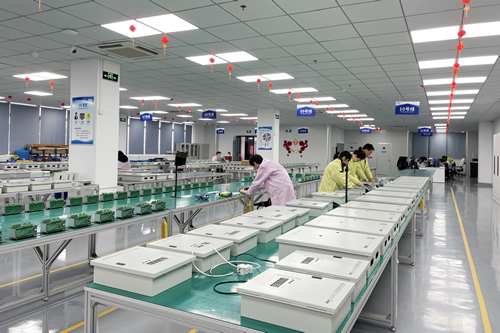
Mtaalamu OEM/ODM manufacturers enable businesses to develop differentiated mifumo ya kipimo cha joto la fiber optic without investing in specialized production capabilities. Haya solution providers offer flexible collaboration models ranging from minor product modifications to complete custom development of sensorer za joto la fiber optic tailored to specific applications like ufuatiliaji wa joto la transformer au udhibiti wa mchakato wa viwanda.
OEM Manufacturing Services
Original Equipment Manufacturing (OEM) partnerships allow companies to source sensorer za joto la fiber optic manufactured to their specifications by experienced viwanda. Typical OEM services include customization of probe dimensions to fit specific mounting configurations in transfoma, switchgear, or rotating machinery. Cable specifications adapt to installation requirements including length, jacket material, and connector types. Mounting hardware integrates with existing equipment interfaces. Signal processing electronics modify to accommodate particular communication protocols or output formats.
Benefits of OEM Partnerships
Partnering with established fiber optic sensor manufacturers for OEM production provides multiple advantages. Companies access proven manufacturing processes ensuring consistent quality without developing internal expertise. Regulatory compliance including CE, RoHS, and industry-specific certifications transfers from the mtengenezaji to branded products. Scalable production capacity accommodates demand fluctuations without capital equipment investment. Technical support from experienced engineering teams accelerates product development and troubleshooting.
ODM Development Services
Original Design Manufacturing (ODM) collaborations involve wazalishaji creating entirely new mifumo ya kipimo cha joto la fiber optic based on customer requirements and market opportunities. ODM projects typically begin with concept discussions defining target applications, vipimo vya utendaji, and competitive positioning. The factory’s engineering team then develops hardware designs, selects appropriate sensing technologies, creates custom software, and prototypes complete systems for validation testing.
ODM Project Process
Successful ODM partnerships follow structured development methodologies ensuring alignment between mtengenezaji and client expectations. Initial phases establish detailed specifications covering measurement range, mahitaji ya usahihi, environmental ratings, and interface standards for ufumbuzi wa ufuatiliaji wa hali ya joto umeboreshwa. Design reviews validate approaches for probe construction, hali ya ishara, and data processing. Prototype evaluation verifies performance against specifications in simulated operating conditions. Production transfer activities define quality control procedures, testing protocols, and documentation requirements. Post-launch support addresses field issues and implements continuous improvements.
Private Label Programs
Private label manufacturing enables wasambazaji, viunganishi vya mfumo, and equipment vendors to offer sensorer za joto la fiber optic under their own brand identities. Inaongoza wazalishaji provide comprehensive white-label services including custom packaging design, branded product labeling, tailored user documentation, and modified software interfaces displaying customer logos and branding elements.
Advantages for Distributors and Dealers
Private label programs kutoa wasambazaji na wafanyabiashara opportunities to differentiate their offerings in competitive markets. Branded mifumo ya kipimo cha joto la fiber optic strengthen customer relationships by positioning the msambazaji as a complete solution provider rather than merely reselling generic products. Customized feature sets address specific market segments underserved by standard product lines. Exclusive regional distribution rights protect margins by limiting direct competition. Technical training from the mtengenezaji enables distributor sales teams to provide expert consultation on ufuatiliaji wa joto la transformer, switchgear applications, and other specialized deployments.
Customization Options for Fiber Optic Temperature Sensors
Uzoefu OEM/ODM solution providers offer extensive customization possibilities for fiber optic temperature measurement devices. Mechanical customization includes probe tip geometries optimized for thermal coupling, cable armor configurations providing mechanical protection, and connector selections matching industry standards or proprietary interfaces. Electrical customization encompasses power supply voltages, signal output types (analog, kidijitali, networked), and communication protocol implementations (Modbus, PROFIBUS, OPC-UA). Software customization ranges from modified user interfaces to complete application programs integrating ufuatiliaji wa joto with customer control systems.
Application-Specific Development
Custom development projects address unique requirements that standard products cannot satisfy. Transformer fiber optic temperature monitoring systems may require specialized probe designs threading through narrow oil passages or mounting within specific winding geometries. Rotating machinery temperature sensors demand slip ring elimination through wireless data transmission or energy harvesting from monitored equipment. Cryogenic temperature measurement applications necessitate materials selection ensuring mechanical integrity and calibration stability at extreme low temperatures. High-temperature industrial furnace monitoring requires refractory protection and thermal shielding preserving sensor accuracy above 1000°C.
5. Wholesale and Bulk Purchasing from Fiber Optic Sensor Suppliers

Wasambazaji wa jumla serve customers requiring substantial quantities of sensorer za joto la fiber optic for large projects, ongoing programs, or inventory stocking. Understanding wholesale purchasing considerations helps buyers optimize cost, ubora, and supply reliability when sourcing mifumo ya kipimo cha joto la fiber optic in volume.
Advantages of Bulk Purchasing
Volume procurement of sensorer za joto la fiber optic kutoka wazalishaji or authorized wasambazaji provides multiple benefits beyond unit price reduction. Consolidated ordering simplifies purchasing administration and reduces transaction costs. Standardizing on specific sensor models ensures interchangeable parts inventory and streamlined maintenance procedures for mifumo ya ufuatiliaji wa joto la transformer across multiple installations. Long-term supply agreements with bulk suppliers guarantee product availability preventing project delays from component shortages. Volume commitments enable wazalishaji to dedicate production capacity ensuring consistent delivery schedules.
Pricing Structures for Volume Orders
Mtaalamu wholesale suppliers implement tiered pricing structures reflecting economies of scale in manufacturing and fulfillment. Pricing typically breaks at volume thresholds recognizing reduced per-unit handling costs and production efficiencies. While specific pricing remains confidential and varies by product complexity, customers can expect meaningful cost reductions at volume levels exceeding annual requirements. Strategic buyers negotiate framework agreements establishing pricing formulas and minimum purchase commitments across multiple mfumo wa kipimo cha joto la fiber optic mifano.
Factors Influencing Wholesale Pricing
Multiple variables affect pricing for bulk fiber optic sensor purchases beyond simple order quantity. Product complexity significantly impacts manufacturing costs, with sophisticated multi-channel temperature monitoring systems commanding premium pricing compared to single-point sensorer. Customization requirements increase costs through engineering time, tooling investments, and reduced production economies. Certification needs such as ATEX ratings or medical device approvals add validation expenses. Delivery urgency influences pricing as expedited production disrupts standard scheduling. Technical support requirements including on-site commissioning or training affect total project costs.
Selecting Wholesale Suppliers
Choosing appropriate wholesale suppliers kwa sensorer za joto la fiber optic requires evaluating capabilities beyond simple pricing comparisons. Moja kwa moja mtengenezaji relationships often provide best value for large programs requiring technical support, ubinafsishaji, or long-term supply security. Authorized wasambazaji add value through local inventory, credit terms, and consolidated sourcing of complementary products. Independent wafanyabiashara may offer competitive pricing for standard products but limited technical resources.
Supplier Qualification Criteria
Rigorous msambazaji evaluation protects buyers from quality issues, delivery failures, and support deficiencies. Manufacturing capability assessment verifies adequate production capacity, quality management systems, and process controls ensuring consistent kifaa cha kupima joto la fiber optic utendaji. Financial stability review confirms supplier viability for long-term programs spanning multiple years. Technical competence evaluation examines engineering support capabilities assisting with product selection, mwongozo wa ufungaji, and troubleshooting. Logistics infrastructure assessment ensures efficient order processing, inventory management, and delivery reliability. References from existing customers provide insights into actual supplier performance regarding quality, delivery, and responsiveness.
Managing Bulk Inventory
Effective inventory management optimizes working capital while ensuring sensor ya joto ya fiber optic availability for ongoing programs and emergency replacements. Just-in-time delivery arrangements with reliable wasambazaji minimize on-hand inventory while guaranteeing timely replenishment. Consignment programs transfer inventory carrying costs to wasambazaji while maintaining local stock availability. Vendor-managed inventory systems delegate reordering responsibility to wasambazaji based on consumption patterns and minimum stock levels. Strategic safety stock calculations balance service level requirements against inventory carrying costs for critical transformer temperature monitoring applications.
6. Private Label and Distributor Programs

Private label programs wezesha wasambazaji, viunganishi vya mfumo, and value-added resellers to market mifumo ya kipimo cha joto la fiber optic under their own brand identities. Inaongoza wazalishaji provide comprehensive support for partners developing branded product lines targeting specific market segments or geographical regions.
Private Label Program Benefits
Branded sensorer za joto la fiber optic strengthen customer relationships by positioning wasambazaji as complete solution providers rather than commodity resellers. Exclusive product features or configurations differentiate offerings from competitors marketing standard mtengenezaji bidhaa. Regional branding resonates with local customers preferring domestically-identified suppliers despite global sourcing. Technical expertise developed through close mtengenezaji collaboration enables wafanyabiashara to provide superior application support for ufuatiliaji wa joto la transformer, switchgear installations, and specialized industrial applications.
Establishing Private Label Partnerships
Imefanikiwa private label programs require mutual commitment between wazalishaji na wasambazaji. Initial agreements define territory exclusivity, minimum purchase commitments, branding standards, and technical support responsibilities. Product selection identifies appropriate mfumo wa kipimo cha joto la fiber optic models matching distributor market focus and customer requirements. Pricing structures establish margins supporting distributor marketing investments while maintaining mtengenezaji profitability. Marketing support may include co-branded literature, trade show participation, and lead generation programs.
Customization for Private Label Products
Private label fiber optic temperature sensors typically incorporate branding elements including custom product labels, packaging design, and documentation bearing distributor identity. Software modifications display distributor logos, contact information, and customized user interfaces. Some programs extend to hardware modifications creating unique product variations exclusive to specific wasambazaji. Technical documentation customization includes application guides, miongozo ya ufungaji, and quick-start guides reflecting distributor branding and local market requirements.
Distributor Support Services
Inaongoza wazalishaji invest substantially in msambazaji enablement programs ensuring partner success with private label fiber optic temperature measurement systems. Comprehensive product training equips distributor sales and technical teams with deep knowledge of sensor technologies, mahitaji ya maombi, and competitive positioning. Sales tools including configurators, ROI calculators, and presentation templates accelerate customer engagement. Technical resources encompass installation guides, troubleshooting procedures, and application notes supporting consultative selling approaches. Marketing support provides promotional materials, website content, and digital assets for distributor campaigns.
Technical Training Programs
Effective technical training transforms wasambazaji into trusted advisors capable of specifying optimal fiber optic temperature monitoring solutions for diverse applications. Training curricula cover fundamental sensor physics, kanuni za kipimo, and technology comparisons for fluorescent fiber optic thermometry versus other approaches. Application modules address specific markets including ufuatiliaji wa joto la transformer, switchgear protection, and industrial process control. Hands-on workshops provide practical experience with sensor installation, usanidi wa mfumo, and commissioning procedures. Advanced training develops troubleshooting skills enabling wasambazaji to resolve field issues independently.
Marketing Support for Distributors
Watengenezaji committed to msambazaji success provide comprehensive marketing resources promoting private label fiber optic temperature sensors. Co-branded literature includes product brochures, technical datasheets, and application guides featuring distributor branding alongside mtengenezaji credentials. Digital marketing support encompasses website content, search engine optimization guidance, and social media assets. Trade show participation programs may include booth displays, demonstration equipment, and technical staff supporting distributor exhibitions. Lead generation initiatives drive prospective customer inquiries to msambazaji sales teams.
7. Certification Standards for Upimaji wa Joto la Fiber Optic Factories

Rigorous certification portfolios distinguish professional wazalishaji wa mfumo wa kipimo cha joto cha fiber optic from opportunistic market entrants. Understanding certification requirements helps buyers evaluate msambazaji credentials and ensure product compliance with applicable regulations.
Quality Management Certifications
ISO 9001 certification demonstrates systematic quality management throughout sensor ya fiber optic kubuni, viwanda, and customer service processes. This international standard requires documented procedures, internal auditing, management review, and continuous improvement activities. Inaongoza wazalishaji maintain active ISO 9001 certification through regular surveillance audits by accredited registrars. The certification process ensures consistent sensor ya joto ya fiber optic quality through controlled material procurement, validated manufacturing processes, comprehensive testing protocols, and effective corrective action systems.
Industry-Specific Quality Standards
Certain applications demand additional quality certifications beyond ISO 9001. Medical device manufacturers require ISO 13485 certification demonstrating compliance with medical device quality management requirements. Automotive suppliers pursue IATF 16949 certification addressing automotive industry quality expectations. Aerospace applications necessitate AS9100 certification incorporating aviation, nafasi, and defense sector requirements. These specialized standards build upon ISO 9001 foundations while adding industry-specific controls relevant to mifumo ya kipimo cha joto la fiber optic in regulated sectors.
Product Safety and Compliance Certifications
CE marking indicates conformity with European Union safety, afya, and environmental protection requirements for sensorer za joto la fiber optic marketed within European Economic Area countries. CE compliance encompasses multiple directives including the Electromagnetic Compatibility (EMC) Directive, the Low Voltage Directive, and potentially the ATEX Directive for explosive atmosphere applications. Watengenezaji demonstrate conformity through technical documentation, conformity assessment procedures, and Declaration of Conformity.
RoHS Compliance
Vizuizi vya vitu vya Hatari (RoHS) Directive limits use of specific hazardous materials in electrical and electronic equipment sold within the European Union. Compliant fiber optic temperature measurement devices restrict lead, zebaki, cadmium, hexavalent chromium, polybrominated biphenyls, and polybrominated diphenyl ethers to specified concentration limits. Watengenezaji verify compliance through material analysis, supplier declarations, and process controls preventing contamination during production.
Environmental Management Certifications
ISO 14001 certification demonstrates commitment to environmental management across viwanda shughuli. Certified viwanda implement systematic approaches to identifying environmental aspects, setting improvement objectives, and monitoring environmental performance. This certification indicates responsible manufacturing practices relevant to environmentally-conscious buyers of sensorer za joto la fiber optic. Environmental management systems address waste reduction, energy efficiency, hazardous material handling, na kufuata kanuni.
Ongoing Certification Programs
Progressive wazalishaji pursue certifications beyond basic requirements demonstrating industry leadership. UL certification provides North American market acceptance through testing by Underwriters Laboratories. ATEX certification enables sales into European zones with explosive atmosphere hazards. IECEx certification facilitates international acceptance for hazardous location applications. API certification addresses petroleum industry requirements for vifaa vya ufuatiliaji wa joto in refineries and petrochemical facilities. These ongoing certification programs require substantial technical documentation, product testing, and facility audits by independent certification bodies.
Certification Maintenance Requirements
Maintaining certifications requires ongoing compliance demonstration through periodic audits, continued testing, and documentation updates. ISO certifications typically involve annual surveillance audits by registrars verifying continued conformance with standard requirements. Product certifications may require retesting when designs change or new regulations take effect. Inaongoza fiber optic temperature measurement system factories maintain dedicated quality and regulatory affairs staff ensuring certifications remain current and new certifications address emerging market requirements.
8. Pricing Models and Payment Terms from Manufacturers

Understanding pricing structures and payment options from watengenezaji wa sensor ya joto ya nyuzi macho enables buyers to optimize procurement costs while managing financial risks. Mtaalamu wasambazaji offer flexible commercial terms accommodating diverse customer requirements from small trial orders through large multi-year programs.
Pricing Considerations for Fiber Optic Temperature Sensors
Mfumo wa kipimo cha joto cha fiber optic pricing reflects multiple cost factors including technology complexity, production volumes, mahitaji ya ubinafsishaji, and certification needs. Standard products benefit from economies of scale in component procurement and streamlined manufacturing processes. Custom fiber optic sensors incorporating application-specific modifications incur engineering costs and tooling investments amortized across projected volumes. Advanced features such as wireless connectivity, multi-channel measurement, or specialized calibrations command premium pricing reflecting additional functionality and validation requirements.
Volume-Based Pricing Structures
Most wazalishaji implement tiered pricing recognizing reduced per-unit costs at higher production volumes. While specific pricing remains confidential, buyers can generally expect preferential rates for orders exceeding minimum economic quantities. Framework agreements establish pricing formulas for ongoing programs, providing budget predictability while incentivizing volume commitments. Annual purchase agreements may include price protection clauses limiting increases to specified inflation indices or material cost escalations.
Quotation Processes
Mtaalamu fiber optic sensor suppliers follow structured quotation processes ensuring accurate pricing and clear commercial terms. Request for Quotation (RFQ) responses detail unit pricing, applicable volume breaks, tooling or development costs for masuluhisho maalum, delivery lead times, and payment terms. Quotations specify validity periods protecting wazalishaji from material cost fluctuations while providing buyers reasonable evaluation time. Technical proposals accompanying commercial quotations document compliance with customer specifications, proposed alternatives, and value engineering suggestions.
Payment Terms and Conditions
Payment structures balance mtengenezaji cash flow requirements against customer financial preferences. Standard payment terms for established customers typically specify 30 kwa 60 days net from invoice date. New customers may require advance payment, letters of credit, or payment against delivery until creditworthiness establishes. Large capital projects involving customized fiber optic temperature monitoring systems may employ milestone-based payment schedules aligning cash flow with project progress.
International Transaction Methods
Cross-border procurement of sensorer za joto la fiber optic introduces additional payment considerations including currency selection, exchange rate risk management, and international payment mechanisms. Letters of Credit provide payment security for both parties but incur bank fees and documentation requirements. Wire transfers offer simplicity and speed for established relationships. Trade credit insurance protects wasafirishaji nje against customer payment defaults enabling more favorable terms. Currency selection in buyer’s home currency shifts exchange rate risk to wasambazaji often reflected in pricing, wakati mtengenezaji currency shifts risk to buyers.
Gharama ya Jumla ya Mazingatio ya Umiliki
Sophisticated buyers evaluate mifumo ya kipimo cha joto la fiber optic based on total cost of ownership beyond initial purchase price. Installation costs vary significantly depending on sensor type, with some transformer temperature monitoring solutions requiring specialized mounting hardware or labor-intensive procedures. Calibration and maintenance expenses accumulate over system lifetime, favoring sensors with extended calibration intervals and minimal maintenance requirements. Technical support quality affects troubleshooting costs and system downtime. Product reliability impacts replacement costs and monitored equipment availability. Energy consumption for powered systems contributes to operating expenses particularly in large installations.
Value Analysis Framework
Comprehensive value analysis compares competing sensor ya joto ya fiber optic options across multiple dimensions beyond initial cost. Performance comparison evaluates measurement accuracy, muda wa majibu, and environmental capability meeting application requirements. Reliability assessment reviews failure rates, masharti ya udhamini, and field performance history. Support evaluation considers technical assistance availability, documentation quality, and spare parts accessibility. Total cost modeling incorporates purchase price, gharama za ufungaji, operating costs, and lifecycle maintenance requirements providing complete economic comparison of alternative solutions.
—
Kanusho
The information provided in this article about fiber optic temperature measurement system factories, wazalishaji, wasambazaji, and related products is for general informational purposes only. While we strive to ensure accuracy, vipimo, vyeti, bei, and company details are subject to change without notice. Readers should conduct independent verification of all technical specifications, certification statuses, and commercial terms directly with manufacturers before making purchasing decisions.
The rankings and evaluations presented represent editorial assessment based on publicly available information and do not constitute endorsements or guarantees of product performance. Actual product capabilities, ubora, and service levels may vary. Buyers assume all responsibility for verifying supplier credentials, validating product suitability for intended applications, and ensuring compliance with applicable regulations and standards.
Commercial relationships, pricing negotiations, and contractual agreements remain solely between buyers and sellers. This article does not create any obligations, warranties, or representations regarding sensorer za joto la fiber optic, mifumo ya ufuatiliaji, or related products and services. Consult qualified professionals for application-specific technical guidance and legal advice regarding procurement contracts and regulatory compliance.

Sensor ya joto ya fiber optic, Mfumo wa ufuatiliaji wa akili, Kusambazwa fiber optic mtengenezaji nchini China
 |
|
 |