 Волоконно-оптические датчики температуры INNO ,Системы контроля температуры.
- Switchgear overheating is the leading cause of electrical fires and unplanned outages in industrial and utility facilities.
- Тем 3 proven methods for switchgear temperature monitoring are: флуоресцентное оптоволоконное зондирование, беспроводные датчики температуры, и инфракрасная термография.
- Флуоресцентные оптоволоконные системы обеспечивать непрерывную, high-accuracy measurement and are the gold standard for high-voltage switchgear.
- Wireless temperature monitoring sensors offer tool-free installation and real-time multi-point coverage — ideal for retrofitting existing switchrooms.
- Инфракрасные тепловизионные камеры provide visual heat mapping and are best suited for routine inspection rounds by maintenance teams.
- Combining online monitoring with periodic infrared inspection delivers the most comprehensive protection for your switchgear assets.
- Proper temperature monitoring extends equipment lifespan, снижает затраты на техническое обслуживание, and prevents catastrophic failures before they happen.
1. What Is Switchgear? The Core of Every Power Distribution System

Switchgear refers to a combination of electrical disconnect switches, предохранители, и автоматические выключатели, используемые для управления, защищать, and isolate electrical equipment in power distribution networks. Found in virtually every large facility — from manufacturing plants and data centers to hospitals and substations — switchgear is the critical junction between incoming power supply and downstream loads.
Common Types of Switchgear
Switchgear is broadly categorized by voltage level and design. Высоковольтное распределительное устройство (above 36kV) handles transmission-level electricity, пока распределительное устройство среднего напряжения (1kV–36kV) is widely used in industrial distribution. Low-voltage switchgear (below 1kV) manages final distribution to equipment and machinery. Specialized forms include кольцевые основные блоки (ЕА), распределительное устройство с элегазовой изоляцией (ГИС), и metal-clad switchgear panels.
Industries That Depend on Switchgear
Reliable switchgear operation is mission-critical across sectors including oil and gas, коммунальные услуги, Железнодорожный транзит, commercial real estate, производство полупроводников, и здравоохранение. Any thermal failure in these environments carries significant safety, финансовый, and operational consequences.
2. Inside the Cabinet: Key Components of Electrical Switchgear

Understanding switchgear construction is essential for identifying where temperature monitoring is most needed. Типичный medium-voltage switchgear panel contains the following core components:
Primary Components
- Автоматические выключатели — Interrupt fault currents; moving contacts generate heat under load.
- Шинопроводы — Медные или алюминиевые проводники, распределяющие ток по шкафу.; Соединительные соединения являются термическими точками высокого риска.
- Трансформаторы тока (трансформаторы тока) — Измерить ток; обмотки подвержены деградации изоляции из-за нагрева..
- Разъединители / Изолирующие выключатели — Обеспечьте безопасную изоляцию.; контактные рычаги со временем могут развивать высокое сопротивление.
- Кабельные наконечники и разъемы — Ослабленные или окисленные соединения являются одними из наиболее распространенных источников аномального нагрева..
- Вторичные цепи управления — Клеммные колодки и проводка внутри отсеков управления могут перегреваться из-за плохих соединений или перегрузки..
Каждый из этих компонентов работает под постоянным электрическим напряжением.. Без мониторинг температуры распределительного устройства в режиме реального времени, деградация невидима до тех пор, пока не произойдет неисправность.
3. Why Does Switchgear Fail? Root Causes of Electrical Cabinet Faults
Отказ распределительного устройства редко случается без предупреждения, но предупреждающие знаки часто имеют термический характер.. Данные отрасли неизменно показывают, что перегрев приводит к 30% всех отказов, связанных с распределительными устройствами, что делает это самой распространенной категорией неисправностей.
Основные причины перегрева распределительных устройств
Повышенное контактное сопротивление
Ослабленные болтовые соединения, окисленные шинные соединения, и изношенные контакты выключателя повышают контактное сопротивление.. По закону Джоуля, даже небольшое увеличение сопротивления приводит к непропорционально большему нагреву под нагрузкой — проблема, которая со временем усугубляется, если ее не обнаружить..
Условия устойчивой перегрузки
Работа распределительного устройства по току выше номинальной приводит к превышению расчетных температур проводников и изоляции.. Это особенно распространено на устаревших объектах, где рост нагрузки опережает модернизацию инфраструктуры..
Inadequate Ventilation and Cooling
Blocked ventilation slots, высокие температуры окружающей среды, or improper cabinet spacing prevent effective heat dissipation. Switchrooms in tropical climates or poorly ventilated basements are particularly vulnerable.
Installation and Commissioning Defects
Under-torqued bus connections, incorrect cable sizing, and poor termination workmanship introduce resistance at the point of installation — faults that may not manifest for months or years.
Влага, Загрязнение, and Corrosion
Конденсат, dust ingress, and chemical exposure degrade insulation and increase surface leakage currents, both of which contribute to abnormal heating patterns.
4. The Hidden Danger: What Risks Does Switchgear Overheating Create?
Thermal degradation inside a power distribution cabinet is not merely an equipment issue — it is a safety, финансовый, and operational risk that affects entire facilities.
Accelerated Insulation Aging
The Arrhenius Rule, widely applied in electrical engineering, states that for every 10°C rise above rated operating temperature, insulation life is effectively halved. A switchgear panel running 20°C above its design temperature will age four times faster than intended.
Arc Flash and Electrical Fire
Случаи вспышки дуги in switchgear are frequently triggered by thermally weakened insulation. The energy released in an arc flash event can cause severe burns, equipment destruction, and structural fire — with blast pressures exceeding those of many industrial explosives. Early-stage thermal detection is one of the most effective arc flash prevention strategies available.
Unplanned Downtime and Production Loss
A single switchgear failure can shut down an entire production line, data center floor, or hospital wing. Затраты на простой в тяжелой промышленности обычно превышают десятки тысяч долларов в час.. Непрерывный мониторинг распределительного устройства обеспечивает техническое обслуживание по состоянию, замена реактивного ремонта плановым вмешательством.
Опасности для безопасности персонала
Специалисты по техническому обслуживанию, работающие на перегретом распределительном устройстве или рядом с ним, подвергаются прямому термическому ожогу., токсичные пары от разрушения изоляции, и риск возникновения дуговой вспышки. Проактивный терморегулирование распределительного устройства напрямую снижает частоту опасных условий труда.
Регулятивные и страховые последствия
Во многих юрисдикциях требуются документальные доказательства теплового контроля электрооборудования.. Несоблюдение адекватных записей мониторинга температуры может привести к аннулированию гарантии на оборудование., признать недействительными страховые претензии, и привести к штрафным санкциям со стороны регулирующих органов после инцидента.
5. Where Does Heat Build Up? Critical Hotspot Locations in Power Switchgear

Эффективный обнаружение горячей точки распределительного устройства требует точного знания того, где концентрируется термическое напряжение. The following locations account for the majority of temperature-related faults in medium and high-voltage electrical cabinets:
Busbar Joints and Connection Points
Шинные соединения are the most frequently cited thermal fault location in switchgear. Bolted joints that loosen over time — due to thermal cycling, вибрация, or initial under-torquing — develop elevated contact resistance and generate localized hot spots that can reach dangerous levels within weeks.
Circuit Breaker Moving and Static Contacts
The contact interface inside a vacuum circuit breaker or air circuit breaker carries full load current. Contact wear, перекос, or spring fatigue increases transition resistance, causing concentrated heating at the point of current transfer.
Cable Terminations and Lug Connections
Poorly crimped lugs, under-tightened terminal bolts, and oxidized aluminum-to-copper interfaces are among the most common sources of thermal faults in low and medium-voltage switchboards. These faults are deceptive — they often appear normal visually but register significant heat signatures under load.
Isolating Switch Contact Arms
The sliding or rolling contacts of disconnector switches experience mechanical wear with each operation cycle. As contact pressure decreases, resistance — and heat — increases proportionally.
Current Transformer Windings
Overloaded or incorrectly rated трансформаторы тока can experience internal winding heating, which is difficult to detect without embedded sensors or thermographic inspection.
Secondary Terminal Blocks
Within the low-voltage control compartment, terminal strip connections carrying relay and metering circuits can overheat due to loose wiring, incorrect fuse sizing, or short-circuit conditions in control circuits.
6. 3 Best Switchgear Temperature Monitoring Methods Compared
Выбор правильного система контроля температуры распределительного устройства depends on voltage level, условия установки, бюджет, и эксплуатационные требования. Below is a detailed breakdown of each method and a direct comparison.
Метод 1: Флуоресцентное оптоволоконное измерение температуры

Флуоресцентные оптоволоконные датчики температуры — also known as оптоволоконные системы термометрии — operate by measuring the fluorescence decay time of a rare-earth compound attached to the fiber tip. This decay rate changes predictably with temperature, enabling accurate measurement that is completely independent of electrical interference.
Ключевые преимущества
- Искробезопасен — no electrical components at the sensing point; fully passive and immune to high-voltage fields
- Measurement accuracy of ±0.5°C to ±1°C — the highest precision available for embedded switchgear monitoring
- Невосприимчивость к электромагнитным помехам (ЭМИ), радиочастотные помехи (RFI), and lightning transients
- Suitable for direct contact measurement on 10кВ, 35кВ, and GIS switchgear busbars and contacts
- Поддерживает 24/7 continuous online monitoring with multi-channel demodulators
- Long service life with no battery replacement required
Метод 2: Wireless Temperature Monitoring Sensors
Wireless switchgear temperature sensors use battery-powered transmitter nodes to collect temperature data at defined measurement points and relay it to a central receiver or cloud platform via protocols such as ЗигБи, Лора, or 2.4GHz RF. This architecture eliminates the need for signal cabling entirely.
Ключевые преимущества
- Tool-free installation — no cabling, no panel modification, minimal downtime
- Scalable mesh network supports 100+ точки измерения across a switchroom
- Real-time temperature data with configurable alarm thresholds and remote push notifications
- Идеально подходит для retrofitting existing low and medium-voltage switchgear without major civil works
- Cloud integration enables centralized monitoring across multiple sites
Ограничения
- Battery replacement typically required every 2–5 years depending on transmission interval
- Metal enclosures can attenuate wireless signals — proper antenna placement or repeaters may be needed
Метод 3: Инфракрасная термография
Infrared thermal imaging cameras detect surface-emitted infrared radiation and convert it into a visual heat map, allowing technicians to instantly identify abnormal temperature gradients across switchgear components without physical contact.
Handheld IR Camera vs. Fixed Thermal Sensor
Портативный infrared thermography cameras are used during scheduled inspection walks and can survey entire switchrooms in minutes. Fixed online infrared sensors mounted behind IR inspection windows on panel doors allow continuous monitoring of specific internal zones without opening energized equipment.
Ключевые преимущества
- Бесконтактное измерение — безопасно для использования на оборудовании, находящемся под напряжением.
- Тепловые изображения обеспечивают полную визуальную документацию для записей технического обслуживания и отчетов о соответствии требованиям.
- Самый быстрый метод обследования большого количества панелей во время плановых обходов.
- Совместим со всеми уровнями напряжения
Ограничения
- Только периодический осмотр — не обеспечивает постоянный мониторинг в режиме реального времени между посещениями.
- Требуется доступ на прямую видимость или ИК-окна.; закрытые металлические двери блокируют инфракрасное излучение
Контроль температуры распределительного устройства: Таблица сравнения методов
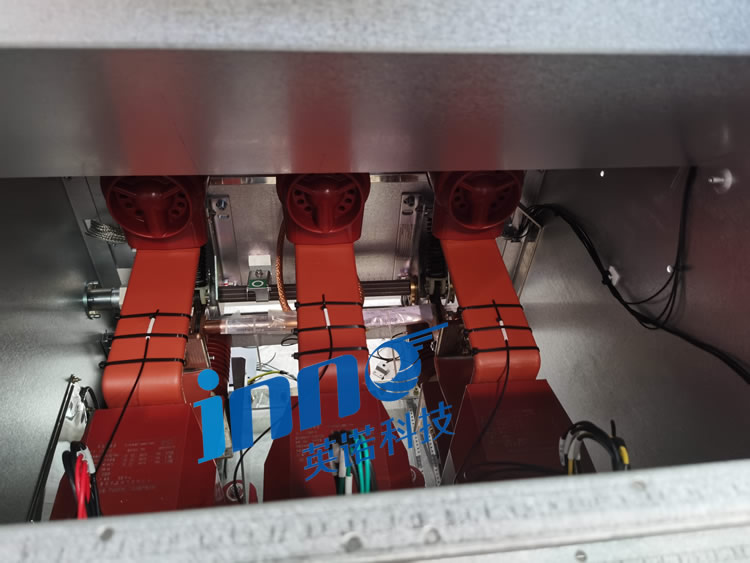
| Критерии | Флуоресцентное оптоволокно | Беспроводные датчики | Инфракрасная термография |
|---|---|---|---|
| Тип мониторинга | Непрерывный онлайн | Непрерывный онлайн | Периодический / Запланировано |
| Установка | Проводное оптоволокно | Беспроводная связь, Нет кабелей | Портативный или фиксированный |
| Устойчивость к электромагнитным помехам | ★★★★★ | ★★★ | ★★★★ |
| Точность | ±0,5°С | ±1°С | ±2°С |
| Диапазон напряжения | Первичная обмотка высокого напряжения | Низкий / Среднее напряжение | Все уровни напряжения |
| Сигнализация в реальном времени | ✅ | ✅ | ❌ |
| Сложность установки | Умеренный | Простой | Минимальный |
| Лучшее приложение | Новое распределительное устройство высокого напряжения | Проекты модернизации | Инспекции технического обслуживания |
7. Building a Complete Switchgear Thermal Monitoring System
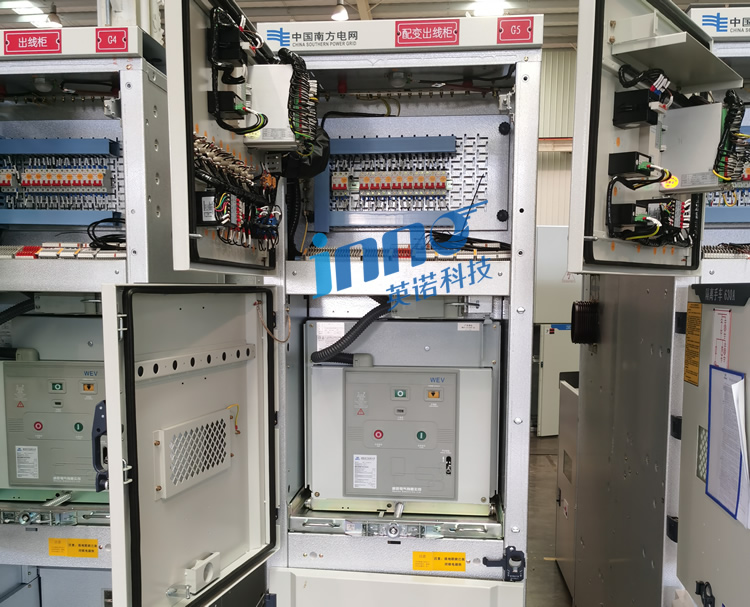
Надежный система контроля состояния распределительного устройства это не отдельное устройство — это многоуровневая архитектура, которая преобразует необработанные данные о температуре в полезную информацию о техническом обслуживании..
Слой 1 — Зондирование
The sensing layer consists of флуоресцентные оптоволоконные зонды, беспроводные датчики температуры, или fixed infrared modules installed at each critical measurement point. Sensor placement should be guided by a thermal risk assessment of busbar joints, контакты выключателя, и кабельные наконечники.
Слой 2 — Сбор данных
Signals from fiber optic systems are processed by a многоканальный демодулятор флуоресценции. Wireless systems use a gateway or concentrator unit to aggregate data from distributed nodes. Both output structured temperature readings at configurable sampling intervals.
Слой 3 — Communication
Data is transmitted to the monitoring platform via RS-485 / Modbus RTU, Сеть Ethernet / Модбус TCP, или 4Сотовая связь G/5G depending on site connectivity. MQTT protocol is commonly used for cloud-based deployments.
Слой 4 — Monitoring Platform
Тем switchgear temperature monitoring software provides real-time dashboards, исторические тенденции, multi-tier alarm management (advisory / предупреждение / критический), и автоматизированная отчетность. Alarm thresholds are typically configured at 85°C for early warning и 110°C for critical alert, though these vary by component and insulation class.
Слой 5 — Response and Integration
On alarm, the system triggers audible/visual alerts, pushes SMS or email notifications to designated personnel, and optionally issues trip commands to upstream circuit breakers to isolate the faulted section. Интеграция с СКАДА, БМС, or CMMS platforms via standard protocols enables full facility-level situational awareness.
Recommended System Configurations
- New High-Voltage Switchgear: Fluorescent fiber optic sensing + multi-channel demodulator + SCADA-интеграция
- Medium-Voltage Retrofit: Wireless temperature sensor network + cloud monitoring gateway + mobile app alerts
- Maintenance Program: Periodic infrared thermography surveys + online system for continuous baseline monitoring between inspections
8. Глобальные тематические исследования: Switchgear Temperature Monitoring in Action
Тематическое исследование 1 — Data Center, Сингапур
A Tier III data center operator deployed a wireless switchgear temperature monitoring system через 240 measurement points in their main electrical distribution room. Within six weeks of commissioning, the system flagged an abnormal temperature rise at a medium-voltage busbar joint — 34°C above adjacent connection points under load. Maintenance teams replaced the connection during a scheduled maintenance window, preventing what engineers estimated would have been a full site outage affecting multiple enterprise tenants.
Тематическое исследование 2 — Automotive Manufacturing, Германия
A major vehicle assembly plant operating 35kV high-voltage switchgear installed a fluorescent fiber optic temperature sensing system с 64 measurement channels across three switchgear lineups. The system operates continuously alongside the production line, with alarms integrated directly into the facility SCADA platform. Since installation, the plant has recorded zero unplanned electrical shutdowns attributable to switchgear thermal faults — compared to two incidents in the three years prior.
Тематическое исследование 3 — Urban Rail Transit, Китай
A metropolitan subway operator equipped traction power substations across 18 stations with оптоволоконные системы термометрии on all medium-voltage switchgear panels. Искробезопасный, EMI-immune sensing architecture was specifically selected to meet the stringent electrical safety requirements of rail traction environments, where high-frequency transients and strong magnetic fields rule out conventional electronic sensors.
Тематическое исследование 4 — Power Utility, Австралия
A regional distribution network operator implemented a hybrid monitoring strategy combining scheduled infrared thermographic surveys every six months with permanent wireless temperature transmitters on highest-risk switchgear panels. Over a two-year period, the combined approach identified 17 developing thermal faults before they escalated — reducing corrective maintenance callouts by approximately 40% compared to the previous inspection-only program.
Часто задаваемые вопросы: Контроль температуры распределительного устройства
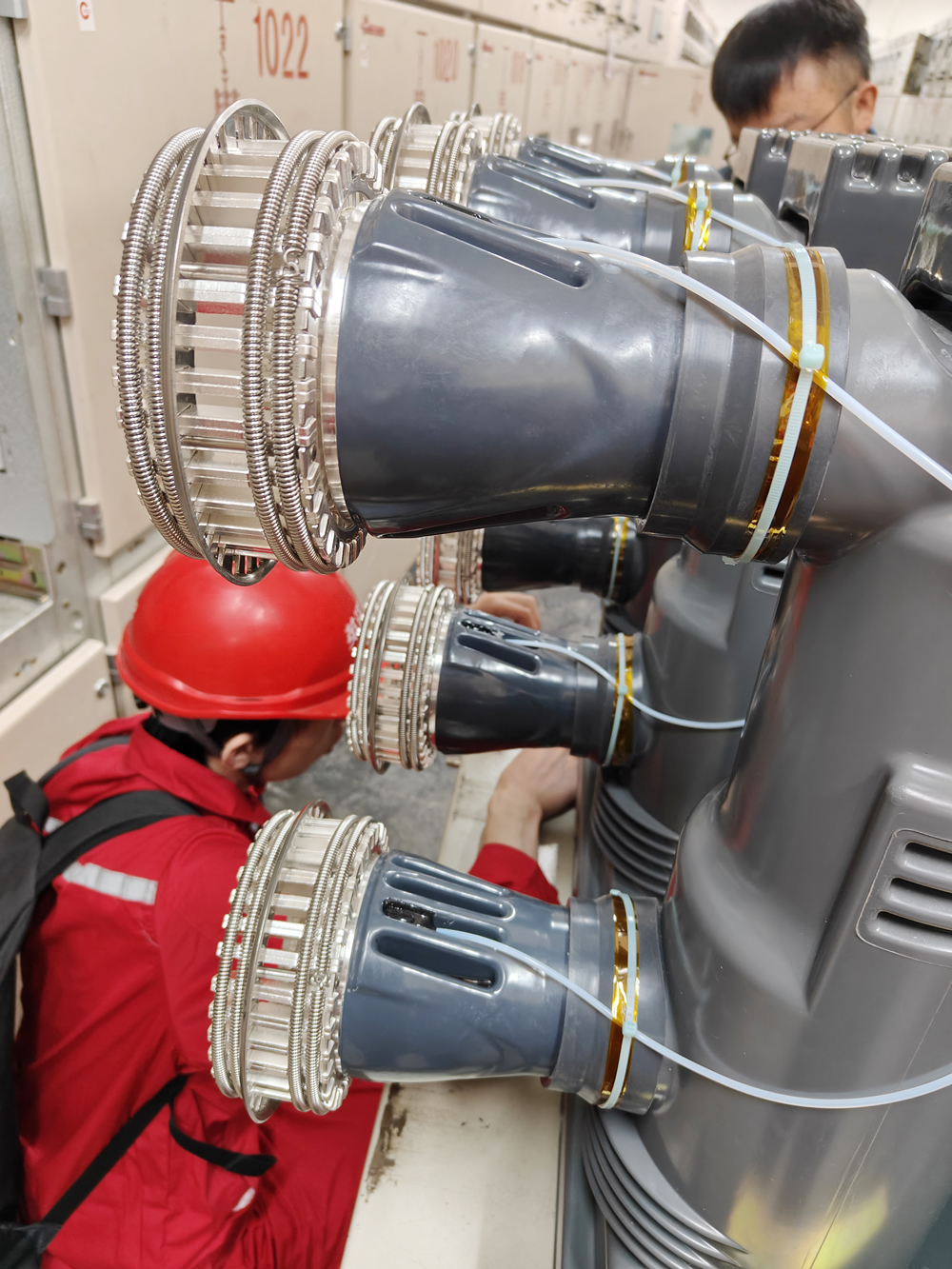
1. Какие 3 best methods for switchgear temperature monitoring?
The three most effective methods are флюоресцентный оптоволоконный датчик температуры, wireless temperature monitoring sensors, и инфракрасная термография. Each serves a distinct role: fiber optic systems excel in high-voltage continuous monitoring, wireless sensors are ideal for retrofit applications, and infrared cameras are the standard tool for periodic inspection programs.
2. What is the difference between fluorescent fiber optic sensing and wireless temperature sensors in switchgear?
Флуоресцентные оптоволоконные датчики use passive optical probes with no electrical components at the measurement point, making them intrinsically safe for high-voltage environments and completely immune to EMI. Беспроводные датчики температуры are battery-powered electronic devices that transmit data via radio frequency — easier to install in existing switchrooms but better suited to medium and low-voltage applications where electromagnetic interference is less severe.
3. Which temperature monitoring method is best for high-voltage switchgear above 10kV?
Флуоресцентная оптоволоконная термометрия is the recommended solution for switchgear operating above 10kV. The fully passive, non-electrical sensing element can be placed directly on energized components without insulation risk, and the system maintains full accuracy in environments with strong electromagnetic fields generated by high-voltage equipment.
4. Can wireless sensors work reliably inside metal switchgear enclosures?
Да, with proper installation design. Metal enclosures attenuate radio frequency signals, so wireless switchgear monitoring systems may require external antennas routed through cable glands, RF-transparent panels, or signal repeaters strategically positioned in the switchroom. Most commercial systems are specifically engineered for this environment and provide documented performance specifications for enclosure penetration.
5. Can infrared thermography replace a continuous online switchgear monitoring system?
Нет. Infrared thermal inspection is an excellent diagnostic and documentation tool, but it only captures a thermal snapshot at the moment of the survey. Thermal faults can develop and reach critical levels between inspection visits — particularly under variable load conditions. A continuous online temperature monitoring system provides the real-time alarm capability that periodic inspection alone cannot deliver.
6. What temperature threshold should trigger a switchgear alarm?
Alarm thresholds depend on the component type, класс изоляции, и температура окружающей среды. As a general industry reference, а early warning alarm is commonly set at 85°С for busbar connections and contact points, с критическая тревога в 110°С. These values should always be validated against the switchgear manufacturer’s specifications and applicable standards such as МЭК 62271 и IEEE C37.20.
7. What international standards apply to switchgear temperature monitoring?
Key standards include МЭК 62271 (High-voltage switchgear and controlgear), IEEE C37.20 (Metal-enclosed switchgear), и МЭК 60255 for protective relaying. For infrared inspection programs, НФПА 70Б (Рекомендуемая практика обслуживания электрооборудования) provides widely referenced guidelines on inspection frequency and acceptance criteria.
8. Is fluorescent fiber optic monitoring suitable for retrofitting older switchgear?
It depends on the switchgear design and available access points. Волоконно-оптические датчики are small-diameter probes that can often be routed into existing switchgear through cable entries or conduit openings without major modification. Однако, the cabling requirements are more involved than wireless alternatives, изготовление wireless temperature sensor systems the more practical first choice for most retrofit and upgrade projects.
9. Can a switchgear temperature monitoring system integrate with SCADA or BMS platforms?
Да. Самый современный switchgear thermal monitoring systems support standard industrial communication protocols including Modbus RTU/TCP, BACnet, ДНП3, и МЭК 61850, enabling direct integration with SCADA, building management systems (БМС), and computerized maintenance management systems (КММС). This allows temperature alarms and trend data to be consolidated within your existing facility operations platform.
10. Is it effective to combine multiple switchgear temperature monitoring methods?
Absolutely — and it is considered best practice for critical electrical infrastructure. The most comprehensive approach combines continuous online monitoring (fiber optic or wireless) for real-time alarm coverage with scheduled infrared thermographic surveys for full visual documentation and cross-verification. Online systems catch developing faults between inspection cycles; infrared surveys provide the broader thermal context and audit trail that regulators and insurers increasingly expect.
Ready to Protect Your Switchgear from Overheating?
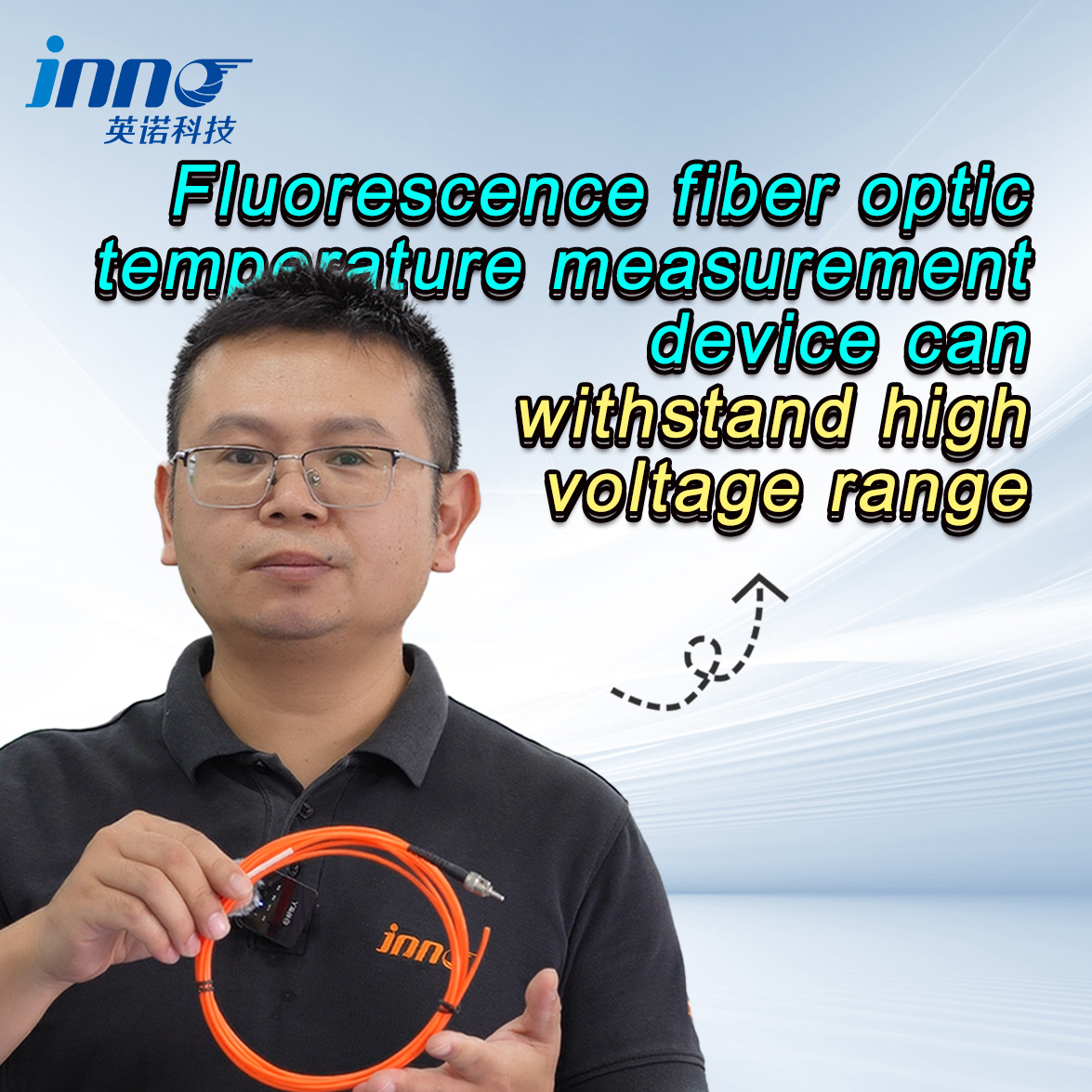
Whether you are specifying a new high-voltage installation or upgrading an existing switchroom, Выбор правильного решения для мониторинга температуры является одним из наиболее эффективных шагов, которые вы можете предпринять для защиты своих активов., твоя команда, и ваше время безотказной работы.
Наша инженерная команда специализируется на switchgear thermal monitoring systems - от флуоресцентное оптоволоконное зондирование для высоковольтных применений беспроводные сети датчиков температуры для проектов модернизации. Работаем с инженерами объектов, подрядчики по электротехнике, и OEM-интеграторы в промышленных, полезность, и коммерческий сектор.
- 📋 Запросите бесплатную оценку сайта и рекомендации по системе
- 📄 Ознакомьтесь с нашим ассортиментом продукции для контроля температуры распределительных устройств
- 📞 Поговорите со специалистом по термическому мониторингу
Отказ: Информация в этой статье предназначена только для общей технической справки.. Специальная конструкция системы, выбор компонентов, Настройка порога срабатывания сигнализации должна выполняться квалифицированными инженерами-электриками в соответствии с применимыми местными нормами и правилами., стандарты, и документация производителя распределительного устройства.. Always follow established safety procedures when working on or near energized electrical equipment.

Волоконно-оптический датчик температуры, Интеллектуальная система мониторинга, Производитель распределенного оптоволокна в Китае
 |
 |
 |