 Оптоволоконные датчики температуры INNO ,системы контроля температуры.
- Critical Need for Transformer Winding Temperature Sensors: Load current heating, гармонические искажения, and cooling system inefficiencies create dangerous temperature rises that accelerate insulation degradation and reduce transformer lifespan by 50% or more without proper monitoring.
- Начальство Измерение температуры оптоволокна Технология: Оптоволоконные датчики температуры обеспечить полную электрическую изоляцию, high voltage immunity up to 500kV+, and electromagnetic interference resistance that traditional sensors cannot match for мониторинг горячих точек трансформатора.
- Всесторонний Industrial Temperature Monitoring System Приложения: Силовые трансформаторы, распределительное оборудование, датчик температуры обмотки двигателя приложения, и electric vehicle sensors all require specialized monitoring solutions for optimal performance and safety.
- Передовой Fluorescence Sensor Technology Benefits: Собственный продукт FJINNO optical fiber temperature sensing solutions deliver the smallest sensor профили, multi-point measurement capabilities, and exceptional long-term stability for critical контроль температуры трансформатора.
- Global Success in Температура обмотки Мониторинг: Proven installations across Middle East (Саудовская Аравия, ОАЭ), Юго-Восточная Азия (Таиланд, Сингапур), и Африка (ЮАР, Нигерия) demonstrate reliable performance in diverse operating conditions.
- Comprehensive Implementation Strategy: Professional system design, extended optical cable установка, SCADA-интеграция, and ongoing technical support ensure successful измерение температуры project deployment with measurable ROI through failure prevention and extended equipment life.
Почему Transformer Winding Temperature Sensors Enable Critical Мониторинг горячих точек трансформатора?

What Causes Critical Temperature Rise in Температура обмотки Приложения?
Transformer winding temperature sensors are essential because multiple factors contribute to dangerous temperature elevation in electrical equipment. Load current heating effects represent the primary cause of температура обмотки rise, as electrical current flowing through conductor resistance generates heat according to I²R losses. Контроль температуры трансформатора systems detect harmonic distortion from non-linear loads that create additional heating beyond fundamental frequency losses, while core losses and localized hotspot formation occur due to magnetic flux concentration and eddy currents. Industrial temperature monitoring systems must account for cooling system inefficiencies, whether in oil circulation, fan operation, or radiator performance, that can exacerbate temperature problems by reducing heat dissipation capacity.
What Are the Consequences of Inadequate Winding Temperature Detector Выполнение?
Без должного мониторинг горячих точек трансформатора, excessive winding temperatures accelerate insulation degradation through thermal aging processes, causing paper and oil insulation to deteriorate rapidly and lose dielectric strength. Temperature monitoring sensors are crucial because this degradation significantly reduces transformer lifespan from expected 30-40 years to potentially 15-20 years or less, representing substantial economic losses. Оптоволоконные датчики температуры help prevent catastrophic failure risks that increase exponentially with temperature, as thermal runaway conditions can lead to insulation breakdown, искрение, и потенциальный взрыв. Измерение температуры systems provide early warning of safety hazards and fire risks that pose serious threats to personnel and facilities, with overheated transformers being a leading cause of electrical fires in industrial and utility installations.
Why Do Traditional Temperature Sensor Company Solutions Fall Short?
Общепринятый контроль температуры трансформатора approaches suffer from significant limitations that compromise their effectiveness in preventing winding overheating incidents. Oil temperature measurements, while widely used by many sensor enterprises, can differ substantially from actual температура обмотки due to thermal lag and heat transfer delays, often underestimating hotspot temperatures by 20-40°C. Optical temperature sensor technology limitations include inability to measure internal winding temperatures, line-of-sight requirements, and interference from tank walls and cooling equipment. Manual monitoring constraints restrict measurement frequency and reliability, while the lack of real-time мониторинг горячих точек трансформатора capabilities prevents immediate response to dangerous temperature excursions that can develop within minutes during fault conditions.
How Do Advanced Оптоволоконные датчики температуры Enable Superior Мониторинг температуры трансформатора?

Как Измерение температуры оптоволокна Enable Fault Prevention and Operational Optimization?
Передовой optical fiber temperature sensing solutions provide early hotspot detection capabilities that identify developing problems before they reach critical levels, enabling preventive action that avoids costly failures. Transformer winding temperature sensors with overload protection and prevention mechanisms automatically adjust loading or activate cooling systems when predetermined temperature thresholds are approached, optimizing transformer utilization while maintaining safety margins. Industrial temperature monitoring systems enable predictive maintenance implementation through trending analysis and thermal modeling, allowing maintenance scheduling based on actual equipment condition rather than arbitrary time intervals. Волоконно-оптический термометр technology provides asset lifespan extension benefits by operating transformers within optimal temperature ranges, with studies showing that every 6°C reduction in operating temperature can double insulation life. В режиме реального времени мониторинг горячих точек трансформатора capabilities enable dynamic loading strategies and load optimization opportunities that maximize transformer capacity utilization while ensuring reliability.
What Standards Require Датчик температуры обмотки Implementation and Compliance Benefits?
International standards including IEEE C57.91 and IEC 60076 series establish specific requirements for контроль температуры трансформатора, particularly for critical applications and units above certain power ratings. Industry best practices from major utilities and industrial operators increasingly mandate continuous детектор температуры обмотки monitoring as part of comprehensive asset management programs. Safety regulatory compliance requirements in many jurisdictions now include temperature monitoring sensor provisions for fire prevention and personnel protection. Implementation of proper оптоволоконный датчик температуры systems reduces maintenance costs through condition-based strategies, supports regulatory compliance efforts, and provides documentation for insurance and regulatory reporting requirements.
Which Applications Require Датчики температуры обмоток and What Parameters Need Измерение температуры оптоволокна?
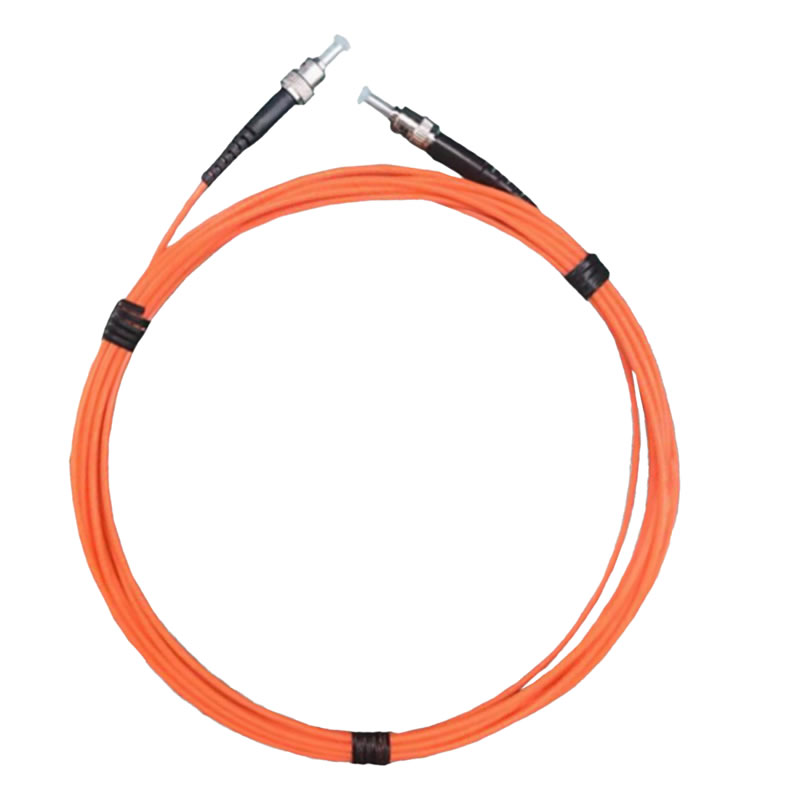
Which Motor Winding Temperature Sensor and Transformer Applications Require Monitoring?
Power transformers in utility-scale applications represent the most critical transformer winding temperature sensor требования, with units typically rated above 10 MVA requiring comprehensive мониторинг горячих точек трансформатора systems due to their high replacement costs and grid stability importance. Распределительные трансформаторы, particularly those serving critical loads or operating in harsh environments, benefit significantly from датчики контроля температуры to prevent service interruptions. Motor winding temperature sensor applications in industrial drives and generators require specialized monitoring due to their different thermal characteristics and high-speed operation. Electric vehicle sensors for battery thermal management and motor monitoring represent emerging applications requiring compact, надежный оптоволоконные датчики температуры. Specialty transformers including furnace transformers, выпрямительные трансформаторы, and phase-shifting transformers operating under unique load conditions require customized optical fiber temperature sensing solutions due to their specialized duty cycles and thermal stress patterns.
What Are the Critical Температура обмотки Параметры мониторинга?
Мониторинг горячих точек трансформатора focuses on winding hotspot temperatures as the most critical parameter, as these locations typically experience the highest thermal stress and determine transformer loading capability and lifespan. Средний температура обмотки measurements provide overall thermal assessment and enable calculation of thermal gradients across the winding structure using оптические датчики температуры. Oil temperatures in oil-filled units must be monitored using оптоволоконное измерение температуры at multiple locations including top oil, донная нефть, and cooling system inlet/outlet points to assess circulation effectiveness. Environmental temperature compensation through измерение температуры systems ensures accurate interpretation of measured values and proper adjustment of alarm thresholds for seasonal variations. Winding temperature detector systems measure temperature gradients and differences between phases, between high and low voltage windings, and between winding locations to identify developing problems such as cooling system failures, заблокированы масляные каналы, or localized overheating conditions.
Where Are the Most Critical Оптоволоконный датчик температуры Точки измерения?
Высокое напряжение transformer winding temperature sensor installations typically focus on upper portions of the winding where oil circulation may be restricted and heat accumulation is greatest, requiring strategic sensor placement based on thermal modeling and manufacturer recommendations. Low voltage winding locations, particularly in high-current applications, нуждаться температура обмотки monitoring due to different current densities and thermal profiles compared to high voltage windings. Core temperature points help detect core heating problems from over-excitation, гармоническая нагрузка, or core insulation degradation using оптоволоконные датчики температуры. Cooling system monitoring points including radiator outlets, pump discharge, and fan operation zones ensure proper heat removal system performance through industrial temperature monitoring systems. Tap changer temperature monitoring sensor installations become critical for units with frequent tap operations, as these components generate additional heat and are prone to contact resistance problems.
Which Оптоволоконный датчик Technologies Excel in Semiconductor Temperature Control and Transformer Applications?
Что Оптоволоконные датчики и Semiconductor Temperature Sensor Types Are Available?
Оптоволоконные датчики температуры utilizing fluorescent or Raman scattering principles provide temperature measurements with complete electrical isolation and immunity to electromagnetic interference, что делает их идеальными для контроль температуры трансформатора. Fluorescence sensors offer high accuracy and stability for semiconductor temperature measurement applications where precise thermal control is critical. Semiconductor temperature sensors provide cost-effective temperature measurement but suffer from electromagnetic interference susceptibility and potential ground loop problems in high voltage environments. Wafer temperature sensor applications in semiconductor manufacturing require the smallest sensor profiles and highest accuracy for process control. Fibre optic sensors с extended optical cable capabilities eliminate wiring concerns but face challenges with signal attenuation over long distances. Передовой оптоволоконный датчик systems provide non-contact measurement capabilities ideal for контроль температуры полупроводников where contamination must be avoided.
Почему Fibre Optic Sensor Technologies Superior for Мониторинг горячих точек трансформатора?
Complete electrical isolation characteristics make оптоволоконные датчики температуры inherently safe for high voltage applications, eliminating risks of electrical flashover or ground faults that can occur with metallic sensor systems. High voltage immunity up to 500kV and beyond allows direct installation of датчики температуры обмотки трансформатора on energized windings without safety concerns or special isolation requirements. Electromagnetic interference resistance ensures accurate температура обмотки measurements even in the high EMI environment surrounding transformers, where traditional electronic sensors may provide erratic readings. Intrinsic safety characteristics mean оптоволоконное измерение температуры systems cannot create ignition sources or electrical hazards, making them ideal for explosive atmosphere applications. Fibre optic sensors provide long-term stability and accuracy advantages from the optical measurement principle being immune to drift, коррозия, and aging effects that commonly affect electronic sensors in industrial temperature monitoring systems.
How Do Different Temperature Sensing Technologies Compare for Semiconductor Temperature Measurement?
Installation complexity comparisons show оптоволоконные датчики температуры requiring specialized splicing equipment but offering simpler routing and safety considerations, while traditional sensors need complex electrical isolation and grounding systems. Accuracy and reliability differences favor optical fiber temperature sensing solutions and precision sensors over conventional technologies, с датчик флуоресценции systems providing the best long-term stability for critical контроль температуры трансформатора. Maintenance requirements are minimal for optic fiber sensor systems compared to electronic sensors requiring periodic calibration verification and potential component replacement. Cost-benefit analysis must consider initial temperature sensor company затраты, расходы на установку, требования к техническому обслуживанию, and failure consequences, с оптический датчик температуры solutions often providing the best total cost of ownership. Environmental suitability assessment shows fibre optic sensors performing well in all conditions, while electronic sensors may suffer from temperature extremes, влажность, and chemical exposure in demanding контроль температуры полупроводников приложения.
| Технология | Электрическая изоляция | Устойчивость к электромагнитным помехам | High Voltage Rating | Точность | Долгосрочная стабильность | Installation Safety | Обслуживание |
|---|---|---|---|---|---|---|---|
| Флуоресцентный оптоволоконный датчик | ✓ Complete | ✓ 100% Иммунитет | ✓ 500kV+ | ✓ ±0.5°C | ✓ Excellent | ✓ Intrinsically Safe | ✓ Minimal |
| Распределенная оптоволокно (ДТС) | ✓ Complete | ✓ High | ~ Limited | ~ ±2-5°C | ~ Good | ✓ Safe | ~ Moderate |
| Волоконная решетка Брэгга (ВБР) | ✓ Complete | ✓ High | ✓ High | ~ ±1-2°C | ~ Good | ✓ Safe | ~ Moderate |
| GaAs Fiber Optic | ✓ Complete | ✓ High | ✓ High | ~ ±1°C | ✗ Poor | ✓ Safe | ✗ High |
| Беспроводной датчик температуры | ✓ Complete | ✗ Susceptible | ~ Limited | ~ ±1-3°C | ✗ Poor | ~ Moderate | ✗ Battery Replacement |
| PT100 RTD Sensor | ✗ Requires Isolation | ✗ Susceptible | ✗ Very Limited | ✓ ±0.3°C | ~ Good | ✗ High Risk | ~ Regular Calibration |
| Mechanical Thermometer | ✓ Complete | ✓ Immune | ✗ Manual Reading | ✗ ±2-5°C | ✗ Poor | ~ Moderate | ✗ Manual Only |
Legend:
✓ Excellent |
~ Good/Moderate |
✗ Poor/Limited
Why Choose FJINNO Optical Fiber Temperature Sensor Solutions for Transformer Winding Temperature Sensor Приложения?

What Unique Technical Advantages Do FJINNO Оптоволоконные датчики температуры Предоставлять?
Передовые технологии FJINNO датчик флуоресценции technology offers superior performance characteristics including complete electromagnetic immunity, high voltage capability exceeding 500kV, multi-point measurement systems supporting up to 32 каналов на единицу, and exceptional long-term stability with accuracy maintained within ±1°C over decades of operation. The proprietary optical fiber temperature sensing solutions provide faster response times and better resolution compared to conventional technologies, while robust датчик температуры обмотки construction ensures reliable operation in harsh transformer environments including extreme temperatures, oil immersion, и механическая вибрация. ФИННО smallest sensor designs enable installation in space-constrained applications while maintaining superior performance for мониторинг горячих точек трансформатора.
What Successful Industrial Temperature Monitoring System Projects Demonstrate FJINNO’s Global Expertise?
FJINNO has successfully implemented контроль температуры трансформатора solutions across diverse global markets, with notable installations including utility power transformers in Saudi Arabia’s SCECO grid modernization project featuring advanced оптоволоконный термометр технология, промышленный transformer winding temperature sensor monitoring for petrochemical facilities in UAE and Qatar, and renewable energy transformer applications in Egypt’s solar power developments utilizing extended optical cable системы. Southeast Asian success stories include major оптический датчик температуры installations in Thailand’s metropolitan electricity authority, Singapore’s industrial complexes with контроль температуры полупроводников требования, and Indonesia’s geothermal power stations implementing comprehensive детектор температуры обмотки системы. African project implementations span South Africa’s mining мониторинг горячих точек трансформатора системы, Nigeria’s power generation facilities with fibre optic sensor сети, and Kenya’s grid expansion projects featuring датчики контроля температуры, demonstrating FJINNO’s capability to deliver reliable оптоволоконный датчик solutions across varied climatic and operational conditions while providing local technical support and training.
How to Successfully Implement Измерение температуры оптоволокна Projects for Температура обмотки Приложения?
What Are the Key Implementation Elements and Investment Returns for Temperature Monitoring Sensor Системы?
Successful implementation requires comprehensive system design and оптоволоконный датчик температуры placement based on thermal modeling, manufacturer specifications, и эксплуатационные требования, followed by professional installation procedures ensuring proper fiber routing, защита, and integration with existing industrial temperature monitoring systems. Commissioning and calibration processes verify transformer winding temperature sensor accuracy and establish baseline measurements, while operator training programs ensure effective измерение температуры system utilization and maintenance. Investment returns include substantial cost savings from failure prevention, with typical transformer replacement costs ranging from $500,000 к $5 миллион, extended equipment lifespan potentially doubling transformer service life through proper мониторинг горячих точек трансформатора, and reduced maintenance costs through condition-based scheduling enabled by reliable детектор температуры обмотки systems rather than time-based approaches.
How to Overcome Common Challenges and Ensure Long-term Optical Fiber Temperature Sensing Solutions Success?
Common implementation challenges include energized equipment installation requiring specialized procedures and safety protocols for оптоволоконные датчики температуры, SCADA system integration demanding careful interface design and communication protocol selection for датчики контроля температуры, and alarm threshold optimization to prevent false alarms while ensuring adequate protection through контроль температуры трансформатора. Long-term success strategies include comprehensive maintenance planning with spare parts availability for optic fiber sensor компоненты, continuous technical support from experienced application engineers specializing in датчик температуры обмотки приложения, regular system calibration verification for датчик флуоресценции точность, and technology upgrade pathways to incorporate advancing оптический датчик температуры capabilities and communication technologies for enhanced semiconductor temperature measurement и мониторинг горячих точек трансформатора производительность.

Оптоволоконный датчик температуры, Интеллектуальная система мониторинга, Распределенный производитель оптоволокна в Китае
 |
 |
 |