 Оптоволоконные датчики температуры INNO ,системы контроля температуры.
- Oil circulation failures account for 40% of transformer overheating incidents, with detection lag causing $150,000-$500,000 in average replacement costs
- Fiber optic temperature sensors provide 24/7 winding hotspot monitoring with 0.1°C precision, detecting circulation problems 30-60 days before catastrophic failure
- Анализ растворенных газов (ДГА) identifies early-stage thermal decomposition, revealing oil circulation deficiencies through gas pattern analysis
- Three-in-one sensors combining oil temperature, уровень масла, and pressure monitoring deliver comprehensive cooling system health assessment
- Natural circulation transformers require temperature differential monitoring while forced oil circulation systems need pump performance tracking
- Oil quality degradation reduces heat transfer efficiency by 15-25%, accelerating circulation system deterioration
- Predictive maintenance based on multi-parameter monitoring reduces unplanned outages by 70% compared to time-based schedules
- Real-time monitoring platforms enable remote diagnosis, cutting troubleshooting time from hours to minutes
Оглавление
- What Is Transformer Oil Circulation Failure and Why Does It Matter?
- How Does Transformer Oil Circulation System Work?
- What Are the Primary Causes of Oil Circulation Failure?
- How Do You Detect Oil Circulation Problems Early?
- What Are the Warning Signs of Imminent Circulation Failure?
- How Can Fiber Optic Sensors Prevent Circulation Failures?
- What Maintenance Practices Prevent Oil Circulation Issues?
- How Do You Troubleshoot Oil Circulation Failures?
- What Are the Costs of Ignoring Circulation Problems?
- Which Monitoring Solutions Best Protect Against Oil Circulation Failure?
1. What Is Transformer Oil Circulation Failure and Why Does It Matter?
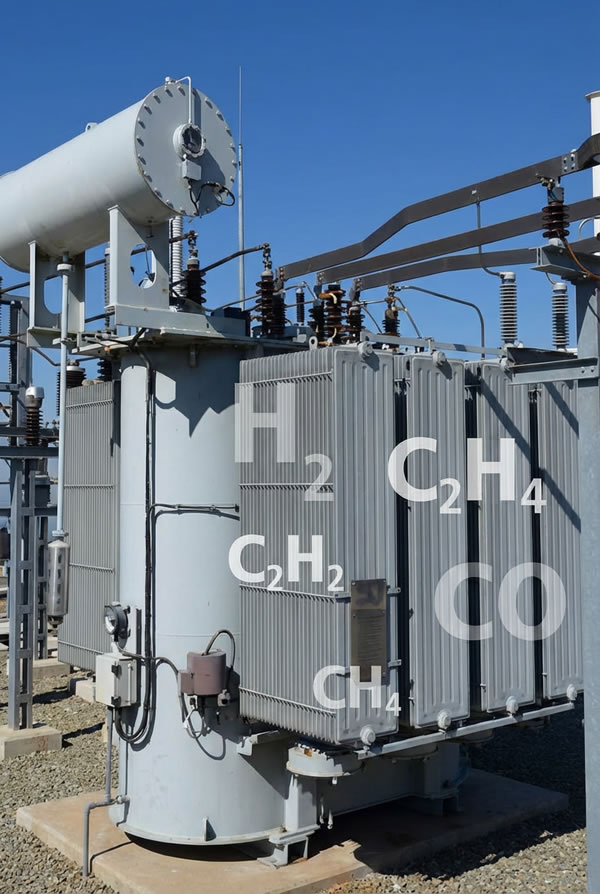
Transformer oil circulation failure occurs when the cooling medium cannot effectively remove heat generated by electrical losses in windings and core, leading to localized overheating and accelerated insulation aging. This condition represents one of the most critical threats to transformer reliability, as statistics from power utilities indicate that 40% of all transformer thermal failures originate from cooling system deficiencies. When oil circulation stops or becomes insufficient, winding temperatures can rise 20-40°C above normal operating levels within hours, causing irreversible damage to cellulose insulation. The financial impact extends beyond equipment replacement costs—a single large power transformer failure triggers production losses ranging from $150,000 к $500,000, not including emergency repair expenses and potential liability for downstream customer damages.
Understanding the Critical Role of Oil Circulation
Transformer oil serves dual functions: electrical insulation and heat dissipation. The circulation process continuously transfers thermal energy from high-temperature components (winding conductors, core laminations) to external radiators where cooling occurs. In naturally cooled transformers, convection currents driven by temperature-induced density differences move oil through the system. Forced oil circulation systems employ pumps to accelerate flow rates, enabling higher power densities. When circulation becomes compromised, heat accumulates at generation points faster than dissipation occurs, creating dangerous thermal gradients. Оптоволоконные датчики температуры positioned at critical winding locations detect these temperature buildups before permanent damage occurs, providing operators with actionable early warnings.
Why Oil Circulation Failures Remain Underdiagnosed
Traditional monitoring methods rely on top-oil and ambient temperature measurements, which fail to reveal internal circulation deficiencies until advanced degradation stages. Many utilities perform infrared thermography only during annual outages, missing gradual circulation deterioration occurring between inspections. DGA monitoring can identify thermal decomposition products, but conventional DGA testing occurs quarterly or monthly, providing insufficient temporal resolution. Современный transformer oil circulation failure prevention requires continuous multi-parameter monitoring combining temperature mapping, flow verification, and dissolved gas trending—capabilities that integrated monitoring solutions now provide.
| Failure Consequence | Time to Occurrence | Typical Cost Impact |
|---|---|---|
| Insulation accelerated aging | 30-90 дни | 20-30% life reduction |
| Winding hotspot damage | 7-21 дни | $50,000-$200,000 repair |
| Complete thermal breakdown | 2-7 дни | $300,000-$2M replacement |
| Secondary system damage | Immediate | $100,000-$500,000 потери |
2. How Does Transformer Oil Circulation System Work?

Natural Circulation Mechanisms
In naturally cooled transformers, oil circulation relies entirely on thermosiphon effects. Hot oil rising from winding surfaces creates upward flow through vertical cooling ducts, while cooled oil from radiators descends through external pathways, establishing continuous circulation loops. Flow velocity depends on temperature differentials—typically 10-15°C between hot and cold oil streams. Design features like strategic placement of cooling ducts, radiator tube sizing, and internal baffle configurations optimize natural convection. Однако, natural circulation capacity limits power density, restricting application to smaller transformers (обычно под 50 МВА). When radiators become fouled or internal passages partially block, circulation velocity drops proportionally, reducing cooling effectiveness and elevating operating temperatures.
Forced Oil Circulation Architecture
Forced oil circulation systems employ dedicated масляные насосы to drive oil through closed-loop pathways at controlled flow rates. Pumps draw oil from the transformer tank bottom, pushing it through external heat exchangers (radiators or water-cooled units) before returning cooled oil to the tank through strategically positioned inlets. This active circulation enables 3-5 times higher heat removal capacity compared to natural systems, supporting large power transformers exceeding 100 МВА. Critical components include circulation pumps (typically redundant pairs), flow control valves, strainers preventing particulate circulation, and temperature sensors monitoring inlet/outlet conditions. Oil pump malfunction represents the most common forced circulation failure mode, necessitating pump performance monitoring through vibration analysis, bearing temperature tracking, and flow rate verification.
Cooling System Monitoring Requirements
Эффективный cooling system monitoring requires measuring parameters that directly indicate circulation adequacy. For natural circulation transformers, winding-to-top-oil temperature differentials reveal circulation effectiveness—increasing differentials signal declining flow. Принудительная циркуляция масла monitoring demands flow rate measurement, pump motor current tracking, and differential pressure across heat exchangers. Modern three-in-one sensors simultaneously measure температура масла, уровень масла, и давление, providing comprehensive cooling system status. When integrated with оптоволоконные датчики температуры at winding hotspots, operators gain complete visibility into heat generation, transfer, and dissipation processes, enabling precise diagnosis of circulation deficiencies.
3. What Are the Primary Causes of Oil Circulation Failure?
Oil Pump Mechanical Failures
Oil pump malfunction in forced circulation systems typically stems from bearing wear, seal degradation, or impeller damage. Pumps operating continuously at elevated temperatures (60-80°С) experience accelerated mechanical wear compared to ambient-temperature applications. Bearing failures produce characteristic vibration signatures detectable through condition monitoring, while seal leaks cause gradual oil level reduction triggering low-level alarms. Impeller erosion from particulate contamination reduces pumping efficiency—flow rates decline 15-25% before complete failure occurs. Redundant pump configurations mitigate single-point failures, but automatic switchover systems must function reliably. Оптоволоконные датчики monitoring pump bearing temperatures provide early warning of impending failures, enabling scheduled replacements during planned outages rather than emergency repairs.
Pipeline and Duct Blockages
Circulation pathways gradually accumulate deposits from oil oxidation products, particulate contamination, and sludge formation. Internal cooling ducts within transformer windings are particularly vulnerable—clearances of 5-10mm between duct walls and conductors leave minimal margin before flow restriction occurs. External piping develops scale buildup when moisture contamination enables corrosion. Even partial blockages significantly impact circulation: 30% flow reduction causes hotspot temperatures to rise 10-15°C under full load. Periodic oil filtration removes suspended particles, but dissolved contaminants continue forming deposits. DGA monitoring detecting elevated CO and CO₂ levels indicates cellulose decomposition from overheating caused by poor circulation, providing indirect evidence of flow restrictions.
Radiator Fouling and Contamination
External radiators suffer progressive heat transfer degradation from airside fouling (пыль, пыльца, industrial emissions) and oil-side contamination (sludge deposits, oxidation films). Airside fouling reduces heat dissipation by creating insulating layers on tube surfaces—annual cleaning maintains design cooling capacity. Oil-side deposits form when aged oil loses thermal stability, particularly in transformers operating above 90°C hotspot temperatures. Radiator effectiveness loss exhibits gradual progression: 10-15% degradation over 5-10 years goes unnoticed without trending analysis. Three-in-one датчики температуры масла comparing inlet and outlet temperatures quantify radiator performance, revealing degradation before overheating occurs.
Oil Quality Deterioration
Oil thermal conductivity and viscosity directly affect heat transfer capability. Oxidation from elevated temperatures and moisture contamination increases viscosity, reducing flow velocity in natural circulation systems. Thermal conductivity decreases 15-25% as oil ages, requiring higher temperature differentials to transfer equivalent heat. Dissolved gases and water reduce dielectric strength while accelerating chemical degradation. Regular oil testing (диэлектрическая прочность, кислотность, interfacial tension) assesses condition, но DGA dissolved gas analysis provides superior trending capability. Водород, метан, and ethylene generation rates indicate thermal stress levels—patterns revealing circulation inadequacy differ from electrical discharge signatures, enabling differential diagnosis.
4. How Do You Detect Oil Circulation Problems Early?

Multi-Point Temperature Monitoring
Оптоволоконные датчики температуры installed at multiple winding locations create thermal maps revealing circulation effectiveness. Comparing temperatures between upper and lower winding sections, between phases, and between inlet/outlet oil streams identifies abnormal patterns. Healthy circulation maintains hotspot temperatures within 10-15°C of average winding temperature; excessive differentials signal flow deficiencies. Temperature trending over days and weeks reveals gradual degradation—a slowly rising hotspot amid stable load and ambient conditions indicates developing circulation problems. FJINNO’s fiber optic sensing systems provide simultaneous 8-16 point monitoring with 0.1°C resolution, detecting subtle temperature changes weeks before conventional sensors register anomalies.
Dissolved Gas Analysis for Circulation Assessment

DGA monitoring identifies thermal decomposition patterns characteristic of overheating from poor circulation. When local temperatures exceed 150°C, cellulose insulation generates CO and CO₂; above 300°C, oil decomposition produces ethylene and methane. Gas ratio analysis distinguishes circulation-induced thermal stress from electrical discharge or arcing. Online DGA systems measuring gas concentrations hourly detect developing problems within days, while laboratory analysis at monthly intervals may miss critical trends. Integrating DGA data with температура оптоволокна measurements enables correlation analysis—temperature rises accompanied by increasing gas generation confirm circulation inadequacy as root cause.
Three-in-One Sensor Technology

Современный температура масла, уровень масла, and pressure sensors integrated into single assemblies provide comprehensive cooling system monitoring. Temperature measurements at multiple tank locations reveal thermal stratification indicating poor circulation. Oil level tracking detects leaks from pump seals or radiator tube failures. Pressure monitoring across circulation pathways quantifies flow resistance—increasing pressure drops signal developing blockages. These three-in-one sensors eliminate multiple penetrations into transformer tanks, reducing leak risks while providing correlated data streams. When oil level drops coincidentally with rising temperatures and increasing pressure differentials, pump seal failure becomes evident, enabling targeted maintenance.
Flow Rate Verification Methods
Прямой oil flow measurement in forced circulation systems confirms pump performance and detects partial blockages. Ultrasonic flow meters installed on circulation piping provide continuous flow monitoring without pressure drop penalties. Flow rates declining 20% below design values indicate developing problems requiring investigation. Comparing actual flow against pump curves based on measured pressure differentials identifies pump wear. In natural circulation transformers, indirect flow assessment through temperature differential analysis substitutes for direct measurement—reduced temperature rises between bottom and top oil suggest declining circulation despite constant loading.
5. What Are the Warning Signs of Imminent Circulation Failure?
Abnormal Winding Temperature Patterns
The most reliable early indicator of impending transformer oil circulation failure appears in winding temperature behavior under load. Normal operation maintains predictable relationships between load current, температура окружающей среды, and winding hotspot readings. When circulation degrades, hotspot temperatures rise disproportionately to load increases—a 10% load increase causing 5°C hotspot rise versus the normal 2°C indicates problems. Asymmetric temperatures between phases suggest localized flow restrictions. Оптоволоконные датчики detecting hotspot temperatures exceeding top-oil temperature by more than 20°C signal circulation deficiencies requiring immediate investigation.
Top Oil Temperature Anomalies
Top oil temperature provides bulk indication of cooling system performance. Gradual increases over weeks despite stable loading and ambient conditions reveal declining heat dissipation capability. Comparing current top oil temperatures against historical baselines at identical load levels quantifies degradation. Temperature rising 5-10°C above normal patterns suggests 20-30% circulation capacity loss. Three-in-one датчики температуры масла measuring both top oil and bottom oil temperatures enable temperature differential analysis—narrowing differentials indicate reduced flow velocity in natural circulation systems or pump performance degradation in forced systems.
Accelerating Temperature Rise Rates
The rate of temperature change during load increases provides sensitive indication of cooling capacity. Healthy transformers reach thermal equilibrium within 3-4 hours following load steps; circulation deficiencies extend time constants to 6-8 часы. Monitoring temperature rise rates during daily load cycles reveals trends—gradually slowing thermal response indicates accumulating circulation problems. Advanced monitoring systems calculate time constants automatically, alerting operators when values exceed thresholds. This dynamic analysis catches circulation degradation earlier than static temperature limit monitoring.
Reduced Load Capacity
Operators first notice circulation problems when transformers cannot sustain rated loads without excessive temperature rise. Loads that previously produced acceptable temperatures now cause overheating alarms, forcing load reduction. This symptom indicates advanced circulation failure—typically 40-50% capacity loss. Economic impacts become immediate as load transfers to other transformers increase system costs and reduce operational flexibility. DGA monitoring during this stage usually shows elevated gas generation from thermal stress, confirming overheating diagnosis. Preventive monitoring detecting earlier warning signs avoids reaching this critical stage.
6. How Can Fiber Optic Sensors Prevent Circulation Failures?
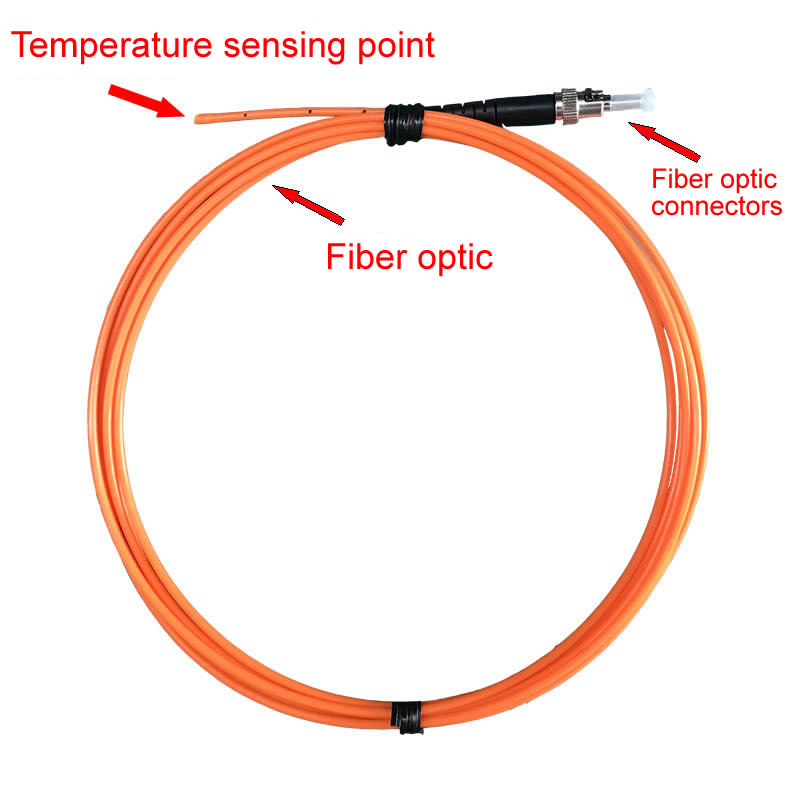
Precision Hotspot Temperature Measurement
Оптоволоконные датчики температуры provide accuracy and reliability impossible with conventional resistance temperature detectors (РДД) in transformer environments. Electromagnetic immunity ensures measurement accuracy despite intense electric and magnetic fields within transformer tanks. Direct contact with winding conductors enables true hotspot measurement rather than inferring hotspot from oil temperature algorithms. Response times under one second capture dynamic thermal events during load changes or fault conditions. FJINNO’s fiber optic sensing technology maintains ±0.1°C accuracy over 25+ year service lives without calibration drift, providing consistent long-term trending essential for detecting gradual circulation degradation.
Multi-Point Thermal Mapping
Установка оптоволоконные датчики at multiple winding locations creates comprehensive thermal profiles revealing circulation patterns. Eight-point monitoring systems typically measure temperatures at top and bottom of each winding section, enabling vertical and horizontal thermal gradient analysis. Healthy circulation maintains uniform temperature distributions; circulation deficiencies create hotspots at specific locations. Pattern analysis distinguishes cooling problems from electrical issues—hotspots migrating with load changes suggest electrical imbalances, while fixed-location hotspots indicate circulation restrictions. Real-time thermal mapping enables operators to visualize heat distribution, facilitating intuitive understanding of cooling system performance.
Early Warning Through Trend Analysis
The true value of оптоволоконный контроль температуры emerges through long-term data analysis. Baseline temperature patterns established during commissioning provide reference for detecting deviations. Machine learning algorithms identify subtle trends invisible to manual inspection—gradual 0.5°C/month hotspot temperature increases over six months signal developing problems requiring investigation. Correlation analysis between temperature, нагрузка, and ambient conditions isolates circulation issues from normal operational variations. Predictive analytics forecast failure timing, enabling scheduled maintenance during planned outages. This proactive approach reduces emergency repairs by 70% compared to reactive maintenance strategies.
Integration with Protection Systems
Оптоволоконный датчик outputs integrate directly with transformer protection relays, enabling automatic load reduction or tripping when circulation failures create dangerous temperatures. Unlike conventional winding temperature indicators using simulated hotspot calculations, fiber optic systems provide measured values triggering protection with higher reliability. Multi-level alarm thresholds provide graduated response: 80°C hotspot triggers notification, 95°C initiates load shedding, 110°C executes emergency shutdown. This layered protection prevents catastrophic failures while maximizing transformer availability. Integration with SCADA systems enables remote monitoring and control, essential for unmanned substations.
7. What Maintenance Practices Prevent Oil Circulation Issues?
Oil Pump Inspection and Testing
Preventive maintenance for forced oil circulation systems centers on pump reliability. Quarterly vibration analysis detects bearing wear before failures occur—vibration levels exceeding baseline values by 30% warrant bearing replacement. Seal inspection during annual outages identifies leaks early; replacing seals proactively costs $2,000-5,000 против $50,000+ emergency pump replacements. Performance testing measuring flow rate versus pressure head confirms pump curve compliance—degradation below 90% of design values indicates impeller wear requiring refurbishment. Motor current monitoring identifies winding insulation degradation and bearing friction increases. Implementing condition-based pump maintenance reduces unplanned circulation failures by 80%.
Radiator Cleaning and Maintenance
Annual radiator cleaning maintains design cooling capacity. Airside cleaning removes accumulated dust, пыльца, and debris using low-pressure water spray or compressed air—avoiding high-pressure washing that damages fins. Inspection identifies corrosion, утечки, or damaged tubes requiring repair. Oil-side cleaning addresses internal deposits through chemical circulation or mechanical flushing during major outages. Effectiveness testing comparing heat transfer coefficients before and after cleaning quantifies improvement. Radiator valve operation verification ensures proper flow distribution. Implementing systematic radiator maintenance programs recovers 10-15% cooling capacity in aging transformers, extending service life and improving reliability.
Oil Quality Management
Maintaining oil dielectric and thermal properties prevents circulation-related problems. Annual oil testing (диэлектрическая прочность, water content, кислотность, interfacial tension) assesses condition. When test results approach limits, oil reclamation through filtration, degassing, and dehydration restores properties at 20-30% of oil replacement cost. DGA monitoring trending identifies accelerating degradation requiring intervention. Water content exceeding 20 ppm in mineral oil reduces dielectric strength while increasing oxidation rates—vacuum dehydration reduces levels to 5-10 ppm. Particle contamination above ISO 18/16/13 cleanliness codes impairs heat transfer—fine filtration restores cleanliness. Proactive oil management extends transformer life 5-10 years while maintaining circulation efficiency.
Internal Inspection During Outages
Major outage inspections provide opportunity to assess internal circulation pathways. Borescope examination of cooling ducts reveals deposits or blockages. Winding paper insulation inspection identifies thermal damage from past overheating events. Core and coil inspection detects loose connections or structural issues affecting cooling. Pressure testing of internal cooling circuits verifies integrity. Thermographic surveys during energization identify hot spots requiring investigation. These comprehensive inspections, performed at 8-10 годовые интервалы, catch deteriorating conditions before circulation failures occur. Documentation with температура оптоволокна baseline measurements after maintenance establishes new performance benchmarks.
8. How Do You Troubleshoot Oil Circulation Failures?
Systematic Diagnostic Approach
Troubleshooting suspected transformer oil circulation failure follows logical progression from external observations to internal investigations. Первый, verify symptoms through оптоволоконный датчик температуры data review—confirm abnormal temperature patterns versus normal load cycles. Второй, assess external cooling system components: radiator fan operation, pump motor currents, положения клапанов. Третий, анализировать температура масла, уровень масла, и давление measurements for anomalies. Четвертый, perform oil sampling for DGA dissolved gas analysis and physical-chemical testing. Fifth, conduct thermographic surveys of tank external surfaces revealing internal hot spots. This structured approach efficiently narrows diagnostic focus, minimizing investigation time and cost.
Temperature Data Analysis Techniques
Advanced analysis of оптоволоконный датчик data reveals circulation failure characteristics. Plot hotspot temperature versus load current—poor circulation shows steeper slopes than baseline curves. Graph temperature differentials between winding sections over time—increasing differentials indicate worsening flow restrictions. Calculate thermal time constants from load step responses—lengthening time constants signal reduced circulation. Compare actual temperature rises against manufacturer specifications—exceedances quantify circulation capacity loss. Correlation analysis between multiple sensor locations identifies patterns: all sensors rising proportionally suggests inadequate overall cooling, while localized hotspots indicate blockages affecting specific regions.
Flow and Pressure Verification
Для forced oil circulation systems, direct flow and pressure measurements diagnose pump and piping issues. Установите временные ультразвуковые расходомеры на циркуляционный трубопровод во время устранения неполадок (см. ниже). 80% расчетных значений указывают на проблемы. Измерьте перепады давления на насосах, теплообменники, и фильтры — высокие перепады предполагают засорение, низкие дифференциалы указывают на износ насоса. Сравните характеристики давления и расхода с кривыми насоса — отклонения выявляют механические неисправности.. In natural circulation transformers, косвенная оценка потока с помощью трассерных испытаний скорости нефти или расчетного моделирования гидродинамики, позволяющего оценить структуру потока.. Эти измерения позволяют определить, вызваны ли проблемы циркуляции неисправностью насоса., засоры, или засорение радиатора.
Анализ масла для выявления первопричин
DGA monitoring в сочетании с физико-химическими испытаниями масла выявляют основные причины нарушения циркуляции. Газовые структуры, показывающие повышенный уровень этилена и метана при нормальном уровне водорода, указывают на термическое разложение в результате перегрева, а не на электрический разряд.. Анализ количества частиц выявляет источники загрязнения: частицы железа указывают на износ насоса., целлюлозные волокна указывают на ухудшение изоляции. Истощение запасов ингибиторов окисления и повышение кислотности указывают на старение нефти, требующее регенерации.. Анализ растворенного металла обнаруживает продукты коррозии, указывающие на попадание влаги.. Комплексный анализ масла помогает определить корректирующие действия — замену насоса., рекультивация нефти, или полный ремонт трансформатора в зависимости от результатов.
9. What Are the Costs of Ignoring Circulation Problems?
Прямые расходы на повреждение оборудования
Безадресный transformer oil circulation failure приводит к катастрофическому повреждению оборудования, требующему дорогостоящего ремонта или замены. Термическая деградация изоляции обмоток из-за длительного перегрева $150,000-$300,000 для перемотки или замены трансформаторов среднего напряжения. Большие силовые трансформаторы превышают $1-2 миллионы затрат на замену с 12-18 сроки выполнения заказа в месяц. Повреждения сердечника от циркулирующих токов, вызванных перегревом, добавляют $50,000-$150,000 расходы на ремонт. Неисправности втулок, вызванные слишком высокой температурой масла $20,000-$80,000 за единицу. Эти прямые затраты затмевают расходы на профилактический мониторинг. температура оптоволокна и DGA monitoring стоимость систем $25,000-$75,000 платить за себя, предотвращая единичные сбои.
Убытки от прерывания бизнеса
Незапланированные отключения из-за сбоев, вызванных циркуляцией, приводят к серьезным экономическим последствиям.. Промышленные предприятия испытывают производственные потери в размере $50,000-$500,000 в день в зависимости от процессов. Центрам обработки данных грозят штрафы по соглашению об уровне обслуживания, а также репутационный ущерб из-за простоя. Коммунальные компании несут затраты на неосвоенную электроэнергию, а также нормативные штрафы за нарушения надежности.. Стоимость аренды трансформатора для экстренной замены $10,000-$30,000 monthly for medium-voltage units, with installation adding $50,000-$100,000. These business interruption costs typically exceed direct repair expenses by 2-5 раз. Preventive monitoring enabling scheduled maintenance during planned outages eliminates interruption costs entirely.
Accelerated Asset Aging
Even when circulation problems don’t cause immediate failures, chronic overheating accelerates insulation aging following Arrhenius kinetics—every 6-8°C temperature increase doubles aging rate. A transformer operating 15°C above design hotspot loses half its expected lifespan, reducing 30-year life expectancy to 15 годы. This premature aging necessitates earlier replacement, effectively increasing annualized capital costs. Oil circulation problems causing 10-15°C temperature excursions for several years invisibly consume transformer life. Только посредством постоянного мониторинга температуры операторы могут обнаружить и исправить эти скрытые механизмы деградации.. Стоимость продления срока службы активов за счет надлежащего обслуживания циркуляции достигает сотен тысяч долларов для крупных трансформаторов..
Риски безопасности и ответственности
Серьезные нарушения циркуляции, вызывающие взрывы или пожары трансформаторов, создают катастрофические инциденты безопасности.. Ущерб от пожара окружающему оборудованию и объектам увеличивает убытки до миллионов долларов.. Травмы персонала влекут за собой расходы на компенсацию работникам, а также потенциальные судебные разбирательства.. Загрязнение окружающей среды в результате разливов нефти влечет за собой затраты на очистку ($100,000-$500,000) плюс штрафы регулирующих органов. Ущерб корпоративной репутации в результате инцидентов, связанных с безопасностью, влияет на отношения с клиентами и нормативное положение.. Страховые премии увеличиваются после крупных происшествий. Проактивный cooling system monitoring предотвращение сбоев циркуляции устраняет эти риски безопасности.. Человеческие и финансовые затраты, связанные с катастрофическими сбоями, делают комплексный мониторинг не только экономически оправданным, но и этически обязательным..
10. Which Monitoring Solutions Best Protect Against Oil Circulation Failure?

Интегрированные системы мониторинга температуры
Комплексная защита от transformer oil circulation failure требуется многоточечный оптоволоконные датчики температуры непрерывное измерение горячих точек обмотки, температура масла, и условия окружающей среды. Решения FJINNO для мониторинга обеспечивают 8-24 канальные системы с централизованным сбором данных, alarming, и в тренде. Установка во время производства обеспечивает оптимальное размещение датчика.; Решения по модернизации позволяют адаптировать существующие трансформаторы. Системы интегрируются со SCADA через Modbus, ДНП3, или МЭК 61850 протоколы, предоставление удаленного доступа для мониторинга всего автопарка. Облачная аналитика позволяет проводить сравнение активов и выявлять системные проблемы.. Инвестиционные затраты $25,000-$75,000 для комплексных систем обеспечить окупаемость инвестиций в течение 12-24 месяцев благодаря предотвращению сбоев и оптимизации технического обслуживания.
Технология онлайн-мониторинга DGA
Непрерывный DGA dissolved gas analysis дополняет мониторинг температуры путем обнаружения продуктов термического разложения, что указывает на перегрев, вызванный циркуляцией. Онлайн-системы DGA анализируют концентрации газов ежечасно, а не ежемесячно. Лабораторные испытания, обеспечение раннего вмешательства. Мультигазовые мониторы, измеряющие водород, метан, этилен, этан, ацетилен, окись углерода, и углекислый газ обеспечивают комплексное обнаружение неисправностей. Алгоритмы трендов выявляют ускорение темпов образования газа, сигнализируя о развивающихся проблемах.. Интеграция с температура оптоволокна данные позволяют провести корреляционный анализ — одновременное повышение температуры и газа подтверждает, что первопричиной являются сбои в циркуляции.. Затраты на онлайн-систему DGA $15,000-$40,000 обеспечить быструю окупаемость за счет раннего обнаружения проблем, предотвращая катастрофические сбои.
Применение датчиков «три в одном»
Передовой температура масла, уровень масла, и давление датчики, интегрированные в отдельные узлы, обеспечивают комплексный мониторинг системы охлаждения. Датчики температуры в нескольких местах резервуаров выявляют закономерности термического расслоения, указывающие на адекватность циркуляции.. Контроль уровня масла обнаруживает утечки из масляный насос уплотнения или трубки радиатора, позволяющие своевременный ремонт до нарушения циркуляции. Измерение давления в контурах охлаждения позволяет количественно оценить сопротивление потоку — увеличение падения давления указывает на развитие засоров.. Эти датчики «три в одном» исключают многократное проникновение в резервуар, снижая риск утечек и обеспечивая при этом коррелированные потоки данных.. Затраты на $3,000-$8,000 на датчик представляют собой экономичное дополнение к системам мониторинга, предоставление ценной диагностической информации для устранения неполадок кровообращения.
Индивидуальные решения FJINNO для мониторинга

Ведущий производитель в области защиты трансформаторов
Фучжоу, инновационная электронная наука&Компания Тех., ООО. (ФЬИННО), established in 2011, специализируется на оптоволоконные датчики температуры, онлайн Системы мониторинга DGA, и комплексные платформы управления трансформаторными активами, специально предназначенные для нарушение циркуляции масла профилактика. The company’s products serve power utilities, промышленные объекты, and renewable energy installations across 35 страны, with over 5,000 transformers protected by FJINNO monitoring systems. Customer feedback consistently rates FJINNO solutions above 4.8/5.0 for reliability, точность, and technical support quality.
OEM Customization Capabilities
FJINNO offers complete OEM services enabling equipment manufacturers and service providers to brand monitoring solutions under their own names. Customization includes hardware specifications (sensor types, количество каналов, протоколы связи), программные интерфейсы (dashboards, отчетность, alarming), and mechanical packaging. Engineering teams work with clients developing solutions meeting specific application requirements—from compact systems for distribution transformers to large installations monitoring entire substations. OEM partnerships provide technology access without in-house development costs, enabling rapid market entry with proven products.
Техническая поддержка и сервис
FJINNO обеспечивает комплексную техническую поддержку на протяжении всего жизненного цикла продукта.. Предпродажное проектирование помогает с проектированием системы и оптимизацией размещения датчиков.. Поддержка при установке обеспечивает правильный ввод в эксплуатацию и установление базовых показателей.. Программы обучения обучают операторов интерпретации данных и устранению неполадок.. Постоянная техническая помощь решает эксплуатационные вопросы и оптимизацию системы.. Услуги профилактического обслуживания поддерживают точность измерений и надежность системы.. Такой подход к поддержке полного жизненного цикла позволяет клиентам максимизировать ценность системы мониторинга., достижение оптимальной защиты трансформатора и повышение надежности.
Контактная информация:
- Электронная почта: web@fjinno.net
- WhatsApp/WeChat/телефон: +86 13599070393
- QQ: 3408968340
- Адрес: Промышленный парк Liandong U Grain Networking, № 12 Синъе Вест Роуд, Фучжоу, Фуцзянь, Китай
- Веб-сайт: www.fjinno.net
Мобильные платформы мониторинга
Современный мониторинг трансформаторов выходит за рамки дисплеев в диспетчерской и позволяет использовать мобильные устройства, позволяющие полевому персоналу получать доступ к данным в реальном времени на месте.. Приложения для смартфонов отображают текущую температуру, ДГА тенденции, and alarm status for individual transformers or entire fleets. Push notifications alert maintenance teams to developing issues requiring attention. Historical data review enables informed troubleshooting decisions during outage investigations. Geographic mapping shows asset locations with color-coded health indicators enabling prioritization. Cloud-based architectures provide secure access from any location with internet connectivity. These mobile platforms multiply monitoring system value by putting information directly in hands of personnel who need it, accelerating response times and improving maintenance outcomes.
Часто задаваемые вопросы
How quickly can oil circulation failure cause transformer damage?
Timeline depends on failure severity and loading. Complete circulation loss under full load can cause insulation damage within 2-7 дни. Partial circulation degradation (30-40% capacity loss) typically produces measurable temperature increases within 30-60 дни, with permanent damage occurring over 6-12 months if uncorrected. Оптоволоконный контроль температуры detects problems during early stages enabling intervention before damage occurs.
Can you repair transformers damaged by circulation failures?
Repair feasibility depends on damage extent. Minor insulation degradation may allow continued operation with reduced ratings. Moderate damage requires winding reconditioning or selective replacement costing 40-60% of new transformer prices. Severe thermal damage necessitates complete rewinding or replacement. Раннее выявление через DGA monitoring and temperature tracking enables intervention before irreparable damage occurs, making repair more viable and economical.
How often should oil circulation systems be inspected?
Для forced oil circulation трансформаторы, quarterly pump inspection including vibration analysis and performance testing catches developing issues early. Annual radiator cleaning and internal flow verification during outages maintains cooling capacity. Continuous monitoring through оптоволоконные датчики и системы ДГА обеспечивает техническое обслуживание по состоянию, reducing inspection frequency while improving reliability. Natural circulation transformers require less frequent mechanical inspection but benefit equally from continuous temperature monitoring.
What is the typical cost of fiber optic temperature monitoring systems?
Complete systems for single transformers range from $25,000-$75,000 depending on channel count (8-24 датчики), функции (alarming, в тренде, SCADA-интеграция), и требования к установке. Multi-transformer installations achieve economies of scale through shared infrastructure. Возврат инвестиций обычно происходит в течение 12-24 months through prevented failures, оптимизированное обслуживание, и продление срока службы активов. FJINNO offers flexible configurations matching budget and protection requirements.
Can monitoring systems prevent all circulation failures?
While comprehensive monitoring cannot prevent mechanical failures or aging-related deterioration, it enables early detection before catastrophic damage occurs. Studies show properly implemented monitoring with proactive maintenance reduces unplanned outages by 70% and extends transformer life 15-20%. The key value lies not in failure prevention but in early warning enabling scheduled repairs during planned outages, eliminating emergency situations and minimizing business impact.
How do three-in-one sensors improve circulation monitoring?
Температура масла, уровень масла, and pressure sensors provide correlated data streams revealing circulation system health. Temperature measurements quantify cooling effectiveness. Oil level tracking detects leaks indicating pump seal or radiator tube failures. Pressure monitoring identifies flow restrictions from blockages. Analyzing all three parameters together enables differential diagnosis—distinguishing pump failures from blockages from radiator fouling—accelerating troubleshooting and reducing diagnostic costs.
What dissolved gases indicate oil circulation problems?
DGA patterns showing elevated CO and CO₂ with moderate ethylene and methane indicate thermal decomposition from overheating caused by poor circulation. This differs from electrical discharge patterns (high hydrogen, ацетилен) or partial discharge (predominantly hydrogen). Trending gas generation rates provides more diagnostic value than absolute concentrations—accelerating thermal gas production despite stable loading confirms developing circulation problems requiring investigation.
Отказ от ответственности
This article provides general information about transformer oil circulation failure, технологии мониторинга, and maintenance practices for educational purposes. While content reflects industry best practices and manufacturer experience, конкретные приложения требуют профессионального инженерного анализа с учетом конструкции трансформатора, условия эксплуатации, и требования к сайту. Выбор системы мониторинга, установка, и эксплуатация должна соответствовать спецификациям производителя., industry standards (Серия IEEE C57, МЭК 60076), и местные электротехнические нормы и правила. Температурные пороги, настройки будильника, Указанные интервалы технического обслуживания представляют собой типичные значения, но должны быть адаптированы для отдельных трансформаторов на основе проектных характеристик и истории эксплуатации.. FJINNO and affiliated parties assume no liability for decisions made based on this content. Установка системы обслуживания и мониторинга трансформатора должна выполняться только квалифицированным персоналом с соблюдением соответствующих процедур безопасности.. Характеристики продукта, performance claims, and technical details are subject to change without notice. Для рекомендаций по конкретным проектам и технической поддержки, свяжитесь с FJINNO напрямую по адресу web@fjinno.net или +86 13599070393. Информация о продуктах конкурентов и отраслевая статистика взята из общедоступных источников и опубликованных исследований.; точность не может быть гарантирована. Этот контент не является гарантией, guarantee, or contractual commitment of any kind.

Оптоволоконный датчик температуры, Интеллектуальная система мониторинга, Распределенный производитель оптоволокна в Китае
 |
 |
 |